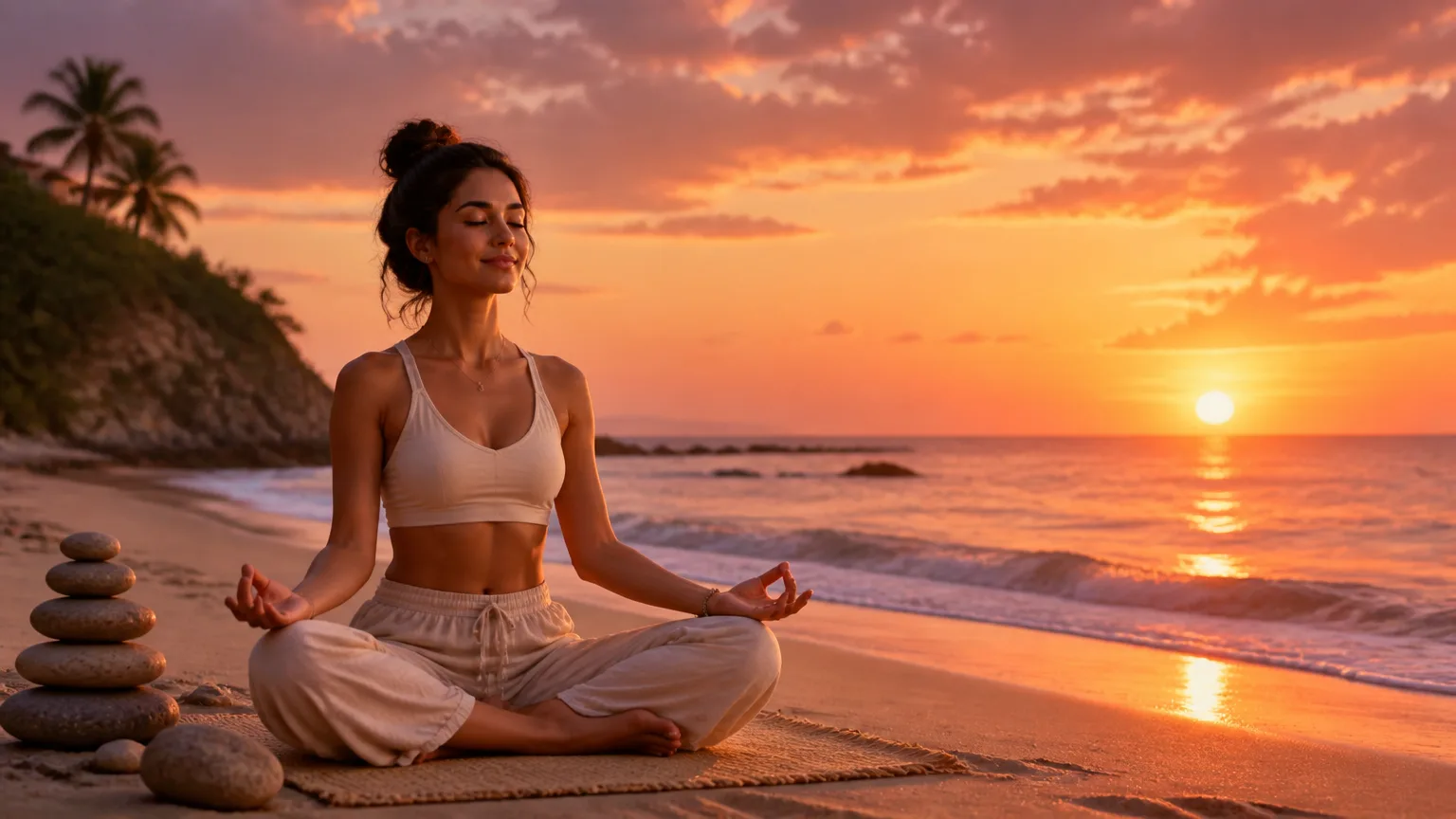
Anger is a natural emotion, yet it can disrupt our peace and well-being. Yoga for anger management offers transformative techniques that help channel this intense emotion into a path of inner tranquility. By cultivating awareness of our emotions, we can begin to understand their roots and influence on our lives.
Spiritual practices, particularly Bhakti Yoga, play a crucial role in navigating emotional turbulence. Bhakti Yoga emphasizes devotion and love, allowing practitioners to connect deeply with their inner selves and the universe. This connection fosters compassion, not only towards oneself but also towards others, creating a buffer against anger.
As we explore various yoga techniques, we will uncover how they can serve as tools for emotional regulation. From breathwork to mindfulness, each practice encourages us to embrace our feelings without being overwhelmed by them. By integrating these techniques into our daily routines, we can foster a more harmonious existence, paving the way for lasting inner peace.
1. Breath Control and Pranayama Techniques
Breath serves as a vital link between the body and mind, playing a crucial role in managing emotional states. When anger arises, our breath often becomes shallow and rapid. By practicing breath control, we can interrupt this cycle and establish a sense of calm.
One effective technique is Nadi Shodhana, or alternate nostril breathing. This practice balances the body’s energy and promotes tranquility. To perform it, close one nostril with your thumb, inhale deeply through the other, then switch sides. Just a few cycles can significantly cool the mind.
Ujjayi breath, or ocean breath, is another valuable tool. Inhale deeply through the nose while constricting the throat, creating a soft sound. This technique not only calms the nervous system but also enhances focus during yoga for anger management.
Consistency is key. Regular practice of these pranayama techniques fosters resilience against anger, leading to long-term emotional regulation and inner peace.
2. Grounding with Root Chakra Yoga Poses
Grounding poses play a pivotal role in enhancing emotional stability, particularly in managing anger. By focusing on the root chakra, these poses help to anchor energy and foster a sense of security. When we are grounded, we can respond to challenging emotions more thoughtfully rather than react impulsively.
Specific poses such as Tadasana (Mountain Pose) and Virabhadrasana I (Warrior I) are excellent for cultivating a strong foundation. Tadasana encourages alignment and presence, while Warrior I promotes confidence and strength. These postures connect our physical bodies to the earth, allowing us to release pent-up anger and tension.
Integrating these grounding poses into your daily spiritual routine can significantly enhance your practice of yoga for anger management. To explore more effective poses, consider reviewing the list of 10 Powerful Root Chakra Yoga Poses to Ground Your Energy Effectively. Regular practice of these techniques not only nurtures emotional equilibrium but also instills a lasting sense of inner peace.
3. Meditation for Emotional Clarity
Meditation serves as a powerful tool for enhancing emotional health, particularly in moments of anger. By creating a space for introspection, meditation allows individuals to observe their thoughts and feelings without judgment. This practice promotes emotional regulation, offering clarity that can transform reactive impulses into thoughtful responses.
Mindfulness, a key component of meditation, encourages us to stay present. By focusing on the here and now, we can better manage overwhelming emotions. For instance, during an angry episode, simply taking a moment to breathe and center oneself can mitigate escalation.
Incorporating Bhakti-focused meditation practices can further resonate with our values. Techniques such as chanting or visualizing sacred symbols can deepen our connection to inner peace. Explore more about this transformative approach in “Unlocking Insight: Mastering Third Eye Chakra Meditation Techniques for Clarity” (https://thebhaktihouse.org/unlocking-insight-mastering-third-eye-chakra-meditation-techniques-for-clarity/). Embracing these practices cultivates emotional clarity, making them invaluable for effective yoga for anger management.
4. The Role of Kirtan in Anger Management
Engaging in Kirtan, the call-and-response chanting of sacred mantras, serves as a transformative practice for managing anger. This communal experience not only redirects emotional energy but also fosters a sense of connection among participants. The rhythmic chanting elevates mood and promotes a state of inner peace, effectively alleviating feelings of anger.
The therapeutic benefits of Kirtan are profound. Participating in this practice allows individuals to express their emotions in a supportive environment. As the group harmonizes in sound, personal frustrations often dissipate, replaced by a collective sense of joy and tranquility. Many have found that regular attendance at events like the Friday Night Kīrtan enhances emotional resilience.
Moreover, the communal aspect of Kirtan builds a network of support. Engaging with others who share similar experiences cultivates a sense of belonging. This connection is vital for emotional healing, as it reinforces the understanding that one is not alone in their struggles. Therefore, consider actively participating in local Kirtans to experience these benefits firsthand.
5. Self-Reflection Through Journaling
Journaling serves as a powerful tool for self-reflection, allowing individuals to explore their emotional triggers. This practice aligns seamlessly with Bhakti principles, fostering a deeper understanding of oneself. By writing about moments of anger, devotees can identify patterns and recognize the underlying causes of their emotions.
Consider using prompts such as, “What situations tend to provoke my anger?” or “How can I respond with compassion in these moments?” These reflections encourage awareness, ultimately guiding individuals toward more constructive responses.
Incorporating journaling into your daily routine can be transformative. Set aside a few minutes each day, perhaps after your yoga practice, to pen your thoughts. This intentional act not only clarifies your feelings but also strengthens your spiritual journey, leading to a greater sense of inner peace. Embrace journaling as a sacred ritual that complements your yoga for anger management efforts.
Cultivating Inner Peace Through Commitment
Integrating the discussed practices into your daily life is essential for effective anger management. By committing to at least one technique, such as breathwork or mindfulness, you can create a foundation for lasting inner peace. Regular practice fosters resilience, allowing you to respond to anger with greater clarity and calm.
Moreover, engaging with the supportive community within Bhakti Yoga enriches your journey. Sharing experiences and insights with others who understand your struggles reinforces your commitment and deepens your emotional healing. Remember, managing anger is not merely a goal; it is a continuous journey that complements your spiritual growth. Embrace this path with dedication, and let it guide you toward a more peaceful existence.