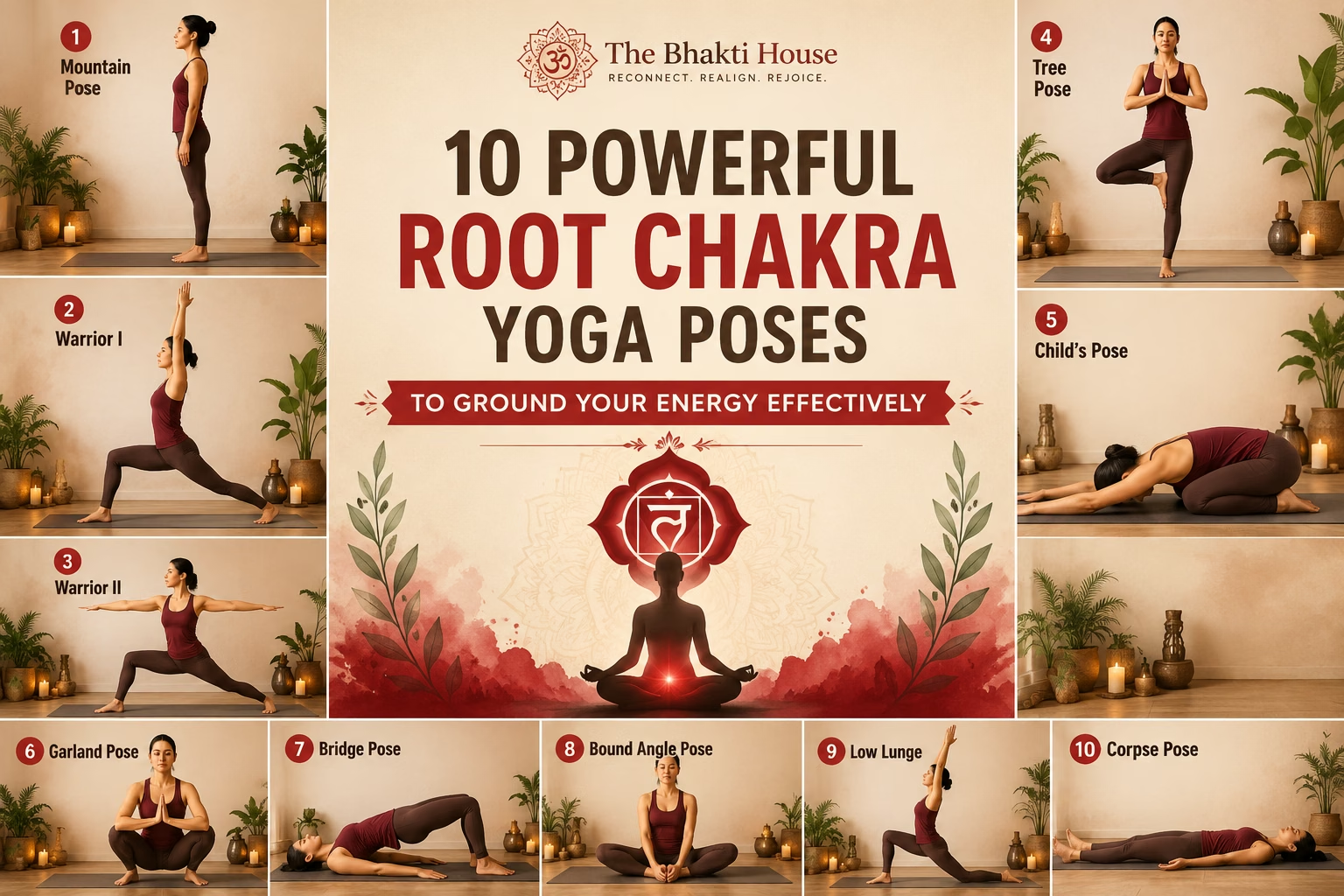
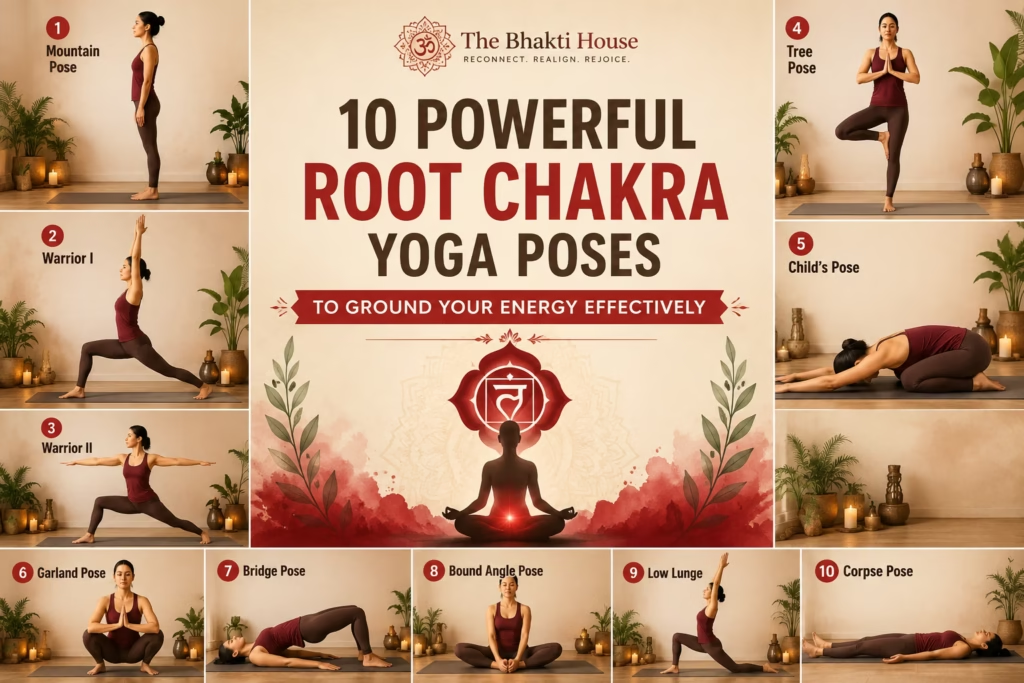
Chakras are energy centers within the body, each playing a vital role in our spiritual and emotional well-being. Among these, the root chakra, or Muladhara, serves as the foundation of our energetic system. It is located at the base of the spine and is essential for fostering stability and security. When the root chakra is balanced, it provides a sense of groundedness, allowing individuals to engage fully with their surroundings and cultivate a deep connection to themselves and their community.
In the practice of Bhakti Yoga, which emphasizes devotion and love, grounding energy becomes crucial for personal growth. By nurturing the root chakra, practitioners can enhance their emotional resilience and establish a stronger sense of belonging. This connection not only supports individual progress but also fosters a more unified community, where members uplift one another through shared experiences and mutual support.
Engaging in root chakra yoga poses is a practical way to activate and balance this energy center. These poses not only help in stabilizing your energy but also promote a sense of well-being that resonates with the core tenets of Bhakti. As you explore these powerful poses, you will find that they serve as tools for both personal enrichment and community engagement. Grounding energy for personal growth is essential, and integrating these practices into your routine will pave the way for deeper connections with yourself and those around you.
1. Mountain Pose (Tadasana)
Mountain Pose serves as a cornerstone for establishing grounding energy within your practice. By standing tall with feet firmly planted, you create a solid foundation that reflects stability and alignment—two essential elements for activating the root chakra.
As you engage in this pose, focus on the sensation of being supported by the earth beneath you. Feel the strength of the ground rise through your feet, anchoring you in the present moment. This connection fosters a sense of security and balance, allowing energy to flow freely through your body.
Mindfulness in your posture is crucial. Pay attention to your alignment: distribute your weight evenly between both feet, draw your shoulders back, and lift your chest. This awareness not only enhances physical stability but also cultivates a deeper sense of presence, enriching your overall experience of root chakra yoga poses. By embodying Mountain Pose, you invite grounding energy into your life, paving the way for personal growth and community engagement.
2. Warrior I (Virabhadrasana I)
Warrior I embodies the essence of courage and resolve, making it a powerful root chakra yoga pose. As you transition into this pose, you establish a firm foundation, with your feet grounded and your torso lifted. This alignment not only enhances physical strength but also fosters a sense of unwavering confidence.
The act of reaching your arms overhead while maintaining a stable base resonates deeply with the energy of the root chakra. This connection illustrates how strength and a grounded presence can significantly impact your overall well-being. By embodying Warrior I, you cultivate a powerful stance that encourages both personal fortitude and communal support.
Furthermore, Warrior I aligns beautifully with bhakti, or devotion. As you focus on your breath and intentions, you invite a sense of dedication into your practice. This devotion not only enriches your individual experience but also connects you to the collective energy of your community.
3. Warrior II (Virabhadrasana II)
Warrior II embodies the essence of being rooted while simultaneously extending outward. This powerful pose invites you to ground yourself firmly through your legs, fostering a profound connection to your surroundings. As you open your arms wide and gaze over your front fingertips, you create a sense of expansiveness that mirrors your engagement with the community.
In Warrior II, alignment is crucial. Ensure your front knee is directly over your ankle and your back leg remains strong and straight. This alignment promotes optimal energy flow, reinforcing the stability associated with the root chakra. As you maintain this posture, visualize your energy extending outward, reaching towards others and inviting a sense of camaraderie.
By practicing Warrior II, you cultivate balance and strength, both physically and emotionally. This pose not only grounds your energy but also encourages active participation in the world around you, enhancing your connection to your community.
4. Tree Pose (Vrksasana)
Tree Pose, or Vrksasana, serves as a powerful symbol of grounding and balance. As you stand on one leg, envision yourself as a tree, deeply rooted in the earth. This metaphor emphasizes the importance of seeding strength and stability within yourself, allowing your energy to flow freely.
Balancing in this pose requires focus and concentration. By rooting your standing foot into the ground, you cultivate a sense of steadiness and awareness. This practice encourages you to be present, both in your body and your mind, enhancing your connection to the world around you.
Moreover, Tree Pose fosters a deeper bond with your community. As you embody the strength of a tree, you can extend your branches outward, symbolizing your openness to others. This interconnectedness enriches your yoga practice, inviting a spirit of collaboration and support within your community. Through this pose, you not only ground your energy but also nurture the roots of communal ties.
5. Child’s Pose (Balasana)
Child’s Pose, or Balasana, serves as a powerful restorative posture that invites grounding and inner peace. This gentle pose calms the nervous system, promoting relaxation and a sense of safety. As you settle into the pose, you surrender to the earth beneath you, fostering trust in the universe and its inherent wisdom.
In this moment of stillness, you cultivate a profound connection to your breath and body. The gentle folding forward encourages introspection, allowing you to let go of external distractions and reconnect with your inner self. This practice not only enriches your experience of root chakra yoga poses but also establishes a serene space for shared silent energy within your community.
As you embrace the calming effects of Child’s Pose, consider enhancing your meditation practice through techniques that deepen your connection to inner peace, such as using a mala. This synergy between poses and meditation strengthens your grounding, further nourishing your roots in both personal and communal contexts.
6. A Bound Angle Pose (Baddha Konasana)
Bound Angle Pose, or Baddha Konasana, serves as a profound connector between the earthly and the spiritual realms. As you sit with the soles of your feet together and knees open wide, you create a physical manifestation of vulnerability and openness. This pose encourages you to ground your energy while simultaneously embracing the flow of spirit.
In Bhakti practices, vulnerability is essential. By allowing yourself to open up in this pose, you cultivate a deeper connection to both yourself and your community. This openness fosters the sincerity of intention, a cornerstone of devotion that invites compassion and understanding.
Incorporating breath work into Bound Angle Pose amplifies grounding energy. As you inhale deeply, visualize yourself connecting with the earth beneath you. With each exhale, release any tension or negativity, allowing your energy to stabilize. This practice not only enriches your individual experience but also strengthens communal ties as you embody the essence of grounded presence.
7. Cobbler’s Pose (Baddha Konasana)
Cobbler’s Pose is an excellent way to invite grounding energy while simultaneously opening the heart and hips. As you sit with the soles of your feet together, feel the earth beneath you, allowing yourself to surrender to its support. This connection fosters a profound sense of stability and encourages a feeling of safety, essential for root chakra yoga poses.
The heart-opening nature of Cobbler’s Pose aligns beautifully with the principles of bhakti, or devotion. By embracing this pose, you not only cultivate self-love but also extend that love to your community. As you breathe deeply, visualize your heart expanding, inviting love and compassion into your practice and your interactions with others.
Integrating gentle movement with focused breath enhances your grounding experience. Each inhale connects you to the earth, while every exhale releases tension, creating a harmonious flow. This synergy not only enriches your personal practice but also reinforces the bonds within your community, promoting unity and collective energy.
8. Seated Forward Bend (Paschimottanasana)
Seated Forward Bend offers a profound opportunity for introspection, fostering a grounded connection to oneself. As you gently fold forward, the pose encourages the release of tension, allowing the mind to settle and find clarity. This inward focus aids in quieting distractions, promoting a sense of peace that is essential for grounding energy.
The act of forward bending aligns beautifully with reflective spiritual practices. In this posture, practitioners often find a moment to assess their thoughts and emotions, facilitating a deeper understanding of their inner landscape. This reflective quality resonates with the principles of bhakti, where gratitude becomes a central theme.
As you cultivate appreciation for your journey, you foster a connection to the earth and the community around you. Each breath while in Seated Forward Bend becomes an invitation to express gratitude, reinforcing both personal grounding and communal ties. In this way, the pose serves not only as a physical practice but also as a bridge to deeper emotional and spiritual connections.
9. Bridge Pose (Setu Bandhasana)
Bridge Pose serves as a remarkable embodiment of duality, fostering both stability and upliftment. As you lie on your back, pressing your feet into the earth while lifting your hips skyward, you create a powerful connection to the ground beneath you. This action not only anchors your energy but also invites a sense of elevation and openness.
The alignment of your spine in Bridge Pose plays a critical role in activating energetic channels. As you lift your chest and open your heart, you facilitate the flow of prana, or life force, throughout your body. This enhanced energy circulation not only promotes physical strength but also nurtures emotional resilience.
In practicing Bridge Pose, you cultivate a space for both self-care and community engagement. By holding this pose, you not only honor your own journey but also create a template for others to find their grounding. This collective support fosters a sense of unity, allowing you to connect deeply with both yourself and those around you.
10. Corpse Pose (Savasana)
Corpse Pose, or Savasana, serves as the culmination of your yoga practice, emphasizing the vital role of stillness and inner peace. In this final pose, surrendering fully to the ground becomes a profound expression of trust and acceptance. As you lie on your back, allow the weight of your body to melt into the mat, fostering a deep connection with the earth beneath you.
This stillness is not merely physical; it resonates deeply with the principles of bhakti, or devotion. In the quiet moments of Savasana, you may encounter spiritual awakening, as the mind quiets and the heart opens. Reflecting on your practice in this space can illuminate the ways in which your journey intertwines with that of your community, reinforcing shared experiences and collective energy.
Embrace the opportunity to honor both your individual path and the interconnectedness of all beings. As you rest, consider how this grounding practice nurtures not only your own roots but also enriches the communal ties that bind you to others.
Embracing the Grounded Path
Incorporating root chakra yoga poses into your daily practice offers profound benefits for both spiritual grounding and community connection. As you engage with these poses, you not only stabilize your own energy but also create a ripple effect that enhances the collective experience within your community. Each asana serves as a reminder of your personal journey while simultaneously fostering a sense of unity with others.
Root chakra poses invite you to deepen your bhakti routines, allowing devotion to flow through your practice. By dedicating your movements to a higher purpose, you cultivate an atmosphere of shared energy that strengthens communal bonds. This mutual support nurtures a space for growth, where both individual and collective journeys can flourish.
Moreover, grounding techniques enable you to reflect on your spiritual journey. As you connect with the earth, you reaffirm your place within a larger community. This connection not only enriches your practice but also encourages active participation in the world around you.
To further enhance your experience, consider integrating meditation practices, such as those explored in Enhance your meditation practice with a mala. This synergy amplifies your grounding efforts, allowing for a more profound connection to both yourself and your community.
Ultimately, embracing these powerful root chakra yoga poses lays a strong foundation for your spiritual journey. By grounding yourself, you empower not only your path but also the collective energy that binds us all.