Spiritual baths serve as a powerful tool for personal transformation, allowing individuals to cleanse both body and spirit. Rooted in ancient practices, these baths incorporate various elements—such as herbs, essential oils, and intentions—to create a sacred space for rejuvenation and reflection. By immersing oneself in this nurturing environment, practitioners often experience enhanced clarity, emotional release, and a profound connection to their inner selves.
In the context of Bhakti Yoga, spiritual baths align perfectly with the philosophy of devotion and surrender to a higher power. This practice emphasizes the importance of cultivating a loving relationship with the divine, enhancing one’s spiritual journey. Just as Bhakti Yoga encourages dedication and mindfulness, a spiritual bath invites participants to immerse themselves in the present moment, fostering a sense of peace and tranquility.
ISKCON teachings further illuminate the significance of purification rituals, highlighting the transformative effects they can have on one’s spirit. Engaging in a spiritual bath not only cleanses the physical body but also serves as a ritualistic act of devotion, making it a meaningful component of Bhakti practices. By integrating this ritual into your routine, you can open pathways to deeper spiritual insights and a more profound connection to your surroundings.
As you explore this ultimate guide to spiritual baths, consider it an invitation to deepen your spiritual journey. The insights and techniques presented here will empower you to harness the transformative power of this practice. Embrace the opportunity to enhance your meditation practice, and allow yourself to be guided by the wisdom of Bhakti Yoga.
1. Understanding the Essence of Spiritual Baths
Spiritual baths have deep roots in various cultures, serving as rituals for purification and renewal. Ancient Egyptians bathed in scented oils and herbs to cleanse both body and spirit, a practice believed to connect them with the divine. Similarly, in Hindu traditions, bathing in sacred rivers symbolizes the washing away of sins and negative energies. These historical contexts illustrate the universal desire for spiritual rejuvenation.
At their core, spiritual baths are more than mere physical cleansing; they are transformative experiences aimed at restoring balance and harmony. Many cultures view water as a sacred element. It represents life, emotional healing, and spiritual clarity. The act of immersing oneself in water, infused with specific ingredients, serves to purify not only the body but also the mind and spirit.
Purification is a significant theme in spiritual practices. It denotes the removal of negative influences and the release of emotional baggage. For example, in many Indigenous cultures, bathing rituals often involve natural elements like herbs, flowers, and essential oils. These components are chosen for their energetic properties, enhancing the ritual’s effectiveness. When combined with intention, these baths can facilitate profound shifts in one’s spiritual state.
Intention plays a crucial role in creating meaningful experiences during spiritual baths. Setting a clear purpose enhances the effectiveness of the ritual. Whether seeking clarity, healing, or emotional release, a focused intention can guide the process. For instance, someone seeking to let go of anxiety might incorporate calming lavender and soothing chamomile into their bath. This thoughtful selection of ingredients aligns the experience with specific goals, making the spiritual bath more impactful.
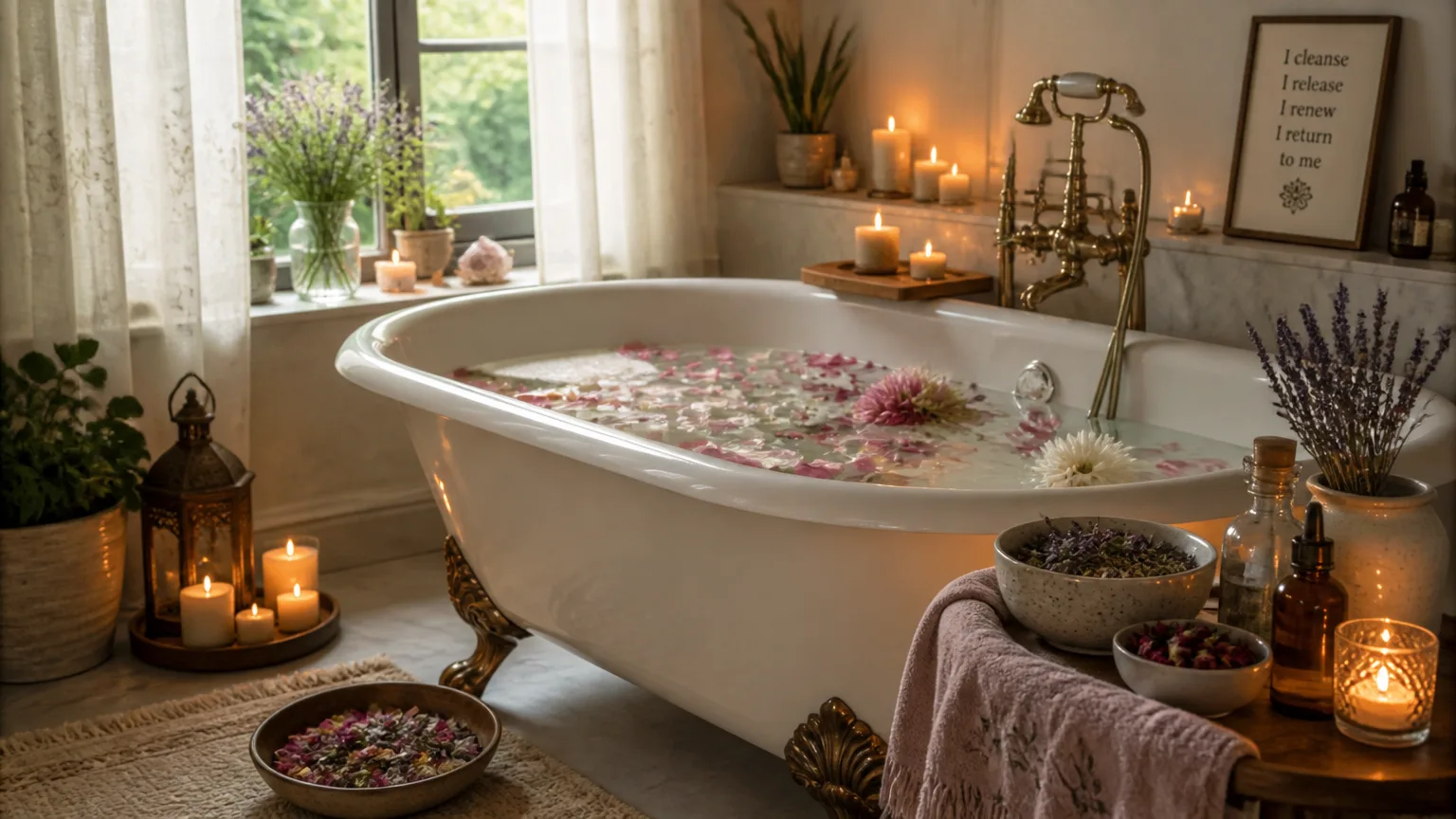
Moreover, the setting in which one performs a spiritual bath can amplify its effects. Creating a tranquil environment, adorned with candles and soft music, establishes a sacred space conducive to introspection. This atmosphere encourages deeper connection with oneself and the divine. By engaging all senses, individuals can enhance their spiritual journey and foster a sense of belonging in the universe.
In summary, understanding the essence of spiritual baths involves recognizing their historical significance, the importance of purification, and the power of intention. As you explore this practice, consider how these elements can enrich your spiritual journey and invite transformation into your life.
2. Preparing for a Spiritual Bath
Preparing for a spiritual bath is a vital step that enhances its efficacy. Mental and emotional readiness play a crucial role in this process. Before you immerse yourself in the bath, take a moment to center your thoughts. Reflect on what you wish to release or invite into your life. Setting a clear intention helps to focus your energy and guides the experience.
Next, gather the materials that will accompany your spiritual bath. The choice of ingredients is significant; each element can amplify your intention. Popular herbs such as lavender promote relaxation and peace, while rosemary is known for purification and protection. Essential oils, like sandalwood, can elevate your spiritual awareness and deepen your connection to the divine. Consider using sea salt, which is renowned for its cleansing properties, to help dispel negative energies.
Creating a sacred space is equally important. Designate an area in your home that feels serene and private. This could be your bathroom or any space where you can comfortably immerse yourself. Cleanse the area by tidying up and removing distractions. Light candles or incense to invoke a tranquil atmosphere, allowing their gentle glow and fragrance to invite spiritual energy into your space.
As you prepare, consider incorporating meaningful symbols or items that resonate with your spiritual path. This could include crystals, images of deities, or personal mementos that inspire you. Arranging these elements thoughtfully can create an environment that feels sacred and inviting.
Finally, take a few moments for breathwork or meditation. Ground yourself by inhaling deeply and exhaling slowly. This practice not only calms the mind but also aligns your spirit with the intention of your bath. By approaching the spiritual bath with intention and mindfulness, you set the stage for a transformative experience.
In summary, the preparation phase is integral to the spiritual bath process. By cultivating mental and emotional readiness, selecting meaningful ingredients, and establishing a sacred environment, you enhance the potential for personal transformation. Embrace this preparatory journey as part of your spiritual practice, and allow it to deepen your connection to yourself and the greater universe.
3. The Types of Spiritual Baths
Spiritual baths serve as a powerful tool for purification and rejuvenation. Each type of bath caters to specific spiritual needs, fostering growth and enhancing your overall well-being. Here, we will explore three primary types of spiritual baths: cleansing, rejuvenating, and grounding.
Cleansing Baths
Cleansing baths focus on removing negative energies and emotional blockages. This type of bath is particularly beneficial when one feels heavy or burdened by stress, anxiety, or external influences. Common ingredients include sea salt, which purifies and detoxifies, and herbs like sage or rosemary, known for their protective properties.
To prepare a cleansing bath, dissolve sea salt in warm water and add a handful of dried sage. As you immerse yourself, visualize the water washing away negativity, allowing your spirit to be renewed. This practice aligns beautifully with bhakti rituals that emphasize surrendering to a higher power, facilitating a deeper connection with your intentions.
Rejuvenating Baths
Rejuvenating baths aim to restore vitality and invigorate the spirit. This type is ideal for those seeking to replenish their energy after periods of intense work or emotional strain. Key ingredients often include essential oils such as lavender or eucalyptus, both known for their calming and revitalizing effects.
For a rejuvenating experience, blend a few drops of lavender oil with Epsom salts in your bathwater. As you soak, focus on the warmth of the water and the soothing aroma that envelops you. This practice can enhance your meditation sessions, as a reinvigorated spirit is more receptive to different practices for spiritual growth, including the use of a mala during meditation.
Grounding Baths
Grounding baths provide a sense of stability and connection to the Earth. They are especially beneficial during times of uncertainty or emotional upheaval. Ingredients like clay or mud, which can be added to the bath, help establish a physical and spiritual connection to nature.
To create a grounding bath, mix a small amount of natural clay into your bathwater, allowing its earthy qualities to surround you. As you relax, focus on your breath and visualize roots extending from your body into the Earth. This practice resonates with bhakti principles, emphasizing the importance of staying present and connected to the divine.
Aligning Baths with Bhakti Practices
Each type of spiritual bath can be harmoniously integrated into your bhakti practices. For instance, a cleansing bath can precede a prayer or chanting session, clearing your mind to receive divine guidance. Similarly, a rejuvenating bath can serve as a preparatory ritual before participating in community service or devotional activities, ensuring you bring your best self to those interactions.
By intentionally selecting the type of spiritual bath that aligns with your current needs, you can deepen your connection to your spiritual path. This approach not only enhances your personal practice but also contributes positively to your interactions within your community.
Incorporating these baths into your spiritual routine allows for a holistic approach to growth. As you explore these different types, pay attention to how they resonate with your experience, and embrace the transformative potential they offer.
4. Rituals to Enhance Your Bathing Experience
Enhancing your spiritual bath can elevate the experience, making it a profound journey of self-discovery and healing. Incorporating rituals before, during, and after your bath can deepen your engagement and amplify the benefits.
One powerful practice to consider is chanting mantras or prayers while you soak. This sacred sound vibration not only sets a spiritual intention but also creates a serene atmosphere. For instance, reciting the mantra “Om” can connect you to universal energy, fostering a sense of peace. Try integrating specific prayers that resonate with your spiritual beliefs, allowing their energy to permeate your bath.
Additionally, meditative practices can significantly enhance your spiritual bath. As you settle into the warm water, take a few moments to focus on your breath. Inhale deeply and exhale slowly, allowing your thoughts to drift away. Visualize any stress or negativity leaving your body with each exhale. You might also consider guided meditations that align with your intentions for the bath, helping you to manifest clarity or healing.
Post-bath rituals are equally important for solidifying the transformative effects of your experience. Journaling is a highly effective way to process emotions and insights gained during your spiritual bath. Take time to reflect on your feelings and any revelations that arose. Record your thoughts about what you experienced or any visualizations that stood out. This practice not only reinforces your insights but also helps track your spiritual journey over time.
Another reflective practice involves setting aside a few quiet moments after your bath to simply be present. Sit in a comfortable space, close your eyes, and allow yourself to feel the energy of the bath. This quiet time can lead to deeper understanding and a sense of connection to your inner self.
You may also want to consider incorporating specific scents or sounds during your rituals. Essential oils, such as lavender or eucalyptus, can enhance relaxation and promote a tranquil environment. Playing soft, calming music or nature sounds in the background can create a sacred ambiance that invites deeper introspection.
By weaving these rituals into your spiritual bath, you not only enrich the experience but also cultivate a deeper connection to your spiritual path. Each element serves as a reminder of your journey, allowing you to embrace transformation with grace and intention.
5. Integrating Spiritual Baths into Daily Life
Incorporating spiritual baths into your daily routine can significantly enhance your spiritual practice. To begin, consider establishing a consistent schedule. Aim for a spiritual bath once a week, allowing it to become a sacred ritual. Choose a day that aligns with your personal rhythm; for many, weekends or the new moon serve as powerful times for reflection and renewal.
Timing can also play a crucial role in maximizing the benefits of your spiritual bath. Early mornings can offer a refreshing start to the day, while evenings can help you unwind and release the stresses accumulated throughout the day. Regardless of when you choose to bathe, ensure you create a tranquil environment. Dim lighting, soft music, and calming scents can elevate your experience, fostering a deeper connection to the practice.
To fully integrate spiritual baths with other Bhakti practices, consider combining them with meditation or chanting. For example, you might light a candle and chant a mantra while soaking in the bath. This not only enhances the atmosphere but also deepens your meditative state. For those looking to incorporate meditation into their daily routine, this combination offers a seamless transition from physical cleansing to spiritual clarity.
The benefits of consistency in your spiritual baths cannot be overstated. Regular practice fosters a sense of discipline and commitment to your spiritual journey. Over time, you may notice heightened awareness, emotional balance, and a greater connection to your inner self. Just as consistent meditation enhances mindfulness, consistent spiritual baths can cultivate a profound sense of peace and rejuvenation.
Furthermore, consider personalizing your spiritual baths to reflect your intentions. Experiment with different herbs, salts, or essential oils that resonate with your spiritual goals. For instance, adding lavender can promote relaxation, while eucalyptus may invigorate the spirit. Tailoring each bath to your needs not only enhances the experience but also reinforces your commitment to personal growth.
Lastly, remember that spiritual baths can serve as a communal experience as well. Invite friends or family to join you in this practice. Sharing the ritual can deepen your relationships and create a supportive environment for collective spiritual development. Whether you engage in a solo bath or a group experience, the key is to approach each session with intention and openness, allowing the transformative energy of the bath to nourish your spirit.
6. Challenges and Misconceptions
Embarking on a spiritual bath practice can be transformative, yet individuals often face challenges and misconceptions that hinder their experience. One significant barrier is the belief that spiritual baths require extensive time, resources, or complex rituals. In reality, simplicity can enhance the effectiveness of the practice. A spiritual bath can be as straightforward as drawing a warm bath and adding a few meaningful ingredients. Consider using items like salt, herbs, or essential oils that resonate with you personally.
Another common misconception is that spiritual cleansing is a one-time event. Many people assume that a single bath will resolve their emotional or spiritual challenges. However, spiritual baths are most effective when integrated into a regular practice. Just as physical health requires consistent attention, so too does spiritual well-being. Approach your spiritual baths as an ongoing journey, allowing yourself to adapt and evolve with each session.
Furthermore, some individuals may feel skeptical about the efficacy of spiritual baths. This skepticism often stems from a lack of understanding of the underlying principles. It is essential to recognize that spiritual cleansing involves setting intentions and fostering a mindset conducive to release and renewal. For example, before entering the bath, take a moment to meditate on your intentions. This practice can greatly enhance your experience and foster a deeper connection to the ritual.
Another challenge is the fear of vulnerability. Engaging in a spiritual bath can evoke deep emotions, and some may hesitate to confront these feelings. It is crucial to remember that vulnerability is a strength, not a weakness. Embrace the opportunity to explore your emotions during the bath. Allow yourself to feel what arises, knowing that this process is part of your healing journey.
Lastly, individuals may struggle with consistency, often feeling discouraged if they miss a session. Life can be unpredictable, but persistence is key. Adapt your practice to fit your lifestyle. If a long bath is not feasible, consider a quick foot soak or even a shower with intentional mindfulness. The essence of a spiritual bath lies in the intention behind it, not the duration or complexity.
By addressing these challenges and misconceptions, you can cultivate a more enriching spiritual bath practice. Embrace the journey with an open heart, allowing each bath to become a unique opportunity for healing and growth.
7. Frequently Asked Questions
As you embark on your journey with spiritual baths, you may encounter a variety of questions. This section addresses common inquiries that both newcomers and seasoned practitioners often have, inviting you to explore your unique path.
What is a spiritual bath?
A spiritual bath is a ritualistic practice that involves immersing oneself in water infused with specific intentions and ingredients. These baths are designed to cleanse not only the physical body but also the mind and spirit. For example, adding herbs like lavender can promote relaxation, while salt can facilitate emotional release. The intention behind selecting these components is crucial.
How often should I take a spiritual bath?
The frequency of spiritual baths can vary based on personal needs and circumstances. Some practitioners engage in them weekly, while others may find monthly sessions more beneficial. It’s essential to listen to your inner voice and assess what feels right for you. Regular practice can enhance your spiritual growth, but the key is to prioritize quality over quantity.
Can I combine different ingredients?
Absolutely! Combining ingredients can amplify the effects of your spiritual bath. For instance, pairing rose petals with eucalyptus can evoke feelings of love and clarity. However, it is important to maintain a clear intention for your combination. This ensures that your bath serves its purpose, whether that is cleansing, energizing, or grounding.
What should I do during the bath?
Engaging in mindfulness or meditation is highly beneficial during your spiritual bath. Focus on your breath, visualize your intentions, or recite affirmations. You may also choose to listen to calming music or chant mantras that resonate with you. The goal is to create a sacred space where you can connect deeply with your inner self.
Are there any precautions I should take?
While spiritual baths are generally safe, individuals with certain medical conditions should consult a healthcare professional before engaging in this practice. Additionally, be mindful of allergies to specific herbs or oils. Taking these precautions ensures a safe and enriching experience.
How can I enhance the spiritual aspect of my bath?
To deepen the spiritual experience, consider incorporating candles, crystals, or incense. These elements can elevate the atmosphere and amplify your intentions. For example, using a clear quartz crystal can enhance clarity and focus during your ritual.
What if I don’t feel any immediate effects?
Transformation often occurs gradually. Be patient and trust the process. The power of intention is a potent catalyst for change, even if you do not perceive immediate results. Each bath contributes to your spiritual journey, fostering growth over time.
By addressing these frequently asked questions, we hope to empower you on your journey with spiritual baths. Embrace the transformative power of intention and allow each bath to be a unique opportunity for healing and self-discovery.
Embrace Transformation through Spiritual Baths
As we conclude this exploration of spiritual baths, it is essential to reflect on the transformative potential they hold. Throughout this guide, we have delved into the historical significance, the purification process, and the power of intention. Each aspect not only enriches the experience but also invites healing and growth into your life.
To embark on your own journey with spiritual baths, start by integrating simple practices into your routine. Select meaningful ingredients, create a sacred space, and approach each session with mindful intention. For instance, consider incorporating herbs or oils that resonate with your personal goals. Whether you seek clarity, emotional release, or spiritual connection, allow your bath to be a vessel for these intentions.
Moreover, remember that you are not alone in this journey. The spiritual community, particularly through ISKCON practices, offers a supportive network. Engaging with fellow practitioners can deepen your understanding and enhance your experience. Sharing insights and rituals can foster a sense of belonging and collective growth.
Incorporating spiritual baths into your life is more than a ritual; it is a commitment to your personal transformation. Each bath serves as a reminder of your journey and the infinite possibilities that lie ahead. Embrace this opportunity with an open heart, allowing the transformative energy of each session to nourish your spirit.
By taking these actionable steps, you invite profound change into your life. Let your spiritual baths become a sanctuary for introspection and rejuvenation. As you navigate your path, may you find inspiration and joy in every transformative moment.