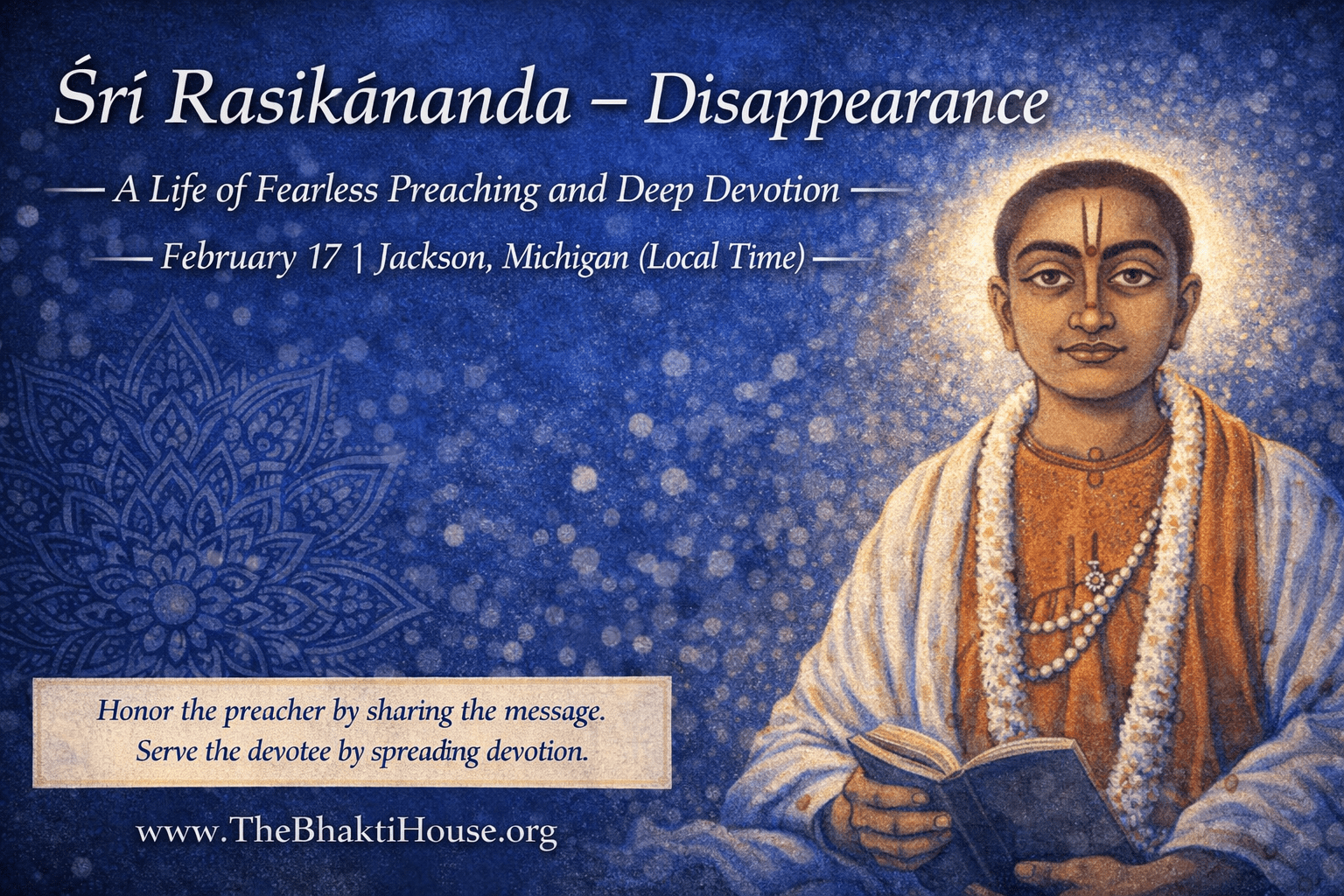
Believing in Krishna offers a profound exploration of divine mercy with meditations that resonate deeply with spiritual seekers. As a symbol of infinite love and wisdom, Krishna embodies the principles of compassion, guidance, and devotion. His teachings provide a framework for understanding the complexities of life and the pursuit of spiritual fulfillment.
In recent years, there has been a notable increase in interest surrounding Bhakti practices, particularly among those seeking a more meaningful connection with the divine. This growing movement reflects a desire for authentic experiences that transcend mere intellectual understanding. Devotees find solace in Krishna’s teachings, which emphasize love and devotion as pathways to personal enlightenment.
Krishna’s relevance extends beyond traditional religious contexts. He serves as a unifying figure for individuals exploring spirituality in various forms. As you navigate this article, you will uncover compelling reasons to believe in Krishna, illustrating how his teachings can transform your spiritual journey. For a deeper understanding, consider reading “From Curiosity to Commitment: Why We Approach Kṛṣṇa” to see how many have connected with his divine presence.
1. Understanding the Philosophy of Krishna
Krishna’s teachings, primarily conveyed through the Bhagavad Gita, form a profound philosophical framework that resonates with countless seekers. The Gita addresses the fundamental questions of life, duty, and the nature of reality. It serves as a practical guide for navigating the complexities of existence, emphasizing the importance of aligning one’s actions with higher principles.
Central to Krishna’s philosophy are the concepts of Dharma and Karma. Dharma, often translated as duty or righteousness, underscores the significance of fulfilling one’s responsibilities in accordance with universal laws. For instance, a parent adhering to their role nurtures not only their children but also contributes to societal harmony. This adherence to Dharma fosters personal growth and spiritual development.
Karma, on the other hand, refers to the principle of cause and effect. Every action carries consequences, shaping one’s present and future experiences. Krishna teaches that understanding Karma empowers individuals to make mindful choices. A student who dedicates themselves to their studies not only reaps academic success but also cultivates discipline and perseverance—qualities that extend beyond the classroom.
Moreover, Krishna’s teachings advocate for the pursuit of divine mercy with meditations. Engaging in meditation allows individuals to connect with their inner selves and align with divine guidance. Regular practice can lead to greater insight and clarity, enabling one to navigate life’s challenges with grace.
In summary, the philosophical teachings of Krishna provide a robust framework for personal and spiritual transformation. By embracing Dharma and understanding Karma, seekers can cultivate a deeper connection to their purpose and foster a more meaningful existence.
2. The Impact of Krishna’s Life on His Followers
Krishna’s life stories serve as profound sources of inspiration for his followers. From his playful childhood in Vrindavan to his strategic brilliance as a leader, each phase of his life offers valuable lessons. For instance, Krishna’s childhood exploits, such as his mischievous acts of stealing butter, symbolize the importance of joy and spontaneity. These stories encourage devotees to embrace the lighter aspects of life while remaining grounded in their spiritual pursuits.
As a young man, Krishna demonstrated exceptional courage and wisdom. His role in the Mahabharata, particularly as the charioteer and advisor to Arjuna, illustrates the significance of righteous action. When Arjuna faced moral dilemmas on the battlefield, Krishna imparted the timeless teachings of the Bhagavad Gita. This dialogue emphasizes the importance of Dharma—acting according to one’s duty—and Karma—the law of action and its consequences. Followers draw strength from these teachings, applying them to navigate their own ethical challenges.
Krishna’s interactions with his devotees also highlight the concept of divine mercy. He exemplifies unconditional love and compassion, offering guidance to those who seek him. For instance, his relationship with Radha symbolizes the ideal of devotion and love. This bond inspires followers to cultivate a similar dedication in their own spiritual practices.
In times of distress, many devotees turn to Krishna’s life stories for solace. By meditating on his teachings, they find comfort and clarity. The narratives of Krishna’s life provide a framework for understanding personal struggles and triumphs. His enduring legacy encourages followers to rise above adversity, fostering a resilient spirit rooted in faith.
Ultimately, the impact of Krishna’s life resonates deeply within the hearts of his followers. His teachings not only inspire but also offer practical guidance for leading a life aligned with divine principles.
3. The Role of Bhakti in Believing in Krishna
Devotion, or Bhakti, serves as a cornerstone in the understanding and worship of Krishna. This profound form of spiritual practice allows individuals to cultivate a personal relationship with the Divine. Through various Bhakti practices—such as chanting, singing, and prayer—followers express their love and surrender to Krishna, fostering a deeper spiritual connection.
Different forms of Bhakti manifest in diverse traditions and practices. For example, the practice of kirtan, which involves communal singing of devotional hymns, creates a vibrant atmosphere conducive to personal transformation. Participants often report experiences of heightened awareness and emotional release, illustrating the power of collective devotion. This sense of community reinforces the belief that Krishna is not just a distant deity but an ever-present companion in daily life.
Moreover, personal transformation through devotion is evident in the lives of many followers. Many individuals recount instances where their lives shifted dramatically after embracing Bhakti. For example, someone struggling with despair may find solace and purpose through regular meditation and prayer. This transformative experience aligns with the teachings found in resources such as You Are Not the Body: Awakening to the Eternal Self, which emphasize the journey inward and the understanding of the eternal self.
The practice of Bhakti not only nurtures a personal connection with Krishna but also encourages ethical living. Followers often find themselves inspired to embody the virtues Krishna exemplifies, such as compassion, humility, and resilience. This alignment with divine principles can lead to a more fulfilling and meaningful life, reinforcing the belief in Krishna’s divine mercy and guidance.
In essence, Bhakti acts as a vital conduit for believers, allowing them to experience divine love and mercy through meditations and acts of devotion. This transformative journey fosters a profound understanding of Krishna, making the path of devotion both accessible and enriching.
4. Experiences of Spiritual Seekers
The experiences of spiritual seekers who embrace Krishna reveal profound transformations and insights. Many individuals recount personal journeys marked by struggles and doubts, ultimately finding faith and solace through Krishna’s teachings. For instance, a practitioner shared how daily prayers and meditations brought peace during a tumultuous period in her life. She described feeling a deep sense of divine mercy that calmed her anxieties and clarified her purpose.
The community aspect of Bhakti practices plays a pivotal role in these experiences. Seekers often find companionship in their spiritual journey, connecting with like-minded individuals who share their devotion. Community gatherings, known as Satsangs, provide a space for collective worship and discussion. Participants frequently note that these interactions deepen their understanding of Krishna and enhance their devotional experience.
Another seeker highlighted the transformative power of group chanting, or Kirtan. He articulated how the rhythmic sounds of the mantras created an atmosphere of unity and devotion. This shared expression of faith not only strengthened his resolve but also fostered lasting friendships within the community. These bonds serve as a reminder that the path of devotion is not a solitary endeavor.
Moreover, testimonials frequently emphasize the joy and fulfillment derived from selfless service, or Seva. Many find that engaging in community service as an expression of their devotion to Krishna cultivates a sense of belonging and purpose. One individual recounted how volunteering at a local temple helped him connect with Krishna’s teachings on compassion and love, leading to a deeper understanding of divine mercy.
Through these shared experiences, spiritual seekers reveal the richness of their connection to Krishna. Their testimonies illustrate that embracing Krishna is not merely a personal journey; it is a collective experience that nurtures faith, fosters community, and deepens one’s spiritual practice.
5. The Relevance of Krishna’s Teachings in Modern Life
In today’s fast-paced world, stress and anxiety are prevalent. Krishna’s teachings offer a calming perspective that can help individuals navigate these challenges. His emphasis on mindfulness encourages spiritual seekers to stay present. For instance, in the Bhagavad Gita, Krishna advises Arjuna to focus on his duty without attachment to the outcomes. This principle can alleviate the burden of anxiety by shifting focus from results to actions.
Finding purpose in a chaotic environment is another significant aspect of Krishna’s wisdom. His teachings on Dharma guide individuals to identify and pursue their true calling. By aligning one’s actions with higher principles, seekers can cultivate a sense of direction. This alignment fosters clarity amid uncertainty, allowing individuals to make choices rooted in their values rather than external pressures.
Moreover, Krishna’s concept of divine mercy through meditations emphasizes the importance of inner peace. Engaging in regular meditation can serve as a powerful antidote to stress. By dedicating time for self-reflection, individuals can cultivate resilience and a deeper understanding of their spiritual path. Participating in initiatives like Saturday Rest & Retreat (R&R) can enhance this practice, offering structured opportunities for meditation and community support.
Additionally, Krishna’s teachings on compassion and empathy are crucial in addressing contemporary social issues. In a world often marked by division, embracing these values can foster harmony and unity. By integrating Krishna’s principles into daily life, seekers can contribute to a more compassionate society.
Ultimately, Krishna’s teachings provide relevant tools for modern spiritual seekers. They empower individuals to confront stress, discover their purpose, and cultivate a sense of community. Such applications illustrate the timeless nature of his wisdom, making it profoundly relevant in today’s complex landscape.
Conclusion: Embracing Faith in Krishna
In embracing faith in Krishna, seekers embark on a transformative journey toward spiritual fulfillment. The teachings of Krishna illuminate pathways to understanding one’s purpose and navigating life’s complexities with grace. His philosophies not only inspire resilience but also connect individuals to a broader community of believers, enriching their spiritual practice.
As you explore this profound relationship, consider integrating devotional practices into your life. Engaging in divine mercy with meditations can deepen your understanding and connection to Krishna. These practices foster a sense of peace and clarity, allowing you to experience love and guidance on your spiritual path.
I invite you to seek a deeper connection with Krishna through ongoing exploration and dedication. For those interested in enhancing their spiritual discipline, resources such as Steady in the Storm: Training the Mind Through Devotional Discipline can provide invaluable insights.
Ultimately, the journey of faith is continuous. By opening your heart and mind to Krishna, you not only enrich your own life but also contribute to a collective experience that nurtures faith and fosters a vibrant spiritual community.