Yoga for trauma release begins with safety, choice, and compassionate attention. Trauma-sensitive yoga invites us to reconnect with the body, emotions, and spiritual life without pressure to perform or explain. We move gradually, honoring each person’s pace and boundaries.
Here, “release” does not mean forcing catharsis or reopening painful memories. It means building the capacity to notice sensations, emotions, and breath, then meeting them with steadiness and care. Yoga cannot replace trauma-informed mental health support, especially during flashbacks, dissociation, or ongoing danger. A qualified professional can help us choose practices that truly support healing.
Through Bhakti Yoga, compassionate presence becomes an offering. The body, breath, mantra, and community can become gentle pathways toward connection when practiced with consent and flexibility. We may also explore yoga for stress as a supportive foundation for returning to ourselves with love.
Create a Sacred Space That Communicates Safety
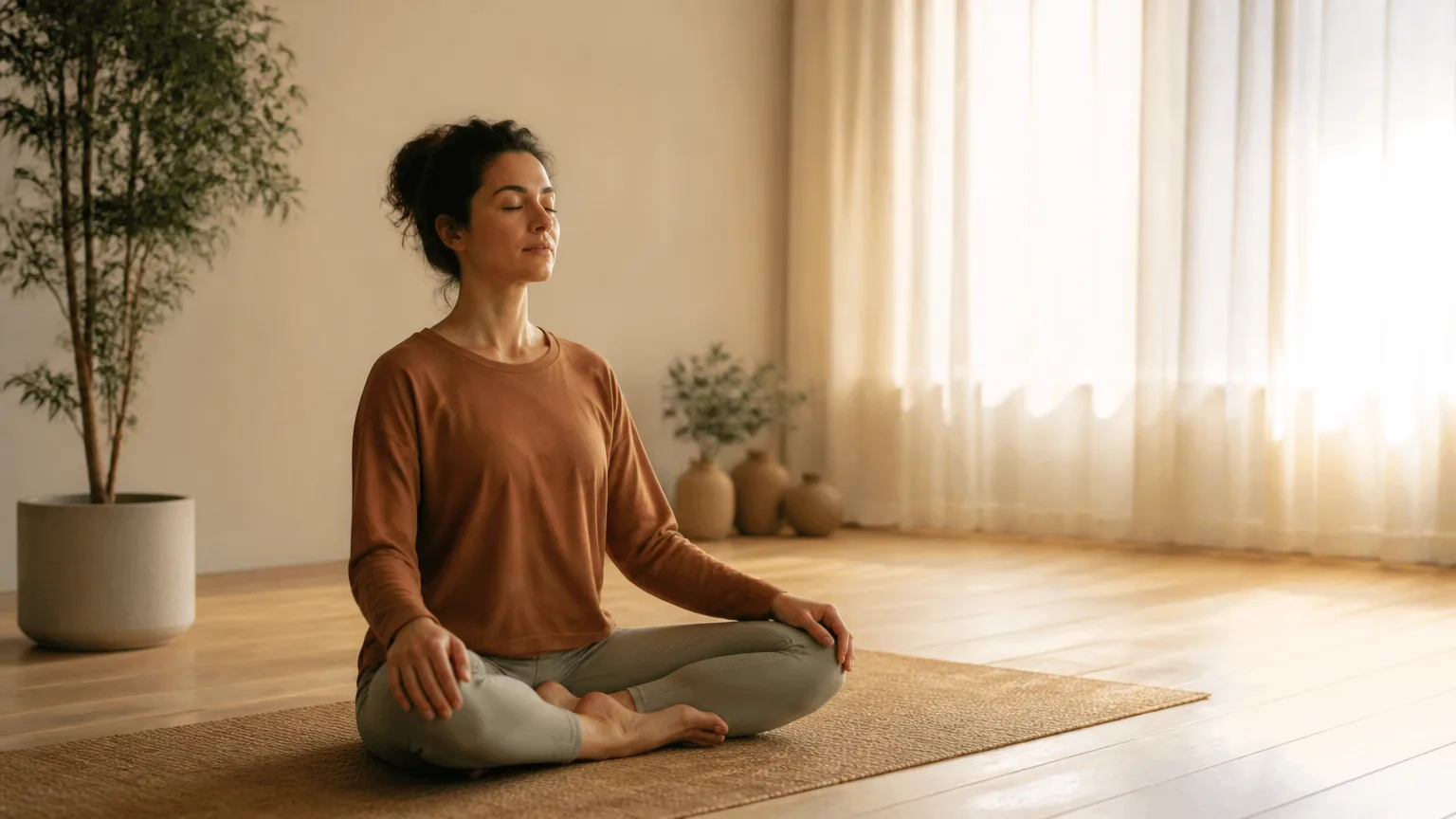
Before beginning yoga for trauma release, we can prepare a space that feels calm, predictable, and welcoming. Reduce avoidable stimulation, such as loud sounds, harsh lighting, or strong scents. Keep the exit visible, wear comfortable clothing, and place blankets, blocks, and water within reach. These choices help us remain connected to our boundaries and our sense of control.
We might begin with a simple intention: “May I meet myself with kindness.” There is no emotional outcome we must create or perform. We are simply offering ourselves patient attention, one breath and one choice at a time.
A small altar, devotional image, candle, or sacred sound may support grounding. These elements need not be perfect, elaborate, or religious. We can adapt them freely or leave them out. In Bhakti Yoga, creating a welcoming space becomes an act of love and service toward our own healing.
A consistent home practice can offer gentle structure. Explore home sadhana as a supportive foundation, while remembering that flexibility matters. We may pause, change position, open our eyes, or stop completely. In a supportive community, clear agreements and consent can help the space feel equally safe.
Ground Through Gentle Movement and Orienting
Before we move, we can orient to the present moment. Slowly look around and name a few colors, shapes, or familiar objects. Feel the floor beneath you or the chair supporting you. This simple attention can remind us that we are here, now, with choices.
Begin with a small seated cat-cow, gently rounding and lengthening the spine. You might add slow shoulder rolls, noticing warmth, ease, or areas that feel quiet. If it feels supportive, rest in a supported child’s pose with cushions, or remain seated and let your hands soften.
We can also try slow standing weight shifts, moving gently from one foot to the other. Then pause in a relaxed mountain pose, knees easy and feet connected to the ground. Keep your eyes open, choose a smaller range of motion, and pause often. Stillness is not required for healing; changing position is welcome.
As we explore yoga for trauma release, trembling, numbness, anxiety, or overwhelm may arise. These are signals, not proof that trauma is being released. Return to a neutral posture, look around the room, pause, or seek support from a qualified professional. Our practice is guided by consent, kindness, and the freedom to stop.
Use Breath, Mantra, and Kīrtana Without Pressure
Breath awareness can support regulation, but it should never become another demand. Rather than forcing deep breathing, holding the breath, or practicing intense pranayama, we might notice natural breathing. We can lengthen the exhale gently, hum softly, or simply feel our feet and the ground beneath us.
A quiet mantra, japa, or familiar name of the Divine may offer a tender anchor. We might repeat it silently if speaking feels vulnerable. There is no correct pace, volume, or feeling to achieve. In yoga for trauma release, choice and consent remain more important than performance.
Gentle kīrtana can bring rhythm, shared attention, and belonging. Still, participation is always optional. We may listen, sing quietly, keep our eyes open, remain seated, choose our distance from others, or step outside. These kīrtana at home practices can also help us explore devotion privately. We can also explore kīrtana at home in a way that feels gentle and personal.
Try this brief practice: orient by looking around and naming what feels neutral. Feel your feet, then hum or repeat a chosen mantra for three rounds. Pause afterward and notice whether your body feels more settled, unchanged, or activated. Any response is welcome information.
Let Community Support Healing and Boundaries
Sangha, or spiritual community, can remind us that healing does not happen alone. A healthy community offers choices, confidentiality, respectful leadership, and clear touch policies. We should always have permission to leave, pause, or modify a practice. Even shared music, such as music practice in Bhakti Yoga, should invite participation rather than demand performance.
We can tell a teacher privately about relevant needs without sharing our entire history. It is also wise to ask whether they have trauma-informed training. Genuine support respects consent and agency. Pressure, forced disclosure, spiritual bypassing, or claims that pain must be endured are not signs of devotion.
Our love for a teacher, deity, or tradition never requires surrendering personal boundaries. We can honor what guides us while choosing what feels safe for our bodies and hearts. If symptoms remain persistent or destabilizing, we encourage pairing yoga for trauma release and Bhakti practice with a licensed trauma therapist or qualified healthcare provider. Good community makes room for both spiritual care and professional support.
A Gentle Practice of Presence, Devotion, and Choice
Healing is not a performance or one dramatic breakthrough. We might begin with five minutes of orienting and gentle movement, followed by optional mantra or humming. Then we pause and ask: what felt supportive, neutral, or activating?
We measure progress through greater choice, self-trust, and connection—not flexibility, emotional intensity, or staying in difficult poses. A personal altar can offer a loving place to return: a personal altar for devotion and care. Through yoga for trauma release, we gently receive support and offer kindness to the body, with professional help whenever needed.