Yoga for anger management begins by meeting anger with compassion. Anger is understandable, yet its energy can disrupt our words, choices, and relationships. Yoga does not ask us to suppress it. Instead, we pause, steady the body, and create space to observe what we feel before we act.
Through seven gentle poses, we’ll explore how breath and mindful movement can soften reactivity. In the spirit of Bhakti Yoga according to the Bhagavad-gītā, we can offer emotional agitation to the Divine, remember Krishna, and reconnect with our deeper intention. Modify each pose for your needs. If anger is severe, persistent, or unsafe, please seek support from a qualified mental-health professional.
1. Child’s Pose (Balasana): Create a Safe Pause
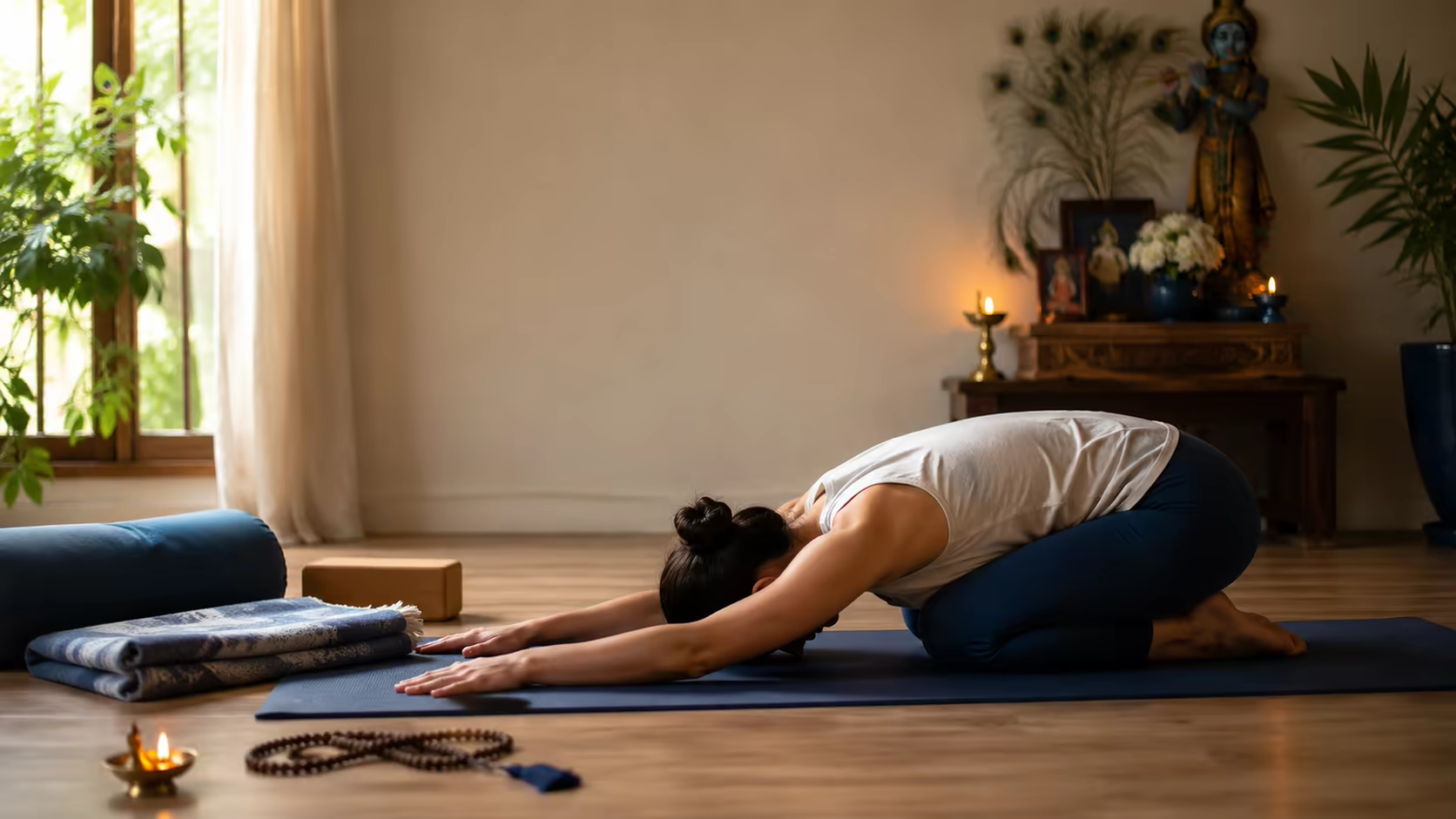
Child’s Pose offers a gentle way to pause before anger becomes action. Kneel, bring your big toes together, and fold forward, resting your forehead toward the mat. If your hips do not reach your heels, place a bolster or pillow beneath your chest for support.
As you settle, lengthen each exhale and notice where anger gathers—in your jaw, shoulders, chest, or belly. Let this folded posture become devotional: quietly repeat a sacred name or ask inwardly for guidance before responding. If your knees, hips, or back feel discomfort, leave the pose and choose a safer position.
2. Standing Forward Fold (Uttanasana): Release Tension and Pride
Standing Forward Fold grounds us as the back body lengthens and the nervous system moves toward stillness. Let your head and shoulders drop, softening the urge to control or win an argument. Keep your knees bent, and rest your hands on blocks or thighs.
Breathe gently; do not force flexibility. In Bhakti, this bow cultivates humility, helping us respond through service and compassion rather than ego-driven reaction. To rise, bend your knees more, place your hands on your thighs, and slowly lift your chest to prevent dizziness. Let this yoga for anger management practice create space before you speak.
3. Cat–Cow Stretch (Marjaryasana–Bitilasana): Move Anger Through the Breath
Come onto hands and knees, with your shoulders above your wrists and hips above your knees. Inhale into Cow, gently lifting your chest and tailbone. Exhale into Cat, rounding your spine and drawing your chin slightly inward.
Move slowly, letting each breath guide the transition. This steady rhythm can interrupt repetitive angry thoughts while helping you notice agitation in your jaw, shoulders, or belly. Observe each sensation without judging yourself for having it.
If your wrists cannot bear weight, rest your forearms on a stable surface or practice seated. Let this gentle movement become part of our yoga for anger management practice, releasing intensity with compassion and presence.
4. Seated Twist (Ardha Matsyendrasana): Make Space for a New Perspective
Sit tall with your legs extended, or bend your knees comfortably. Place one hand behind you and the opposite hand on your thigh. Lengthen your spine before gently turning toward the side, keeping your breath steady.
With each exhale, soften muscular gripping around your belly, shoulders, and jaw. As you twist, ask, “What might I not be seeing clearly while angry?” You do not need an immediate answer. Simply make room for a broader view.
For a chair-based option, place both feet on the floor and turn gently toward one side. Let this yoga for anger management practice become devotional remembrance: we are not trying to prove ourselves right, but to respond through loving service.
5. Supported Bridge Pose (Setu Bandhasana): Open the Heart Without Reacting
Lie on your back with knees bent and feet grounded. Lift into a low bridge, or place a yoga block beneath your sacrum for full support. Keep your neck neutral, and avoid pressure or strain as the floor steadies you.
Rest one hand over your heart. Notice whether anger is protecting hurt, fear, or disappointment. With each gentle inhale, invite warmth into the chest; with each exhale, soften defensive contraction. In this yoga for anger management practice, remember that a softened heart can hold clear boundaries while choosing compassion. Let constant remembrance of Krishna guide your response.
6. Legs-Up-the-Wall (Viparita Karani): Let the Nervous System Settle
Legs-Up-the-Wall offers a restorative ending to our yoga for anger management sequence. Supported by the wall, we allow the nervous system to shift quietly from activation toward reflection. Keep your legs straight, bend your knees, or rest your lower legs on a chair.
Stay for five or more unhurried minutes. Breathe softly through your nose and let your gaze relax. Treat this stillness as an offering, not another performance goal. You might repeat a sacred name, exploring the difference between japa and kīrtan.
If you have uncontrolled high blood pressure, glaucoma, or another medical condition, seek professional guidance before practicing inversions.
7. Corpse Pose (Savasana): Practice Non-Reactivity
Lie comfortably on your back, letting your arms and legs rest naturally. Scan slowly from your feet to your face, releasing effort without forcing the mind to become blank.
Notice thoughts, sensations, or anger as they arise. We can feel anger without being compelled to obey it. With each exhale, practice staying present rather than reacting.
Make this stillness a Bhakti offering. Silently repeat a sacred name, offer a brief prayer, or remember one thing you’re grateful for. You might later explore call-and-response chanting as another way to steady the heart. Let Savasana rehearse calm presence for life’s difficult moments.
Carry the Calm Into Community and Daily Life
When anger rises, we can pause, breathe, and notice what needs care. Choose one or two poses from this sequence, remember Krishna, and allow wisdom to guide our next words. Then communicate responsibly, with honesty, clear boundaries, and compassion.
We can practice before difficult conversations, after conflict, or within a regular sadhana routine—not only during crises. Over time, this yoga for anger management becomes a steady path of responding rather than reacting.
Our calming practice grows stronger through loving community. Kirtan, prayer, selfless service, and compassionate relationships remind us that we do not have to transform alone. Gather with us for Friday Night Kirtan: Coming Home to the Heart and continue discovering the heart’s quiet strength.
Calmness is not passivity. It is the freedom to respond with clarity, devotion, and care.