
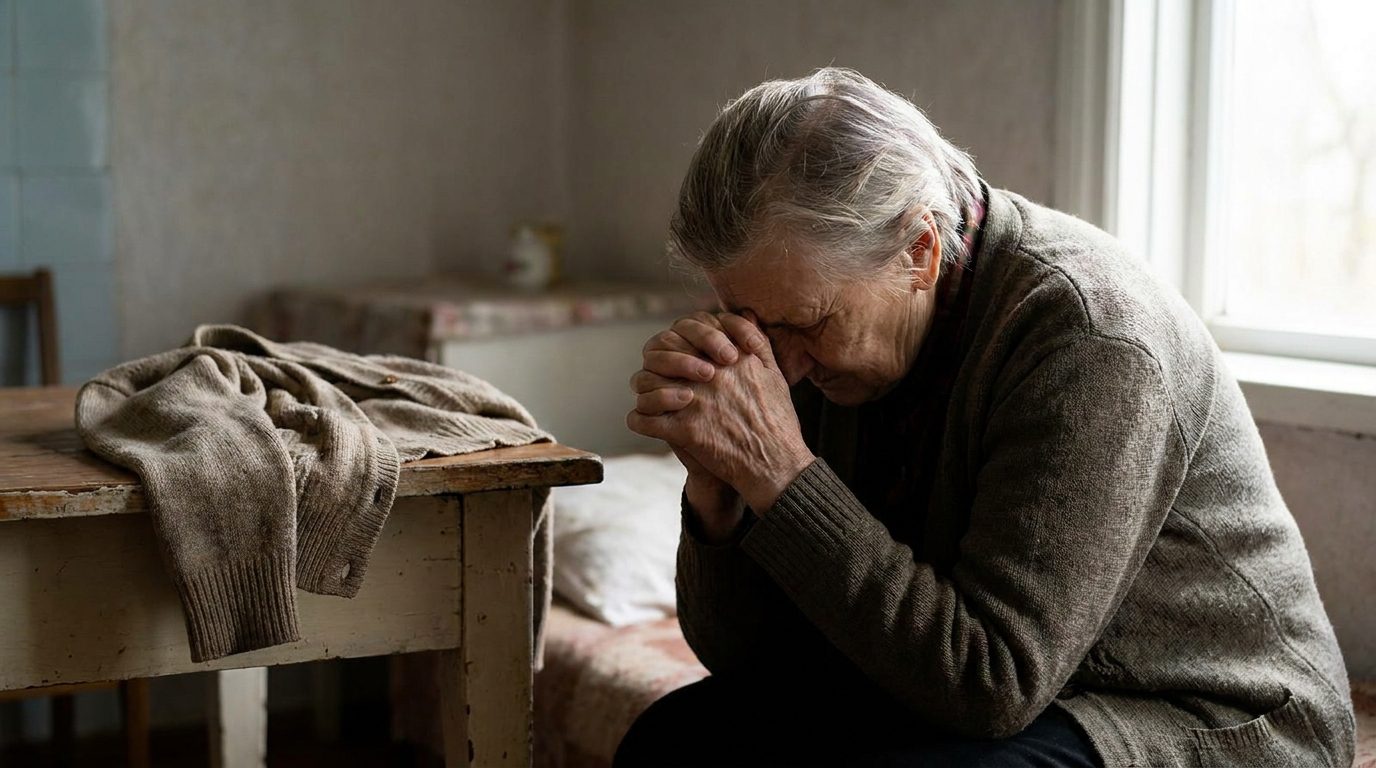
Vandanam is a beautiful Sanskrit word that means “offering prayers,” “bowing down,” or “expressing heartfelt reverence.” In the path of Bhakti Yoga, the yoga of devotion, Vandanam is one of the nine classic practices of loving service to God. It is the practice of turning the heart toward the Divine with humility, gratitude, honesty, and love.
Prayer is not only something we do when life is difficult. It is a way of living. It is a sacred relationship. Through Vandanam, we learn to speak with God, listen for God, remember God, and depend on God.
In Bhakti, God is not seen as distant, cold, or impersonal. The Supreme is understood as deeply loving, personal, and present within every heart. Different traditions may call upon the Divine by different names—Krishna, Rama, Vishnu, Radha, Allah, Yahweh, Christ, the Divine Mother, the Beloved, or simply God. The heart of Vandanam is sincere prayer. It is the soul reaching toward its source.
For many of us, prayer may begin with asking for help. And that is natural. Life can be heavy. We may pray when we are afraid, grieving, confused, or longing for direction. But over time, prayer becomes more than asking. It becomes offering. It becomes listening. It becomes love.
Vandanam invites us to develop a life of prayer—not just a moment of prayer.
Vandanam in the Nine Practices of Bhakti Yoga
The ancient Bhakti tradition describes nine powerful practices of devotion. These are known in Sanskrit as the nine limbs of Bhakti, or nava-vidha bhakti. The word nava means “nine,” vidha means “kinds” or “forms,” and bhakti means loving devotion or loving service to God.
These nine practices are mentioned in the Srimad Bhagavatam, one of the great scriptures of the Bhakti tradition. They are:
- Hearing about God
- Chanting God’s names and glories
- Remembering God
- Serving God’s feet
- Worshiping the Lord
- Offering prayers
- Serving as a servant
- Becoming a friend of God
- Surrendering everything to God
Vandanam is the sixth practice: offering prayers.
A Practice for Every Heart
One of the most merciful things about Vandanam is that anyone can pray. You do not need to be a scholar. You do not need perfect Sanskrit pronunciation. You do not need to belong to a certain culture, background, or religious history. You do not need to have everything figured out.
You only need sincerity.
A child can pray. A person in a hospital bed can pray. A busy parent can pray while washing dishes. A student can pray before an exam. A person who has made many mistakes can pray with tears. A person who feels unsure about God can still whisper, “If You are there, please guide me.”
This is the beauty of Bhakti Yoga: God receives the heart.
Prayer as Loving Connection
In Bhakti, prayer is not a performance. It is not meant to impress others. It is a sacred conversation between the soul and the Supreme Person. Sometimes prayer is spoken out loud. Sometimes it is sung. Sometimes it is written. Sometimes it is silent.
The mood matters more than the form.
When we practice Vandanam, we begin to remember that we are not alone. We are held. We are seen. We are known. Even when the world feels uncertain, prayer brings us back to our eternal relationship with God.
The Scriptural Heart of Vandanam
The scriptures of Bhakti Yoga are filled with prayers. These prayers are not dry philosophy. They are living expressions of devotion, longing, surrender, and love.
In the Bhagavad-gita, Krishna, the Supreme Lord, says:
“Always think of Me, become My devotee, worship Me, and offer your homage unto Me. Thus you will come to Me without fail.”
— Bhagavad-gita 18.65
To “offer homage” means to bow the heart, to honor God, and to approach with devotion. This is Vandanam.
The Prayers of Great Devotees
In the Srimad Bhagavatam, we find many examples of Vandanam. Great souls offer prayers in moments of danger, gratitude, realization, and surrender.
Prahlada Maharaja, a young saintly child, prayed to Lord Nrsimhadeva with deep compassion, not only for himself but for all suffering souls. Queen Kunti prayed to Krishna with astonishing humility and spiritual strength, even asking that difficulties come again if they helped her remember Him. Dhruva Maharaja, a young prince, prayed after seeing God face to face and realized that worldly desires were small compared to divine love.
These prayers teach us that Vandanam is not about escaping life. It is about seeing life through spiritual eyes.
Prayer in the Bhagavad-gita
The Bhagavad-gita teaches that God is present in the heart of every living being. Krishna says:
“I am seated in everyone’s heart.”
— Bhagavad-gita 15.15
This simple truth can transform our prayer life. We do not have to shout across the universe to reach God. The Lord is already near—closer than our breath, closer than our thoughts, lovingly witnessing our journey.
When we pray, we are not informing God of something unknown. We are opening ourselves to the One who already knows us completely and loves us perfectly.
Please visit our website for more information on our articles: articles.
Developing a Life of Prayer
A life of prayer does not mean we must leave our responsibilities behind. It does not mean we stop working, studying, parenting, creating, or serving in the world. Instead, Vandanam teaches us how to bring God into all parts of life.
Prayer becomes the thread that ties the day together.
Begin the Day with Prayer
The first moments of the morning are powerful. Before looking at the phone, before entering the rush of responsibilities, we can pause and offer ourselves to God.
A simple morning prayer might be:
“Dear Lord, thank You for this day. Please guide my thoughts, words, and actions. Help me serve with love. Help me remember You.”
This prayer does not need to be long. It simply turns the heart in the right direction.
In Bhakti Yoga, the morning is often considered a sacred time for spiritual practice. Chanting, reading scripture, and offering prayers in the morning can shape the consciousness of the whole day. Even five sincere minutes can make a difference.
Pray Throughout the Day
Vandanam can become natural and ongoing. We can pray while walking, driving, cooking, cleaning, or waiting in line.
Before beginning work, we can pray: “May this effort be offered in service.”
Before speaking, we can pray: “May my words be kind and truthful.”
Before eating, we can pray: “Thank You for this nourishment. May I use this energy in Your service.”
When we feel anger rising, we can pray: “Please help me respond with patience.”
When we feel anxiety, we can pray: “Please help me trust You.”
Prayer brings sacred awareness into ordinary moments. Over time, ordinary life becomes spiritualized.
End the Day with Reflection
Evening prayer is a gentle way to return to God before rest. We can reflect on the day without harshness.
We might ask:
Where did I remember God today?
Where did I forget?
Where did I act with love?
Where could I grow?
What am I grateful for?
Who needs my prayers tonight?
This is not about guilt. It is about growth. In Bhakti, humility is not self-hatred. Humility means seeing clearly: “I am dependent on God, and by grace I can become more loving.”
The Many Forms of Vandanam
Prayer can take many forms. Some people love formal prayers from scripture. Some speak spontaneously from the heart. Some sing. Some write in a journal. Some sit in silence. All can be part of Vandanam when offered with sincerity.
Spoken Prayer
Spoken prayer helps us give shape to what is inside. When we speak to God, we may discover feelings we did not even know we were carrying.
We can speak honestly:
“God, I am confused.”
“God, I feel grateful.”
“God, I am afraid.”
“God, please help me forgive.”
“God, please teach me how to love You.”
Bhakti encourages honesty. We do not need to pretend before God. The Divine already knows the heart. Real prayer begins when we stop hiding.
Scriptural Prayer
Scriptural prayers connect us with the wisdom and devotion of saints. They give us language when we do not know what to say.
For example, one beloved prayer in the Bhakti tradition is from the Siksastakam, eight verses spoken by Sri Chaitanya Mahaprabhu, a great teacher of divine love and the congregational chanting of God’s names. He prays:
“O Lord, I do not want wealth, followers, beautiful companions, or worldly success. I only desire causeless devotional service to You, birth after birth.”
This prayer teaches us the heart of pure Bhakti: love without bargaining. It is a prayer not for possession, but for devotion.
Silent Prayer
Sometimes the deepest prayers have no words. We may sit before God, breathe gently, and simply be present. Silence can be a form of surrender.
In silent prayer, we allow the noise of the mind to settle. We do not force an experience. We offer our attention. We rest in divine presence.
A simple silent prayer could be breathing in with the thought, “I am Yours,” and breathing out with the thought, “Please guide me.”
Written Prayer
Writing prayers can be a powerful practice. A prayer journal helps us notice our spiritual journey over time. We may write gratitude, questions, struggles, hopes, and offerings.
Written prayer can be especially helpful when the mind feels crowded. Putting words on paper can turn confusion into surrender.
You might begin with:
“Dear Lord, today I am feeling…”
“Thank You for…”
“Please help me with…”
“I want to offer You…”
“Please bless…”
This kind of prayer becomes a record of relationship.
Prayer and the Holy Name
In Bhakti Yoga, chanting the holy names of God is considered one of the most powerful forms of prayer. This practice is called kirtan when sung together, and japa when chanted softly or personally, often on prayer beads.
The Sanskrit word mantra means a sacred sound that helps free the mind. One of the most beloved mantras in the Bhakti tradition is the Maha-mantra, meaning “great mantra”:
Hare Krishna Hare Krishna
Krishna Krishna Hare Hare
Hare Rama Hare Rama
Rama Rama Hare Hare
This mantra is a prayer. It calls upon the Divine energy of God, known as Hare, and the names Krishna and Rama, which refer to the all-attractive and all-joyful Supreme Lord.
Chanting as Prayer of the Heart
Chanting is not mechanical repetition. It is a call of the soul. Like a child calling for the mother, the chanter calls out to God:
“Please engage me in Your loving service.”
“Please let me remember You.”
“Please awaken my heart.”
Even if the mind wanders, we gently return to the sound. Each return is an act of devotion.
Kirtan: Prayer in Community
Kirtan is the singing of sacred names, often with instruments, call-and-response, and community participation. It is joyful, healing, and welcoming. People from many backgrounds can gather and chant together, even if they are new to Bhakti Yoga.
In kirtan, prayer becomes shared. We may arrive carrying private burdens, but as we chant together, the heart opens. We remember that spiritual life is not meant to be walked alone.
Japa: Personal Prayer Practice
Japa is a quieter form of chanting, often practiced with beads. Each bead gives us a chance to pray with attention. The repetition helps steady the mind and soften the heart.
A daily japa practice can become a spiritual anchor. Even a few minutes of sincere chanting can bring clarity, peace, and connection.
The Qualities of Heart in Vandanam
Prayer is not only about words. It is about the inner posture of the heart. Vandanam gradually cultivates qualities that nourish spiritual life.
Humility
To pray is to admit, “I am not independent. I need grace.” This humility is not weakness. It is wisdom.
Modern life often teaches us to rely only on ourselves. But Bhakti reminds us that we are always receiving: breath, sunlight, food, friendship, forgiveness, and life itself. Prayer awakens gratitude for this dependence.
When we bow, outwardly or inwardly, we remember our true position. We are beloved servants of God, not controllers of the universe.
Gratitude
Gratitude is one of the simplest and most powerful prayers. We can thank God for blessings that are obvious and blessings we may have overlooked.
“Thank You for this breath.”
“Thank You for this meal.”
“Thank You for the people who love me.”
“Thank You for protecting me in ways I cannot see.”
“Thank You for another chance to grow.”
Gratitude changes how we see life. It opens the heart to grace already present.
Honesty
Real prayer includes honesty. We can bring our doubts, anger, grief, and longing to God. We do not have to sanitize the heart before offering it.
If we are struggling, we can pray:
“Lord, I want to trust You, but I am afraid.”
“I want to forgive, but I feel hurt.”
“I want to love You, but my mind is distracted.”
“Please help me take one step.”
God is not offended by sincere honesty. In fact, honesty is often the doorway to deeper devotion.
Surrender
Surrender in Bhakti does not mean becoming passive or careless. It means offering our will to God’s loving guidance. It means acting responsibly while remembering that the final result is not in our control.
A surrendered prayer might be:
“Please let me do my best, and please help me accept what comes as part of Your plan.”
This kind of prayer brings peace. We work, serve, love, and try—but we do not have to carry the weight of the whole world.
Prayer in Times of Difficulty
Many people first turn to prayer during suffering. This is not wrong. Pain can awaken the soul. When life becomes too heavy to carry alone, prayer reminds us that we were never meant to carry it alone.
When We Feel Lost
There are seasons when we do not know what to do. Decisions feel unclear. The heart feels tired. In such times, Vandanam can be very simple:
“Please guide me.”
This prayer may not immediately produce a dramatic sign. But it opens us to wisdom. Guidance may come through scripture, a trusted teacher, a friend, a quiet realization, or a door gently closing.
When We Feel Unworthy
Sometimes people hesitate to pray because they feel unworthy. They think, “I have made too many mistakes,” or “I am not spiritual enough,” or “God must be disappointed in me.”
Bhakti offers a different vision. God is not waiting for us to become perfect before we approach. The very act of turning toward God begins purification.
In the Bhagavad-gita, Krishna promises that even if someone has done wrong, if they sincerely turn toward Him in devotion, they should be considered saintly because they are rightly resolved. This is a deeply compassionate teaching. It means our future is not limited by our past.
When We Are Grieving
Grief can make prayer feel difficult. Sometimes all we can do is sit and cry. Those tears can also be prayer.
In Bhakti, God is known as bhava-grahi janardana—the Lord who accepts the feeling of the heart. This means God receives the emotion behind the offering, not just the external form.
If your prayer is only a sigh, God hears it. If your prayer is tears, God receives them.
Prayer as Service
Vandanam is not only about our personal peace. Prayer naturally leads to service. When we pray deeply, we begin to ask, “How can I love? How can I help? How can I be an instrument of compassion?”
Bhakti Yoga is practical. It is lived through chanting, prayer, service, study, community, and loving action.
Praying for Others
To pray for others is a sacred service. We can pray for family, friends, strangers, leaders, those who are suffering, those who have harmed us, and all living beings.
A simple prayer for others might be:
“May they be protected. May they be guided. May they remember their divine nature. May they receive God’s grace.”
This expands the heart beyond self-centeredness. We begin to see every person as a soul, a beloved child of God.
Becoming an Answer to Prayer
Sometimes we pray for God to help someone, and then we realize God may be inviting us to serve. Prayer and action work together.
If we pray for the hungry, we can also offer food.
If we pray for the lonely, we can also make a call.
If we pray for peace, we can also speak gently.
If we pray for healing, we can also forgive.
In Bhakti, service is prayer in motion.
Offering Our Work
One of the great teachings of the Bhagavad-gita is that we can offer our work to God. Krishna teaches that whatever we do, whatever we eat, whatever we offer or give away, and whatever austerity we perform can be done as an offering to Him.
This means our daily responsibilities can become sacred. Parenting can be prayer. Teaching can be prayer. Cooking can be prayer. Caring for the body can be prayer. Ethical business can be prayer. Art can be prayer.
The question becomes: “How can I offer this with love?”
Practical Ways to Begin Vandanam Today
A life of prayer grows through small, sincere practices. We do not need to change everything at once. Bhakti is patient. God is patient. We can begin where we are.
Create a Sacred Space
A sacred space does not need to be elaborate. It can be a small table, a shelf, or a quiet corner. You might place a candle, scripture, prayer beads, sacred images, flowers, or anything that helps you remember God.
This space becomes a visual invitation: pause, breathe, remember, pray.
Set a Simple Prayer Rhythm
Choose a rhythm that feels realistic. For example:
Morning: offer one prayer of intention.
Midday: pause for one minute of remembrance.
Evening: offer gratitude and reflection.
Weekly: join kirtan, spiritual discussion, or community prayer.
Consistency is more important than intensity. A small daily prayer can reshape the heart over time.
Use the Names of God
If you feel drawn to chanting, begin with the Maha-mantra or another sacred name of God from your tradition. Chant softly, sing, or listen to kirtan. Let the holy name become a companion.
The holy name is both prayer and presence. In Bhakti, God and God’s names are understood to be spiritually non-different. When we chant sincerely, we are in contact with the Divine.
Pray Before Decisions
Before making choices, big or small, pause and ask for guidance.
“Please help me choose what is aligned with love, truth, and service.”
This simple practice can protect us from impulsive decisions and help us act from a deeper place.
Keep Prayer Honest and Personal
You do not need fancy language. Speak naturally. God understands every language, every accent, every silence.
If all you can say is “Thank You,” that is prayer.
If all you can say is “Help me,” that is prayer.
If all you can say is “I am here,” that is prayer.
Common Obstacles in Prayer
Every sincere practitioner faces challenges. If prayer feels difficult sometimes, you are not failing. You are human, and you are growing.
“My Mind Wanders”
The mind wanders for almost everyone. During prayer or chanting, thoughts may come and go. The practice is to gently return.
Each time we return to the prayer, we strengthen devotion. Do not be discouraged. The wandering mind is not stronger than grace.
“I Don’t Feel Anything”
Sometimes prayer feels dry. We may not feel emotion, peace, or inspiration. Still, sincere prayer has value.
Love is not only a feeling. Love is also faithfulness. Showing up even when we feel little can deepen spiritual maturity.
Just as seeds grow underground before we see sprouts, prayer works within the heart even when we cannot yet perceive the change.
“I’m Not Sure God Hears Me”
Many people carry this doubt. Bhakti scriptures assure us that God is present in the heart and hears the sincere call of every soul.
We may not always receive the answer we expect. But no sincere prayer is lost. Sometimes God answers by changing circumstances. Sometimes by changing our heart. Sometimes by giving strength to endure. Sometimes by bringing us closer through longing.
“I Don’t Know What to Say”
Begin simply. Try this:
“Dear God, I want to know You. Please guide me. Please help me become more loving.”
That is enough.
The Fruit of a Prayerful Life
As Vandanam deepens, prayer begins to change us. Not always suddenly, but steadily. We become softer, more grateful, more aware of divine presence. We become less alone inside.
Prayer Softens the Heart
The heart can become hardened by disappointment, fear, pride, or pain. Prayer gently softens it. When we bow before God, we become more able to bow before the sacredness of life.
We become more patient with others. More honest with ourselves. More willing to forgive. More able to receive love.
Prayer Builds Trust
Trust grows through relationship. The more we turn to God, the more we begin to recognize divine care in our lives. We may still face difficulties, but we feel accompanied.
This trust does not mean we understand everything. It means we know whom we can turn to in everything.
Prayer Awakens Love
The ultimate goal of Bhakti Yoga is not merely peace, morality, or relief from suffering, though these may come. The ultimate goal is love of God—pure, joyful, selfless devotion.
Vandanam helps awaken that love. Through prayer, we remember our eternal connection with the Divine. We learn to live not only for ourselves, but in loving relationship with God and all beings.
Walking the Path of Vandanam Together
At The Bhakti House, we honor Vandanam as a living practice for everyone. Whether you are new to prayer or have prayed your whole life, there is always a deeper step into sincerity, humility, and love.
You are welcome here if you are full of faith.
You are welcome here if you are full of questions.
You are welcome here if you are healing.
You are welcome here if you are simply curious.
Bhakti Yoga is not about pretending to be perfect. It is about turning toward God with the heart we have today and allowing grace to transform us.
Prayer can begin right now. One breath. One thank You. One holy name. One honest request for guidance. One small act of service offered with love.
May Vandanam become a gentle companion in your life. May your prayers bring you closer to God, closer to your true self, and closer to all living beings. And may you always remember: everyone is welcome to take one sincere step toward God.
FAQs
What is Vandanam?
Vandanam is a Sanskrit word that means “prayer” or “adoration.” It is a practice of offering reverence, gratitude, and devotion to a higher power or deity.
How can one develop a life of prayer through Vandanam?
Developing a life of prayer through Vandanam involves cultivating a regular practice of offering prayers, expressing gratitude, and seeking guidance from a higher power. This can be done through rituals, meditation, chanting, and other spiritual practices.
What are the benefits of practicing Vandanam?
Practicing Vandanam can bring a sense of peace, connection, and purpose to one’s life. It can also help in developing a deeper spiritual connection, fostering a sense of gratitude, and providing a source of strength and guidance during challenging times.
Are there specific rituals or practices associated with Vandanam?
Vandanam can involve various rituals and practices such as offering flowers, lighting incense, reciting prayers or mantras, and performing acts of service or charity as a form of devotion.
Can anyone practice Vandanam, regardless of their religious or spiritual beliefs?
Yes, Vandanam is a practice that can be adapted to fit within the framework of different religious or spiritual beliefs. It is a universal concept of offering reverence and gratitude to a higher power, and can be practiced by individuals from diverse backgrounds.

