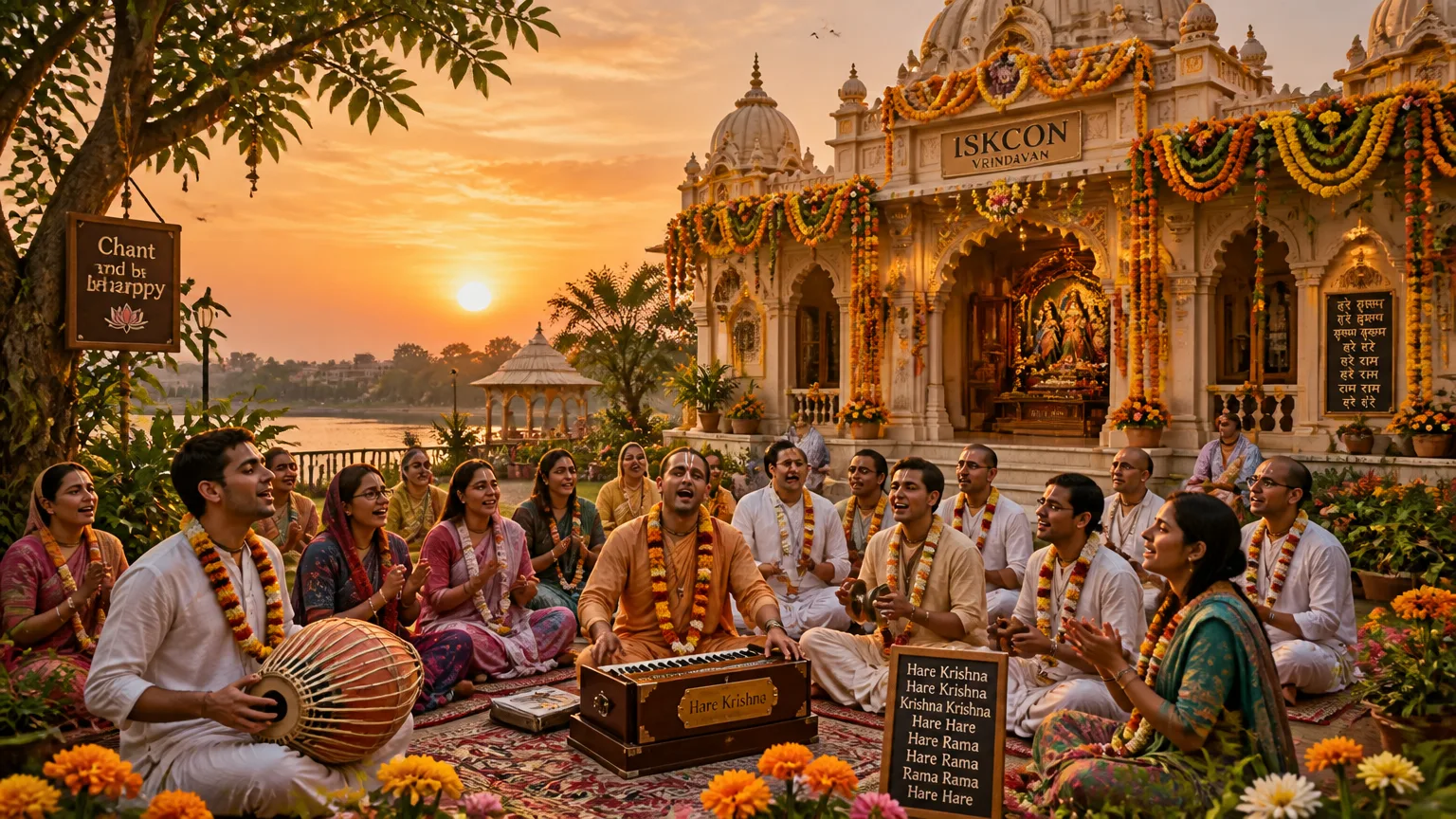
The Hare Krishna movement, rooted in the broader tradition of Gaudiya Vaishnavism, emphasizes a deep understanding of spiritual existence and the quest for ultimate liberation. Central to this philosophy is the concept of moksha, or liberation from the cycle of birth and death. Followers believe that achieving moksha leads to union with the divine in the center for eternal light, a state of pure bliss and consciousness.
While many religious traditions focus on a conventional concept of heaven, Hare Krishna beliefs offer a more nuanced perspective. Their teachings suggest that the afterlife is not merely a reward but a continuation of spiritual evolution. In this exploration, we will delve into the specific beliefs surrounding heaven and the afterlife, illustrating how these doctrines align with the broader goals of devotion and spiritual enlightenment. To deepen your understanding of these beliefs, you may wish to Discover Divine Mercy with Meditations: Why Believe in Krishna?.
The Concept of Heaven in Hinduism
In Hinduism, the concept of heaven, known as Svarga, is intricately detailed in sacred texts. Svarga is depicted as a celestial realm where souls experience bliss and enjoy the fruits of their good karma. This temporary paradise is not the ultimate goal of existence but rather a reward for virtuous living.
Central to Hindu beliefs is the cycle of birth, death, and rebirth, known as samsara. This cycle emphasizes that the soul undergoes numerous incarnations based on its actions in previous lives. While Svarga offers a respite from the struggles of earthly life, it is not a permanent state. Eventually, souls must return to the cycle of samsara until they attain moksha, or liberation from this cycle.
Different Hindu philosophies present varying views on afterlife rewards. For example, followers of Advaita Vedanta may prioritize spiritual enlightenment over rewards in Svarga. In contrast, more devotional branches, such as Vaishnavism, emphasize the significance of divine grace and the possibility of reaching the “center for eternal light.” This ultimate state transcends both earthly pleasures and heavenly rewards, focusing on unity with the divine.
Hare Krishna Viewpoint on Heaven
The Hare Krishna movement, founded by A.C. Bhaktivedanta Swami Srila Prabhupada, presents a nuanced interpretation of heaven. Srila Prabhupada taught that while heavenly realms, or Svarga, exist, they are not the ultimate goal of spiritual life. Instead, these realms offer temporary pleasures that can distract devotees from their higher purpose.
Central to Hare Krishna belief is the concept of devotional service, or bhakti. This practice involves dedicating oneself to the worship of Krishna, ultimately leading to liberation from the cycle of birth and death. Devotees aspire to reach the “center for eternal light,” a state of complete unity with the divine. This goal transcends the transient joys of heaven, emphasizing a deeper spiritual fulfillment.
In this context, heaven is viewed as a temporary reward rather than a final destination. Srila Prabhupada encouraged his followers to focus on cultivating love for Krishna through devotional practices. By doing so, they can attain eternal bliss beyond the confines of heavenly enjoyment. For those interested in integrating these teachings into daily life, exploring the principles outlined in Living Simply and Thinking Spiritually can provide valuable insights.
Moksha vs. Heaven: A Hare Krishna Perspective
In Hare Krishna philosophy, moksha represents liberation from the cycle of birth and death. It signifies an eternal union with the divine, where the soul experiences pure bliss in the presence of Krishna. This ultimate state is of paramount importance to devotees, as it embodies the fulfillment of spiritual aspirations.
In contrast, the concept of heaven, or Svarga, is seen as a temporary realm of enjoyment. While it offers pleasures and rewards, these experiences are fleeting. Devotees recognize that material enjoyment, even in heavenly realms, ultimately leads back to the cycle of rebirth. The pursuit of heavenly pleasures is, therefore, viewed as a distraction from the higher goal of moksha.
Through pure devotion to Krishna, practitioners believe they can transcend even the joys of heaven. By focusing on bhakti, or devotional service, devotees cultivate a direct relationship with God. This devotion not only offers spiritual elevation but also leads to the “center for eternal light,” a state of everlasting communion with the divine. In this way, Hare Krishna teachings emphasize that true fulfillment lies not in temporary rewards, but in eternal devotion and love for Krishna.
Practical Implications of These Beliefs
The beliefs of Hare Krishna followers profoundly influence their daily practices and lifestyle choices. Central to their spiritual journey is devotion, which manifests through regular chanting, prayer, and meditation. These practices serve as a means to cultivate a deep connection with Krishna, ultimately guiding practitioners toward the “center for eternal light.”
Community engagement plays a pivotal role in Hare Krishna life. Followers often participate in acts of service, both within their local communities and beyond. Such contributions not only enhance communal bonds but also elevate the individual’s consciousness. Engaging in these altruistic activities aligns with the teachings of devotion, reinforcing the notion that spiritual growth is intertwined with service to others. For further insights on how to create a sacred atmosphere at home, you may explore Bhakti in the Home — Creating a Sacred Atmosphere.
Moreover, the emphasis on collective worship strengthens the community’s resolve in pursuing spiritual goals. By attending congregational gatherings, followers find encouragement and support, enhancing their devotion. This communal aspect fosters a shared journey toward attaining eternal bliss, which lies beyond mere earthly or heavenly rewards.
Final Thoughts on Heaven According to Hare Krishnas
In summary, Hare Krishna beliefs about heaven present a unique perspective on the afterlife. Rather than focusing solely on temporary rewards, followers emphasize the pursuit of eternal connection with Krishna. This devotion leads to the “center for eternal light,” a state of everlasting communion with the divine.
Exploring these concepts can deepen one’s understanding of Hindu spirituality and the transformative power of devotion. Engaging with the teachings of Hare Krishna encourages individuals to live a life centered on love and spiritual practice.
As you reflect on these ideas, consider how integrating devotion into daily life can lead to profound fulfillment and enlightenment.