

Wellness as a Sacred Daily Practice
Lasting wellness is not built in one dramatic moment. It grows quietly, through small daily habits practiced with care, patience, and love. At every stage of life—childhood, youth, adulthood, elderhood, and the tender transitions in between—our bodies, minds, hearts, and souls need nourishment.
In the Bhakti Yoga tradition, wellness is not only the absence of illness. It is a life of connection: connection with God, with our true self, with others, with nature, and with meaningful purpose. Bhakti means “devotion” or “loving service.” Yoga means “connection.” So Bhakti Yoga is the path of reconnecting with the Divine through love.
You do not need to be born into any particular culture, religion, or background to begin. Bhakti welcomes everyone. Whether you are deeply spiritual, simply curious, healing from hardship, raising a family, caring for aging parents, or seeking peace in a busy world, daily devotional habits can strengthen your whole life.
The Bhagavad-gita, one of the most beloved scriptures of Bhakti Yoga, teaches that steady practice brings transformation. In Bhagavad-gita 6.17, Krishna explains that one who is regulated in eating, recreation, work, sleep, and wakefulness can reduce suffering through yoga. This is a practical reminder: wellness is spiritual, but it is also very daily.
What we do each morning, how we speak, how we eat, how we rest, and how we serve all shape the quality of our life.
Begin the Day with Prayer, Intention, and Gratitude
The first moments of the day are powerful. Before the phone, before the news, before the rush of responsibilities, the heart can turn toward God. Even one sincere minute can change the mood of the whole day.
A daily morning practice does not need to be complicated. It can begin with a simple prayer:
“Dear Lord, please guide my thoughts, words, and actions today. Help me serve with love. Help me remember You.”
This kind of prayer softens the heart. It reminds us that we are not alone, and we do not have to carry life only by our own strength.
Offer the First Thoughts of the Day
In Sanskrit, smaranam means “remembrance.” In Bhakti Yoga, remembering God is a healing habit. It brings the mind back from anxiety and anchors it in love.
For children, this may be as simple as saying “thank You” before breakfast. For students, it may mean asking for clarity before study. For adults, it may be a quiet prayer before work. For elders, it may become a deep source of peace and companionship.
A gentle practice is to place your hand on your heart and name three blessings. They do not need to be grand. Breath, shelter, food, friendship, sunlight, a new chance—these are gifts.
Gratitude trains the mind to notice grace.
Create a Small Sacred Space
A sacred space in the home can support daily wellness at every stage of life. It may include a picture of Krishna, Radha, Rama, Vishnu, or a form of God dear to your heart. It may include a candle, flowers, sacred texts, prayer beads, or simply a clean corner for meditation.
This space becomes a reminder: life is not only tasks and survival. Life is sacred.
Families can gather there for a few minutes in the morning. A busy parent can pause there before the day begins. A teenager can find calm there. An elder can sit there in prayer and chanting.
The space does not need to be perfect. Bhakti is about sincerity, not display.
Nourish the Body with Respect and Simplicity

The body is a precious gift. In Bhakti Yoga, the body is not seen as the ultimate self, but it is honored as an instrument for love, service, and spiritual growth. Caring for the body is not vanity when done with humility. It is stewardship.
Daily habits around food, movement, sleep, and cleanliness affect our ability to think clearly, love deeply, and serve steadily.
Eat with Awareness and Devotion
Food is one of the most important daily habits for lasting wellness. In Bhakti, food becomes especially sacred when it is prepared and offered to God with love. This is called prasadam, which means “mercy” or “grace.”
Prasadam is food that has been lovingly offered to the Divine before being eaten. The practice is simple. Before eating, pause and offer gratitude:
“Dear Lord, thank You for this food. Please accept this offering and bless it. May it nourish me so I can serve with love.”
This small habit changes eating from consumption into communion.
The Bhagavad-gita 9.26 says that if one offers Krishna a leaf, flower, fruit, or water with devotion, He accepts it. The heart of the offering matters most. This verse teaches that devotion is accessible to everyone. Even a simple meal can become sacred.
For daily wellness, choose foods that bring clarity and balance when possible: fruits, vegetables, whole grains, legumes, nuts, seeds, and clean water. Many Bhakti practitioners follow a vegetarian lifestyle as an expression of compassion. If you are new to this, you might begin with one plant-based meal a week, offered with gratitude.
Small steps matter.
Move the Body as an Offering
Movement supports strength, flexibility, mood, digestion, and longevity. At different stages of life, movement looks different. A child may run and play. A young adult may exercise vigorously. A parent may walk with a stroller. An elder may stretch gently or take slow walks.
The deeper question is not “How impressive is my exercise?” but “Can I care for this body as a gift from God?”
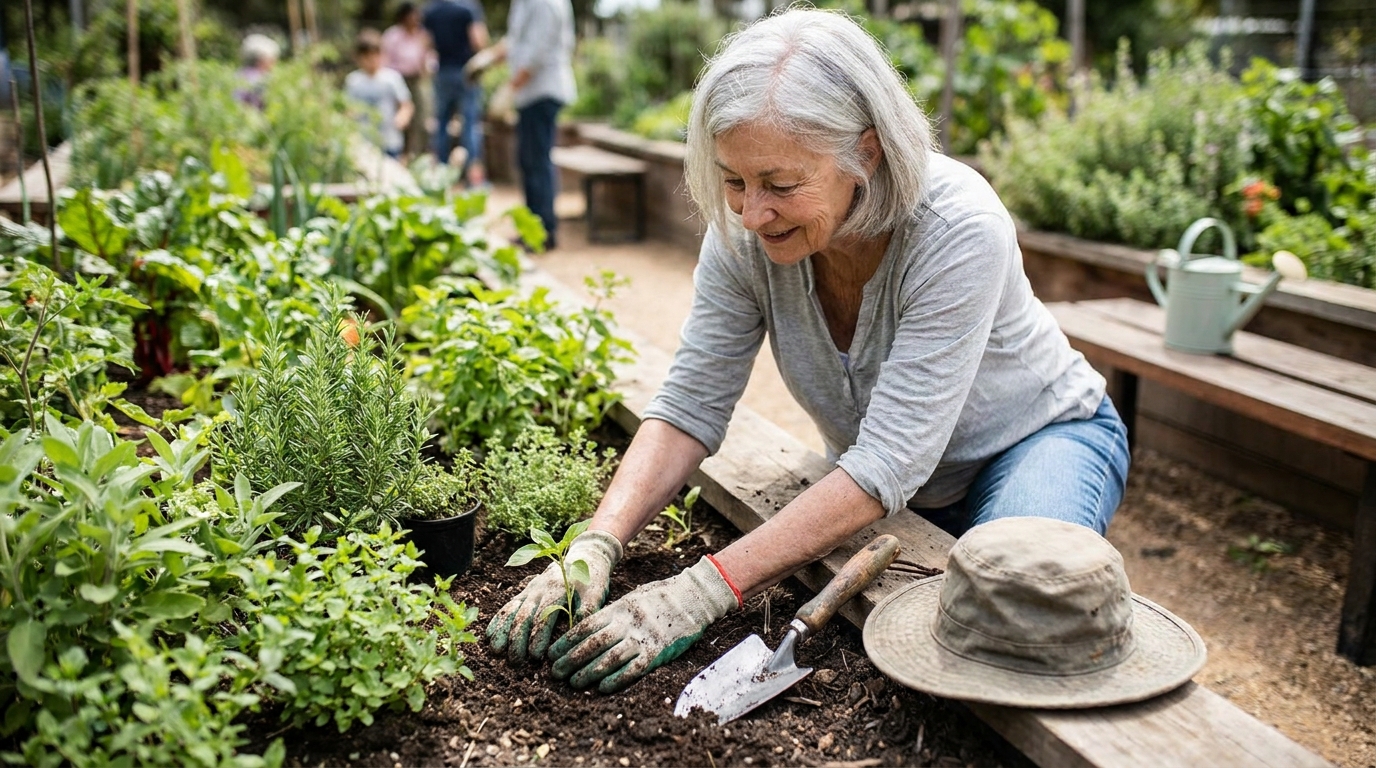
Walking can become prayer. Stretching can become gratitude. Cleaning the home can become service. Gardening can become meditation.
Try repeating a short mantra while walking. A mantra is a sacred sound or prayer that helps focus the mind on the Divine. One beloved mantra in Bhakti Yoga is:
Hare Krishna, Hare Krishna, Krishna Krishna, Hare Hare
Hare Rama, Hare Rama, Rama Rama, Hare Hare
This is often called the maha-mantra, meaning “great mantra.” Hare calls upon the divine energy of the Lord, Krishna means “the all-attractive one,” and Rama means “the source of joy.” Chanting this mantra is a simple and powerful daily habit for spiritual wellness.
Discover a wide range of insightful articles that delve into various spiritual topics. These articles provide guidance and inspiration for your personal growth journey. Stay updated with the latest articles to enhance your understanding of spiritual practices.
Strengthen the Mind Through Chanting and Sacred Study
The mind can be our friend or our greatest challenge. It carries memories, fears, plans, desires, and worries. Daily mental wellness requires nourishment just like the body does.
Bhakti Yoga offers practical tools for calming and uplifting the mind: chanting, prayer, scripture, reflection, and uplifting association.
Chant Daily, Even for a Few Minutes
Chanting is one of the central practices of Bhakti Yoga. In Sanskrit, kirtan means devotional singing, often done with others. Japa means personal, meditative chanting, often using prayer beads.
You do not need musical skill to chant. You do not need to understand everything at once. Chanting is a relationship. Like calling the name of someone you love, chanting calls the heart toward God.
A daily chanting habit may begin with five minutes. You can chant softly in the morning, in the car, while walking, or before sleep. If you have prayer beads, you can chant one round. If not, simply chant with attention and sincerity.
The Srimad-Bhagavatam, a treasured Bhakti scripture, teaches that hearing and chanting about God purifies the heart. This does not mean we become perfect overnight. It means the heart gradually becomes clearer, softer, and more awake.
Chanting helps us pause before reacting. It gives us strength when we feel overwhelmed. It reminds us that beneath stress, the soul longs for love.
Read a Little Wisdom Every Day
Sacred study is another daily habit that strengthens every stage of life. Even one verse, one paragraph, or one reflection can guide the day.
The Bhagavad-gita is especially practical for daily life. It speaks about duty, love, discipline, purpose, humility, and surrender. Surrender in Bhakti does not mean giving up responsibility. It means offering our life to God and trusting divine guidance while still doing our part.
For families, reading a short story from Krishna’s life can bring joy and spiritual culture into the home. For young adults, scripture can offer direction amid big decisions. For those in midlife, it can renew purpose. For elders, it can deepen remembrance and peace.
A helpful habit is to ask after reading:
“What is one way I can live this today?”
Spiritual wisdom becomes powerful when practiced.
Build Relationships Through Compassionate Speech and Service
Wellness is not only personal. Our relationships deeply affect our health and spiritual growth. The words we speak, the way we listen, and the service we offer can either nourish or wound the heart.
Bhakti Yoga teaches that every living being is a soul, a beloved part of God. This vision naturally encourages kindness, patience, and humility.
Practice Speech That Heals
Words have energy. A daily habit of mindful speech can transform family life, friendships, workplaces, and spiritual community.
Before speaking, we can ask:
Is it true?
Is it kind?
Is it helpful?
Is this the right time?
This does not mean avoiding necessary honesty. It means offering truth with care. The Bhagavad-gita describes qualities such as nonviolence, truthfulness, gentleness, and self-control as part of a spiritually mature life.
In daily practice, this may mean apologizing quickly, blessing others silently, avoiding gossip, and speaking encouragement more often.
Children grow strong when they hear loving words. Couples heal through respectful communication. Friendships deepen through honest listening. Elders feel honored when we speak with patience. Communities become safe when speech is rooted in compassion.
Serve in Small, Steady Ways
Seva means “service.” In Bhakti Yoga, service is not only volunteering at a temple or spiritual center, though that is beautiful. Service can happen anywhere.
Preparing a meal can be seva. Caring for a child can be seva. Calling someone lonely can be seva. Doing honest work can be seva. Cleaning a shared space can be seva. Offering your talents for the upliftment of others can be seva.
The key is consciousness: “May this be pleasing to God. May this help someone.”
Service protects the heart from self-absorption. It gives meaning to ordinary tasks. It builds community and resilience.
At every stage of life, we need to feel useful and connected. Children can learn service by helping set the table. Youth can serve through kindness and responsibility. Adults can serve family, society, and spiritual community. Elders can serve through wisdom, prayer, encouragement, and blessing.
No sincere service is small in the eyes of God.
Create Rhythms of Rest, Reflection, and Renewal
Modern life often praises constant productivity. But lasting wellness requires rest. In spiritual life, rest is not laziness. Rest is part of honoring the body, calming the mind, and making space for deeper connection.
A regulated life supports spiritual growth. When eating, sleeping, work, and recreation become more balanced, the mind becomes more peaceful.
Protect Sleep as a Spiritual Habit
Sleep affects mood, immunity, memory, hormones, and emotional balance. It also affects spiritual practice. When we are exhausted, it is harder to be patient, prayerful, or present.
A simple evening routine can help:
Reduce screen time before bed.
Offer gratitude for the day.
Read a few lines of scripture.
Chant softly or listen to gentle kirtan.
Forgive yourself and others.
Rest in God’s care.
Before sleep, you may pray:
“Dear Lord, whatever I did well today, I offer to You. Whatever I did poorly, please help me learn. Please protect my heart through the night.”
This habit allows the day to end in humility rather than worry.
Take Time for Honest Reflection
Reflection helps us grow without harsh self-judgment. In Bhakti, humility is not self-hatred. Humility means seeing ourselves truthfully: we are small, dependent, loved, and capable of growth by grace.
At the end of the day, ask:
Where did I remember God today?
Where did I forget?
Whom did I serve?
Where can I be more loving tomorrow?
This practice supports spiritual wellness, emotional maturity, and personal accountability. It is especially helpful during life transitions—leaving home, marriage, parenthood, career changes, illness, grief, retirement, or aging.
Reflection turns experience into wisdom.
Adapt Healthy Habits for Every Stage of Life
Wellness habits become sustainable when they meet us where we are. Bhakti Yoga is deeply practical because it can be practiced in any condition. The form may change, but the essence remains: remember God, chant, pray, serve, and grow in love.
Childhood and Youth: Plant Seeds of Love
For children, spiritual wellness should feel joyful and loving, not forced or fearful. Singing kirtan, hearing sacred stories, offering flowers, helping prepare prasadam, and learning simple prayers can create lifelong impressions.
Youth need both guidance and respect. They benefit from habits that build identity, purpose, and inner strength. Chanting, journaling, community service, and honest conversations about scripture can help young people navigate pressure, comparison, and confusion.
A young person who learns, “I am not just my grades, appearance, popularity, or mistakes—I am a soul loved by God,” receives a priceless foundation.
Adulthood: Balance Responsibility with Devotion
Adulthood often brings many duties: work, family, finances, caregiving, decisions, and stress. It can feel difficult to maintain spiritual habits. But Bhakti does not require us to abandon responsibility. It teaches us to spiritualize responsibility.
Cooking becomes offering. Work becomes service. Parenting becomes sacred care. Marriage becomes a path of mutual growth. Money becomes a resource to use wisely and generously. Challenges become opportunities to depend on God.
Even short practices can be powerful:
Chant during a commute.
Keep a small prayer card at your desk.
Offer food before eating.
Listen to kirtan while cooking.
Pause before difficult conversations.
Read one verse before bed.
Consistency matters more than quantity.
Elderhood: Deepen Remembrance and Share Wisdom
Elderhood can bring physical limitations, loneliness, or loss, but it can also bring profound spiritual depth. As worldly roles shift, the heart may turn more naturally toward God.
Daily chanting, prayer, hearing scripture, and sharing life wisdom become especially meaningful. Elders offer a sacred gift to families and communities: perspective. Their prayers can hold generations.
In Bhakti, no one is spiritually “retired.” Every breath can be an offering. Every blessing can uplift others. Every remembrance of God is valuable.
For those caring for elders, patience and respect are essential wellness habits too. To serve someone in later life is sacred work.
Keep Company That Uplifts the Heart
Human beings are shaped by association. The people we spend time with influence our thoughts, values, habits, and hopes. In Bhakti Yoga, satsanga means “association with truth” or “company of spiritually minded people.”
Satsanga strengthens lasting wellness because it reminds us of who we are and what truly matters.
Find Community for Encouragement
A supportive spiritual community can help us stay steady. We need people who encourage our best self, not through pressure, but through love.
Community may include attending kirtan, joining a scripture discussion, sharing prasadam, serving together, or simply spending time with people who value compassion and devotion.
For newcomers, it is natural to feel unsure. You may wonder, “Do I belong here?” The heart of Bhakti says yes. You belong as you are. You can come with questions. You can come with wounds. You can come with faith, doubt, joy, grief, or curiosity.
Spiritual community is not meant to be a place of performance. It is meant to be a place of purification, friendship, and sincere growth.
Let Your Home Become a Place of Peace
Even if you cannot regularly attend a temple or Bhakti gathering, your home can become a small sanctuary.
You can play gentle kirtan in the morning.
You can keep sacred books visible.
You can offer meals with gratitude.
You can welcome guests with kindness.
You can create one evening a week for prayer, chanting, or spiritual conversation.
A peaceful home does not mean a perfect home. Families still struggle. People still disagree. Children make noise. Life gets messy. But when the intention is devotional, the atmosphere gradually changes.
A home centered on love becomes healing for everyone who enters.
Practice Resilience Through Faith, Forgiveness, and Surrender
No stage of life is free from difficulty. Illness, disappointment, conflict, aging, grief, and uncertainty touch every human being. Daily wellness must include resilience—the strength to keep walking with faith.
Bhakti Yoga does not deny pain. It gives the heart a way to bring pain into relationship with God.
Turn Struggles into Prayer
When life feels heavy, prayer does not need to sound polished. Honest prayer is welcome.
“God, I am tired.”
“Please help me.”
“I do not understand, but I want to trust You.”
“Please guide me toward love.”
This honesty is sacred. Bhakti is a path of relationship, and real relationship includes vulnerability.
The Bhagavad-gita 18.66 offers a famous teaching in which Krishna invites the soul to surrender to Him and promises protection. This verse is not a call to passive living. It is an invitation to take shelter—to place our deepest trust in divine love while continuing to act with sincerity.
Surrender grows slowly. It may begin with one small sentence: “I am Yours.”
Forgive and Begin Again
Forgiveness is essential for lasting wellness. Holding resentment harms the heart and body. Yet forgiveness can be difficult, especially when wounds are deep. Bhakti does not ask us to pretend harm did not happen. It invites us to seek healing, wisdom, boundaries where needed, and freedom from hatred.
We also need to forgive ourselves. Many people carry regret from earlier stages of life. But spiritual growth means we can begin again. The holy names of God, sincere prayer, and loving service cleanse the heart and open new possibilities.
Every sunrise is mercy. Every breath is another chance.
Make Your Daily Habits Simple, Steady, and Sincere
A beautiful spiritual life is not built by doing everything at once. It is built by choosing simple habits and returning to them with sincerity.
If you want to strengthen wellness at any stage of life, begin gently. Choose one or two practices and let them become natural.
You might begin with:
A morning prayer before checking your phone.
Five minutes of chanting each day.
Offering one meal to God with gratitude.
Reading one verse from the Bhagavad-gita.
Taking a daily walk while repeating a mantra.
Speaking one intentional word of encouragement.
Doing one act of service without seeking recognition.
Ending the day with reflection and forgiveness.
These habits may seem small, but over time they shape the heart. They create a life of remembrance. They support emotional balance, healthier relationships, clearer purpose, and deeper spiritual joy.
Bhakti Yoga teaches that God sees the heart. Progress is not measured only by outward achievement. It is measured by sincerity, humility, and growing love.
Wherever you are in life, you are invited. Young or old, new or experienced, confident or uncertain, joyful or struggling—you are welcome on the path of devotion. Take one sincere step toward God today. Chant one name, offer one prayer, serve one person, give thanks for one blessing. Love grows through practice, and every sincere step is received.
FAQs
What are some daily habits that can strengthen mental health?
Daily habits that can strengthen mental health include practicing mindfulness or meditation, engaging in regular physical exercise, maintaining a balanced diet, ensuring adequate sleep, and fostering social connections. These activities can help reduce stress, improve mood, and enhance overall well-being.
How can physical activity benefit individuals at different life stages?
Physical activity benefits individuals at all life stages by promoting cardiovascular health, improving muscle strength, and enhancing flexibility. For children, it supports growth and development; for adults, it helps maintain a healthy weight and reduces the risk of chronic diseases; and for seniors, it can improve mobility and reduce the risk of falls.
What role does nutrition play in strengthening daily habits?
Nutrition plays a crucial role in strengthening daily habits by providing the essential nutrients needed for optimal physical and mental functioning. A balanced diet rich in fruits, vegetables, whole grains, and lean proteins can enhance energy levels, improve cognitive function, and support overall health across all life stages.
How can establishing a routine impact daily habits?
Establishing a routine can significantly impact daily habits by creating structure and consistency in one’s life. Routines help individuals prioritize tasks, reduce decision fatigue, and foster a sense of stability, which can lead to improved productivity and better mental health outcomes.
What are some effective ways to cultivate positive relationships as a daily habit?
Effective ways to cultivate positive relationships include setting aside time for regular communication with friends and family, actively listening, expressing gratitude, and participating in shared activities. These practices can strengthen bonds and enhance emotional support, contributing to overall well-being.

