

Many sincere people carry a quiet question in their hearts: “If I have doubts, does that mean I do not have faith?”
In the path of Bhakti Yoga, the path of loving devotion to God, doubt is not automatically seen as a failure. Doubt can be a doorway. It can reveal where the heart is asking for deeper understanding, deeper experience, and deeper connection.
Bhakti means devotion, love, or loving service. Yoga means connection. So Bhakti Yoga is the practice of reconnecting with the Divine through love—through chanting, prayer, service, sacred study, and the offering of our daily life.
On this path, faith is not meant to be blind or forced. Faith becomes mature when it is nourished by experience, honest inquiry, and sincere practice. Just as a seed grows stronger when it pushes through the soil, faith can grow stronger when it moves through questions with humility and care.
Faith Is a Living Relationship
Faith in Bhakti is not merely agreeing with a set of ideas. It is a relationship with God.
In the Bhakti tradition, God is often approached personally—as Krishna, Rama, Vishnu, Narayana, or by many other sacred names. Krishna means “the all-attractive one.” These names remind us that the Divine is not distant or cold, but loving, beautiful, and deeply present.
A relationship naturally includes questions. We may wonder:
“Is God really hearing me?”
“Why do painful things happen?”
“Am I worthy of divine love?”
“Is chanting truly changing my heart?”
These questions do not have to push us away from God. If held sincerely, they can bring us closer.
Doubt Can Reveal What Needs Healing
Sometimes doubt is intellectual. We want to understand scripture, philosophy, or the nature of the soul.
Sometimes doubt is emotional. We have been hurt, disappointed, or spiritually confused.
Sometimes doubt is practical. We wonder how to live a spiritual life in the middle of work, family, responsibilities, and a busy world.
Bhakti Yoga welcomes the whole person. We do not have to pretend. We can bring our doubts, grief, longing, and questions into our prayer. God is not frightened by our honesty.
What the Bhagavad Gita Teaches About Doubt
The Bhagavad Gita, one of the most beloved scriptures of Bhakti Yoga, begins with doubt.
Arjuna, a great warrior and devotee, stands on the battlefield of Kurukshetra. He is confused, overwhelmed, and morally torn. He does not know what to do. His hands tremble. His mind reels. He questions everything.
This is important. The Gita does not begin with perfect confidence. It begins with a sincere soul in crisis.
Arjuna’s Doubt Became the Beginning of Wisdom
In Bhagavad Gita 2.7, Arjuna says to Krishna:
“I am confused about my duty and have lost all composure because of weakness. In this condition I am asking You to tell me clearly what is best for me. Now I am Your disciple, and a soul surrendered unto You. Please instruct me.”
This moment is deeply moving. Arjuna does not hide his confusion. He brings it to Krishna.
This is where doubt becomes sacred. Not when it turns into cynicism, but when it becomes an offering.
Arjuna’s doubt did not destroy his faith. It led him to surrender, to guidance, and to a deeper relationship with Krishna.
Doubt Needs a Loving Direction
The Gita also warns that doubt can be dangerous if it becomes endless suspicion or paralysis. In Bhagavad Gita 4.40, Krishna says that a doubting person who has no faith and no connection to the spiritual path struggles to find peace.
This does not mean we are condemned for having questions. Rather, it teaches us that doubt must be cared for properly.
Doubt can either become a wall or a bridge.
It becomes a wall when we feed it with pride, isolation, and resentment.
It becomes a bridge when we bring it into prayer, study, saintly association, and honest spiritual practice.
Krishna Invites Inquiry
Bhakti is not anti-intellectual. In Bhagavad Gita 4.34, Krishna encourages Arjuna to approach realized teachers, ask questions, and render service. The Sanskrit word pranipata means humble approach, pariprashna means sincere inquiry, and seva means service.
This verse gives us a beautiful model for spiritual learning:
Come humbly.
Ask sincerely.
Serve with an open heart.
In this way, our questions do not weaken devotion. They purify it.
Healthy Doubt and Unhealthy Doubt
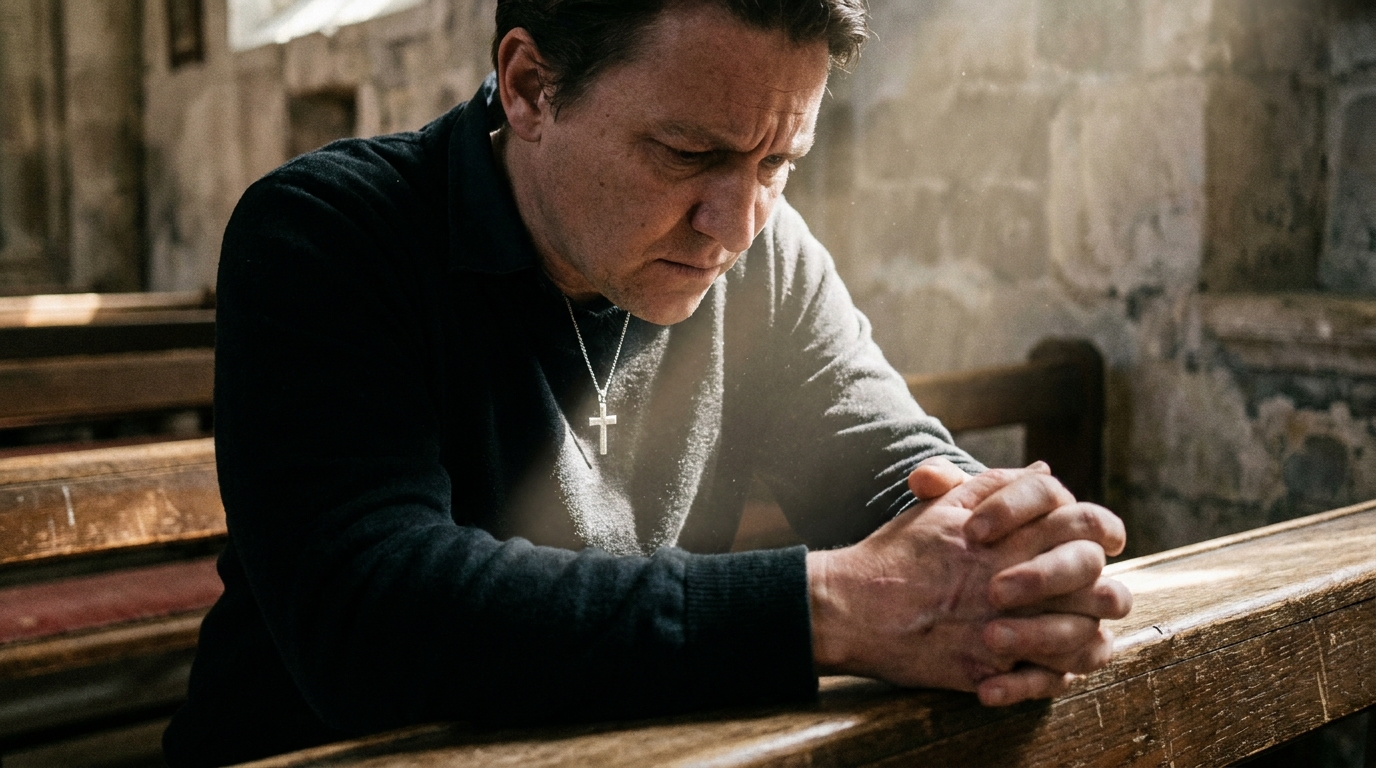
Not all doubt is the same. Some doubt helps us grow. Some doubt keeps us stuck.
Learning to understand the difference is part of spiritual maturity.
Healthy Doubt Seeks Truth
Healthy doubt says:
“I want to understand.”
“I want to go deeper.”
“I do not want to practice mechanically.”
“I want my faith to be real.”
This kind of doubt is honest and humble. It is not trying to defeat faith; it is trying to refine it.
A person with healthy doubt may still chant, pray, serve, and study, even while questions remain. They continue walking the path because they sense that something sacred is calling them forward.
Unhealthy Doubt Avoids Transformation
Unhealthy doubt often says:
“I will only believe if everything happens my way.”
“I refuse to practice until every question is answered.”
“I will keep questioning, but I do not want to change.”
This kind of doubt can become a shield against vulnerability. It protects the ego from surrender.
In Bhakti Yoga, surrender does not mean losing our intelligence. It means offering our heart to God and allowing divine wisdom to guide us beyond the limits of our own fear and control.
The Role of Humility
Humility is not self-hatred. It is truthfulness.
Humility means recognizing, “I do not know everything. I need grace. I need guidance. I am willing to learn.”
This attitude softens doubt. It allows the heart to receive.
The Srimad Bhagavatam, a central Bhakti scripture filled with stories and teachings about devotion to Krishna, praises sincere hearing and chanting as a way to cleanse the heart. In Srimad Bhagavatam 1.2.17, it is said that Krishna, who is in the heart of everyone, helps remove impurities from the heart of one who hears His messages with devotion.
This is a gentle promise. When we keep coming back to sacred sound and sincere hearing, the heart becomes clearer.
Please visit our website for more information on our articles: articles.
How Doubt Can Strengthen Faith

Doubt can strengthen faith when it leads us to deeper practice rather than spiritual avoidance.
A faith that has never been questioned may remain shallow. But a faith that has passed through struggle, prayer, and reflection can become compassionate, steady, and real.
Doubt Can Make Faith More Personal
Sometimes we inherit beliefs from our family, culture, or community. This can be beautiful. But at some point, every soul must ask, “What do I truly believe? What have I experienced? How is God calling me?”
Doubt may invite us to move from borrowed faith to personal faith.
In Bhakti, personal faith grows through personal relationship. We begin to speak to God honestly. We chant with our own longing. We serve with our own hands. We read scripture and ask, “How does this apply to my life today?”
Faith becomes not just something we were told, but something we live.
Doubt Can Deepen Compassion
A person who has wrestled with doubt often becomes more compassionate toward others.
They do not judge someone for struggling.
They do not shame someone for asking hard questions.
They understand that the spiritual path is not always simple.
This compassion is very pleasing in Bhakti. Devotion is not only about how we relate to God, but also how we relate to God’s children. Every living being is seen as atma, a soul, eternal and beloved by the Divine.
When doubt humbles us, it can make us kinder.
Doubt Can Purify Motivation
Sometimes we come to spiritual life with expectations.
We may hope that if we chant, everything will become easy. If we pray, all problems will disappear. If we serve, everyone will appreciate us.
Then life tests us.
We may experience delays, losses, misunderstandings, or inner dryness. Doubt arises: “Is this working?”
These moments can purify our motivation. We begin to ask, “Am I practicing only to get something from God, or am I learning to love God?”
Bhakti does not deny that God cares for our needs. Krishna says in the Gita that He preserves what His devotees have and carries what they lack. But the deepest gift of Bhakti is love itself—love that grows beyond transaction.
Practical Bhakti Practices for Moving Through Doubt
Doubt becomes spiritually fruitful when we bring it into practice. Bhakti Yoga gives us simple, powerful tools that anyone can begin.
You do not need to be perfect. You do not need to know Sanskrit. You do not need to come from a particular background. You can begin wherever you are.
Chanting the Holy Names
One of the central practices of Bhakti Yoga is chanting divine names, especially the maha-mantra:
Hare Krishna Hare Krishna
Krishna Krishna Hare Hare
Hare Rama Hare Rama
Rama Rama Hare Hare
Maha means great, and mantra means a sacred sound that helps free the mind. This mantra is a prayer: “O Lord, O divine energy of the Lord, please engage me in Your loving service.”
Chanting is not about performance. It is about presence.
When doubt comes, we can chant with that doubt. We can pray, “God, I am not sure. Please guide me. Please let me hear Your name with sincerity.”
Even if the mind wanders, the holy name is spiritually powerful. Bhakti scriptures teach that God is present in His names. When we chant, we are not merely repeating sounds; we are entering into relationship.
Prayer With Honesty
Prayer does not have to be polished.
Sometimes the most powerful prayer is simple:
“Krishna, I am confused.”
“Lord, please help me trust You.”
“Please show me the next right step.”
“Please make my heart soft.”
The Psalms in the Biblical tradition, the prayers of saints, and the songs of Bhakti poets all show that honest prayer is sacred. God does not need us to pretend. The Divine already knows the heart.
In Bhakti, prayer is a loving conversation. We speak, we listen, and we gradually learn to notice grace.
Seva: Service That Softens the Heart
Seva means service offered with love. It can be done in a temple, a home, a community, or the ordinary moments of daily life.
Cooking a meal and offering it to God.
Helping someone who is struggling.
Cleaning a sacred space.
Sharing wisdom gently.
Supporting a spiritual community.
Serving without seeking recognition.
Service helps doubt because it moves us out of endless mental loops and into embodied devotion. The hands become instruments of prayer.
When we serve, we often experience that faith is not only something we think about. It is something we live.
Sacred Study With Guidance
Reading scriptures like the Bhagavad Gita and Srimad Bhagavatam can nourish faith, especially when studied with guidance from sincere practitioners.
Scripture gives language to experiences we may not understand. It reminds us that saints before us also faced fear, longing, confusion, and surrender.
When reading, it can help to ask:
What is this teaching me about God?
What is this teaching me about the soul?
What is this teaching me about love?
How can I practice this today?
Sacred study is not meant to make us proud. It is meant to make us wise, humble, and loving.
The Importance of Spiritual Community
Doubt grows heavy when we carry it alone. In Bhakti Yoga, sangha means spiritual community or sacred association.
A loving community can help us remember what our heart forgets.
We Need People Who Listen
When someone shares doubt, the first response should not be harsh correction. Often, the first gift is listening.
A healthy Bhakti community makes space for sincere questions. It does not shame people for being human. It gently points them toward practice, scripture, and loving connection with God.
Many people are not doubting God as much as they are healing from painful religious experiences. They need patience, not pressure. They need kindness, not fear.
Faith Is Strengthened by Shared Practice
Chanting alone is beautiful. Chanting with others can be deeply powerful.
Kirtan, the call-and-response chanting of sacred names, is one of the most joyful practices in Bhakti Yoga. In kirtan, voices come together. Some are confident, some are shy, some are broken, some are full of gratitude. All are welcome.
In that shared sound, doubt can soften. The heart may remember, “I belong. I am not alone. God is near.”
Learning From Those Who Have Walked Longer
In every spiritual tradition, guidance matters.
A genuine teacher or mentor does not demand blind following. They help us align with truth. They live what they teach. They encourage sincere inquiry, steady practice, and loving service.
In Bhakti, advanced devotees are honored not because they claim superiority, but because they carry devotion. Their presence helps others remember God.
If we are struggling with doubt, it can be helpful to speak with someone mature, compassionate, and grounded in scripture and practice.
When Doubt Comes From Pain
Some doubts are born not from philosophy, but from suffering.
A person may ask, “If God is loving, why did this happen?”
This is one of the deepest human questions. It should be approached with tenderness.
Bhakti Does Not Minimize Suffering
Bhakti Yoga does not ask us to deny pain. The great devotees in scripture often cried, lamented, and prayed intensely.
Queen Kunti, in the Srimad Bhagavatam, experienced many hardships, yet she prayed to remember Krishna through everything. Her example is not a command to enjoy suffering. It is a testimony that divine remembrance can carry us through suffering.
Spiritual life does not always remove the storm immediately. Sometimes it gives us shelter within the storm.
God Is Present in the Brokenhearted Place
In Bhakti, Krishna is described as bhava-grahi Janardana—God who accepts the feeling, the essence, of our offering. This means God sees the heart.
If all we can offer is a tear, that tear matters.
If all we can offer is a whispered name, that name matters.
If all we can offer is, “Please help me,” that prayer matters.
Pain can make faith feel fragile. But it can also make faith more honest. In our helplessness, we may discover a deeper dependence on grace.
Healing Takes Time
If doubt is connected to trauma, grief, or betrayal, it may not disappear quickly. That is okay.
Spiritual growth is not a race.
Sometimes the next step is not a dramatic breakthrough. It is simply sitting quietly, chanting one round, attending one kirtan, reading one verse, or letting someone pray with us.
Krishna meets us in small sincere steps.
Doubt, Ego, and Surrender
In Bhakti Yoga, the ego is the false sense of being separate from God and trying to be the controller and enjoyer of everything. This ego can make surrender feel frightening.
Doubt often touches this place.
“What if I surrender and lose myself?”
“What if God asks too much of me?”
“What if I cannot control the outcome?”
These questions are understandable.
Surrender Is Not Erasure
In Bhakti, surrender does not mean becoming less yourself. It means becoming your true self.
The soul is not empty or passive. The soul is naturally loving, joyful, and connected to God. Surrender removes what covers that natural love.
Just as a musical instrument becomes more beautiful when tuned, the heart becomes more alive when aligned with the Divine.
Control Is Exhausting
Much of our anxiety comes from trying to control what was never fully in our hands.
Bhakti invites us to act sincerely and offer the results to God. This is one of the key teachings of the Bhagavad Gita. We do our duty with care, but we do not cling to the outcome as if we are the ultimate controller.
This practice can bring deep peace.
We may still have questions. But we begin to rest in trust: “God is with me. I will do my best. I will offer the rest.”
Love Grows Through Trust
Every loving relationship requires trust. Trust is not always instant. It grows through repeated experience.
We pray and notice strength.
We chant and notice softness.
We serve and notice joy.
We study and notice clarity.
We suffer and notice we are still held.
Slowly, faith becomes less like an idea we defend and more like a ground we stand on.
Signs That Doubt Is Becoming Deeper Faith
How can we know if doubt is strengthening our faith rather than weakening it?
There are gentle signs.
You Become More Honest With God
Instead of hiding, you bring your real self into prayer.
You stop performing spirituality and begin relating sincerely.
This honesty is a beautiful form of devotion.
You Keep Practicing, Even Imperfectly
You may not have all the answers, but you keep chanting.
You keep showing up.
You keep serving.
You keep asking for grace.
This steadiness is a sign of growing faith.
You Become More Humble and Compassionate
You become less judgmental toward others.
You recognize that everyone is on a journey.
You begin to value kindness as much as knowledge.
This is a sign that Bhakti is entering the heart.
You Seek Truth, Not Just Comfort
Mature faith is not only about feeling good. It is about becoming true.
Sometimes truth comforts us. Sometimes it challenges us. Sometimes it asks us to grow.
When doubt leads us to seek truth with sincerity, faith becomes stronger.
Simple Daily Ways to Strengthen Faith Through Doubt
If you are in a season of questioning, here are gentle practices you can try.
Begin the Day With One Prayer
Before reaching for your phone, pause and say:
“Dear God, please guide my thoughts, words, and actions today. Please help me remember You.”
This simple prayer can change the direction of the day.
Chant a Little Every Day
Even five or ten minutes of mantra meditation can help.
You can chant the maha-mantra softly, aloud, or in your heart. If you have beads, you can use them. If not, simply chant with attention.
Let the holy name meet you as you are.
Read One Verse of Scripture
Choose a verse from the Bhagavad Gita or another sacred text. Read it slowly. Ask what it means for your life today.
Do not rush. Let one drop of wisdom nourish you.
Offer One Act of Service
Do something kind for someone, and inwardly offer it to God.
Service transforms ordinary life into devotion.
Speak With a Trusted Spiritual Friend
If doubt is heavy, do not isolate yourself. Share with someone who will listen with love and guide you gently.
Spiritual friendship is a great blessing.
Faith After Doubt Can Be Beautiful
Can doubt strengthen faith?
Yes, when doubt is held with sincerity, humility, and practice.
Doubt can lead us to deeper questions, better understanding, more honest prayer, and a more personal relationship with God. It can strip away superficial belief and invite us into living devotion.
But doubt needs care. If we feed it with isolation, pride, or bitterness, it can harden the heart. If we bring it into chanting, prayer, service, scripture, and loving community, it can become part of our spiritual growth.
In the end, Bhakti Yoga is not asking us to become perfect before we approach God. It is inviting us to approach God so that love can gradually make us whole.
Krishna’s invitation in the Bhagavad Gita is full of compassion. He does not reject Arjuna for doubting. He guides him, teaches him, reveals Himself, and lovingly calls him to act with devotion.
That same invitation is here for us.
Wherever you come from, whatever your background, whatever questions you carry, you are welcome. You can begin with one sincere step: chant one holy name, offer one prayer, read one sacred verse, serve one person with love, or simply say, “God, I want to know You.”
No sincere step is small. The path of Bhakti is open, merciful, and full of grace. Come as you are, and take one heartfelt step toward God today.
FAQs
What is doubt?
Doubt is a feeling of uncertainty or lack of conviction about something. It can arise when one is unsure about the truth or reliability of a belief or idea.
How can doubt strengthen faith?
Doubt can lead to a deeper exploration and understanding of one’s faith. It can prompt individuals to ask questions, seek answers, and engage in critical thinking, ultimately leading to a stronger and more resilient faith.
Can doubt be a normal part of faith?
Yes, doubt is a normal part of faith for many individuals. It is natural to have moments of uncertainty or questioning, and working through doubt can ultimately lead to a more mature and grounded faith.
What are some ways to address doubt within faith?
Addressing doubt within faith can involve seeking guidance from religious leaders, engaging in open and honest discussions with others, studying religious texts, and reflecting on personal experiences and beliefs.
Is it possible for doubt to weaken faith?
While doubt can lead to a strengthening of faith for some individuals, it can also potentially weaken faith for others. It ultimately depends on how doubt is approached and addressed within the context of one’s beliefs and experiences.

