

Many of us come to spiritual life with a simple longing: “I want to feel closer to God.”
We may have tried meditation, prayer, yoga, study, service, or quiet walks in nature. Still, the heart often asks for something more personal—something full of love, beauty, relationship, and meaning.
In the Bhakti tradition, one of the sweetest ways to nourish this longing is through Lila Meditation.
The Sanskrit word lila means “divine play” or “sacred pastime.” It refers to the loving activities of the Supreme Lord and His devotees. In Bhakti Yoga, especially in the devotional traditions centered on Sri Krishna, lila meditation is the practice of remembering, contemplating, and entering the heart’s relationship with God through these sacred pastimes.
This is not imagination for entertainment. It is not escapism. It is a prayerful meditation meant to awaken love, soften the heart, and help us live with greater devotion, humility, and compassion.
Whether you are new to Bhakti, returning after time away, or already walking a devotional path, lila meditation can become a beautiful part of your daily spiritual life.
Lila Meditation is the practice of meditating on the divine pastimes of God.
In Bhakti Yoga, God is not understood only as a distant force or abstract light. God is also personal, loving, playful, and relational. The Supreme has names, qualities, forms, and loving exchanges with devotees. These sacred exchanges are called lilas.
For example, devotees may meditate on Krishna playing His flute in Vrindavan, caring for the cows, dancing with the gopis, sharing meals with His friends, lifting Govardhan Hill, or speaking wisdom to Arjuna in the Bhagavad-gita.
Each lila reveals something about God’s nature: His sweetness, protection, friendship, mercy, humor, beauty, and love.
The Meaning of “Lila”
The word lila can be translated as “play,” but it does not mean something unimportant. Divine play is the natural expression of God’s joy and love.
Human activity is often driven by need. We work because we need money, food, security, or recognition. But God is complete. The Supreme does not need anything from anyone. Therefore, divine activity is not motivated by lack. It flows from abundance.
Lila is God’s love in motion.
When we meditate on lila, we are invited to remember that reality is not cold or meaningless. At the deepest level, life is rooted in divine love.
Meditation With the Heart
Many meditation paths focus on stillness, breath, awareness, or detachment from thought. These can be helpful and sacred in their own ways.
Lila meditation includes awareness, but it especially engages the heart.
We listen. We remember. We visualize gently. We pray. We allow sacred stories to shape our inner world. We ask, “How can I serve? How can I love? What is Krishna teaching me here?”
In this way, lila meditation becomes a living relationship.
Why Lila Meditation Matters in Bhakti Yoga
Bhakti Yoga means the path of loving devotion. The word bhakti comes from a Sanskrit root meaning “to share,” “to serve,” or “to love.” Yoga means “connection” or “union.” So Bhakti Yoga is the path of reconnecting with God through love.
Lila meditation supports this path because love grows through remembrance.
When we remember someone we love, the heart naturally moves toward them. We think of their voice, their kindness, their presence, their smile. In the same way, when devotees remember the Lord’s names, qualities, and pastimes, devotion awakens.
Remembering God Throughout the Day
The Bhagavad-gita teaches:
“Always think of Me, become My devotee, worship Me, and offer your homage unto Me.”
— Bhagavad-gita 18.65
This instruction is not meant to be heavy or impossible. It is an invitation into loving remembrance.
Lila meditation helps us practice that remembrance in a natural way. Instead of trying to force the mind to be empty, we give the mind something sacred, beautiful, and nourishing to rest upon.
A restless mind needs a loving shelter. Lila offers that shelter.
From Information to Transformation
Many people read spiritual books and collect knowledge. This can be valuable, but Bhakti is not only about knowing facts. It is about becoming transformed by divine love.
Lila meditation helps sacred teachings move from the head to the heart.
When we meditate on Krishna protecting His devotees, we may begin to trust God more deeply. When we meditate on Krishna’s friendship with the cowherd boys, we may feel invited into a more intimate relationship with the Divine. When we meditate on the compassion of Lord Chaitanya, we may feel inspired to chant and share kindness with others.
Sacred stories become mirrors. They show us who God is, and they show us who we are becoming.
Scriptural Foundations of Lila Meditation

Lila meditation is not a modern invention. It is deeply rooted in authentic Bhakti scriptures and the lives of saints.
The Srimad-Bhagavatam, Bhagavad-gita, and writings of great teachers in the Bhakti tradition all emphasize hearing, chanting, and remembering the Lord.
Srimad-Bhagavatam: Hearing and Remembering
The Srimad-Bhagavatam is one of the central scriptures of Bhakti Yoga. It contains many of Krishna’s divine pastimes and teachings about devotion.
A famous verse describes nine practices of Bhakti:
“Hearing and chanting about the transcendental holy name, form, qualities, pastimes, and activities of Lord Vishnu, remembering them, serving the Lord’s feet, offering worship, offering prayers, becoming a servant, becoming a friend, and surrendering everything.”
— Srimad-Bhagavatam 7.5.23–24
These nine practices are sometimes called the nine limbs of devotion. Lila meditation is closely connected to sravanam and smaranam.
Sravanam means hearing.
Smaranam means remembering.
First we hear the sacred pastimes from scripture and realized teachers. Then we remember them with faith and love.
This order is important. In Bhakti, meditation is not simply making up stories in the mind. It begins with humble hearing from authentic sources.
Bhagavad-gita: Remembering Krishna in Life’s Challenges
The Bhagavad-gita takes place on a battlefield, where Arjuna is overwhelmed by confusion and grief. Krishna does not tell Arjuna to abandon life. Instead, He teaches him how to act with devotion.
Krishna says:
“Therefore, Arjuna, you should always think of Me and at the same time perform your prescribed duty.”
— Bhagavad-gita 8.7
This is very practical. We do not have to leave our responsibilities to remember God. We can bring remembrance into our responsibilities.
Lila meditation trains the heart to carry sacred remembrance into ordinary life—while working, parenting, studying, cooking, serving, grieving, healing, and growing.
The Example of the Saints
Great Bhakti saints lived in remembrance of God’s lilas. Saints like Mirabai, Surdas, Rupa Goswami, Sanatana Goswami, Narottama Dasa Thakura, and many others sang, wrote, prayed, and meditated on the Lord’s loving pastimes.
Their meditation was not dry or theoretical. It was full of tears, longing, joy, surrender, and service.
Their lives remind us that lila meditation is not only a technique. It is a relationship of the soul with the Supreme Beloved.
Please visit our website for more information on our articles: articles.
How to Practice Lila Meditation
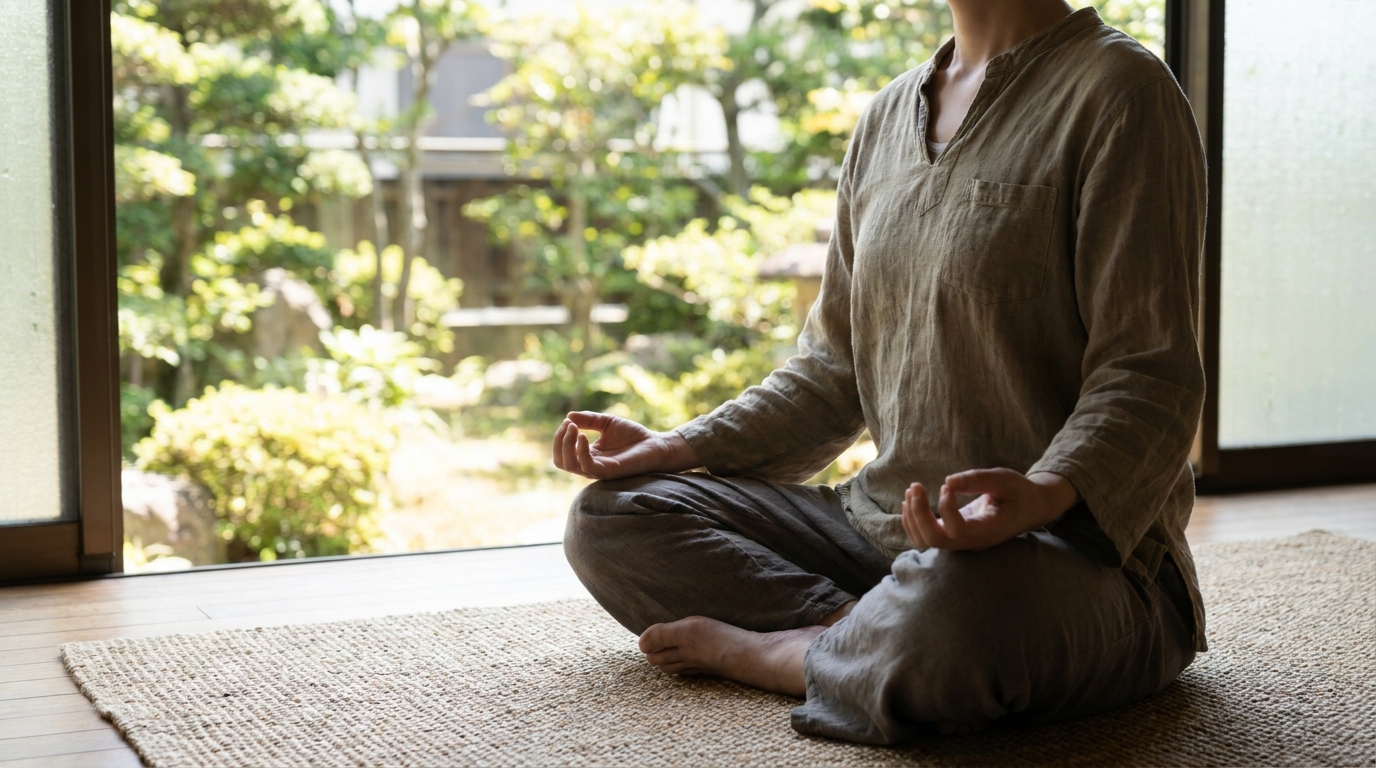
If you are new, please begin simply. Bhakti is not about performance. It is about sincerity.
A few minutes of heartfelt remembrance can be more powerful than a long meditation done with pride or pressure. God sees the heart.
Step 1: Prepare a Sacred Space
Choose a quiet place where you can sit comfortably. It does not have to be elaborate.
You may like to keep a small altar with a picture of Krishna, Radha-Krishna, Lord Rama, Lord Chaitanya, or any form of God that inspires your devotion. You might include flowers, a candle, incense, scripture, or prayer beads.
The purpose is not decoration. The purpose is invitation.
You are gently telling your mind and heart: “This time is for God.”
Step 2: Begin With Prayer
Before entering lila meditation, offer a simple prayer.
You might say:
“Dear Lord, please guide my heart. Please help me remember You with humility and love. May this meditation bring me closer to service, compassion, and truth.”
Prayer protects meditation from becoming self-centered. It reminds us that Bhakti is received by grace.
In Bhakti, grace means divine kindness. We make an effort, but the deepest spiritual awakening is a gift.
Step 3: Chant the Holy Names
Chanting is one of the most powerful foundations for lila meditation.
In the Bhakti tradition, the maha-mantra is especially cherished:
Hare Krishna Hare Krishna
Krishna Krishna Hare Hare
Hare Rama Hare Rama
Rama Rama Hare Hare
“Maha” means great. “Mantra” means a sacred sound that helps free the mind and connect the heart with God.
The names Krishna and Rama refer to the all-attractive and all-joyful Lord. Hare is a call to the divine energy of the Lord, often understood as an appeal to Srimati Radharani, the feminine embodiment of pure devotion.
You can chant softly before meditation. Even five or ten minutes can help cleanse the mind and awaken receptivity.
Step 4: Hear or Read a Sacred Lila
Choose one pastime from scripture or from a trusted devotional source.
For beginners, it is helpful to keep the section short. Read slowly. Do not rush.
You may choose a lila such as:
- Krishna stealing butter as a child
- Mother Yashoda binding Krishna with love
- Krishna lifting Govardhan Hill
- Krishna playing with His cowherd friends
- Krishna speaking the Bhagavad-gita to Arjuna
- Lord Rama honoring His father’s word
- Lord Chaitanya chanting in divine love
As you read, notice the mood. What is being revealed about God? What is being revealed about devotion?
Step 5: Gently Contemplate the Scene
After hearing or reading, close your eyes if comfortable.
Let the scene rest in your heart. Do not strain to visualize perfectly. This is not about mental force. It is about loving attention.
You might ask:
- Where is Krishna in this pastime?
- Who is with Him?
- What qualities is He showing?
- What are the devotees feeling?
- What does this lila teach me about love?
- How can I serve this mood in my daily life?
If the mind wanders, gently return to the lila or to the holy name. Wandering is normal. Returning is the practice.
Step 6: Offer a Personal Prayer
After meditation, speak to God honestly.
You do not need fancy words. Bhakti welcomes the real heart.
You might pray:
“Krishna, I do not know how to love You fully, but I want to learn. Please help me remember You. Please help me serve Your devotees. Please help me become kinder, more truthful, and more surrendered.”
This personal prayer makes the meditation relational. You are not only observing a sacred story. You are responding to it.
Step 7: Carry One Teaching Into the Day
End by choosing one practical intention.
For example:
- “Today I will be more patient, remembering Krishna’s kindness.”
- “Today I will serve someone without needing recognition.”
- “Today I will chant when I feel anxious.”
- “Today I will trust that God is protecting me.”
- “Today I will speak more gently.”
Lila meditation becomes real when it changes how we live.
Different Types of Lila Meditation
There are many ways to practice lila meditation. Different hearts connect in different ways, and that is beautiful.
Bhakti is personal. The Lord meets us where we are.
Meditating on Krishna’s Childhood Lilas
Krishna’s childhood pastimes in Vrindavan are especially sweet. He plays with His friends, steals butter, crawls in the courtyard of Mother Yashoda, and charms everyone with His beauty.
These lilas reveal the intimacy of divine love. The Supreme Lord allows Himself to be loved as a child. He becomes dependent on His devotees’ affection.
This can soften our idea of God. The Divine is not only powerful and majestic. God is also tender, playful, and close.
Meditating on Krishna and Arjuna
The Bhagavad-gita presents Krishna as the divine teacher and friend of Arjuna.
This lila is especially helpful when we face confusion, moral struggle, fear, or grief. Arjuna does not pretend to be strong. He admits his weakness and asks for guidance.
This teaches us that spiritual life begins with honesty.
When we feel lost, we can pray like Arjuna: “I am Your student. Please guide me.”
Meditating on Radha and Krishna
In many Bhakti traditions, Srimati Radharani is honored as the supreme devotee of Krishna and the embodiment of pure love. Meditation on Radha and Krishna is very sacred and should be approached with humility, respect, and guidance.
Their divine love is not ordinary romance. It represents the highest spiritual longing: the soul’s complete love for God.
For beginners, it is often best to approach these intimate lilas through chanting, prayer, service, and hearing from qualified teachers.
Meditating on Lord Chaitanya
Lord Chaitanya is revered in the Gaudiya Vaishnava tradition as Krishna appearing in the mood of His own devotee, teaching the path of chanting the holy names.
His life is filled with compassion, humility, and ecstatic love for God.
Meditating on Lord Chaitanya can help us feel encouraged and included. He shared the holy name freely, without considering birth, background, education, wealth, or social status.
His message is simple and profound: chant the names of God and awaken love.
Common Challenges in Lila Meditation
Like any spiritual practice, lila meditation comes with challenges. Please do not be discouraged. Every sincere practitioner experiences ups and downs.
The path of Bhakti is patient.
“My Mind Wanders Too Much”
This is normal. The mind has been wandering for many years. It will not become steady overnight.
When the mind wanders, gently return to the holy name, the scripture passage, or one image from the lila.
Do not criticize yourself. Self-hatred is not devotion. Humble persistence is devotion.
Even the act of returning is an offering.
“I Don’t See Anything Clearly”
Lila meditation is not dependent on dramatic visions. Some people are visual. Others connect more through sound, feeling, meaning, or prayer.
You do not need to “see” the lila like a movie. You can meditate by remembering the teaching, repeating a verse, imagining yourself hearing the flute, or simply praying to understand the Lord’s qualities.
The heart can remember even when the mind cannot picture everything.
“I Feel Unqualified”
In one sense, humility is healthy. We are all dependent on grace.
But feeling unqualified should not stop us from approaching God. Bhakti scriptures repeatedly show that the Lord is moved by sincerity, not external qualification.
Krishna says in the Bhagavad-gita:
“If one offers Me with love and devotion a leaf, a flower, fruit, or water, I will accept it.”
— Bhagavad-gita 9.26
The offering is simple. The key is love.
If you can offer a few moments of sincere remembrance, that is precious.
“I’m Afraid I’ll Imagine Incorrectly”
This is a thoughtful concern. Because lila meditation is sacred, it should be guided by scripture and authentic teachers.
A balanced approach is to first hear the lila as it is described in scripture. Stay close to the mood and details given by the tradition. Avoid inventing things that make the lila ordinary, self-centered, or disconnected from devotion.
Over time, with guidance, your meditation becomes more refined and prayerful.
Lila Meditation and Daily Life
The fruit of meditation is seen in how we live.
If lila meditation makes us proud, detached from people’s suffering, or careless in relationships, something is missing. True remembrance of God should make the heart softer.
Bhakti is not only what happens on a meditation cushion. It is how we speak, serve, forgive, eat, work, and care.
Chanting During Ordinary Moments
You can bring lila meditation into daily life through chanting.
While cooking, walking, cleaning, driving, or resting, softly chant the holy names. Let the sound remind you that God is present.
Chanting is practical because it does not require a perfect environment. The holy name can enter the kitchen, the car, the hospital room, the office, and the lonely evening.
The name carries the presence of the Lord.
Service as Living Meditation
In Bhakti, seva means devotional service. It is the practice of offering our actions to God.
After meditating on Krishna’s lilas, we may ask: “How can I serve today?”
Service may be simple:
- Preparing food with love and offering it to God
- Helping someone who is struggling
- Cleaning a sacred space
- Supporting a spiritual community
- Listening with compassion
- Sharing wisdom humbly
- Caring for the earth and God’s creatures
When done with devotion, service becomes meditation in action.
Seeing Others as Beloved Souls
Lila meditation teaches us that God loves His devotees deeply. This can change how we see others.
Every person we meet is a soul, a spiritual being, loved by God. They may be covered by pain, confusion, ego, or fear—just as we may be—but their deepest identity is sacred.
Remembering this helps us practice patience, respect, and kindness.
This is one of the most practical fruits of Bhakti Yoga.
A Simple 20-Minute Lila Meditation Practice
If you would like a clear starting point, here is a simple daily practice.
You can adjust the timing according to your life. Please begin where you are.
1. Settle and Breathe for 2 Minutes
Sit comfortably. Take a few slow breaths.
Let the body relax. Let the mind know: “Now I am turning toward God.”
2. Offer Prayer for 2 Minutes
Pray in your own words.
Ask for guidance, humility, and sincere remembrance.
3. Chant for 5 Minutes
Chant the maha-mantra or another sacred name of God that you connect with.
Try to listen to each sound. When the mind wanders, return to hearing.
4. Read a Lila for 5 Minutes
Read a short passage from the Bhagavad-gita, Srimad-Bhagavatam, Ramayana, or a trusted Bhakti text.
Read slowly, not like news, but like nourishment.
5. Meditate and Reflect for 4 Minutes
Close your eyes or lower your gaze.
Remember the lila. Contemplate one quality of the Lord. Ask what this pastime is teaching your heart.
6. End With Service Intention for 2 Minutes
Offer gratitude.
Choose one loving action for the day. Let your meditation become service.
Helpful Scriptures and Texts for Lila Meditation
To keep lila meditation grounded, it is helpful to read from authentic sources.
You do not need to read everything at once. Choose one text and go slowly.
Bhagavad-gita
The Bhagavad-gita is a foundational scripture for understanding Krishna’s teachings, devotion, surrender, karma, wisdom, and spiritual vision.
It is especially helpful for those navigating life decisions, duty, anxiety, and inner conflict.
Srimad-Bhagavatam
The Srimad-Bhagavatam is rich with divine pastimes of Krishna and His devotees. It offers deep teachings on Bhakti, the nature of God, and the journey of the soul.
It is one of the main sources for Krishna lila meditation.
Ramayana
The Ramayana tells the sacred story of Lord Rama, Sita Devi, Hanuman, Lakshmana, and many great devotees.
Meditating on these lilas can awaken devotion through themes of faithfulness, courage, service, surrender, and righteous living.
Chaitanya Charitamrita
The Chaitanya Charitamrita shares the life and teachings of Lord Chaitanya, who spread the chanting of the holy names with great compassion.
It is especially meaningful for those drawn to kirtan, humility, and the path of divine love.
The Inner Mood: Humility, Patience, and Love
The heart of lila meditation is not technique. It is mood.
In Bhakti, the inner mood matters deeply. We approach not as controllers, but as servants. Not as consumers of spiritual experience, but as souls longing to love.
Humility Opens the Door
Humility does not mean thinking we are worthless. It means recognizing that we are dependent on God’s grace.
We do not conquer divine love. We receive it.
A humble heart can learn, grow, apologize, forgive, and serve.
Patience Protects the Practice
Spiritual growth takes time. Some days meditation feels sweet. Other days it feels dry.
Both can be useful.
Sweetness encourages us. Dryness purifies our motivation. We learn to come not only for feelings, but to offer ourselves.
Keep going gently.
Love Is the Goal
The goal of lila meditation is not mystical entertainment, emotional intensity, or spiritual status.
The goal is love of God.
That love expresses itself through chanting, prayer, service, compassion, truthfulness, and remembrance. It makes us more human in the deepest sense—more tender, more grateful, more surrendered, more awake.
Lila Meditation for People of All Backgrounds
You do not need to be born into a particular culture to practice Bhakti Yoga. You do not need to know Sanskrit perfectly. You do not need to have everything figured out.
God is not limited by our background.
Bhakti welcomes the sincere heart.
If you are Christian, Jewish, Muslim, Buddhist, Hindu, spiritually curious, recovering from religion, or unsure what you believe, you can still appreciate the beauty of sacred remembrance. You can begin with respect, prayer, chanting, and service.
The Bhakti path does not ask us to pretend. It invites us to bring our real heart to God.
Begin With What Feels Honest
If you are not ready to meditate on detailed lilas, begin with a simple prayer:
“God, if You are there, please guide me.”
That prayer is sacred.
If you feel drawn to Krishna, chant His name.
If you feel drawn to service, serve.
If you feel drawn to scripture, read a few lines daily.
One sincere step opens the way for the next.
Bringing Lila Meditation Into Community
While personal practice is important, Bhakti grows beautifully in community.
The Sanskrit word sanga means association or spiritual company. When we spend time with people who are trying to remember and serve God, our own devotion becomes stronger.
Join Kirtan
Kirtan is devotional chanting, often in a call-and-response style. It is one of the most accessible and joyful practices of Bhakti Yoga.
Through kirtan, we meditate together on the holy names. The heart becomes lighter. The mind becomes clearer. We remember that we are not alone.
Hear From Devotees
Listening to sincere practitioners speak about scripture and their own journey can deepen our understanding.
In Bhakti, wisdom is not only found in books. It is also carried in living hearts.
Seek humble teachers and communities that inspire service, compassion, integrity, and devotion.
Share Prasada
Prasada means “mercy” or “grace.” In Bhakti, it often refers to vegetarian food prepared with love and offered to God before being shared.
Eating prasada is a simple and beautiful way to spiritualize daily life. It reminds us that nourishment is a gift.
Food becomes prayer. Eating becomes gratitude. Sharing becomes love.
A Gentle Closing Reflection
Lila meditation is a path of sacred remembrance.
It invites us to hear about God, chant God’s names, meditate on divine love, offer prayer, and carry that remembrance into practical service. It helps the restless mind find shelter and the tired heart find hope.
You do not have to be perfect to begin. You do not have to force a spiritual experience. You do not have to compare your journey with anyone else’s.
Simply come with sincerity.
Read one lila. Chant one round. Offer one prayer. Serve one person. Remember one quality of Krishna. Let one moment of your day become an offering.
The path of Bhakti is generous. The Lord is kind. And every sincere step toward God is seen, cherished, and answered in time.
Wherever you are coming from, you are welcome. Take one sincere step today—through love, chanting, prayer, service, or remembrance—and let your heart move gently toward God.
FAQs
What is Lila meditation?
Lila meditation is a form of meditation that focuses on cultivating a sense of playfulness and joy. It encourages practitioners to let go of seriousness and embrace a more lighthearted approach to meditation.
How is Lila meditation practiced?
Lila meditation is practiced by incorporating elements of play, creativity, and spontaneity into the meditation process. This can include activities such as dancing, singing, or engaging in imaginative visualization exercises.
What are the benefits of Lila meditation?
The benefits of Lila meditation may include stress reduction, increased creativity, improved mood, and a greater sense of overall well-being. It can also help individuals develop a more playful and joyful outlook on life.
Who can practice Lila meditation?
Lila meditation can be practiced by anyone, regardless of age, background, or experience with meditation. It is particularly well-suited for individuals who may find traditional forms of meditation too rigid or serious.
Are there any potential drawbacks to Lila meditation?
While Lila meditation can be a valuable practice for many individuals, some may find it challenging to embrace the playful and spontaneous nature of this form of meditation. Additionally, those seeking a more structured or traditional meditation practice may not find Lila meditation to be a good fit for their needs.

