
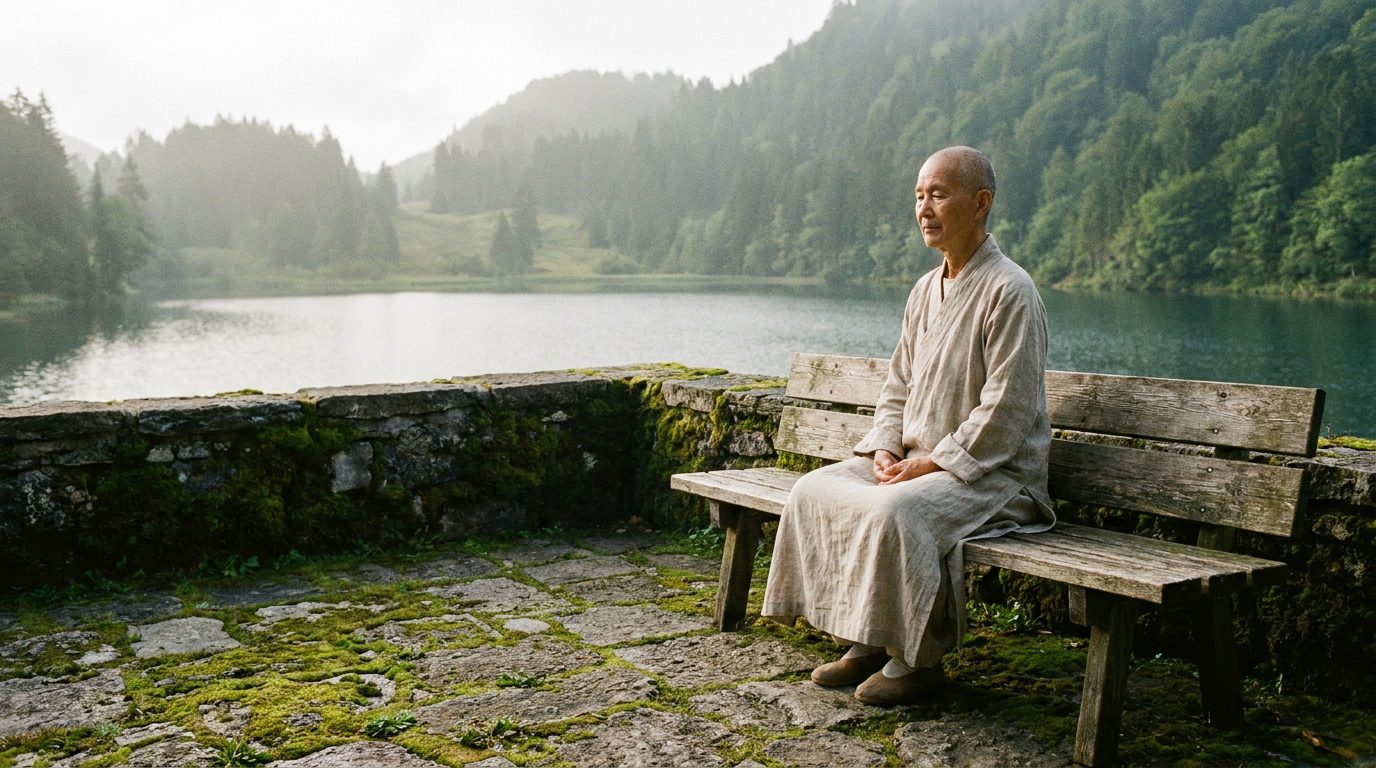
In the beautiful language of Bhakti Yoga, the word rasa means “spiritual taste,” “relationship,” or “flavor of love.” It describes the many ways the soul can relate with God. Just as human relationships have different moods—respect, friendship, affection, service, protection, intimacy—our relationship with the Divine also has living, personal qualities.
Śānta-rasa is the peaceful, contemplative mood of devotion. The Sanskrit word śānta means “peaceful,” “calm,” or “tranquil.” In śānta-rasa, the heart becomes still and satisfied in the presence of God. There is deep reverence, freedom from material disturbance, and a steady awareness of the Lord’s greatness.
This mood may not yet include active service in the way we see in other devotional relationships, such as dāsya-rasa—the mood of serving God as a beloved master—or sakhya-rasa—the mood of friendship with God. Still, śānta-rasa is a sacred and important stage of spiritual awakening. It is the quiet foundation upon which deeper expressions of love can grow.
For many sincere seekers, śānta-rasa feels very familiar. It may appear as a quiet prayer at sunrise, a deep breath during mantra meditation, a moment of awe before the beauty of nature, or a peaceful recognition: “I am not this restless mind. I am a soul, and I belong to God.”
Bhakti Yoga, the path of loving devotion, welcomes this peaceful beginning. We do not have to force our hearts into a mood we have not yet realized. We can begin exactly where we are—with sincerity, humility, chanting, prayer, and a desire to grow closer to the Divine.
Śānta-rasa in the Bhakti Scriptures
The Bhakti scriptures speak of devotion as both deeply personal and wonderfully diverse. Different devotees experience love for God in different ways, and each relationship reveals something beautiful about the infinite nature of the Supreme Person.
The Bhāgavatam and the Gradual Awakening of Love
One of the most treasured Bhakti texts is the Śrīmad-Bhāgavatam, also called the Bhāgavata Purāṇa. This scripture lovingly describes the nature of God, the soul, and devotional service. It explains that the ultimate purpose of life is to awaken pure love for the Supreme Lord.
A famous verse from the Śrīmad-Bhāgavatam says:
“Sa vai puṁsāṁ paro dharmo
yato bhaktir adhokṣaje
ahaituky apratihatā
yayātmā suprasīdati”
This means that the highest path for all humanity is that which awakens loving devotion to the Lord. Such devotion is unconditional and uninterrupted, and by it the soul becomes fully satisfied.
This verse is deeply connected to the essence of śānta-rasa. The phrase yayātmā suprasīdati means “by which the self becomes completely pleased.” Śānta-rasa is marked by inner satisfaction. The heart no longer runs endlessly after external pleasures, temporary recognition, or worldly anxieties. It begins to rest in divine remembrance.
The Four Kumāras: Peaceful Sages Who Awakened Devotion
A classic example of śānta-rasa is found in the story of the Four Kumāras: Sanaka, Sanandana, Sanātana, and Sanat-kumāra. These sages are described as highly advanced spiritual beings who were detached from worldly desires and absorbed in spiritual knowledge.
At first, they were attracted to the impersonal aspect of the Absolute Truth—the vast, eternal spiritual reality beyond matter. Their mood was peaceful, contemplative, and free from material attachment. But when they came near the Lord and smelled the fragrance of tulasī leaves offered at His lotus feet, their hearts transformed. They experienced personal devotion.
This story teaches us something very tender: peace is not the end of spiritual life, but it is a holy doorway. The peaceful heart becomes capable of receiving love. When the mind is less consumed by grasping and fear, the soul can begin to notice the personal presence of God.
Śānta-rasa and the Realization “I Belong to God”
In śānta-rasa, a person may understand, “God is great, and I am His eternal part.” This is a powerful realization. It brings humility, grounding, and freedom from loneliness.
The Bhagavad-gītā, spoken by Śrī Krishna to Arjuna, explains that all living beings are eternal parts of the Divine. Krishna says:
“mamaivāṁśo jīva-loke
jīva-bhūtaḥ sanātanaḥ”
This means, “The living beings in this world are My eternal parts.”
This simple truth can bring great peace. We are not accidents. We are not merely bodies, roles, jobs, or histories. We are eternal souls connected to the Supreme. Śānta-rasa begins when this truth becomes more than an idea—it becomes a place of shelter.
The Qualities of Śānta-rasa in Daily Life
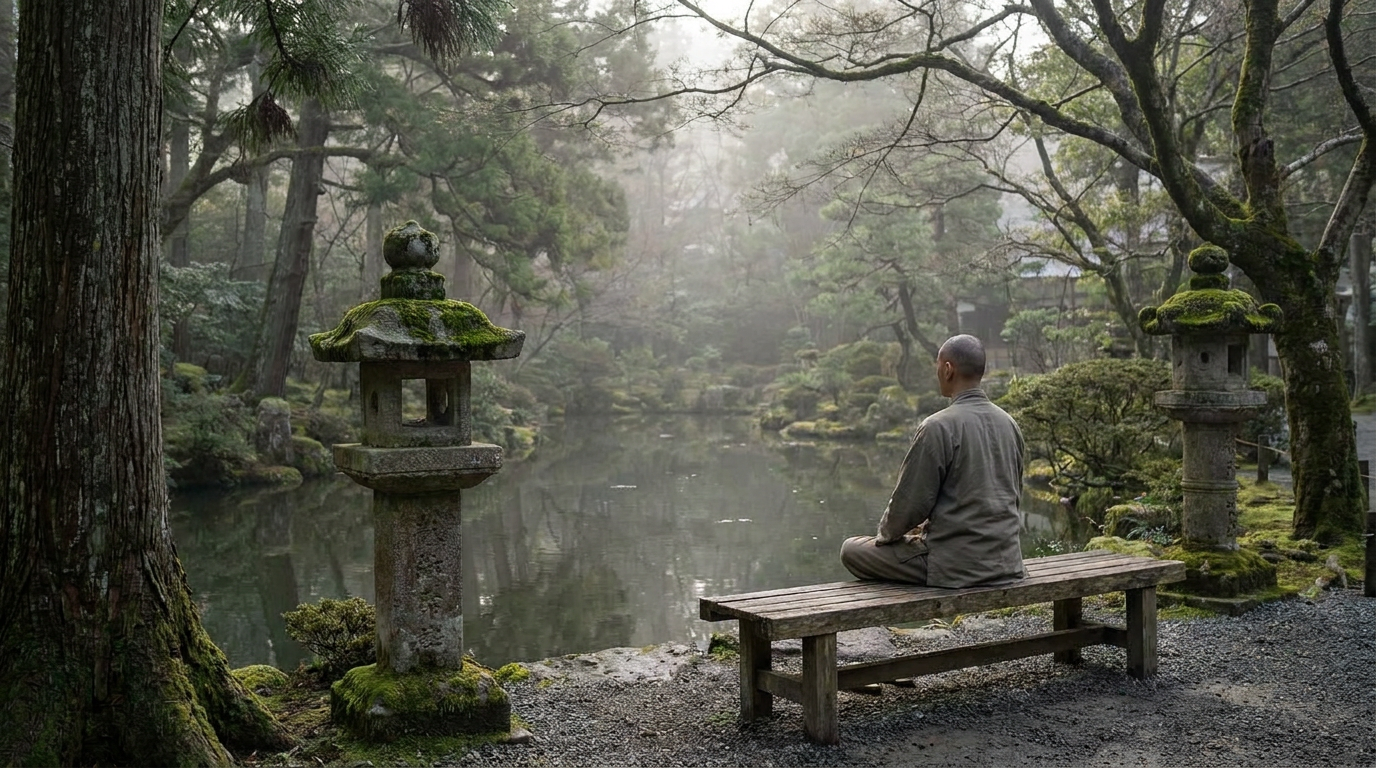
Śānta-rasa is not only a concept for scholars or saints. It can be recognized in everyday spiritual life. Whenever the heart turns toward God with calm reverence and sincere awareness, the peaceful essence of śānta-rasa may be present.
Freedom from Restless Craving
One sign of śānta-rasa is a growing freedom from restless craving. This does not mean we become emotionless or disconnected. Rather, we begin to see that no temporary object can satisfy the eternal soul.
Modern life often trains us to chase. We chase success, approval, pleasure, security, and distraction. Even when we get what we wanted, another desire appears. Śānta-rasa brings a pause. It gently whispers, “There is something deeper than this.”
Through chanting, prayer, and reflection, the heart begins to taste a quieter happiness. We may still work, care for families, and participate in the world, but we do so with less panic and more trust.
Reverence for the Divine Presence
Śānta-rasa carries a natural sense of reverence. The devotee in this mood sees God as majestic, sacred, and worthy of deep respect.
This reverence may arise when we bow before a sacred image of Krishna, hear the sound of the mahā-mantra, or read a verse from scripture. It may also arise when we see the sunset, hear birdsong, or feel gratitude for another day of life.
In Bhakti Yoga, reverence is not fear-based. It is not the feeling that God is distant and harsh. It is the humble awe of standing before limitless love, limitless wisdom, and limitless beauty.
Inner Equanimity
Another quality of śānta-rasa is equanimity, which means steadiness through life’s ups and downs. In Sanskrit, this quality is often connected with words like sama, meaning balanced or equal-minded.
The Bhagavad-gītā repeatedly praises this spiritual steadiness. Krishna teaches that a wise person is not overly disturbed by sorrow or overly intoxicated by happiness. This does not mean the heart becomes cold. It means the heart becomes anchored.
A person touched by śānta-rasa may still feel grief, disappointment, or uncertainty. But beneath those waves, there is a deeper remembrance: “God is present. I am held. This life is temporary, but my soul’s relationship with the Divine is eternal.”
Please visit our website for more information on our articles: articles.
Examples of Śānta-rasa in Scripture

The Bhakti tradition offers many examples of peaceful devotion. These examples help us understand śānta-rasa not as an abstract idea, but as a living spiritual mood.
The Four Kumāras
As mentioned earlier, the Four Kumāras are among the clearest examples of śānta-rasa. They were self-realized sages, free from ordinary material desires. Their consciousness was peaceful and absorbed in spiritual truth.
When they encountered the personal beauty and fragrance of the Lord, their peaceful realization blossomed into devotion. Their example reminds us that knowledge and detachment become complete when touched by love.
Many people today begin their spiritual journey through philosophy, meditation, or a search for inner peace. This is not wrong or lesser. It can be a meaningful beginning. But Bhakti invites the peaceful seeker to go further—from peace to relationship, from stillness to loving exchange.
The Trees and Land of Vṛndāvana
In Bhakti poetry and scripture, even the trees, rivers, hills, and land of Vṛndāvana are honored as devotees. Vṛndāvana is the sacred place most closely associated with Krishna’s childhood pastimes.
The trees of Vṛndāvana stand silently, offering fruits, flowers, shade, and beauty for Krishna’s pleasure. They do not speak or move like humans, yet the tradition sees them as absorbed in peaceful devotion.
This is a profound example of śānta-rasa. The trees are steady, generous, and surrendered. Their existence itself becomes an offering.
We can learn from them. Sometimes our service is not dramatic. Sometimes devotion looks like simply standing where God has placed us and offering what we have—our patience, our presence, our kindness, our resources, our breath.
The Cows and Natural World Connected to Krishna
The cows of Vṛndāvana are often associated with tender affection for Krishna, and in many descriptions their relationship includes deep love and sweetness. Yet the peaceful setting of Krishna’s pastoral life also reveals the śānta mood in nature itself.
The rivers flow peacefully. Govardhana Hill stands in sacred service. The forest pathways hold Krishna’s footprints. The birds sing, the breeze carries fragrance, and the earth receives the touch of the Lord.
This vision teaches us that the whole world can become sacred when seen in relation to God. Śānta-rasa opens the eyes to divine presence everywhere. The world is no longer merely a place to consume; it becomes a place to honor, protect, and offer back to the Creator.
Great Sages in Meditation
Many sages in the scriptures sit in meditation upon the Supreme Lord within the heart. This form of the Lord is called Paramātmā, meaning the “Supreme Self” or “God in the heart.”
In śānta-rasa, meditation on Paramātmā is marked by reverence and stillness. The devotee recognizes that God is present as the witness, guide, and dear companion of every living being.
This realization can transform our relationships. If God is present in everyone’s heart, then every person deserves respect. Every creature has spiritual value. Every interaction becomes an opportunity to practice humility and compassion.
Śānta-rasa as a Foundation for Deeper Bhakti
Śānta-rasa is peaceful, but Bhakti Yoga does not stop at peace alone. The heart is naturally active. Love wants to express itself. As devotion deepens, peaceful reverence may blossom into service, friendship, parental affection, or even the most intimate forms of divine love described in the Bhakti tradition.
From Peace to Service
When the heart becomes peaceful, it often asks, “How can I serve?” This is a natural progression.
At first, we may approach spiritual life because we want relief. We want peace from anxiety, confusion, or pain. This is completely understandable. God welcomes us in our need.
But as we experience divine kindness, our motivation begins to mature. We start to pray not only, “Please help me,” but also, “Please use me.” This movement from receiving peace to offering service is a sacred growth in Bhakti.
Service in Sanskrit is called sevā. Sevā can be simple: preparing food with love and offering it to God, helping at a temple or spiritual gathering, listening with compassion, supporting someone in need, sharing sacred wisdom, or chanting sincerely for the benefit of others.
From Observation to Relationship
Śānta-rasa may include the feeling of watching God with awe. The devotee sees the Lord as great, perfect, and worthy of worship. This is beautiful.
Yet Bhakti scriptures reveal that God also desires relationship. Krishna is not only the Supreme Truth; He is also the all-attractive Person who lovingly exchanges with His devotees.
As the heart softens, we may move from “God is great” to “God is my shelter,” and from “God is my shelter” to “God is my beloved Lord.” This deepening happens naturally through grace, practice, and sincere association with devotees.
Peace as the Ground of Love
Sometimes people think spiritual peace means the absence of feeling. But in Bhakti, peace is not emptiness. It is the clearing of the heart so love can flow.
Imagine a lake. When the water is disturbed, it cannot clearly reflect the moon. When the water becomes still, the moon appears beautifully. In the same way, when the mind becomes peaceful through chanting, prayer, and devotion, the heart can reflect Krishna’s presence more clearly.
Śānta-rasa is that still lake. It is not the final limit of love, but it is a blessed and necessary clarity.
Practicing Śānta-rasa in a Modern World
Many people today live with constant noise—digital noise, emotional noise, social pressure, inner worry. Śānta-rasa offers a healing invitation: slow down, remember God, and let the soul breathe.
This peaceful devotion is not an escape from responsibility. It is a way to meet life from a deeper center.
Chanting the Holy Names
One of the most accessible practices in Bhakti Yoga is chanting the names of God. The mahā-mantra is especially cherished:
Hare Krishna Hare Krishna
Krishna Krishna Hare Hare
Hare Rama Hare Rama
Rama Rama Hare Hare
“Hare” calls upon the divine energy of the Lord. “Krishna” means the all-attractive one. “Rama” means the source of spiritual joy.
Chanting can be done softly, loudly, alone, or in community. It can be sung with instruments in kīrtan, devotional call-and-response chanting. It can also be repeated quietly on beads as japa, personal mantra meditation.
For those drawn to śānta-rasa, chanting may begin as a peaceful meditation. The mind settles. The heart feels cleansed. Over time, the holy name reveals more than peace—it reveals relationship.
Prayer with Honesty
Prayer does not have to be polished. A sincere prayer may be very simple:
“Dear Lord, please help me remember You.”
“Please guide my heart.”
“Please let me serve with humility.”
“Please bring peace to all beings.”
In śānta-rasa, prayer may feel quiet and reverent. We may not yet feel intense emotion, and that is okay. Sincerity matters more than spiritual performance.
God is not impressed by dramatic words. God is touched by honesty.
Sacred Reading and Reflection
Reading scripture is another way to cultivate peaceful devotion. The Bhagavad-gītā and Śrīmad-Bhāgavatam offer deep nourishment for the heart.
A practical way to read is to take one verse, read it slowly, and ask:
What does this teach me about God?
What does this teach me about the soul?
How can I live this today?
Even five minutes of sacred reading can change the atmosphere of the mind. It brings divine wisdom into our daily choices.
Seeing God’s Energy in Nature
Śānta-rasa often awakens through contemplation of nature. The Bhagavad-gītā teaches that Krishna is the taste of water, the light of the sun and moon, and the ability in all people.
When we drink water, we can pause and remember, “This life-giving taste comes from God.” When we see sunlight, we can remember, “This light is a reflection of divine brilliance.” When we walk under trees, we can remember the silent service of the natural world.
This does not require a complicated ritual. It requires attention. Spiritual life begins when we stop taking everything for granted.
Common Misunderstandings About Śānta-rasa
Because śānta-rasa is peaceful, it can sometimes be misunderstood. It is helpful to clarify what it is—and what it is not.
Śānta-rasa Is Not Indifference
Peaceful devotion is not apathy. It does not mean we stop caring about others. In fact, real spiritual peace often makes us more compassionate.
When the ego becomes quieter, we can listen better. When craving becomes weaker, we can give more freely. When fear becomes less dominant, we can act with courage and kindness.
Śānta-rasa is calm, but it is not cold.
Śānta-rasa Is Not Impersonal Emptiness
Some spiritual paths emphasize merging into an impersonal absolute or dissolving individual identity. Bhakti Yoga honors that people may approach spiritual truth in many ways, but it ultimately teaches that the soul is eternal and personal, and that God is also personal.
In śānta-rasa, one may experience great awe and stillness before the Divine. Yet within Bhakti, this peace is connected to the personal Lord. It is not emptiness. It is the peaceful recognition of God’s presence, greatness, and beauty.
Śānta-rasa Is Not Spiritual Laziness
Because śānta-rasa may appear quiet, someone may think it requires no practice. But true spiritual peace takes sincerity.
We cultivate it by chanting, hearing sacred wisdom, offering prayer, practicing gratitude, serving others, and avoiding habits that agitate the heart. Peace grows when we live in harmony with our spiritual values.
The peaceful devotee may not always be externally busy, but inwardly they are attentive. Their heart is learning to rest in God.
Examples of Śānta-rasa We May Recognize Today
While scriptural examples are sacred and foundational, we can also recognize reflections of śānta-rasa in modern spiritual life. These are not necessarily perfected states, but they can be meaningful glimpses.
The Seeker Who Finds Stillness in Chanting
Someone may come to a kīrtan with a tired heart. They may not know the philosophy. They may not understand Sanskrit. But as the holy names are sung, their breathing slows. Their mind softens. Tears may come, or maybe just a gentle quiet.
This can be a doorway into śānta-rasa. The soul recognizes something familiar in the sound of God’s names.
The Person Who Prays Before Making a Decision
Another person may pause before an important decision and pray, “Please guide me. Let me do what is pleasing to You.”
This prayerful pause reflects peaceful devotion. Instead of rushing from ego or fear, the person seeks divine alignment. That moment of surrender is powerful.
The Devotee Who Serves Without Needing Attention
Someone may quietly clean a sacred space, wash dishes after a gathering, arrange flowers, or help guests feel welcome. They may not seek recognition. Their heart feels peaceful simply knowing the offering is for God.
Although active service is often associated with dāsya-rasa, the inner calm and reverence behind the service may carry the fragrance of śānta-rasa. Spiritual moods can nourish one another, and our practice may contain more than one devotional quality.
The Soul Who Sees Everyone with Respect
A person touched by śānta-rasa may begin to see beyond labels. They recognize that every being is a soul. Whether someone is wealthy or poor, religious or unsure, joyful or struggling, the peaceful devotee tries to offer respect.
This is deeply practical. It changes how we speak, how we listen, how we forgive, and how we serve.
How Śānta-rasa Helps Us Heal
Many of us carry wounds—grief, disappointment, anxiety, guilt, or spiritual confusion. Śānta-rasa offers a gentle healing atmosphere. It does not demand that we instantly become saints. It invites us to sit near the Divine and breathe.
Peace for the Anxious Heart
Anxiety often pulls the mind into the future. “What if this happens? What if I fail? What if I am not safe?”
Chanting and prayer bring the mind back to the present moment, where God is available. The holy name becomes an anchor. Each repetition is a step away from panic and toward trust.
We may still need practical help, community support, or professional care. Bhakti does not reject those things. Rather, it adds a spiritual center: “I am not alone. God is with me.”
Peace for the Grieving Heart
Grief can make the world feel empty. Bhakti wisdom teaches that the soul is eternal and that love rooted in God is never lost.
Śānta-rasa helps us sit with grief without being destroyed by it. We can offer our tears in prayer. We can remember that the Lord in the heart understands every pain. We can chant for those we love and trust that every soul is held by divine compassion.
Peace for the Searching Heart
Some people do not know what they believe. They may feel drawn to God but uncertain about religion. They may have been hurt by spiritual institutions or confused by conflicting teachings.
Bhakti Yoga welcomes sincere questions. Śānta-rasa can begin with humble openness: “If You are there, please guide me.”
That prayer alone is meaningful. The path of devotion is not about pretending. It is about turning honestly toward the Divine.
Growing Beyond Peace Without Leaving Peace Behind
As Bhakti deepens, the heart may awaken more active and intimate forms of love. Yet the peace of śānta-rasa remains valuable. Even advanced devotion includes steadiness, humility, and freedom from material agitation.
Love Becomes More Personal
In the Bhakti tradition, Krishna is understood as the Supreme Person, full of beauty, sweetness, playfulness, and love. The more we hear about Him, chant His names, and serve His devotees, the more personal our devotion becomes.
We may begin with awe: “God is great.”
Then gratitude: “God is kind.”
Then surrender: “God is my shelter.”
Then affection: “God is dear to me.”
This unfolding is natural. We do not need to imitate anyone else’s spiritual emotion. We simply continue sincerely, and grace guides the heart.
Service Gives Peace a Direction
Peace is wonderful, but love wants to move. Sevā gives our peaceful heart a direction.
We can offer our talents, time, words, resources, cooking, music, care, and attention. We can serve in temples, homes, communities, workplaces, and online spaces. Wherever we are, we can ask, “How can this become an offering?”
When peace becomes service, life becomes sacred.
Community Nourishes the Heart
In Bhakti, spiritual community is called sādhu-saṅga, the association of sincere seekers and devotees. We grow by being near those who remind us of God.
Community helps us stay steady. When our mind is restless, others chant with us. When our faith is weak, others encourage us. When we are proud, others gently humble us. When we are discouraged, others remind us that one sincere step matters.
Śānta-rasa may feel inward and quiet, but it is nourished by loving association.
A Simple Practice to Taste the Peaceful Essence
If you feel drawn to the peaceful essence of śānta-rasa, here is a simple practice you can try today.
Step One: Pause
Find a quiet place, even for five minutes. Sit comfortably. Let your shoulders relax. Take a few slow breaths.
Step Two: Remember
Bring to mind this simple truth: “I am an eternal soul, and I belong to God.”
You do not have to force belief. Just hold the thought gently.
Step Three: Chant
Softly chant the mahā-mantra:
Hare Krishna Hare Krishna
Krishna Krishna Hare Hare
Hare Rama Hare Rama
Rama Rama Hare Hare
Let the sound carry you. If the mind wanders, kindly bring it back. No harshness is needed.
Step Four: Offer
Say a simple prayer:
“Dear Lord, please bring peace to my heart. Please guide me in love. Please help me take one sincere step toward You.”
Step Five: Serve
After chanting, do one small act of kindness as an offering. Send an encouraging message. Wash a dish. feed someone. Water a plant. Forgive a small mistake. Speak gently.
In Bhakti Yoga, peace becomes real when it softens the way we live.
Everyone Can Begin with One Sincere Step
Śānta-rasa reminds us that the spiritual journey can begin in quietness. We do not need to have everything figured out. We do not need to be free from all struggles. We do not need to perform devotion perfectly.
We can begin with a peaceful moment of remembrance.
We can chant one mantra.
We can offer one prayer.
We can read one verse.
We can serve one person.
We can look at the sky, feel gratitude, and whisper, “Thank You.”
The path of Bhakti Yoga is a path of love, and love grows naturally when we keep turning toward God. Whether you are new to Sanskrit, new to chanting, returning after a long time, or simply curious, you are welcome. Your sincerity is precious.
May the peaceful essence of śānta-rasa help your heart become steady, humble, and open. And from that sacred peace, may deeper love awaken—step by step, name by name, prayer by prayer.
Everyone is welcome to take one sincere step toward God today.
FAQs
What is Śānta-rasa?
Śānta-rasa is a concept in Indian aesthetics and spiritual philosophy that refers to the aesthetic experience of tranquility, peace, and neutrality. It is one of the nine rasas or emotional flavors described in Indian classical literature.
What are some examples of Śānta-rasa in scripture?
Examples of Śānta-rasa can be found in various scriptures such as the Bhagavad Gita, the Upanishads, and the Ramayana. In the Bhagavad Gita, Lord Krishna’s teachings to Arjuna on duty and righteousness can be seen as evoking the emotion of tranquility and neutrality.
How is Śānta-rasa depicted in the Ramayana?
In the Ramayana, the character of Lord Rama is often associated with Śānta-rasa. His calm and composed demeanor, especially in the face of adversity, reflects the qualities of tranquility and neutrality.
What role does Śānta-rasa play in spiritual practice?
In spiritual practice, experiencing Śānta-rasa can be seen as a state of inner peace and detachment from the material world. It is considered an important aspect of achieving spiritual enlightenment and self-realization.
How is Śānta-rasa relevant in contemporary society?
In contemporary society, the concept of Śānta-rasa can be relevant in promoting mental well-being, mindfulness, and inner peace. It can also serve as a reminder of the importance of maintaining a balanced and neutral perspective in the face of life’s challenges.

