Anxiety can often feel like a heavy cloud, casting shadows on our mental and emotional well-being. In our fast-paced world, many of us experience this overwhelming sensation, leaving us searching for relief. That’s where yoga for anxiety management comes into play. This ancient practice not only offers physical benefits but also opens doors to spiritual growth and community support.
Through the gentle movement of asanas and the calming rhythm of breath, yoga invites us to reconnect with ourselves. It fosters a sense of inner peace that can transform our approach to anxiety. In Bhakti Yoga, we discover that this journey is not taken alone; we are part of a loving community, united in our quest for serenity.
As we explore five specific practices, we’ll uncover how yoga can help us navigate anxiety with grace and resilience. These practices encourage us to cultivate mindfulness, allowing us to ground ourselves in the present moment. Together, we can find solace in the understanding that through yoga, we can embrace our challenges and emerge stronger. Let us embark on this path toward inner peace together.
1. Mindful Breathing Techniques
Mindful breathing serves as a powerful anchor, helping us to quiet the mind and reduce anxiety. By focusing on our breath, we can gently return to the present moment, creating a safe space within ourselves. This practice reminds us that we always have this tool at our disposal, no matter where we are.
One effective technique is diaphragmatic breathing, or belly breathing. Inhale deeply through the nose, allowing the belly to expand fully. Then, exhale slowly through the mouth, releasing any tension. This method calms the nervous system and promotes a sense of tranquility.
Another practice is the 4-7-8 technique. Inhale for four counts, hold for seven, and exhale for eight. This rhythm not only helps to slow our heart rate but also encourages a deeper connection with our breath.
As we embrace these simple yet profound practices, we can collectively cultivate a sense of peace that permeates our daily lives. With each mindful breath, we step closer to harmony and balance, together.
2. Gentle Asanas for Relaxation
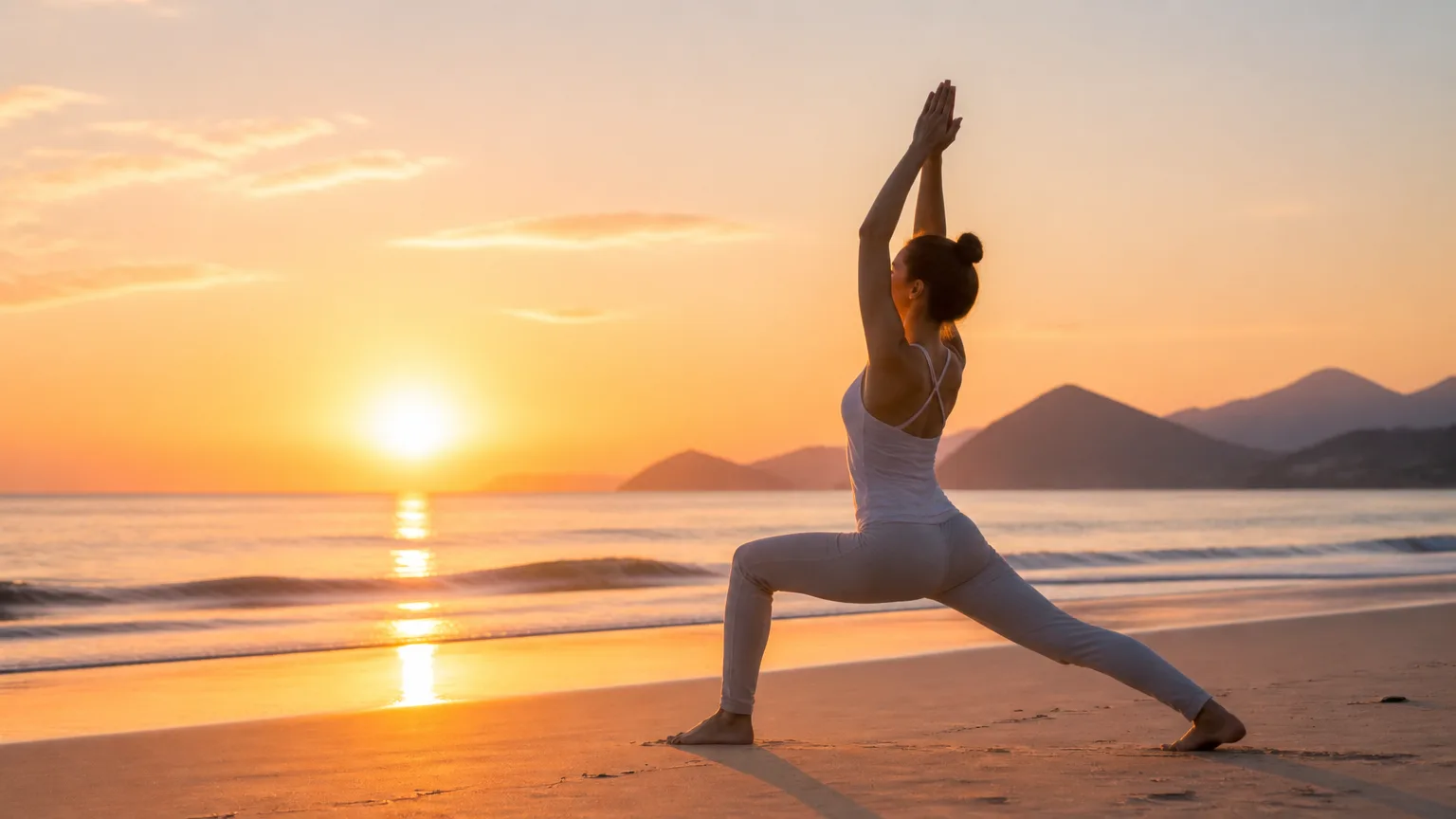
In our journey of yoga for anxiety management, gentle asanas play a vital role in fostering relaxation. Poses like Child’s Pose and Cat-Cow are not only accessible but also deeply grounding. As we settle into Child’s Pose, we can feel the weight of our worries begin to lift, allowing us to simply be with our breath.
The fluid movement of Cat-Cow invites us to connect our breath with each gentle arch and curve of our spine. This rhythmic flow encourages us to release tension stored in our bodies. By emphasizing movement with our breath, we create a soothing rhythm that calms our minds and nurtures our spirits.
Each gentle pose serves as a reminder that we are not alone in our experiences. Together, we can explore these asanas, finding comfort and connection in the shared practice of relaxation. Let each inhale fill us with peace, while each exhale releases what no longer serves us.
3. Meditation and Mindfulness Practices
Meditation can transform the way we perceive anxiety, guiding us to a place of calm and clarity. By cultivating mindfulness, we learn to observe our thoughts and feelings without judgment. This practice encourages us to be present, creating a sense of space between ourselves and our worries.
Incorporating mindfulness into our daily routines enhances our overall well-being. Simple practices, like focusing on our breath or tuning into our surroundings, can ground us amid chaos. For instance, we might take a moment to pause, close our eyes, and breathe deeply, allowing ourselves to fully experience the present.
As we sit in stillness, we nurture a connection to our inner selves. This connection fosters resilience, reminding us that anxiety does not define us. Together, we can embrace these moments of meditation, finding strength and tranquility in our shared journey toward inner peace.
4. Bhakti Kirtan as a Community Practice
In our journey toward inner peace, Bhakti Kirtan stands out as a transformative tool for managing anxiety. This practice of chanting together creates a warm, supportive community where we can feel embraced by shared devotion.
As we gather in circles, our voices blend in harmony. Each chant uplifts our spirits, reminding us that we are not alone in our struggles. The joy that arises from this collective expression can significantly reduce feelings of isolation, filling us with a sense of belonging.
Chanting also allows us to express our emotions freely, releasing tension and inviting joy into our hearts. The rhythmic flow of sound connects us deeply, fostering a communal bond that enhances our emotional experience. Together, we can navigate our anxieties, finding solace in the power of song and connection.
In this sacred space, we nurture one another, building resilience through love and shared devotion.
5. Satsang: Building Community and Support
Participating in Satsang creates a nurturing space where we come together to share our spiritual journeys. This sense of community is vital for those battling anxiety. When we gather to listen, share, and uplift one another, we foster connections that soothe our souls.
In Satsang, we experience collective healing. Hearing stories from others who walk similar paths can be incredibly reassuring. It reminds us that we are not alone in our struggles. Together, we find comfort in shared experiences, creating a warm embrace that softens the edges of anxiety.
Through group chanting, discussions, and meditation, we cultivate a spirit of belonging. These shared spiritual practices deepen our connection to ourselves and to each other. In this sacred space, love and support flourish, guiding us gently on our journey toward inner peace. Together, we nurture resilience and celebrate the beauty of community.
Finding Inner Peace Through Bhakti Yoga
In our journey through the five practices of Bhakti Yoga, we’ve uncovered powerful tools for managing anxiety. Each practice—mindfulness, asanas, breathwork, meditation, and kirtan—offers unique benefits that support our quest for inner peace.
Consistency in these practices helps us build resilience, allowing us to face our challenges with greater ease. Bhakti Yoga, with its emphasis on devotion and community, invites us to connect not only with ourselves but also with each other.
As we nurture our spirits together, we create a supportive environment where love and understanding flourish. In this sacred space, we discover that we are never alone on our path to tranquility. Together, let us embrace these practices, fostering a sense of belonging and deepening our connection to both ourselves and our community.