
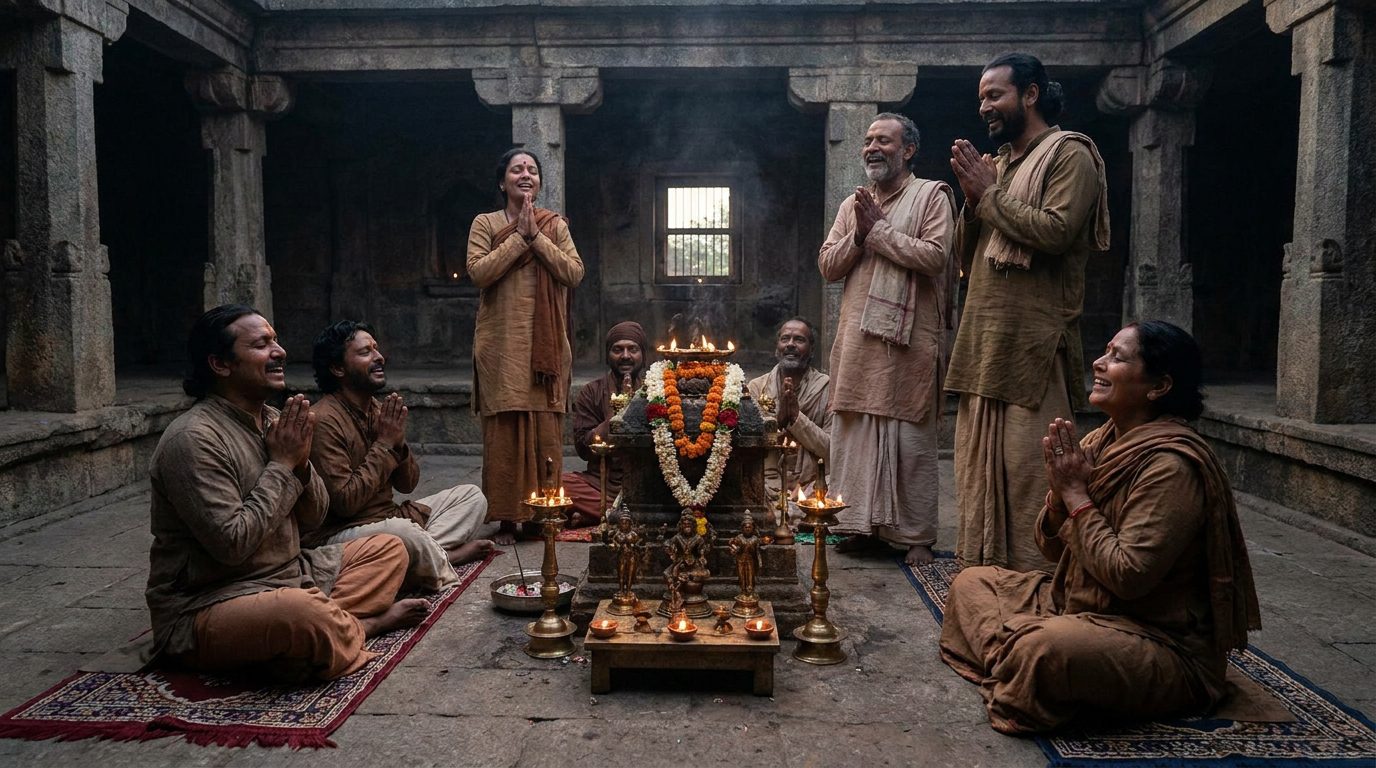
“Which process of Bhakti is right for me?”
This is a beautiful question. It is also a very human question.
Many sincere seekers come to Bhakti Yoga with open hearts, but also with real lives. We have jobs, families, school, health concerns, responsibilities, wounds, hopes, and different personalities. Some of us are drawn to music and chanting. Some of us love quiet prayer. Some feel most connected when serving others. Some are thoughtful and philosophical. Some are emotional and devotional. Some are just beginning, unsure what they believe, but feeling a gentle pull toward God.
Bhakti Yoga welcomes all of this.
Bhakti means loving devotion. Yoga means connection. So Bhakti Yoga is the path of reconnecting with God through love. In the Bhakti tradition, God is not distant or abstract. God is the Supreme Person, full of beauty, kindness, wisdom, and love. Many Bhakti scriptures, including the Bhagavad-gita and Srimad Bhagavatam, teach that the soul is naturally meant to live in loving relationship with God.
The heart of Bhakti is not performance. It is sincerity.
You do not have to be perfect to begin. You do not have to know every Sanskrit word. You do not have to come from a particular culture, background, religion, or life story. Bhakti begins wherever you are, with whatever sincere offering you can make today.
Understanding the Main Processes of Bhakti
In the Srimad Bhagavatam, one of the most beloved Bhakti scriptures, nine main processes of devotional service are described. These are practical ways the heart can turn toward God.
The Sanskrit terms may feel unfamiliar at first, but their meanings are very simple and natural:
- Shravanam — hearing about God
- Kirtanam — chanting or speaking God’s names and glories
- Smaranam — remembering God
- Pada-sevanam — serving God’s feet, or humbly serving in a devotional mood
- Archanam — worshiping God through offerings and sacred practice
- Vandanam — offering prayers
- Dasyam — serving God as a loving servant
- Sakhyam — relating with God as a friend
- Atma-nivedanam — offering oneself fully to God
These are not rigid boxes. They are living expressions of love.
Just as different people express love in different ways, souls may feel naturally drawn to different forms of Bhakti practice. One person may feel deep emotion while chanting. Another may feel connected while cooking for others. Another may feel nourished by reading sacred texts. Another may feel closest to God through simple, honest prayer.
All of these can be Bhakti when offered with love.
Bhakti Is Not One-Size-Fits-All
Sometimes we may think, “If I were more spiritual, I would enjoy this practice more,” or “Everyone else seems to love chanting for hours, but I struggle to focus,” or “I’m not good at philosophy, so maybe Bhakti is not for me.”
Please be gentle with yourself.
Bhakti is personal because God is personal. Your relationship with the Divine will unfold in a personal way. Of course, there are recommended practices that help awaken the heart, especially chanting the holy names of God. But within Bhakti, there is also room for your nature, your season of life, and your honest capacity.
The goal is not to imitate someone else’s devotion. The goal is to offer your own heart.
Kirtanam: If Your Heart Opens Through Sound
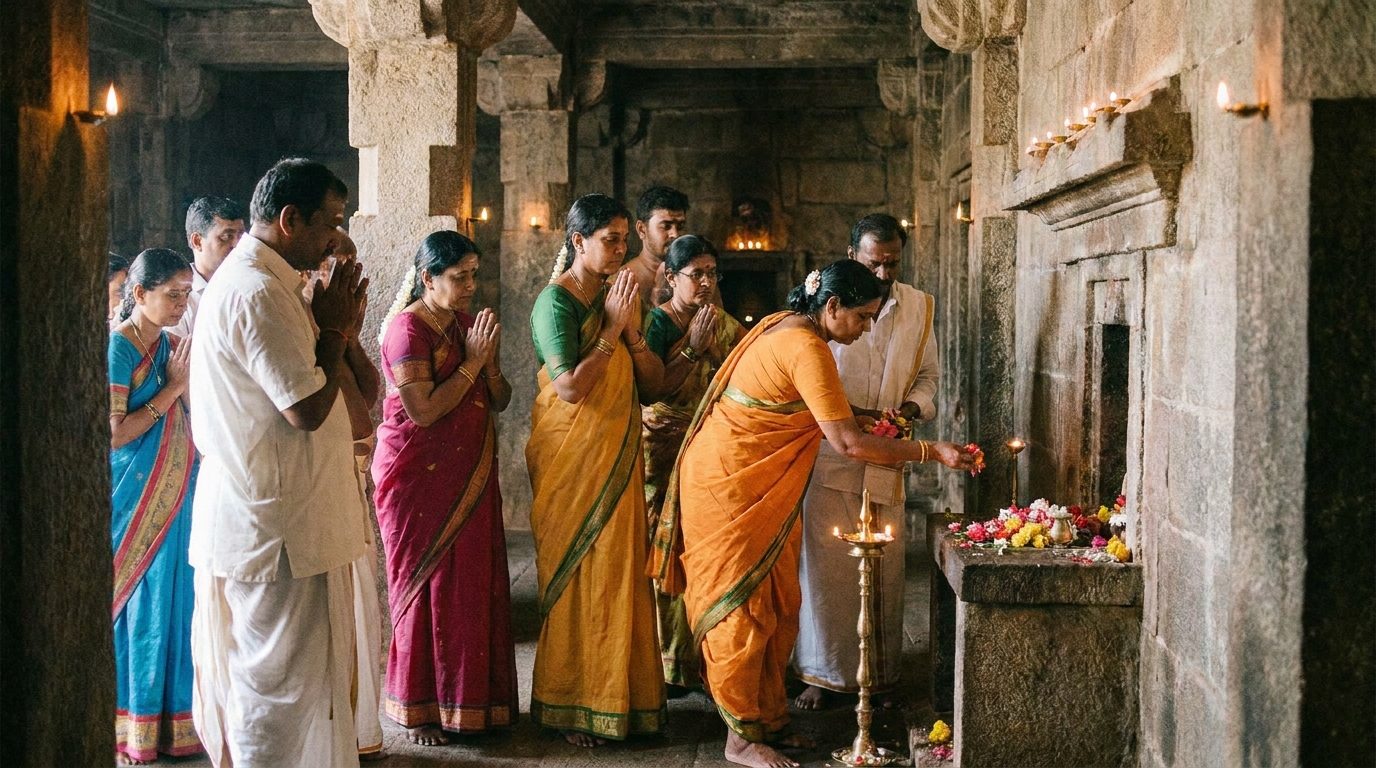
One of the most powerful and accessible processes of Bhakti is kirtanam, chanting or singing the names of God.
In the Bhakti tradition, God’s names are considered sacred and spiritually alive. When we chant with sincerity, we are not simply making music. We are calling out to the Divine. We are allowing the heart to be cleansed, softened, and reawakened.
The most widely practiced mantra in many Bhakti communities is the Hare Krishna maha-mantra:
**Hare Krishna Hare Krishna
Krishna Krishna Hare Hare
Hare Rama Hare Rama
Rama Rama Hare Hare**
“Maha-mantra” means “great mantra.” A mantra is a sacred sound vibration that helps focus and purify the mind. “Hare” calls upon the divine spiritual energy of God. “Krishna” means the all-attractive Lord. “Rama” means the source of joy and spiritual pleasure.
A simple meaning of the mantra is: “O Lord, O divine energy of the Lord, please engage me in Your loving service.”
Is Chanting Right for Me?
Chanting may be especially helpful if:
- You feel moved by music or sound
- Your mind is restless and needs a spiritual anchor
- You want a practice you can do anywhere
- You long to feel God’s presence personally
- You are carrying grief, stress, anxiety, or emotional heaviness
Chanting does not require wealth, scholarship, or social status. You can chant softly while walking. You can chant with others in kirtan. You can chant on beads as a daily meditation. You can chant one sincere mantra before beginning your day.
In the Bhagavad-gita, Krishna says, “Of sacrifices, I am the chanting of the holy names” (Bhagavad-gita 10.25). This shows the special importance of sacred sound in the path of devotion.
How to Begin with Chanting
Start simply.
You might chant the maha-mantra for five minutes each morning. Or you might attend a weekly kirtan. Or you might listen to devotional chanting while cooking, driving, or resting.
If your mind wanders, do not be discouraged. The mind wanders for almost everyone. Gently return to the sound. Bhakti is not about forcing the mind through harshness. It is about bringing the mind back with love.
Even one sincere name of God has spiritual power.
Please visit our website for more information on our articles: articles.
Shravanam: If You Grow Through Hearing and Learning
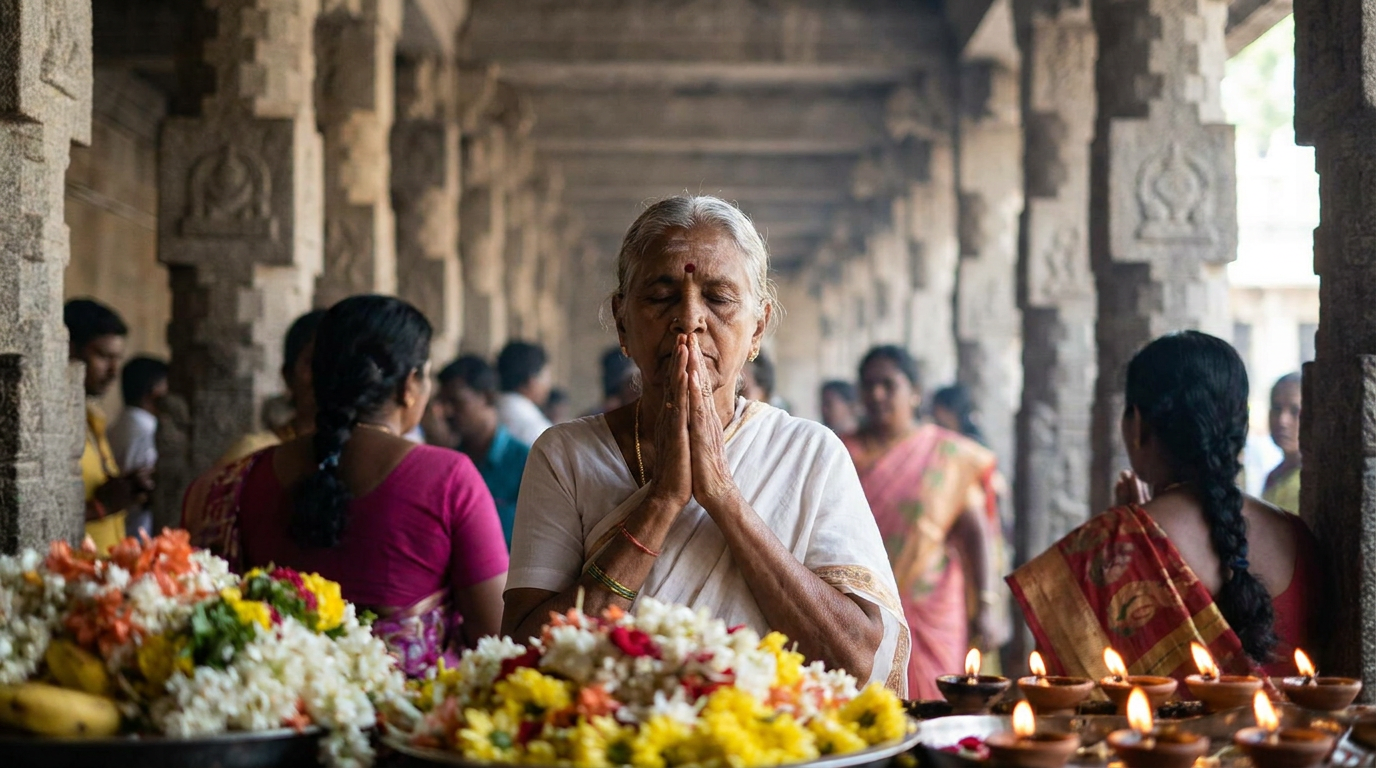
Shravanam means hearing. In Bhakti Yoga, hearing about God, the soul, and the path of devotion is deeply transformative.
We are always hearing something. News, conversations, worries, advertisements, opinions, memories. What we hear shapes what we desire. Bhakti invites us to hear sacred truth, not as dry information, but as nourishment for the soul.
The Bhagavad-gita is one of the central texts of Bhakti Yoga. It is a conversation between Krishna and Arjuna, who is overwhelmed on a battlefield and unsure of his duty. Krishna guides him with wisdom about the soul, action, meditation, devotion, and surrender.
This setting is comforting because Arjuna is not pretending to be peaceful. He is confused, emotional, and honest. Like many of us, he needs guidance. And Krishna meets him there.
Is Hearing Right for Me?
Shravanam may be especially helpful if:
- You love study, reflection, and wisdom
- You have many spiritual questions
- You want to understand the philosophy behind Bhakti
- You are healing from confusion or doubt
- You feel inspired by stories of saints, sages, and sacred lives
Hearing is not limited to reading books. It can include listening to classes, podcasts, scripture discussions, storytelling, or conversations with sincere practitioners.
In the Srimad Bhagavatam, it is said that hearing about God cleanses the heart. The heart is often covered by fear, envy, selfishness, and forgetfulness. Sacred hearing acts like a gentle rain, washing away what blocks our natural love.
How to Begin with Sacred Hearing
Choose one approachable source.
You might read a few verses of the Bhagavad-gita daily. You might listen to a Bhakti class while commuting. You might join a small group discussion. You might read stories of Krishna from the Srimad Bhagavatam.
The key is not to rush. Sacred wisdom is meant to be digested.
After reading or hearing, ask yourself:
- What touched my heart?
- What can I practice today?
- What did this teach me about God’s love?
- How can I become more humble, kind, and sincere?
In Bhakti, knowledge is meant to become love in action.
Smaranam and Vandanam: If You Connect Through Prayer and Remembrance
Smaranam means remembering God. Vandanam means offering prayers.
These two processes often go together. When we remember God, prayer naturally arises. When we pray, remembrance deepens.
Prayer in Bhakti does not have to be formal or poetic. It can be very simple:
“Krishna, please guide me.”
“God, help me serve with love.”
“Please help me forgive.”
“Please let me remember You today.”
“Thank You for carrying me.”
Sometimes the most powerful prayers are not polished. They are honest.
Is Prayer Right for Me?
Prayer and remembrance may be especially helpful if:
- You feel emotionally connected to God
- You are going through difficulty or transition
- You need comfort, guidance, or strength
- You want to bring spirituality into ordinary moments
- You prefer quiet devotion over public expression
In the Bhagavad-gita, Krishna says, “Always think of Me, become My devotee, worship Me, and offer your homage unto Me” (Bhagavad-gita 18.65). This is a deeply personal invitation. Krishna is asking for the heart.
To “always think of Me” may sound impossible at first. But Bhakti grows through small remembrances. A short prayer before a meal. A moment of gratitude before sleep. A mantra whispered during stress. A silent offering before beginning work.
Simple Ways to Remember God Daily
You can practice remembrance by connecting everyday activities to devotion:
- Before eating, offer gratitude to God
- Before working, pray to be of service
- When seeing nature, remember the Creator
- When feeling joy, offer thanks
- When feeling pain, ask for shelter
- When making a decision, ask, “What would please God?”
In Bhakti, daily life becomes sacred not because everything changes externally, but because our consciousness changes internally.
Seva: If Your Love Flows Through Service
Seva means service. It is one of the sweetest and most practical expressions of Bhakti.
In ordinary life, service can sometimes feel like obligation or burden. But in Bhakti, service becomes an offering of love. We serve not to prove our worth, but because love naturally wants to give.
Service can be done in a temple, in a community, at home, at work, or in the world. Cooking, cleaning, teaching, listening, organizing, caring for children, helping guests, offering skills, supporting spiritual gatherings, feeding others, creating beauty, sharing wisdom—all of this can become Bhakti when offered to God.
Is Service Right for Me?
Seva may be especially helpful if:
- You feel connected through action
- You want spirituality to be practical and embodied
- You enjoy helping others
- You struggle with overthinking and need to engage your energy
- You want to cultivate humility and compassion
The Bhagavad-gita teaches that we should offer the results of our work to God. Krishna says, “Whatever you do, whatever you eat, whatever you offer or give away… do that as an offering to Me” (Bhagavad-gita 9.27).
This verse is wonderfully inclusive. “Whatever you do.” That means your real life can become part of your spiritual path.
Service Without Burnout
Sometimes sincere people serve so much that they become exhausted. Bhakti service should deepen love, not destroy the body and mind.
Healthy seva includes humility and wisdom.
Ask yourself:
- Is this service helping me remember God?
- Am I serving with love, or resentment?
- Do I need guidance, rest, or better boundaries?
- Am I trying to please God, or trying to be seen by others?
Service is not meant to make us proud or depleted. It is meant to soften the heart.
A small service done with sincerity is spiritually powerful.
Archanam: If You Appreciate Sacred Ritual and Beauty
Archanam means worship. It often includes offering flowers, incense, lamps, water, food, prayers, and attention to the Lord in a sacred form.
For some people, ritual may feel unfamiliar at first. But in Bhakti, ritual is not empty ceremony. It is a way to engage the senses in love.
We have eyes, hands, voices, minds, and hearts. Archanam gives all of them a way to serve. We see the form of the Lord, offer something beautiful, speak prayers, bow down, decorate, cook, clean, and create sacred space.
In the Bhakti tradition, God’s form in the temple or home altar is not considered an idol. Rather, the Lord kindly appears in a visible and worshipable way so that we can offer service with love. Just as a photograph of a loved one can awaken affection, sacred worship helps focus devotion. But in Bhakti understanding, God’s presence is even more personal and merciful.
Is Worship Right for Me?
Archanam may be especially helpful if:
- You are drawn to beauty, sacred spaces, and meaningful ritual
- You like structure in spiritual practice
- You want to make your home more spiritually centered
- You connect through the senses—sight, smell, touch, sound, and taste
- You want a daily rhythm of devotion
Worship can be very simple. You do not need an elaborate altar to begin.
You might place a picture of Krishna, Rama, Vishnu, or another beloved form of God on a clean shelf. You might offer a flower, a candle, or a cup of water. You might bow your head and say, “Please accept this small offering.”
Offering Food with Love
One of the most beautiful forms of archanam is offering food to God. In the Bhagavad-gita, Krishna says, “If one offers Me with love and devotion a leaf, a flower, fruit, or water, I will accept it” (Bhagavad-gita 9.26).
Notice the emphasis: with love and devotion.
Krishna does not ask for luxury. He asks for love.
In Bhakti communities, food offered to God is called prasadam, which means mercy or grace. After food is lovingly offered, it is honored as spiritually blessed. Sharing prasadam is a joyful way to nourish both body and soul.
Dasyam, Sakhyam, and Atma-Nivedanam: If You Long for Relationship
Bhakti Yoga is ultimately relational. It is not just about becoming calm, moral, or wise, though these may come. The deepest aim is loving relationship with God.
Three of the nine processes especially reveal this relational heart:
- Dasyam — serving God as a beloved servant
- Sakhyam — relating with God as a dear friend
- Atma-nivedanam — offering one’s whole self to God
These may sound advanced, but we can begin approaching them in simple ways.
Dasyam: Serving with Humble Love
Dasyam is the mood of loving service. It does not mean being oppressed or losing dignity. In Bhakti, to serve God is the soul’s natural joy. It means living with the prayer, “How can I please You?”
This can transform ordinary choices. We may speak more kindly, act more honestly, forgive more readily, and use our talents for a higher purpose.
Dasyam is helpful if your heart responds to dedication, loyalty, and purposeful action.
Sakhyam: Seeing God as Your Friend
Sakhyam means friendship with God.
In the Bhagavad-gita, Krishna tells Arjuna that He is speaking sacred wisdom because Arjuna is His devotee and friend (Bhagavad-gita 4.3). This is deeply touching. God is not only the supreme ruler; He is also the intimate friend of the soul.
If you have felt lonely, abandoned, or unseen, the practice of remembering God as your friend can be healing. You can speak to Him throughout the day. You can share your fears and joys. You can walk with Him inwardly.
This does not remove reverence. Rather, it adds closeness.
Atma-Nivedanam: Offering the Whole Self
Atma-nivedanam means full self-surrender. Atma means self or soul. Nivedanam means offering. This is the mature fruit of Bhakti: “My life belongs to You.”
For many of us, full surrender may feel far away. That is okay. Bhakti is a path. We can begin with partial, sincere offerings:
“Today, I offer You my morning.”
“Today, I offer You this meal.”
“Today, I offer You this challenge.”
“Today, I offer You my desire to grow.”
Over time, the heart learns that surrender is not loss. It is shelter.
How to Discern Which Bhakti Practice Is Right for You
There is no need to choose only one process forever. The nine processes of Bhakti support one another. Hearing inspires chanting. Chanting deepens remembrance. Remembrance inspires prayer. Prayer strengthens service. Service makes worship meaningful. Worship awakens surrender.
Still, it can be helpful to notice where your heart feels most naturally engaged.
Ask: What Helps Me Remember God?
This is one of the most important questions.
A practice is right for you when it helps you remember God with sincerity, humility, and love. It may not always feel easy, but it should gradually bring you closer to devotion.
For example:
- If chanting brings peace and tears, chant.
- If scripture gives clarity, hear and study.
- If service opens your heart, serve.
- If prayer feels natural, pray often.
- If sacred ritual steadies you, worship.
Follow the doorway that opens your heart, while still respecting the practices recommended by saints and scriptures.
Ask: What Is Sustainable in My Life Right Now?
Spiritual growth is often built through steady, realistic practice.
If you are a parent with young children, your Bhakti may look different from someone living in an ashram. If you work long hours, your practice may need simplicity and consistency. If you are healing, grieving, or overwhelmed, your step may be very gentle.
Do not underestimate small daily devotion.
Five minutes of sincere chanting every morning is better than a dramatic plan that disappears after two days. One verse of scripture deeply reflected upon is better than many pages read with no attention. One act of service done with love can change the heart.
Ask: Where Do I Need Growth?
Sometimes the best practice is not only the one we enjoy most, but the one that helps us grow.
If we are proud, service may humble us.
If we are restless, chanting may steady us.
If we are sentimental but unclear, study may ground us.
If we are intellectual but dry-hearted, kirtan may soften us.
If we are isolated, community worship may open us.
If we are anxious, prayer may help us trust.
Bhakti is kind, but it is also transformative. It meets us as we are and gently invites us beyond our limitations.
A Simple Bhakti Practice Plan for Beginners
If you are wondering where to begin, here is a simple and balanced approach. You can adjust it according to your life.
Daily: Chant a Little
Set aside five to fifteen minutes to chant the Hare Krishna mantra or another name of God that is meaningful to you.
Chant softly, attentively, and sincerely. If possible, chant at the same time each day.
Daily: Offer One Prayer
Speak to God in your own words.
You might pray:
“Please guide me today. Help me act with love. Help me remember You.”
Do not worry about sounding spiritual. Speak honestly.
Daily: Offer Your Food or Work
Before eating, pause and offer gratitude. If you are comfortable, offer the food to God with love.
Before work or study, pray: “May this be used in service.”
This brings Bhakti into daily life.
Weekly: Hear Sacred Wisdom
Read or listen to the Bhagavad-gita, Srimad Bhagavatam, or teachings from sincere Bhakti practitioners.
Let sacred sound and wisdom enter your heart regularly.
Weekly: Join Devotional Community
Bhakti grows beautifully in community, known in Sanskrit as sanga, or spiritual association.
Attend kirtan, visit a temple, join a study group, volunteer, or connect with devotees. Community reminds us that we are not walking alone.
Common Concerns on the Bhakti Path
Many people hesitate because they feel unqualified. But Bhakti is not reserved for the already pure. Bhakti is the process that purifies.
“I Don’t Know Enough Sanskrit”
That is completely okay.
Sanskrit words can be beautiful and meaningful, but God understands the language of the heart. Learn gradually. Ask questions. Let the terms become friends over time.
Bhakti is not about sounding advanced. It is about becoming sincere.
“My Mind Wanders When I Chant”
This is normal.
The mind has been wandering for many years. When you chant and notice distraction, that noticing is part of growth. Gently return to the holy name. Again and again.
Each return is an offering.
“I’m Not Sure What I Believe Yet”
You are still welcome.
Bhakti can begin with curiosity. You can chant experimentally. You can pray, “If You are there, please guide me.” You can read, listen, and observe how your heart responds.
Faith often grows through practice, not before practice.
“I Have Made Many Mistakes”
So have all of us.
Bhakti is a path of mercy. The Bhagavad-gita assures us that even if someone has acted imperfectly, if they sincerely turn toward God, they are to be considered saintly because their intention is rightly directed (Bhagavad-gita 9.30).
This does not excuse harmful behavior, but it gives hope. We can change. We can heal. We can begin again.
The Best Process Is the One Done with Love
In the end, the question “Which process of Bhakti is right for me?” leads to a deeper answer:
The right process is the one that helps you love God and live with more humility, compassion, and remembrance.
Chanting, hearing, remembering, praying, serving, worshiping, befriending God, surrendering—these are not separate from love. They are expressions of love. They are ways the soul turns homeward.
You may begin with one process and later discover another. You may chant in one season, serve deeply in another, study in another, pray through another. Bhakti is alive. Your relationship with God is alive.
The most important thing is to begin sincerely and continue gently.
Krishna says in the Bhagavad-gita that He accepts even a simple offering—a leaf, a flower, fruit, or water—when it is offered with love. This means your offering matters. Your voice matters. Your small step matters. Your heart matters.
You do not have to bring God a perfect life. Bring Him your real life.
Bring your questions.
Bring your gratitude.
Bring your tiredness.
Bring your longing.
Bring your hope.
Bring your one sincere prayer.
Everyone is welcome on the path of Bhakti. Whatever your background, whatever your story, whatever your level of faith, you can take one sincere step toward God today. Chant one holy name. Offer one prayer. Read one verse. Serve one person. Give one moment of your heart.
That one step, offered with love, can open the door to a lifetime of spiritual growth.
FAQs
What is Bhakti?
Bhakti is a spiritual practice in Hinduism that involves devotion and love towards a personal god. It is considered one of the paths to spiritual realization and liberation.
What are the different processes of Bhakti?
There are nine main processes of Bhakti, as outlined in the Bhagavata Purana: hearing, chanting, remembering, serving the feet of the Lord, worshiping, praying, serving as a friend, offering everything, and surrendering everything.
How do I determine which process of Bhakti is right for me?
Determining the right process of Bhakti for oneself involves introspection and understanding one’s own inclinations, strengths, and preferences. It is also helpful to seek guidance from spiritual teachers or mentors.
Can I practice multiple processes of Bhakti at the same time?
Yes, it is possible to practice multiple processes of Bhakti simultaneously. Different processes may resonate with different aspects of an individual’s spiritual journey, and they can complement each other in one’s practice.
What are the benefits of practicing Bhakti?
Practicing Bhakti can lead to a deep sense of connection with the divine, inner peace, spiritual growth, and ultimately, liberation from the cycle of birth and death (moksha). It can also cultivate qualities such as love, compassion, and humility.

