
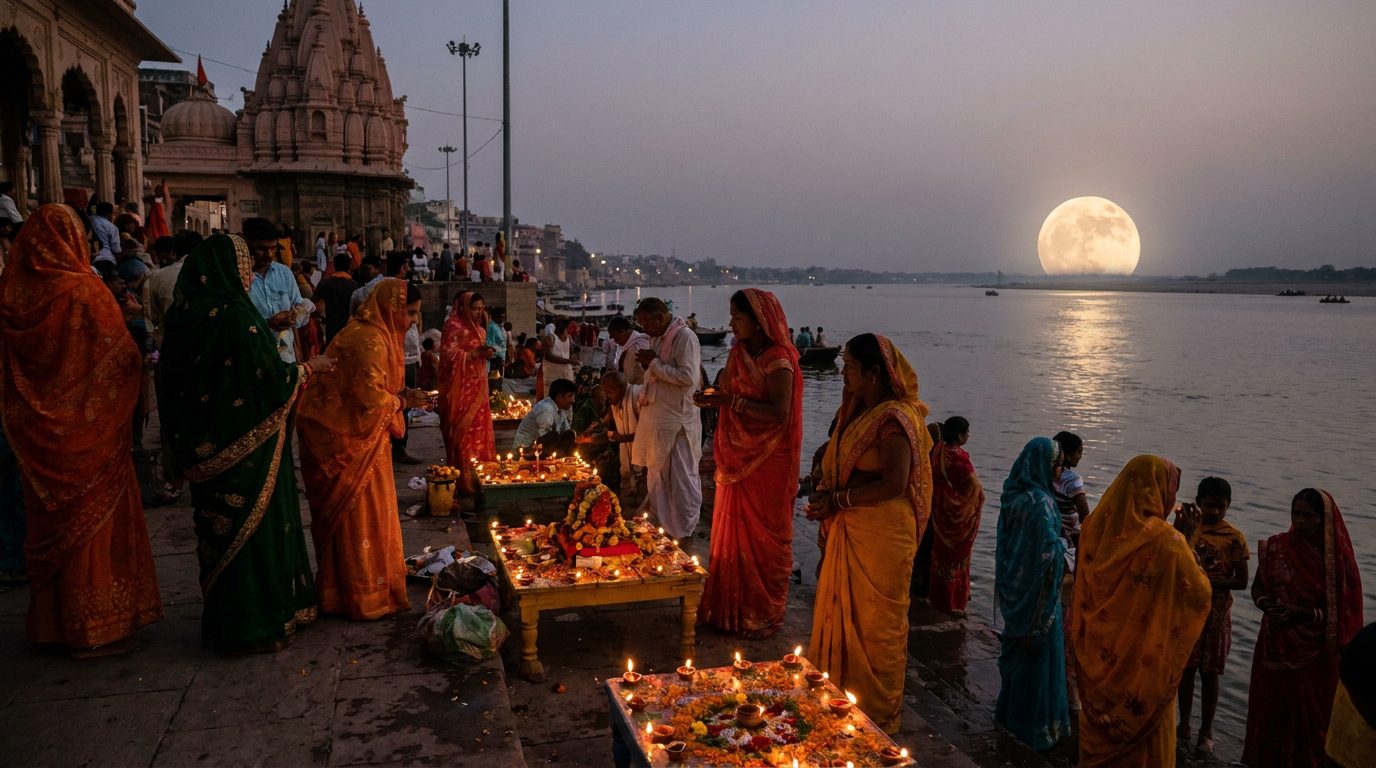
Pūrṇimā, often spelled Purnima, is the Sanskrit word for the full moon day. In the traditional lunar calendar of India, each month is shaped by the movement of the moon, and Pūrṇimā marks the moment when the moon is full, bright, and complete.
The word comes from the Sanskrit root “pūrṇa,” meaning full, complete, whole, or perfect. So Pūrṇimā is not only a date in the calendar. It is also a gentle spiritual reminder: the soul is searching for wholeness, and true fullness is found in loving connection with God.
In Bhakti Yoga, the path of devotion, Pūrṇimā is especially meaningful. The full moon is seen as a symbol of grace, peace, beauty, and divine illumination. Just as the moon reflects the light of the sun, the heart can reflect the light of divine love when it becomes peaceful, humble, and receptive.
People from many spiritual backgrounds observe Pūrṇimā in different ways. Some fast. Some pray. Some chant sacred names. Some visit temples. Some give charity. Some simply sit quietly beneath the moon and offer gratitude. At its heart, Pūrṇimā is an invitation to pause, remember the sacred, and take one sincere step toward spiritual growth.
Why Pūrṇimā Is Celebrated
Pūrṇimā is celebrated because it is considered an especially favorable day for spiritual practice. In many Vedic and Bhakti traditions, certain days carry a natural spiritual atmosphere. Pūrṇimā is one of those days when the mind can become more reflective, the heart more open, and devotional practices more fruitful.
A Day of Fullness and Reflection
The full moon naturally draws our attention. Its light softens the darkness and creates a mood of wonder. For centuries, seekers have looked at the full moon and felt inspired to ask deeper questions:
Who am I?
What is the purpose of life?
How can I live with more love?
How can I come closer to God?
Pūrṇimā gives us time to reflect on these questions. In daily life, we are often pulled in many directions by work, family, responsibilities, and worries. A sacred day helps us step back and remember what matters most.
In Bhakti Yoga, reflection is not meant to become heavy or discouraging. It is meant to lead us toward hope. Even if our hearts feel incomplete, divine love is always available. Even if we feel far from God, we can begin again.
A Time for Cleansing the Heart
Many people observe Pūrṇimā with fasting, prayer, meditation, or simple acts of self-discipline. These practices are not meant to punish the body. Rather, they help clear space in the heart.
The Bhagavad-gītā teaches that the mind can be either a friend or an enemy, depending on how it is trained. When we gently guide the mind toward sacred remembrance, it becomes more peaceful. Pūrṇimā gives us a monthly opportunity to cleanse the mind of unnecessary distractions and nourish the soul.
In Bhakti, cleansing the heart means removing the dust of forgetfulness. We forget our spiritual nature. We forget that we are loved by God. We forget that others are also sacred beings. Through chanting, prayer, and service, that forgetfulness gradually lifts.
A Day to Receive and Share Grace
Pūrṇimā is also a day of giving. Many families and communities offer food, charity, time, or service to others. In Bhakti Yoga, service is called “sevā,” which means loving service offered for the pleasure of God and the benefit of all beings.
When we give with humility, we become channels of grace. We may offer a meal, a kind word, a prayer, a donation, or simply our attention. No offering is too small when it is given with love.
The Bhagavad-gītā says that God accepts even a leaf, a flower, fruit, or water when offered with devotion. This beautiful teaching reminds us that spiritual life is not about wealth or status. It is about sincerity.
Pūrṇimā in the Vedic Lunar Calendar
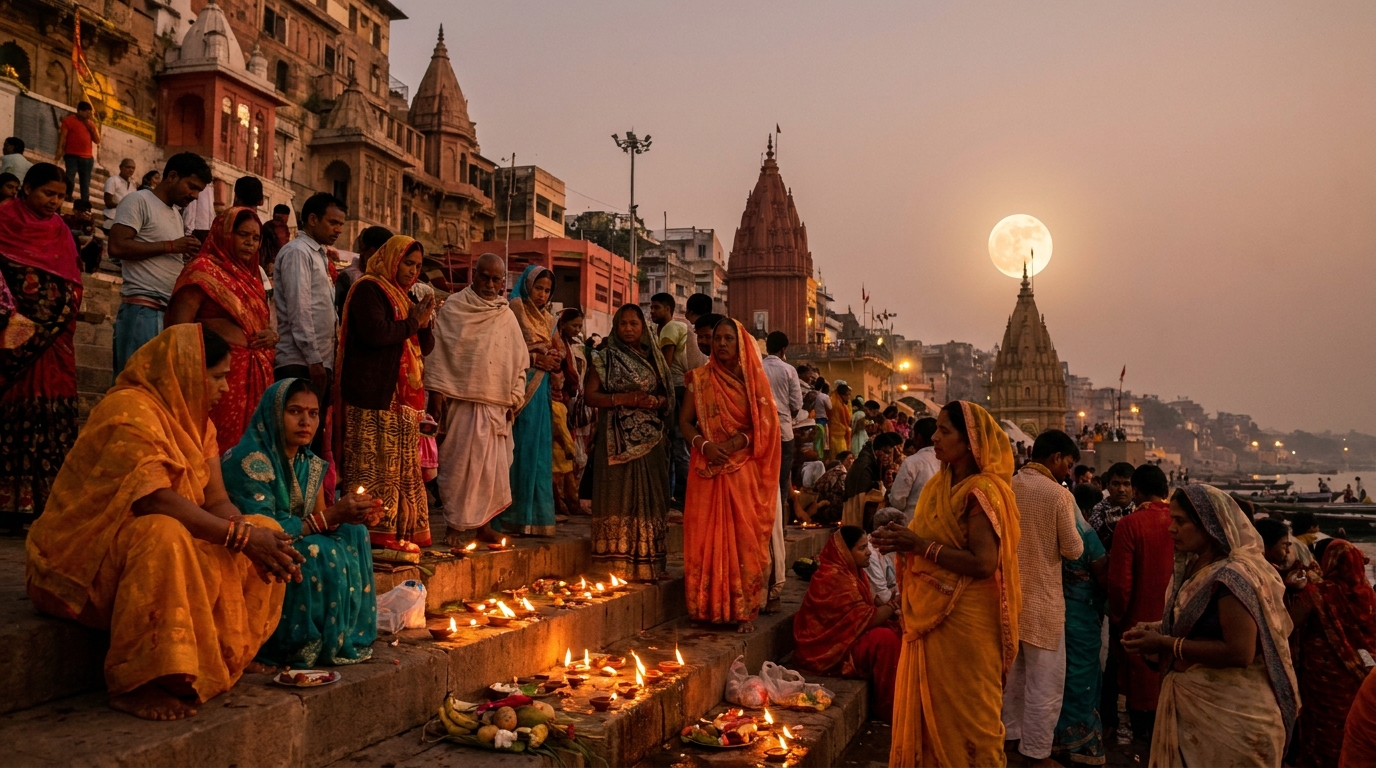
To understand Pūrṇimā, it helps to understand the traditional lunar calendar. Many festivals in Bhakti and broader Hindu traditions follow the moon rather than the solar calendar used in much of the world today.
The Lunar Month
A lunar month follows the waxing and waning of the moon. It is generally divided into two halves.
The waxing phase is called “Śukla Pakṣa.” “Śukla” means bright, and “pakṣa” means fortnight or side. This is the period when the moon grows brighter each night, leading up to Pūrṇimā.
The waning phase is called “Kṛṣṇa Pakṣa.” “Kṛṣṇa” here means dark, and this is the period when the moon gradually decreases in light, leading toward the new moon day, known as Amāvasyā.
Pūrṇimā is the final day of the bright half of the lunar month. It is the point of fullness before the moon begins to wane again.
The Spiritual Symbolism of the Moon
In many Bhakti scriptures and songs, the moon is used as a symbol of beauty, coolness, and nourishment. The sun gives strong heat and light, while the moon gives a soothing glow. Similarly, divine love is powerful, yet it also cools the burning anxieties of the heart.
Śrī Kṛṣṇa, one of the central names of God in Bhakti Yoga, is often described as having a face as beautiful as the moon. Śrī Caitanya Mahāprabhu, the great saint and teacher of divine love, is also compared to the moon because He spread the cooling light of the holy names of God.
When we look at the full moon, we can remember that spiritual life is not only about rules or philosophy. It is also about beauty, tenderness, and loving remembrance.
Why Dates May Vary
If you look up Pūrṇimā dates, you may notice they can vary depending on location and tradition. This is because the lunar calendar is calculated according to the exact movement of the moon, and timing may change based on geography.
For practical purposes, many people follow a local temple calendar, a trusted Vaiṣṇava calendar, or a traditional pañcāṅga, which is a Vedic calendar that includes lunar days, festivals, and other sacred timings.
The most important thing is not anxiety over perfect calculation, but sincere intention. If you want to observe Pūrṇimā, choose a reliable calendar and offer the day with devotion.
Sure, here is the sentence with the clickable link:
Check out our latest posts on posts.
Important Pūrṇimā Celebrations
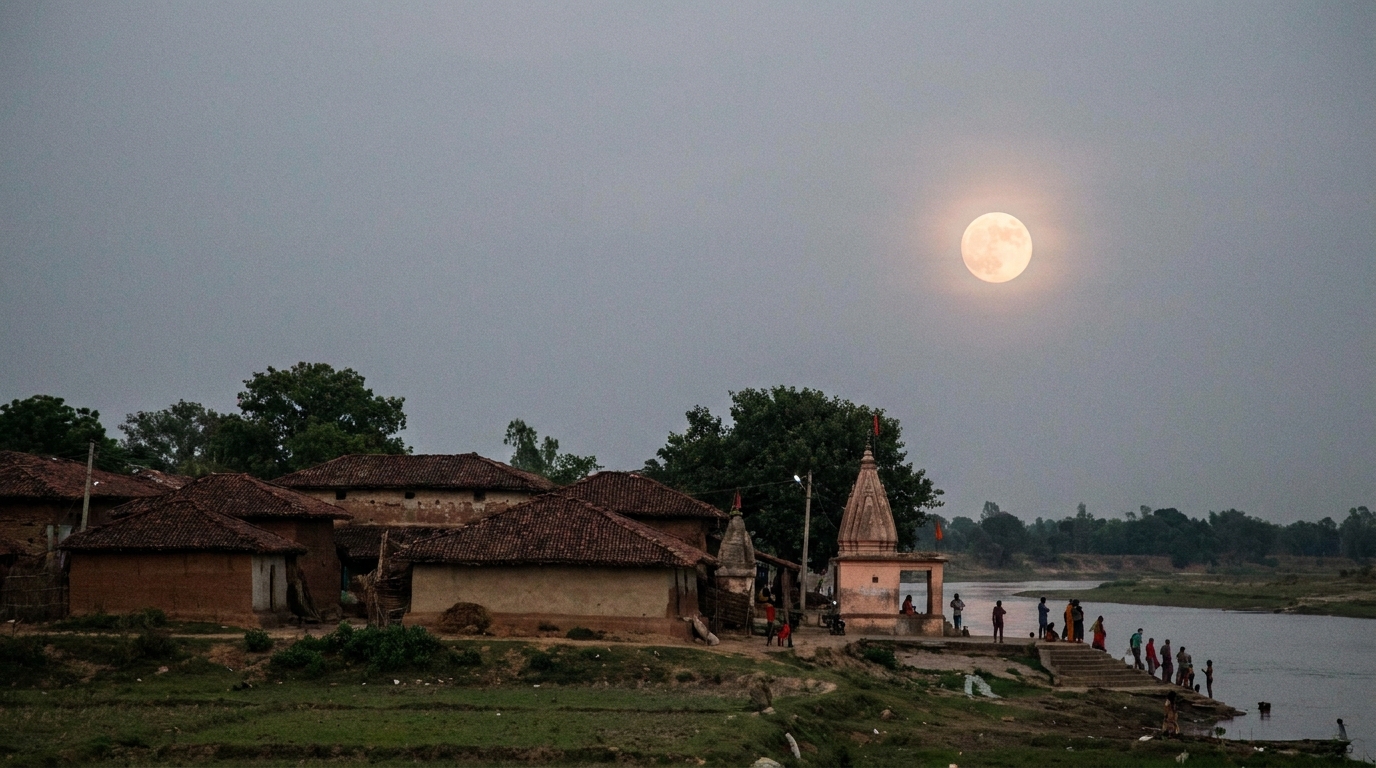
Every Pūrṇimā is spiritually meaningful, but certain full moon days are especially celebrated because of sacred events connected with them. Across India and around the world, these days are marked by worship, chanting, fasting, pilgrimage, and community gatherings.
Guru Pūrṇimā
Guru Pūrṇimā is one of the most beloved full moon festivals. It usually falls in the month of Āṣāḍha, around June or July.
The word “guru” means spiritual teacher. A true guru is one who removes darkness by giving spiritual knowledge and guiding the soul toward God. “Gu” can be understood as darkness, and “ru” as that which removes it.
On Guru Pūrṇimā, devotees honor their spiritual teachers, as well as the broader lineage of saints, sages, and scriptures that carry divine wisdom through the generations.
This day is also connected with Śrīla Vyāsadeva, the great sage who compiled and organized many Vedic scriptures, including the Mahābhārata and the Purāṇas. The Śrīmad Bhāgavatam, one of the most treasured Bhakti scriptures, is traditionally attributed to Vyāsadeva. It teaches that the highest goal of life is pure loving devotion to the Supreme Lord.
For modern seekers, Guru Pūrṇimā is a beautiful time to express gratitude. We may thank those who have helped us spiritually: teachers, parents, mentors, saints, friends, or anyone who encouraged us to live with more truth and compassion.
Śarad Pūrṇimā
Śarad Pūrṇimā falls in the autumn season and is deeply cherished in the Bhakti tradition, especially among devotees of Śrī Kṛṣṇa.
This full moon is associated with the rāsa-līlā, the sacred dance of divine love described in the Śrīmad Bhāgavatam. The word “līlā” means divine play, and the rāsa-līlā reveals the highest intimacy of love between Kṛṣṇa and His devotees, especially the gopīs, the cowherd maidens of Vṛndāvana.
These teachings are profound and should be approached with humility. They are not ordinary romantic stories. They point to the soul’s deepest longing to love God completely, without selfishness.
Śarad Pūrṇimā reminds us that the ultimate fullness of life is not found in possessions, achievements, or recognition. It is found in pure love for God.
Gaura Pūrṇimā
Gaura Pūrṇimā is the appearance day of Śrī Caitanya Mahāprabhu, who appeared in Bengal in the 15th century. “Gaura” means golden, referring to His golden complexion, and Pūrṇimā refers to the full moon day on which He appeared.
Śrī Caitanya Mahāprabhu taught the simple and powerful practice of nāma-saṅkīrtana, congregational chanting of the holy names of God. He especially shared the mahā-mantra:
Hare Kṛṣṇa Hare Kṛṣṇa
Kṛṣṇa Kṛṣṇa Hare Hare
Hare Rāma Hare Rāma
Rāma Rāma Hare Hare
“Hare” calls upon the divine energy of the Lord. “Kṛṣṇa” means the all-attractive Supreme Person. “Rāma” means the source of joy and spiritual pleasure.
This mantra is a prayer: “O Lord, O divine energy of the Lord, please engage me in Your loving service.”
Gaura Pūrṇimā is celebrated with kīrtan, fasting, worship, storytelling, and joyful feasting. It is especially dear to those who follow the path of Bhakti Yoga through chanting.
Buddha Pūrṇimā
Buddha Pūrṇimā, also known as Vesak in many Buddhist traditions, commemorates the appearance, enlightenment, and passing of Lord Buddha. While different traditions understand Buddha in different theological ways, he is widely honored as a teacher of compassion, nonviolence, mindfulness, and freedom from suffering.
In many Vaiṣṇava traditions, Lord Buddha is recognized as an avatāra, or divine descent, who taught compassion and discouraged unnecessary violence.
Buddha Pūrṇimā reminds us that spiritual life must soften the heart. If our practice does not make us more compassionate, patient, and kind, then we may need to return to the essence.
Kārttika Pūrṇimā
Kārttika Pūrṇimā falls in the sacred month of Kārttika, a month especially dear to devotees of Kṛṣṇa. This month is often dedicated to offering lamps, singing prayers, and deepening devotion.
Many devotees sing the Dāmodarāṣṭakam, a prayer glorifying Kṛṣṇa as Dāmodara, the Lord who was lovingly bound by Mother Yaśodā with a rope around His waist. This sweet story reveals a central truth of Bhakti: God, though unlimited and all-powerful, becomes conquered by love.
Kārttika Pūrṇimā is often celebrated with lamp offerings, temple visits, bathing in sacred rivers, charity, and devotional gatherings.
How Pūrṇimā Is Observed
There is no single way to observe Pūrṇimā. Different families, communities, and traditions have their own practices. Still, most observances share a common spirit: purification, devotion, gratitude, and service.
Chanting the Holy Names
Chanting is one of the most accessible and powerful practices in Bhakti Yoga. It does not require wealth, social position, or advanced scholarship. It simply requires a willing heart.
The Sanskrit word “mantra” means a sacred sound that helps free the mind. In Bhakti, mantras are not merely sounds for relaxation. They are personal prayers and living connections with God.
On Pūrṇimā, many people chant more than usual. Some chant on beads, called japa. Others gather for kīrtan, joyful call-and-response singing of divine names.
Even a few minutes of sincere chanting can change the atmosphere of the heart. If you are new to chanting, you might begin softly and simply:
Hare Kṛṣṇa Hare Kṛṣṇa
Kṛṣṇa Kṛṣṇa Hare Hare
Hare Rāma Hare Rāma
Rāma Rāma Hare Hare
You do not have to be perfect. Just listen, chant, and offer your heart.
Prayer and Meditation
Prayer is the language of the soul. On Pūrṇimā, many people spend time in personal prayer, asking for guidance, forgiveness, strength, and deeper love.
A simple prayer might be:
“Dear Lord, please help me remember You. Please guide my heart. Please let my thoughts, words, and actions become offerings of love.”
Meditation in Bhakti Yoga often means meditating on the names, forms, qualities, and pastimes of God. Some may read a verse from the Bhagavad-gītā or Śrīmad Bhāgavatam and sit quietly with its meaning.
For example, the Bhagavad-gītā teaches that whatever we do, whatever we eat, whatever we offer or give away, we can do as an offering to God. This teaching makes spiritual life practical. It means our whole life can become sacred, not only the moments we spend in a temple or prayer room.
Fasting or Simple Eating
Many people fast on Pūrṇimā, either fully or partially. Some avoid grains. Some eat fruit and milk. Some take only water. Others simply eat lighter, more sattvic food.
“Sattvic” comes from the Sanskrit word “sattva,” meaning goodness, clarity, and harmony. Sattvic foods are fresh, clean, peaceful, and nourishing. In Bhakti, food is often prepared with devotion and offered to God before being eaten. Such offered food is called “prasāda,” meaning mercy or grace.
Fasting should be approached with wisdom and care. Those who are pregnant, elderly, ill, working physically demanding jobs, or managing health conditions should not feel pressured. A humble, healthy offering is better than a severe practice done with pride or harm.
The purpose of fasting is to remember God more, not to impress anyone.
Charity and Service
Pūrṇimā is a wonderful day for giving. Charity may include donating food, supporting a temple or spiritual community, helping someone in need, or offering time in service.
In Bhakti Yoga, service is not only an activity. It is a way of seeing. We learn to see every living being as part of God’s family.
You might observe Pūrṇimā by cooking for others, volunteering, calling someone lonely, helping clean a sacred space, planting something, or offering kindness where it is needed.
Small acts done with love become spiritually powerful.
Visiting a Temple or Sacred Place
Many devotees visit temples on Pūrṇimā to receive darśana. “Darśana” means sacred seeing: seeing the form of the Lord in the temple and being seen by Him. It is a moment of relationship, not just observation.
If you cannot visit a temple, you can create a sacred space at home. Light a candle or lamp, place a picture of God or a saint, offer flowers or water, chant, and pray.
The Lord is not limited by distance. A sincere heart can become a temple.
The Spiritual Lessons of Pūrṇimā
Beyond rituals and festival dates, Pūrṇimā carries lessons for everyday life. The full moon teaches quietly. It does not shout. It simply shines.
Wholeness Comes from Love
The world often tells us that fullness comes from having more: more success, more beauty, more money, more approval. But even when we gain these things, the heart may still feel hungry.
Bhakti Yoga teaches that the soul is eternal and naturally loving. Our deepest need is not only to be seen, but to love and be loved in relationship with God.
The Śrīmad Bhāgavatam describes pure devotion as causeless and uninterrupted. This means true love for God is not dependent on external conditions. It can continue through joy and sorrow, gain and loss, clarity and confusion.
Pūrṇimā reminds us that the heart becomes full not by taking endlessly, but by loving deeply.
Light Can Grow Gradually
The moon does not become full in one night. It grows gradually, phase by phase. Our spiritual life is often like that.
We may begin with one prayer. One mantra. One visit to a temple. One act of forgiveness. One moment of honest surrender.
Over time, these small practices shape the heart. We may not notice immediate transformation, but something sacred is happening.
Bhakti is patient. God is patient. We can also be patient with ourselves.
The Heart Reflects What It Faces
The moon shines because it reflects the sun. In the same way, the heart shines when it turns toward God.
If we constantly face anxiety, envy, anger, or distraction, the heart reflects those impressions. But when we turn toward divine names, scripture, saints, service, and prayer, the heart begins to reflect spiritual light.
This is why association is so important in Bhakti. “Sādhu-saṅga” means the company of saintly or sincere spiritual people. Even a little time with those who love God can nourish our faith.
Pūrṇimā is a good day to ask: What am I facing? What am I reflecting? What light do I want to carry?
Pūrṇimā and Bhakti Yoga Today
Pūrṇimā is ancient, but it is also deeply relevant for modern life. Many of us live with crowded schedules, constant notifications, emotional stress, and a quiet longing for meaning. A monthly full moon observance can become a sacred rhythm that brings us back to the heart.
A Monthly Spiritual Reset
Think of Pūrṇimā as a monthly reset for the soul. You do not have to do everything. You can choose one or two practices that feel sincere and sustainable.
You might chant one round of japa.
You might read one verse from the Bhagavad-gītā.
You might offer your dinner to God.
You might sit under the moon and pray.
You might forgive someone in your heart.
You might give something to someone in need.
The power is not in performance. The power is in remembrance.
A Family and Community Practice
Pūrṇimā can also be a beautiful practice for families and communities. Children often love the full moon, lamps, songs, flowers, and stories. A simple family observance can plant deep spiritual impressions.
You might gather together and speak about gratitude. You might sing a short kīrtan. You might prepare prasāda. You might tell a story about Kṛṣṇa, Lord Caitanya, Vyāsadeva, or another saint.
In community, Pūrṇimā becomes even more joyful. Bhakti is personal, but it is not lonely. We grow through shared chanting, shared service, shared meals, and shared encouragement.
A Practice for All Backgrounds
You do not have to be born into a particular culture to honor Pūrṇimā. You do not have to know Sanskrit perfectly. You do not have to understand every ritual.
The heart of Bhakti Yoga is universal: love God, chant His names, serve others, live with humility, and grow in compassion.
If you are new, you are welcome. If you are returning after many years, you are welcome. If you have doubts, you are welcome. If you are simply curious, you are welcome.
Spiritual life begins with sincerity.
Simple Ways to Celebrate Pūrṇimā at Home
If you would like to observe the next Pūrṇimā, here is a gentle and practical way to begin.
Create a Peaceful Space
Choose a clean, quiet place in your home. You may place a picture of Kṛṣṇa, Rāma, Lord Caitanya, or any form of God you worship. You may also place a scripture, a candle, flowers, or a small bowl of water.
The purpose is to make a space that helps your mind remember the sacred.
Offer a Simple Prayer
Begin with gratitude. Thank God for life, breath, guidance, and the opportunity to grow.
You can pray in your own words. Bhakti does not require a formal voice. Speak honestly and respectfully, as a child speaking to a loving parent or a friend speaking to the dearest friend.
Chant with Attention
Chant the Hare Kṛṣṇa mantra or another sacred name of God that is meaningful to you. Try to listen to each word. If the mind wanders, gently bring it back.
Even ten minutes of chanting can bring peace.
Read a Sacred Verse
Read one verse from the Bhagavad-gītā or Śrīmad Bhāgavatam. Do not rush. Ask yourself: How can I live this today?
For example, when the Bhagavad-gītā teaches offering our actions to God, we can ask: Can I offer my work today? Can I offer my family care? Can I offer my challenges?
Offer Food with Love
Prepare something simple and vegetarian if possible, such as fruit, rice, vegetables, or sweets. Place it before the Lord and pray:
“Dear Lord, please accept this offering made with love.”
After offering, honor the food as prasāda, sacred grace. Share it with others if you can.
Serve Someone
End the day with one act of kindness. Send an encouraging message. Feed someone. Donate. Help clean. Listen deeply. Pray for someone who is suffering.
Service turns devotion into action.
Common Questions About Pūrṇimā
Is Pūrṇimā Only for Hindus?
Pūrṇimā comes from the Vedic and Hindu lunar calendar, and many of its festivals are rooted in Hindu and Bhakti traditions. But the spiritual mood of Pūrṇimā—gratitude, prayer, purification, and love—is open to everyone.
Anyone can use the full moon as a time to remember God, reflect on life, and serve others.
Do I Have to Fast on Pūrṇimā?
No. Fasting is optional and should be done according to your health, responsibilities, and tradition. If fasting helps you remember God, it can be beautiful. If it makes you weak, irritable, or unwell, choose another offering.
You can fast from gossip, criticism, unnecessary screen time, or negative habits. These forms of fasting can be very powerful.
What Mantra Should I Chant?
In the Bhakti tradition connected with Śrī Caitanya Mahāprabhu, the Hare Kṛṣṇa mahā-mantra is especially recommended:
Hare Kṛṣṇa Hare Kṛṣṇa
Kṛṣṇa Kṛṣṇa Hare Hare
Hare Rāma Hare Rāma
Rāma Rāma Hare Hare
You may also chant other names of God according to your faith tradition. The essence is sincere remembrance.
What If I Miss the Exact Date?
Do not be discouraged. Sacred practice is not meant to create guilt. If you miss the exact Pūrṇimā, you can still pray, chant, and serve the next day.
God sees the heart more than the calendar.
Living the Full Moon Teachings Every Day
Pūrṇimā comes once a month, but its message can guide us every day.
We can live with more gratitude.
We can speak with more kindness.
We can chant when the mind feels restless.
We can offer our food, work, and relationships to God.
We can serve without needing recognition.
We can remember that every soul is searching for fullness.
The full moon will rise and fade. Our moods will rise and fade. Circumstances will come and go. But the soul’s relationship with God is eternal.
Bhakti Yoga invites us into that relationship through practical, loving steps. Chanting is one step. Prayer is one step. Service is one step. Reading sacred wisdom is one step. Offering food is one step. Forgiving someone is one step. Asking for help is one step.
You do not need to leap. You can begin gently.
On the next Pūrṇimā, or even today, take one sincere step toward God. Offer one prayer. Chant one mantra. Share one kindness. Sit for one quiet moment under the light of grace.
Wherever you come from, whatever your background, and wherever you are on the path, you are welcome. The light of divine love is for everyone.
FAQs
What is Pūrṇimā?
Pūrṇimā is a Sanskrit word that translates to “full moon” in English. It is a significant day in the Hindu lunar calendar and is celebrated every month when the moon is at its brightest and fullest.
Why is Pūrṇimā celebrated?
Pūrṇimā is celebrated for various reasons, including its association with religious and spiritual significance. It is also a time for performing rituals, fasting, and offering prayers to deities.
What are the different types of Pūrṇimā?
There are several types of Pūrṇimā celebrated throughout the year, each with its own unique significance. Some of the most well-known Pūrṇimās include Guru Purnima, Sharad Purnima, and Kartik Purnima.
How is Pūrṇimā celebrated?
Pūrṇimā is celebrated with various rituals and customs, including fasting, visiting temples, offering prayers, and performing charitable acts. It is also a time for family gatherings and feasting.
What is the significance of Pūrṇimā in Hinduism?
In Hinduism, Pūrṇimā holds great significance as it is believed to be an auspicious day for spiritual growth, enlightenment, and the fulfillment of desires. It is also associated with the worship of deities and seeking their blessings.

