
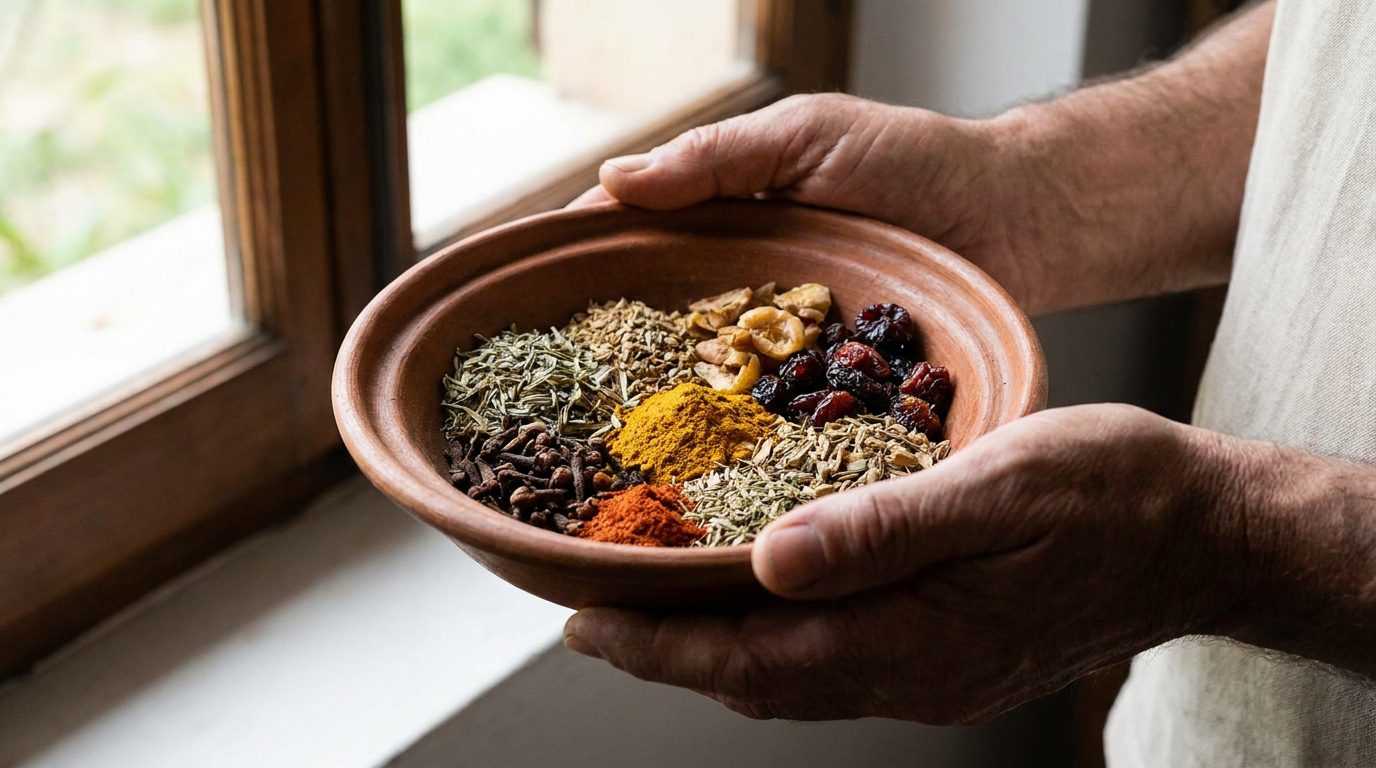
In Bhakti Yoga, the path of loving devotion, there is a beautiful Sanskrit word that helps us understand the heart’s deepest longing: rasa. Simply put, rasa means “taste,” “essence,” or “spiritual flavor.” It is the living sweetness of relationship with God.
Just as food may be nourishing but becomes especially meaningful when it has flavor, spiritual practice becomes alive when it awakens loving taste. We may begin with curiosity, discipline, or a desire for peace. But as the heart softens through chanting, prayer, service, and remembrance, devotion becomes more than an idea. It becomes personal, intimate, and joyful.
At The Bhakti House, we welcome seekers from all backgrounds—whether you are new to spirituality, returning to faith, exploring yoga, or longing for a deeper relationship with God. Understanding rasa can help us see Bhakti not as a distant philosophy, but as a practical and loving way to live each day with more sincerity, compassion, and spiritual connection.
The word rasa is used in many ways in Indian spiritual and artistic traditions. In poetry, music, drama, and sacred storytelling, rasa refers to the emotional essence or mood that touches the heart. In Bhakti Yoga, rasa points to the sweet spiritual relationship between the soul and the Divine.
Bhakti scriptures explain that God is not only the supreme source of everything, but also the supreme object of love. The soul is not meant to remain spiritually dry or disconnected. Our deepest nature is to love and to be loved by God.
Rasa Means Spiritual Taste
In everyday life, we know the difference between doing something mechanically and doing it with feeling. A song can be technically correct, but when sung with love it moves the heart. A meal can be simple, but when prepared with care it becomes comforting. A prayer can be short, but when spoken sincerely it becomes powerful.
Similarly, spiritual life may begin with practices—chanting mantras, reading scripture, attending gatherings, offering service—but through grace and sincerity, these practices awaken rasa, a taste for devotion.
This taste is not ordinary emotion. It is the soul remembering its relationship with God.
Rasa Is the Heart of Relationship
Bhakti Yoga teaches that our relationship with God can be deeply personal. Some people approach God with reverence and awe. Others feel God as a dear friend, a beloved child, a master, or the supreme beloved. These relationships are not imagination in the ordinary sense. They are sacred ways the awakened heart connects with the Divine.
In the Bhagavad-gita, Krishna says, “As all surrender unto Me, I reward them accordingly” (Bhagavad-gita 4.11). This means God lovingly responds to the mood of the devotee. The Lord is not distant or impersonal. God meets us in relationship.
Rasa Is Not Forced
Rasa cannot be manufactured by performance or spiritual ambition. It unfolds naturally as the heart becomes purified through sincere practice. We do not have to pretend to feel something advanced. We simply begin where we are.
If today we can chant one holy name with sincerity, that is beautiful. If we can offer one prayer, one act of kindness, one moment of remembrance, that is meaningful. Bhakti grows through honest steps.
The Source of Rasa: Krishna, the All-Attractive Lord
In many Bhakti traditions, especially in the lineage of Sri Chaitanya Mahaprabhu, Krishna is understood as the supreme source of all spiritual sweetness. The name Krishna means “the all-attractive one.” He attracts the heart not by force, but through beauty, compassion, playfulness, wisdom, and love.
The scriptures describe Krishna as the one who holds the flute, who lovingly guides Arjuna in the Bhagavad-gita, who protects His devotees, and who delights in loving exchanges with the residents of Vrindavan, the sacred land of devotion.
God as a Person of Love
Many people first think of God as a powerful creator, judge, or cosmic energy. Bhakti does not reject God’s greatness, but it invites us to go deeper. God is not less than personal. God is supremely personal.
The Srimad Bhagavatam, one of the central texts of Bhakti Yoga, describes the highest truth as full of relationship, beauty, and loving exchange. It teaches that the Absolute Truth is realized in stages: as Brahman, the all-pervading spiritual energy; as Paramatma, the Lord within the heart; and as Bhagavan, the Supreme Person, full of qualities and loving relationships.
This is important because love requires relationship. Rasa is possible because God has a heart, and we have a heart meant to connect with Him.
Krishna’s Flute and the Call of the Soul
In devotional poetry, Krishna’s flute represents the call of divine love. It is the sound that awakens the soul from forgetfulness. We may hear that flute in different ways: through a sacred mantra, a moment of stillness, the kindness of a devotee, the beauty of nature, or the longing in our own heart.
Bhakti teaches that spiritual life often begins not because we are perfect, but because we are called. Something within us whispers, “There is more. There is love beyond the temporary. There is a home for the heart.”
The Holy Name Carries Rasa
One of the most accessible ways to experience spiritual taste is through chanting the holy names of God. In the Bhakti tradition, God’s name is not separate from God. When we chant with sincerity, we are placing ourselves in divine presence.
The Hare Krishna maha-mantra is especially cherished:
Hare Krishna Hare Krishna
Krishna Krishna Hare Hare
Hare Rama Hare Rama
Rama Rama Hare Hare
“Hare” calls upon the divine energy of love, often understood as Srimati Radharani, the feminine embodiment of devotion. “Krishna” means the all-attractive Lord. “Rama” means the source of spiritual joy. Together, the mantra is a prayer: “O Lord, O divine energy of the Lord, please engage me in loving service.”
We do not need to understand everything intellectually before we chant. The sound itself purifies the heart and awakens rasa over time.
The Main Rasas: Sacred Relationships with God

Bhakti scriptures describe different primary relationships, or rasas, through which the soul may love God. These are not categories meant to limit us, but windows into the richness of divine love.
The five main rasas are often described as peaceful appreciation, service, friendship, parental affection, and divine romantic love. Each reveals a unique flavor of devotion.
Shanta Rasa: Peaceful Reverence
Shanta means peaceful. In shanta rasa, the devotee appreciates God with calmness, reverence, and spiritual awareness. There is deep respect and freedom from material disturbance.
A person in this mood may feel awe while meditating on God’s greatness, the beauty of creation, or the presence of the Divine within all beings. This is a sacred beginning. The heart becomes steady, humble, and grateful.
For practical life, shanta rasa teaches us to slow down and recognize that we are not alone. God is present. We can breathe, remember, and offer gratitude.
Dasya Rasa: Loving Service
Dasya means service. In dasya rasa, the devotee relates to God as a loving servant. This is not a harsh or fearful servitude. It is joyful service born of love.
In Bhakti, service is called seva. Seva means offering our time, energy, skills, and heart for God’s pleasure and the welfare of others. Cooking a meal, cleaning a temple, helping a neighbor, singing in kirtan, caring for family, or doing our work honestly can all become seva when offered with devotion.
The Bhagavad-gita teaches, “Whatever you do, whatever you eat, whatever you offer or give away… do that as an offering to Me” (Bhagavad-gita 9.27). This verse makes Bhakti wonderfully practical. Our whole life can become an offering.
Sakhya Rasa: Friendship with God
Sakhya means friendship. In this rasa, the devotee relates to God as a dear friend. There is trust, openness, and affectionate closeness.
In the Bhagavad-gita, Arjuna is both Krishna’s devotee and friend. He speaks honestly, asks questions, expresses confusion, and receives guidance. This shows us that friendship with God does not mean we hide our struggles. We bring them into the relationship.
We can practice sakhya by speaking to God throughout the day: “Please guide me.” “I am struggling.” “Thank You for helping me.” “Please let me remember You.” This simple honesty can transform prayer from formality into relationship.
Vatsalya Rasa: Parental Affection
Vatsalya means parental love. In this rasa, the devotee loves God as a parent loves a child. This may sound surprising if we only think of God as almighty and majestic. But Bhakti reveals that God also allows Himself to be loved intimately.
In Krishna’s childhood pastimes, Mother Yashoda cares for Him, feeds Him, protects Him, and even lovingly corrects Him. Though Krishna is the Supreme Lord, He delights in being bound by love.
This rasa teaches us that love is greater than power. God is conquered not by wealth, scholarship, or status, but by sincere affection.
Madhurya Rasa: Divine Loving Intimacy
Madhurya means sweetness, often referring to divine romantic love. This is considered the most intimate and confidential rasa in many Bhakti traditions. It is exemplified by the love of the gopis, the cowherd maidens of Vrindavan, and especially Srimati Radharani, the highest devotee of Krishna.
This rasa should be approached with humility and respect. It is not ordinary romance projected onto God. It is pure, selfless love, completely free from selfish desire. The gopis love Krishna not for what they can gain, but simply for His happiness.
For beginners, the practical lesson is not to imitate advanced emotions, but to appreciate the ideal of selfless love. We can ask, “How can I love God without bargaining? How can I serve without needing recognition? How can I let my heart become more pure?”
Please visit our website for more information on our articles: articles.
Rasa and the Practice of Chanting

Chanting is one of the most powerful ways to awaken spiritual taste. In this age of distraction and anxiety, the practice of chanting gives the mind a sacred place to rest and the heart a path back to God.
Chanting may be done quietly on beads, known as japa, or together in song, known as kirtan. Both are central practices in Bhakti Yoga.
Japa: Personal Prayer with the Holy Name
Japa means softly repeating a mantra, often using prayer beads to count. Many practitioners chant the Hare Krishna maha-mantra daily on beads as a form of meditation and prayer.
Japa is simple, but it is not always easy. The mind may wander. We may feel restless. We may not taste sweetness immediately. But Bhakti invites patience. Each mantra is an offering. Each return of attention is an act of devotion.
A humble way to practice japa is to listen carefully to the sound and pray, “Please help me hear. Please help me serve. Please awaken love in my heart.”
Kirtan: Singing Together in Devotion
Kirtan means glorification, often through call-and-response chanting. In kirtan, voices come together in sacred sound. Some people sing loudly, some softly, some simply listen. Everyone can participate.
Kirtan is not a performance. It is a shared offering. The beauty of kirtan is that it welcomes the whole person—voice, breath, body, emotion, and intention. Even if we do not know the melodies or the meanings of every word, we can enter with sincerity.
Many people experience kirtan as cleansing, uplifting, and deeply healing. The heart becomes lighter. The mind becomes clearer. The soul remembers joy.
Chanting Through Dryness
There may be times when chanting feels dry. This is natural. Rasa is a gift, and the heart may need cleansing before it can fully taste. We do not measure our spiritual life only by emotional highs.
Just as watering a seed may not show immediate results, chanting nourishes the seed of devotion within the heart. Over time, with patience and good association, taste grows.
Sri Chaitanya Mahaprabhu taught that chanting cleanses the mirror of the heart. When dust is removed, we can see clearly. When the heart is cleansed, love awakens naturally.
Rasa in Daily Life: Making Devotion Practical
Understanding rasa is not only for scholars, monks, or advanced saints. It can guide everyday spiritual growth. Bhakti Yoga is meant to be lived in the kitchen, workplace, family, community, and quiet moments of the heart.
Rasa becomes practical when we ask: “How can I bring more love into what I am already doing?”
Offer Your Food with Love
One of the simplest Bhakti practices is offering food to God before eating. In Sanskrit, food offered with devotion is called prasadam, meaning “mercy” or “grace.”
You do not need an elaborate ritual to begin. Prepare vegetarian food with care, place it before a picture or sacred symbol of the Lord, and offer a simple prayer: “Dear God, please accept this offering made with love.” After a few moments, receive the food as grace.
This practice transforms eating from consumption into communion. It reminds us that life is a gift and that love can enter even the most ordinary acts.
Turn Work into Seva
Many of us spend much of our day working, caring for others, studying, or managing responsibilities. Bhakti does not ask us to abandon our duties irresponsibly. It teaches us to spiritualize them.
Before beginning work, we can pray, “May this be useful. May I serve with integrity. May my actions be pleasing to You.” This changes the inner mood. Work becomes less about ego and more about offering.
Even difficult tasks can become part of our path when done with humility and remembrance.
Practice Devotional Listening
In Bhakti, hearing sacred wisdom is a powerful practice. This is called sravanam, or hearing. We can listen to scripture, kirtan, classes, or the experiences of sincere practitioners.
The Srimad Bhagavatam emphasizes hearing about God’s names, qualities, and pastimes as a way to purify the heart. What we hear shapes what we desire. When we regularly hear spiritual sound, our inner world gradually changes.
Try setting aside even ten minutes a day to hear something uplifting and devotional. Over time, this creates a sacred atmosphere within.
Serve People as Part of Loving God
Bhakti is never meant to make us cold, proud, or disconnected from others. True devotion softens the heart. We begin to see every living being as part of God’s family.
Service to others may include kindness, hospitality, listening, feeding, encouraging, forgiving, or protecting those in need. When done with remembrance of God, this service deepens our devotion.
A heart touched by rasa naturally wants to share compassion.
What Blocks Our Taste for Devotion?
If rasa is the essence of devotion, why do we not always feel it? Bhakti scriptures explain that the soul’s natural love is covered by layers of distraction, selfish desire, pride, fear, and forgetfulness. These coverings do not define us, but they can block our taste.
The good news is that Bhakti practice gently removes these coverings.
Mechanical Practice Without Heart
Sometimes spiritual practice becomes routine. We chant, pray, or attend gatherings, but our heart is elsewhere. This happens to everyone at times.
The remedy is not guilt, but renewed sincerity. We can pause and offer one honest prayer: “Please help me come back.” Even that prayer has rasa because it is real.
God is not impressed by empty performance. God is moved by sincerity.
Seeking Recognition
Devotional service can become mixed with the desire to be seen, praised, or considered advanced. This can dry up the heart. Bhakti invites us to serve for God’s pleasure, not for applause.
A helpful practice is to do some service quietly, without needing anyone to know. This trains the heart in humility and deepens our inner relationship with God.
Offenses and Harshness Toward Others
Bhakti teachings often warn against criticizing or hurting devotees and sincere seekers. Why? Because devotion grows in a tender heart. Harshness hardens us.
This does not mean we ignore harm or avoid discernment. But we try to speak truth with humility, avoid unnecessary criticism, and remember that everyone is on a journey.
A compassionate heart is fertile ground for rasa.
Impatience
We may want deep spiritual experience quickly. But love grows through time, trust, and consistent care. Just as relationships deepen through presence, devotion deepens through regular practice.
Rather than asking, “Why am I not advanced?” we can ask, “What sincere step can I take today?”
Rasa and the Guidance of Scripture
Authentic Bhakti is rooted in sacred texts and the realizations of saints. Scriptures do not reduce devotion to rules alone; they reveal the nature of love and guide us toward genuine spiritual growth.
Three important sources for understanding rasa are the Bhagavad-gita, the Srimad Bhagavatam, and the writings of great teachers such as Srila Rupa Goswami.
The Bhagavad-gita: The Foundation of Loving Surrender
The Bhagavad-gita is a conversation between Krishna and Arjuna on a battlefield, but its message is for every human heart. Arjuna is confused, overwhelmed, and unsure of his duty. Krishna guides him toward wisdom, devotion, and surrender.
One of the most beloved verses is Krishna’s invitation: “Always think of Me, become My devotee, worship Me, and offer your homage unto Me” (Bhagavad-gita 18.65). This is not a cold command. It is a loving call to relationship.
The Gita teaches that devotion can be practiced in the midst of life, even in difficulty. Rasa begins when we turn toward God with trust.
The Srimad Bhagavatam: The Ripened Fruit of Devotion
The Srimad Bhagavatam is often called the ripened fruit of Vedic wisdom because it focuses so beautifully on pure devotion. It describes the Lord’s qualities, His devotees, and especially the loving pastimes of Krishna.
The Bhagavatam shows that the highest spiritual realization is not merely liberation from suffering, but loving service to God. It invites us beyond fear and duty into affection, remembrance, and divine sweetness.
Through hearing these sacred narrations, the heart becomes attracted to Krishna. That attraction is the beginning of rasa.
Bhakti-rasamrita-sindhu: The Ocean of Devotional Nectar
Srila Rupa Goswami, a great saint and teacher in the Bhakti tradition, wrote the Bhakti-rasamrita-sindhu, which means “The Ocean of the Nectar of Devotion.” This text carefully explains the science of Bhakti, including the development of devotional moods and rasas.
He defines pure devotion as service to Krishna performed favorably, without selfish motives and without being covered by other desires. This definition helps us stay grounded. Rasa is not sentimentality; it is the mature fruit of pure, selfless devotion.
The more our practice becomes centered on pleasing God, the more spiritual taste naturally awakens.
Growing in Rasa Through Community
Bhakti is personal, but it is not meant to be lonely. Spiritual community, or sanga, helps us grow. When we spend time with people who are trying to remember God, chant sincerely, serve humbly, and live with compassion, our own devotion is nourished.
At The Bhakti House, community is part of the path. We gather not because anyone is perfect, but because together we remember what matters most.
Association Shapes the Heart
The company we keep influences our thoughts, desires, and habits. Bhakti scriptures repeatedly encourage sadhu-sanga, the association of saintly or sincere devotees.
A sadhu is not simply someone with robes or titles. A sadhu is one whose heart is turned toward God and whose presence inspires us to live with more devotion.
Even one meaningful conversation with a sincere devotee can change the direction of our life.
Learning from Those Ahead of Us
Humility means recognizing that we can learn. In Bhakti, guidance is precious. Teachers, mentors, and advanced practitioners help us avoid confusion and deepen our practice in a healthy way.
We do not have to imitate someone else’s path. But we can receive inspiration, ask questions, and walk with support.
Welcoming Newcomers with Kindness
If rasa is the essence of devotion, then our communities should carry warmth. People should feel welcomed, not judged. Everyone comes with a story. Everyone carries burdens and hopes.
A devotional community becomes powerful when it reflects God’s compassion. A smile, a meal, an invitation to chant, or a listening ear can become sacred service.
Rasa as the Healing of the Heart
Many of us come to spiritual life carrying wounds. We may have experienced disappointment, loneliness, religious hurt, grief, anxiety, or shame. Bhakti does not deny these realities. It offers a healing relationship with the Divine.
Rasa is not an escape from life. It is the restoration of the heart’s true connection.
From Loneliness to Belonging
The soul longs for belonging. Temporary relationships are meaningful, but they cannot fully satisfy the eternal heart. Bhakti teaches that our deepest belonging is with God.
When we chant, pray, and serve, we gradually feel that we are held. Even in solitude, we are not abandoned. God is present in the heart as Paramatma, the indwelling guide.
From Fear to Trust
Fear often comes from trying to control everything. Bhakti invites surrender, which means lovingly placing ourselves in God’s care. Surrender is not passive defeat. It is active trust.
We still do our part. We act responsibly. But we remember that we are not the ultimate controller. This brings relief and opens the heart to grace.
From Self-Centeredness to Love
Material life often trains us to ask, “What can I get?” Bhakti gently transforms the question into, “How can I love? How can I serve? How can I please God?”
This shift is the beginning of real freedom. The more we give ourselves in devotion, the more nourished the heart becomes.
How to Begin Experiencing Rasa Today
Rasa may sound profound—and it is—but the doorway is simple. Bhakti begins with sincere practice. We do not need to wait until we are pure, learned, or perfectly disciplined. We begin now, with humility.
Here are a few gentle steps.
Chant One Round or One Mantra
If you have beads, try chanting one round of the Hare Krishna mantra. If not, chant the mantra slowly for five minutes. Listen to each word. Let it be a prayer, not a performance.
If your mind wanders, kindly bring it back. The return itself is devotion.
Offer One Prayer from the Heart
Speak to God honestly. You might say, “I do not know how to love You, but I want to learn.” Or, “Please guide me today.” Or simply, “Thank You.”
A sincere prayer can open a door that intellectual effort cannot.
Do One Act of Seva
Choose one act of service and offer it consciously. Cook for someone. Help clean. Encourage a friend. Give your time. Support a spiritual gathering. Serve without needing recognition.
Before you begin, inwardly say, “May this be for You.”
Hear Something Sacred
Read a few verses from the Bhagavad-gita or listen to kirtan. Let sacred sound enter your day. Even a small amount of daily hearing can gradually reshape the heart.
Spend Time with Devotees
Visit a kirtan, join a discussion, share prasadam, or connect with sincere practitioners. If you feel shy, simply come and listen. Bhakti community is meant to welcome you as you are.
The Essence of Rasa Is Love
At its heart, rasa means that spiritual life is not dry, distant, or merely theoretical. It is relationship. It is the taste of loving and being loved by God.
Bhakti Yoga teaches that every soul has an eternal connection with the Divine. That connection may be covered, forgotten, or undeveloped, but it is never destroyed. Through chanting, prayer, service, scripture, and spiritual community, the heart begins to awaken.
We may not yet know our eternal rasa with God. We may not feel deep spiritual emotion every day. That is okay. The path of Bhakti is walked step by step, with patience and grace.
What matters is sincerity.
If you are longing for more meaning, more love, more connection, or more peace, you are welcome on this path. Come as you are. Bring your questions, your hopes, your doubts, and your heart. Take one sincere step toward God today—chant one holy name, offer one prayer, serve one person with love—and trust that the Lord lovingly responds to every genuine effort.
Everyone is welcome. The door of Bhakti is open.
FAQs
What is the concept of Rasa in Bhakti?
Rasa in Bhakti refers to the experience of deep emotional connection and devotion to a deity or the divine. It is a central concept in the practice of Bhakti yoga, where devotees seek to cultivate loving relationships with the divine through various forms of expression such as music, dance, and poetry.
How is Rasa experienced in Bhakti?
Rasa is experienced in Bhakti through the expression of various emotions such as love, devotion, longing, and surrender towards the divine. This experience is often facilitated through devotional practices such as kirtan (chanting), bhajan (singing), and seva (selfless service).
What are the different types of Rasa in Bhakti?
In Bhakti, there are nine primary types of Rasa, each representing a different emotional flavor or mood in the devotee’s relationship with the divine. These include emotions such as love (shringara), compassion (karuna), and wonder (adbhuta), among others.
How does Rasa contribute to spiritual growth in Bhakti?
Rasa is believed to contribute to spiritual growth in Bhakti by deepening the devotee’s emotional connection and love for the divine. Through the experience of Rasa, devotees are able to transcend their individual ego and develop a sense of oneness with the divine, leading to spiritual transformation and inner fulfillment.
What role does Rasa play in Bhakti traditions and practices?
Rasa plays a central role in Bhakti traditions and practices by providing a framework for devotees to express their love and devotion to the divine in a deeply personal and emotional way. It serves as a means for cultivating a profound and intimate relationship with the divine, leading to spiritual awakening and ultimate liberation.

