
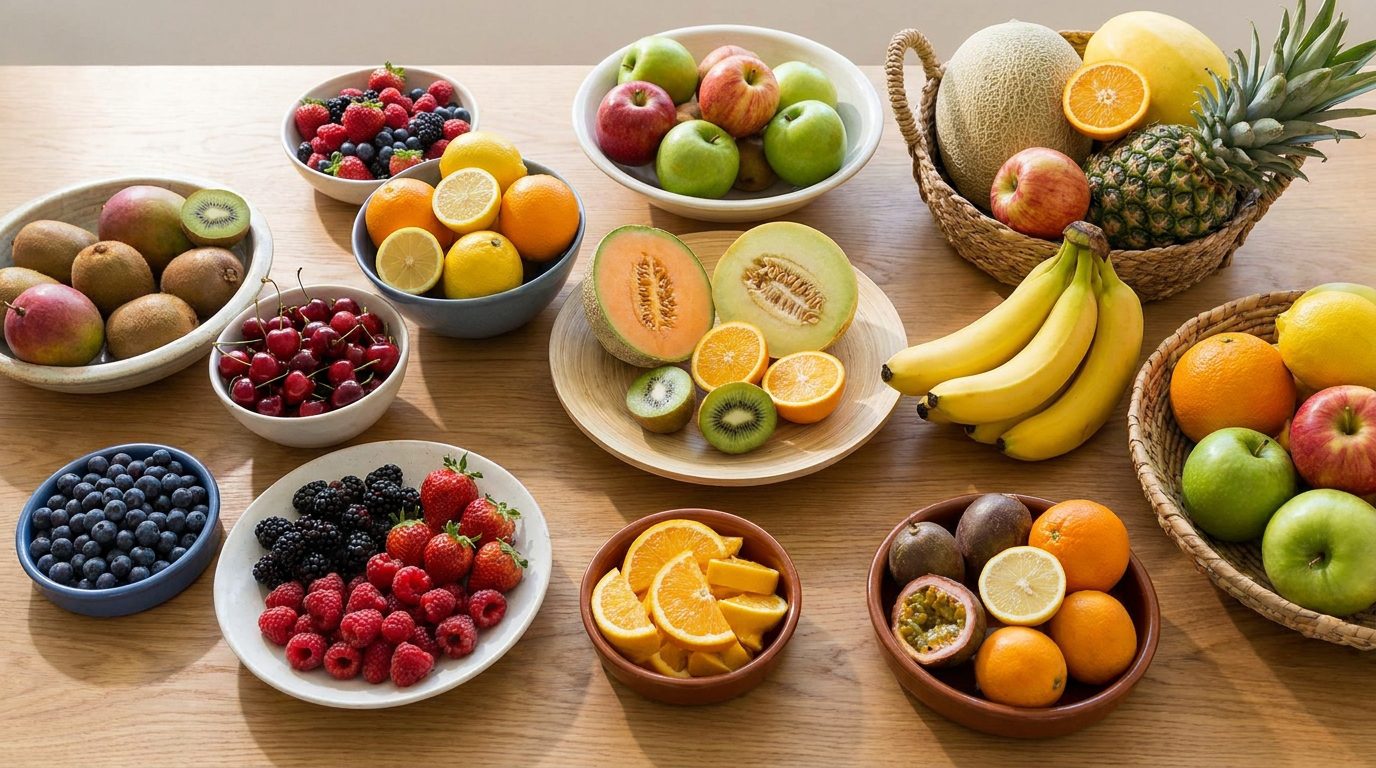
Offering fruit is one of the simplest and sweetest ways to begin a life of devotion. You do not need to be a scholar, a monk, or someone who has everything figured out. You only need a sincere heart and a willingness to remember God with love.
In Bhakti Yoga, the yoga of loving devotion, food becomes more than food. A piece of fruit becomes a prayer. A small plate becomes an altar. A simple act becomes a relationship.
The Sanskrit word bhakti means loving devotion. It is not just a philosophy; it is a way of living with the heart open to the Divine. Through chanting, prayer, service, and offering, we learn to see God not as far away, but as lovingly present in our daily life.
Fruit is especially wonderful for offerings because it is naturally pure, colorful, nourishing, and easy to prepare. Whether you offer a banana in your kitchen, berries at a home altar, or a lovingly arranged fruit plate in a temple, the essence is the same: “Dear Lord, this is for You.”
The Heart of the Offering
Love Matters More Than Luxury
In the Bhagavad-gita, one of the most beloved scriptures of Bhakti Yoga, Sri Krishna says:
“Whoever offers Me with devotion a leaf, a flower, fruit, or water, I accept that loving offering from the pure-hearted devotee.”
— Bhagavad-gita 9.26
This verse is the foundation for understanding how to offer fruit. Krishna does not ask for gold, rare spices, or elaborate ceremonies. He asks for love.
The Sanskrit word patram means leaf, pushpam means flower, phalam means fruit, and toyam means water. These are simple things, available to almost everyone. The real ingredient is bhakti—devotion.
This is deeply comforting. It means spiritual life is not reserved for the wealthy, the learned, or the perfectly disciplined. It is open to anyone who wants to connect with God sincerely.
Offering Is Relationship
When we offer fruit, we are not performing a mechanical ritual. We are building a relationship.
In ordinary life, when we love someone, we naturally want to give. A child gives a flower to a parent. A friend brings a meal to someone who is sick. A host prepares something special for a guest. The offering may be simple, but love gives it meaning.
Similarly, in Bhakti Yoga, we offer fruit because we want to honor God as the beloved center of our life. We are saying, “I remember You. I thank You. I want to serve You.”
From Consumption to Gratitude
Modern life often trains us to consume quickly and unconsciously. We eat while scrolling, rushing, worrying, or planning the next thing. Offering fruit invites us to pause.
Before we eat, we remember: this fruit came through sunlight, rain, soil, farmers, workers, and divine arrangement. None of us created it from nothing. Offering helps us move from entitlement to gratitude.
This shift is powerful. Even one sincere offering a day can soften the heart.
What Kind of Fruit Can Be Offered?
Fresh, Clean, and Loving
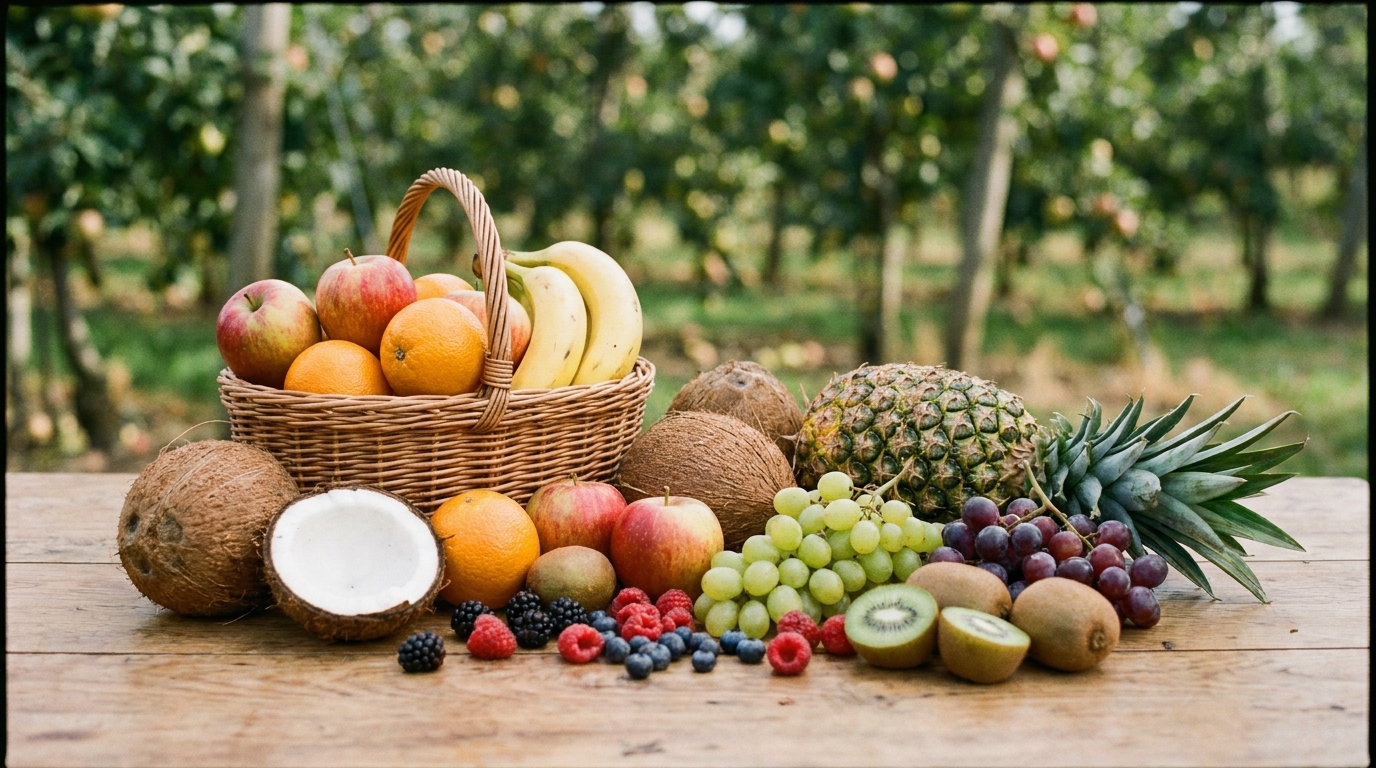
The best fruit to offer is fresh, clean, and prepared with care. Apples, bananas, oranges, mangoes, grapes, berries, pears, melons, pomegranates, peaches, plums, and many other fruits can all be offered.
You do not need rare or expensive fruit. A humble banana offered with devotion is more spiritually meaningful than an elaborate arrangement offered with pride.
Try to choose fruit that is:
- Fresh and ripe
- Clean and wholesome
- Free from mold or spoilage
- Prepared in a clean space
- Offered before being tasted
In Bhakti practice, we generally do not taste the food before offering it. This is because the offering is first for God. After it is offered, we receive it as mercy, or prasadam.
Understanding Prasadam
The Sanskrit word prasadam means mercy, grace, or a sacred gift. When fruit is offered to God with devotion, it becomes prasadam.
This does not mean the fruit changes in a way we can measure with our senses. It means our relationship to it changes. It is no longer just something we take for ourselves. It has been offered in love and received back as grace.
Eating prasadam is a beautiful spiritual practice. It nourishes the body while also reminding the heart: “I am cared for. I am connected. I am receiving God’s mercy.”
Can Packaged or Cut Fruit Be Offered?
Yes, in many situations, packaged or pre-cut fruit can be offered if it is clean, vegetarian, and appropriate. Life is not always ideal. Some people live in dorms, travel often, work long hours, or have limited access to fresh produce.
If you are able, whole fresh fruit is lovely. But if you have a container of cut pineapple, a fruit cup, or frozen berries, you can still offer them with sincerity.
The principle is not perfectionism. The principle is devotion.
What About Organic Fruit?
Organic fruit can be a wonderful choice when available and affordable, but it is not required. Please do not feel discouraged if organic fruit is beyond your budget. Krishna accepts love, not labels.
If you can offer the best you reasonably have, do that. If your best today is one simple apple from a regular grocery store, offer it with gratitude.
Please visit our website for more information on our articles: articles.
How to Offer Fruit at Home
Create a Simple Sacred Space
You do not need a large altar to offer fruit. A clean shelf, small table, or quiet corner can become a sacred space. You may place a picture of Krishna, Radha-Krishna, Lord Rama, Lord Chaitanya, or another form of God you feel drawn to.
If you come from another spiritual background, you may offer fruit to God in the name and form that feels sacred to you. Bhakti Yoga welcomes sincere seekers. The heart of the practice is loving remembrance.
A simple home altar may include:
- A picture or sacred image
- A small plate or bowl reserved for offerings
- A candle or lamp, if safe
- Fresh flowers, if available
- Prayer beads, scripture, or a journal
Keep the space clean and peaceful. Cleanliness is an expression of care.
Wash Your Hands and Prepare the Fruit
Before preparing an offering, wash your hands and clean the surface. Rinse the fruit. If needed, peel or cut it nicely.
Try to prepare the fruit in a calm mood. If possible, chant or softly pray while preparing. In Bhakti, the consciousness behind the action matters. We are not just cutting fruit; we are preparing something for the Beloved.
You might chant the maha-mantra:
Hare Krishna Hare Krishna
Krishna Krishna Hare Hare
Hare Rama Hare Rama
Rama Rama Hare Hare
The word Hare addresses the divine energy of the Lord, Krishna means “the all-attractive one,” and Rama means “the reservoir of joy.” This mantra is a prayer to be engaged in loving service.
Place the Fruit on a Special Plate
It is helpful to have a plate or bowl used only for offerings. This makes the practice feel intentional. Place the fruit neatly on the plate. You can add a small cup of water if you like.
If you have a Tulasi leaf, you may place it on the offering. Tulasi, also called holy basil, is especially dear to Krishna in the Bhakti tradition. If you do not have Tulasi, do not worry. Fruit offered with love is still meaningful.
Offer with a Simple Prayer
Place the plate before the sacred image or in your chosen prayer space. Then offer a prayer from your heart.
You can say something simple, such as:
“Dear Lord, this fruit is Yours. Thank You for providing it. Please accept this offering made with love. Please help me remember You and serve You with a sincere heart.”
If you are practicing Krishna Bhakti, you may say:
“Dear Krishna, please accept this fruit. I offer it to You with love and gratitude. Please bless me to grow in devotion.”
You may also chant the maha-mantra three times or sit quietly for a few moments.
Wait, Then Receive as Prasadam
After offering, wait a few minutes. Some families wait five minutes; others wait longer. The time is less important than the sincerity.
Then remove the plate and transfer the fruit to another plate if desired. Now it is prasadam—God’s mercy. Honor it respectfully. Eat slowly. Share it with others if you can.
Offering Fruit in Daily Life
Morning Offering
Offering fruit in the morning is a beautiful way to begin the day. Before checking messages or rushing into responsibilities, pause and make a small offering.
Even one grape, one date, one orange slice, or one banana can become a devotional moment. This practice sets the tone: “Let my day be centered in gratitude.”
You may follow the offering with chanting, reading a verse, or simply sitting in silence.
Before Meals
If you are preparing a meal that includes fruit, offer the fruit or the full meal before eating. In many Bhakti homes, everything vegetarian and suitable is offered before being served.
If you are new, begin with fruit. It is simple and accessible. Over time, you may feel inspired to offer more of your meals.
At Work or School
You can offer fruit even outside the home. If you packed an apple for lunch, hold it for a moment and pray silently:
“Dear Lord, thank You for this food. Please accept it and bless me to use my energy in service.”
This quiet offering may not look like a formal ritual, but God sees the heart. Devotion can travel with you anywhere.
With Children and Family
Offering fruit is a wonderful practice for children. It teaches gratitude, gentleness, and spiritual awareness without pressure.
Children can help wash grapes, arrange berries, place a banana on the altar, or say a simple prayer. They learn that God is not only in a temple or church but also in the kitchen, at the table, and in acts of love.
If your family members do not share your practice, be respectful and kind. Bhakti grows best in humility. You can offer your own portion quietly and lovingly without making others feel judged.
Common Questions About Offering Fruit
Do I Have to Be Initiated to Offer Fruit?
No. Anyone can offer fruit to God with sincerity. Initiation, or diksha, is a sacred step in Bhakti Yoga where one formally receives spiritual guidance from a teacher. It is meaningful, but it is not required to begin offering.
The path of devotion begins exactly where you are.
What If I Make a Mistake?
Mistakes happen. Maybe you accidentally taste the fruit first. Maybe you forget a step. Maybe your mind wanders during prayer.
Do not become discouraged. Bhakti is a path of relationship, and relationships grow through sincerity, not fear. Simply try again.
Krishna is known in scripture as bhava-grahi Janardana—the Lord who accepts the feeling, the intention, of the devotee. This means He sees the love behind the offering.
Can I Offer Fruit to a Picture?
Yes. In Bhakti Yoga, a sacred image is not considered ordinary when approached with faith and devotion. Just as a photograph of a loved one can awaken real affection, a sacred image helps focus the heart on God.
When we offer fruit before a picture of Krishna or another worshipable form of the Lord, we are not feeding paper or ink. We are offering to the living Divine through that sacred representation.
Should Fruit Be Offered Whole or Cut?
Both are acceptable. Whole fruit is simple and clean. Cut fruit can be arranged beautifully and shared easily. The key is that it should be fresh, clean, and prepared with care.
If you cut fruit, try not to taste it while preparing. Offer first, then enjoy as prasadam.
Can I Offer Fruit That Has Fallen on the Floor?
Generally, it is best to offer clean fruit that has not touched an unclean surface. If a whole fruit with a peel falls briefly, you may wash it thoroughly and offer it, depending on the situation. If cut fruit falls on the floor, it is better not to offer it.
This is not about anxiety. It is about respect. We offer God something we would lovingly serve to an honored guest.
The Deeper Meaning of Fruit in Bhakti
Fruit Represents the Results of Our Work
In Sanskrit, phala means fruit. It can also mean the result of an action. So when we offer fruit, we can also remember to offer the fruits of our work.
The Bhagavad-gita teaches karma-yoga, the practice of offering our actions and their results to God. Krishna says:
“Whatever you do, whatever you eat, whatever you offer or give away, and whatever austerities you perform—do that as an offering to Me.”
— Bhagavad-gita 9.27
This means our whole life can become an offering. Our job, parenting, studies, art, cleaning, cooking, and conversations can all become sacred when done with devotion.
Offering fruit on a plate trains us to offer the fruit of our life.
Fruit Teaches Ripeness
Fruit becomes sweet when it ripens. In the same way, the heart becomes sweet through spiritual practice.
Chanting softens us. Prayer opens us. Service purifies us. Scripture guides us. Association with sincere devotees encourages us. Over time, the hard places within us begin to soften.
This ripening cannot be forced. It happens through steady, loving practice.
Fruit Is Meant to Be Shared
A tree does not eat its own fruit. It gives. This is a beautiful lesson for the devotional heart.
When we receive prasadam, we are also invited to share. Sharing offered fruit with a friend, neighbor, child, coworker, or guest can be a gentle act of spiritual kindness.
You do not need to preach strongly. Sometimes a simple, “This was offered with prayer; please enjoy,” is enough. Prasadam carries grace.
Making Fruit Offerings More Devotional
Chant While Preparing
Chanting is central to Bhakti Yoga. The Sanskrit word nama means name, and japa means soft, personal chanting. When we chant God’s names, we invite divine remembrance into the heart.
You can chant while washing fruit, cutting apples, arranging a plate, or cleaning afterward. This brings spiritual presence into ordinary tasks.
The maha-mantra is especially recommended in the Gaudiya Vaishnava tradition:
Hare Krishna Hare Krishna
Krishna Krishna Hare Hare
Hare Rama Hare Rama
Rama Rama Hare Hare
There is no fee, no qualification, and no complicated requirement to chant. Begin gently. Let the sound enter the heart.
Read a Verse Before Offering
Reading even one verse from scripture can deepen the offering. You might read Bhagavad-gita 9.26 before placing fruit on the altar. Or you may read a short passage from the Srimad-Bhagavatam, a beloved Bhakti scripture filled with stories and teachings about loving devotion.
Scripture is not meant only for information. It is meant for transformation. A single verse, received with humility, can guide the mood of the whole day.
Offer Your Feelings Too
Sometimes we come to the altar joyful. Sometimes we come tired, distracted, ashamed, grieving, or confused. Bhakti does not require us to pretend.
As you offer fruit, you can also offer your inner state:
“Dear Lord, I offer You this fruit, and I also offer You my worries.”
“Please accept my gratitude.”
“Please help me forgive.”
“Please teach me how to love.”
God is not frightened by our honesty. Sincere prayer is welcome.
Serve Others with Prasadam
One of the most practical ways to grow in Bhakti is service, or seva. Seva means loving service offered for the pleasure of God.
After offering fruit, share it. Bring prasadam to a gathering. Offer fruit at a kirtan, which is devotional chanting in community. Keep a bowl of offered fruit available for guests. Give some to someone who is lonely or in need.
When devotion becomes service, the heart expands.
A Simple Fruit Offering Practice for Beginners
Step One: Choose One Fruit
Start small. Choose one fruit you like and can offer regularly. A banana, apple, or orange is perfect.
Do not wait for the perfect altar, perfect schedule, or perfect mood. Begin where you are.
Step Two: Clean and Prepare
Wash your hands. Rinse the fruit. Place it on a clean plate.
If you are cutting it, do so neatly. Try to keep your mind peaceful. If thoughts come and go, that is normal. Gently return to the intention of offering.
Step Three: Pray
Place the fruit before God and say a simple prayer:
“Dear Lord, thank You for this fruit. Please accept it. May my life become an offering of love.”
You may chant the maha-mantra or another prayer from your tradition.
Step Four: Pause
Wait a few moments. Let the offering be real. You do not need to force a mystical feeling. Just be present.
Step Five: Receive and Share
Take the fruit as prasadam. Eat with gratitude. If possible, share some.
This small daily practice can become a doorway into a deeper devotional life.
Offering Fruit with Humility and Joy
Avoiding Pride
Spiritual practices are meant to soften the heart, not make us feel superior. If we begin offering fruit, we should not look down on others who do not. Everyone is on a journey.
Humility is treasured in Bhakti. Lord Chaitanya, a great teacher of divine love, taught that one should chant the holy name with humility, patience, and respect for all.
Offering fruit should make us kinder, not harsher.
Avoiding Fear
Some people worry, “Did I do it correctly? Was my prayer good enough? Did God accept it?”
The scriptures assure us that God accepts devotion. If you are sincere and trying to offer something appropriate with love, take courage.
Bhakti is not a performance before a critical judge. It is a loving exchange with the most compassionate Friend.
Growing Naturally
At first, you may offer fruit once a week. Then maybe daily. Later, you may offer full meals, chant more regularly, study scripture, attend kirtan, or serve in a spiritual community.
Let your practice grow naturally. Consistency is more important than intensity. A small offering made steadily can transform the heart over time.
The Blessing of Prasadam in Community
Temples, Homes, and Gatherings
In Bhakti communities, prasadam is central. After worship, chanting, or festivals, sanctified food is shared. Fruit offerings often appear at morning programs, kirtans, retreats, and home gatherings.
This sharing reminds us that spiritual life is not only private. It is relational. We grow by serving, receiving, singing, learning, and eating together in a sacred mood.
Everyone Can Receive Mercy
One of the most beautiful qualities of prasadam is that it can be received by anyone. A person may not understand Sanskrit, philosophy, or ritual, but they can taste a piece of offered fruit.
The heart understands generosity.
Many people begin their spiritual journey not through a lecture, but through a kind devotee handing them prasadam with a smile.
A Gentle Form of Outreach
If you want to share Bhakti Yoga with others, prasadam is a gentle beginning. Offer fruit with devotion, then share it respectfully.
Do not pressure anyone. Simply offer kindness. Love is more powerful than argument.
Living the Offering Beyond the Plate
Offer Your Words
After offering fruit, consider offering your speech. Can your words become more truthful, gentle, and helpful? Can you chant instead of complain, encourage instead of criticize, pray instead of worry?
This is Bhakti in daily life.
Offer Your Time
Time is one of our most precious fruits. We can offer a few minutes each day for chanting, reading, prayer, or service.
Even five sincere minutes can become sacred.
Offer Your Gifts
Every person has gifts. Some cook, some sing, some organize, some listen deeply, some care for children, some write, some clean, some teach, some encourage.
In Bhakti, no sincere service is small. When offered to God, ordinary abilities become sacred offerings.
Offer Your Heart
Ultimately, fruit offering points toward the deepest offering: the heart itself.
Krishna does not need our fruit. Everything already belongs to Him. But He lovingly accepts the offering because He wants our love, and He wants to give us His love in return.
This is the mystery of Bhakti: the infinite Lord becomes conquered by sincere devotion.
A Final Encouragement for Your Offering Journey
Offering fruit is a humble, practical, and beautiful way to begin or deepen your relationship with God. It brings devotion into the kitchen, the workplace, the family table, and the quiet corners of the heart.
You do not have to be perfect. You do not have to know every mantra. You do not have to understand every scripture. Begin with sincerity. Offer one fruit. Say one prayer. Chant one holy name. Share one piece of prasadam.
Bhakti Yoga is a path of love—love expressed through chanting, prayer, service, gratitude, and spiritual growth. And love grows by practice.
Wherever you come from, whatever your background, and whatever your life looks like today, you are welcome. Take one sincere step toward God, and trust that God is already taking many steps toward you.
FAQs
What are the benefits of offering fruit to your diet?
Fruits are rich in essential vitamins, minerals, and fiber, which can help improve digestion, boost the immune system, and reduce the risk of chronic diseases such as heart disease and diabetes.
How should you choose and store fruits for optimal freshness?
When choosing fruits, look for ones that are firm, free of bruises, and have vibrant colors. Store fruits in the refrigerator to maintain freshness, and keep them separate from vegetables to prevent premature ripening.
What are some creative ways to incorporate fruits into meals and snacks?
Fruits can be added to smoothies, salads, yogurt, oatmeal, and even used as toppings for pancakes and waffles. They can also be enjoyed as a standalone snack or used to make homemade fruit popsicles.
Are there any fruits that should be avoided for certain dietary restrictions or allergies?
Some fruits, such as citrus fruits and berries, may trigger allergies in some individuals. Additionally, individuals with certain medical conditions, such as kidney disease, may need to limit their intake of certain fruits. It’s important to consult with a healthcare professional if you have any concerns.
What are some popular fruits that are in season during different times of the year?
In the spring, popular fruits include strawberries and cherries. In the summer, watermelon and peaches are in season. In the fall, apples and pears are abundant, and in the winter, citrus fruits like oranges and grapefruits are readily available.

