

In the beautiful world of Bhakti Yoga, love for God is not limited to awe, fear, or formal worship. The heart is invited into a living relationship with the Divine. This relationship may be expressed through peaceful reverence, loving service, friendship, parental affection, or the deepest intimacy of the soul.
One of the most tender of these sacred relationships is called vātsalya-rasa.
The Sanskrit word vātsalya comes from the feeling of a parent toward a child—protective, nourishing, forgiving, affectionate, and deeply personal. The word rasa means “spiritual taste,” “relationship,” or “the flavor of love.” So, vātsalya-rasa means the devotional mood in which the soul loves God as one’s own beloved child.
This may sound surprising at first. Many of us are used to thinking of God as the Almighty Father, the Creator, the Supreme Lord, or the One who protects us. And this is true. Yet the Bhakti scriptures reveal something astonishing: the Infinite Lord, out of love, allows His devotees to love Him in intimate ways—even as a mother or father loves a child.
In vātsalya-rasa, the devotee does not primarily think, “God is great, and I am small.” Instead, the devotee feels, “This precious child is mine. I must feed Him, protect Him, dress Him, sing to Him, and care for Him.” This is not illusion or disrespect. It is the highest kind of intimacy, made possible by divine grace.
Bhakti Yoga teaches that God is not only powerful; God is lovable. He is not only the source of all worlds; He is also the butter-stealing child of Vṛndāvana, the darling son of Mother Yaśodā and Nanda Mahārāja.
Vātsalya-rasa in the Bhāgavata Purāṇa
The Śrīmad Bhāgavatam, also known as the Bhāgavata Purāṇa, is one of the most beloved scriptures of the Bhakti tradition. It beautifully describes the childhood pastimes of Śrī Kṛṣṇa in Vṛndāvana, where the Supreme Lord appears as a playful cowherd boy.
Mother Yaśodā and the Boundless Lord
One of the most famous expressions of vātsalya-rasa appears in the story of Mother Yaśodā trying to bind Kṛṣṇa with rope.
Kṛṣṇa, as a small child, breaks a butter pot and shares butter with the monkeys. When Mother Yaśodā sees His mischief, she lovingly chases Him. Though He is the Supreme Lord, feared by fear itself, He runs from His mother with tears in His eyes. Finally, she catches Him and tries to tie Him to a wooden mortar as gentle discipline.
But every rope she uses is two fingers too short.
The Bhāgavatam explains that this was not ordinary difficulty. The Lord cannot be bound by material rope. He is limitless. Yet when He sees His mother’s sincere effort and loving exhaustion, He allows Himself to be bound.
This pastime teaches a profound truth: God is not conquered by strength, scholarship, pride, or ritual alone. He is conquered by love.
The two fingers of rope are often explained by teachers as representing two things: the devotee’s sincere effort and the Lord’s mercy. We do our part with humility, prayer, chanting, and service. Then grace completes what we cannot accomplish on our own.
The Supreme Becomes Dependent
In another passage, the Bhāgavatam describes how Mother Yaśodā nurses baby Kṛṣṇa. This image is simple, human, and deeply sacred. The One who maintains all living beings accepts nourishment from His mother.
This is the wonder of Bhakti. The Lord, who is self-sufficient, chooses to become dependent on the love of His devotees. He does not need milk, food, clothing, or care. Yet He accepts them because love offered with devotion is dear to Him.
In the Bhagavad-gītā, Kṛṣṇa says:
“If one offers Me with love and devotion a leaf, a flower, fruit, or water, I accept it.”
—Bhagavad-gītā 9.26
This verse helps us understand vātsalya-rasa in practical terms. God accepts the heart behind the offering. A mother’s milk, a father’s embrace, a devotee’s simple flower, a whispered prayer—all become spiritually powerful when offered with love.
The Theology of Loving God as One’s Child
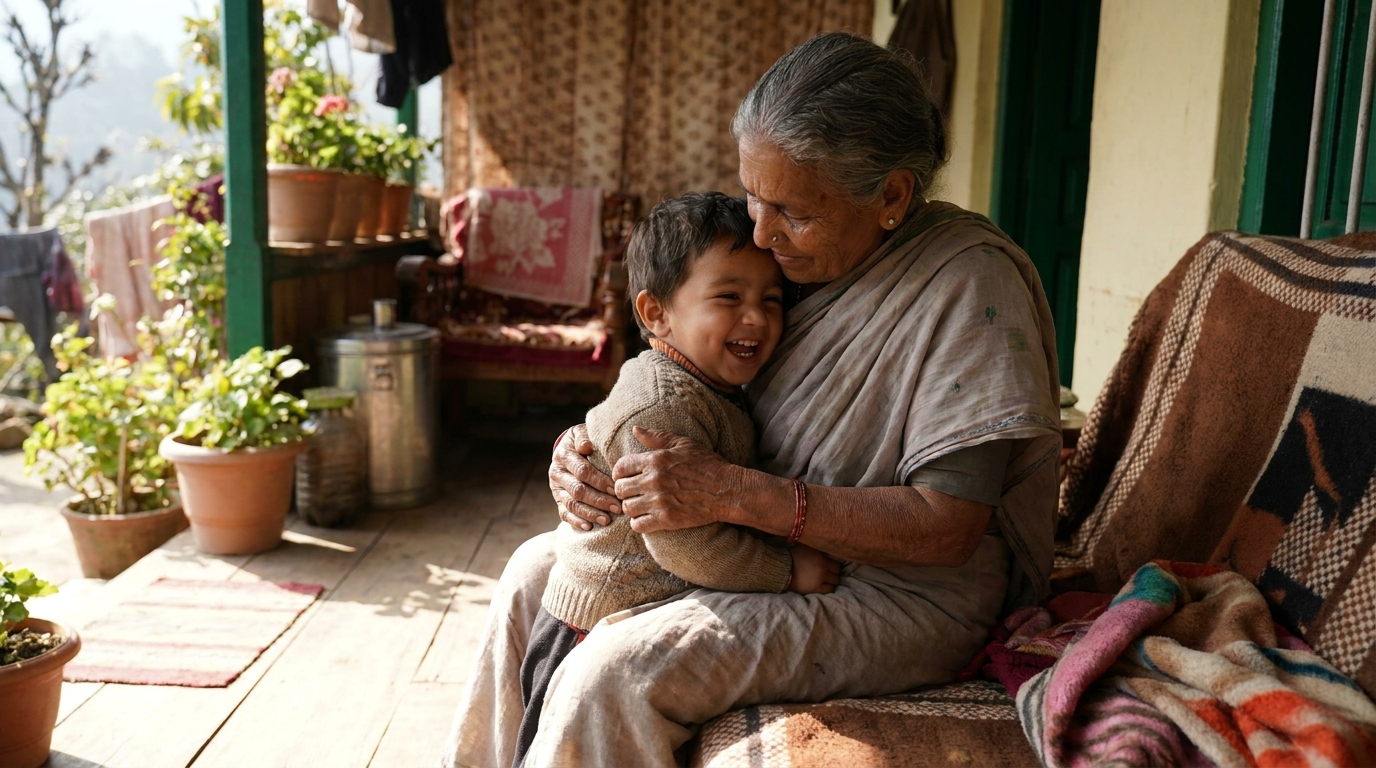
Vātsalya-rasa does not reduce God to an ordinary child. Rather, it reveals the sweetness of God’s personal nature. In Sanskrit, this sweetness is called mādhurya, meaning the intimate and charming aspect of the Divine. God’s majesty, or aiśvarya, is His greatness and power. Both are true.
In vātsalya-rasa, mādhurya becomes especially prominent.
Majesty Hidden by Love
When Mother Yaśodā looks into Kṛṣṇa’s mouth, she sees the entire universe—planets, stars, space, and all beings. For a moment, she is overwhelmed. How can this be? Is this child truly the Lord of all creation?
Yet very quickly, her motherly love covers that awe. She does not remain in distant reverence. She returns to thinking, “This is my child.” This covering is not ignorance in the ordinary sense. It is a sacred arrangement of divine love.
The Bhakti tradition explains that pure love can be so intimate that it forgets God’s majesty in order to serve Him more personally. Mother Yaśodā does not love Kṛṣṇa less because she forgets His greatness. She loves Him more intimately because she is absorbed in caring for Him.
God Allows Himself to Be Loved
Many spiritual traditions speak of surrender to God. Bhakti Yoga certainly honors surrender. But vātsalya-rasa reveals another side of surrender: God also surrenders to love.
He becomes the child of His devotee.
This is not because the devotee is greater than God. It is because love is the deepest expression of God’s own nature. The Supreme Lord is not conquered by force, but He joyfully becomes subordinate to affection.
In the Bhāgavata Purāṇa, the residents of Vṛndāvana are shown as the highest examples of spontaneous devotion. They do not love Kṛṣṇa because He is God. They love Him because He is Kṛṣṇa—their son, friend, beloved, and life itself.
Check out our latest articles at https://thebhaktihouse.org/blog.
Nanda Mahārāja: The Fatherly Heart in Bhakti Scripture
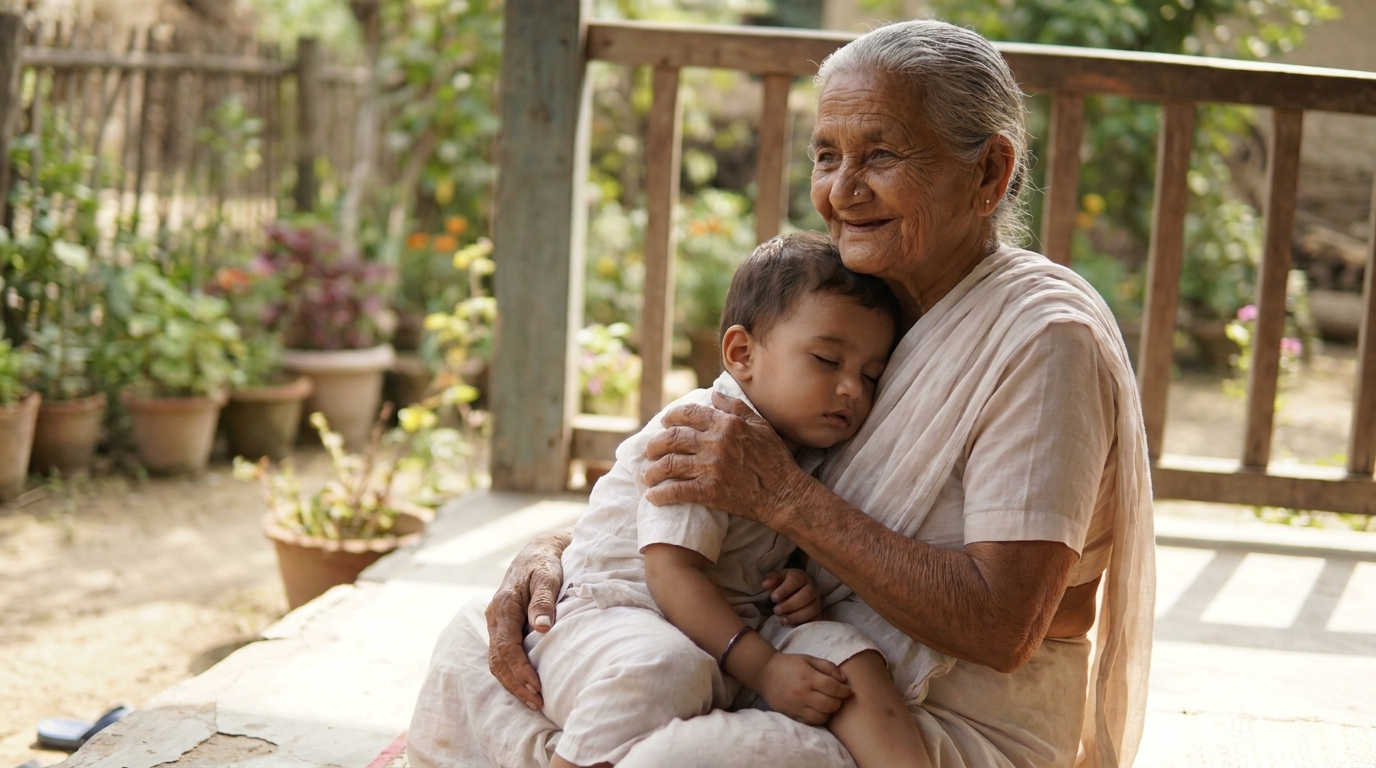
While Mother Yaśodā is often the central figure in discussions of vātsalya-rasa, Nanda Mahārāja, Kṛṣṇa’s father in Vṛndāvana, also reveals the beauty of parental devotion.
A Father’s Protection
Nanda Mahārāja cares for Kṛṣṇa as his own son. He worries about His safety, celebrates His growth, consults the elders, and performs ceremonies for His well-being. Although Kṛṣṇa is the protector of all, Nanda feels, “I must protect Him.”
This mood is deeply instructive for us. In ordinary religious life, we often ask God to protect us. In vātsalya-rasa, the devotee feels moved to protect their relationship with God.
We may not be on the spiritual level of Nanda Mahārāja, but we can learn from his mood. We can ask: Am I protecting my devotional life? Am I creating time for prayer? Am I guarding my heart from cynicism, distraction, and spiritual forgetfulness? Am I nourishing my relationship with God as something precious?
Joy in God’s Growth and Play
Nanda Mahārāja takes delight in Kṛṣṇa’s childhood. He celebrates His crawling, walking, speaking, and playing. These simple family moments become eternal spiritual treasures.
This teaches us that Bhakti Yoga is not only found in temples, scriptures, or sacred festivals. It can also be found in daily care, family affection, cooking, cleaning, singing, and serving. When life is offered to God, ordinary moments become sacred.
For householders, parents, caregivers, teachers, and community servants, vātsalya-rasa offers a beautiful reminder: loving care can be a doorway to God.
Vātsalya-rasa and the Path of Bhakti Yoga
Most of us may not naturally feel parental love toward God in the perfected sense described in scripture. That sacred mood belongs to eternally liberated souls like Mother Yaśodā and Nanda Mahārāja. Still, their example can nourish our own practice.
Bhakti Yoga is the path of devotion, the path of awakening love for God through practical spiritual activities.
Chanting the Holy Names
One of the most accessible practices in Bhakti Yoga is kīrtan, the singing or chanting of God’s names. In the Bhakti tradition, the names of God are not considered ordinary sound. They carry divine presence.
The mahā-mantra, a sacred chant in the Vaiṣṇava tradition, is:
Hare Kṛṣṇa Hare Kṛṣṇa
Kṛṣṇa Kṛṣṇa Hare Hare
Hare Rāma Hare Rāma
Rāma Rāma Hare Hare
“Hare” calls upon the divine energy of the Lord. “Kṛṣṇa” means the all-attractive one. “Rāma” means the source of joy and spiritual pleasure.
When we chant, we are not performing for God. We are reaching out. We are calling from the heart. Like a child calling for a parent—or in the mood of vātsalya, like a parent calling tenderly for a child—we invite God into our awareness.
Chanting softens the heart. It cleanses the mind. It helps us remember that our deepest identity is not our anxiety, role, body, or history. We are souls made for loving relationship with the Divine.
Prayer as Loving Conversation
Prayer in Bhakti does not have to be complicated. It may be formal or spontaneous. It may be spoken, sung, whispered, or held silently in the heart.
A simple prayer inspired by vātsalya-rasa might be:
“Dear Lord, please let me care for my relationship with You. Let my heart become gentle. Let me serve You with sincerity. Please accept whatever love I am able to offer today.”
This mood is practical. It asks us not only to receive from God, but to offer ourselves to God.
Service as an Offering of Care
The Sanskrit word seva means devotional service. It is love in action. In vātsalya-rasa, service often appears as feeding, dressing, protecting, and comforting the Lord in His child form.
In many Bhakti temples and homes, devotees worship Kṛṣṇa in the form of a deity, such as Gopāla or Bāla Kṛṣṇa, the child Kṛṣṇa. They bathe Him, dress Him, offer food, sing for Him, and put Him to rest. To someone unfamiliar with Bhakti, this may seem symbolic. But for devotees, deity worship is relational. It is a way to lovingly serve God with the body, mind, senses, and heart.
Even if we do not have a formal home altar, we can practice seva by cooking with prayer, serving others, offering our work to God, caring for the vulnerable, and making our homes places of kindness.
Lessons from Mother Yaśodā for Modern Spiritual Life
The stories of vātsalya-rasa are not distant mythology meant only for scholars or saints. They carry living guidance for us today.
Love Requires Attention
Mother Yaśodā notices Kṛṣṇa. She hears Him, watches Him, feeds Him, corrects Him, and delights in Him. Her devotion is full of attention.
In our lives, distraction is one of the greatest obstacles to love. We may believe in God, but rarely pause to remember Him. We may value spiritual life, but give our best energy to everything else.
Vātsalya-rasa invites us to ask: Can I give God my attention today?
This may mean chanting one round of japa, reading a verse of scripture, lighting a candle, offering a meal, or sitting quietly in gratitude. Small acts become powerful when done sincerely.
Love Includes Discipline
Mother Yaśodā’s love is not sentimental. When Kṛṣṇa steals butter and creates mischief, she lovingly corrects Him. Her discipline is not harsh or ego-driven. It is protective.
In our own spiritual lives, love also includes discipline. We may need to gently guide the mind away from harmful habits. We may need to create boundaries around our time, speech, media, and relationships. Discipline in Bhakti is not punishment. It is care for the soul.
Just as a parent creates a safe environment for a child, we can create a safe inner environment for devotion to grow.
Love Is Humble and Personal
Mother Yaśodā does not think, “I am the greatest devotee.” She simply loves. She is absorbed in service, not status.
This is one of the most important teachings of Bhakti Yoga. Spiritual growth is not about appearing advanced. It is about becoming sincere. The more genuine love awakens, the more humble the heart becomes.
In the Śikṣāṣṭakam, Śrī Caitanya Mahāprabhu teaches that one should chant the holy name with humility, tolerance, and respect for others. This humble mood helps devotion flourish.
Vātsalya-rasa is full of this humility. The devotee does not demand to be served by God. The devotee longs to serve God.
Vātsalya-rasa in the Broader Map of Bhakti Relationships
Bhakti scriptures describe several primary devotional relationships, or rasas, through which the soul may love God.
Śānta-rasa: Peaceful Reverence
Śānta-rasa is the mood of peaceful appreciation. The devotee honors God’s greatness and rests in spiritual awareness. There is reverence, steadiness, and freedom from material agitation.
Dāsya-rasa: Loving Service
Dāsya-rasa is the mood of being God’s servant. The devotee feels joy in obeying, serving, and pleasing the Lord. Hanumān’s devotion to Lord Rāma is a shining example of this mood.
Sakhya-rasa: Friendship with God
Sakhya-rasa is friendship. In Vṛndāvana, Kṛṣṇa’s cowherd friends play with Him, joke with Him, share food with Him, and sometimes climb on His shoulders. Their love is intimate and fearless.
Vātsalya-rasa: Parental Affection
In vātsalya-rasa, the devotee’s heart overflows with care. The devotee feels that God is dependent on their love. Mother Yaśodā, Nanda Mahārāja, and the elder residents of Vṛndāvana embody this mood.
Mādhurya-rasa: Divine Loving Intimacy
Mādhurya-rasa is the mood of divine romantic love, expressed most fully by Śrī Rādhā and the gopīs of Vṛndāvana. It is considered the most intimate rasa in many Vaiṣṇava traditions.
These relationships are not artificial roles that we imitate. They are eternal spiritual realities. Our practice of Bhakti Yoga purifies the heart so that our natural relationship with God can gradually awaken.
The Scriptural Depth of Vātsalya-rasa
Vātsalya-rasa is not simply an emotional idea. It is deeply rooted in scripture and theology.
The Bhāgavatam’s Vision of Divine Sweetness
The Tenth Canto of the Śrīmad Bhāgavatam especially reveals Kṛṣṇa’s childhood pastimes. These stories are not meant to make God seem small. They show that God’s love is greater than our limited concepts of power.
A king may command respect, but a child can awaken complete tenderness. Kṛṣṇa as a child draws out love that is spontaneous, protective, and self-forgetful.
This is one reason the Bhāgavatam is so cherished in Bhakti traditions. It does not only tell us that God exists. It shows us how lovable God is.
Rūpa Gosvāmī and the Science of Devotional Emotion
Śrīla Rūpa Gosvāmī, a great teacher in the Gauḍīya Vaiṣṇava tradition, carefully described the devotional rasas in his work Bhakti-rasāmṛta-sindhu, “The Ocean of the Nectar of Devotion.”
He explains that pure devotion is not ordinary emotion. It is the soul’s eternal love for Kṛṣṇa awakened through purified consciousness. Vātsalya-rasa has its own qualities, expressions, and spiritual depth. It includes affection, concern, nourishing care, gentle correction, and deep possessiveness toward Kṛṣṇa—thinking, “He is mine.”
This possessiveness is not selfish. It is the pure intimacy of love. In material life, possessiveness often causes suffering because it is mixed with ego. In pure Bhakti, the feeling “Kṛṣṇa is mine” is free from exploitation. It means, “My life exists for His happiness.”
Practicing the Mood of Care Without Imitation
It is important to approach vātsalya-rasa with humility. We do not need to pretend to be Mother Yaśodā or artificially imagine advanced emotions. Bhakti grows naturally through sincere practice.
Begin with Respect and Hearing
The first step is to hear these sacred stories with faith and openness. In Sanskrit, hearing is called śravaṇam. By hearing about Kṛṣṇa’s pastimes from authentic scripture and trustworthy teachers, the heart becomes purified.
We can read a few verses from the Bhāgavatam, listen to a class, join a satsang, or reflect on Kṛṣṇa’s childhood pastimes during prayer. Even a little sincere hearing can plant a seed of devotion.
Offer Simple Care to God
We can practice the essence of vātsalya-rasa by caring for our spiritual life as we would care for someone beloved.
Prepare a small offering of fruit or water and place it before a picture or deity of the Lord. Sing a simple kīrtan. Keep a clean space for prayer. Speak to God honestly. Serve guests and family members as children of God. Care for the Earth as God’s energy. Show compassion to animals and those in need.
These simple acts may not be the perfected vātsalya of Mother Yaśodā, but they move us in the direction of love.
Let the Heart Become Soft
Spiritual life is not only about becoming knowledgeable. It is also about becoming soft-hearted.
Vātsalya-rasa teaches us to let tenderness become sacred. In a world that often rewards hardness, control, and self-protection, Bhakti invites us to become lovingly vulnerable before God. We can bring our longing, grief, gratitude, and affection into prayer.
God is not far away from the sincere heart.
Vātsalya-rasa and Compassion for All Beings
When we meditate on Mother Yaśodā’s love for Kṛṣṇa, we may also begin to see all living beings differently. Every soul is connected to God. Every person carries a hidden spiritual identity. Every heart is searching for love, safety, and meaning.
Seeing Others as Beloved to God
If Kṛṣṇa is the beloved child of Yaśodā, then every living being is also beloved to the Lord in some way. This vision softens our dealings. We become less interested in judging and more interested in serving.
Bhakti Yoga is never meant to make us proud or exclusive. True devotion expands compassion.
Serving the Vulnerable
Vātsalya naturally expresses itself as protection. Parents protect children. Caregivers protect the vulnerable. Devotees protect the sacred.
In practical life, this can inspire us to feed others, welcome newcomers, support those who are lonely, care for children and elders, and make spiritual community a place of safety. Service to others becomes service to God when offered with devotion.
Bringing Vātsalya-rasa into Daily Devotion
The essence of vātsalya-rasa can gently enter our daily practice, even in simple ways.
Morning Remembrance
Begin the day by remembering the Lord. You might say:
“Dear Kṛṣṇa, please let me serve You today. Please help me care for my heart, my words, and my actions.”
This short prayer can set the tone for the whole day.
Offering Food with Love
Before eating, pause and offer your food to God. In Bhakti, food offered with devotion becomes prasāda, which means “mercy” or “grace.” It is no longer just nourishment for the body; it becomes a reminder of relationship.
You can keep the offering very simple:
“Dear Lord, please accept this food. May it nourish me for Your service.”
Singing or Chanting at Home
Kīrtan does not have to be perfect. You do not need a trained voice. A sincere heart is enough. Sing the holy names while cooking, driving, walking, or resting. Let the sound of God’s names enter your daily rhythm.
Caring for Your Spiritual Space
If you have an altar, keep it clean and welcoming. If you do not, you might create a small sacred corner with a picture, candle, flower, or scripture. This becomes a place where your heart can return.
In vātsalya-rasa, care is devotion. Cleanliness, beauty, fragrance, music, and food can all become offerings of love.
The Sweet Invitation of Vātsalya-rasa
Vātsalya-rasa reveals a breathtaking truth: the Supreme Lord desires loving relationship so much that He allows His devotees to care for Him. He becomes the child of Mother Yaśodā, the joy of Nanda Mahārāja, and the heart of Vṛndāvana.
This sacred mood teaches us that Bhakti Yoga is not dry philosophy or distant religion. It is living love. It is chanting with sincerity, praying with honesty, serving with humility, and allowing the heart to grow softer in God’s presence.
We may begin with reverence. We may begin with curiosity. We may begin with pain, longing, or uncertainty. All of that is welcome. The path of Bhakti does not ask us to be perfect before we approach God. It asks us to come sincerely.
The scriptures show us the heights of divine love through Mother Yaśodā and Nanda Mahārāja. Their love may be beyond our present realization, but their example can still guide us. We can care for our devotion. We can protect our prayer. We can chant the holy names. We can serve others. We can offer one small act of love today.
Wherever you come from, whatever your background, and however near or far you may feel from God, you are welcome on the path of Bhakti. Take one sincere step—chant one name, offer one prayer, serve one soul, read one verse, or simply turn your heart toward the Divine. God sees that step, and by grace, love will grow.
FAQs
What is Vātsalya-rasa?
Vātsalya-rasa is a concept in Indian aesthetics and philosophy that refers to the sentiment of parental love and affection. It is one of the nine rasas or aesthetic flavors described in Indian scriptures.
Where is Vātsalya-rasa mentioned in scripture?
Vātsalya-rasa is mentioned in various Indian scriptures, including the Natya Shastra, a Sanskrit text on the performing arts, and the Bhagavad Gita, a sacred Hindu scripture.
What are the characteristics of Vātsalya-rasa?
Vātsalya-rasa is characterized by feelings of nurturing, protection, and affection that a parent feels towards their child. It involves selfless love, care, and concern for the well-being of the child.
How is Vātsalya-rasa depicted in Indian art and literature?
Vātsalya-rasa is depicted in Indian art and literature through various forms such as paintings, sculptures, dance, music, and poetry. It is often portrayed through the depiction of parental figures and their interactions with children.
What is the significance of Vātsalya-rasa in Indian culture?
Vātsalya-rasa holds significant cultural and spiritual importance in Indian society as it represents the pure and selfless love that parents have for their children. It is also considered a fundamental emotion in the expression of art and aesthetics in Indian traditions.

