
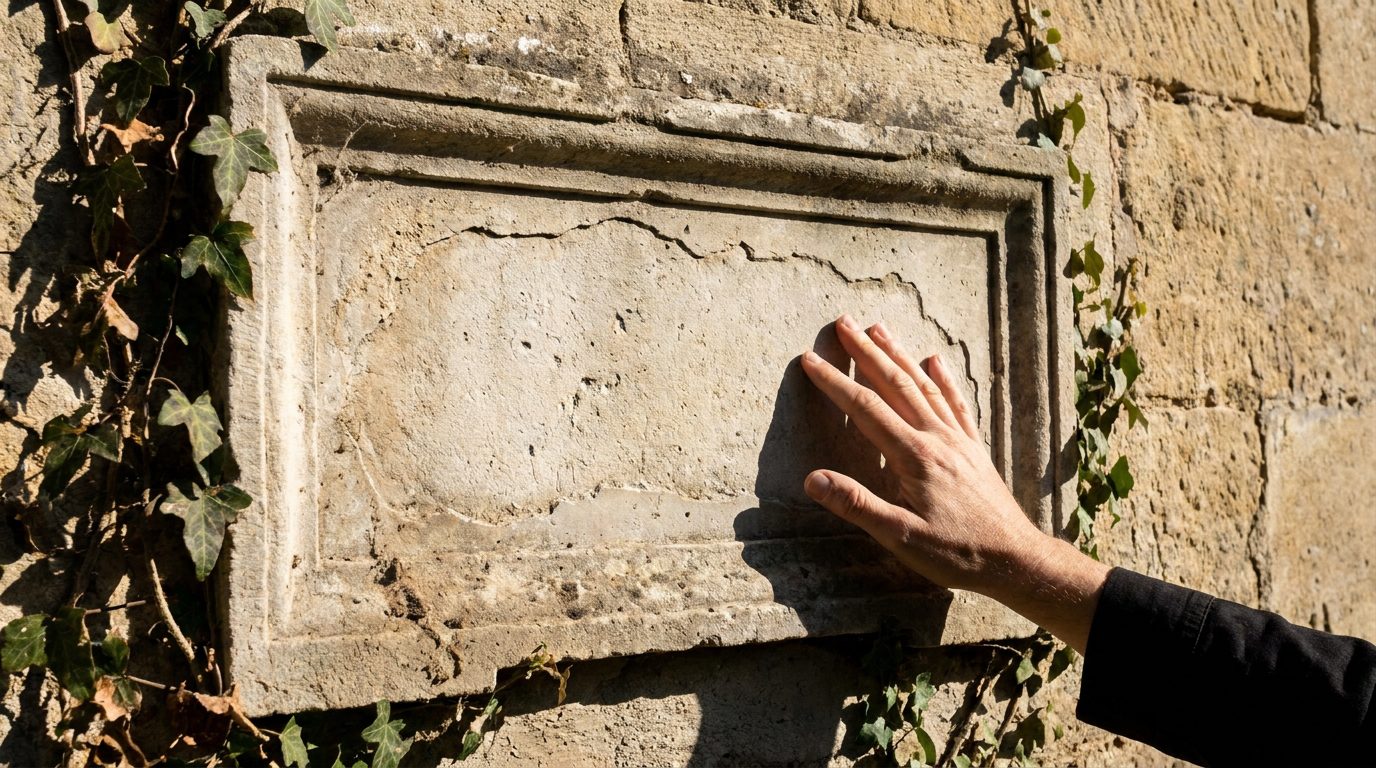
The Holy Name is one of the simplest and most profound gifts in spiritual life. In Bhakti Yoga, the path of loving devotion, the Holy Name means the sacred names of God, received through scripture, saints, and living spiritual tradition. These names are not considered ordinary sounds. They are honored as a living spiritual presence.
In Sanskrit, the word nama means “name.” In Bhakti, Nama refers especially to the divine names of the Supreme Lord, such as Krishna, Rama, Govinda, Gopala, Hari, and many others. Each name reveals a beautiful quality of God. “Krishna” means the all-attractive one. “Rama” means the source of deep joy. “Hari” means the one who lovingly removes suffering and illusion.
When we chant the Holy Name, we are not merely repeating syllables. We are turning the heart toward God. We are calling out with sincerity, humility, and hope.
The most well-known mantra in the Bhakti Yoga tradition is the Hare Krishna Maha-mantra:
Hare Krishna Hare Krishna
Krishna Krishna Hare Hare
Hare Rama Hare Rama
Rama Rama Hare Hare
The word mantra means a sacred sound that helps free the mind. Maha means great. So the Maha-mantra means “the great mantra.” It is a prayer asking to be lovingly engaged in divine service.
At The Bhakti House, we welcome people from every background, faith tradition, culture, and stage of spiritual life. You do not need to know Sanskrit, be “religious enough,” or have everything figured out. The Holy Name meets us exactly where we are.
The Holy Name Is Personal
In Bhakti Yoga, God is not understood only as a distant power or abstract force. God is personal, loving, and responsive. The Holy Name is a personal way to connect with that divine reality.
When a child calls out for a parent, the sound may be simple, but the relationship is deep. In the same way, chanting God’s names may appear simple, yet it carries the heart’s deepest longing: “Please guide me. Please help me remember You. Please let me love and serve.”
The Holy Name Is Accessible to Everyone
There are many spiritual practices that require great physical strength, years of study, isolation, wealth, or special qualifications. Chanting the Holy Name is different. It can be done by anyone.
You can chant softly in your room, sing with others in a temple or home gathering, whisper the names while walking, or meditate with prayer beads. You can chant when joyful, when broken, when confused, or when grateful.
The Holy Name does not reject a sincere heart.
Why Chant the Holy Name?
Chanting is at the heart of Bhakti Yoga because love grows through remembrance. What we remember, we become connected to. What we repeat with attention, we begin to value. What we call upon with love, we invite into our life.
The Holy Name helps us remember God in a world that often pulls the mind in many directions. It gives the heart a sacred focus.
Chanting Cleanses the Heart
One of the foundational teachings of Bhakti is that the soul is naturally loving, joyful, and connected to God. But over time, the heart becomes covered by fear, selfishness, pride, anger, and forgetfulness.
The Sri Chaitanya Charitamrita, a beloved Bhakti scripture, describes chanting as a way to cleanse the mirror of the heart. This means that chanting helps us see ourselves more clearly. It gently removes layers that hide our true spiritual identity.
We may not notice transformation immediately. Like water slowly polishing stone, the Holy Name works steadily. A little sincere chanting each day can soften the heart over time.
Chanting Brings Peace to the Mind
The mind is often restless. It moves from memory to worry, from desire to fear, from planning to regret. A mantra gives the mind a sacred place to rest.
When we chant, we do not need to force the mind into silence. Instead, we give it something beautiful to hear. The sound of the Holy Name gradually draws the mind away from scattered thoughts and toward divine remembrance.
This is why chanting is both meditation and prayer. It calms the mind, but it also awakens the heart.
Chanting Awakens Love for God
The goal of Bhakti Yoga is not simply stress relief, moral improvement, or philosophical understanding. These are wonderful blessings, but the deeper goal is prema—pure love for God.
Prema means divine love that is selfless, joyful, and intimate. It is the soul’s natural love awakened. Chanting the Holy Name is the primary practice for awakening this love.
The Bhagavad-gita teaches that those who remember God with devotion are especially dear to Him. In Chapter 9, Krishna says that great souls are always chanting His glories and worshiping Him with devotion. This shows us that chanting is not only a technique; it is an expression of relationship.
The Holy Name in Bhakti Scriptures
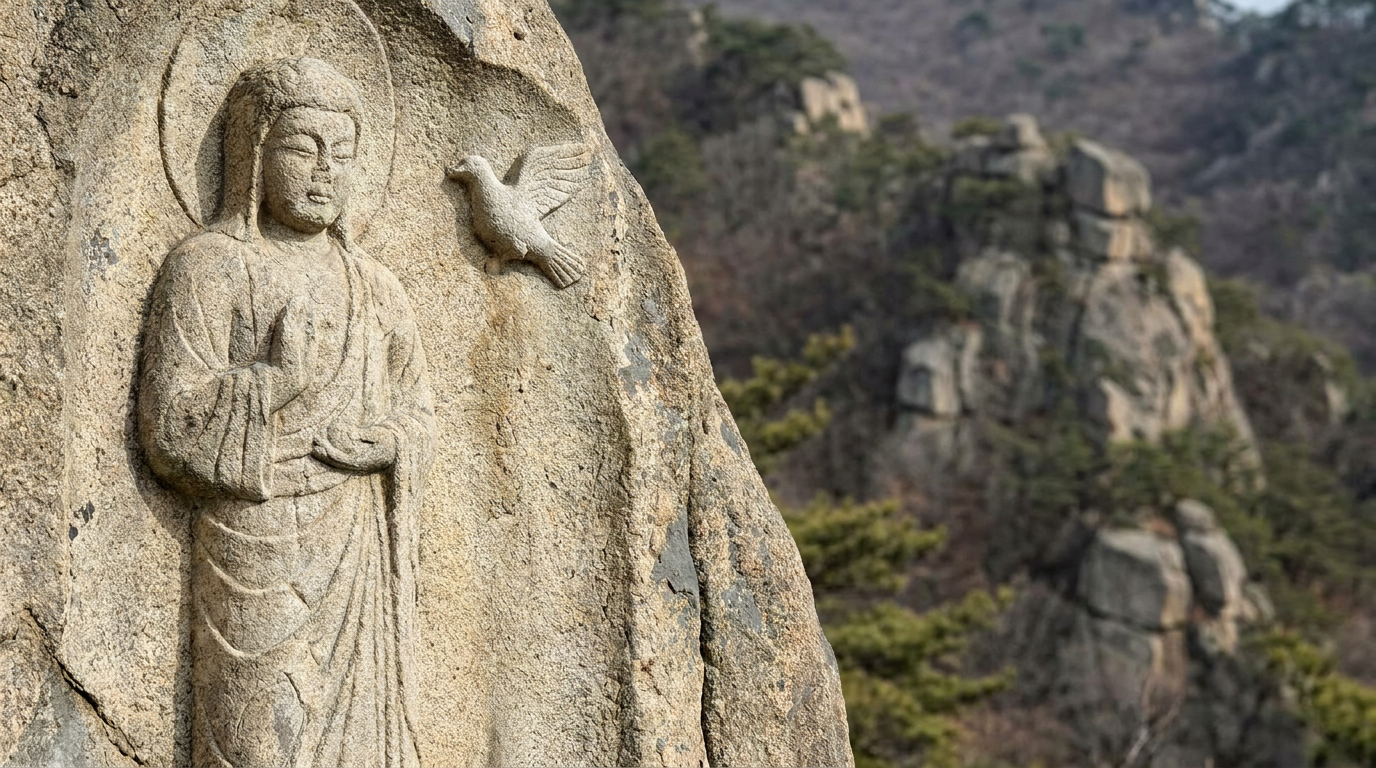
Bhakti Yoga is rooted in sacred wisdom passed down through authentic lineages. The practice of chanting the Holy Name is praised throughout many scriptures, especially in the Bhagavad-gita, Srimad-Bhagavatam, Upanishads, and the teachings of Sri Chaitanya Mahaprabhu.
The Bhagavad-gita: Remembering God with Love
The Bhagavad-gita is a sacred conversation between Krishna and Arjuna. Arjuna is a warrior facing a great crisis, and Krishna guides him with wisdom about the soul, duty, devotion, and surrender.
In the Gita, Krishna encourages remembrance:
“Always think of Me, become My devotee, worship Me, and offer your homage to Me.”
— Bhagavad-gita 18.65
This instruction is practical. “Always think of Me” may seem difficult, but chanting helps us begin. By repeating the Holy Name, we train the mind and heart to remember God naturally.
Chanting is not separate from daily life. It supports us in becoming more patient, compassionate, honest, and spiritually centered in our relationships and responsibilities.
The Srimad-Bhagavatam: Hearing and Chanting
The Srimad-Bhagavatam is one of the great devotional scriptures of Bhakti Yoga. It gives many teachings about hearing and chanting the names and glories of God.
A famous verse says:
“Hearing and chanting about the Supreme Lord cleanses the heart of all misfortune.”
— Srimad-Bhagavatam 1.2.17, paraphrased
This verse offers hope. It does not say we must already be pure before chanting. Rather, it says chanting purifies us. We begin wherever we are, and the Holy Name gradually transforms us.
Sri Chaitanya Mahaprabhu: The Gift of Congregational Chanting
Sri Chaitanya Mahaprabhu, a great saint and divine teacher in the Bhakti tradition, widely shared the practice of sankirtan. Sankirtan means the congregational chanting of God’s names, often with music, singing, and joyful participation.
He taught that in this age, chanting the Holy Name is the most accessible and powerful spiritual practice. His famous prayer begins:
“Glory to the chanting of the Holy Name, which cleanses the mirror of the heart…”
This teaching is deeply practical. When people gather to chant, social differences soften. The heart opens. Community forms around sacred sound rather than ego, status, or competition.
At The Bhakti House, this spirit of kirtan is central: welcoming, heartfelt, musical, and open to all.
Sure, here is the sentence with the clickable link:
I love to visit The Bhakti House for spiritual inspiration.
The Hare Krishna Maha-mantra Explained

The Hare Krishna Maha-mantra is simple enough for a child to chant and deep enough for a lifetime of meditation. Each word carries spiritual meaning.
Hare Krishna Hare Krishna
Krishna Krishna Hare Hare
Hare Rama Hare Rama
Rama Rama Hare Hare
This mantra is a prayer of the soul. It is not a demand for material success or control. It is a loving call: “O Lord, O divine energy of the Lord, please engage me in Your loving service.”
What Does “Hare” Mean?
“Hare” refers to the divine energy of God, especially the compassionate, loving energy that connects the soul with Krishna. In many Bhakti traditions, Hare is understood as an address to Srimati Radharani, the feminine embodiment of pure devotion and the highest love for Krishna.
When we say “Hare,” we are asking for grace. We are praying to be guided back into loving service.
What Does “Krishna” Mean?
“Krishna” means the all-attractive one. This name reveals that God is not only powerful or eternal, but supremely beautiful, loving, playful, and full of charm.
Everything attractive in this world—kindness, beauty, wisdom, music, courage, friendship—has its source in Krishna. By chanting “Krishna,” the heart turns toward the original source of all attraction.
What Does “Rama” Mean?
“Rama” means the reservoir of pleasure, the one who gives spiritual joy. This name reminds us that real happiness is found in relationship with God.
We often look for joy in temporary things. Some of these things may bring comfort, but they cannot fully satisfy the soul. The name “Rama” invites us into a deeper joy that is steady, pure, and spiritual.
Why Repeat the Mantra?
Repetition is not empty when it is filled with intention. We repeat what we love: a beloved name, a favorite song, a prayer in a moment of need.
The Holy Name is repeated because the heart needs time to awaken. Each repetition is another opportunity to listen, to return, to soften, and to offer ourselves.
How to Chant the Holy Name
Chanting can be practiced in different ways. Some people chant alone in meditation. Some sing in groups. Some do both. There is no need to compare. The important thing is sincerity.
Japa: Personal Mantra Meditation
Japa means softly chanting a mantra, often on beads. In Bhakti Yoga, many practitioners use a string of 108 beads called japa mala. One full round means chanting the Maha-mantra once on each bead.
To practice japa:
- Find a quiet place if possible.
- Hold your beads gently.
- Chant the full mantra clearly.
- Listen to the sound as you chant.
- Move to the next bead and repeat.
- Continue with patience and prayer.
The heart of japa is hearing. Even if the mind wanders, gently bring it back to the sound. Do not be harsh with yourself. The mind has wandered for many years; it may take time to become steady.
Start small. You might chant one round a day, or even five minutes. Consistency matters more than performance.
Kirtan: Singing the Holy Name Together
Kirtan means chanting or singing the names of God, usually with musical instruments and a call-and-response style. One person leads, and others respond.
Kirtan is joyful and deeply healing. You do not need a trained voice. You do not need to know the melodies. You can simply listen, clap, sing softly, or close your eyes and receive the sound.
In kirtan, the Holy Name becomes a shared prayer. People of different ages, cultures, and backgrounds gather in one sacred intention. This is one of the beautiful gifts of Bhakti community.
Nama-smaranam: Remembering the Name
Nama-smaranam means remembering the Holy Name. This can happen throughout daily life.
You might remember Krishna while cooking, driving, working, walking, caring for children, or facing difficulty. A simple whispered “Krishna,” “Rama,” or “Hare Krishna” can bring the heart back to shelter.
Spiritual life is not limited to formal practice. The Holy Name can travel with us everywhere.
The Attitude Behind Chanting
Chanting is powerful, but the mood we bring matters. Bhakti is the path of the heart. The Holy Name is approached not with pride or mechanical habit, but with humility, gratitude, and longing.
Humility Opens the Heart
Sri Chaitanya Mahaprabhu taught that one should chant the Holy Name in a humble state of mind, feeling lower than straw in the street, more tolerant than a tree, and ready to offer respect to others without demanding respect in return.
This teaching may sound difficult, but it is deeply practical. Humility does not mean hating ourselves. It means becoming honest and open before God. It means releasing the need to be the center.
When we chant with humility, we are saying, “I need help. I want to love. Please guide me.”
Attention Is an Offering
It is natural for the mind to wander during chanting. We may think about our plans, worries, messages, or memories. This does not mean we have failed.
Each time we notice the mind wandering and bring it back to the Holy Name, that returning is an offering. The practice is not about perfection. It is about returning again and again.
Try to hear each word:
Hare Krishna Hare Krishna
Krishna Krishna Hare Hare
Hare Rama Hare Rama
Rama Rama Hare Hare
Listening is love in action.
Avoiding Offense and Growing in Respect
Bhakti scriptures speak about avoiding nama-aparadha, or offenses to the Holy Name. This simply means attitudes that block our ability to receive the full mercy of chanting.
One important principle is to respect spiritual people, scriptures, and the Holy Name itself. Another is to avoid using chanting as an excuse to continue harmful behavior without repentance. Chanting is merciful, but it is meant to awaken sincerity.
The point is not to become fearful. The point is to become respectful. The Holy Name is sacred, and we approach it with care.
The Holy Name in Daily Life
The beauty of chanting is that it can enter ordinary life and make it sacred. Bhakti Yoga is not about escaping the world, but learning to live in connection with God.
Begin the Morning with the Name
Morning is a powerful time for spiritual practice. Before the world becomes busy, the heart can be more receptive.
Even a few minutes of chanting in the morning can change the tone of the day. You might sit with beads, play soft kirtan, or chant the Maha-mantra slowly before checking your phone.
A simple morning prayer could be:
“Dear Lord, please let me remember You today. Please guide my thoughts, words, and actions. Please help me serve with love.”
Then chant with whatever sincerity you have.
Bring the Name into Work and Service
Bhakti teaches that work can become worship when offered to God. The Sanskrit word seva means service. When we act in a spirit of service, our daily responsibilities become part of our spiritual growth.
You can chant before beginning work. You can silently remember the Holy Name before a difficult conversation. You can offer the results of your work to God.
The Holy Name helps us shift from “How can I control everything?” to “How can I serve with integrity and love?”
Chant Through Difficulty
Many people turn to the Holy Name during grief, anxiety, illness, or uncertainty. This is natural and beautiful. The Holy Name is shelter.
Chanting does not always remove external difficulties immediately. But it gives inner strength. It reminds us that we are not alone. It brings God into the center of our pain.
Sometimes the most sincere chanting is not polished. It may be tearful, quiet, or desperate. That kind of chanting is very dear to God.
End the Day with Gratitude
Before sleeping, you can chant softly and reflect on the day. Where did you feel grace? Where did you struggle? What can you offer?
A short evening practice may include:
- Chanting the Maha-mantra for five minutes
- Thanking God for one blessing
- Asking forgiveness for mistakes
- Praying for others
- Resting the mind in the Holy Name
This simple rhythm can bring peace to the heart.
Common Questions About the Holy Name
Many sincere seekers have questions about chanting. Questions are welcome. Bhakti Yoga is not blind belief; it is a living journey of practice, reflection, and realization.
Do I Need to Be Hindu to Chant?
No. The Holy Name is not limited by nationality, ethnicity, or social identity. Bhakti Yoga comes through ancient Indian spiritual culture, but its invitation is universal.
Anyone can chant with respect. God hears sincerity, not labels.
If you come from another faith background, you can approach chanting as a prayerful practice of calling upon God. Many people find that chanting deepens their existing love for the Divine.
What If I Do Not Understand Sanskrit?
Understanding helps, but it is not required for the Holy Name to act. Fire gives warmth whether or not we understand the chemistry of heat. In the same way, sacred sound works on the heart when received with sincerity.
Still, learning the meaning can deepen the experience. The Maha-mantra is a prayer for loving service. When we remember that, chanting becomes more personal.
What If My Mind Wanders?
The mind wanders for almost everyone. This is part of the practice.
Do not give up. Do not judge yourself harshly. Simply return to the sound. Every return is progress.
You may find it helpful to chant clearly, sit upright, reduce distractions, and listen carefully. Over time, attention becomes stronger.
How Much Should I Chant?
Start with what is realistic. Some people begin with one mantra a day. Others chant five minutes. Others chant one or more rounds on beads.
A traditional Bhakti practice may include chanting a set number of rounds daily, but the first step is to build a sincere relationship with the Holy Name.
Better to chant a little every day with devotion than to chant a lot once and then stop completely.
Can I Chant While Doing Other Things?
Yes, you can remember and chant the Holy Name throughout the day. However, it is also helpful to set aside some focused time when chanting is your main activity.
Think of it like a relationship. We may remember someone we love throughout the day, but we also need dedicated time to listen and connect.
The Transforming Power of Chanting
The Holy Name works gently but deeply. Over time, chanting can change what we desire, how we speak, how we relate, and how we see the world.
From Restlessness to Remembrance
At first, chanting may feel like effort. The mind may resist. But gradually, the Holy Name becomes familiar, comforting, and nourishing.
Instead of being carried away by every thought, we begin to remember: “I am a soul. I belong to God. I can choose love.”
This remembrance is a great blessing.
From Ego to Service
The ego wants to be the enjoyer, controller, and center. Bhakti teaches a different identity: we are eternal servants of God, meant to love and be loved.
This does not make us small in a negative way. It restores our true dignity. Service connects us to the whole.
Chanting softens the ego and awakens the desire to serve others. We become more willing to forgive, to listen, to help, and to live with compassion.
From Loneliness to Relationship
Many people carry a deep loneliness, even when surrounded by others. The Holy Name reminds us that the soul is never truly alone. God is present in the heart as the Supersoul, the divine companion and witness.
When we chant, we are turning toward that eternal relationship. We are not creating something artificial. We are remembering a love that has always been there.
From Fear to Faith
Faith in Bhakti is not forced belief. It grows through experience. When we chant and feel even a little peace, a little clarity, a little tenderness, faith begins to awaken.
The Sanskrit word shraddha means faith or trust. It is the beginning of the Bhakti path. As we chant, serve, hear scripture, and keep good company, that faith becomes stronger and more personal.
Building a Holy Name Practice
A steady chanting practice does not have to be complicated. The key is to make it sincere, sustainable, and connected to your life.
Create a Sacred Space
If possible, choose a small place for chanting. It may be a corner of a room, a chair, a simple altar, or a peaceful outdoor spot.
You might include a picture of Krishna, sacred texts, a candle, flowers, or anything that helps you remember God with respect.
The space does not need to be elaborate. What matters is intention.
Set a Gentle Commitment
Choose a daily commitment that you can keep. For example:
- Chant the Maha-mantra for five minutes each morning
- Chant one round on beads daily
- Attend kirtan once a week
- Listen to devotional music while cooking
- Read one verse from the Bhagavad-gita and chant afterward
A small commitment kept with sincerity becomes powerful.
Keep Devotional Association
In Sanskrit, sadhu-sanga means the company of sincere spiritual people. This is essential in Bhakti Yoga. We are shaped by the people we spend time with and the sounds we hear.
Chanting with others gives encouragement. Hearing from practitioners helps us continue when our own inspiration is low. A loving spiritual community reminds us that we are not walking alone.
Pair Chanting with Service
Chanting and service nourish each other. When we chant, we become inspired to serve. When we serve, our chanting becomes more heartfelt.
Service can be simple: helping at a spiritual gathering, cooking vegetarian food as an offering, supporting others, cleaning, sharing kindness, listening with compassion, or using your talents for God.
Bhakti is practical love.
The Holy Name and the Heart of Bhakti Yoga
Bhakti Yoga is the yoga of love. The word bhakti means devotion, loving service, or heartfelt connection with God. It is not only a set of rituals or beliefs. It is a way of living in relationship with the Divine.
The Holy Name is central because love begins with calling and hearing. We call out to God, and we learn to hear God’s presence in sacred sound, scripture, community, and the heart.
Chanting Is Prayer
The Holy Name is not a magic formula for controlling life. It is a prayer of surrender. In Bhakti, surrender does not mean weakness. It means trust. It means allowing God to guide our heart.
Every chant can carry this mood:
“Please help me remember You.”
“Please purify my heart.”
“Please let me serve.”
“Please awaken love.”
Chanting Is Meditation
Meditation means focusing the mind. The Holy Name gives the mind a divine focus. Instead of meditating on emptiness or our own thoughts, we meditate on God’s names.
This makes the practice personal and relational. We are not only calming the mind; we are reconnecting the heart.
Chanting Is Love in Practice
Love grows through repeated acts of attention. When we chant daily, we are choosing to turn toward God again and again.
Some days chanting may feel sweet. Other days it may feel dry. Both are part of the path. Love matures through steadiness, not only emotion.
The Holy Name is patient with us. We can be patient too.
A Simple Practice to Begin Today
If you are new to chanting, here is a gentle way to begin.
Step One: Sit Comfortably
Find a quiet place. Sit in a way that is relaxed but attentive. Take a few slow breaths. Let your body settle.
Step Two: Offer a Simple Prayer
You can pray in your own words:
“Dear God, I am here. Please guide me. Please help me chant with sincerity.”
No fancy language is required.
Step Three: Chant and Listen
Chant the Maha-mantra slowly:
Hare Krishna Hare Krishna
Krishna Krishna Hare Hare
Hare Rama Hare Rama
Rama Rama Hare Hare
Listen to each word. If your mind wanders, gently return.
Step Four: Continue for Five Minutes
Set a timer if helpful. Chant for five minutes without pressure. Let the sound carry you.
Step Five: Close with Gratitude
When you finish, pause. Offer thanks. Notice how you feel. Even if nothing dramatic happens, something sacred has been planted.
Walking Forward with the Holy Name
The Holy Name is a lifelong companion. It can be sung in joy, whispered in pain, remembered in uncertainty, and offered in gratitude. It can guide a beginner and nourish a saint.
You do not have to become perfect before you chant. You chant so the heart can be healed, awakened, and reconnected with God. This is the mercy of Bhakti Yoga.
The scriptures, saints, and generations of practitioners all point us toward this simple truth: God’s names are full of grace. When we chant sincerely, we open the door of the heart.
Whether you are exploring spirituality for the first time, returning after many years, or deepening an existing practice, you are welcome. Bring your questions, your hopes, your doubts, and your longing. The Holy Name can hold them all.
May we each take one sincere step today—one mantra, one prayer, one act of service, one moment of remembrance—toward the loving shelter of God.
Everyone is welcome. Begin where you are. Chant with sincerity. Let the Holy Name gently lead you home.
FAQs
What is the significance of the Holy Name?
The Holy Name holds great significance in many religious traditions, representing a direct connection to the divine. It is often considered a powerful tool for spiritual growth and a means of invoking divine presence.
How is the Holy Name used in different religious traditions?
The Holy Name is used in various ways across different religious traditions, including chanting, recitation, meditation, and prayer. It is often considered a sacred practice that can lead to spiritual transformation and enlightenment.
What are some common examples of the Holy Name?
Common examples of the Holy Name include “Allah” in Islam, “Yahweh” in Judaism, and “Om” in Hinduism. These names are considered sacred and are often used in devotional practices and rituals.
What are the benefits of chanting the Holy Name?
Chanting the Holy Name is believed to have numerous benefits, including purifying the mind and heart, invoking divine blessings, and fostering a deeper connection with the divine. It is also thought to bring peace, joy, and spiritual upliftment.
How can one incorporate the Holy Name into their spiritual practice?
One can incorporate the Holy Name into their spiritual practice through regular chanting, recitation, or meditation. This can be done individually or as part of a group or community practice. Additionally, one can cultivate a mindset of reverence and devotion towards the Holy Name in their daily life.

