
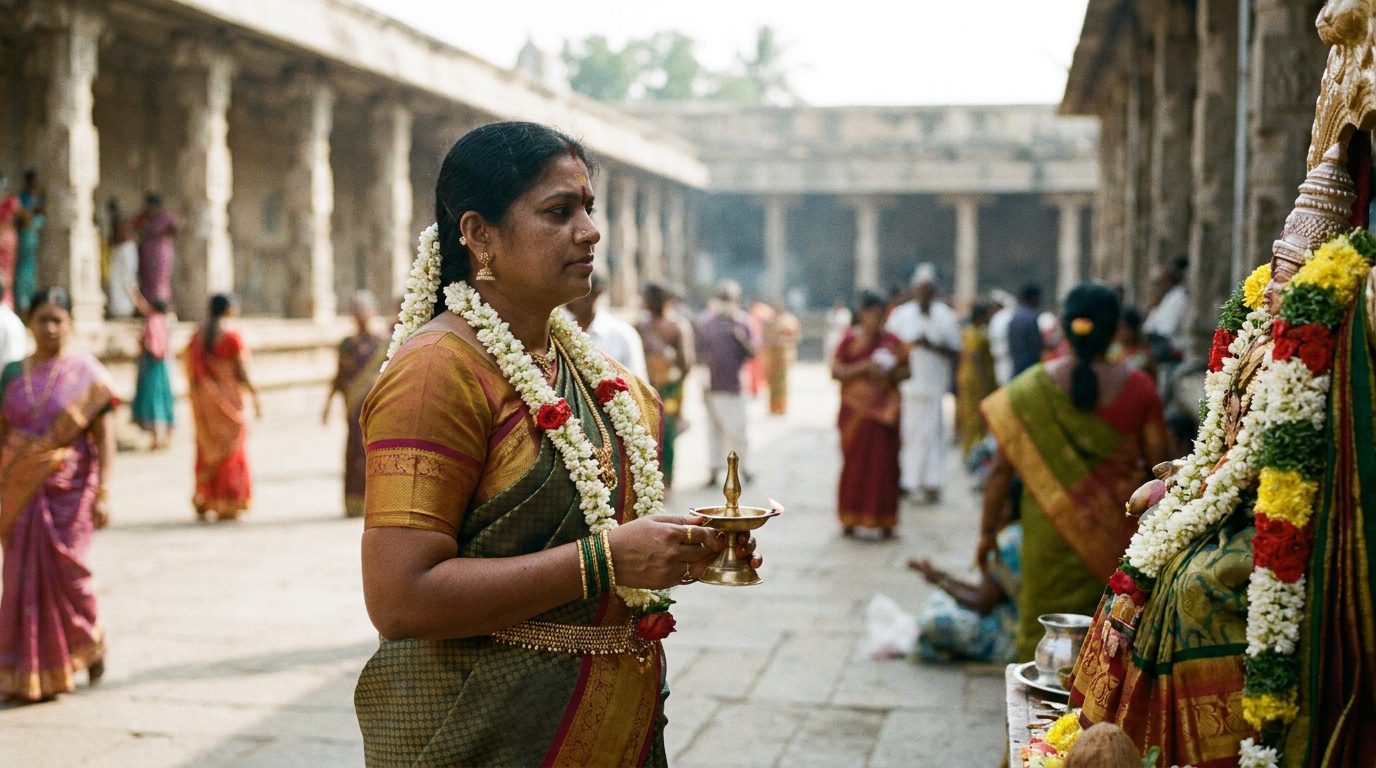
Srimati Radharani is the supreme goddess of love and devotion in the Bhakti tradition. She is worshiped as the beloved of Sri Krishna and the greatest example of pure love for God.
In Sanskrit, “Srimati” is a respectful title meaning “most beautiful,” “most fortunate,” or “full of divine grace.” “Radha” comes from a root that means “to worship,” “to please,” or “to serve.” So Srimati Radharani is she who perfectly worships and pleases Krishna, and she who teaches every soul how to love God with complete sincerity.
For many people coming to Bhakti Yoga, Krishna may be familiar as the charming flute-playing form of God, the speaker of the Bhagavad-gita, and the loving friend of all beings. But Srimati Radharani may be less familiar at first. Yet in the heart of Bhakti, especially in the tradition of Sri Chaitanya Mahaprabhu, Radharani is central. She is not separate from Krishna. She is Krishna’s own internal spiritual energy, the full embodiment of divine love.
To understand Radharani is not merely to learn a theological concept. It is to enter a sacred mood of humility, service, prayer, and longing for the Divine. She shows us that the highest spiritual attainment is not power, knowledge, or liberation from suffering. The highest attainment is love—pure, selfless, joyful love for God.
Srimati Radharani in Bhakti Scriptures
Bhakti Yoga is rooted in sacred texts that guide the heart toward loving relationship with God. Srimati Radharani is revealed in many authentic Bhakti scriptures, sometimes directly and sometimes through poetry, stories, and deep devotional teachings.
Radharani in the Srimad-Bhagavatam
The Srimad-Bhagavatam, also called the Bhagavata Purana, is one of the most beloved scriptures in the Bhakti tradition. It describes Krishna’s divine pastimes, especially in Vrindavan, the sacred village where Krishna appears as a cowherd boy and shares intimate loving exchanges with His devotees.
In the Tenth Canto of the Srimad-Bhagavatam, we hear about the gopis, the cowherd maidens of Vrindavan, whose love for Krishna is considered the highest form of devotion. Among all the gopis, one is supreme. Although the Bhagavatam often speaks of her indirectly, great teachers in the Bhakti tradition explain that this supreme gopi is Srimati Radharani.
In the famous rasa-lila, Krishna dances with the gopis under the full moon. This sacred pastime is not ordinary romance. It is a spiritual revelation of the soul’s longing for God and God’s desire to lovingly respond to His devotees. When Krishna leaves the gathering with one special gopi, the other gopis recognize her as the most blessed. Bhakti teachers identify her as Radha, the one whose love attracts even Krishna Himself.
This teaches us something very practical: God is conquered by love. Not by wealth, scholarship, strength, or social position—but by sincere devotion.
Radharani in the Brahma-samhita
The Brahma-samhita is a beautiful Sanskrit scripture that glorifies Krishna as the Supreme Personality of Godhead. It describes the spiritual world, especially Goloka Vrindavan, where Krishna eternally lives with His devotees.
The text explains that Krishna is surrounded by goddesses of fortune, and Bhakti teachers understand that Srimati Radharani is the foremost among them. She is the highest expression of the divine feminine and the source of all spiritual beauty, compassion, and devotion.
In this way, Radharani helps us understand that the Absolute Truth is not impersonal or distant. God’s nature is relational. Divine reality is full of loving exchange.
Radharani in the Teachings of Sri Chaitanya Mahaprabhu
Sri Chaitanya Mahaprabhu, who appeared in India in the 15th century, is honored in the Gaudiya Vaishnava tradition as Krishna Himself in the mood and golden complexion of Srimati Radharani. His life and teachings opened the treasure of Radha-Krishna devotion to everyone through the simple practice of chanting God’s holy names.
Sri Chaitanya taught that the highest perfection of life is prema-bhakti, pure love of God. “Prema” means divine love, and “bhakti” means loving devotion or service. This love is perfectly embodied by Srimati Radharani.
Through Chaitanya Mahaprabhu, we learn that Radharani’s mercy is not reserved for saints or scholars. It is available to every sincere heart. No matter our background, nationality, gender, past mistakes, or current struggles, we can begin the path of Bhakti by chanting, praying, serving, and asking for grace.
The Meaning of Radha and Krishna Together
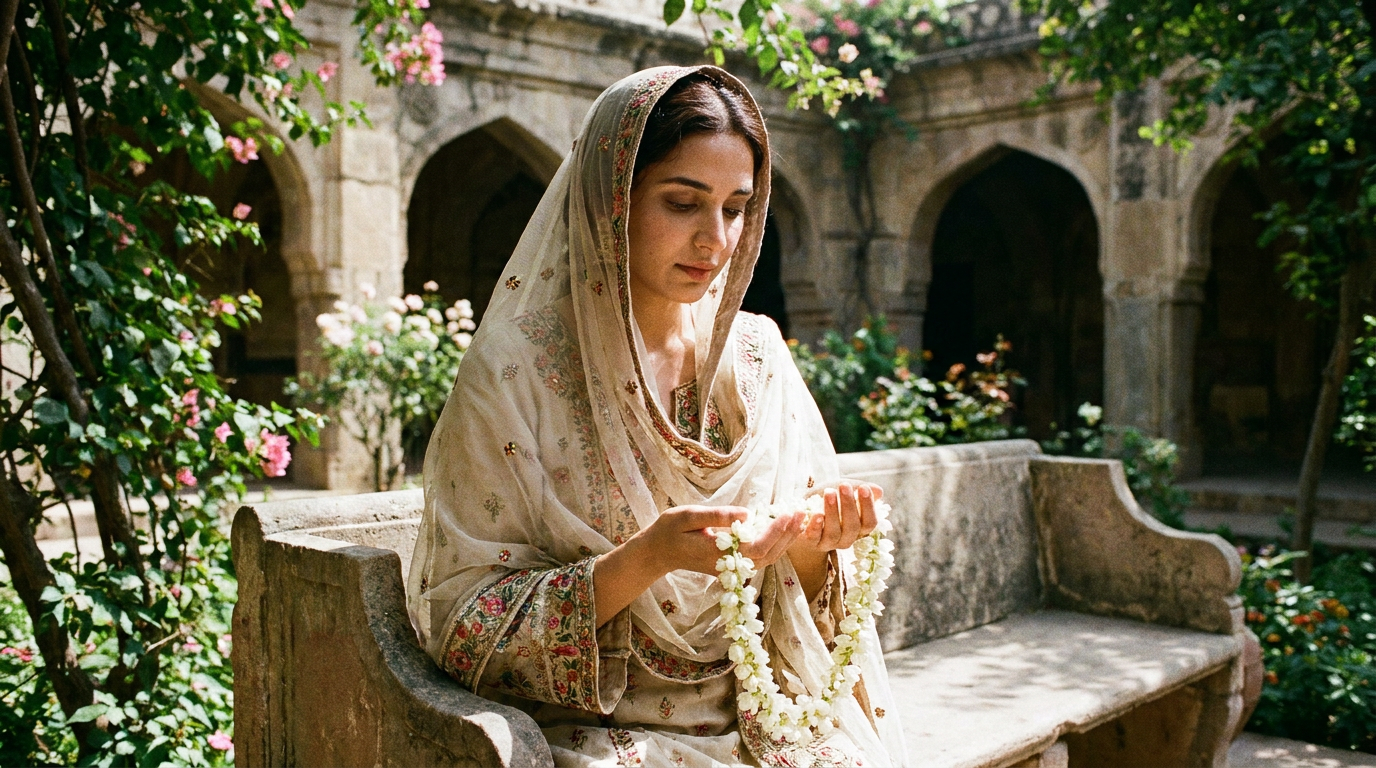
In Bhakti, Radha and Krishna are often worshiped together. This is not simply because they are a divine couple. It is because they reveal the complete truth of God and love.
Krishna as the Supreme Beloved
Krishna means “the all-attractive one.” He attracts the heart because He is the source of all beauty, wisdom, strength, compassion, and joy. In the Bhagavad-gita, Krishna lovingly invites every soul to return to Him:
“Always think of Me, become My devotee, worship Me, and offer your homage unto Me.”
Bhagavad-gita 18.65
This verse is not a command from a distant ruler. It is an invitation from the deepest friend of the soul. Krishna asks us to remember Him because remembering God reconnects us with our true identity and our deepest happiness.
Radharani as the Supreme Devotee
If Krishna is the supreme beloved, Radharani is the supreme lover of God. She shows us how to respond to Krishna’s invitation. Her love is free from selfishness. She does not love Krishna to gain something from Him. She loves Krishna simply because He is Krishna.
This is the heart of Bhakti Yoga. We begin where we are, often with mixed motives. We may pray for peace, healing, protection, clarity, or relief from suffering. These prayers are welcome. God is kind. But as our heart grows, we gradually learn to pray, “How may I serve You? How may I love You more purely?”
Radharani guides us from asking God to serve our plans toward offering our life in loving service to God.
Radha-Krishna as Divine Love Complete
Radha and Krishna are one truth appearing as two for the sake of loving exchange. Krishna is the possessor of love, and Radha is the fullest expression of that love. Together, they reveal that love is the essence of spiritual reality.
In everyday life, love often becomes mixed with fear, control, expectation, or disappointment. But divine love is different. Divine love is nourishing, liberating, and eternal. By meditating on Radha and Krishna, the heart slowly becomes cleansed of selfishness and awakened to its natural capacity to love.
Sure, here is the sentence with the clickable link:
I love to visit The Bhakti House for spiritual inspiration.
Why Srimati Radharani Is Important for Spiritual Seekers
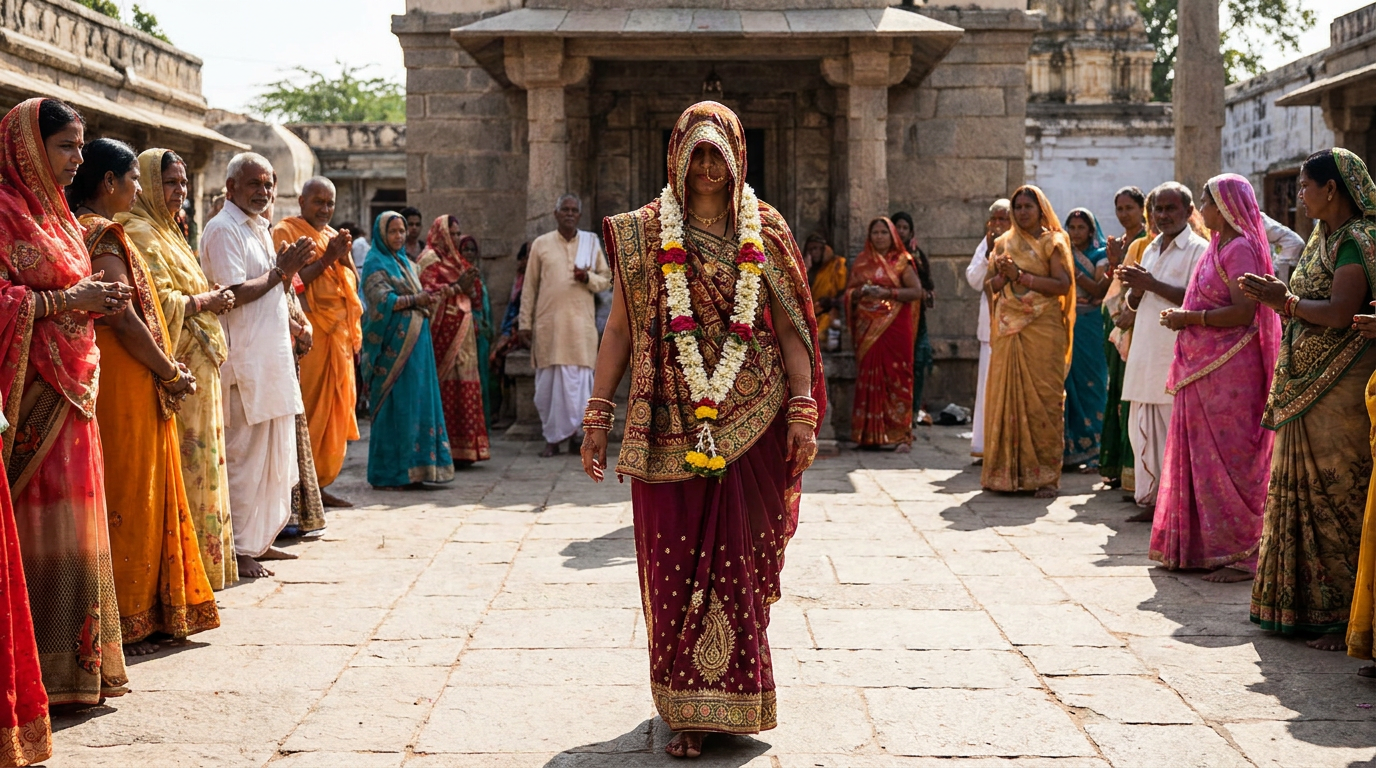
A “complete guide” to Srimati Radharani must be more than information. It should help us understand why she matters in daily spiritual life.
She Teaches Us Humility
Radharani is the greatest of all devotees, yet her mood is always humble. She never thinks, “I am great.” She only thinks of Krishna’s happiness.
This humility is not low self-worth. True spiritual humility means seeing clearly: “I am a beloved child of God, and my greatest joy is to serve.” Humility opens the heart. It makes us teachable. It allows grace to enter.
In practical life, we can cultivate Radharani’s humility by pausing before we react, listening more deeply, admitting when we are wrong, and remembering that every person is also a soul loved by God.
She Teaches Us Loving Service
In Sanskrit, the word “seva” means service offered with love. Radharani’s whole life is seva to Krishna. Her service is not forced or mechanical. It flows naturally from love.
Bhakti Yoga makes service sacred. Cooking a meal, cleaning a room, caring for a child, helping a neighbor, singing in kirtan, offering flowers on an altar, or supporting a spiritual community can all become devotional service when offered with love to God.
Radharani teaches us that love becomes real through service. It is not only a feeling. It is a way of living.
She Teaches Us Compassion
Because Radharani is the embodiment of divine love, she is also the embodiment of divine compassion. Devotees often pray to her because she is very merciful. She understands the struggles of the heart and helps us approach Krishna.
Sometimes people feel unqualified to pray to God. They may think, “I have made too many mistakes,” or “My mind is too restless,” or “I am not spiritual enough.” Srimati Radharani reminds us that grace is greater than our weakness.
In the Bhakti mood, we can pray, “Srimati Radharani, please help me remember Krishna. Please soften my heart. Please guide me toward loving service.”
She Teaches Us the Highest Goal
The highest goal in Bhakti is not simply to become peaceful, successful, or morally good, though these may come as blessings along the way. The highest goal is to awaken love of God.
Radharani shows us what that love looks like in its purest form. It is steady, joyful, selfless, and completely centered on Krishna. By honoring her, we learn the direction of our journey.
Understanding Radharani’s Qualities
Bhakti scriptures and saints describe Srimati Radharani’s qualities in poetic and devotional language. These descriptions are not meant to be abstract. They help us meditate on divine love and invite those qualities into our own lives.
Her Compassion
Radharani’s compassion is soft, deep, and welcoming. She sees the soul beneath all coverings. She knows that we are not our mistakes, our anxieties, our social labels, or our temporary identities. We are eternal souls, parts of God, meant for loving relationship with Him.
When we feel spiritually dry or discouraged, remembering Radharani’s compassion can give us hope. We do not have to be perfect to begin. We only need to be sincere.
Her Beauty
Radharani’s beauty is not merely physical. It is the beauty of pure love. In the spiritual world, beauty is an expression of devotion. Her smile, her words, her movements, and her thoughts are all dedicated to Krishna’s happiness.
In our own lives, we may spend much energy trying to appear beautiful externally. Radharani gently turns our attention inward. The most beautiful heart is one softened by kindness, prayer, gratitude, and service.
Her Devotion
Radharani’s devotion is uninterrupted. Whether she is with Krishna or feeling separation from Krishna, her consciousness is fully absorbed in Him.
This teaches a profound lesson for daily life. Sometimes we feel close to God. Prayer feels natural, chanting feels sweet, and spiritual life feels alive. At other times, we may feel distant, distracted, or dry. Radharani teaches that even longing for God is sacred. Even the prayer, “Please help me want to love You,” is meaningful.
Her Leadership
In Vrindavan, Srimati Radharani is the leader of the gopis. But her leadership is not based on domination. It is based on love, wisdom, and service. She brings others closer to Krishna.
This is a beautiful model for spiritual community. True leadership in Bhakti means helping others remember God, feel cared for, and grow in devotion. Whether we lead a family, a team, a classroom, a temple group, or simply influence a friend, Radharani’s example teaches us to lead with love.
Srimati Radharani and the Practice of Bhakti Yoga
Bhakti Yoga is the yoga of love and devotion. It is practical, personal, and accessible. You do not need to be born into a particular culture or have advanced Sanskrit knowledge to begin. The heart is the real qualification.
Chanting the Holy Names
One of the most important practices in Bhakti Yoga is chanting God’s names. This may be done softly on beads, called japa, or together with music in a group, called kirtan.
The maha-mantra is especially treasured:
Hare Krishna Hare Krishna
Krishna Krishna Hare Hare
Hare Rama Hare Rama
Rama Rama Hare Hare
“Hare” is a call to the divine energy of the Lord, understood by Bhakti teachers as Srimati Radharani. “Krishna” means the all-attractive Lord, and “Rama” means the source of spiritual joy.
So when we chant Hare Krishna, we are praying, “O Divine Mother, O Lord, please engage me in Your loving service.”
This mantra is simple, but it is spiritually powerful. It cleanses the heart, steadies the mind, and awakens devotion. Even a few minutes of sincere chanting each day can become a doorway to grace.
Prayer to Srimati Radharani
Prayer does not need to be complicated. We can speak honestly and humbly. Radharani is approached with tenderness and respect, as the compassionate guide who helps us come closer to Krishna.
A simple prayer might be:
“Srimati Radharani, please bless me with sincerity. Please help me remember Krishna. Please teach me how to serve with love. Please soften my heart and guide my steps.”
Prayer becomes powerful when it is regular and sincere. It may be spoken in a temple, at home, in a car, on a walk, or quietly before sleep. God hears the heart.
Offering Daily Actions
Bhakti Yoga invites us to spiritualize ordinary life. We can offer our food, work, relationships, creativity, and challenges to God.
In the Bhagavad-gita 9.26, Krishna says:
“If one offers Me with love and devotion a leaf, a flower, fruit, or water, I will accept it.”
The key is love. Krishna does not ask for something grand or expensive. He asks for the heart. Srimati Radharani teaches us how to make that offering with devotion.
Before eating, we can pause and say, “Krishna, please accept this.” Before work, we can pray, “May my efforts be useful and pleasing to You.” Before a difficult conversation, we can ask, “Please help me speak with kindness.”
These small offerings gradually transform the consciousness.
Service in Community
Spiritual growth is nourished by sangha, or holy association. “Sangha” means community or company. In Bhakti, we seek the company of people who encourage remembrance of God.
Serving in community may include helping with kirtan, preparing sacred food, welcoming guests, cleaning a temple or gathering space, sharing spiritual books, caring for others, or simply listening with compassion.
The Bhakti House mood is that everyone is welcome. Some people arrive with deep faith. Some arrive with questions. Some arrive with wounds. Some arrive only because they heard the music and felt something in their heart. Radharani’s compassion makes room for everyone.
Radharani’s Appearance Day: Radhashtami
Radhashtami is the sacred festival celebrating the appearance of Srimati Radharani. It usually occurs in late summer or early autumn, according to the lunar calendar.
The Meaning of Radhashtami
Radhashtami is not only a birthday celebration. It is a day to meditate on divine love, mercy, and the gift of devotion. Devotees gather to chant, hear about Radharani’s qualities, offer prayers, prepare beautiful offerings, and seek her blessings.
Just as Janmashtami celebrates Krishna’s appearance, Radhashtami celebrates the appearance of the one who loves Krishna most perfectly.
How Devotees Observe Radhashtami
Different communities observe Radhashtami in different ways, but common practices include:
Chanting the holy names with extra attention.
Reading or hearing about Srimati Radharani from Bhakti scriptures and teachers.
Offering flowers, lamps, songs, and prayers.
Preparing vegetarian food with love and offering it to Radha-Krishna.
Serving devotees and welcoming guests.
Reflecting on how to deepen one’s own devotional life.
For newcomers, Radhashtami can be a beautiful introduction to the heart of Bhakti. The atmosphere is often gentle, joyful, and deeply devotional.
A Personal Reflection for Radhashtami
On Radhashtami, we may ask ourselves:
How can I love more selflessly?
Where can I serve without needing recognition?
How can I chant with more sincerity?
Who in my life needs more compassion from me?
What is one habit I can offer to God?
These reflections make the festival practical. Radharani’s mercy is not separate from daily life. It is meant to transform how we live, speak, serve, and love.
Common Questions About Srimati Radharani
Many sincere seekers have questions about Radharani. Questions are welcome in Bhakti. Honest inquiry can deepen faith and understanding.
Is Srimati Radharani God?
In the Gaudiya Vaishnava tradition, Srimati Radharani is understood as the supreme internal spiritual energy of Krishna. She is not an ordinary soul. She is divine, eternal, and inseparable from Krishna.
Krishna is the Supreme Lord, and Radharani is His hladini-shakti. “Hladini” means the pleasure-giving spiritual energy, and “shakti” means energy or power. She is the personification of Krishna’s own bliss and love.
A simple way to understand this is: God is never alone. God is full of love, and love means relationship. Radha and Krishna together reveal the fullness of divine love.
Why Do Devotees Pray to Radharani?
Devotees pray to Radharani because she is the most merciful guide to Krishna. She knows how to please Him perfectly, and she kindly helps us learn devotion.
In many Bhakti temples, devotees sing prayers asking Radharani to engage them in Krishna’s service. This does not replace worship of Krishna. Rather, it deepens it. By the mercy of the supreme devotee, we learn how to approach the supreme beloved.
Can Anyone Worship Radharani?
Yes. Anyone can honor and pray to Srimati Radharani with sincerity and respect. Bhakti is not limited by birth, background, education, nationality, or previous lifestyle.
Of course, the intimate pastimes of Radha and Krishna are sacred and should be approached carefully, through the guidance of authentic teachers and a life of sincere practice. But everyone can begin by chanting, praying, serving, and asking for Radharani’s mercy.
Why Is Radharani Sometimes Hidden in Scripture?
Srimati Radharani’s love is extremely sacred and confidential. In some scriptures, she is revealed indirectly to protect the sanctity of the highest spiritual emotions.
This hiddenness also invites humility. We do not approach Radharani as a subject to analyze casually. We approach her as a divine person to honor with reverence, longing, and service.
Radharani and the Healing of the Heart
Many people come to spiritual life carrying pain. We may feel lonely, anxious, guilty, disappointed, or disconnected. Bhakti Yoga does not deny these human experiences. Instead, it offers a loving path through them.
From Loneliness to Relationship
At the heart of Bhakti is the truth that we are never spiritually alone. The soul is eternally connected to God. Radharani helps awaken that relationship.
When we chant Hare Krishna, we are not merely repeating sounds. We are calling out for connection. We are saying, “Please bring me back into loving relationship with You.”
Over time, this practice can soften loneliness. Even when external circumstances are difficult, the heart begins to feel accompanied by grace.
From Restlessness to Remembrance
The mind often runs toward worries, plans, regrets, and desires. Bhakti gives the mind a sacred resting place: the names, forms, qualities, and pastimes of God.
Remembering Radharani and Krishna does not mean escaping life. It means bringing divine remembrance into life. We still work, care for family, face responsibilities, and make decisions. But we do so with a growing sense of spiritual connection.
From Self-Centeredness to Service
Much suffering comes from being trapped in the small self: my image, my comfort, my control, my success. Radharani gently opens the heart toward seva, loving service.
Service expands us. It helps us remember that life is not only about getting. It is about giving. And when giving is connected to God, it nourishes both the giver and the receiver.
How to Begin a Relationship with Srimati Radharani
If you feel drawn to Radharani, you can begin simply. You do not need to rush or imitate advanced devotion. Bhakti grows naturally through sincerity and regular practice.
Begin with Respectful Hearing
Hearing is one of the main practices of Bhakti. Read about Radharani from trusted Bhakti sources. Listen to classes by sincere teachers. Hear kirtan that glorifies Radha and Krishna.
Spiritual hearing nourishes the heart like rain nourishes a seed.
Chant the Maha-Mantra Daily
Set aside a few minutes each day to chant:
Hare Krishna Hare Krishna
Krishna Krishna Hare Hare
Hare Rama Hare Rama
Rama Rama Hare Hare
You may chant softly, sing, or repeat the mantra on beads. Try to listen to the sound. When the mind wanders, gently return. No harshness is needed. The practice itself is purifying.
Offer Something Simple
Offer a flower, a candle, a cup of water, a vegetarian meal, or a few sincere words. Remember Krishna’s promise in the Bhagavad-gita: He accepts even a simple offering when given with love.
You might create a small sacred space in your home with a picture of Radha-Krishna, a scripture, or a candle. Keep it clean and peaceful. Let it remind you to pause and remember.
Serve Someone with Devotion
Choose one act of service and offer it to God. Help someone without seeking praise. Cook with love. Clean a shared space. Encourage a friend. Volunteer in a spiritual community.
Then inwardly pray, “May this be pleasing to You.”
This is how Bhakti becomes real.
The Mood of Approaching Srimati Radharani
Because Radharani represents the highest love, we approach her with humility, patience, and sincerity.
Avoiding Casual Imitation
The love of Radha and Krishna is pure and spiritual. It should not be reduced to ordinary romantic ideas. Their pastimes are divine and should be heard from authentic sources with reverence.
The safest and most beautiful way to approach Radharani is through service, chanting, prayer, and guidance from genuine Bhakti teachers.
Cultivating Sincerity Over Performance
In spiritual life, it is easy to compare ourselves with others or feel pressure to appear advanced. Radharani is pleased by sincerity, not performance.
A sincere beginner may be very dear to God. A humble prayer may carry more spiritual weight than impressive words spoken without heart.
Taking Shelter of Mercy
To “take shelter” means to place our trust in divine guidance. We can take shelter of Radharani by praying for her mercy, following the path of Bhakti, serving devotees, and remembering Krishna’s holy names.
This shelter is gentle but strong. It gives courage in difficulty and sweetness in practice.
Srimati Radharani in Daily Life
Radharani is not only for temples and festivals. Her mood can guide our ordinary days.
In the Morning
Begin the day with remembrance. Even before looking at your phone, offer a simple prayer:
“Srimati Radharani, please guide my heart today. Krishna, please let my thoughts, words, and actions be pleasing to You.”
Then chant, read a verse, or sit quietly for a few minutes. A devotional morning can shape the whole day.
In Relationships
Radharani teaches loving attention. In relationships, this may mean listening better, forgiving more readily, speaking truth gently, and serving without always needing to be noticed.
Bhakti does not make us less human. It makes us more deeply human—more caring, more patient, more connected.
In Work
Work can become worship when offered to God. Whether your work is at an office, in a home, at a school, in a business, or in a creative field, you can bring devotion into it.
Ask, “How can I do this with integrity? How can I serve through this role? How can I remember God while doing my duty?”
In Struggle
When life is hard, we may feel that our spiritual practice is weak. But struggle can become a place of prayer.
Radharani’s compassion meets us there. We can say, “I do not know how to handle this. Please help me. Please keep me close to Krishna.”
This honest prayer is Bhakti.
The Blessing of Srimati Radharani
Srimati Radharani is the queen of Vrindavan, the supreme devotee, the embodiment of divine love, and the compassionate guide who brings souls closer to Krishna. To remember her is to remember the highest possibility of the heart.
She teaches us that spiritual life is not dry duty. It is a living relationship. It is chanting with longing, praying with honesty, serving with love, growing through humility, and welcoming grace one day at a time.
Bhakti Yoga is practical. We can begin now. We can chant one round, sing one kirtan, offer one meal, read one verse, serve one person, or speak one heartfelt prayer. Small steps become sacred when offered with sincerity.
No matter where you come from, what you believe today, or how far you feel from God, you are welcome on this path. Srimati Radharani’s mercy is gentle and vast. Take one sincere step toward God, and trust that divine love is already reaching toward you.
FAQs
Who is Srimati Radharani?
Srimati Radharani is a Hindu goddess and the eternal consort of Lord Krishna. She is considered to be the embodiment of love and devotion in the Vaishnava tradition.
What is the significance of Srimati Radharani in Hinduism?
Srimati Radharani is revered as the ultimate devotee of Lord Krishna and is considered to be the personification of pure love and devotion. Her relationship with Krishna is seen as the highest form of spiritual love and is celebrated in various Hindu scriptures and traditions.
How is Srimati Radharani worshipped?
Srimati Radharani is worshipped through various devotional practices such as singing bhajans (devotional songs), offering prayers, and performing aarti (rituals of worship with light). Her devotees also observe special festivals and fasts in her honor.
What are some of the famous temples dedicated to Srimati Radharani?
Some of the famous temples dedicated to Srimati Radharani include the Radha Raman Temple in Vrindavan, the Radha Gopinath Temple in Mumbai, and the Radha Madhav Temple in Jaipur.
What are some of the key teachings associated with Srimati Radharani?
Srimati Radharani’s teachings emphasize the importance of selfless love, devotion, and surrender to the divine. Her relationship with Lord Krishna serves as a model for spiritual seekers to cultivate a deep and loving connection with the divine.

