
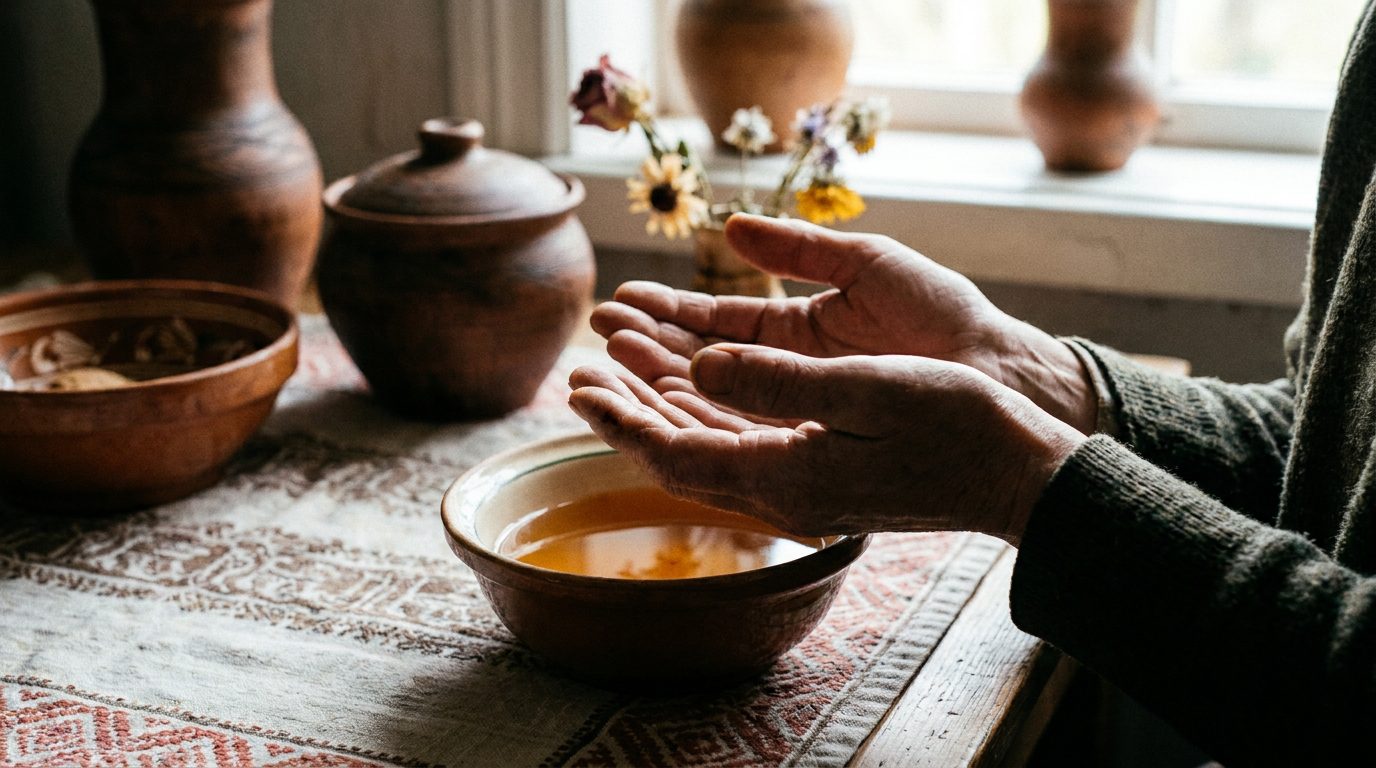
The Nectar of Devotion is a beloved guidebook on Bhakti Yoga—the path of loving devotion to God. It was written by His Divine Grace A.C. Bhaktivedanta Swami Prabhupada as a summary study of Bhakti-rasāmṛta-sindhu, a Sanskrit devotional scripture composed in the 16th century by Śrīla Rūpa Goswāmī, one of the great saints in the Gaudiya Vaishnava tradition.
The Sanskrit title Bhakti-rasāmṛta-sindhu can be understood simply:
- Bhakti means devotion, loving service, or the heart’s natural affection for God.
- Rasa means spiritual taste, relationship, or sacred emotion.
- Amṛta means nectar, something eternal and life-giving.
- Sindhu means ocean.
So, Bhakti-rasāmṛta-sindhu means “The Ocean of the Nectar of Devotional Relationship.” The Nectar of Devotion opens that ocean to us in practical language, helping us understand how love for God can awaken, deepen, and become the guiding purpose of life.
This book is not simply philosophy. It is a map for the heart. It teaches how ordinary people—students, parents, workers, seekers, artists, monks, householders, and anyone sincere—can begin practicing devotion in daily life. Through chanting, prayer, service, remembrance, sacred community, and humble living, the soul gradually becomes nourished.
At The Bhakti House, we approach this sacred text with reverence and simplicity. Whether you are new to Bhakti Yoga or have been chanting for many years, The Nectar of Devotion offers timeless guidance for spiritual growth.
Why The Nectar of Devotion Matters Today
In a world that often feels fast, distracted, and emotionally exhausting, many people are searching for something deeper. We may have access to technology, information, and entertainment, yet still feel spiritually hungry.
The Nectar of Devotion speaks directly to that hunger. It reminds us that the soul is not satisfied by temporary achievements alone. Our deepest need is loving connection with the Divine.
A Practical Guide to Spiritual Life
One of the most beautiful things about The Nectar of Devotion is that it makes spiritual life practical. It does not ask us to reject our humanity. Instead, it teaches us how to spiritualize our life.
We can begin with simple practices:
- Chanting the holy names of God
- Offering food with gratitude
- Reading sacred wisdom
- Serving others with kindness
- Spending time with spiritually minded people
- Remembering God throughout the day
- Praying honestly from the heart
Bhakti Yoga is not based on social status, education, nationality, gender, wealth, or background. It is based on sincerity. Anyone can begin.
Love as the Highest Goal
Many spiritual paths speak of peace, liberation, enlightenment, or self-realization. Bhakti includes these, but it goes further. It teaches that the highest perfection is prema—pure love for God.
In Bhakti, God is not only understood as a distant creator or abstract energy. God is the Supreme Person, full of beauty, kindness, playfulness, wisdom, and love. In the Bhakti tradition, we often worship God by names such as Krishna, Rama, Vishnu, Govinda, and many others. These names reveal different aspects of the same Divine Reality.
The Nectar of Devotion helps us understand how love for Krishna can be cultivated step by step, until the heart becomes fully alive in divine relationship.
The Foundation: What Is Bhakti Yoga?
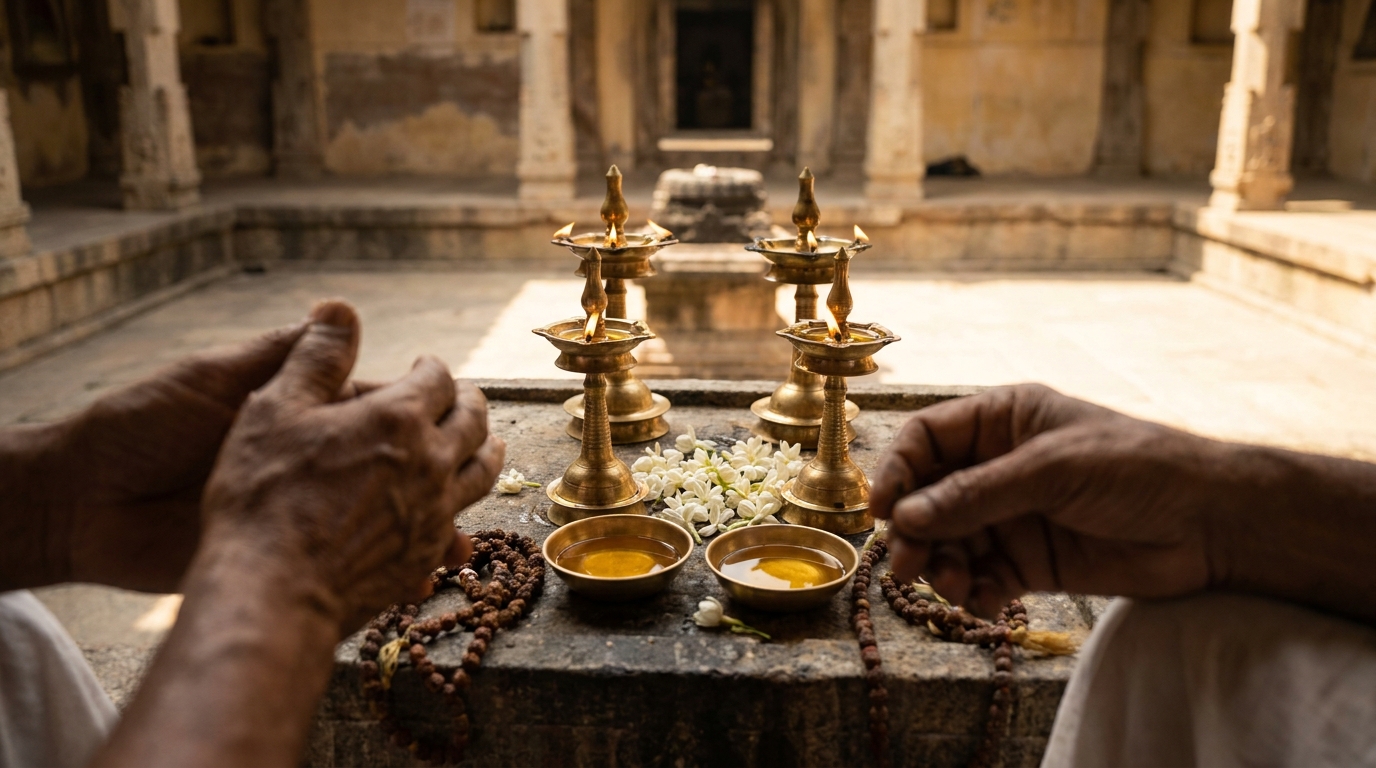
Bhakti Yoga is the yoga of devotion. The word yoga means connection, and bhakti means loving service. So Bhakti Yoga means reconnecting with God through love.
This connection is not artificial. According to the Bhagavad-gītā, another essential Bhakti scripture, every living being is an eternal soul, a spiritual person, and naturally connected to the Supreme. Our spiritual practice does not create that relationship; it awakens what is already within us.
Bhakti Is Natural to the Soul
We are always loving and serving someone or something. We serve family, friends, careers, ideals, communities, pets, dreams, and causes. This desire to love is not a weakness. It is the nature of the soul.
The question is: where can our love find its perfect home?
Bhakti Yoga teaches that when love is offered to God, it becomes purified, expanded, and returned in the most beautiful way. Then our love for others also becomes healthier and more compassionate, because we begin to see everyone as spiritually connected.
Bhakti Is More Than Emotion
Sometimes people think devotion means only emotion, sentiment, or religious feeling. But in The Nectar of Devotion, Bhakti is described with great depth and precision.
True devotion includes:
- Faith
- Practice
- Discipline
- Humility
- Service
- Wisdom
- Prayer
- Inner transformation
- Loving relationship with God
Emotions may come and go, but devotional practice gives the heart a steady path. We may not always feel spiritually inspired, but even a small sincere offering has deep value.
Bhakti Begins With Hearing
In the Bhakti tradition, spiritual growth often begins with śravaṇam, or hearing. This means listening to sacred sound, scripture, kirtan, spiritual talks, and the names of God.
When we hear about Krishna, chant God’s names, and associate with devotees, the heart slowly becomes cleansed. This is not forced. It is like watering a seed. Over time, something sacred begins to grow.
Sure, here is the sentence with the clickable link:
I love to visit The Bhakti House for spiritual inspiration and community.
The Main Purpose of The Nectar of Devotion
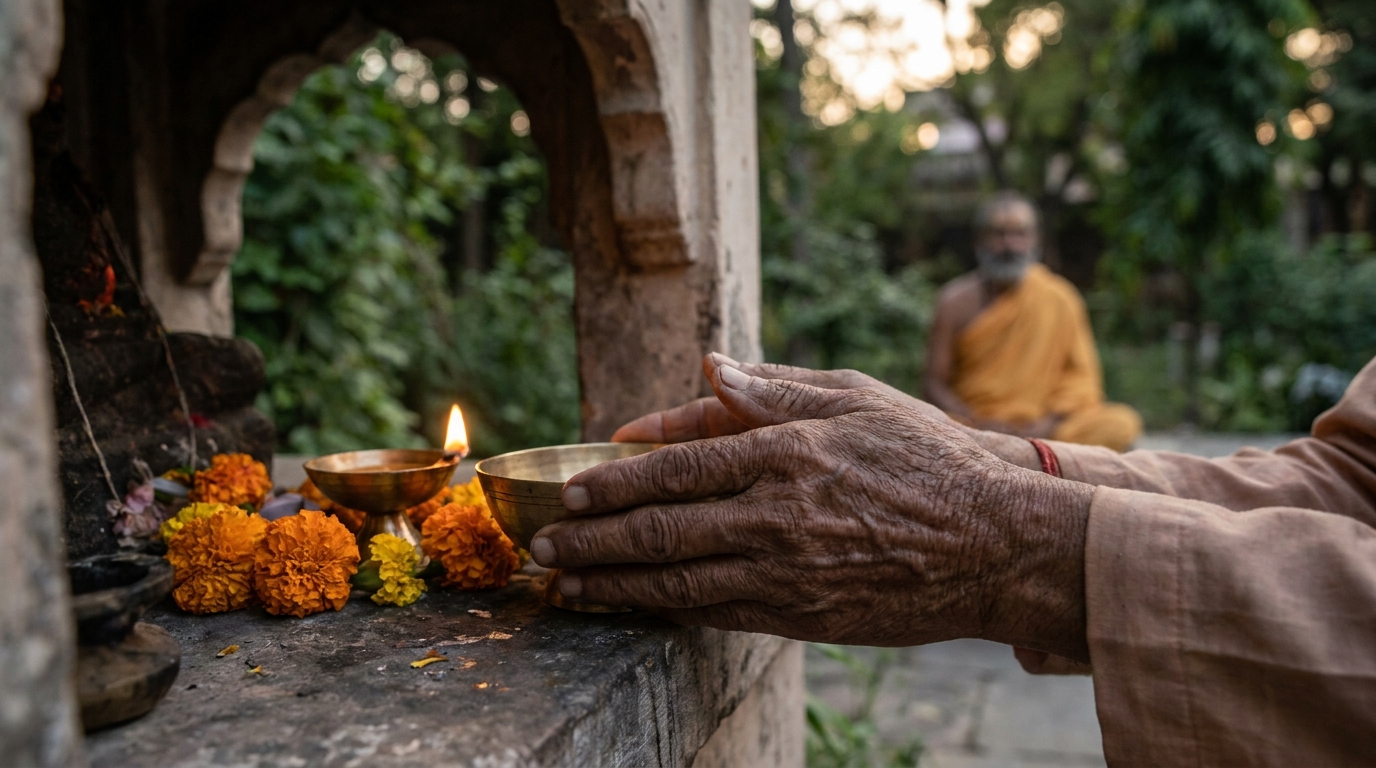
The main purpose of The Nectar of Devotion is to teach us how to practice pure devotional service.
In Sanskrit, pure devotional service is called uttamā-bhakti. Śrīla Rūpa Goswāmī defines it in a famous verse from Bhakti-rasāmṛta-sindhu:
“Devotional service means engaging all our senses in the service of the Supreme Lord, without selfish desire and without being covered by other motives.”
In simple words, pure Bhakti means loving God for God’s pleasure—not for money, fame, power, comfort, or even liberation. This is a very high ideal, but we do not need to be discouraged. Bhakti grows gradually.
Devotion Without Selfish Motives
Most of us begin spiritual life with mixed desires. We may pray because we are suffering. We may chant because we want peace. We may serve because we want belonging. This is natural and honest.
Bhakti does not reject us for having needs. Krishna says in the Bhagavad-gītā that four kinds of pious people approach Him: the distressed, the seekers of wealth, the curious, and the wise. All are blessed because they turn toward God.
As we continue practicing, our motivation becomes purified. We start to love God not only for what He gives, but for who He is.
Devotion Engages the Whole Person
Bhakti Yoga is not just something we believe internally. It engages the body, mind, words, senses, emotions, and daily actions.
We can serve with:
- Our voice by chanting
- Our hands by cooking or helping
- Our ears by hearing sacred wisdom
- Our eyes by seeing the deity or sacred images
- Our mind by remembering Krishna
- Our heart by offering prayer
- Our work by dedicating results to God
This is one reason Bhakti Yoga is so accessible. We do not need to wait for a perfect life. We can begin with whatever we have.
The Stages of Bhakti: From Faith to Love
One of the most helpful teachings in The Nectar of Devotion is that devotion develops in stages. This helps us be patient with ourselves and with others.
Spiritual growth is not instant. It is organic, like a flower opening gradually in the morning sun.
Śraddhā: Faith
The first stage is śraddhā, which means faith. This does not necessarily mean blind belief. It can begin as a small trust, a curiosity, or a feeling that “there is something real here.”
Maybe we hear the maha-mantra and feel peace. Maybe we meet a devotee whose kindness touches us. Maybe we read a verse from the Bhagavad-gītā and feel that it speaks to the soul. That seed of faith is precious.
Sādhu-saṅga: Spiritual Association
The next stage is sādhu-saṅga, association with saintly or spiritually sincere people. Sādhu means a person who is trying to live for God, and saṅga means association.
In Bhakti, community matters deeply. We are shaped by the company we keep. When we spend time with people who chant, serve, study, and try to live with compassion, our own spiritual life becomes stronger.
This does not mean everyone must be perfect. A Bhakti community is a hospital for the heart. We come together to heal, learn, forgive, and grow.
Bhajana-kriyā: Devotional Practice
After faith and association comes bhajana-kriyā, the beginning of regular devotional practice. This may include chanting japa, singing kirtan, reading scripture, offering food, attending gatherings, and serving.
A simple daily practice might look like this:
- Chant one round or a few minutes of the Hare Krishna mantra
- Read one verse from the Bhagavad-gītā
- Offer a short prayer of gratitude
- Do one act of service for another person
- Remember Krishna before sleeping
Small, steady steps are powerful.
Anartha-nivṛtti: Clearing the Heart
As we practice Bhakti, we begin to notice habits and patterns that block our love. These are called anarthas, unwanted things in the heart. They may include pride, envy, anger, greed, selfishness, distraction, or discouragement.
This stage can feel uncomfortable, but it is a sign of progress. When a room is dark, we may not see the dust. When light enters, the dust becomes visible—not to shame us, but to help us clean.
Bhakti cleanses the heart gently through chanting, prayer, service, and honest reflection.
Niṣṭhā, Ruci, Āsakti, Bhāva, and Prema
As the heart becomes purified, devotion becomes steady. This steadiness is called niṣṭhā. Then comes ruci, a genuine taste for spiritual life. After that, āsakti, deep attachment to Krishna, develops.
Eventually, devotion matures into bhāva, the first rays of pure love, and finally prema, fully awakened love for God.
These higher stages are rare and sacred, but learning about them gives direction. We begin to understand where the path is leading: not toward emptiness, but toward the fullness of divine love.
The Five Most Powerful Practices in The Nectar of Devotion
The Nectar of Devotion describes many practices of Bhakti Yoga, but it especially highlights five as exceptionally powerful. Even a small contact with these practices can awaken devotion.
1. Associating With Devotees
Spiritual association is one of the greatest gifts. When we gather with others to chant, hear, serve, and honor sacred food, the heart becomes encouraged.
Association helps us remember what matters. It gives us strength when we are weak and humility when we feel proud. In community, we learn that Bhakti is not only personal—it is shared.
2. Chanting the Holy Names
Chanting is central to Bhakti Yoga. The most widely practiced mantra in the Krishna Bhakti tradition is the maha-mantra:
Hare Krishna Hare Krishna
Krishna Krishna Hare Hare
Hare Rama Hare Rama
Rama Rama Hare Hare
A mantra is sacred sound that frees the mind. The word maha means great. So the maha-mantra is the great chant for awakening divine love.
“Hare” calls upon the divine energy of the Lord. “Krishna” means the all-attractive one. “Rama” means the source of joy. When we chant, we are calling out: “O Lord, O divine energy, please engage me in Your loving service.”
We can chant softly on beads, sing in kirtan, or repeat the mantra during the day. There is no cost, no restriction, and no qualification except sincerity.
3. Hearing Śrīmad-Bhāgavatam
The Śrīmad-Bhāgavatam is one of the most important scriptures in the Bhakti tradition. It is filled with stories, prayers, teachings, and descriptions of Krishna and His devotees.
Hearing the Bhāgavatam nourishes the soul because it turns the mind toward divine reality. The stories are not merely historical or poetic; they are meant to awaken devotion.
Even reading a small passage each day can bring clarity and peace.
4. Living in or Remembering a Holy Place
The Nectar of Devotion recommends living in a sacred place like Vrindavan or Mathura, where Krishna’s pastimes are remembered. But not everyone can physically live in a holy place.
The spirit of this practice can still enter our homes. We can create a sacred space with pictures of Krishna, scriptures, candles, flowers, or a small altar. We can make our home a place of prayer, chanting, and kindness.
A holy place is where God is remembered.
5. Worshiping the Deity With Faith
Deity worship means honoring the Lord’s sacred form. In Bhakti, we understand that God is unlimited and can kindly appear in a form we can see and serve.
This practice may include offering flowers, incense, food, lamps, songs, or prayers. For beginners, it can be very simple: place a picture of Krishna or Radha-Krishna in a clean space and offer water, fruit, or heartfelt words.
The point is not ritual perfection. The point is loving attention.
Understanding Rasa: Spiritual Relationship With God
One of the most profound teachings in The Nectar of Devotion is the science of rasa. In simple terms, rasa means the spiritual flavor or mood of our relationship with God.
In ordinary life, relationships have different flavors. We relate to someone as a friend, parent, child, beloved, teacher, or protector. Bhakti teaches that the soul also has an eternal relationship with Krishna.
The Five Primary Rasas
The five main spiritual relationships described in the Bhakti tradition are:
- Śānta-rasa: peaceful appreciation of God
- Dāsya-rasa: serving God as a beloved master
- Sakhya-rasa: friendship with God
- Vātsalya-rasa: parental affection for God
- Mādhurya-rasa: loving God in the mood of divine beloved
These are not material emotions. They are purified spiritual relationships experienced by liberated souls. Still, learning about them helps us understand the personal and loving nature of God.
Krishna as the All-Attractive Person
The name Krishna means “the all-attractive one.” He attracts the heart through beauty, sweetness, compassion, wisdom, strength, playfulness, and love.
The Nectar of Devotion invites us not only to respect God, but to love Him. This is a tender and personal invitation. Krishna is not far away. He is present in His names, in scripture, in the hearts of all beings, and in the loving exchanges of devotion.
The Role of Rules and Spontaneous Love
Some people wonder: if Bhakti is about love, why are there rules and practices?
This is a thoughtful question. In The Nectar of Devotion, we learn that rules are meant to support love, not replace it. Just as a musician practices scales to express beautiful music, a devotee practices discipline to awaken natural devotion.
Vaidhi-bhakti: Devotion Guided by Practice
Vaidhi-bhakti means devotional service guided by scriptural instruction. This is where most of us begin. We may not always feel deep love, but we practice because we trust the process.
We chant even when the mind wanders. We read even when we are tired. We serve even when ego resists. Over time, these practices soften the heart.
Rāgānugā-bhakti: Devotion Guided by Deep Attraction
Rāgānugā-bhakti is a more advanced stage where devotion flows from deep spontaneous attraction to Krishna. The devotee naturally longs to serve and remember God with love.
This stage cannot be imitated. It grows from sincere practice, humility, and grace. For most of us, the healthiest approach is to practice steadily, pray sincerely, and allow love to awaken in its own time.
How to Study The Nectar of Devotion
Because The Nectar of Devotion contains many deep teachings, it is helpful to study it with patience. You do not need to understand everything at once.
Read Slowly and Prayerfully
This is not a book to rush through. Read a few pages at a time. Pause when something touches your heart. Ask, “How can I apply this today?”
You may want to keep a journal with simple reflections:
- What did I learn about Bhakti?
- What quality do I want to cultivate?
- What practice can I try this week?
- What prayer is arising in my heart?
Study With Others
Reading with a group can make the book come alive. Others may notice points you missed. Discussion helps us deepen understanding and stay inspired.
At a Bhakti gathering, people can read a section, chant together, share reflections, and honor prasadam—sanctified food offered to Krishna. This creates a nourishing environment for spiritual growth.
Connect the Teachings to Daily Life
The real test of study is transformation. If reading The Nectar of Devotion helps us become more humble, kind, prayerful, and devoted, then the book is entering the heart.
We can ask ourselves:
- Am I becoming more compassionate?
- Am I remembering God more often?
- Am I serving without needing recognition?
- Am I more willing to forgive?
- Am I developing taste for chanting?
Spiritual knowledge is meant to become lived wisdom.
Common Questions About The Nectar of Devotion
Is The Nectar of Devotion Only for Hindus?
No. Although The Nectar of Devotion comes from the Vaishnava tradition of India, its essential message is universal: the soul is meant to love God.
People from many backgrounds—Christian, Jewish, Muslim, Buddhist, Hindu, spiritual-but-not-religious, or simply curious—can appreciate the teachings of Bhakti Yoga. You do not need to abandon your sincerity or cultural background to learn from this path.
Bhakti invites us into deeper love, humility, and remembrance of the Divine.
Do I Need a Guru to Read It?
You can certainly begin reading The Nectar of Devotion on your own. At the same time, Bhakti scriptures emphasize the importance of learning from sincere teachers and devotees.
A guru means a spiritual teacher who helps remove darkness through divine knowledge. If you are new, begin humbly. Listen, ask questions, observe, and pray for guidance. Genuine spiritual guidance never exploits; it helps the soul come closer to God.
What If I Struggle With Chanting?
Many people struggle at first. The mind wanders. The voice feels awkward. Doubts come. This is normal.
Chanting is not about performance. It is about calling out. Even if the mind wanders, gently bring it back to the sound. Even one sincere mantra has spiritual power.
You can begin with five minutes a day. Sit comfortably, breathe, and chant with humility. Over time, the holy name becomes a friend.
Is Bhakti About Escaping the World?
No. Bhakti is not an escape from life. It is a transformation of life. We learn to see the world as God’s energy and all beings as sacred.
A devotee may work, study, raise children, create art, care for the earth, and serve society. The difference is consciousness. Instead of living only for ego-centered goals, we learn to offer our life in love.
Applying The Nectar of Devotion in Daily Life
The teachings of The Nectar of Devotion become most meaningful when practiced. Here are simple ways to bring Bhakti into your daily rhythm.
Begin the Morning With Remembrance
Before checking your phone, offer a short prayer:
“Dear Lord, please guide me today. May my thoughts, words, and actions become an offering of love.”
Then chant the maha-mantra or another name of God that is sacred to you. Even a few minutes can change the mood of the day.
Offer Your Food With Gratitude
In Bhakti, food offered to Krishna with love becomes prasadam, which means mercy or grace. You can prepare vegetarian food and say a simple prayer:
“Krishna, please accept this offering. Thank You for nourishing me. May I use this energy in Your service.”
Eating becomes sacred when it is connected with gratitude.
Serve Someone Without Expectation
Service is at the heart of Bhakti. Each day, try to do one act of kindness without needing praise. Help someone, listen deeply, encourage a friend, clean a shared space, or give your time.
When service is offered to God, even ordinary actions become spiritual.
Read a Little Sacred Wisdom
Choose a manageable amount. One verse. One paragraph. One page. Consistency matters more than quantity.
The Bhagavad-gītā, Śrīmad-Bhāgavatam, and The Nectar of Devotion are all beautiful companions for daily study.
End the Day With Prayer
Before sleeping, reflect gently:
- Where did I remember God today?
- Where did I forget?
- What am I grateful for?
- Who needs my forgiveness?
- What can I offer tomorrow?
Then place the day at Krishna’s feet.
Key Teachings to Remember
The Nectar of Devotion is vast, but several essential teachings shine throughout the book.
Bhakti Is the Soul’s True Nature
We are not machines, bodies, labels, or temporary roles. We are souls, and the soul’s natural function is to love and serve God.
Krishna Accepts Sincere Offerings
In the Bhagavad-gītā, Krishna says that if someone offers Him a leaf, flower, fruit, or water with love and devotion, He accepts it. This is one of the most comforting teachings in all of scripture.
God is not impressed by wealth or show. He is moved by love.
Spiritual Progress Is Gradual
We do not need to pretend to be advanced. Bhakti grows through steady practice and grace. Every sincere step matters.
The Holy Name Is Merciful
Chanting the names of God is especially recommended for this age. It cleanses the heart, brings peace, and awakens devotion.
Love Is the Final Perfection
The goal of Bhakti is not simply moral improvement, mystical experience, or freedom from suffering. The goal is pure love for God—love that fills the soul and overflows toward all beings.
A Gentle Reading Plan for Beginners
If you are new to The Nectar of Devotion, here is a simple way to begin.
Week 1: Read the Preface and Introduction
Take your time. Notice the mood of the book. What is Bhakti? Why is devotion described as nectar?
Week 2: Study the Definition of Pure Devotional Service
Reflect on what it means to serve God without selfish motives. Do not judge yourself. Simply become aware.
Week 3: Learn the Practices of Devotion
Choose one practice to begin: chanting, reading, offering food, or attending kirtan.
Week 4: Explore the Stages of Bhakti
Ask where you feel you are on the path. Remember, there is no shame in beginning. The first sincere step is sacred.
Ongoing: Read With Prayer and Community
Return to the book again and again. Its teachings deepen as our heart matures.
The Heart of The Nectar of Devotion
At its heart, The Nectar of Devotion is an invitation. It invites us to move from distraction to remembrance, from self-centeredness to service, from loneliness to relationship, from dry religion to living love.
It teaches us that God is lovable, approachable, and responsive. It teaches us that chanting is not just sound—it is connection. It teaches us that service is not a burden—it is the soul’s joy. It teaches us that spiritual growth is not about becoming someone else, but becoming who we truly are.
We may come to Bhakti with doubts, wounds, mixed motives, or a restless mind. Still, Krishna welcomes the sincere heart. The path begins wherever we are.
If The Nectar of Devotion feels like a vast ocean, do not worry. No one drinks the ocean all at once. Take one drop. Chant one mantra. Read one page. Offer one prayer. Serve one person. That drop is nectar, and by grace, it can awaken the whole heart.
Everyone is welcome on the path of Bhakti Yoga. Whatever your background, whatever your story, you can take one sincere step toward God today—and that step is deeply precious.
FAQs
What is the Nectar of Devotion?
The Nectar of Devotion is a classic Vedic scripture that outlines the principles and practices of bhakti-yoga, the path of loving devotion to the Supreme Personality of Godhead.
Who is the author of The Nectar of Devotion?
The Nectar of Devotion was written by Srila Rupa Goswami, a prominent saint and scholar in the Gaudiya Vaishnava tradition.
What are the main topics covered in The Nectar of Devotion?
The Nectar of Devotion covers various aspects of devotional service, including the nine primary processes of bhakti-yoga, the characteristics of pure devotional service, the different types of devotees, and the importance of cultivating love for God.
How can one apply the teachings of The Nectar of Devotion in their daily life?
One can apply the teachings of The Nectar of Devotion in their daily life by engaging in devotional practices such as chanting the Hare Krishna mantra, studying Vedic scriptures, serving the deity of the Lord, and associating with other devotees.
What is the significance of The Nectar of Devotion in the Gaudiya Vaishnava tradition?
The Nectar of Devotion is highly revered in the Gaudiya Vaishnava tradition as it provides a comprehensive guide for practitioners to develop a deep and loving relationship with the Supreme Lord, Sri Krishna. It is considered an essential scripture for those on the path of bhakti-yoga.

