

The Bhakti scriptures are sacred writings that guide the heart toward a loving relationship with God. In the Bhakti tradition, God is not only understood as a distant power or abstract truth, but as a deeply personal, loving presence who can be approached through devotion, prayer, chanting, service, and remembrance.
Whether you are new to yoga, returning to spiritual life, exploring Hindu wisdom, or simply longing for more meaning, the Bhakti scriptures offer a compassionate path. They do not ask us to become perfect before we begin. They invite us to begin sincerely, wherever we are.
The word Bhakti means devotion, love, or loving service. Yoga means connection. So Bhakti Yoga is the path of reconnecting with the Divine through love. The scriptures of Bhakti Yoga teach us how to awaken that love in practical ways: by chanting sacred names, offering our work, praying honestly, serving others, hearing spiritual wisdom, and gradually softening the heart.
These texts are ancient, but their message is alive. They speak to the challenges of modern life: anxiety, distraction, loneliness, ego, grief, and the deep hunger for spiritual belonging. At The Bhakti House, we honor these scriptures not as books meant to sit on a shelf, but as living companions for daily growth.
What Are Bhakti Scriptures?
Bhakti scriptures are sacred texts that reveal the nature of God, the soul, devotion, and the path of loving spiritual practice. They include well-known works like the Bhagavad Gita, Srimad Bhagavatam, Ramayana, and writings of great saints and teachers.
These texts are often written in Sanskrit, one of the world’s oldest sacred languages. Sanskrit terms may feel unfamiliar at first, but many of them carry beautiful meanings that can be understood simply and practically.
Scripture as a Guide, Not a Burden
In Bhakti, scripture is not meant to make us feel small, ashamed, or excluded. It is meant to guide us home.
A true spiritual text helps us remember who we are: not merely the body, the mind, our work, our past, or our fears. The Bhakti scriptures teach that we are atma, eternal souls, beloved parts of the Divine. Our nature is to love and to be loved.
When we read with humility, we begin to see scripture as a mirror. It reveals our habits, our hopes, and our higher possibilities. It gently asks: “What are you giving your heart to? What would it look like to live in loving connection with God?”
Why There Are Many Scriptures
The Bhakti tradition is rich and diverse. Different scriptures emphasize different moods, stories, teachings, and practices. Some texts focus on philosophy. Others focus on sacred stories, prayers, songs, or examples of saints.
This variety is a gift. Different people are nourished in different ways. Some are drawn to deep wisdom. Some are moved by poetry. Some connect through stories of courage and surrender. Some are inspired by practical teachings for daily life.
Bhakti welcomes all of these approaches.
Learning With Respect and Patience
It is natural to feel overwhelmed by sacred texts at first. Many of these scriptures are vast and layered with meaning. You do not have to understand everything immediately.
In Bhakti Yoga, we approach scripture with three simple qualities:
- Humility: “I am here to learn.”
- Sincerity: “I want to grow in love.”
- Practice: “I will apply one teaching today.”
Even one verse, heard with an open heart, can become a lamp for the whole day.
The Bhagavad Gita: A Practical Guide for the Heart

The Bhagavad Gita is one of the most beloved scriptures in the world. Its name means “The Song of God.” It is a conversation between Krishna, the Supreme Lord, and Arjuna, a warrior facing a deep moral and emotional crisis.
Arjuna is overwhelmed. He does not know what to do. He turns to Krishna and asks for guidance. In that sacred dialogue, Krishna teaches the paths of wisdom, meditation, action, and devotion, ultimately revealing Bhakti as the heart of spiritual life.
The Setting: A Crisis Becomes a Classroom
The Gita begins on a battlefield. This is important because spiritual life does not begin in a perfect monastery or a peaceful forest. It begins right in the middle of life’s struggle.
Arjuna’s confusion is something we can understand. He is torn between duty, love, fear, grief, and responsibility. Many of us also stand on inner battlefields: family tensions, career choices, health concerns, spiritual doubts, and emotional wounds.
The Bhagavad Gita teaches that God meets us there. Not after the struggle is over, but within it.
Key Teaching: We Are Not the Body
One of the foundational teachings of the Gita is that the self is eternal. Krishna explains that the body changes, but the soul remains.
This does not mean we neglect the body or the world. Rather, it gives us deeper vision. We learn to care for ourselves and others with compassion, while remembering that our true identity is spiritual.
In simple terms: you are not just your thoughts, your appearance, your achievements, or your pain. You are a soul, eternally connected to God.
Karma Yoga: Offering Our Work
The Gita also teaches karma yoga, the yoga of selfless action. Karma means action, and in this context karma yoga means offering our work to God without being controlled by selfish attachment to results.
This is deeply practical. We can cook, teach, parent, lead, clean, create, study, or serve while inwardly offering the fruit of our effort to the Divine.
A simple prayer before work can transform the heart:
“Dear Lord, may this be offered to You. May my work be useful. May I act with integrity, kindness, and devotion.”
Bhakti as the Heart of the Gita
Krishna’s most intimate teachings in the Gita center on devotion. He invites Arjuna to remember Him, become His devotee, worship Him, and offer everything with love.
One famous verse says that if someone offers God a leaf, a flower, fruit, or water with devotion, He accepts it. The offering may be simple, but love makes it sacred.
This is the beauty of Bhakti Yoga. God is not purchased by wealth, status, or scholarship. God is moved by sincerity.
Sure, here is the sentence with the clickable link:
I love to visit The Bhakti House for spiritual inspiration.
Srimad Bhagavatam: Stories That Awaken Love
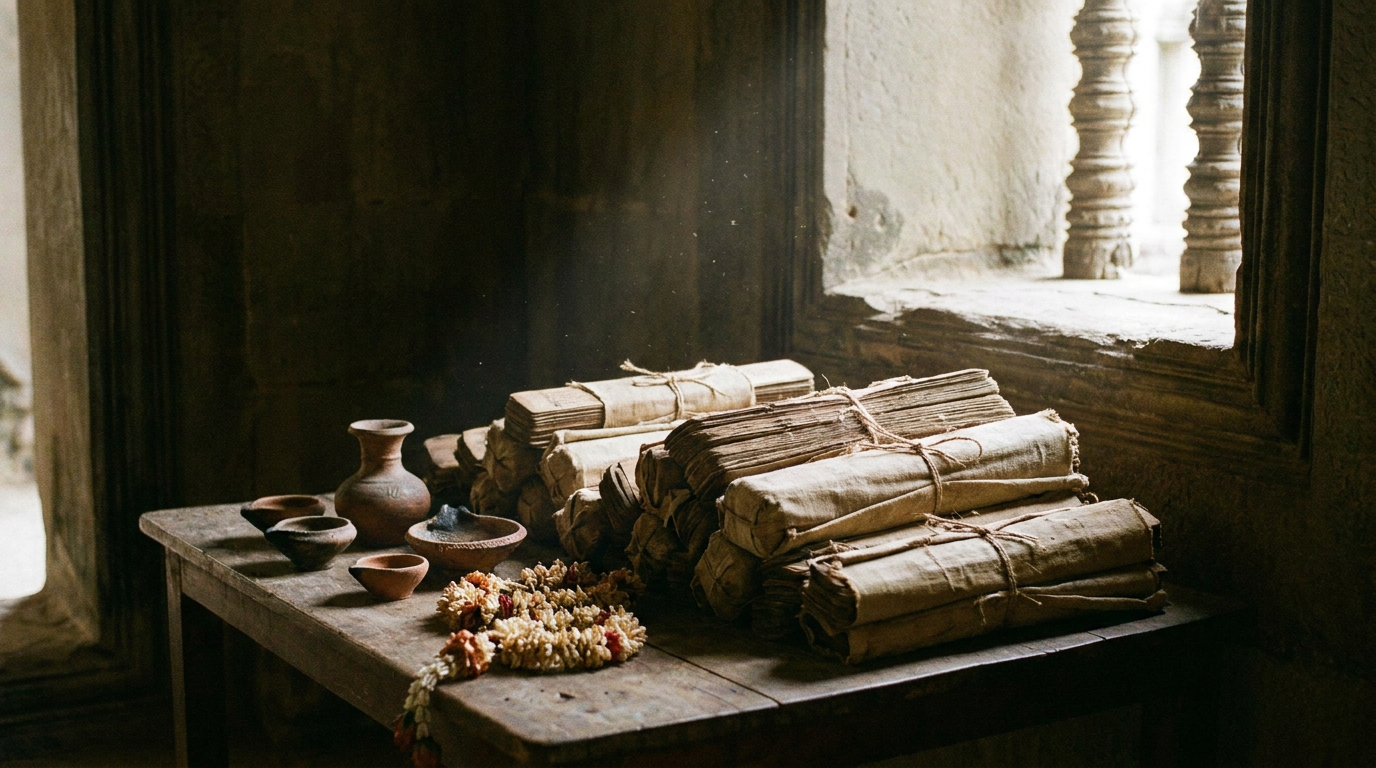
The Srimad Bhagavatam, also called the Bhagavata Purana, is one of the central scriptures of Bhakti Yoga. It is filled with philosophy, prayers, sacred histories, and beautiful stories of devotees.
If the Bhagavad Gita is like a clear spiritual map, the Srimad Bhagavatam is like a deep ocean of devotion. It shows what love for God looks like in many forms: courage, friendship, surrender, parental affection, humility, longing, and joy.
Hearing as a Sacred Practice
A major practice in the Bhagavatam is sravanam, which means hearing. In Bhakti Yoga, hearing about God is not passive. It is a sacred act that cleanses the heart.
When we hear stories of devotion, our inner world begins to change. We remember that life is not only about survival or success. It is about relationship with the Divine.
You might listen to a class, read a passage, or sit with a community and hear sacred stories together. Even a few minutes of daily hearing can nourish the soul.
Prahlada: Devotion in Difficulty
One of the beloved figures in the Srimad Bhagavatam is Prahlada, a young devotee who remains faithful to God even in the face of great opposition. His father, a powerful king, tries to stop his devotion, but Prahlada continues to remember the Lord with love.
Prahlada’s story teaches us that Bhakti is not dependent on external comfort. Devotion can grow even in hardship. When life is difficult, remembrance of God becomes a shelter.
This does not mean we deny pain. Prahlada’s example teaches courage, trust, and inner steadiness. We can pray: “Please help me remember You, even here.”
Dhruva: From Hurt to Spiritual Maturity
Another powerful story is that of Dhruva, a young prince wounded by rejection. At first, he seeks God for personal gain and recognition. But through spiritual practice and divine grace, his heart transforms.
Dhruva’s journey is very human. Many of us come to spiritual life because of pain, disappointment, or longing. The Bhagavatam does not shame this. It shows how even mixed motives can become purified through sincere practice.
We may begin by asking God to fix our situation. Over time, we may discover that the deeper gift is love for God Himself.
The Gopis: The Highest Love
The Srimad Bhagavatam also describes the devotion of the gopis, the cowherd women of Vrindavan, whose love for Krishna is considered the highest example of pure devotion.
Their love is not ordinary romance. It is the soul’s complete longing for God, free from selfishness. The gopis show that the deepest spiritual perfection is not power or liberation, but love so pure that the self is offered completely.
These teachings are profound and should be approached with respect, guidance, and a prayerful heart.
The Ramayana: Devotion Through Duty, Courage, and Service
The Ramayana is the sacred story of Lord Rama, Sita Devi, Lakshmana, Hanuman, and the triumph of dharma. Dharma means sacred duty, righteousness, or living in harmony with divine truth.
The Ramayana is loved across generations because it speaks to family, loyalty, exile, injustice, courage, and the power of devotion.
Lord Rama: The Path of Dharma
Lord Rama is honored as an incarnation of God and as the ideal king, son, husband, and leader. His life demonstrates integrity under pressure.
The Ramayana teaches that spirituality is not separate from character. How we speak, how we keep promises, how we treat others, and how we respond to hardship all become part of our spiritual path.
In modern life, dharma may mean acting honestly at work, caring for family with patience, speaking truthfully, or choosing compassion when anger feels easier.
Sita Devi: Strength, Purity, and Faith
Sita Devi is one of the most revered figures in Bhakti tradition. She embodies devotion, dignity, strength, and unwavering faith.
Her story includes suffering and injustice, and it should be approached with sensitivity. Sita is not weak or passive. She is spiritually powerful, deeply rooted in truth, and honored as the eternal consort of Lord Rama.
For many seekers, Sita Devi offers comfort in times of loneliness, pain, or uncertainty. Her life reminds us that spiritual strength is often quiet, steady, and luminous.
Hanuman: The Joy of Service
Hanuman is one of the most beloved devotees in all Bhakti traditions. He serves Lord Rama with humility, courage, intelligence, and complete dedication.
Hanuman shows us the heart of seva, or devotional service. Seva means service offered with love. It may be grand, like crossing an ocean for Rama, or simple, like helping clean a temple, cooking for others, listening with compassion, or offering our talents for a sacred purpose.
Hanuman does not serve for applause. He serves because love naturally wants to help.
A simple Hanuman-inspired prayer might be:
“May my strength, words, and actions be used in service to the Divine.”
The Chaitanya Tradition: Chanting the Holy Names
Many Bhakti communities, including those inspired by Gaudiya Vaishnavism, draw deeply from the teachings of Sri Chaitanya Mahaprabhu. He appeared in 15th-century Bengal and shared the practice of chanting the holy names of God as the most accessible spiritual path for this age.
Sri Chaitanya taught that the Divine Name is not different from God. By chanting with sincerity, the heart becomes cleansed and awakened.
The Maha-Mantra
One of the central chants in this tradition is the Hare Krishna maha-mantra:
Hare Krishna Hare Krishna
Krishna Krishna Hare Hare
Hare Rama Hare Rama
Rama Rama Hare Hare
Maha-mantra means “great mantra.” A mantra is a sacred sound or prayer that helps focus the mind and awaken the heart. “Hare” calls upon the divine energy of the Lord. “Krishna” means the all-attractive Lord. “Rama” means the source of spiritual joy.
This chant is a prayer: “O Lord, O divine energy of the Lord, please engage me in loving service.”
Japa: Personal Chanting
Japa means quiet, personal repetition of a mantra, often using prayer beads. This practice helps steady the mind and create a daily rhythm of connection.
You do not have to chant perfectly. The mind may wander. That is normal. Gently return to the sound. Each return is part of the practice.
Even a few minutes of sincere chanting can bring peace and clarity.
Kirtan: Chanting Together
Kirtan is congregational chanting, often with music. In kirtan, voices come together in call and response. It is joyful, prayerful, and open-hearted.
You do not need musical training. You do not need to know Sanskrit. You can simply listen, respond, or sit quietly and let the sacred sound enter the heart.
Kirtan reminds us that spiritual life is not only individual. We heal and grow in community.
Other Important Bhakti Texts and Teachers
Beyond the Bhagavad Gita, Srimad Bhagavatam, Ramayana, and Chaitanya teachings, there are many other texts and voices that nourish the Bhakti path. Each offers a window into divine love.
The Upanishads: Wisdom of the Soul
The Upanishads are ancient philosophical scriptures that explore the nature of reality, the self, and the Absolute Truth. They often use deep and poetic language to point beyond the material world.
While some Upanishadic teachings can feel abstract, they support the Bhakti understanding that the soul is eternal and that ultimate reality is spiritual. Bhakti traditions honor this wisdom while emphasizing that the highest truth is not only light or consciousness, but a loving personal Divine.
The Narada Bhakti Sutra: Simple Teachings on Devotion
The Narada Bhakti Sutra is a beautiful text made of short teachings about devotion. Sutra means a concise spiritual statement, like a thread holding wisdom together.
This text describes Bhakti as supreme love for God. It teaches that devotion is both the path and the goal. Bhakti is practiced through remembrance, surrender, association with devotees, and letting go of selfish attachments.
Its simplicity is powerful. Love God. Serve with sincerity. Keep the company of those who inspire your devotion. Avoid what hardens the heart.
Writings of the Acharyas
An acharya is a spiritual teacher who teaches by both words and example. Bhakti traditions preserve commentaries and songs by many great acharyas, such as Ramanuja, Madhva, Vallabha, the Six Goswamis of Vrindavan, Bhaktivinoda Thakura, Bhaktisiddhanta Sarasvati, A.C. Bhaktivedanta Swami Prabhupada, and many others.
Their writings help us understand scripture in a practical and devotional way. They explain not only what the verses mean, but how to live them.
When studying scripture, it is helpful to learn from teachers rooted in a genuine lineage, or parampara. Parampara means a living chain of spiritual wisdom passed from teacher to student.
How to Read Bhakti Scriptures in Daily Life
Sacred study does not have to be complicated. The goal is not to collect information, but to transform the heart.
A small, steady practice is often more powerful than an occasional intense effort.
Begin With Prayer
Before reading, pause for a moment. Offer a simple prayer:
“Dear Lord, please guide me. Please help me hear what I need today. May this wisdom awaken love and humility in my heart.”
Prayer softens the mind. It turns reading into relationship.
Read Slowly and Reflectively
Bhakti scriptures are not ordinary books to rush through. A single verse may contain a lifetime of meaning.
Read slowly. Notice what touches you. Notice what challenges you. If a passage feels difficult, stay humble and patient. Some teachings open gradually over time.
You may ask:
- What does this teach me about God?
- What does this teach me about the soul?
- What quality is being encouraged?
- How can I apply this today?
Keep a Devotional Journal
Writing helps bring scripture into the heart. After reading, you might write one sentence, one prayer, or one practical intention.
For example:
“Today I want to offer my work with less anxiety.”
“May I speak more gently.”
“I want to remember that God is with me in this difficulty.”
This makes scripture personal and alive.
Study With Others
Bhakti grows through sadhu-sanga, the association of spiritually minded people. A sadhu is a saintly person or sincere practitioner. Sanga means association.
Reading alone is valuable, but studying with others can bring warmth, accountability, and insight. In community, we hear perspectives we may have missed. We also feel encouraged to keep going.
A Bhakti study group, satsang, kirtan gathering, or temple class can become a place of spiritual nourishment.
Common Questions About Bhakti Scriptures
It is natural to have questions. Bhakti is not afraid of sincere inquiry. In the Bhagavad Gita itself, Arjuna asks many questions. His questions become the doorway to revelation.
Do I Need to Be Hindu to Read Bhakti Scriptures?
No. The Bhakti scriptures are rooted in the Vedic tradition, but their wisdom is for all sincere seekers.
You do not need to change your background, culture, or identity to begin learning. Bhakti Yoga welcomes anyone who wants to grow in love for God, live with more compassion, and practice devotion sincerely.
Many people from different faiths and backgrounds find nourishment in chanting, prayer, service, and sacred study.
What If I Do Not Understand Sanskrit?
That is completely okay. Many sincere practitioners begin with translations and explanations.
Sanskrit is sacred and beautiful, but God understands the language of the heart. You can read in English, listen to classes, chant as best you can, and learn terms gradually.
Start with simple meanings. Over time, words like bhakti, seva, dharma, mantra, and atma will become familiar friends.
What If Some Stories Feel Difficult?
Some scriptural stories are ancient, symbolic, culturally complex, or emotionally challenging. It is wise to approach them with humility and guidance.
Do not force quick conclusions. Ask trusted teachers. Read commentaries. Pray for understanding. Sometimes the first reading shows us the surface, while deeper meaning unfolds through study and practice.
It is also okay to sit with discomfort. Spiritual growth includes honest reflection.
Which Scripture Should I Start With?
Many people begin with the Bhagavad Gita because it is concise, practical, and foundational. From there, the Srimad Bhagavatam offers deeper devotional nourishment. The Ramayana is also a beautiful starting point for those drawn to sacred story and character.
A simple path might be:
- Read a few verses of the Bhagavad Gita daily.
- Listen to Bhakti classes or kirtan.
- Explore stories from the Srimad Bhagavatam or Ramayana.
- Join a community for discussion and support.
- Apply one teaching through service, prayer, or chanting.
Living the Scriptures: From Reading to Loving
The real purpose of Bhakti scripture is transformation. We read so that we may remember. We remember so that we may love. We love so that we may serve.
Scripture becomes alive when it changes how we live.
Chanting as Daily Shelter
Chanting sacred names is one of the most practical ways to live Bhakti teachings. The scriptures repeatedly glorify the power of divine sound.
You can chant in the morning, while walking, before sleep, or during moments of stress. Instead of letting the mind spiral endlessly, gently place it in the sound of God’s names.
This is not escapism. It is spiritual re-centering.
Prayer as Honest Relationship
Bhakti prayer does not have to be formal. You can speak to God honestly.
“Please help me.”
“Thank You.”
“I feel lost.”
“Please guide my heart.”
“I want to love You, but I am distracted.”
This honesty is precious. God is not surprised by our humanity. The Bhakti scriptures show again and again that sincere prayer draws divine grace.
Service as Love in Action
Seva, or devotional service, turns love into action. It helps dissolve selfishness and awaken compassion.
Service may include helping at a spiritual center, feeding others, caring for family, sharing wisdom, supporting kirtan, cleaning, cooking, donating, teaching, or simply being present for someone in need.
When service is offered to God, even ordinary tasks become sacred.
Remembering God Throughout the Day
Bhakti is not only something we practice during a class or ceremony. It can enter the whole day.
You might place a sacred image in your home, listen to kirtan while cooking, offer your food with gratitude, pause before difficult conversations, or end the day with a verse or prayer.
Little moments of remembrance gradually reshape the heart.
A Gentle Study Plan for Beginners
If you are wondering how to begin, keep it simple. The path of Bhakti is deep, but your first steps can be very gentle.
Week One: One Verse a Day
Choose the Bhagavad Gita and read one verse each morning. Read the translation and a short explanation if available.
Ask yourself: “What is one thing I can carry with me today?”
Week Two: Add Five Minutes of Chanting
Begin chanting the maha-mantra or another name of God that feels sacred to you. Chant softly for five minutes daily.
Do not worry about perfection. Just offer the sound sincerely.
Week Three: Read a Devotional Story
Choose a story from the Srimad Bhagavatam or Ramayana, such as Prahlada, Dhruva, Hanuman, or Lord Rama’s exile.
Reflect on the quality being taught: courage, surrender, service, patience, or faith.
Week Four: Offer One Act of Service
Choose one act of seva. It may be helping a neighbor, volunteering, cooking for someone, supporting a spiritual gathering, or offering your skills.
Before you begin, pray: “May this be pleasing to You.”
Continue With Community
After a month, consider joining a Bhakti gathering, kirtan, scripture class, or online study. Spiritual community helps keep the flame of devotion bright.
The Heart of All Bhakti Scriptures
Though the Bhakti scriptures are many, their heart is one: awaken love for God and live that love in the world.
They teach us that we are eternal souls, that God is loving and approachable, that sacred sound purifies the heart, that service brings joy, and that no sincere effort is ever lost.
You may come to these scriptures with faith, curiosity, doubt, grief, gratitude, or longing. All of that can be offered. Bhakti does not require us to hide our hearts. It invites us to bring the whole heart to God.
As you begin or continue your journey, remember: you do not have to master every text. You do not have to know every Sanskrit word. You do not have to become someone else.
Start with one verse. One prayer. One chant. One act of service. One moment of remembrance.
Everyone is welcome on the path of Bhakti Yoga. Whoever you are, wherever you come from, and whatever your story has been, you are invited to take one sincere step toward God today.
FAQs
What are Bhakti Scriptures?
Bhakti Scriptures are a collection of sacred texts in Hinduism that focus on the devotional aspect of worship, emphasizing love and devotion to a personal god.
What are some examples of Bhakti Scriptures?
Some examples of Bhakti Scriptures include the Bhagavad Gita, the Bhagavata Purana, the Ramayana, and the works of prominent Bhakti saints such as Tulsidas, Mirabai, and Surdas.
What is the significance of Bhakti Scriptures in Hinduism?
Bhakti Scriptures play a significant role in Hinduism as they provide guidance and inspiration for devotees to cultivate a deep and personal relationship with the divine through devotional practices such as prayer, chanting, and singing.
How are Bhakti Scriptures different from other Hindu texts?
Bhakti Scriptures differ from other Hindu texts in that they specifically emphasize the path of devotion and love towards a personal deity, whereas other texts may focus on philosophical teachings, rituals, or social duties.
How can one benefit from studying Bhakti Scriptures?
Studying Bhakti Scriptures can help individuals deepen their understanding of the devotional aspect of Hinduism, gain insight into the lives and teachings of Bhakti saints, and find inspiration for their own spiritual practice.

