
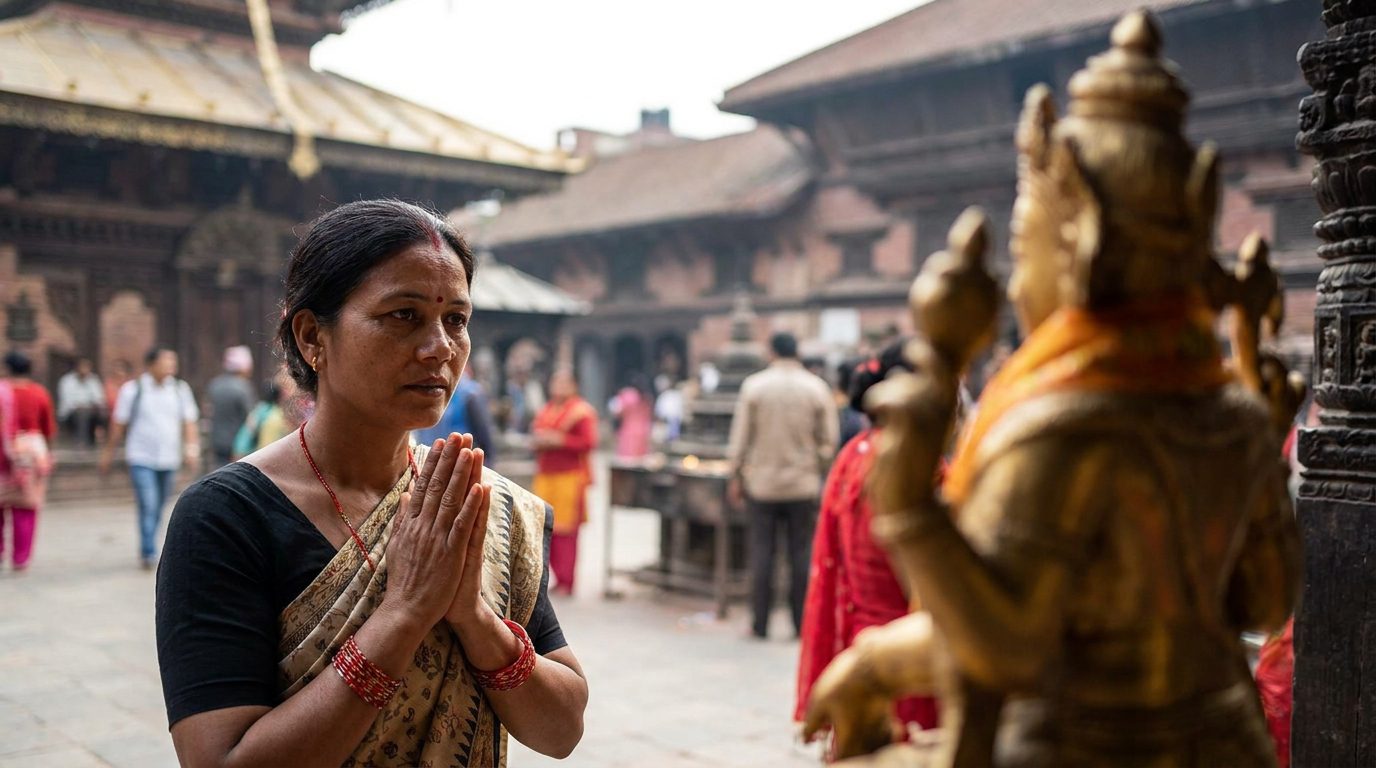
Darshan is a beautiful Sanskrit word that means “to see,” “to behold,” or “to receive a sacred vision.” In Bhakti Yoga, darshan usually refers to seeing the Divine—especially in the form of the Deity in the temple, the sacred image or murti of the Lord, or even a saintly person whose life is centered on God.
But darshan is more than looking.
In the Bhakti tradition, darshan is a meeting of hearts. We come before the Lord with our eyes, but even more importantly, with our inner intention. We may think, “I am going to see God,” but the deeper gift is this: God is also seeing us.
This is why darshan can feel so powerful. Many people have entered a temple, stood before the Deities, and felt unexpected peace, tears, gratitude, or a quiet sense of being known and loved. Others may not feel something dramatic at first—and that is also okay. Darshan is not a performance. It is a sacred opportunity to pause, soften, and reconnect.
Bhakti Yoga, the path of loving devotion, teaches that God is personal, compassionate, and accessible. Darshan is one way we open ourselves to that loving presence.
A Simple Meaning for a Sacred Practice
The word darshan comes from the Sanskrit root “drish,” meaning “to see.” In spiritual life, seeing is not only physical. It is also about perception, awareness, and relationship.
We might ask:
“What do I see when I look at life?”
“Do I see only stress and problems?”
“Can I learn to see God’s presence, guidance, and love?”
Darshan helps train the heart to see spiritually. It invites us to look beyond the surface and remember that life is sacred.
Darshan in Everyday Language
For someone new to Bhakti Yoga, darshan might be understood like this:
Darshan is a sacred moment of connection with God through loving vision.
It may happen in a temple. It may happen while chanting. It may happen when looking at a picture of Krishna, Rama, Vishnu, Narasimha, Radha, or another beloved form of the Divine. It may happen when we bow our head in prayer before an altar at home.
The outer act may be simple. The inner meaning can be life-changing.
Why Darshan Matters in Bhakti Yoga
Bhakti Yoga is the yoga of love and devotion. The Sanskrit word “bhakti” means loving service, devotion, or heartfelt connection with God. Unlike paths that may emphasize physical postures, intellectual analysis, or strict renunciation, Bhakti Yoga centers on relationship.
We are not just trying to become peaceful. We are trying to awaken love.
Darshan matters because love grows through connection. Just as we look into the face of someone dear to us, we come before the Lord to remember, “I belong to You. Please guide me. Please let me serve.”
Seeing and Being Seen
One of the most comforting teachings of Bhakti is that God is not distant or indifferent. The Bhagavad Gita teaches that the Lord is present in the heart of every living being. In Bhagavad Gita 15.15, Krishna says, “I am seated in everyone’s heart.”
This means darshan is not about trying to force God to notice us. God already knows us completely. Rather, darshan helps us become aware of the loving presence that is already there.
When we stand before the Deity, we can practice honesty. We can bring our joy, confusion, grief, longing, gratitude, and questions. We do not need to pretend.
A simple prayer during darshan might be:
“My Lord, I am here. Please help me remember You. Please guide my heart toward love.”
The Deity as Mercy
In Bhakti temples, devotees worship the Deity, known in Sanskrit as the “archa-vigraha.” This means the worshipable form of the Lord who kindly appears in a way we can see, serve, and approach.
Some may wonder, “Is this just a statue?”
Bhakti scriptures explain that God can appear through sacred forms by His own mercy. Just as a person can be present through words, images, or sound, the unlimited Divine can choose to be present through a consecrated form. The Deity is not limited by stone, wood, metal, or paint. Rather, the Lord lovingly accepts our service through that form.
This is a humble and practical teaching: because our hearts are not always able to meditate on the invisible, God becomes visible for us.
Darshan Awakens Devotion
The Srimad Bhagavatam, one of the great devotional scriptures of India, repeatedly describes how seeing the Lord, hearing His names, remembering His qualities, and serving His devotees can purify the heart.
Purification does not mean becoming harsh or judgmental. It means becoming more loving, truthful, compassionate, and awake.
Darshan supports that transformation. We come as we are, and over time, by repeated sacred contact, our desires begin to shift. We may become less centered on ego and more centered on service. We may become more grateful. We may feel inspired to chant, pray, forgive, or live with greater integrity.
The Spiritual Power of Darshan
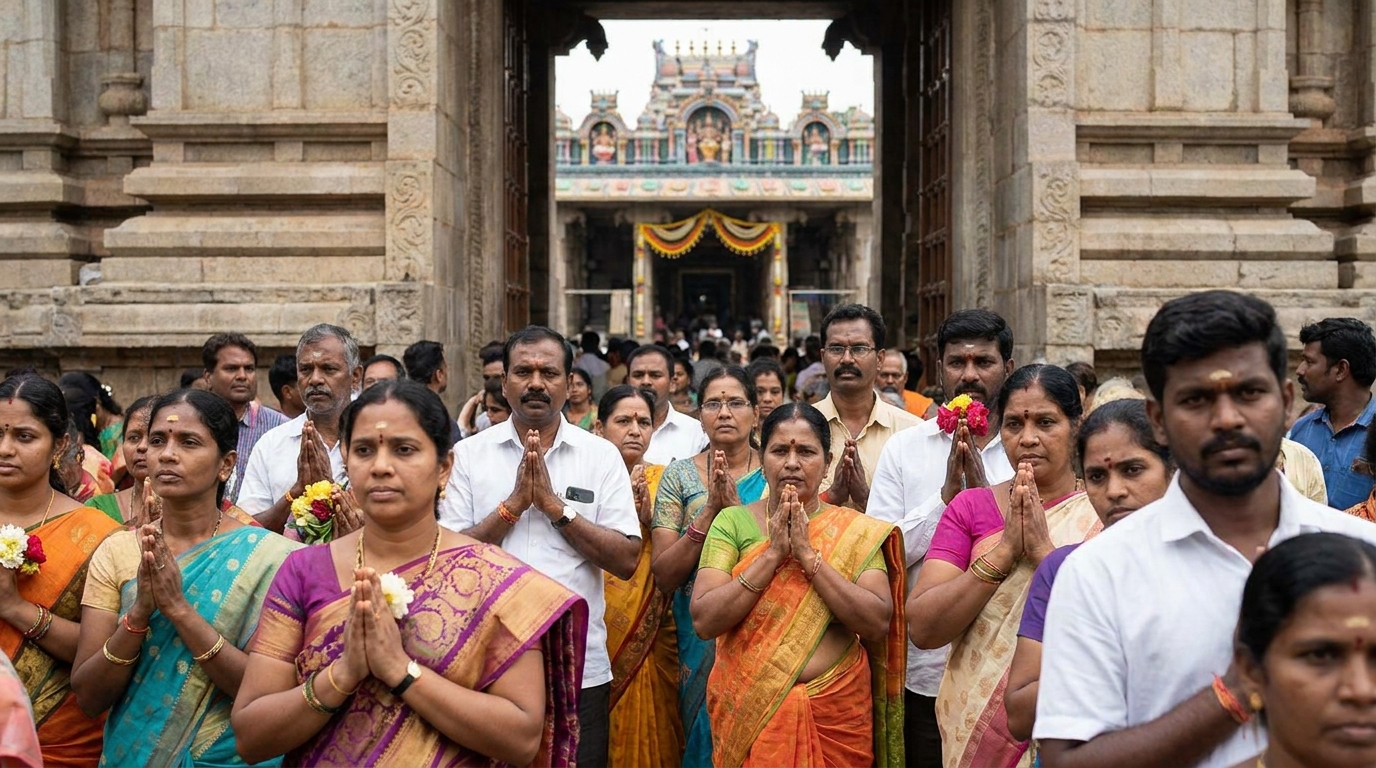
Darshan is powerful because it brings together sight, attention, humility, and grace. In the modern world, our eyes are often overworked. We look at screens, advertisements, news, and endless images. Our attention becomes scattered.
Darshan gently retrains the eyes and the heart.
Instead of looking for something to consume, we look with reverence. Instead of trying to control, we receive. Instead of rushing, we pause.
Darshan Calms the Mind
Many people come to a temple carrying invisible burdens. Work stress, family concerns, loneliness, spiritual searching, or uncertainty about the future can weigh heavily on the heart.
When we enter the temple room and stand before the Lord, something shifts. The beauty of the altar, the fragrance of incense, the sound of kirtan, and the peaceful presence of devotees create an atmosphere where the mind can breathe.
Kirtan means devotional chanting, often with music, where the names of God are sung together. In Bhakti Yoga, chanting sacred names—especially the Hare Krishna maha-mantra—is a central practice:
Hare Krishna, Hare Krishna, Krishna Krishna, Hare Hare
Hare Rama, Hare Rama, Rama Rama, Hare Hare
“Maha-mantra” means “great mantra.” A mantra is a sacred sound that helps free the mind and awaken the heart.
When darshan and chanting come together, the heart receives both sacred sight and sacred sound. This combination can be deeply healing.
Darshan Softens the Heart
Sometimes spiritual growth begins not with answers, but with softness.
Standing before the Lord, we may feel the walls around our heart begin to loosen. We may remember that we are not alone. We may feel moved to say sorry, to give thanks, to ask for help, or to offer ourselves in some small way.
The Bhagavad Gita 9.26 offers a tender teaching. Krishna says that if someone offers Him a leaf, a flower, fruit, or water with love and devotion, He accepts it.
This verse shows the heart of Bhakti Yoga. God is not asking for wealth, status, or perfection. He is asking for love.
Darshan teaches us to come with that same simplicity: “Here I am, Lord. Whatever little I have, I offer to You.”
Darshan Reminds Us of Our True Identity
Bhakti Yoga teaches that we are not merely the body, the mind, or the roles we play. We are the atma, the eternal soul, beloved by God.
“Atma” simply means the self or soul—the spiritual person within.
In daily life, we may identify as a parent, worker, student, artist, leader, friend, or someone struggling to find their way. These roles matter, but they are not the full truth of who we are.
Darshan gently reminds us: “I am a soul. I am loved by God. My life has sacred purpose.”
This remembrance can bring dignity, hope, and direction.
Please visit our website for more information on our articles: articles.
How to Receive Darshan in a Temple
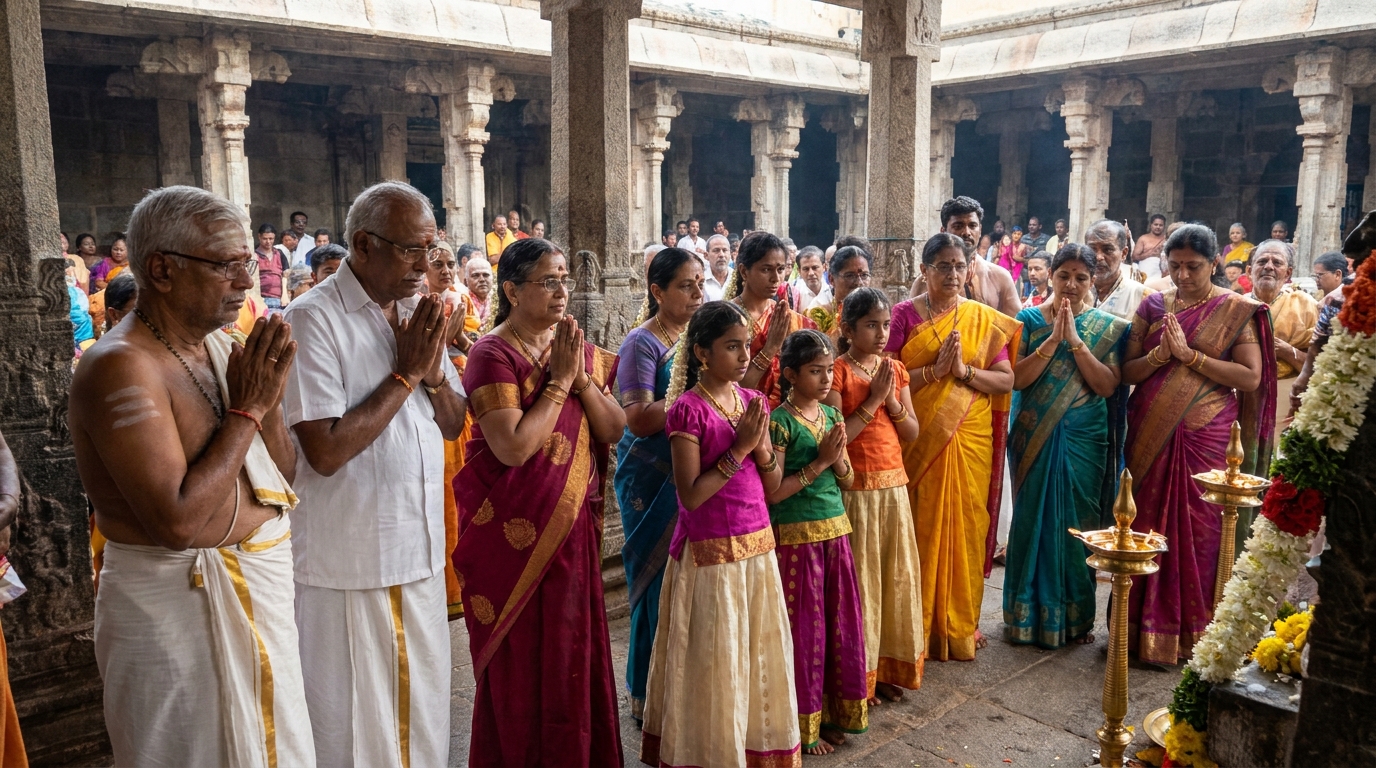
If you are new to Bhakti Yoga or visiting a temple for the first time, you are warmly welcome. You do not need to know everything. You do not need to be from a particular culture or background. Darshan is a gift for every sincere heart.
A temple is not a place for perfect people. It is a place for people who want to remember God.
Enter With Respect and Openness
When you enter a temple, you may notice people removing their shoes. This is a sign of respect, showing that we are entering a sacred space. You may also see devotees bowing down, offering prayers, or sitting quietly.
If you are unsure what to do, simply observe with humility. You can stand or sit peacefully. You can fold your palms if that feels natural. You can offer a silent prayer in your own words.
There is no need to feel embarrassed. Every devotee was new once.
Pause Before the Deities
When you come before the altar, take a moment to become present.
You might look gently at the Lord’s form. Notice the eyes, the smile, the clothing, the flowers, the ornaments, the lamps, and the loving care offered by the devotees. Everything on the altar is meant to help the heart remember divine beauty.
Try not to rush. Even a few sincere moments can be meaningful.
A simple practice:
Take a deep breath.
Offer gratitude.
Pray for guidance.
Listen inwardly.
You might say, “Please help me see You in my life.”
Offer a Prayer
Prayer does not need to be complicated. In Bhakti, prayer is honest conversation with God.
You can pray for yourself, your family, the world, or someone who is suffering. You can ask for strength, wisdom, forgiveness, or devotion. You can also simply say thank you.
Some traditional prayers are very beautiful, but personal prayer is also welcome. God understands the language of the heart.
Receive Prasadam
After darshan, you may be offered prasadam. “Prasadam” means mercy. It usually refers to vegetarian food that has been lovingly prepared and offered to God before being shared.
In Bhakti Yoga, eating prasadam is a spiritual practice. It reminds us that food is not just fuel; it is grace. We receive nourishment with gratitude, and we remember that life itself is a gift.
If you visit a Bhakti community like The Bhakti House, prasadam is often part of the experience because hospitality is part of devotion. Sharing sacred food brings people together in a simple, joyful way.
Darshan at Home: Creating a Sacred Space
While temple darshan is very special, you can also cultivate darshan at home. Bhakti Yoga is meant to be lived in daily life, not only during special events.
A home altar can become a place of peace, prayer, and remembrance.
Begin Simply
You do not need an elaborate setup. You can begin with a clean shelf or small table. Place a picture of Krishna, Radha, Rama, Vishnu, Lord Chaitanya, or another form of God that inspires devotion in your heart.
You might add a candle, flowers, a small cloth, or a scripture such as the Bhagavad Gita. Keep the space clean and respectful.
The purpose is not decoration alone. It is an invitation: “Dear Lord, please be present in my home and heart.”
Offer Water, Flowers, or Food
As Krishna teaches in the Bhagavad Gita, love is the essential offering.
You can offer a small cup of water, a flower, fruit, or vegetarian meal. Before eating, place the food before the Lord and say a simple prayer:
“My Lord, thank You for this food. Please accept this offering made with love.”
Then wait a few moments and receive it as prasadam.
This daily practice can transform ordinary meals into sacred moments.
Chant Before Your Altar
Chanting is one of the most accessible practices in Bhakti Yoga. You can chant softly, sing with instruments, or simply repeat the mantra on beads.
The Hare Krishna mantra is especially recommended in the Bhakti tradition because it calls upon the Divine energy, Hare, and the names Krishna and Rama, who are beloved names of God.
You can begin with five minutes a day.
Do not worry if your mind wanders. Gently bring it back to the sound. Chanting is not about perfection. It is about returning.
Make Darshan Part of Your Morning
Morning is a powerful time for spiritual practice because the mind is usually quieter. Before checking your phone or stepping into the demands of the day, take a moment for darshan.
Look at the Lord.
Offer one prayer.
Chant one mantra.
Ask, “How can I serve today?”
This simple habit can change the direction of your whole day.
Darshan and the Practice of Seeing God Everywhere
One of the deeper fruits of darshan is learning to see spiritually beyond the altar. When we practice seeing God in the temple, we begin to recognize God’s presence in daily life.
This does not mean everything is easy or that we ignore suffering. Rather, we learn to see with compassion, humility, and faith.
Seeing God in the Heart of Others
The Bhagavad Gita teaches that the wise see all living beings with equal vision. This does not erase differences, but it recognizes the sacred worth of every soul.
Darshan trains us to honor the Divine presence in others.
The person serving food, the child asking questions, the stranger on the street, the elder who feels forgotten, the person who disagrees with us—all are souls. All are held by God.
This vision can transform relationships. We become less quick to judge and more willing to serve.
Seeing Life as Service
In Sanskrit, seva means service. In Bhakti Yoga, service is not just a duty; it is an expression of love.
Darshan naturally leads to seva. After seeing the Lord, we may ask, “How can I serve You?” That service might be helping in the temple, cooking prasadam, cleaning, singing kirtan, supporting a community, caring for family, or showing kindness to someone in need.
No service is too small when offered with love.
The Bhakti tradition often reminds us that God accepts the heart behind the offering. Sweeping the temple floor with devotion can be as spiritually meaningful as giving a lecture or leading a ceremony.
Seeing Challenges as Invitations
Life brings difficulty. Darshan does not magically remove every challenge, but it gives us a sacred place to bring those challenges.
When we face pain, we can come before the Lord and pray, “Please help me learn. Please help me stay close to You. Please use this experience to soften and strengthen my heart.”
This is not always easy. Devotional life is honest. Sometimes our prayers are full of tears. But even tears can become offerings.
Bhakti Yoga teaches that nothing sincere is wasted.
Common Questions About Darshan
Many people have questions when they first encounter darshan. Questions are welcome. Bhakti is not about blind imitation; it is about growing in understanding and love.
Do I Need to Be Hindu to Receive Darshan?
No. Darshan is open to sincere seekers of all backgrounds.
Bhakti Yoga comes from the Vedic tradition of India, but love of God is not limited by nationality, ethnicity, language, or previous religious experience. Anyone can chant, pray, serve, and receive darshan with respect.
You do not need to change your identity overnight. You can simply come with openness and take one sincere step.
What If I Do Not Feel Anything?
That is completely okay.
Sometimes darshan feels deeply moving. Sometimes it feels quiet. Sometimes the mind is distracted. Spiritual life grows through steady practice, not constant emotional highs.
A seed may be watered many times before it sprouts visibly. In the same way, each sincere moment of darshan nourishes the soul, even if we do not immediately feel dramatic change.
Come gently. Come honestly. Come again.
Is Darshan the Same as Meditation?
Darshan can be a form of meditation, but it is relational. In many forms of meditation, we may focus on breath, awareness, or stillness. In darshan, we focus our attention lovingly on God.
It is meditation with devotion.
The eyes rest on the sacred form, the mind remembers divine qualities, and the heart offers itself in prayer. This makes darshan a deeply personal spiritual practice.
Why Are the Deities Dressed and Decorated?
In Bhakti Yoga, the Deity is served as a beloved person, not treated as an object. Devotees dress the Lord, offer flowers, cook meals, sing songs, and decorate the altar as acts of love.
Just as we might prepare carefully to welcome an honored guest, devotees prepare offerings for God with affection.
This service also benefits us. It engages our senses, creativity, time, and energy in devotion. Instead of using everything only for ourselves, we learn to offer beauty back to the source of all beauty.
Darshan in the Scriptures
The power of darshan is woven throughout Bhakti scriptures. Again and again, we hear how seeing the Lord, remembering Him, and serving Him transforms the heart.
Bhagavad Gita: Loving Offering
In Bhagavad Gita 9.26, Krishna says:
“If one offers Me with love and devotion a leaf, a flower, fruit, or water, I will accept it.”
This verse is central to understanding darshan. The Lord is not impressed by external show. He is moved by bhakti—love.
When we come for darshan, the most important offering is not our wealth or knowledge. It is our sincerity.
Srimad Bhagavatam: Hearing, Seeing, and Remembering
The Srimad Bhagavatam glorifies hearing and chanting about the Lord. It teaches that by regularly hearing sacred topics, the heart becomes cleansed and devotion awakens.
Darshan supports this same process. We hear about God’s qualities, chant His names, and see His form. These practices work together like sunlight, water, and nourishing soil for the soul.
Lord Chaitanya: The Gift of Divine Love
Lord Chaitanya Mahaprabhu, the golden avatar of divine love, taught that chanting the holy names of God is the most powerful practice for this age. He welcomed everyone—scholars and simple-hearted people, saints and strugglers, insiders and outsiders.
His life shows the generous spirit of Bhakti: no one is too fallen, too new, too different, or too late to receive mercy.
Darshan in the mood of Lord Chaitanya is not exclusive. It is an open doorway into love.
Practical Ways to Deepen Your Darshan
Darshan becomes more powerful when we approach it with intention. We do not need to be advanced. We only need to be sincere.
Come With a Prayerful Mood
Before entering the temple or standing before your home altar, pause and pray:
“Please help me be present.”
This small prayer prepares the heart.
Listen During Darshan
Darshan is not only speaking to God. It is also listening.
After offering your prayers, stay quiet for a moment. You may not hear a voice, but you may receive clarity, comfort, or a gentle inner nudge toward goodness.
Connect Darshan With Chanting
Chant before or after darshan. Even one round of mantra meditation, one kirtan, or a few minutes of sacred sound can deepen your experience.
The names of God and the form of God are both powerful. Together, they help focus the mind and awaken love.
Offer One Act of Service
After receiving darshan, choose one act of seva. It might be washing dishes, helping someone, donating, cooking, sharing prasadam, or speaking kindly.
This makes darshan practical. We do not leave the sacred moment behind; we carry it into action.
Return Regularly
Love grows through regular connection. If possible, visit the temple regularly or keep a daily home practice.
Even brief, consistent darshan can shape the heart over time.
The Heart of Darshan: Love, Mercy, and Relationship
At its deepest, darshan is about relationship.
The Lord is not a distant concept. He is the loving source of all existence, the friend in the heart, the one who patiently waits for us to turn toward Him.
Bhakti Yoga teaches that we can approach God through love. We can chant His names, offer food, serve others, read sacred wisdom, gather with devotees, and receive darshan. Each practice is a doorway. Each doorway leads toward the same beautiful truth: we are meant for loving connection with the Divine.
Darshan reminds us that spiritual life is not only something to believe. It is something to experience. We can stand before the Lord and begin again.
Maybe we come with strong faith. Maybe we come with doubts. Maybe we come tired, curious, brokenhearted, grateful, or unsure. Still, we can come.
And when we come sincerely, we are met with mercy.
Taking One Sincere Step Toward God
If you feel drawn to darshan, let that attraction be honored. You do not need to understand everything before beginning. Bhakti Yoga is learned by practice—by chanting, prayer, service, sacred food, spiritual friendship, and small daily offerings of the heart.
Visit a temple. Sit in kirtan. Take prasadam. Create a small altar at home. Offer one flower. Chant one mantra. Read one verse of the Bhagavad Gita. Serve one person with kindness.
Every sincere step matters.
At The Bhakti House, the spirit is simple: everyone is welcome. Wherever you are from, whatever your story, whatever your level of faith or experience, you are invited to come closer to God through love.
May your eyes be blessed with sacred vision. May your heart be softened by devotion. May darshan help you remember that you are seen, known, and loved by the Lord.
Everyone is welcome to take one sincere step toward God today.
FAQs
What is Darshan?
Darshan is a Sanskrit term that means “sight” or “vision.” It is a Hindu religious practice of seeing and being seen by a deity, guru, or holy person. It is considered a form of blessing and spiritual connection.
How is Darshan practiced?
Darshan is typically practiced by visiting a temple, shrine, or sacred site where the deity or holy person is present. Devotees may stand in line to approach the deity’s image, offer prayers, and receive blessings. In some cases, the deity’s image may be taken in a procession for devotees to have darshan.
What is the significance of Darshan?
Darshan is believed to be a powerful spiritual experience that allows devotees to receive the blessings and grace of the deity or holy person. It is also seen as an opportunity for devotees to express their devotion, seek guidance, and receive spiritual inspiration.
Are there specific rules or etiquette for Darshan?
There are often specific rules and etiquette for darshan, such as dressing modestly, removing shoes before entering the temple, and offering prayers or offerings before approaching the deity. Devotees are also expected to maintain a respectful and reverent attitude during darshan.
Can Darshan be practiced outside of Hinduism?
While darshan is a Hindu religious practice, similar concepts of seeking blessings and spiritual connection with deities or holy figures exist in other religious traditions. Practices such as visiting sacred sites, seeking blessings from religious leaders, and participating in rituals for spiritual connection can be found in various cultures and religions.

