
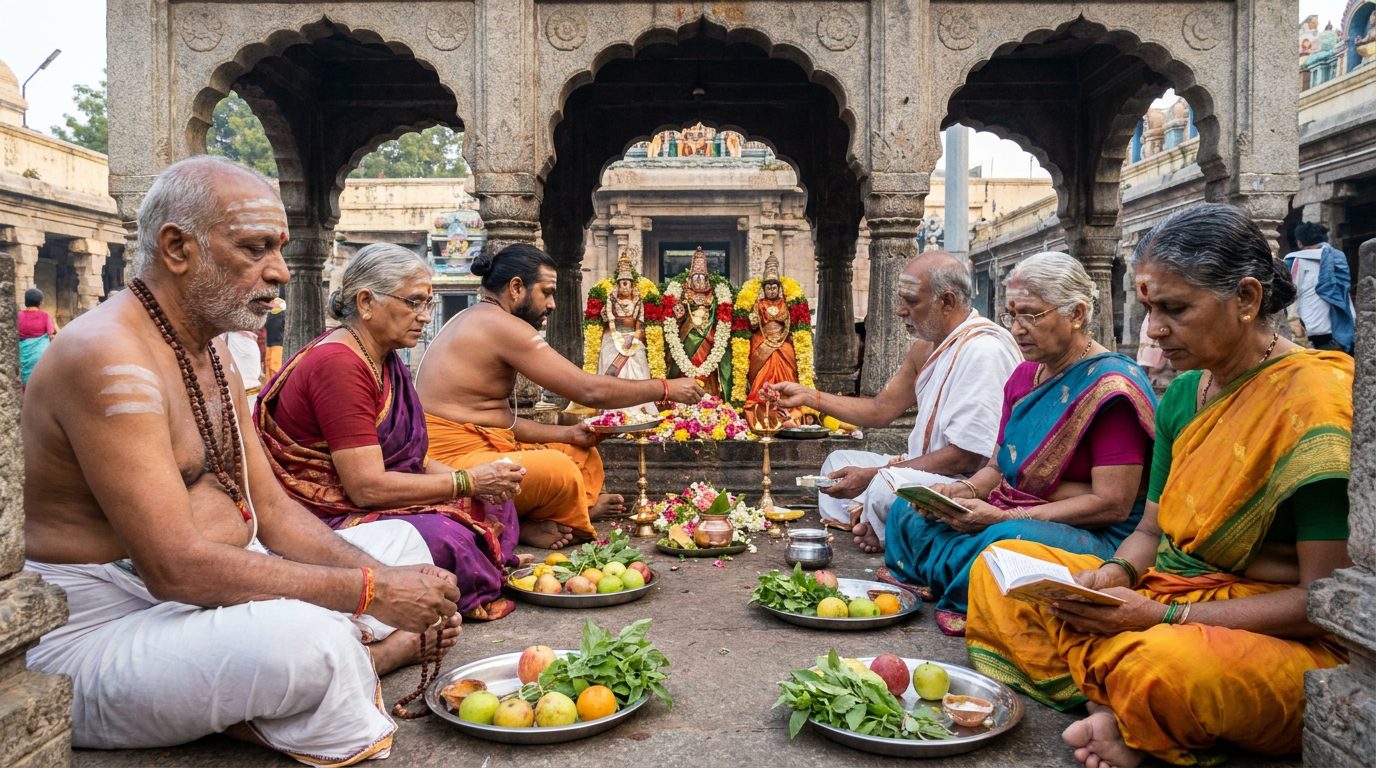
Ekādaśī is one of the most beloved spiritual observances in the Bhakti Yoga tradition. The word Ekādaśī means “the eleventh,” referring to the eleventh day of the lunar cycle. It comes twice each lunar month: once during the waxing moon and once during the waning moon.
For thousands of years, devotees of Krishna, Vishnu, and many forms of the Divine have honored Ekādaśī as a sacred day for spiritual renewal. It is a day to simplify our lives, remember God more deeply, chant the holy names, offer heartfelt prayers, serve others, and gently turn the heart toward divine love.
In Bhakti Yoga, we understand that spiritual life is not about harshness or pride. It is about love. Ekādaśī is not meant to make us feel superior, anxious, or guilty. It is an invitation. It is a pause in the month where we can ask, “How can I make more space for God in my heart?”
Whether you are new to Bhakti, returning after some time away, from another faith background, or simply spiritually curious, Ekādaśī can be approached with sincerity and compassion. Everyone can participate according to their health, capacity, and life situation.
What Is Ekādaśī?
Ekādaśī is a sacred fasting and devotional day observed on the eleventh lunar day. In the Bhakti tradition, it is especially connected with Lord Vishnu and Lord Krishna, names for the Supreme Lord who lovingly sustains all beings.
The Meaning of Ekādaśī
The Sanskrit word eka means “one,” and daśa means “ten.” Together, ekādaśī means “eleven.” It occurs on the eleventh day after the new moon and the eleventh day after the full moon.
Because the lunar calendar is different from the solar calendar, Ekādaśī dates change each month. Devotees usually follow a Vaishnava calendar, temple calendar, or trusted spiritual community calendar to know the correct observance day and the proper time to break the fast.
Why Ekādaśī Is Important in Bhakti Yoga
Bhakti Yoga is the path of devotion—loving union with God through the heart. The word bhakti means loving devotion, and yoga means connection. So Bhakti Yoga means reconnecting with the Divine through love.
Ekādaśī supports this path by helping us reduce distractions and increase remembrance. On this day, we may eat more simply, avoid certain foods, chant more rounds of mantra meditation, read sacred texts, offer prayers, and engage in service.
In the Bhagavad-gītā, Krishna teaches that sincere offering is more important than external display. He says:
“Whoever offers Me with devotion a leaf, a flower, fruit, or water, I accept that loving offering from the pure-hearted.”
— Bhagavad-gītā 9.26
This verse helps us understand Ekādaśī in the right mood. The essence is not merely fasting. The essence is devotion.
Ekādaśī as a Day of Grace
Many Bhakti scriptures glorify Ekādaśī as a day of spiritual mercy. The Padma Purāṇa and other devotional texts describe Ekādaśī as especially dear to the Lord. Devotees honor this day not because God needs our fasting, but because we need opportunities to remember our eternal relationship with God.
Ekādaśī gives the soul a chance to breathe.
The Spiritual Purpose of Ekādaśī
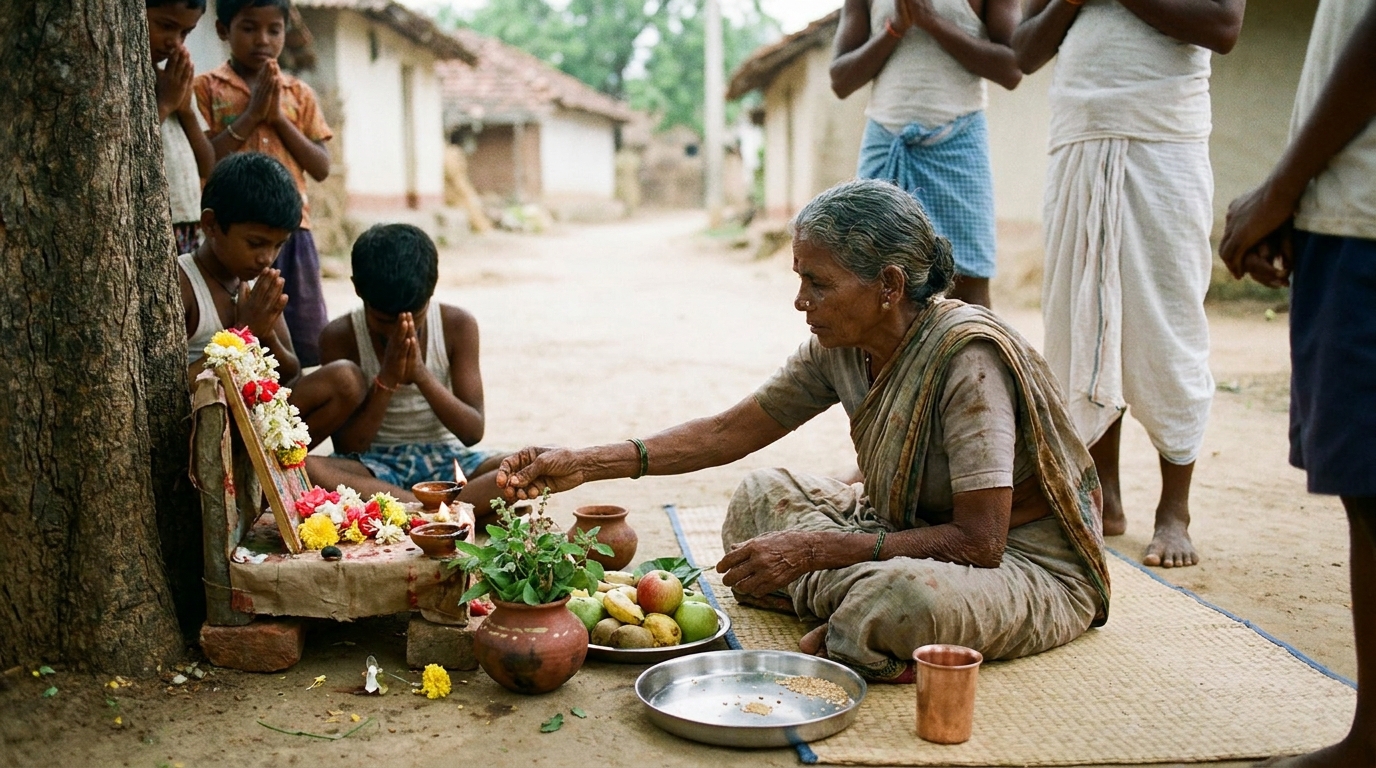
It is easy to think of Ekādaśī only as a food rule. But in the Bhakti tradition, the heart of Ekādaśī is not restriction—it is redirection. We gently redirect our attention from consumption to connection.
Making Space for God
Modern life often pulls us outward. We are surrounded by screens, schedules, anxieties, news, and endless responsibilities. Ekādaśī creates a sacred rhythm. Twice a month, we pause and ask: “What am I feeding—my restless mind, or my soul?”
By simplifying food and activity, we create more inner space for chanting, prayer, meditation, and spiritual study. This is not about rejecting the world. It is about remembering the sacred purpose of life within the world.
Training the Senses with Kindness
In the Bhagavad-gītā, Krishna describes the mind and senses as powerful forces that can either uplift us or disturb us. Ekādaśī helps us gently train the senses.
Fasting is not punishment. It is a loving discipline. Just as an athlete trains the body, a devotee trains the heart and mind to find joy in spiritual nourishment.
For some, fasting from grains and beans is enough. For others, a fruit fast, water fast, or simple Ekādaśī meal may be possible. For those with health conditions, pregnancy, eating disorder history, intense labor, or medical needs, honoring Ekādaśī may look different. The Lord sees sincerity, not performance.
Deepening Devotional Remembrance
The most important practice on Ekādaśī is remembering God. In Bhakti, one of the most accessible and powerful methods is chanting the holy names, especially the mahā-mantra:
Hare Krishna Hare Krishna
Krishna Krishna Hare Hare
Hare Rama Hare Rama
Rama Rama Hare Hare
The word Hare calls upon the Lord’s divine energy, Krishna means “the all-attractive one,” and Rama means “the source of joy.” This mantra is a prayer: “O Lord, please engage me in Your loving service.”
On Ekādaśī, chanting becomes especially sweet. Even a few minutes of sincere chanting can soften the heart.
Check out our latest posts at https://thebhaktihouse.org/blog.
How to Observe Ekādaśī
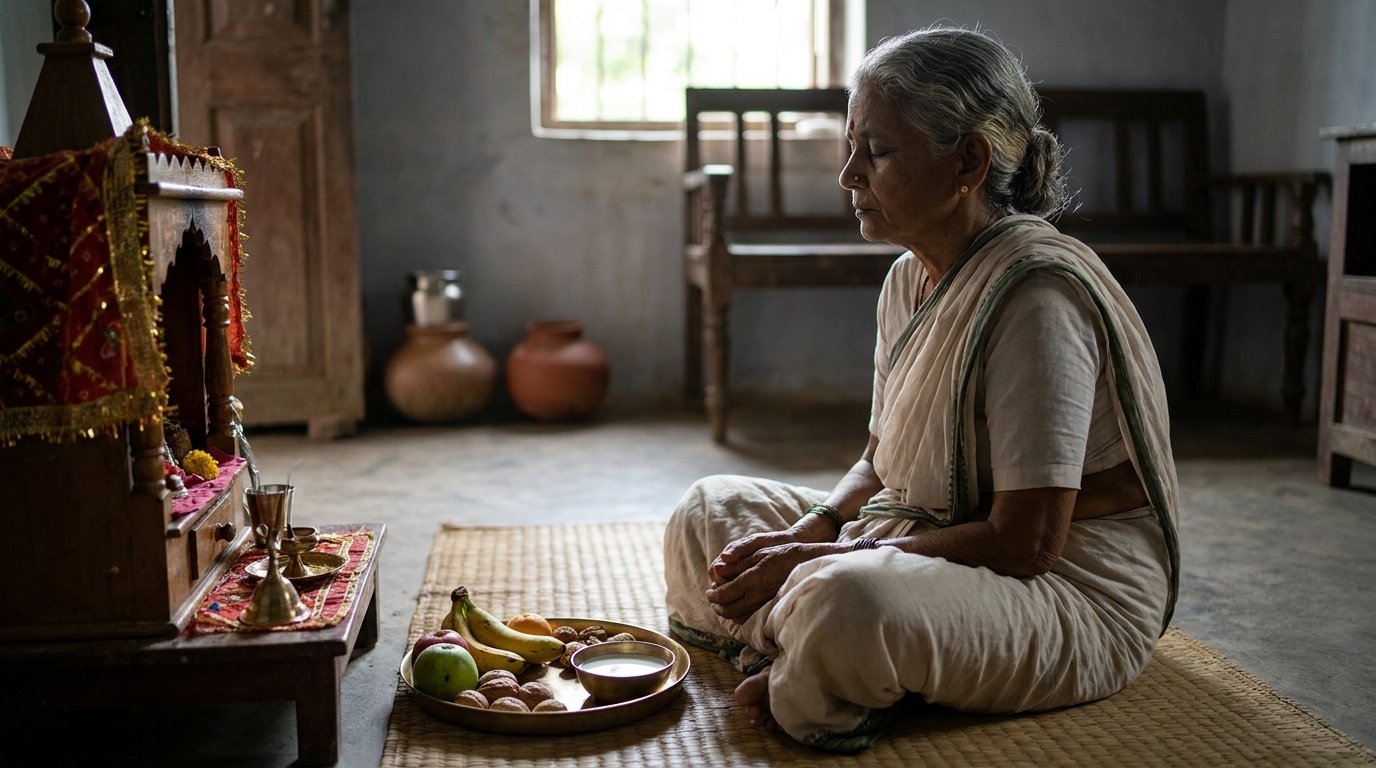
There are different levels of Ekādaśī observance. The goal is to choose a level that is sincere, sustainable, and spiritually meaningful.
Begin with Intention
Before Ekādaśī begins, take a moment to set a loving intention. You might pray:
“Dear Lord, please help me use this Ekādaśī to remember You. Please accept my small efforts. Please guide my heart toward love, humility, and service.”
This simple prayer sets the tone. Ekādaśī is not a competition. It is a relationship.
Common Levels of Fasting
Devotees may observe Ekādaśī in different ways:
- Avoiding grains and beans
This is the most common Ekādaśī observance in many Bhakti communities. Devotees eat simple foods such as fruits, vegetables, nuts, seeds, milk, yogurt, and certain non-grain flours.
- Eating once or twice simply
Some people take one or two simple Ekādaśī meals, avoiding grains and beans.
- Fruit and milk fast
Some devotees take only fruit, milk, or simple liquids.
- Water fast
Some observe by drinking only water, if health allows.
- Nirjala fast
Nirjala means “without water.” This is a complete fast from food and water, practiced by some advanced or experienced devotees on certain Ekādaśīs, especially Nirjala Ekādaśī. This should only be done with proper health, guidance, and care.
Again, the purpose is love. A humble person who eats a simple Ekādaśī meal and chants sincerely may please the Lord more than someone who fasts strictly but becomes proud or irritable.
Foods Commonly Avoided on Ekādaśī
Traditionally, devotees avoid grains and beans on Ekādaśī. This includes foods such as:
- Rice
- Wheat
- Barley
- Oats
- Corn
- Lentils
- Chickpeas
- Beans
- Peas
- Soy products
- Foods made from grain flours
- Many processed foods containing grain or bean ingredients
Some traditions also avoid certain spices or ingredients. Practices may vary by lineage, temple, or family tradition. If you are connected with a spiritual teacher or community, follow their guidance.
Ekādaśī-Friendly Foods
Many devotees prepare simple foods such as:
- Fresh fruits
- Potatoes and sweet potatoes
- Squash and other vegetables
- Nuts and seeds
- Milk, yogurt, paneer, or other dairy if taken in your tradition
- Buckwheat, amaranth, water chestnut flour, or other non-grain alternatives depending on tradition
- Rock salt, black pepper, cumin, and simple spices depending on local practice
- Herbal teas
- Fresh juices
The key is simplicity. Ekādaśī is not meant to become a feast of elaborate substitutes. A simple meal offered with devotion is ideal.
Offering Food to Krishna
In Bhakti Yoga, devotees offer food to God before eating. This practice is called prasāda-sevā. Prasāda means “mercy.” When food is prepared with love and offered to Krishna, it becomes spiritually blessed.
On Ekādaśī, we can prepare simple food, place it before a picture or deity of Krishna, and pray:
“My dear Lord, please accept this offering made with love.”
Then we honor the food as God’s mercy.
Ekādaśī Practices Beyond Fasting
Fasting is only one part of Ekādaśī. The real treasure is devotional absorption.
Chanting the Holy Names
Chanting is central to Bhakti Yoga. The sacred sound vibration cleanses the heart and awakens love for God. On Ekādaśī, devotees often increase their chanting.
If you have a daily practice, you may chant extra rounds on beads. If you are new, you can begin with five or ten minutes. Chant softly, clearly, and prayerfully.
You do not have to be perfect. Just begin.
Reading Sacred Texts
Ekādaśī is a wonderful day to read Bhakti scriptures, such as:
- Bhagavad-gītā
- Śrīmad-Bhāgavatam
- Caitanya-caritāmṛta
- Stories of Krishna and His devotees
- Writings of saints and teachers in your lineage
The Śrīmad-Bhāgavatam teaches that hearing about the Lord purifies the heart. Even reading a few verses with attention can bring peace and clarity.
A simple practice is to read one chapter of the Bhagavad-gītā or one story of Krishna’s devotees and reflect: “How can I live this teaching today?”
Prayer and Reflection
Ekādaśī is a beautiful time for honest prayer. We can bring our whole self to God—our gratitude, confusion, sorrow, hopes, and longing.
You might journal with questions like:
- What attachments are making my heart heavy?
- Where do I need forgiveness or healing?
- How can I serve more lovingly?
- What is one habit I can offer to God?
- How can I remember Krishna more throughout the day?
Prayer does not need fancy language. The Lord hears the heart.
Service to Others
Bhakti is expressed through service, called sevā. On Ekādaśī, we can serve in practical ways:
- Cook or share prasāda
- Help at a temple or spiritual gathering
- Call someone who needs encouragement
- Donate to a devotional or compassionate cause
- Clean a sacred space
- Support another person’s spiritual practice
- Offer kindness in your home and workplace
Service turns fasting into love in action.
Understanding the Ekādaśī Calendar
Because Ekādaśī follows the lunar calendar, dates can vary depending on location and tradition. This can feel confusing at first, but it becomes easier with practice.
The Lunar Basis
The Vedic calendar is based on the movements of the moon. Each lunar day is called a tithi. Ekādaśī is the eleventh tithi.
Because tithis do not always align perfectly with sunrise-to-sunrise days, observance times can vary. This is why it is best to consult a trusted Vaishnava calendar for your area.
Breaking the Fast: Pāraṇa
The time to break an Ekādaśī fast is called pāraṇa. This usually occurs the next day, on Dvādaśī, the twelfth lunar day, during a specific window of time.
Breaking the fast properly is part of the observance. Traditionally, devotees break the fast with grains after the pāraṇa time begins, unless following a different level of fasting or health adjustment.
If you cannot follow the exact time, do your best with sincerity. God is not a bureaucrat. He is the loving witness in the heart.
Mahādvādaśī and Special Cases
Sometimes, due to lunar calculations, Ekādaśī observance may shift and become connected with Mahādvādaśī, a special observance day. This is another reason to follow a reliable calendar from your temple or spiritual tradition.
There are also special Ekādaśīs throughout the year, each with its own name and devotional significance, such as:
- Nirjala Ekādaśī
- Pāṇḍava Ekādaśī
- Śayanī Ekādaśī
- Pavitropāna Ekādaśī
- Mokṣadā Ekādaśī
- Vaikuṇṭha Ekādaśī
Each Ekādaśī carries a mood of remembrance, purification, and grace.
Ekādaśī in Scripture and Tradition
Bhakti scriptures speak with great reverence about Ekādaśī. These teachings are meant to inspire us, not overwhelm us.
Ekādaśī in the Purāṇas
The Purāṇas are ancient sacred texts that include histories, teachings, and devotional stories. Texts such as the Padma Purāṇa glorify Ekādaśī as a day that destroys sins and awakens devotion.
When scriptures say Ekādaśī removes sins, we can understand this practically: sincere spiritual practice helps cleanse harmful patterns, selfish tendencies, and forgetfulness of God. Ekādaśī gives us strength to begin again.
The Mood of Surrender in the Bhagavad-gītā
Krishna teaches in the Bhagavad-gītā:
“Abandon all varieties of separate duties and simply surrender unto Me. I shall deliver you from all sinful reactions. Do not fear.”
— Bhagavad-gītā 18.66
Ekādaśī is a small practice of surrender. We say, “My Lord, I do not want to be controlled by every impulse. I want to remember You. I want to love You. Please help me.”
This surrender is not forced. It is loving trust.
Śrī Caitanya Mahāprabhu and the Holy Name
Śrī Caitanya Mahāprabhu, the great saint and teacher of divine love, emphasized the chanting of God’s names as the most accessible spiritual practice for this age. He taught that the holy name is full of spiritual power and available to everyone.
Ekādaśī becomes especially meaningful when centered on chanting. Even if our fasting is simple, if we chant with humility and longing, our observance becomes rich.
Practical Guidance for Different Life Situations
A complete guide to Ekādaśī must include compassion. Not everyone can fast in the same way. Bhakti is personal and practical.
If You Are New to Ekādaśī
Start gently. You might begin by avoiding grains and beans for one Ekādaśī and chanting the Hare Krishna mantra for ten minutes.
Do not worry if you make mistakes. Learning is part of devotion. Keep a simple calendar, plan your meals ahead, and focus on the mood of remembrance.
A good beginner practice could be:
- Avoid grains and beans
- Offer your food to Krishna
- Chant for ten to twenty minutes
- Read one page of scripture
- Say a heartfelt prayer before sleeping
This is beautiful and complete.
If You Have Health Concerns
If you have diabetes, pregnancy, chronic illness, a history of disordered eating, medication needs, or physically demanding work, please do not harm your body. Your body is a sacred gift and an instrument for service.
You can honor Ekādaśī by:
- Eating simple Ekādaśī-friendly meals
- Avoiding overeating
- Chanting more
- Reading scripture
- Serving others
- Reducing media or unnecessary talk
- Offering your limitations to God with humility
Krishna sees your intention.
If You Live with Family or Non-Devotees
You may be the only person in your home observing Ekādaśī. Be gentle and respectful. Bhakti should make us kinder, not harder to live with.
Prepare simple meals without demanding that everyone else follow. Explain lovingly if asked. Let your peace and kindness be the example.
If You Work or Study on Ekādaśī
Many people cannot spend the whole day in temple or meditation. That is okay. Bring Ekādaśī into your day in small ways:
- Listen to kirtan while commuting
- Chant quietly during breaks
- Eat a simple lunch
- Avoid unnecessary gossip
- Offer your work to God
- Read a verse before bed
Bhakti can enter ordinary life and make it sacred.
Common Mistakes to Avoid
Ekādaśī is a blessing, but like any spiritual practice, it can be misunderstood. Here are some common mistakes and how to avoid them.
Making It Only About Food
Food discipline is helpful, but the main purpose is devotion. If we spend the whole day thinking about recipes, hunger, or rules, we may miss the deeper invitation.
Ask throughout the day: “Am I remembering God more?”
Becoming Proud
Spiritual pride can quietly enter the heart. We may think, “I fast better than others,” or “I am more advanced.” This mood weakens devotion.
A true Ekādaśī mood is humble: “My Lord, I am dependent on Your mercy.”
Neglecting Health
Bhakti is not self-harm. If fasting makes you faint, angry, or unable to function, adjust your observance. A sustainable practice over many years is better than extreme fasting followed by burnout.
Judging Others
Different devotees observe in different ways. Some fast strictly, some eat simply, some cannot fast physically. We should not judge. The Lord is in everyone’s heart and knows each person’s circumstances.
Encouragement is always better than criticism.
A Simple Ekādaśī Day Plan
Here is a practical example for someone wanting to observe Ekādaśī in a balanced way.
Morning Practice
Wake a little earlier if possible. Bathe or freshen up. Light a candle or incense if that is part of your practice. Offer a simple prayer:
“Dear Krishna, please let this day be for You.”
Chant the Hare Krishna mantra on beads or softly aloud. Read a verse from the Bhagavad-gītā.
Daytime Practice
Eat simply if needed. Avoid grains and beans. Offer your meals before eating. Try to keep your speech kind and your mind focused.
If working, offer your tasks as service. If at home, create a peaceful environment. Listen to kirtan or a spiritual class.
Evening Practice
Spend some time in reflection. Chant again, read scripture, or join a kirtan gathering if available. Offer gratitude:
“Thank You, Lord, for allowing me to remember You today.”
Go to sleep with the holy name on your lips or in your heart.
Breaking the Fast
The next day, check the pāraṇa time from a trusted calendar. Break the fast respectfully. Many devotees break with a grain preparation, such as rice or chapati, after the correct time begins.
As you break the fast, remember: the goal was not simply to complete a rule, but to soften the heart.
The Inner Fruit of Ekādaśī
When practiced with sincerity, Ekādaśī gradually changes us.
More Self-Control
We learn that we do not have to obey every craving. This gives strength in other areas of life too—speech, habits, emotions, and relationships.
More Gratitude
Simple food becomes meaningful. Water becomes a gift. Prayer becomes nourishment. We begin to notice how much mercy surrounds us.
More Compassion
When we fast, even mildly, we may remember those who are hungry not by choice. This can awaken compassion and inspire service.
More Love for God
The highest fruit of Ekādaśī is not discipline, purity, or religious achievement. The highest fruit is love—love for Krishna, love for God, love for all beings as children of the Divine.
This is the heart of Bhakti Yoga.
Frequently Asked Questions About Ekādaśī
Can anyone observe Ekādaśī?
Yes. Ekādaśī is open to everyone. You do not need to be born into a particular culture or background. Bhakti Yoga welcomes all sincere seekers.
You can begin from where you are, with respect and humility.
What if I accidentally eat grains?
Do not become discouraged. Offer a prayer, continue the day with sincerity, and try again next time. Spiritual life is a journey of returning, not a demand for perfection.
Is Ekādaśī only for Hindus?
Ekādaśī comes from the Vedic and Bhakti traditions, especially Vaishnava practice. But the heart of Ekādaśī—prayer, simplicity, self-control, love of God, and service—is meaningful for people of many backgrounds.
Those from other traditions can honor the day respectfully while understanding its roots.
Do I have to fast completely?
No. Many devotees simply avoid grains and beans. Others adjust based on health. The most important thing is sincere devotion.
Can children observe Ekādaśī?
Children can participate gently, usually by eating Ekādaśī-friendly foods and joining in chanting or stories. Strict fasting is not recommended for children. Make it joyful and loving.
What should I chant on Ekādaśī?
The Hare Krishna mahā-mantra is especially recommended in the Bhakti tradition:
Hare Krishna Hare Krishna
Krishna Krishna Hare Hare
Hare Rama Hare Rama
Rama Rama Hare Hare
You may also chant names of God from your own tradition with love and reverence.
Bringing Ekādaśī into the Heart
Ekādaśī is not meant to be heavy. It is meant to be sacred. It is a day of returning to what matters most.
We may come with imperfect minds, busy lives, and mixed motivations. Still, the Lord kindly accepts even a small offering made with love. A simple prayer, a few sincere mantras, a humble fast, a kind act of service—these can become powerful steps toward spiritual growth.
At The Bhakti House, we hold Ekādaśī as a beautiful opportunity to remember that God is near, the soul is eternal, and love is the essence of all spiritual practice.
Wherever you are on your journey, you are welcome. You can begin with one sincere step: chant one mantra, offer one prayer, read one verse, share one act of kindness, or prepare one simple meal for Krishna. The path of Bhakti is open to every heart, and every sincere step toward God is blessed.
FAQs
What is Ekādaśī?
Ekādaśī is the eleventh day of the lunar fortnight in the Hindu calendar. It is considered a sacred day for fasting and spiritual observances.
What are the observances for Ekādaśī?
Observances for Ekādaśī include fasting from grains and beans, performing acts of charity, and engaging in spiritual practices such as chanting, meditation, and reading sacred texts.
Why is Ekādaśī observed?
Ekādaśī is observed as a way to purify the mind and body, seek spiritual advancement, and gain the blessings of the divine. It is believed to be a day when the influence of the moon and the sun is conducive for spiritual practices.
What are the benefits of observing Ekādaśī?
Observing Ekādaśī is believed to bring spiritual merit, cleanse the mind and body, and help in overcoming negative influences. It is also considered a way to seek the blessings of the divine and progress on the spiritual path.
How is Ekādaśī observed in different regions?
Ekādaśī observances may vary in different regions and among different sects within Hinduism. Some may observe a full day fast, while others may have specific dietary restrictions. The specific rituals and practices may also vary based on local customs and traditions.

