

To care for Krishna with love is one of the sweetest invitations in Bhakti Yoga. It is not only a ritual or religious practice. It is a relationship.
Krishna is a Sanskrit name for God meaning “the all-attractive one.” In the Bhakti tradition, Krishna is understood as the Supreme Person, full of beauty, kindness, wisdom, playfulness, and love. Devotees do not approach Krishna as a distant force, but as a beloved friend, child, master, companion, and the very soul of all souls.
Bhakti means loving devotion. Yoga means connection. So Bhakti Yoga is the path of reconnecting with God through love. This love is expressed in simple, practical ways: chanting, prayer, offering food, serving others, reading sacred wisdom, and remembering Krishna throughout the day.
Caring for Krishna with love does not require wealth, status, or perfection. It begins with sincerity.
A small flower offered with devotion, a whispered prayer during a busy morning, a few minutes of chanting, or a humble act of service can become spiritually powerful when offered with love.
In the Bhagavad Gita, Krishna says:
“Whoever offers Me with love and devotion a leaf, a flower, fruit, or water, I accept it.”
— Bhagavad Gita 9.26
This verse is very comforting. Krishna does not say we must offer something expensive or elaborate. He asks for love and devotion. The offering may be simple, but the heart can be deep.
Understanding Krishna as the Beloved Lord
Krishna Is Personal and Loving
Many people begin spiritual life by wondering, “Who is God?” In Bhakti Yoga, we come to know God not only as the creator of the universe, but as a loving person who desires a relationship with us.
Krishna is described in the Vedic scriptures as the source of all beauty, strength, knowledge, fame, wealth, and renunciation. Yet, He is also deeply approachable. He plays the flute. He cares for cows. He loves His devotees. He accepts simple offerings. He listens to sincere prayers.
This personal understanding of God makes devotion very natural. We can speak to Krishna. We can sing for Him. We can cook for Him. We can serve His devotees. We can invite Him into the center of our home and heart.
Caring for Krishna Is a Relationship
When we love someone, we naturally want to care for them. A parent cares for a child. A friend cares for a friend. A spouse cares for a spouse. In Bhakti Yoga, this caring mood is called seva, which means loving service.
Seva is not forced labor. It is service offered from the heart. It is the joy of doing something for Krishna’s pleasure.
This may include cleaning a home altar, preparing food to offer, decorating Krishna’s picture or Deity, singing kirtan, helping in a temple, supporting a spiritual community, or serving people with compassion because they are all children of God.
The more we care for Krishna, the more we realize He has always been caring for us.
Creating a Sacred Space for Krishna at Home
A Simple Home Altar
One beautiful way to begin caring for Krishna with love is to create a sacred space in your home. This is often called an altar. It does not have to be large or elaborate. It may be a small shelf, table, or clean corner with a picture of Krishna, Sri Radha and Krishna, Lord Chaitanya, or your spiritual teachers.
Radha is Krishna’s eternal beloved and the highest example of pure devotion. Lord Chaitanya is Krishna in the mood of His own devotee, who appeared to spread the chanting of God’s holy names.
Your altar can include:
- A clean cloth
- A picture or small form of Krishna
- Fresh flowers or leaves
- A candle or ghee lamp
- Incense, if appropriate for your home
- A small cup for water offerings
- Scripture such as the Bhagavad Gita
The purpose of the altar is not decoration alone. It is a reminder that Krishna is welcome in your life.
Cleanliness as Devotion
In Bhakti Yoga, cleanliness is a form of respect. Just as we would clean our home before welcoming a dear guest, we keep Krishna’s space clean with affection.
You may wipe the altar, change the water, remove old flowers, and keep the area peaceful. While doing this, you can softly chant Krishna’s names or offer a simple prayer:
“Dear Krishna, please accept this small service. Please help me remember You with love.”
Even cleaning becomes meditation when it is done for Krishna.
Making Your Home Spiritually Nourishing
A home becomes spiritually nourishing when Krishna is remembered there. This does not mean everything must be perfect or silent. Family life, work, children, and responsibilities can be busy. But even in ordinary life, we can create sacred moments.
You might play soft kirtan in the morning. You might offer your meals before eating. You might read one verse of the Bhagavad Gita at night. You might gather with loved ones once a week to chant or pray.
Caring for Krishna at home gradually changes the atmosphere. The heart becomes softer. The mind becomes clearer. The home becomes a place of refuge.
Please visit our website for more information on our articles: articles.
Offering Food to Krishna With Love

What Is Prasadam?
One of the most beloved practices in Bhakti Yoga is offering food to Krishna. Food that has been lovingly offered to Krishna is called prasadam, which means mercy or grace.
The idea is simple and profound: instead of eating only for our own satisfaction, we cook and offer the food first to God. Then we receive it as Krishna’s blessing.
This practice transforms eating into worship. It reminds us that food is sacred, the earth is sacred, and everything ultimately comes from God.
What Can Be Offered?
Traditionally, devotees offer vegetarian foods prepared without meat, fish, eggs, onion, or garlic. The offering may include fruits, grains, vegetables, milk products, nuts, sweets, and water. The emphasis is purity, kindness, and devotion.
If you are new to this practice, begin where you are. Offer a fruit, a cup of water, or a simple vegetarian meal. Krishna is looking at your sincerity.
The Bhagavad Gita’s teaching is very gentle: “a leaf, a flower, fruit, or water” offered with love is accepted by Krishna.
How to Offer Food Simply
You can make a simple offering in this way:
- Prepare the food with cleanliness and gratitude.
- Place a portion on a special plate for Krishna.
- Put it before Krishna’s picture or altar.
- Offer a prayer from your heart.
- Wait a few minutes in a mood of respect.
- Receive the food as prasadam and share it with others.
You may pray:
“Dear Krishna, everything belongs to You. Please accept this offering made with love. Please bless my heart with devotion.”
This is not complicated. It is loving.
Cooking as Meditation
Cooking for Krishna can become a beautiful spiritual practice. While cutting vegetables, stirring a pot, or preparing a plate, we can chant or remember Krishna. We can avoid tasting the food before offering it, because it is first meant for Him.
This mood teaches us selflessness. Instead of thinking, “What do I want?” we begin thinking, “What would please Krishna?”
Over time, this simple shift purifies the heart.
Chanting the Holy Names of Krishna
The Power of Mantra
A mantra is a sacred sound vibration that helps focus the mind and awaken the heart. In Bhakti Yoga, the most recommended practice for this age is chanting the holy names of God.
The most widely known mantra in the Krishna Bhakti tradition is the maha-mantra, meaning “great mantra”:
Hare Krishna, Hare Krishna, Krishna Krishna, Hare Hare
Hare Rama, Hare Rama, Rama Rama, Hare Hare
“Hare” calls upon the divine energy of the Lord, especially Srimati Radharani, Krishna’s supreme devotee. “Krishna” means the all-attractive Lord. “Rama” means the source of spiritual joy.
This mantra is a prayer: “O Lord, O divine energy of the Lord, please engage me in Your loving service.”
Japa: Personal Chanting
Japa means quiet, personal repetition of a mantra, often on beads. Many practitioners chant the Hare Krishna mantra daily as a way to center their heart in God.
You do not need to begin with a large vow. You can start with five minutes each morning. Sit comfortably, breathe gently, and chant with attention. When the mind wanders, kindly bring it back to the sound.
The goal is not to perform perfectly. The goal is to sincerely call out.
Krishna hears the heart.
Kirtan: Singing Together
Kirtan is the joyful singing of God’s names, usually with music and response singing. One person leads, and others respond. It can be soft and prayerful or lively and ecstatic.
Kirtan is a welcoming practice. You do not need to know Sanskrit. You do not need to have a trained voice. You simply listen, sing, and allow the sound to touch the heart.
In the Srimad Bhagavatam, one of the central scriptures of Bhakti Yoga, hearing and chanting about Krishna are described as powerful ways to cleanse the heart and awaken devotion.
Chanting is both simple and deep. It is accessible to children, elders, beginners, seekers, and lifelong practitioners.
Daily Worship and Loving Attention
What Is Arati?
Arati is a devotional ceremony in which offerings such as light, incense, water, flowers, and music are presented to Krishna. It is a way of honoring the Lord with the elements of creation.
In a temple, arati may be elaborate, with bells, lamps, conch shells, and singing. At home, it can be very simple. You may offer a candle or lamp while singing or playing a devotional song.
The light represents our desire to offer our life and consciousness to Krishna. It also reminds us that God is the light within the heart.
Dressing and Decorating Krishna
In many Bhakti traditions, devotees care for Krishna’s Deity form. A Deity is a sacred form of the Lord worshiped according to scripture and devotion. Krishna kindly appears in a visible form so we can serve Him personally.
For those with home Deities, caring may include bathing, dressing, decorating, offering flowers, preparing meals, and putting Krishna to rest. These services should be learned respectfully from experienced devotees, because Deity worship is a sacred responsibility.
If you do not have Deities, you can still decorate Krishna’s picture with flowers, garlands, or a clean cloth. The principle is the same: to offer beauty with love.
The Mood Matters Most
External offerings are meaningful when they carry affection. A beautiful altar is wonderful, but the real offering is the heart.
Sometimes we may not have flowers. Sometimes we may be tired. Sometimes life may feel messy. Even then, we can offer Krishna our honesty.
“Krishna, I am struggling today, but I want to remember You.”
This prayer is also care. Krishna is not attracted by our performance. He is attracted by our sincerity.
Serving Krishna by Serving Others
Seeing Every Soul as Dear to Krishna
Caring for Krishna does not end at the altar. If Krishna is the Supreme Father and the friend of all living beings, then every soul is connected to Him.
When we serve others with kindness, humility, and compassion, we are also serving Krishna.
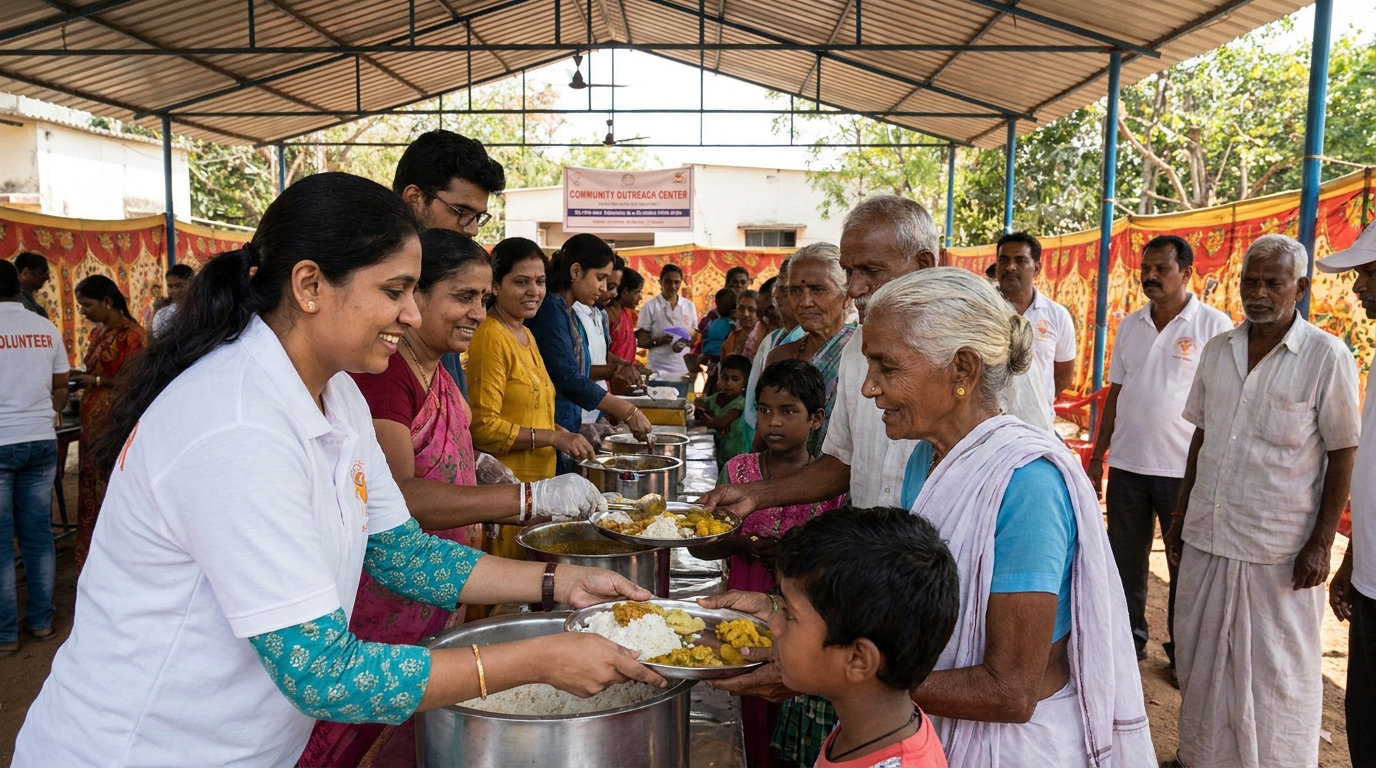
This includes feeding people prasadam, offering encouragement, listening with patience, helping a community, protecting animals, caring for the earth, and treating others with dignity.
Bhakti Yoga is not an escape from the world. It is a way to see the world through love.
Vaishnava Seva: Serving Devotees
A Vaishnava is a devotee of Vishnu or Krishna. Vaishnava seva means serving those who are trying to love and serve God.
The scriptures praise service to devotees because devotees carry Krishna in their hearts. Serving them helps us become humble and spiritually strong.
This service can be very practical:
- Helping clean after a gathering
- Cooking for devotees
- Supporting a kirtan program
- Offering transportation
- Listening respectfully
- Encouraging someone in their spiritual life
- Avoiding criticism and harsh speech
In spiritual community, small acts of kindness matter deeply.
Compassion as Devotion
Krishna says in the Bhagavad Gita that a true yogi sees all beings with equal vision. This does not mean we ignore differences, but we honor the spiritual dignity within everyone.
Compassion is not separate from devotion. It is devotion in action.
When we care for the hungry, lonely, grieving, confused, or discouraged, we are practicing Bhakti Yoga. When we forgive, when we speak gently, when we choose service over pride, we are caring for Krishna’s family.
Learning From Bhakti Scriptures
Bhagavad Gita: Krishna’s Loving Guidance
The Bhagavad Gita is a sacred conversation between Krishna and His friend Arjuna. Arjuna is facing confusion, fear, and moral struggle. Krishna guides him with wisdom about the soul, duty, devotion, and surrender.
One of the Gita’s most important teachings is that we are not merely the body or mind. We are eternal souls, part of God, meant for loving relationship with Him.
Krishna also teaches that we can spiritualize our daily life:
“Whatever you do, whatever you eat, whatever you offer or give away, and whatever austerities you perform—do that as an offering to Me.”
— Bhagavad Gita 9.27
This verse is a guide for practical Bhakti Yoga. Work can be offered. Food can be offered. Charity can be offered. Family care can be offered. Art, music, study, and rest can be offered.
The path is not limited to the temple. It can enter every part of life.
Srimad Bhagavatam: Hearing About Krishna
The Srimad Bhagavatam is a beautiful scripture filled with teachings, prayers, and stories of Krishna and His devotees. It describes devotion as the natural function of the soul.
Hearing Krishna’s pastimes—His loving activities—nourishes the heart. We hear how Krishna protects His devotees, plays with His friends, loves the residents of Vrindavan, and responds to sincere devotion.
Vrindavan is Krishna’s sacred village, where the mood of pure love is especially revealed. In Vrindavan, devotees do not love Krishna because He is powerful. They love Him because He is Krishna—their beloved.
This teaches us a tender truth: devotion is not only awe and reverence. It is closeness, affection, and trust.
The Teachings of Lord Chaitanya
Lord Chaitanya Mahaprabhu appeared in India over 500 years ago and taught the chanting of Krishna’s holy names as the most accessible spiritual practice for this age.
He shared Bhakti not as something restricted by birth, background, education, or social position. He welcomed everyone into the chanting of the holy name.
His prayer is simple and profound:
“O Lord, I do not want wealth, followers, beautiful companions, or even liberation. I only want causeless devotion to You, birth after birth.”
This is the heart of Bhakti: love for God without selfish demand.
Overcoming Common Challenges in Devotional Life
“I Am Not Qualified”
Many sincere people feel, “I am not pure enough to approach Krishna.” But Bhakti Yoga begins exactly where we are.
We do not become pure first and then approach Krishna. We approach Krishna, and His love gradually purifies us.
A child learning to walk may stumble, but the parent does not reject the child. In the same way, Krishna sees our effort, not just our mistakes.
If you can offer one sincere prayer, you can begin.
“My Mind Is Too Restless”
The mind is often restless. This is not new. Even Arjuna told Krishna in the Bhagavad Gita that the mind is difficult to control, like the wind.
Krishna did not deny this. He said the mind can be controlled by practice and detachment.
In Bhakti, practice means returning again and again to Krishna. Chant again. Pray again. Hear again. Serve again. Begin again.
Restlessness does not disqualify us. It simply gives us more reason to take shelter of the holy name.
“I Do Not Know Enough”
Knowledge is helpful, but love is the essence. A person may know many scriptures but still be proud. Another person may know only one prayer but offer it with tears.
Start with simple understanding:
- Krishna is God, the all-attractive Lord.
- I am an eternal soul, beloved by Him.
- Bhakti Yoga is the path of loving service.
- Chanting Krishna’s names awakens devotion.
- I can offer my life, step by step, with sincerity.
As you continue, knowledge will grow naturally.
“I Feel Spiritually Inconsistent”
Many people feel inspired one day and distracted the next. This is normal. Devotional life grows through steady, gentle practice.
Rather than making unrealistic promises, create a small daily rhythm:
- Chant for a few minutes
- Offer your food
- Read one verse
- Say one prayer
- Do one act of service
Consistency in small things becomes powerful over time.
Bringing Krishna Into Everyday Life
Morning Remembrance
The morning is a beautiful time to connect with Krishna. Before checking your phone or rushing into duties, pause for a moment.
You can say:
“Dear Krishna, thank You for this day. Please guide my thoughts, words, and actions. Let me serve with love.”
Even one minute of morning remembrance can shape the day.
Work as Offering
Not everyone lives in a temple or ashram. Most people have jobs, families, studies, and responsibilities. Bhakti Yoga teaches that these can become offerings.
Before work, you might pray:
“Krishna, please let this work be done in a spirit of service. May I be honest, kind, and useful.”
Work becomes spiritual when we offer the results, act with integrity, and remember that our talents come from God.
Family Life as Sacred Service
Caring for children, elders, partners, friends, and neighbors can be part of Bhakti Yoga when done with devotion. Family life may be demanding, but it also gives many opportunities to practice patience, forgiveness, generosity, and love.
You can bring Krishna into family life through shared meals of prasadam, simple songs, bedtime prayers, festival celebrations, and conversations about gratitude.
Even if not everyone in the home practices the same way, your gentle example can create peace.
Ending the Day With Gratitude
At night, you can offer the day back to Krishna.
“Krishna, whatever I did well, please accept it. Whatever I did poorly, please forgive me and help me grow. Thank You for staying with me.”
This simple prayer softens the heart and helps us rest in God’s care.
The Inner Mood of Caring for Krishna
Humility Opens the Heart
Humility is not thinking we are worthless. It is understanding that everything we have is a gift. Our body, mind, breath, talents, time, and relationships are all given by grace.
When we serve Krishna humbly, we become free from the pressure to be impressive. We do not need to prove ourselves. We only need to offer ourselves.
The great Bhakti teachers often pray to become servants of the servants of Krishna. This mood protects the heart from pride and invites deep spiritual joy.
Love Grows Through Practice
In the beginning, caring for Krishna may feel like a discipline. We may set reminders to chant, learn how to offer food, or make time for prayer.
Gradually, practice becomes affection.
Just as a friendship deepens through time spent together, our relationship with Krishna deepens through hearing, chanting, remembering, and serving.
We may begin by offering Krishna a flower. One day, we may realize He has accepted our whole heart.
Krishna Cares for Us First
It is important to remember that our care for Krishna is always a response to His care for us. Krishna is already in the heart as Paramatma, the indwelling guide. He accompanies every soul through every lifetime, waiting patiently for us to turn toward Him.
We may forget Krishna, but He does not forget us.
When we take one step toward Him, we often discover He has taken countless steps toward us.
A Simple Devotional Practice to Begin Today
If you are wondering how to begin caring for Krishna with love, keep it simple. Bhakti Yoga is deep, but it is also very practical.
Try this daily practice:
1. Offer a Prayer
Say in your own words:
“Dear Krishna, please help me remember You. Please accept my small efforts.”
2. Chant the Holy Name
Chant the Hare Krishna mantra for five minutes:
Hare Krishna, Hare Krishna, Krishna Krishna, Hare Hare
Hare Rama, Hare Rama, Rama Rama, Hare Hare
Listen to the sound with your heart.
3. Offer Food or Water
Place a fruit, meal, or cup of water before Krishna and ask Him to accept it. Then receive it as prasadam.
4. Read One Verse
Read one verse from the Bhagavad Gita or another Bhakti scripture. Reflect on how it applies to your life today.
5. Serve Someone
Do one act of kindness as an offering to Krishna. It may be small, but let it be sincere.
This simple practice can become the foundation of a meaningful devotional life.
Everyone Is Welcome on the Path of Bhakti
Bhakti Yoga is a path for everyone. It is not limited by culture, nationality, age, gender, education, or past mistakes. Krishna looks at the heart.
Whether you are new to spiritual life, returning after a long time, healing from religious hurt, exploring different traditions, or already walking the path of devotion, you are welcome.
Caring for Krishna with love is not about becoming someone else. It is about awakening who you truly are: an eternal soul, beloved by God, meant to love and be loved.
You do not have to do everything at once. Begin with one sincere step. Chant one mantra. Offer one flower. Say one prayer. Serve one person. Read one verse. Make one small space for Krishna in your day.
Krishna receives even the smallest offering made with love.
May your heart feel encouraged. May your home become a place of peace. May your daily life become a garland of simple offerings. And may you always know that everyone is welcome to take one sincere step toward God.
FAQs
What is the significance of caring for Krishna with love?
Caring for Krishna with love is an important aspect of the practice of bhakti yoga, which emphasizes devotion and love for the divine. It is believed that by caring for Krishna with love, one can deepen their spiritual connection and experience a sense of fulfillment and joy.
How can one care for Krishna with love?
Caring for Krishna with love can be expressed through various devotional activities such as offering food, flowers, and incense to Krishna, singing and chanting his holy names, reading and studying scriptures about Krishna, and engaging in acts of service and kindness towards others in Krishna’s name.
Why is it important to care for Krishna with love?
Caring for Krishna with love is important because it helps to cultivate a deep and personal relationship with the divine. It is believed that by expressing love and devotion towards Krishna, one can purify the heart, overcome material desires, and ultimately attain spiritual liberation.
What are the benefits of caring for Krishna with love?
The benefits of caring for Krishna with love include experiencing a sense of inner peace and contentment, developing a loving and compassionate nature, finding purpose and meaning in life, and ultimately attaining spiritual enlightenment and liberation from the cycle of birth and death.
How does caring for Krishna with love impact one’s daily life?
Caring for Krishna with love can impact one’s daily life by infusing it with a sense of purpose, joy, and spiritual fulfillment. It can inspire acts of kindness and selflessness, foster a positive and loving attitude towards others, and provide a source of strength and guidance in facing life’s challenges.

