

Can you practice more than one process of Bhakti?
Yes, absolutely.
In fact, the path of Bhakti Yoga is beautifully broad, personal, and alive. Bhakti means “devotion” or “loving service,” and Bhakti Yoga is the spiritual path of reconnecting with God through love. It is not a dry system or a rigid formula. It is a relationship.
Just as in any loving relationship, there are many ways to express affection. We may speak, listen, serve, remember, offer gifts, spend time, or simply hold someone in our heart. In the same way, Bhakti gives us many sacred ways to turn toward God.
Some people are drawn to chanting. Others feel close to God through prayer, reading scripture, serving others, cooking sacred food, worship, meditation, music, or community. These are not competing paths. They are different expressions of the same loving intention.
The heart of Bhakti is sincerity.
If your practices help you remember God, soften your heart, become more compassionate, and grow in loving service, then they are nourishing your spiritual life.
The Nine Processes of Bhakti
In the sacred Bhakti tradition, one of the most beloved teachings is called navadha-bhakti, which means “nine forms of devotion.” This teaching is described in the Śrīmad-Bhāgavatam 7.5.23–24, where the great devotee Prahlāda Mahārāja explains nine ways to serve and remember the Lord.
These nine processes are:
- Hearing about God
- Chanting God’s names and glories
- Remembering God
- Serving God’s feet
- Worshiping God
- Offering prayers
- Becoming God’s servant
- Becoming God’s friend
- Surrendering everything to God
Each of these is a doorway into divine love.
Hearing: Opening the Heart to Sacred Sound
The first process is śravaṇam, or hearing.
In Bhakti, hearing is not passive. It is a sacred act. When we hear spiritual wisdom, stories of God’s love, the chanting of divine names, or teachings from scripture, the heart becomes cleansed and awakened.
This may look like listening to a class on the Bhagavad-gītā, hearing kirtan, joining a satsang, or reading aloud from sacred texts. Satsang means “association with truth” or gathering with spiritually minded people.
Hearing is especially powerful because spiritual sound carries divine presence. The Bhakti scriptures explain that God and God’s names, stories, and teachings are spiritually connected. When we hear with faith and humility, we are placing ourselves in the current of grace.
Chanting: Calling Out with Love
The second process is kīrtanam, or chanting.
Kirtan means glorifying God, often through music and sacred mantra. A mantra is a spiritual sound vibration that helps focus and purify the mind. The most well-known mantra in many Bhakti traditions is the Hare Krishna maha-mantra:
Hare Krishna Hare Krishna
Krishna Krishna Hare Hare
Hare Rama Hare Rama
Rama Rama Hare Hare
“Maha-mantra” means “great mantra.” This prayer calls upon the divine energy of God, known as Hare, and the names Krishna and Rama, which refer to the all-attractive and all-joyful Lord.
Chanting can be done in a group with instruments and singing, or quietly on beads as a personal meditation. Both are powerful. Both are welcome.
For many Bhakti practitioners, chanting is the central practice because it directly engages the tongue, ears, mind, and heart in remembering God.
Remembering: Carrying God Through the Day
The third process is smaraṇam, or remembering.
Remembering God is the natural fruit of hearing and chanting. We may remember God while walking, cooking, working, parenting, studying, resting, or facing difficulty.
In the Bhagavad-gītā 8.7, Krishna says, “Always remember Me and do your duty.” This is such a practical instruction. Bhakti is not about escaping life. It is about bringing God into life.
Remembering may be as simple as whispering a prayer before a meeting, offering gratitude before a meal, keeping sacred music in the home, or pausing to breathe and say, “Dear Lord, please guide me.”
Small moments of remembrance become a thread of devotion woven through the whole day.
Can We Practice Several Forms at Once?
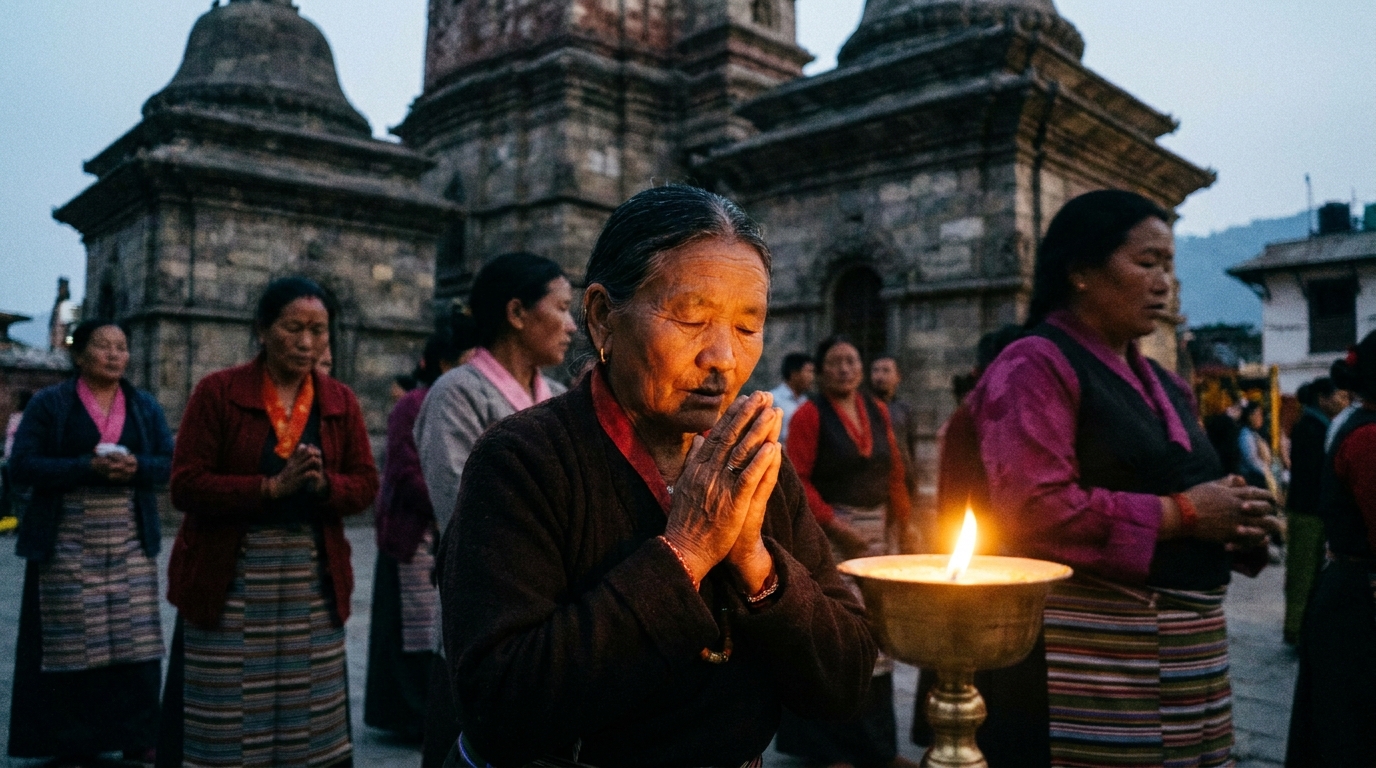
Yes. Most Bhakti practitioners naturally practice more than one process.
For example, when you attend kirtan, you are hearing, chanting, remembering, and associating with devotees. If you help set up the space, you are also serving. If you bow your head in gratitude, you are offering prayer. If you bring food to share and offer it to God, you are worshiping through cooking and generosity.
The processes of Bhakti often overlap like colors in a sunrise.
Bhakti Is a Relationship, Not a Checklist
It is helpful to know the nine processes, but we do not need to treat them like a checklist for spiritual success.
Bhakti is not mechanical.
The purpose of each practice is to awaken love for God. If we chant with pride, serve with resentment, or read scripture only to feel superior, we may be doing the outer form but missing the inner mood.
On the other hand, even one sincere prayer can be deeply powerful.
In the Bhagavad-gītā 9.26, Krishna says:
“If one offers Me with love and devotion a leaf, a flower, a fruit, or water, I will accept it.”
This verse is so tender. God does not ask for wealth, status, or perfection. He asks for love.
Different Practices Support Each Other
Hearing nourishes chanting.
Chanting deepens remembrance.
Remembrance inspires service.
Service purifies the heart.
Prayer gives us humility.
Scripture gives us guidance.
Community gives us strength.
Rather than competing, these practices support one another. Together, they help us live a God-centered life in a very practical way.
One Main Practice, Many Supporting Practices
Although we can practice many forms of Bhakti, it is often helpful to have one main practice that anchors us.
For many in the Bhakti tradition, that anchor is chanting the holy names of God. This is especially emphasized in the current age, which the scriptures describe as an age of distraction, quarrel, and spiritual forgetfulness.
The Bṛhan-nāradīya Purāṇa famously teaches:
“Chant the holy name, chant the holy name, chant the holy name of the Lord. In this age, there is no other way, no other way, no other way for spiritual progress.”
This does not mean other practices are worthless. Rather, chanting is a simple, accessible, and powerful practice that can be done by anyone, anywhere.
A person may chant daily and also read scripture, offer food, pray, serve, and gather with community. The chanting becomes the heart, and the other practices become limbs of a living devotional life.
Please visit our website for more information on our articles: articles.
The Practical Beauty of Combining Bhakti Practices
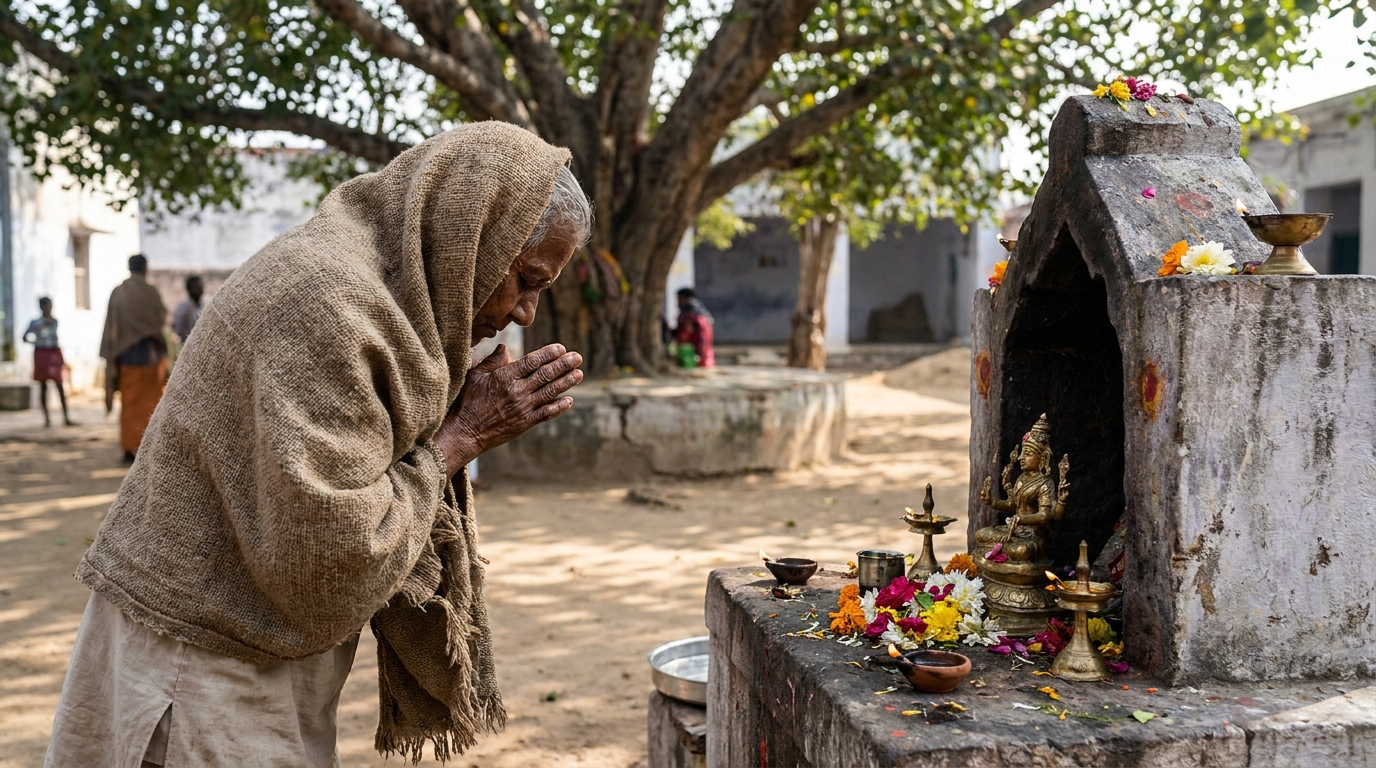
One of the gifts of Bhakti Yoga is that it can be practiced in everyday life. You do not need to live in a monastery or know Sanskrit to begin. You do not need to come from a particular background, nationality, or religious history.
Bhakti meets you where you are.
Morning: Begin with Remembrance
A simple morning Bhakti practice may include:
- Offering a short prayer
- Chanting a few rounds of mantra meditation
- Reading one verse from the Bhagavad-gītā
- Lighting a candle or incense before a sacred image
- Setting an intention to serve with kindness
This may take ten minutes or an hour. The time is less important than the sincerity.
A morning practice helps us begin the day not just as workers, students, parents, or problem-solvers, but as souls in relationship with God.
Meals: Offering Food with Love
Another beautiful Bhakti practice is offering food to God before eating. This is often called offering prasādam. The word prasādam means “mercy” or “grace.”
The practice is simple. Prepare vegetarian food with care, place it before God, and offer a prayer. You might say:
“Dear Lord, thank You for this food. Please accept this offering made with love. May it nourish my body and help me serve You and others.”
After the food is offered, it is honored as prasādam, sacred food that carries spiritual blessing.
This practice turns eating into gratitude. It reminds us that nothing truly belongs to us. Everything is a gift.
Work and Service: Making Daily Life Sacred
Bhakti also includes seva, or service.
Seva means selfless service offered with devotion. It may happen in a temple, a home, a garden, a workplace, or a neighborhood. We can serve by cleaning, cooking, teaching, listening, encouraging, creating, giving, protecting, and caring.
In the Bhagavad-gītā 3.9, Krishna explains that work should be done as an offering, otherwise it can bind us. When we offer our work to God, the same activity becomes spiritually purifying.
This does not mean we must change everything externally. Sometimes the deepest change is internal.
We may think, “Let this work be an offering. Let me act with integrity. Let me serve the people around me as children of God.”
In this way, daily responsibilities become part of our Bhakti.
Is It Better to Focus on One Practice or Many?
This is a very sincere question.
The answer depends on the person, the season of life, and the guidance one receives from trusted teachers and spiritual community.
Some people thrive with a simple focus: daily chanting. Others feel spiritually nourished by a rhythm that includes chanting, reading, worship, cooking, and service. Both can be healthy.
Avoid Spiritual Overwhelm
Sometimes, when we discover Bhakti, we become inspired and want to do everything at once. This enthusiasm is beautiful, but we must be gentle and realistic.
If we take on too much too quickly, we may become discouraged. Bhakti is not meant to be a burden. It is meant to awaken the heart.
It is better to practice steadily and sincerely than to burn brightly for a few days and then give up.
The Bhagavad-gītā 6.17 teaches that yoga is supported by balance in eating, sleeping, work, and recreation. Spiritual life becomes strong when it is sustainable.
Depth Matters More Than Quantity
Practicing many forms of Bhakti is wonderful, but not if it makes us distracted, proud, or shallow.
One moment of genuine prayer may touch the heart more deeply than hours of distracted ritual. One verse of scripture sincerely contemplated may transform our day. One round of mantra chanted with attention may bring us closer to God than many rounds chanted mechanically.
Of course, discipline matters. Regular practice matters. But in Bhakti, the inner offering is essential.
We can humbly ask ourselves:
“Is this practice helping me remember God?”
“Is it making me more compassionate?”
“Is it softening my heart?”
“Is it increasing my desire to serve?”
These questions help keep our practice alive.
Let Love Lead, Let Guidance Support
Bhakti is personal, but it is not isolated. Guidance is important.
A teacher, mentor, or sincere devotional community can help us understand how to practice in a balanced way. They can encourage us when we are weak and help us avoid extremes.
At the same time, our path should not become imitation. We may be inspired by advanced practitioners, but we should begin from where we truly are.
A child learning to walk does not need to run a marathon. Every sincere step is celebrated.
The Role of Chanting Among All Bhakti Practices
While all nine processes of Bhakti are powerful, chanting the names of God holds a very special place in many Bhakti traditions.
Why?
Because chanting is direct, simple, and available to everyone.
You do not need wealth. You do not need a special location. You do not need advanced scholarship. You do not need to wait for a perfect mood.
You can chant now.
The Holy Name Is a Personal Connection
In Bhakti, God’s names are not considered ordinary sound. Names like Krishna, Rama, Govinda, Gopāla, Nārāyaṇa, and Hari are understood to be spiritually potent and non-different from the Lord.
This may be new for some readers. A simple way to understand it is this: when we call someone we love by name, their presence awakens in our heart. In divine chanting, this principle is infinitely deeper. The name of God carries God’s presence.
The Śrī Caitanya-caritāmṛta, a treasured Bhakti scripture, teaches that the holy name cleanses the mirror of the heart. This means chanting helps remove the dust of envy, fear, selfishness, and forgetfulness so our natural love for God can shine.
Chanting Alone and Chanting Together
There are two common ways to chant:
Japa is personal mantra meditation, often done softly on beads. A practitioner repeats the mantra bead by bead, trying to hear each word with attention.
Kirtan is collective chanting, often with music. One person leads, others respond, and everyone is invited into the sacred sound.
Both are beautiful.
Japa is intimate and steady. Kirtan is joyful and communal. Japa helps us develop personal discipline. Kirtan helps us feel supported and uplifted by the devotion of others.
Practicing both can be very nourishing.
When the Mind Wanders
Many people worry, “My mind wanders when I chant. Am I doing it wrong?”
No. You are practicing.
The mind has been wandering for a long time. Bhakti gently trains it to return to God. Each time we notice the mind drifting and bring it back to the mantra, that is a sincere offering.
Do not become discouraged. The holy name is merciful. Keep listening. Keep returning. Keep calling out.
Service, Prayer, and Worship as Daily Bhakti
Bhakti becomes especially sweet when we allow it to enter the ordinary parts of life.
Not everyone can spend hours in formal practice every day. But everyone can offer something.
Prayer: Speaking Honestly with God
Prayer is one of the most accessible forms of Bhakti.
You can pray in Sanskrit, English, Spanish, Arabic, Hebrew, or the silent language of tears. God understands the heart.
A Bhakti prayer may be formal, like verses from scripture, or spontaneous, like:
“Dear Lord, please help me remember You.”
“Please guide me.”
“Please help me serve.”
“Please protect my heart from pride.”
“Thank You for staying with me.”
Prayer builds relationship. It reminds us that we are not alone.
Worship: Creating Sacred Space
Worship may include offering flowers, incense, water, lamps, food, or songs to a sacred image of God. In Sanskrit, this is often called arcana, or deity worship.
For those new to this idea, it may help to understand that in Bhakti, God is not limited by matter. Out of mercy, the Lord can receive our worship through sacred forms, images, and symbols when approached with devotion.
At home, worship can be very simple. You may keep a small altar with a picture of Krishna, Rama, Vishnu, Radha, or another worshipable form of God according to your tradition. You may offer a flower, bow your head, and chant.
The purpose is not decoration. The purpose is relationship.
Service to Others: Seeing God’s Beloved Children
Serving people with compassion is also part of Bhakti when offered to God.
This does not mean we reduce spiritual life to social work, nor do we ignore the soul’s need for direct connection with God. Rather, we understand that every living being is dear to God.
A kind word, a meal shared, a listening ear, a clean temple floor, a ride offered, a donation given, a child cared for, a stranger respected—these can all become offerings.
Bhakti teaches us to see with softer eyes.
How to Build a Balanced Bhakti Practice
If you are wondering how to practice more than one process of Bhakti, begin simply.
You do not have to do everything at once. Let your practice grow like a garden.
Start with a Daily Anchor
Choose one daily practice that you can realistically keep.
For example:
- Chant the Hare Krishna mantra for five minutes each morning
- Read one verse of the Bhagavad-gītā daily
- Offer one prayer before bed
- Attend one kirtan each week
- Offer your food once a day
- Do one act of service with conscious devotion
Consistency creates sacred momentum.
A small daily practice done with sincerity is more powerful than a large plan that never happens.
Add Supportive Practices Gradually
Once your anchor feels steady, gently add another practice.
If you chant daily, you might add weekly scripture reading. If you read scripture, you might add kirtan. If you attend kirtan, you might begin offering your meals. If you serve in community, you might add personal prayer.
Let each new practice support the others.
Ask: “Does this help me remember God more naturally?”
Keep the Heart Central
It is possible to become busy with spiritual activities and still forget the heart of Bhakti. So we return again and again to humility.
We are not trying to become impressive spiritual people. We are trying to become loving servants of God.
In the Bhagavad-gītā 18.66, Krishna invites us: “Abandon all varieties of separate duty and simply surrender unto Me. I shall deliver you from all sinful reactions. Do not fear.”
This surrender is not harsh. It is loving. It means we gradually stop trying to be the center and allow God to become the center.
Every Bhakti practice is meant to guide us toward that loving surrender.
Common Concerns About Practicing Multiple Forms of Bhakti
Many sincere seekers wonder if combining practices could create confusion. This is a thoughtful concern.
The key is to keep the goal clear: love for God.
“Am I Being Inconsistent?”
Practicing multiple forms of Bhakti is not inconsistency if they are connected by one intention.
If you chant in the morning, offer food at lunch, read scripture in the evening, and serve on the weekend, these are not separate spiritual identities. They are different ways of turning toward the same beloved Lord.
The inconsistency comes only if we lose our center or jump restlessly from practice to practice without depth.
“What If I Prefer One Practice?”
That is natural.
Some hearts are especially drawn to music. Some to study. Some to quiet prayer. Some to cooking. Some to service. Some to meditation.
Bhakti honors the personal nature of the soul.
At the same time, we may benefit from practices we do not initially prefer. A person who loves kirtan may also need quiet japa. A person who loves study may need practical service. A person who loves service may need prayer and hearing to stay spiritually nourished.
Balance helps devotion mature.
“Do I Need to Be Perfect Before I Begin?”
No.
Bhakti begins where you are, not where you think you should be.
You may come with doubts, wounds, habits, questions, or a restless mind. Bring them honestly. God is not surprised by our humanity.
The Bhagavad-gītā 9.30–31 gives great hope, explaining that even if a person has imperfections, if they are sincerely devoted and determined, they are to be considered saintly because they are rightly situated.
This does not excuse harmful behavior, but it reminds us that transformation is possible. Bhakti is a path of grace.
The Fruit of Practicing Bhakti in Many Ways
When practiced sincerely, the processes of Bhakti begin to change us from within.
We may notice that our heart becomes more grateful. We may become less reactive. We may feel drawn to spiritual company. We may begin to see our life as service. We may feel a deeper longing for God.
These changes may be gradual, but they are real.
Love Becomes Practical
Bhakti is not only an emotion. It becomes action.
We chant even when the mind is busy. We pray when we feel weak. We serve when it is inconvenient. We forgive when pride resists. We offer what we have. We return after we fall.
This is love in practice.
Spiritual Growth Becomes Personal
No two Bhakti journeys look exactly the same.
One person may begin through music. Another through philosophy. Another through prasādam. Another through friendship with devotees. Another through grief that opens the heart to prayer.
God meets each soul personally.
The many processes of Bhakti allow each of us to enter the path in a way that feels natural, while still guiding us toward the same destination: pure love for God.
Community Strengthens the Journey
Bhakti is deeply supported by community.
When we gather to chant, hear, honor prasādam, and serve, we remember that we are not walking alone. Spiritual community gives us encouragement, accountability, friendship, and joy.
At The Bhakti House, this mood is central: everyone is welcome. Whether you are brand new, returning after a long time, curious, committed, uncertain, or simply hungry for deeper meaning, there is a place for you.
Bhakti grows in the warmth of sincere association.
A Simple Weekly Bhakti Rhythm
If you want a practical way to combine several Bhakti practices, here is a gentle example.
Daily
Chant for a few minutes. Offer a simple prayer. Try to remember God during one ordinary activity, such as walking, cooking, or driving.
A Few Times a Week
Read a verse from the Bhagavad-gītā or another Bhakti scripture. Reflect on one practical question: “How can I live this today?”
Once a Week
Join kirtan or satsang. Serve in some small way. Share prasādam. Ask questions. Listen with an open heart.
Throughout the Week
Practice kindness as an offering. Speak truthfully. Pause before reacting. Offer gratitude. See others as souls loved by God.
This is Bhakti in real life.
Not perfect. Not forced. But sincere.
So, Can You Practice More Than One Process of Bhakti?
Yes. You can practice more than one process of Bhakti, and doing so can make your spiritual life rich, balanced, and deeply personal.
You can hear and chant.
You can chant and serve.
You can serve and pray.
You can pray and offer food.
You can read scripture and remember God throughout the day.
You can gather in community and also cultivate a quiet personal practice.
All of these can work together when the heart’s intention is loving service to God.
The essential point is not how many practices we collect, but how sincerely we offer ourselves through them.
Start small. Stay steady. Keep the heart humble. Let chanting nourish you. Let prayer open you. Let service purify you. Let scripture guide you. Let community support you. Let God’s grace carry you.
Wherever you come from, whatever your background, and whatever stage of life you are in, you are welcome on the path of Bhakti. Take one sincere step toward God today—chant one mantra, offer one prayer, read one verse, serve one person, or simply say, “Dear Lord, please help me remember You.”
That one step matters. And you are not alone.
FAQs
What is Bhakti?
Bhakti is a spiritual practice in Hinduism that involves devotion and love towards a personal god. It is considered one of the paths to spiritual realization and liberation.
What are the different processes of Bhakti?
There are nine main processes of Bhakti, as outlined in the Bhagavata Purana: hearing, chanting, remembering, serving the feet of the Lord, worshiping, praying, serving as a friend, offering everything, and surrendering everything.
Can one practice more than one process of Bhakti?
Yes, it is possible to practice more than one process of Bhakti simultaneously. Many practitioners may find that they are naturally drawn to multiple processes and may incorporate them into their spiritual practice.
Are there any guidelines for practicing multiple processes of Bhakti?
While there are no strict guidelines for practicing multiple processes of Bhakti, it is important to approach each process with sincerity and dedication. It is also important to seek guidance from a spiritual teacher or guru to ensure proper understanding and practice.
What are the benefits of practicing multiple processes of Bhakti?
Practicing multiple processes of Bhakti can lead to a deeper and more well-rounded spiritual experience. It allows practitioners to engage with different aspects of devotion and can lead to a more comprehensive understanding of the divine.

