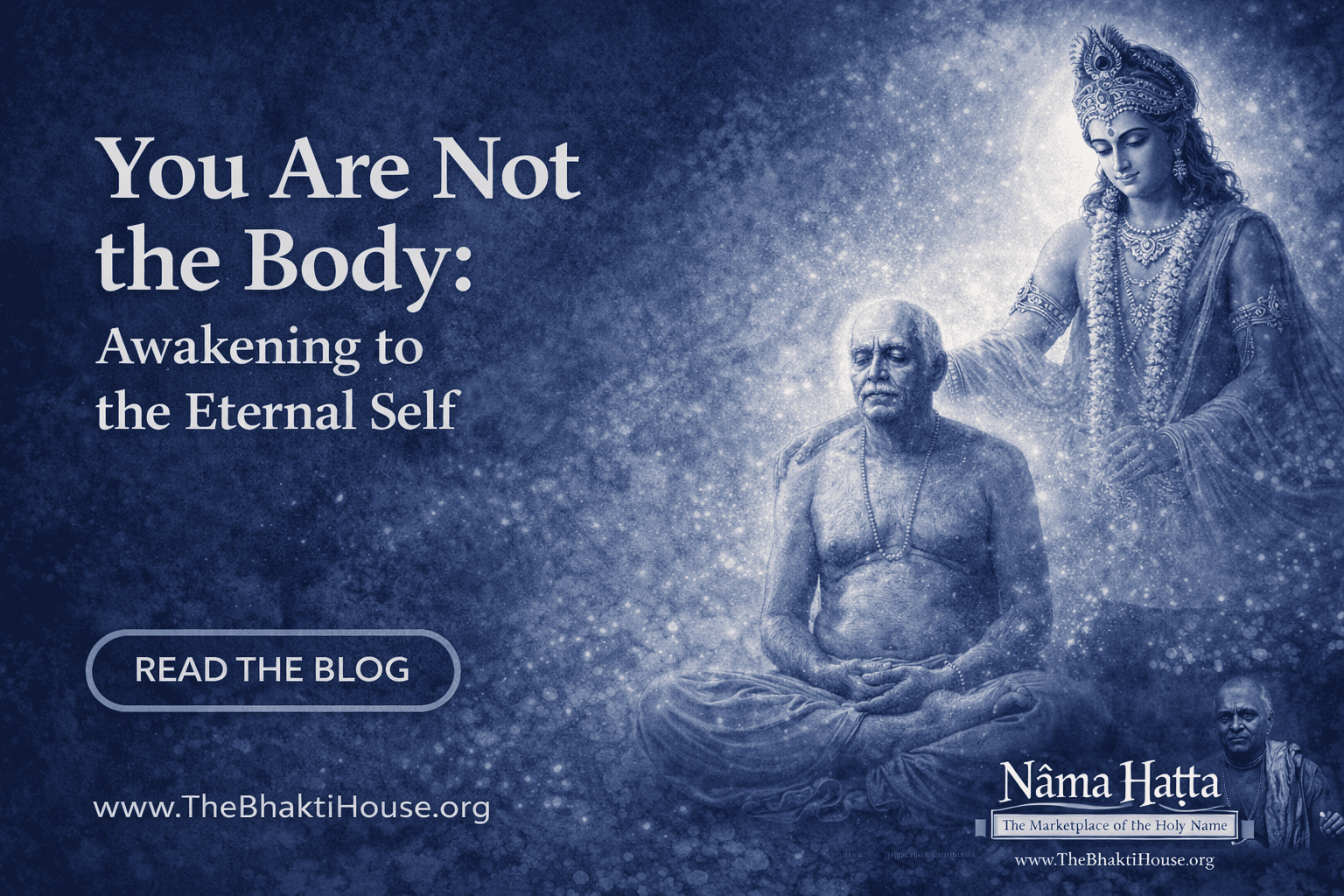
Harinama chanting can begin with your voice, breath, and sincere attention. It requires no elaborate preparation, musical training, or theological background. For many beginners, repeating sacred names offers a direct way to cultivate spiritual connection and a calmer, more focused mind.
The word harinama may describe public devotional chanting, often performed in groups with music and movement. More broadly, it refers to remembering the Divine through sacred names. The Hare Krishna maha-mantra—“Hare Krishna, Hare Krishna, Krishna Krishna, Hare Hare, Hare Rama, Hare Rama, Rama Rama, Hare Hare”—is the best-known example within the Vaishnava tradition.
This practice welcomes people from varied backgrounds and can support a broader approach to soul and wellness. This guide offers a practical, respectful introduction to its meaning, basic technique, and commonly described spiritual benefits. You can begin simply: listen, repeat, and allow your attention to return to the sound.
The Meaning and Tradition Behind the Sacred Names
Harinama means “the name of Hari,” a devotional term for the Divine. It also refers to the practice of chanting sacred names, especially in congregational settings. In this tradition, sound becomes a direct support for remembrance, prayer, and loving service.
The Hare Krishna maha-mantra consists of three names: Hare, Krishna, and Rama. Hare is commonly understood as an invocation of divine energy or loving devotional potency. Krishna broadly suggests the all-attractive Divine, while Rama can refer to the source of spiritual joy or the joyful Lord. These meanings guide reflection rather than impose a single, rigid translation.
In the Gaudiya Vaishnava understanding, the Divine name is spiritually potent and present through its sound. Chanting therefore offers more than a calming exercise; it is a way to cultivate a personal relationship with the sacred. Newcomers may approach the Gaudiya Vaishnava tradition with curiosity, allowing understanding to develop through steady experience.
Communal chanting, known as kirtana or sankirtana, belongs to the wider bhakti tradition of expressing devotion through song, remembrance, and service. Teachers such as Chaitanya Mahaprabhu and his early followers helped establish public chanting as a central practice. Today, harinama chanting preserves that spirit: participants listen, repeat the names, and gently return their attention to the sound.
How Beginners Can Practice Harinama
Begin in a calm setting where you can listen without interruption. Sit comfortably with a relaxed spine, or stand if you prefer. Musical ability, Sanskrit fluency, and an immediately peaceful mind are not prerequisites for harinama chanting.
Start with five to ten attentive minutes. The maha-mantra is:
Hare Krishna, Hare Krishna, Krishna Krishna, Hare Hare / Hare Rama, Hare Rama, Rama Rama, Hare Hare.
Pronounce each word clearly and follow a steady, natural rhythm. You may chant quietly on your own, or repeat aloud after a recording or experienced practitioner. When the mind wanders, notice it without criticism and gently return to the sound.
Many practitioners use japa, which is usually quiet or individual chanting with prayer beads. Kirtan, sometimes called harinama in a public setting, is commonly sung aloud in a group. One person leads, and others respond, creating a simple call-and-response format. You can observe at first, then join when you feel ready.
At home, repeat the mantra at a comfortable pace rather than trying to perform it. If you attend a Friday night kirtan, listen for the lead singer’s pronunciation and follow the group’s rhythm. Missing a phrase is normal; simply re-enter on the next line.
Consistency matters more than duration. Five focused minutes several times a week can establish a meaningful practice. As attention and confidence develop, extend the session or participate more actively in group chanting.
What to Expect During a Chanting Session
A typical harinama chanting or kirtan gathering begins with a lead singer introducing a mantra or devotional phrase. The group responds, repeating each line while mridanga drums, hand cymbals, or other percussion provide a steady foundation.
The pace may change throughout the session. Singing often begins slowly, allowing participants to settle their attention, then becomes more energetic as voices and instruments build together. Near the end, the music usually softens into a quiet pause, prayer, or moment of reflection.
You do not need musical experience to participate. Follow the group’s pace, sit or stand comfortably, and avoid forcing your voice. If you feel uncertain, observe the first few repetitions before joining. Online sessions follow the same basic pattern; listen closely and respond when comfortable.
Participation can take several forms. You may chant audibly, repeat softly, listen attentively, or step out briefly. Sincere engagement matters more than performance. For those exploring a deeper connection through shared spiritual practice, chanting can offer a welcoming, low-pressure way to connect with others and with the sacred sound.
Potential Benefits of Harinama Chanting
Regular harinama chanting may help steady attention through repeated sound, breath, and rhythm. As you return to the mantra, habitual mental noise may soften, creating space for greater emotional settling and present-moment awareness.
Practitioners also describe devotional benefits, including gratitude, humility, compassion, and a deeper sense of connection with a spiritual community. These qualities often develop gradually through consistent participation rather than dramatic experiences. Quality of attention matters more than session length or intensity.
Personal testimony can be meaningful, but it is not the same as clinical evidence. Chanting may complement meditation for self-care and other well-being practices, but it should not replace qualified mental or physical healthcare. Begin with a manageable routine and observe how steady practice influences your attention, relationships, and spiritual outlook.
Beginning a Simple Harinama Practice
Begin your first week with five minutes of harinama chanting for the first few days. Gradually extend each session, then attend a welcoming kirtan when you feel ready.
Notice changes in attention, mood, gratitude, and relationships without treating chanting as a quick self-improvement technique. Approach it with patience, sincerity, and respect for its devotional roots. Perfect pronunciation or an extraordinary experience is unnecessary; returning sincerely to the sacred names is itself the practice.