

Home worship is one of the most beautiful gifts of spiritual life. It turns an ordinary room into a sacred place, an ordinary day into an offering, and ordinary activities into moments of remembrance.
In Bhakti Yoga, the path of devotion, worship is not only something we do in a temple. It is a way of living in loving relationship with God. The Sanskrit word bhakti means devotion, love, or loving service. It is the heart’s natural desire to give and receive love in its purest form.
Whether you are new to spiritual practice, returning after many years, raising a family, living alone, or simply longing for peace, worship at home can help you feel connected. You do not need to be “perfect,” spiritually advanced, or born into a certain tradition. You only need sincerity.
The Bhagavad-gītā, one of the most beloved Bhakti scriptures, teaches that God accepts even a simple offering when it is given with love:
“If one offers Me with love and devotion a leaf, a flower, fruit, or water, I will accept it.”
— Bhagavad-gītā 9.26
This verse reminds us that the essence of home worship is not luxury, performance, or strict formality. The essence is love.
Creating a Sacred Space at Home
A sacred space helps us remember what matters most. It gives the heart a place to pause, breathe, pray, chant, and reconnect with God.
Your home altar does not need to be large or expensive. It can be a small shelf, a clean table, a corner of a room, or even a simple cloth with a picture of the Divine. What matters most is that it is kept with respect and used with devotion.
Choosing the Right Place
Choose a place that feels peaceful and clean. If possible, select an area where you will not be disturbed often. Many people prefer a quiet corner of a bedroom, living room, study, or meditation room.
Try to avoid placing your altar directly on the floor. A small table, shelf, or raised surface helps create a sense of reverence. If your living space is small, do not worry. Even a simple box or tray that you set up for prayer can become sacred when used with love.
What to Place on a Home Altar
A home altar may include:
- A picture or image of Krishna, Rama, Vishnu, Radha-Krishna, Gaura-Nitai, or another form of God you feel drawn to
- A picture of your spiritual teacher or saintly persons who inspire you
- Fresh flowers
- A small lamp or candle
- Incense, if suitable for your home
- A clean water cup reserved for offering
- A sacred text such as the Bhagavad-gītā, Śrīmad-Bhāgavatam, or another devotional book
- Prayer beads, called japa mālā, used for chanting
In Bhakti Yoga, sacred images are not considered ordinary decorations. They are honored as a way to focus our love and attention on the living presence of God. The Sanskrit word mūrti means a sacred form of the Divine. Through such forms, the heart can offer service, affection, and prayer in a personal way.
Keeping the Space Clean and Inviting
Cleanliness supports consciousness. In Sanskrit, the word śauca means cleanliness or purity. This includes both outer cleanliness and inner intention.
Try to keep your altar free from clutter. Dust it regularly. Replace old flowers. Keep the cloth clean. If you offer food or water, remove it respectfully after some time.
This simple care becomes a form of worship. When we clean the altar, we are also cleaning the heart. When we arrange flowers, we are arranging our attention. When we light a lamp, we are inviting divine light into our life.
The Heart of Bhakti Worship
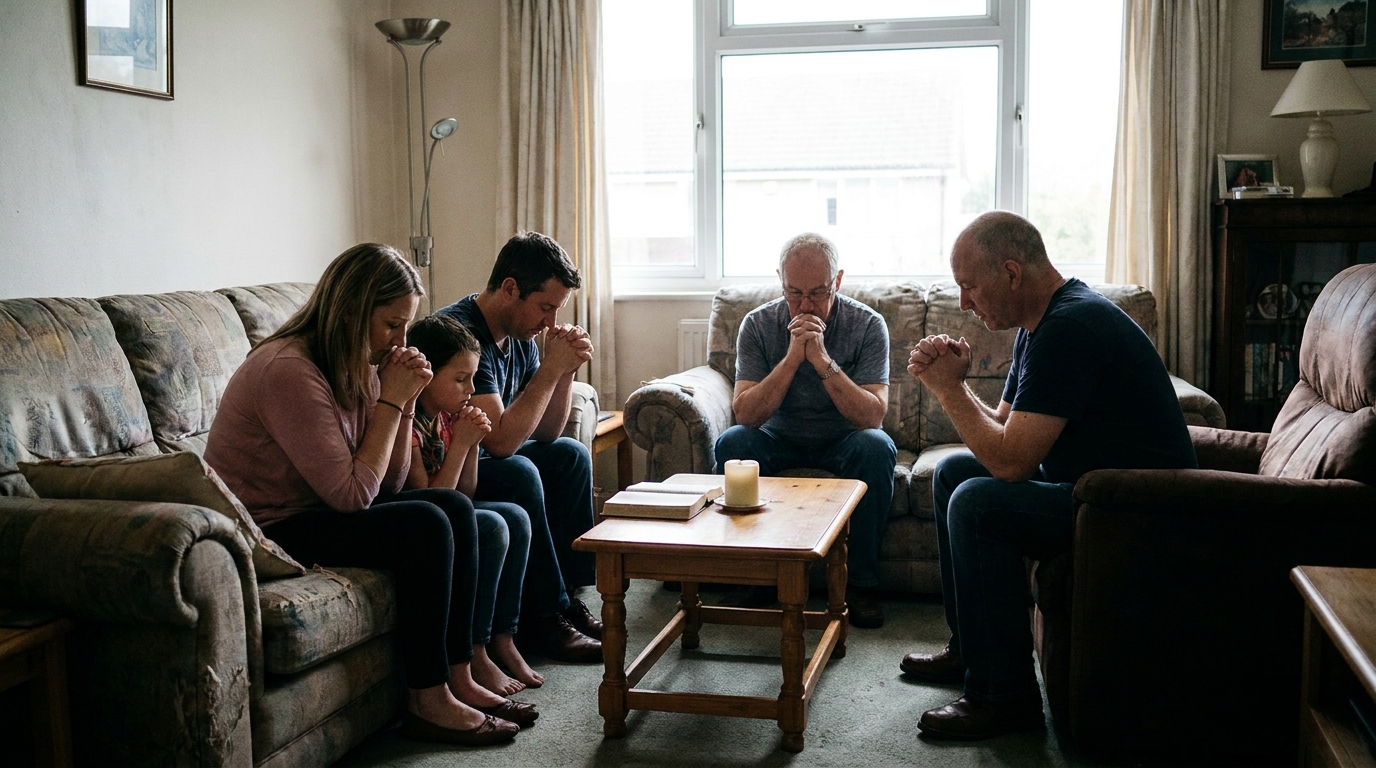
Home worship is not about impressing anyone. It is about cultivating loving remembrance. Bhakti is personal. It invites us to relate to God not only as the Supreme Being, but also as our dearest friend, protector, beloved, and well-wisher.
Love Over Perfection
Many people hesitate to begin worship at home because they feel they do not know enough. They wonder, “What if I do it wrong?” or “What if I am not pure enough?”
Bhakti scriptures repeatedly encourage sincerity over external perfection. In the Bhagavad-gītā, Krishna says that even if a person has struggles, if they sincerely turn toward Him, they are to be honored for their intention and direction.
This does not mean that details do not matter. Over time, learning proper ways of worship can deepen our practice. But we begin with the heart. A simple prayer offered sincerely may be more powerful than an elaborate ritual done mechanically.
Worship as Relationship
In Bhakti Yoga, worship is not a transaction. We are not trying to buy blessings or force outcomes. We are learning how to love.
Just as any relationship grows through time, attention, listening, and service, our relationship with God grows through daily connection. We speak through prayer. We listen through scripture. We serve through offerings. We remember through chanting.
The Sanskrit word seva means service. In Bhakti, service is not a burden. It is an expression of love. Cooking, singing, cleaning, reading, caring for others, and offering our work can all become seva when done for God’s pleasure.
Bringing God Into Daily Life
Home worship helps dissolve the wall between “spiritual life” and “regular life.” Instead of worship being limited to a few minutes, it begins to touch the whole day.
You may begin by offering your morning tea, chanting while cooking, praying before work, reading one verse at night, or singing a simple devotional song with your children. Little by little, the home becomes a place of remembrance.
This is the practical beauty of Bhakti Yoga. It meets us where we are and gently invites us deeper.
Please visit our website for more information on our articles: articles.
Daily Worship Practices You Can Begin Today

A daily home worship routine does not need to be complicated. It is better to practice something simple every day than to create an elaborate routine that feels impossible to maintain.
Start small. Let your devotion grow naturally.
Morning Prayer
Morning is a sacred time. Before the demands of the day take over, offer a few moments to God.
You might sit before your altar, fold your hands, and say:
“Dear Lord, thank You for this day. Please guide my thoughts, words, and actions. Help me remember You, serve others with kindness, and grow in love.”
Prayer does not need to be poetic. Speak honestly. God is not impressed by performance; He is moved by sincerity.
In Bhakti, prayer can include gratitude, confession, longing, surrender, and requests for guidance. We can pray for ourselves, our family, our community, the world, and even those with whom we struggle.
Chanting the Holy Names
Chanting is central to Bhakti Yoga. The Sanskrit word mantra means a sacred sound that helps free the mind. One of the most widely practiced Bhakti mantras is the Hare Krishna mahā-mantra:
Hare Krishna, Hare Krishna, Krishna Krishna, Hare Hare
Hare Rama, Hare Rama, Rama Rama, Hare Hare
The word Hare calls upon the divine energy of the Lord, often understood as the compassionate feminine aspect of God. Krishna means the all-attractive one. Rama means the source of spiritual joy.
Chanting can be done softly, loudly, alone, with family, with music, or quietly on beads. The practice of chanting on beads is called japa. Singing together is often called kīrtan, devotional call-and-response chanting.
The purpose is not musical skill. The purpose is remembrance. The holy names are considered non-different from God, which means that when we chant sincerely, we are in direct spiritual connection.
Reading Sacred Scripture
Reading scripture at home nourishes the mind and heart. Even a few minutes can make a difference.
You may begin with the Bhagavad-gītā. It is a conversation between Krishna and Arjuna, a warrior facing confusion, grief, and moral struggle. Krishna guides him with wisdom about the soul, duty, devotion, meditation, and surrender.
Another treasured Bhakti scripture is the Śrīmad-Bhāgavatam, which describes the nature of God, the lives of great devotees, and the beauty of divine love. The Bhāgavatam teaches that hearing about God with faith cleanses the heart.
Try reading one verse a day. After reading, ask:
- What is this teaching me about God?
- What is this teaching me about myself?
- How can I practice this today?
Scripture becomes practical when we carry one insight into our actions.
Offering Food With Love
One of the sweetest home worship practices is offering food to God before eating. In Bhakti Yoga, food offered with devotion is called prasādam, meaning mercy or grace.
You can prepare vegetarian food with care, place a small portion on a clean plate reserved for offering, and set it before your altar. Then pray:
“Dear Lord, this food is Yours. Please accept this offering made with love.”
After a few minutes, the food can be honored and shared. The understanding is that God accepts the love in the offering, and the food becomes spiritually blessed.
This practice transforms eating into a sacred act. It also encourages mindfulness, gratitude, compassion, and purity.
Evening Reflection
Before sleeping, return to your altar or sit quietly for a few minutes. Offer the day back to God.
You might ask:
- Where did I remember God today?
- Where did I forget?
- Whom did I serve?
- Whom do I need to forgive?
- What can I offer tomorrow?
End with a prayer of gratitude. Even if the day was difficult, there is healing in placing everything before the Divine.
A Simple Home Worship Routine
A routine can help spiritual practice become steady. Still, it should support your devotion, not become a source of guilt. If you miss a day, simply begin again.
A 10-Minute Morning Practice
If you are very busy, try this simple 10-minute worship routine:
- Light a candle or lamp.
- Offer a short prayer.
- Chant the Hare Krishna mantra or another sacred name for five minutes.
- Read one verse from the Bhagavad-gītā.
- Offer your day to God.
This short practice can shift the entire mood of the day. It brings clarity, humility, and remembrance.
A 30-Minute Daily Practice
If you have more time, you might try:
- Clean and arrange the altar.
- Offer water, flowers, or incense.
- Chant one or more rounds of japa on beads.
- Sing a simple kīrtan or devotional song.
- Read scripture for 10 minutes.
- Offer prayer for guidance and service.
This routine creates a deeper rhythm and allows the heart to settle.
A Family Worship Practice
Worship at home can be beautiful for families. Children often respond naturally to singing, stories, lamps, flowers, and simple offerings.
A family practice may include:
- Singing one mantra together
- Offering fruit or water
- Reading a short story from Krishna’s pastimes
- Each person sharing one thing they are grateful for
- Praying for someone in need
Try to keep family worship joyful and gentle. The goal is not pressure, but affection. Let children participate in small ways, such as placing flowers, ringing a bell, or helping prepare an offering.
A Weekly Sacred Evening
If daily practice feels difficult, begin with one weekly sacred evening. Choose a day when you can gather peacefully.
You might cook a simple vegetarian meal, offer it to God, chant together, read scripture, and share prasādam. Invite friends, neighbors, or family members if it feels natural.
In this way, the home becomes a small temple of kindness, music, wisdom, and shared nourishment.
Understanding Offerings in Bhakti Yoga
Offerings are a central part of worship. They help us move from taking to giving, from ownership to gratitude, from self-centeredness to loving relationship.
Offering Water, Flowers, and Light
The Bhagavad-gītā mentions simple offerings: a leaf, a flower, fruit, or water. These are accessible to nearly everyone.
Water represents purity and life. Flowers represent beauty and devotion. Light represents knowledge and the presence of the Divine. Fruit represents the gifts of the earth.
When we offer these things, we acknowledge that everything already belongs to God. We are simply returning a small portion with love.
Offering Food
Food offerings are especially meaningful because food sustains us daily. By offering food first, we remember that nourishment is a gift.
In many Bhakti homes, devotees avoid offering meat, fish, eggs, onion, garlic, alcohol, and intoxicants. These standards are connected with cultivating purity, compassion, and a peaceful mind. If this is new to you, begin gently. You might start by offering fruit, water, milk, rice, bread, or simple vegetarian meals.
The most important ingredient is devotion.
Offering Your Work
Bhakti Yoga is not limited to altar worship. Krishna teaches in the Bhagavad-gītā:
“Whatever you do, whatever you eat, whatever you offer or give away, and whatever austerities you perform—do that as an offering to Me.”
— Bhagavad-gītā 9.27
This means our daily duties can become worship. Parenting, studying, working, cleaning, teaching, healing, creating, caregiving, and serving the community can all be offered to God.
Before beginning your work, you can pray: “May this be for You. May this serve Your children. May I act with integrity and compassion.”
This transforms the workplace, kitchen, classroom, garden, and hospital room into places of spiritual practice.
Worship Through Chanting and Sacred Sound
Sacred sound is one of the most accessible and powerful forms of home worship. You do not need special equipment or advanced knowledge. You can begin with your own voice and a sincere heart.
The Power of the Holy Name
In Bhakti traditions, God’s names are understood to carry God’s presence. Chanting is not merely symbolic. It is a direct way of associating with the Divine.
The Śrīmad-Bhāgavatam praises hearing and chanting about God as a process that cleanses the heart and awakens devotion. Many saints have taught that in this age, when life is busy and the mind is restless, chanting is especially merciful.
If your mind wanders while chanting, do not be discouraged. Gently return to the sound. Each return is part of the practice.
Japa: Personal Meditation
Japa means quiet, personal repetition of a mantra. Many practitioners use a string of 108 beads called a japa mālā. Each bead marks one repetition of the mantra.
To practice japa:
- Sit comfortably in a clean place.
- Hold your beads respectfully.
- Chant the mantra clearly enough to hear yourself.
- Move bead by bead.
- When the mind wanders, return to listening.
Japa is simple, but deep. It trains the heart to listen. Over time, the holy name becomes a companion through joy, grief, work, travel, and uncertainty.
Kīrtan: Singing Together
Kīrtan means glorification, often through devotional singing. It may include harmonium, drums, kartals, guitar, or simply voices and clapping.
At home, kīrtan can be very simple. One person sings a line, and others repeat. Or you may play a recording and sing along.
Kīrtan softens the heart. It brings people together beyond age, language, background, and belief. Even if someone does not understand every word, they can feel the sincerity and peace of sacred sound.
Worship as Service to Others
Home worship should make our hearts more compassionate. If our altar practice does not help us become kinder, humbler, and more loving, then we may need to look again at the meaning of devotion.
Seeing Others as Beloved Souls
Bhakti teaches that every living being is an eternal soul, known in Sanskrit as ātman. The body changes, the mind changes, circumstances change, but the soul is spiritual and beloved by God.
This vision changes how we treat people. Family members are not simply roles or personalities; they are souls. Strangers are not interruptions; they are souls. Even difficult people are souls on a journey.
Worship at home can help us practice this vision. After prayer, we can ask: “How can I serve the souls around me today?”
Hospitality as Worship
Welcoming others with kindness is a powerful form of seva. Offering prasādam, listening with attention, creating a peaceful environment, and speaking words of encouragement can all be acts of devotion.
A home does not need to be perfect to be spiritually nourishing. A humble home filled with sincerity, chanting, and warm food can touch hearts deeply.
Charity and Compassion
Home worship can also include practical compassion. You may keep a small donation box near your altar for feeding others, supporting spiritual education, helping families in need, or caring for animals.
You may pray for those who are suffering and then take one small action to help. Bhakti is not passive. Love naturally wants to serve.
Common Questions About Worship at Home
Many sincere seekers have questions when beginning home worship. These questions are welcome. Spiritual life grows through honest inquiry.
Do I Need to Be Hindu to Practice Bhakti Yoga?
No. Bhakti Yoga is a path of love for God. While it comes through ancient Vedic and devotional traditions of India, its heart is universal.
People from many backgrounds chant, pray, read the Bhagavad-gītā, serve, and offer food with devotion. You do not need to reject your heritage or pretend to be someone else. You are invited to come as you are, with respect and sincerity.
What If I Do Not Know Sanskrit?
That is completely okay. Sanskrit is a sacred and beautiful language, but God understands the language of the heart.
You can chant traditional mantras while gradually learning their meanings. You can also pray in your own language. Both are valuable. The key is sincerity, attention, and love.
What If My Family Does Not Share My Practice?
Be patient and gentle. Do not force worship on anyone. Let your practice make you more loving, peaceful, and humble. That will speak louder than arguments.
You may keep a small altar privately, chant softly, or practice during quiet times. Respect creates space. Over time, others may become curious when they see positive changes in you.
What If I Miss a Day?
Begin again. Bhakti is not about shame. It is about relationship.
If you forget, become busy, or feel uninspired, simply return. Light the lamp again. Say the prayer again. Chant one mantra. God is not waiting to punish you; He is inviting you back.
Can I Worship Without an Altar?
Yes. An altar is helpful, but not required. You can worship through chanting, prayer, reading, service, and remembrance anywhere.
A hospital room, office, dorm room, car, or quiet park can become sacred when the heart turns toward God. Still, if possible, a dedicated home altar can support steadiness and focus.
Bringing Worship Into Every Room
The goal of home worship is not only to create one sacred corner. The deeper invitation is to let devotion flow through the whole home.
In the Kitchen
The kitchen can become a place of meditation. Cook with gratitude. Avoid harsh speech while preparing food. Play kīrtan or chant softly. Offer the meal before eating.
When cooking becomes worship, food carries peace.
In the Living Room
Let the living room become a place of uplifting conversation, sacred music, and hospitality. You might keep devotional books available, play gentle mantra music, or gather once a week for chanting.
Even one evening without distraction, centered on spiritual discussion and prayer, can bring healing to a household.
In the Bedroom
Before sleep, place your worries in God’s hands. You may keep a small sacred book nearby, chant quietly, or offer a final prayer.
Sleep becomes more peaceful when the last thoughts of the day are thoughts of gratitude and surrender.
At the Doorway
As you leave home, pause and pray: “Please guide me. Let me serve today.” As you return, offer thanks: “Thank You for bringing me home.”
These small practices train the heart to remember God in transitions, not only during formal worship.
Growing Gradually in Devotional Life
Bhakti Yoga is a lifelong path. It is not rushed. Like a seed, devotion grows through regular watering.
Start Small and Stay Steady
Choose one practice you can realistically maintain. It might be:
- Chanting for five minutes daily
- Offering one meal each day
- Reading one verse each morning
- Lighting a lamp and praying at night
- Attending weekly kīrtan
- Serving someone with conscious devotion
Small steps done sincerely can transform a life.
Learn From Devotees and Teachers
Spiritual community is very important. In Sanskrit, sādhu-saṅga means association with saintly or spiritually minded people. Good company strengthens faith, clarifies doubts, and inspires practice.
If possible, visit a Bhakti center, temple, satsang, or kīrtan gathering. Listen to experienced practitioners. Ask questions humbly. Read from trustworthy translations and teachings.
Home worship becomes stronger when supported by community.
Let the Practice Change Your Heart
The real sign of worship is transformation. Are we becoming more patient? More grateful? More truthful? More forgiving? More eager to serve?
The altar is not separate from life. If we offer flowers to God but speak harshly to others, our practice is incomplete. If we chant but remain proud, the holy name is inviting us to go deeper.
This is not a reason for discouragement. It is a reason for humility. Bhakti gently reveals what needs healing and gives us the grace to grow.
A Complete Yet Simple Home Worship Example
Here is a simple flow you can adapt for your home. Use what is helpful, and do not feel pressured to do everything at once.
Step 1: Prepare Yourself
Wash your hands. Take a few deep breaths. Approach the altar with respect. If possible, wear clean clothing.
You might silently say, “I am here to remember You.”
Step 2: Prepare the Space
Straighten the altar. Remove old flowers or offerings. Light a candle, ghee lamp, or incense if appropriate and safe.
Let the atmosphere become peaceful.
Step 3: Offer Prayer
Speak from the heart. Thank God. Ask for guidance. Pray for devotion. Offer concerns and hopes.
A simple prayer is enough.
Step 4: Chant
Chant the Hare Krishna mantra, another name of God, or a prayer meaningful to you. Chant for a few minutes or longer.
Listen carefully. Let the sound carry the mind toward the Divine.
Step 5: Offer Something
Offer water, flowers, fruit, or a meal. Remember that God accepts love.
If offering food, let it remain on the altar for a few minutes, then share it as prasādam.
Step 6: Read and Reflect
Read a verse from the Bhagavad-gītā or another sacred text. Sit with one thought from the reading.
Ask how it can guide your day.
Step 7: Serve
After worship, do one act of service. It may be caring for your family, feeding someone, sending a kind message, cleaning, donating, or doing your work with devotion.
Let worship become action.
The Blessing of a Devotional Home
A devotional home is not a home without problems. It is a home where problems are brought before God. It is not a home where everyone is perfect. It is a home where everyone is learning to love.
There may still be stress, bills, misunderstandings, tired mornings, and uncertain seasons. But when worship is present, there is also a center. There is a place to return. There is sacred sound in the air, blessed food on the table, scripture in the heart, and prayer woven into daily life.
In the Bhakti tradition, the home can become an āśrama—a place of spiritual growth. The word āśrama can mean a spiritual dwelling or stage of life where one practices self-realization. You do not need to live in a monastery to live with devotion. Your apartment, house, shared room, or family home can become a place where love of God is cultivated.
The Lord is not far away. He is present in His names, in scripture, in the heart, in the offering, in the devotee, and in every sincere attempt to remember Him.
So begin where you are. Offer what you have. Chant with the voice you have. Pray with the words you have. Serve the people near you. Let your home become a gentle sanctuary of Bhakti—love in action, love in sound, love in service, love returning to its eternal source.
Everyone is welcome on this path. Whatever your background, whatever your story, whatever your questions, you are invited to take one sincere step toward God today.
FAQs
1. What is worship at home?
Worship at home refers to the practice of engaging in religious or spiritual activities within the home environment, such as prayer, meditation, scripture reading, and singing hymns or spiritual songs.
2. How can one worship at home?
One can worship at home by setting aside a dedicated space for spiritual activities, establishing a routine for prayer and meditation, engaging in personal or family devotions, and utilizing resources such as religious texts, online services, and music to enhance the worship experience.
3. What are the benefits of worshiping at home?
Worshiping at home allows individuals and families to cultivate a deeper spiritual connection, create a sense of sacred space within the home, foster a greater sense of community and togetherness, and provide a flexible and accessible means of engaging in religious or spiritual practices.
4. Are there any challenges to worshiping at home?
Challenges to worshiping at home may include distractions within the home environment, the lack of communal worship experiences, the need for self-discipline and motivation, and the potential for feeling isolated from a larger religious community.
5. What are some tips for creating a meaningful worship experience at home?
Some tips for creating a meaningful worship experience at home include establishing a dedicated space for spiritual activities, incorporating a variety of worship elements such as prayer, meditation, and music, seeking out online resources and virtual communities for support and connection, and being open to adapting and evolving one’s worship practices to meet changing needs and circumstances.

