
What Is Prema in Bhakti Yoga?
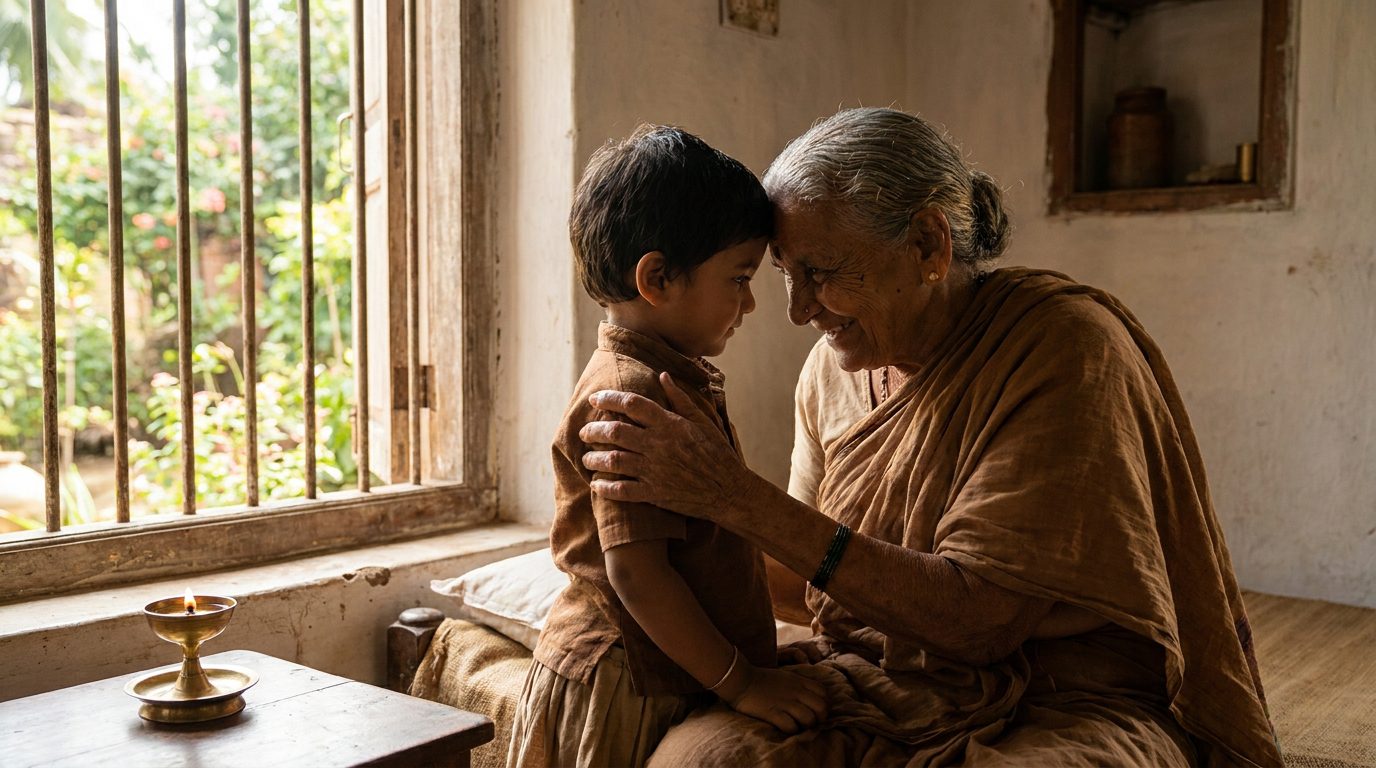
Prema is one of the most beautiful words in the spiritual vocabulary of India. In simple terms, prema means pure love—love that is selfless, steady, and deeply connected to God.
In Bhakti Yoga, the path of devotion, prema is not just an emotion. It is the fully blossomed state of the heart. It is love that no longer asks, “What can I get?” but gently says, “How can I serve? How can I remember? How can I offer myself with sincerity?”
The Sanskrit word prema is often translated as “divine love” or “spiritual love.” But even these words only point toward its depth. Prema is love in its purest form: love free from selfish desire, pride, fear, and expectation. It is love that flows naturally toward the Supreme Being, whom different traditions may call Krishna, God, the Divine, the Beloved, or by many other sacred names.
In the Bhakti tradition, prema is considered the highest goal of life. It is not reserved for scholars, monks, or saints alone. It is the birthright of every soul. Whether someone is new to spirituality, returning after a long journey, or already walking a devotional path, prema is the heart’s deepest longing.
At The Bhakti House, we understand Bhakti Yoga as a practical path of love. Through chanting, prayer, service, sacred study, community, and daily remembrance, the heart gradually softens. Little by little, divine love awakens.
The Meaning of Prema: More Than Ordinary Love
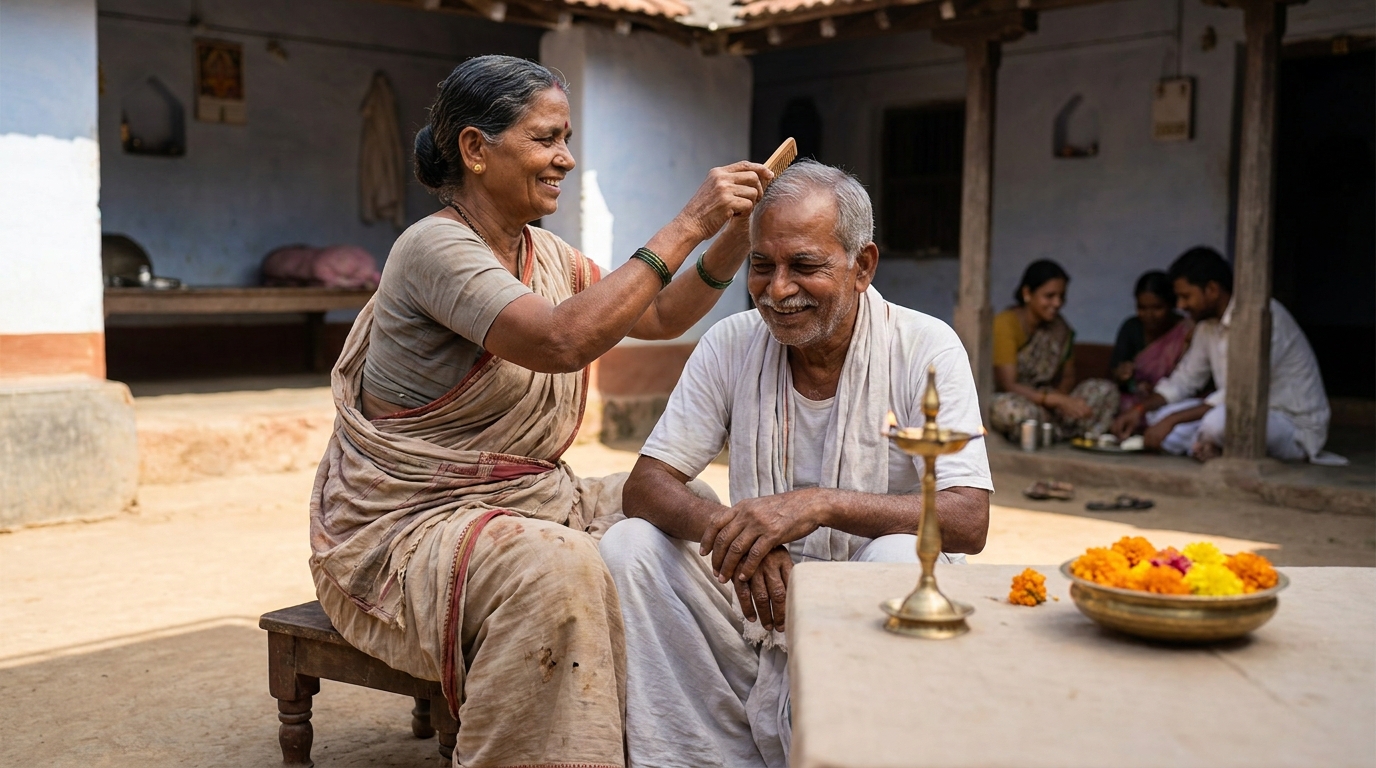
To understand prema, it helps to first look at ordinary love. Human love can be beautiful. We may love our family, friends, partners, teachers, nature, or community. These relationships can teach us generosity, patience, forgiveness, and care.
Yet ordinary love is often mixed with need. We may love someone, but also expect something in return—attention, loyalty, comfort, praise, security, or control. When those expectations are not met, love may become disappointment, anger, or grief.
Prema is different. Prema is love that gives without bargaining. It does not depend on temporary circumstances. It is not weakened by distance, time, hardship, or change. It is rooted in the eternal relationship between the soul and God.
Prema as Divine Love
In Bhakti Yoga, we understand that the soul is not separate from love. The soul’s nature is to love and to be loved. The Sanskrit word atma means the self or soul, and paramatma refers to the Supreme Self, the Lord present in everyone’s heart.
Prema is the natural love of the atma for the Divine. It is not something artificial that must be forced into the heart. Rather, it is something already within us, waiting to be uncovered.
The great Bhakti teachers often compare the heart to a mirror. When the mirror is covered with dust, we cannot see clearly. In the same way, when the heart is covered by selfishness, distraction, fear, or material attachment, our natural love becomes hidden. Through spiritual practice, the dust is gradually removed, and prema begins to shine.
Prema Is Personal and Relational
Bhakti Yoga teaches that ultimate reality is not only an abstract energy or distant force. God is personal, loving, and responsive. Prema is therefore relational. It is a living exchange between the devotee and the Divine.
This relationship can be expressed in many moods. Some love God as a master, some as a friend, some as a child, some as the beloved. In the Krishna Bhakti tradition, these different loving relationships are called rasas, or sacred flavors of relationship.
This does not mean we must imitate advanced spiritual emotions. It simply means that love for God can be deeply personal. We can speak to God honestly. We can pray with our real feelings. We can offer our daily life, not as a performance, but as a relationship.
Prema in Bhakti Scriptures
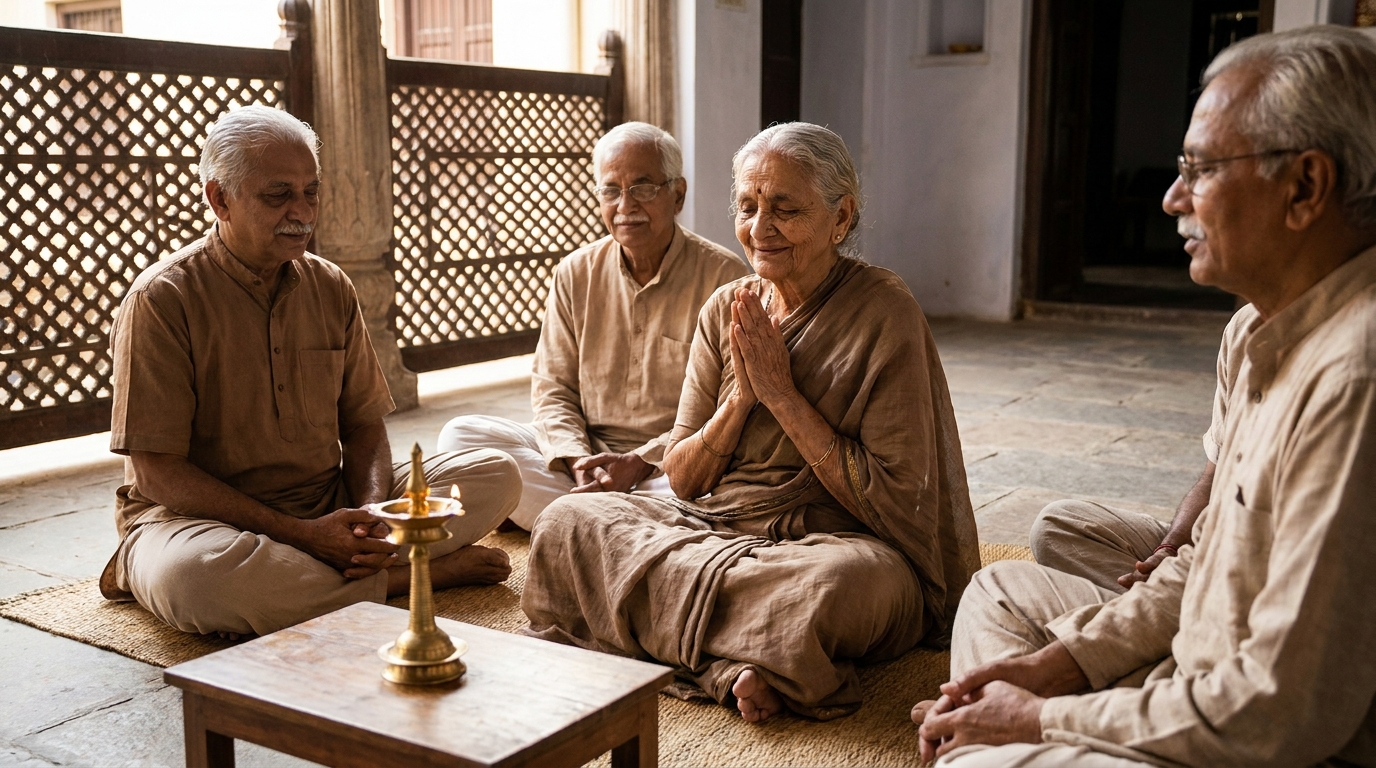
The meaning of prema becomes clearer when we listen to the voices of authentic Bhakti scriptures. These texts do not present divine love as a vague idea. They describe prema as the highest perfection of spiritual life.
The Bhagavad Gita and Loving Devotion
The Bhagavad Gita, one of the most beloved scriptures of the Bhakti tradition, teaches that God accepts even the simplest offering when it is given with love.
In Bhagavad Gita 9.26, Sri Krishna says:
“If one offers Me with love and devotion a leaf, a flower, fruit, or water, I will accept it.”
This verse is very tender. Krishna does not ask for wealth, status, perfection, or complicated ritual. He asks for love. A leaf, a flower, a fruit, or a little water becomes spiritually meaningful when offered with devotion.
For daily life, this teaching is deeply practical. We can offer our food before eating. We can offer our work before beginning. We can offer our words, our creativity, our struggles, and even our tears. The value is not in the outer size of the offering, but in the inner sincerity.
The Gita also teaches bhakti, which means devotion or loving service. Bhakti is both the path and the practice that leads to prema. When bhakti matures completely, it becomes prema.
The Srimad Bhagavatam and the Highest Love
The Srimad Bhagavatam, also called the Bhagavata Purana, is a central scripture in many Bhakti lineages. It describes the spiritual journey as a movement from worldly attachment toward pure devotion.
One famous teaching from the Bhagavatam explains that the highest dharma, or sacred duty, is that which awakens loving devotion to the Supreme Lord—devotion that is unmotivated and uninterrupted.
This is a beautiful description of prema. “Unmotivated” means not driven by selfish gain. “Uninterrupted” means not broken by life’s changes. Prema is not seasonal love. It is not love only when life is comfortable. It continues through joy and sorrow, success and failure, clarity and confusion.
The Bhagavatam offers many stories of devotees whose love for God becomes the center of their lives. These stories are not meant only to impress us. They invite us to reflect: “What do I truly love? Where is my heart going? How can I remember God more sincerely?”
The Narada Bhakti Sutra and the Nature of Pure Love
The Narada Bhakti Sutra is a short but profound text on devotion. It defines bhakti as supreme love for God. The sage Narada explains that this love is immortal, fulfilling, and beyond ordinary material desire.
According to this text, when a person attains divine love, they become satisfied, peaceful, and joyful in the deepest way. This does not mean life becomes free of difficulty. Rather, the heart finds a shelter greater than difficulty.
The Narada Bhakti Sutra reminds us that prema cannot be reduced to sentiment. It is not merely a passing feeling. It is the soul’s awakened condition.
Discover a wealth of knowledge by exploring our insightful articles. Our articles cover a wide range of topics to inspire and educate. Stay updated with the latest trends by reading our articles.
The Difference Between Prema and Kama
A helpful way to understand prema is to compare it with another Sanskrit word: kama. Kama means desire, often selfish or sense-centered desire. It is the urge to enjoy, possess, or consume for oneself.
Prema means pure love. Kama asks, “How can this serve me?” Prema asks, “How can I serve the beloved?” Kama pulls the heart toward grasping. Prema opens the heart in offering.
This distinction is important because many things in the world are called love but are actually mixed with kama. We may say, “I love this person,” but deep down we may mean, “I love how this person makes me feel.” We may love God, but still approach God mainly for blessings, protection, success, or relief.
There is nothing wrong with beginning there. Many of us first turn to God because we need help. The Bhagavad Gita honors this. Krishna says that those who approach Him in distress, curiosity, need, or wisdom are all noble. God welcomes every sincere beginning.
But Bhakti Yoga gently invites us to grow. Over time, our prayer may shift from “Please give me what I want” to “Please guide me toward what is good.” Later, it may become, “Please let me serve You with love.” This transformation is part of the journey from kama to prema.
Prema Does Not Reject Human Love
It is important to say that prema does not mean becoming cold or detached from people. True spiritual love does not make us less human. It makes us more compassionate.
When love for God awakens, our love for others becomes purified. We begin to see every person as a soul, a child of God, worthy of respect. We become less interested in using others for our needs and more interested in serving their wellbeing.
In this way, prema can heal relationships. It teaches patience, humility, forgiveness, and kindness. It does not make us passive or unhealthy in relationships, but it helps us love with wisdom and boundaries rather than attachment and control.
How Prema Develops Through Bhakti Practice
Prema is a gift of grace, but Bhakti Yoga gives us practical ways to prepare the heart to receive that grace. We cannot force divine love, just as we cannot force a flower to bloom by pulling on its petals. But we can water the roots, provide sunlight, and protect the plant.
In the same way, spiritual practices nourish the seed of devotion.
Chanting the Holy Names
One of the most accessible practices in Bhakti Yoga is chanting. In Sanskrit, chanting sacred names is called nama-sankirtana when done together and japa when repeated personally, often on beads.
The holy names of God are considered spiritually powerful because they connect us directly with the Divine. In the Krishna tradition, many people chant the maha-mantra:
Hare Krishna Hare Krishna
Krishna Krishna Hare Hare
Hare Rama Hare Rama
Rama Rama Hare Hare
This mantra is a prayer. “Hare” calls to the divine energy of the Lord. “Krishna” means the all-attractive Supreme. “Rama” means the reservoir of joy. A simple meaning is: “O Divine Lord, O Divine Energy, please engage me in loving service.”
Chanting softens the heart. It gives the mind a sacred place to rest. Even if we chant imperfectly, distractedly, or quietly, the practice has power. The key is sincerity. We can begin with just a few minutes a day.
Prayer From the Heart
Prayer is another doorway to prema. Prayer does not need to be complicated. We can speak to God as we are.
We might pray:
“Please help me remember You.”
“Please guide my heart.”
“Please teach me how to love.”
“Please let me serve today.”
“Please help me forgive.”
“Please give me strength to take one more step.”
Honest prayer builds relationship. It turns theology into conversation. It allows us to bring our whole self into spiritual life—not only our polished self, but also our tired, confused, hopeful, and longing self.
Service as an Expression of Love
In Bhakti Yoga, service is called seva. Seva means offering our time, energy, skills, and care for the pleasure of God and the benefit of others.
Service may look like cooking, cleaning, teaching, singing, listening, caring for children, welcoming guests, supporting a temple or spiritual community, helping someone in need, or simply doing our daily work with devotion.
Seva purifies the heart because it moves us from self-centeredness to love-centeredness. It teaches humility. It reminds us that spiritual life is not only what we feel in meditation, but how we show up for others.
Hearing Sacred Wisdom
Another essential practice is hearing spiritual teachings. In Bhakti, this is called sravanam, or hearing. We hear from scriptures, teachers, saints, and sincere practitioners.
Hearing nourishes faith. It gives language to our spiritual longing. It reminds us that we are not alone on the path. Again and again, sacred wisdom brings the heart back to what matters most.
Even a few minutes of reading the Bhagavad Gita, Srimad Bhagavatam, or the words of Bhakti saints can shift the direction of the day.
Signs of Prema in Daily Life
Prema is very elevated, but we can still recognize the early signs of divine love growing in the heart. These signs may be gentle and humble. They may appear quietly in ordinary moments.
A Softer Heart
One sign is softness. We may become more sensitive to the presence of God, to the suffering of others, and to the sacredness of life. This softness is not weakness. It is spiritual strength.
A hard heart wants to control everything. A soft heart can trust, serve, forgive, and feel gratitude.
Less Selfishness
As devotion grows, selfishness gradually loses some of its grip. We may still struggle, but we begin to notice our motives more honestly. We may ask, “Am I doing this for praise, or for service? Am I trying to win, or trying to love?”
This awareness is a gift. It helps us choose differently.
Joy in Remembering God
Another sign is joy in remembrance. We may find comfort in chanting, peace in prayer, or inspiration in hearing sacred teachings. Even if the world remains busy and imperfect, the heart begins to taste something nourishing.
In Sanskrit, spiritual taste is sometimes called ruci. It means a genuine attraction to devotional life. Ruci is not yet prema, but it is a beautiful stage of growth.
Compassion Toward Others
Prema naturally expresses itself as compassion. If we love God, we begin to care for God’s children. This includes people of all backgrounds, beliefs, cultures, and life experiences.
A devotional heart does not look down on others. It remembers, “Everyone is on a journey. Everyone is loved by God. Everyone carries hidden burdens.”
Common Misunderstandings About Prema
Because prema is such a profound subject, it can be misunderstood. Clarifying these misunderstandings helps us approach the path with humility and balance.
Prema Is Not Sentimental Emotion
Sometimes people think prema means intense emotion—crying, singing loudly, or feeling spiritual excitement. While divine love can certainly bring deep emotion, external emotion alone is not proof of prema.
Prema is shown through character. It brings humility, steadiness, kindness, surrender, and service. Tears may come, or they may not. The deeper question is: Is the heart becoming more loving?
Prema Is Not Escapism
Bhakti Yoga is not about running away from life. Prema does not mean neglecting responsibilities, family, work, or society. Instead, it spiritualizes life.
A person growing in devotion may become more responsible, more honest, more compassionate, and more grounded. They learn to see daily life as an opportunity to love God and serve others.
Prema Cannot Be Imitated
The saints describe very advanced states of divine love, but we should not imitate them artificially. Spiritual growth is natural and gradual. Humility protects us.
It is enough to begin where we are. If we can chant sincerely, offer our food, serve someone kindly, read a verse, or pray honestly, we are already walking the path.
Prema Is Not Limited to One Type of Person
Prema is not limited by nationality, gender, age, education, income, or past mistakes. The soul’s relationship with God is deeper than all external labels.
Bhakti scriptures repeatedly show that devotion can awaken in anyone. A king, a child, a scholar, a simple villager, a person in distress, or someone who has made many mistakes—all can receive divine grace.
This is one of the most hope-giving teachings of Bhakti Yoga: no one is disqualified from love.
Prema and the Teachings of Sri Chaitanya
In the Gaudiya Vaishnava tradition, Sri Chaitanya Mahaprabhu is honored as a great teacher and embodiment of divine love for Krishna. He widely shared the chanting of the holy names and taught that prema is the highest treasure.
Sri Chaitanya’s life emphasized humility, chanting, compassion, and loving service. One of His famous teachings encourages us to chant the holy name in a humble state of mind, being more tolerant than a tree and ready to offer respect to others.
This is very practical. If we want to grow in prema, humility is essential. Pride closes the heart. Humility opens it.
Humility does not mean hating ourselves. It means seeing clearly: “I am dependent on grace. I am a servant of God. I am learning. I can honor others.” This mood makes the heart a welcoming place for divine love.
Sri Chaitanya’s movement of chanting was not meant only for a spiritual elite. It was shared in streets, homes, gatherings, and communities. The holy name was offered freely. This reflects the generosity of prema itself: divine love wants to be shared.
Why Prema Matters Today
In our modern world, many people feel lonely, anxious, distracted, or spiritually hungry. We may have more information than ever, but still feel disconnected. We may chase success, pleasure, or recognition, yet still wonder, “What is the deeper purpose of my life?”
Prema answers that longing at its root. It reminds us that we are made for love—not only temporary love, but eternal love. We are not merely consumers, workers, bodies, or minds. We are souls with a sacred relationship to the Divine.
When prema becomes the guiding ideal, life gains direction. Our choices begin to ask different questions:
“Will this deepen my love?”
“Will this help me remember God?”
“Will this serve others?”
“Will this purify my heart?”
“Will this bring me closer to truth?”
This does not make life narrow. It makes life meaningful.
Prema also has social significance. A heart touched by divine love becomes less violent, less greedy, less arrogant, and less exploitative. It becomes more generous, truthful, forgiving, and peaceful. In this way, Bhakti Yoga is not only personal transformation; it can bless families, communities, and the world.
Practical Ways to Begin Cultivating Prema
If you are wondering how to begin, please take heart. The path of Bhakti is gentle and practical. You do not have to change everything overnight. Begin with one sincere step.
Offer a Simple Daily Prayer
Each morning or evening, take a moment to turn inward and speak to God. You might say, “Please guide me today. Please help me love You and serve others.” This simple prayer can become a sacred anchor.
Chant for a Few Minutes
Choose a sacred name or mantra and chant softly. If you feel drawn to the maha-mantra, begin with five minutes a day. Listen to the sound. Let the mind return again and again. There is no need to be perfect.
Offer Your Food With Gratitude
Before eating, pause and offer your meal to God with gratitude. You can say, “May this food be blessed. May it nourish me for service.” This transforms an ordinary act into devotion.
Serve Someone Without Expectation
Look for one small way to serve: a kind message, a meal, a listening ear, a helping hand, a prayer for someone’s wellbeing. Service is love in action.
Spend Time With Devotional Community
Spiritual community, or sanga, is very powerful. Being with others who value chanting, prayer, service, and growth helps nourish our own devotion. Even one sincere association can uplift the heart.
Prema as the Soul’s True Home
Ultimately, prema is not foreign to us. It is our true home. It is the soul’s natural condition, awakened through grace and devotion.
We may travel through many experiences in life—joy and pain, faith and doubt, closeness and distance. But beneath all of it, the soul longs for divine love. Every search for happiness is, in some way, a search for that love.
Bhakti Yoga lovingly guides us back. Not by force. Not by fear. Not by shame. But through the sweetness of relationship—with God, with the holy names, with sacred teachings, with devotees, and with all living beings.
Prema is the perfection of love, but the journey toward prema is also filled with grace. Every sincere chant matters. Every humble prayer matters. Every act of service matters. Every moment of remembrance matters.
You do not need to be advanced to begin. You do not need to have all the answers. You do not need to belong to a certain background or culture. The door of Bhakti is open.
Wherever you are, whatever your story, you are welcome. Take one sincere step toward God today—through chanting, prayer, service, or a simple offering of the heart. Divine love is already calling you home.
FAQs
What is the meaning of the term “Prema”?
Prema is a Sanskrit word that translates to “divine love” or “pure love” in English. It is often used in spiritual contexts to describe the highest form of love that is selfless, unconditional, and all-encompassing.
How is Prema different from other types of love?
Prema is distinguished from other types of love, such as romantic love or familial love, by its selfless and unconditional nature. It is said to be a love that transcends personal desires and attachments, focusing instead on the well-being and happiness of others.
What role does Prema play in spiritual practices?
Prema is considered a central concept in many spiritual traditions, where it is seen as the ultimate goal of spiritual practice. Practitioners strive to cultivate Prema through acts of compassion, kindness, and service to others, believing that it leads to spiritual growth and enlightenment.
Can Prema be experienced in everyday life?
Yes, Prema is believed to be accessible to everyone and can be experienced in everyday life through acts of kindness, empathy, and generosity. By cultivating a mindset of selflessness and compassion, individuals can tap into the power of Prema in their interactions with others.
Are there any practices that can help cultivate Prema?
Practices such as meditation, prayer, self-reflection, and acts of service are commonly recommended to cultivate Prema. By engaging in these practices regularly, individuals can develop a deeper sense of empathy, compassion, and love towards all beings.

