

There is a quiet doorway within the heart.
In the busyness of life, many of us long for peace—not just a temporary break from stress, but a deeper rest of the soul. We may try to find it through success, relationships, travel, entertainment, or self-improvement. These things can bring moments of comfort, but the heart still searches for something more lasting.
In the Bhakti Yoga tradition, one of the most simple and powerful ways to enter that deeper peace is through japa, the meditative repetition of God’s holy names or sacred mantras. When practiced silently, japa becomes an intimate prayer of the heart—a quiet offering of love, attention, and surrender.
Silent japa does not require us to change our outer life dramatically. We do not need to be perfect, advanced, or born into a certain culture. We simply begin where we are, with sincerity. One mantra, one breath, one prayerful repetition at a time.
A Simple Meaning of Japa
The Sanskrit word japa means the repeated recitation or meditation upon a sacred mantra. A mantra is a spiritual sound vibration, often made of God’s names, prayers, or divine words revealed through sacred tradition.
In Bhakti Yoga, mantras are not seen as ordinary sounds. They are understood as sacred expressions of the Divine. When we repeat them with faith and affection, we are not merely calming the mind—we are turning toward God.
Silent japa means repeating the mantra inwardly, either in the mind or very softly in the heart, without speaking aloud. It is a quiet, personal form of prayer.
The Heart Behind the Practice
Japa is not mechanical, though it may begin that way. At its heart, japa is relationship.
In Bhakti Yoga, the goal is not simply to become peaceful, though peace naturally comes. The deeper aim is to awaken bhakti, loving devotion to God. Every repetition of the mantra is like calling out to the Divine Beloved.
Just as a child may softly call for their parent, or a lover may whisper the name of the beloved, silent japa is the soul calling to God.
Silent Does Not Mean Empty
Sometimes people think meditation means emptying the mind completely. In Bhakti Yoga, silence is not emptiness—it is sacred listening.
Silent japa gives the restless mind a holy place to rest. Instead of letting thoughts wander endlessly, we gently bring the mind back to the mantra. Over time, the inner noise becomes softer, and the presence of God becomes more noticeable.
Why Silent Japa Brings Inner Peace
The Mind Needs a Loving Anchor
The mind is naturally active. It remembers the past, imagines the future, worries, compares, judges, and plans. This is not a personal failure; it is simply the nature of the untrained mind.
Silent japa gives the mind a loving anchor.
Rather than fighting thoughts, we redirect them. When the mind runs away, we patiently return to the mantra. This returning is the practice. Every return is an act of devotion.
In the Bhagavad-gita, Krishna teaches that the mind can be restless and difficult to control, but through practice and detachment it can be steadied. Silent japa is one of the most practical forms of that sacred practice.
Sacred Sound Cleanses the Heart
Bhakti scriptures explain that the holy names of God purify the heart. This does not mean we become artificially perfect overnight. It means that, little by little, the layers covering our natural love, clarity, compassion, and faith begin to soften.
In the Sri Siksastakam, a beautiful prayer attributed to Sri Chaitanya Mahaprabhu, the chanting of God’s names is described as cleansing the mirror of the heart. This image is very tender and practical.
The heart is already capable of reflecting divine love, but the mirror becomes covered by dust—stress, fear, selfishness, grief, anger, distraction, and forgetfulness. Japa gently cleans that mirror.
Peace Comes from Connection
Much of our anxiety comes from feeling separate—separate from others, from our purpose, from our true self, and from God.
Silent japa reconnects us.
When we repeat a divine name or mantra, we remember: “I am not alone. I am held. I belong to God.” This remembrance brings a kind of peace that does not depend on perfect circumstances.
Bhakti Yoga does not promise that life will always be easy. Instead, it offers a way to remain spiritually connected through every season.
The Spiritual Power of the Holy Name
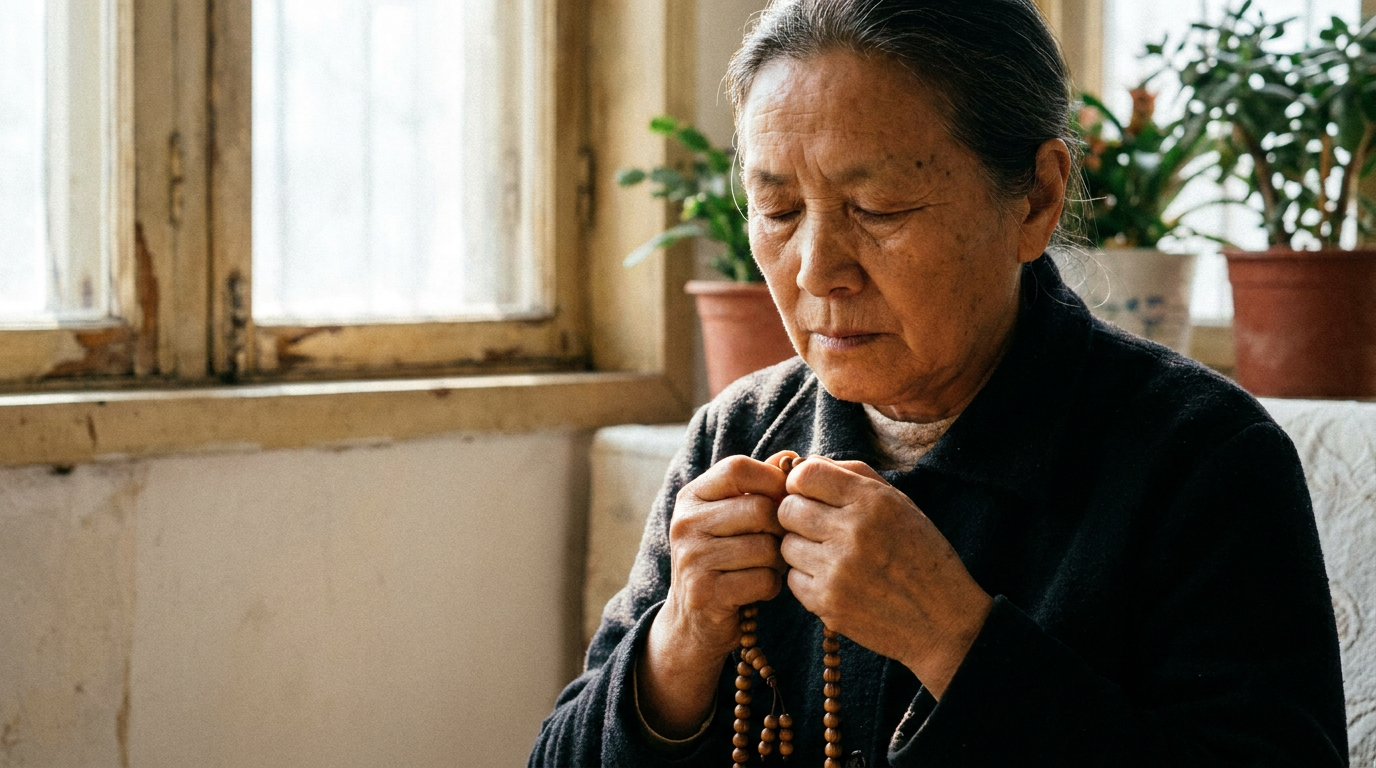
The Name and the Named
In ordinary life, a name and a person are different. If we say “water,” our thirst is not quenched. If we say “sun,” the room does not become bright.
But Bhakti scriptures teach that God’s names are spiritually non-different from God. This means that when we chant or meditate on divine names with sincerity, we are coming into contact with the living presence of the Divine.
This is a profound teaching, yet it is also very practical. We do not need to see God directly with our physical eyes to begin a relationship. We can begin by hearing and repeating God’s names.
The Maha-Mantra
One of the most beloved mantras in the Bhakti tradition is the Maha-Mantra, which means “the great mantra”:
Hare Krishna Hare Krishna
Krishna Krishna Hare Hare
Hare Rama Hare Rama
Rama Rama Hare Hare
A simple meaning is: “O Lord, O Divine Energy of the Lord, please engage me in Your loving service.”
Krishna means “the all-attractive one.”
Rama means “the source of joy and spiritual pleasure.”
Hare refers to the divine energy of God, often understood as the compassionate energy that helps reconnect the soul with the Lord.
This mantra is a prayer for loving service, shelter, and awakening.
A Universal Invitation
Although the Maha-Mantra comes from the Vaishnava Bhakti tradition, the heart of japa is welcoming. People from many backgrounds can practice sacred repetition in a way that honors their sincere relationship with God.
The essence is humility, love, and remembrance.
Bhakti Yoga does not ask us to pretend. It invites us to come honestly. Whether we feel strong faith, fragile faith, or simple curiosity, we can begin.
Check out our latest posts at https://thebhaktihouse.org/blog.
How to Practice Silent Japa
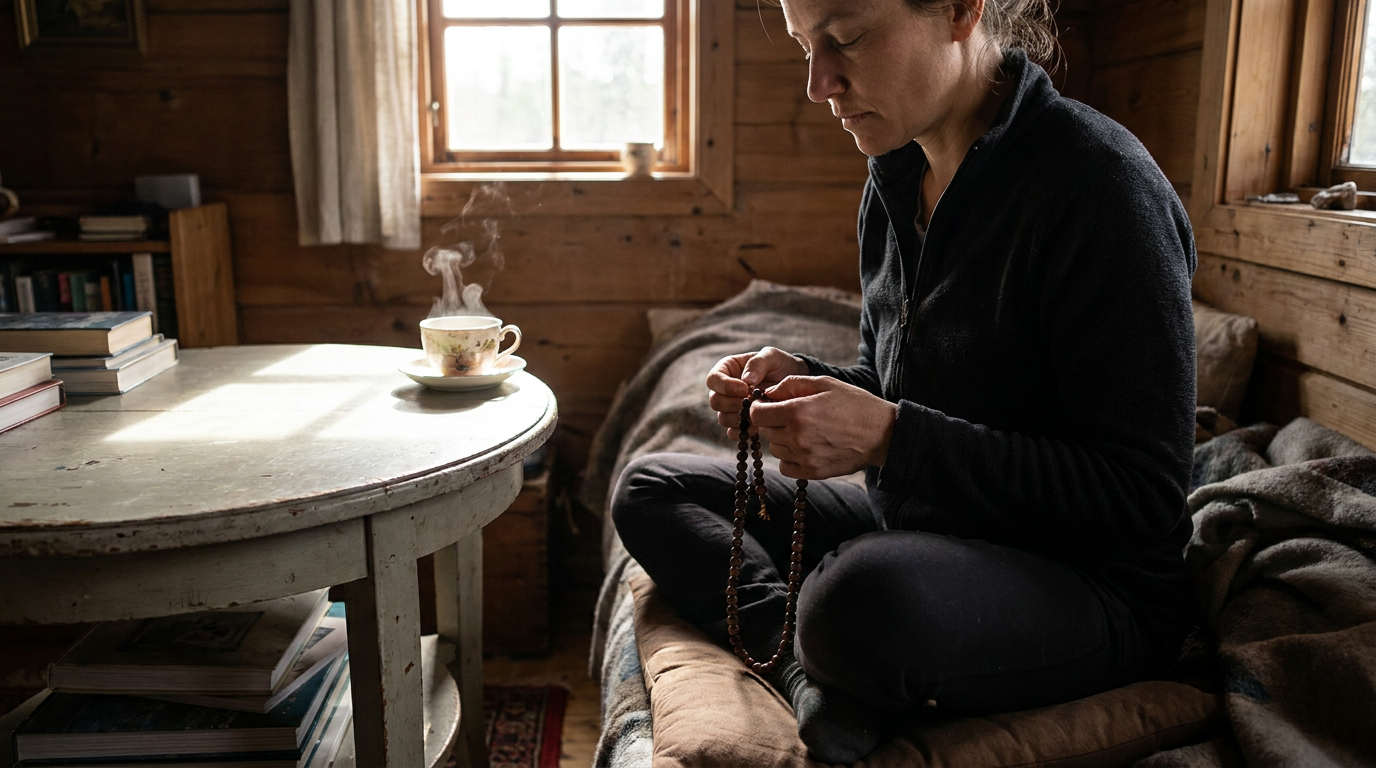
Choose a Sacred Mantra
Begin with a mantra that is rooted in authentic spiritual tradition and meaningful to your heart. Many practitioners of Bhakti Yoga chant the Maha-Mantra. Others may begin with a simple prayerful name of God.
If you are drawn to the Bhakti path, the Maha-Mantra is a beautiful place to start because it is widely recommended in Bhakti scriptures and practiced by saints for generations.
The most important thing is to chant with sincerity, not performance.
Find a Quiet Time
Early morning is traditionally recommended because the mind is often more peaceful before the demands of the day begin. In Sanskrit, this sacred early time is sometimes called brahma-muhurta, meaning a spiritually favorable period before sunrise.
But if mornings are not possible, do not be discouraged. Choose a time you can actually keep.
Five sincere minutes daily is better than one hour once a month. Consistency builds spiritual strength.
Sit Comfortably and Respectfully
You do not need an elaborate setup. Sit in a clean, peaceful place if possible. Keep your spine comfortably upright. Let the body relax but remain alert.
You may close your eyes or soften your gaze.
Take a few gentle breaths. Offer a simple prayer: “Dear God, please help me remember You. Please guide my heart.”
Then begin the mantra.
Repeat the Mantra Internally
Silent japa can be practiced by repeating the mantra in the mind. Try to hear each word inwardly. Let the mantra be clear, gentle, and attentive.
If you use japa beads, you can move from bead to bead with each repetition. Traditional Bhakti japa beads often have 108 beads, but beginners can use a smaller number or simply set a timer.
The beads are not magic objects. They are helpful tools for focus and devotion.
Return Again and Again
Your mind will wander. This is normal.
You may remember an email, a conversation, a worry, a regret, or a grocery list. When this happens, do not become harsh with yourself. Simply notice and return to the mantra.
This humble returning is part of the purification.
Each time you return, you are choosing love over distraction.
Silent Japa and the Journey of Bhakti Yoga
Bhakti Means Loving Devotion
The Sanskrit word bhakti means devotion, loving service, or heartfelt connection with God. Bhakti Yoga is the path of awakening that love through practical spiritual activities.
These activities include chanting, prayer, hearing sacred wisdom, worship, remembrance, friendship with devotees, and service.
Silent japa is one jewel within the larger treasure of Bhakti Yoga.
Japa Deepens Prayer
Many of us pray when we are in trouble, and that is beautiful. God hears every sincere call.
Silent japa helps prayer become not only something we do in crisis, but a daily relationship. We learn to sit with God, listen inwardly, and offer our heart.
At first, japa may feel like we are doing all the speaking. Over time, we may sense that God has been present all along—quietly guiding, healing, and inviting us closer.
Japa Inspires Service
True spiritual practice softens the heart. If japa is deepening, we may notice ourselves becoming more patient, compassionate, honest, and willing to serve.
In Bhakti Yoga, service is called seva. Seva means offering our time, energy, talents, and love for the pleasure of God and the benefit of others.
Silent japa is not an escape from the world. It is a way of becoming spiritually nourished so we can show up with more kindness in the world.
Common Challenges in Silent Japa
“My Mind Is Too Restless”
This is one of the most common experiences. Please do not feel discouraged.
The mind has been practicing distraction for many years. It takes time to learn remembrance. Even great practitioners acknowledge the mind’s restless nature.
In the Bhagavad-gita, Arjuna tells Krishna that controlling the mind seems more difficult than controlling the wind. Krishna does not shame him. Instead, He teaches that the mind can be trained through steady practice.
So begin gently. If you can focus on even one mantra with sincerity, that is meaningful.
“I Don’t Feel Anything”
Sometimes japa feels peaceful. Sometimes it feels dry. Sometimes it may feel like nothing is happening.
But spiritual growth often takes place beneath the surface.
When we water a seed, we do not see roots forming immediately. Still, the water is working. In the same way, every sincere repetition nourishes the soul, even when emotions are quiet.
Bhakti is not measured only by intense feelings. Faithfulness, humility, and willingness to continue are also signs of grace.
“I Fall Asleep”
If you become sleepy during silent japa, try practicing at a time when you are more awake. Sit upright. Open your eyes slightly. Chant a little louder for a few minutes before returning to silence.
You can also begin with kirtan, which is devotional chanting often done aloud with music, before moving into silent japa. Kirtan awakens the heart and can help prepare the mind.
“I Feel Unworthy”
Many people carry the feeling, “I am not spiritual enough. I have made too many mistakes. God may not want me.”
Bhakti Yoga answers with compassion: come anyway.
The holy name is not reserved for the perfect. It is medicine for all of us. The practice itself purifies, strengthens, and heals.
In the Bhagavata Purana, also known as the Srimad-Bhagavatam, there are many stories of people transformed by sincere remembrance of God, even when their lives were complicated or imperfect. The message is hopeful: divine grace is greater than our limitations.
Practical Ways to Bring Silent Japa Into Daily Life
Begin with a Small Vow
A vow, or vrata, does not need to be extreme. You might commit to five minutes of silent japa each morning for one week. Or perhaps one round on beads daily. Or ten mindful repetitions before sleeping.
Keep it realistic. Let it become a joy, not a burden.
When the practice becomes steady, you can increase naturally.
Create a Sacred Space
A small sacred corner can help the mind settle. You might place a picture of Krishna, Radha and Krishna, Lord Chaitanya, your spiritual teacher, or another devotional image that inspires you.
You may light a candle or offer flowers. These simple acts tell the heart, “This time is sacred.”
But if you do not have a sacred space, do not wait. God is present everywhere. You can chant in your room, in a park, on a train, or quietly during a lunch break.
Use Transitions Wisely
Silent japa can fit beautifully into life’s natural transitions.
You can chant silently:
- Before beginning work
- While walking
- While waiting in line
- Before a difficult conversation
- After receiving upsetting news
- Before meals
- Before sleep
These moments become small bridges back to God.
Pair Japa with Breath
If helpful, gently coordinate the mantra with your breath. Do not force anything. Let the breath remain natural.
For shorter mantras, you may repeat one part while inhaling and another while exhaling. For the Maha-Mantra, you may simply breathe normally and keep the sound flowing inwardly.
The goal is not a breathing technique alone. The breath is simply a support for loving remembrance.
Keep a Japa Journal
After your practice, write one or two sentences.
You might note:
- How long you practiced
- What distractions appeared
- Any feeling of gratitude
- A prayer that arose
- A quality you want to offer God that day
Over time, a japa journal can reveal quiet growth. You may see that you are becoming more patient, more prayerful, and more aware of divine guidance.
Silent Japa and Emotional Healing
Making Space for What Is Hidden
When we become still, emotions may rise. Sometimes silent japa brings peace immediately. Other times, it reveals sadness, anger, fear, or longing that we have pushed away.
This is not failure. It may be part of healing.
The mantra creates a safe spiritual atmosphere where the heart can become honest. We do not need to suppress our humanity to approach God. We can bring everything—our confusion, wounds, hopes, and tears.
Offering Pain to God
Silent japa gives us a way to hold pain prayerfully.
Instead of being swallowed by difficult emotions, we can place them before God. “Please help me carry this. Please purify this. Please teach me how to love through this.”
Bhakti does not deny suffering. It transforms suffering by bringing it into relationship with the Divine.
Growing in Compassion
As japa softens our own heart, we often become more compassionate toward others. We begin to understand that everyone is carrying something. Everyone is longing for love. Everyone is searching for shelter, whether they know it or not.
This compassion is a sign that silent japa is becoming living devotion.
Inner peace is not cold detachment. In Bhakti, true peace is warm, loving, and generous.
What the Scriptures Teach About Remembrance
Bhagavad-gita: Remembering God in Daily Life
In the Bhagavad-gita, Krishna encourages Arjuna to remember Him while also doing his duty. This is a very practical teaching for modern life.
Spiritual life is not only for temples, monasteries, or retreats. We can remember God while working, caring for family, studying, creating, serving, and facing challenges.
Silent japa trains the heart in remembrance so that God becomes part of our whole day—not just one separate activity.
Srimad-Bhagavatam: Hearing and Chanting
The Srimad-Bhagavatam glorifies hearing and chanting about God as central practices for purifying consciousness. Hearing sacred sound and repeating divine names gradually awaken devotion.
This is encouraging because chanting is accessible. We may not be great scholars. We may not have wealth or social influence. But we can chant. We can listen. We can remember.
The doorway is open.
Sri Chaitanya’s Gift
Sri Chaitanya Mahaprabhu, a great teacher and saint in the Bhakti tradition, especially emphasized the chanting of God’s names as the most effective spiritual practice for this age.
He taught that there are no strict limitations for chanting the holy name. We can chant in many places, in many circumstances, and at many stages of life.
This mercy is at the heart of Bhakti: God makes Himself available through His names.
The Difference Between Silent Japa and Kirtan
Personal Prayer and Shared Devotion
Silent japa is inward and personal. Kirtan is usually shared aloud, often with musical instruments and call-and-response chanting.
Both are precious.
Kirtan can lift the heart through community, rhythm, and joyful sound. Silent japa can deepen concentration, humility, and intimate prayer.
Together, they nourish a balanced devotional life.
When to Practice Each
If your heart feels dull or heavy, kirtan may help awaken energy and devotion. If your mind feels overstimulated, silent japa may help you settle into quiet remembrance.
Many practitioners do both: they chant aloud in community and practice japa privately each day.
Bhakti Yoga is practical and personal. We learn to receive the medicine we need while staying connected to the larger path of devotion.
Building a Lifelong Relationship with Japa
Be Patient with Your Growth
Silent japa is not a quick spiritual trick. It is a relationship that matures.
At first, we may chant mainly for peace. That is a sincere beginning. Over time, we may chant for purification, guidance, gratitude, service, and love. Eventually, the mantra becomes less like a practice we perform and more like a home we return to.
Please be patient. The heart opens gradually.
Practice with Humility
Humility is essential in Bhakti Yoga. It does not mean thinking badly of ourselves. It means recognizing our dependence on divine grace.
We can pray, “I do not know how to love You properly, but please accept this small effort.”
This kind of prayer attracts mercy. God is not impressed by our external image. God is moved by sincerity.
Seek Good Association
Spiritual community is deeply helpful. In Sanskrit, uplifting spiritual association is called sadhu-sanga—the company of sincere seekers and devotees.
Practicing japa alongside others, learning from experienced practitioners, attending kirtan, and hearing Bhakti wisdom can strengthen our commitment.
We grow best when we are encouraged, not judged. A loving spiritual community reminds us to keep going.
A Gentle Daily Practice for Beginners
Five-Minute Silent Japa Practice
Here is a simple way to begin:
- Sit comfortably in a quiet place.
- Take three slow breaths.
- Offer a short prayer for guidance.
- Repeat your mantra silently for five minutes.
- When the mind wanders, gently return.
- End with gratitude: “Thank You for this chance to remember You.”
This small practice can become a sacred foundation for the day.
A Prayer Before Japa
You may pray:
“Dear Lord, please let me remember You with sincerity. Please cleanse my heart. Please guide my thoughts, words, and actions. May this practice help me love You and serve others.”
This simple prayer prepares the heart to chant not just for personal calm, but for spiritual growth.
A Prayer After Japa
After chanting, you may pray:
“Whatever peace or goodness has come from this practice, may it be offered back to You. Please help me carry this remembrance into my day.”
This helps japa flow into daily life.
Inner Peace as a Fruit of Love
Peace Is Not the Final Goal
Silent japa can bring deep peace, but in Bhakti Yoga, peace is not the final destination. Peace is a beautiful fruit of loving connection with God.
The ultimate goal is awakened love—love that expresses itself through chanting, prayer, service, compassion, and surrender.
When love grows, peace follows naturally.
The World Needs Peaceful Hearts
Our families, communities, and world need people who are becoming inwardly peaceful and outwardly kind. Silent japa helps us become less reactive and more responsive. Less self-centered and more service-minded. Less fearful and more faithful.
One person chanting sincerely may seem like a small thing. But the heart influences the world in ways we cannot always see.
When we cultivate peace within, we carry a blessing into every room we enter.
Every Repetition Matters
No sincere mantra is wasted.
Even if the mind wanders, even if the heart feels dry, even if life is messy, every repetition plants a seed. Some seeds sprout quickly. Others take time. But sacred sound is alive with grace.
So we continue, not with pressure, but with trust.
Taking One Sincere Step Toward God
Silent japa is a humble and powerful practice. It asks very little from us externally, yet it can transform everything internally.
We sit. We breathe. We remember. We call upon God’s names. We return when distracted. We offer our heart as it is.
This is the beauty of Bhakti Yoga: the path is practical, personal, and full of mercy. We do not need to wait until we are fearless, pure, knowledgeable, or perfectly disciplined. We can begin now.
Whether you are new to spiritual practice, returning after a long time, or deepening an existing devotional life, you are welcome. Your background, questions, and struggles do not disqualify you. They can become part of your offering.
Take one sincere step. Chant one mantra with love. Whisper one prayer from the heart. Offer one act of service. Let God meet you there.
Everyone is welcome to begin, and every sincere step toward God is precious.
FAQs
What is silent japa?
Silent japa is a form of meditation where one repeats a mantra or sacred sound silently in the mind, without vocalizing it aloud.
How is silent japa practiced?
Silent japa is typically practiced by sitting in a comfortable position, closing the eyes, and silently repeating the chosen mantra or sacred sound in the mind. It is often done for a specific period of time, such as 10-20 minutes.
What are the benefits of silent japa?
Practicing silent japa can help to calm the mind, reduce stress and anxiety, and promote a sense of inner peace and well-being. It is also believed to have spiritual benefits and can deepen one’s connection to a higher power or inner self.
Can anyone practice silent japa?
Yes, silent japa can be practiced by people of any age, background, or religious belief. It is a simple and accessible form of meditation that can be adapted to suit individual preferences and needs.
Are there any specific mantras for silent japa?
There are many mantras and sacred sounds that can be used for silent japa, depending on one’s personal beliefs and spiritual tradition. Some common examples include “Om,” “So Hum,” and “Aham Prema.” It is important to choose a mantra that resonates with the individual practitioner.

