
In a world that often feels fast, loud, and uncertain, many hearts are quietly longing for peace.
Not just a temporary break from stress. Not only a calm moment after a busy day. But a deeper peace—the kind that remains even when life is changing, even when responsibilities are heavy, even when the mind is restless.
In the Bhakti tradition, this inner peace is not something we have to manufacture by force. It is something we uncover by reconnecting with our eternal relationship with God. One of the most simple, powerful, and accessible ways to do this is through Nama Japa.
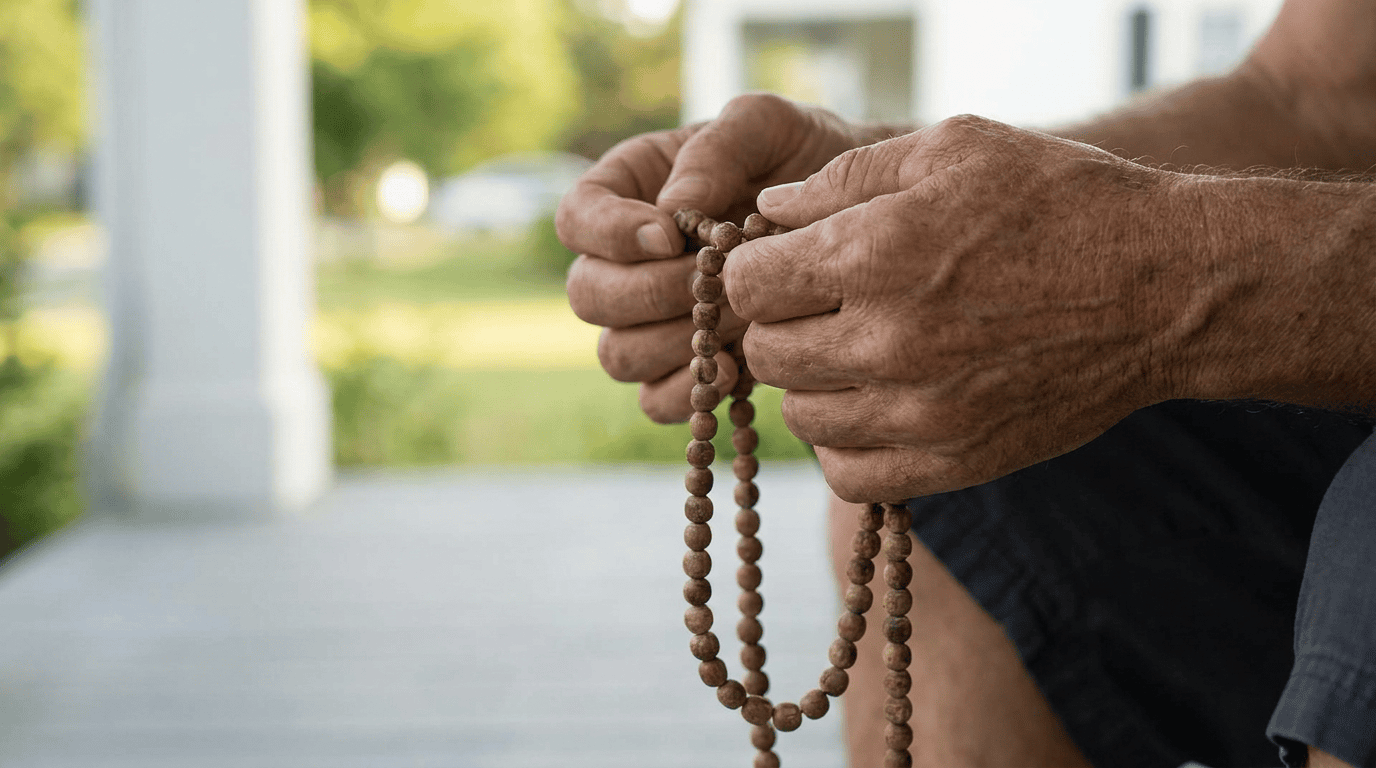
Nama means “the holy name of God,” and Japa means “soft, personal repetition,” often done with prayer beads. Nama Japa is the practice of lovingly repeating God’s names as a form of meditation, prayer, and devotion.
You do not need to be born in a certain culture, speak perfect Sanskrit, or have advanced spiritual knowledge to begin. Nama Japa is open to everyone. It meets us exactly where we are and gently invites the heart toward love, clarity, humility, and peace.
Nama Japa is the devotional practice of chanting the holy names of God quietly and attentively, usually on a set of beads called japa mala. In Bhakti Yoga, the holy name is not considered ordinary sound. It is understood to be spiritually alive, filled with divine presence.
The Meaning of “Nama”
The Sanskrit word Nama means “name.” In Bhakti Yoga, God has many names, each revealing a loving aspect of the Divine. Names such as Krishna, Rama, Govinda, Gopala, Narayana, Radha, and Hari are cherished because they carry deep spiritual meaning.
For example:
- Krishna means “the all-attractive one.”
- Rama means “the source of spiritual joy.”
- Hari means “the one who removes suffering and illusion.”
- Govinda means “the one who gives joy to the senses, the cows, and the earth.”
When we chant these names, we are not simply repeating syllables. We are calling out to a loving Person. We are making space for relationship.
The Meaning of “Japa”
Japa means repeated prayer or meditation, usually spoken softly or whispered. Unlike loud group chanting, called kirtan, japa is often a more personal and inward practice. It is a sacred conversation between the soul and God.
Many practitioners chant the Maha Mantra, a beloved prayer from the Bhakti tradition:
Hare Krishna Hare Krishna
Krishna Krishna Hare Hare
Hare Rama Hare Rama
Rama Rama Hare Hare
This mantra is sometimes called the “great mantra for deliverance.” The word mantra means a sacred sound that helps free the mind. “Man” refers to the mind, and “tra” means to protect or deliver. A mantra is not magic in a mechanical sense. It is a spiritual sound that helps guide the mind back to its natural home in divine love.
A Practice for the Whole Person
Nama Japa touches the mind, heart, body, and soul.
The tongue chants.
The ears listen.
The mind gradually becomes focused.
The heart softens.
The soul remembers.
This is why Nama Japa is such a complete practice. It does not ask us to reject the world or become someone artificial. It simply invites us to bring our attention back to God, one name at a time.
Why the Holy Name Brings Inner Peace
Peace is one of the most universal human longings. We seek it in relationships, work, achievements, travel, nature, silence, comfort, and healing. These can all offer valuable support, but Bhakti Yoga teaches that the deepest peace comes when the heart reconnects with its divine source.
The Mind Needs a Sacred Anchor
The mind is naturally active. It moves quickly from memory to desire, from worry to planning, from regret to imagination. Even when the body is still, the mind may continue to run.
Nama Japa gives the mind a sacred anchor.
Instead of fighting every thought, we gently return to the name. Again and again. Not with harshness, but with patience.
When a child wanders, a loving parent calls them back. In the same way, when the mind wanders, the holy name lovingly calls it back home.
This is a practical reason why chanting for inner peace is so powerful. It gives us something pure, beautiful, and spiritually meaningful to focus on.
The Heart Becomes Cleansed
In the Chaitanya Charitamrita, a treasured Bhakti scripture, it is said that chanting the holy name cleanses the mirror of the heart. This is a beautiful image.
Our heart is like a mirror. Its natural function is to reflect truth, love, and spiritual wisdom. But over time, the mirror becomes covered by dust—stress, fear, envy, pride, grief, anger, and forgetfulness of God.
Nama Japa does not create our spiritual nature. It reveals it.
By chanting sincerely, the dust gradually clears. We begin to see ourselves more honestly and more compassionately. We begin to see others as souls. We begin to feel that God has been near us all along.
The Holy Name Is Divine Association
In Bhakti Yoga, sound is deeply important. Spiritual sound is a way of receiving divine association.
When we chant God’s names, we are spending time with God through sound. Even if our mind is distracted, even if our heart feels dry, the practice itself is meaningful. Just as sitting near a fire brings warmth, sitting with the holy name brings purification and peace.
The Bhagavad Gita, one of the most beloved wisdom texts of India, teaches that the mind can be both a friend and an enemy. Through spiritual practice, the mind becomes our friend. Nama Japa is one of the gentlest ways to train the mind—not by violence, but by love.
Nama Japa in the Bhakti Yoga Tradition
Bhakti Yoga is the path of loving devotion to God. The word bhakti means devotion, love, or heartfelt service. Yoga means connection. So Bhakti Yoga means the path of reconnecting with God through love.
Nama Japa is central to this path because love grows through remembrance.
Remembering God Through the Name
In loving relationships, names matter. When we say the name of someone dear to us, memories and feelings awaken. The name carries presence.
Similarly, in Bhakti, the names of God help us remember the Divine in a personal way. Krishna is not distant. Rama is not abstract. Hari is not merely a concept. Through the holy name, God becomes present in our daily life.
We can chant while sitting in meditation.
We can chant before beginning work.
We can chant while walking.
We can chant in times of sorrow.
We can chant in gratitude.
We can chant when we do not know what else to pray.
The holy name becomes a companion.
The Example of Great Saints
Throughout Bhakti history, saints have embraced Nama Japa as their life and shelter.
Sri Chaitanya Mahaprabhu, a great teacher and saint of divine love, especially emphasized the chanting of God’s holy names as the most accessible spiritual practice for this age. His teachings were not limited to scholars or renunciants. He shared the holy name with everyone—regardless of background, education, nationality, or social position.
This is the heart of Bhakti: divine love is not reserved for a few. The holy name is a gift for all.
Scripture and the Power of Chanting
The Srimad Bhagavatam, a central Bhakti scripture, repeatedly glorifies hearing and chanting about God. It teaches that when divine sound enters the heart through sincere hearing, it gradually removes impurities and awakens devotion.
This does not mean that every chanting session will feel dramatic. Often, spiritual growth is quiet. A little more patience. A little more forgiveness. A little less anxiety. A little more trust. A little more desire to serve.
These are signs that Nama Japa is working deeply.
Check out our latest posts at https://thebhaktihouse.org/blog.
How to Practice Nama Japa
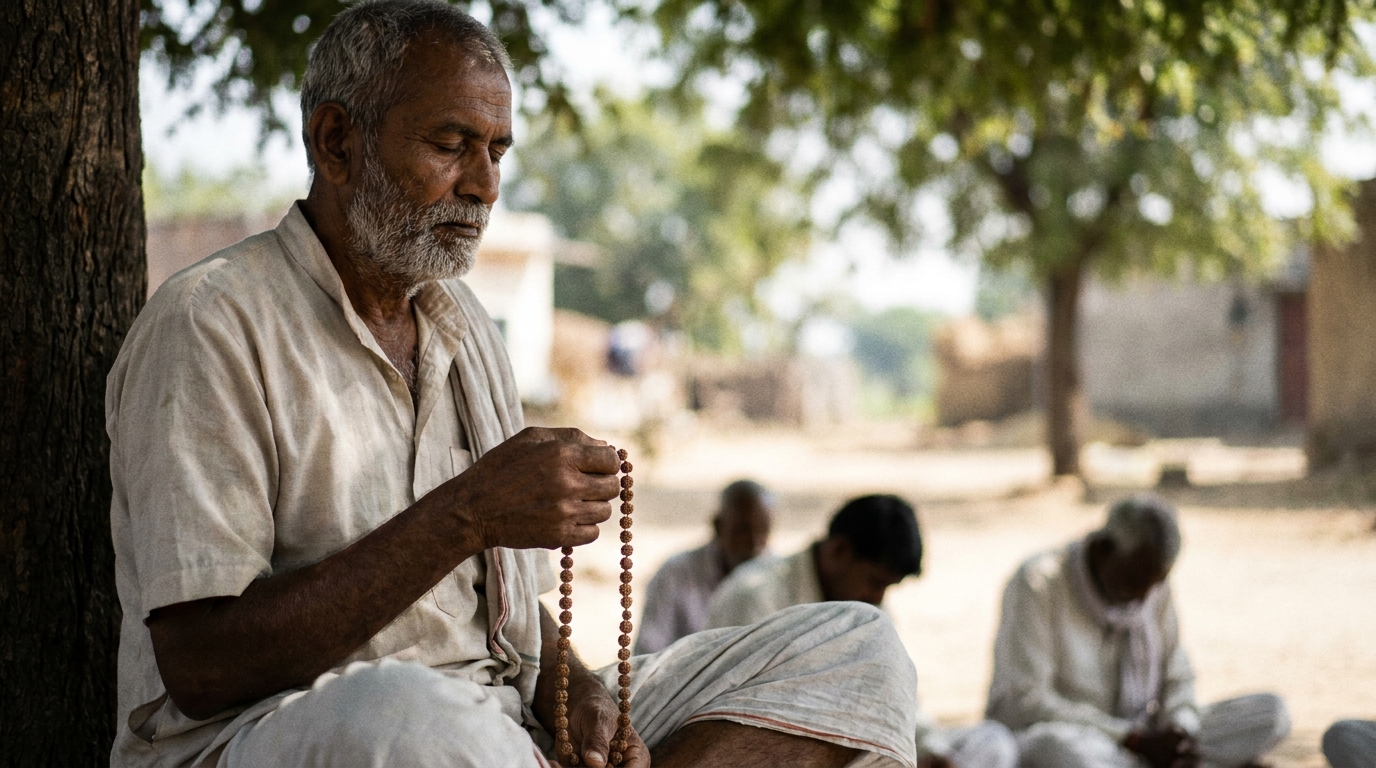
Nama Japa is wonderfully simple. You do not need expensive tools or a perfect environment. You can begin with sincerity, a little time, and a willingness to listen.
Choose a Sacred Mantra
Many people in the Bhakti tradition chant the Maha Mantra:
Hare Krishna Hare Krishna
Krishna Krishna Hare Hare
Hare Rama Hare Rama
Rama Rama Hare Hare
This mantra is a prayer. One simple meaning is: “O Divine Energy of the Lord, O all-attractive Lord, O source of joy, please engage me in Your loving service.”
The word Hare refers to the divine energy of God, often understood as Srimati Radharani, the embodiment of pure devotion. Krishna is the all-attractive Lord. Rama is the reservoir of joy.
When we chant, we are calling out: “Please let me remember You. Please let me love You. Please let me serve You.”
Use Japa Beads if Helpful
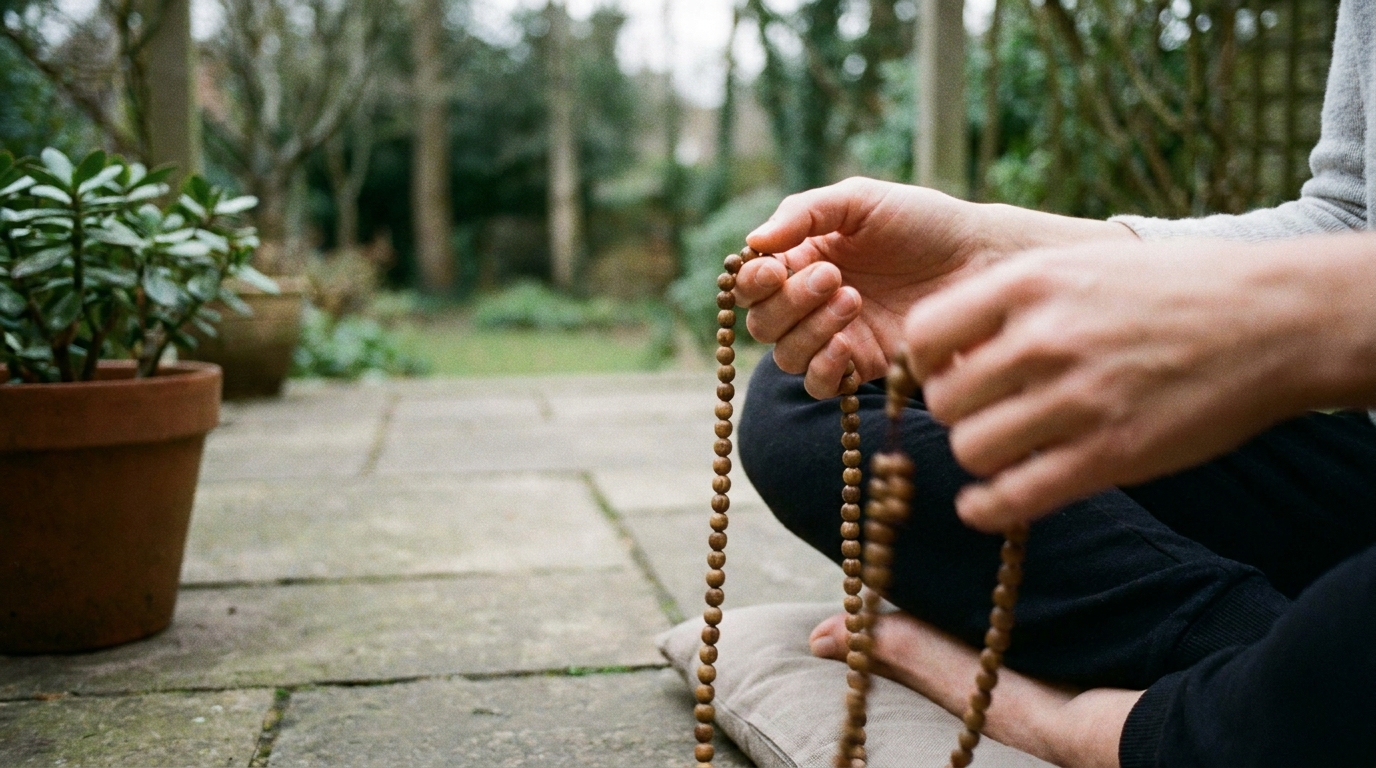
A traditional japa mala has 108 beads, plus one larger bead called the Krishna bead or guru bead. Practitioners chant one full mantra on each bead, moving bead by bead.
The beads help the body participate in prayer. They also give the mind a gentle structure.
If you do not have beads, you can still chant. You may count on your fingers, set a timer, or simply chant for a few minutes with attention. The essence is sincerity.
Create a Simple Sacred Space
You may wish to sit in a clean, peaceful place. Some people create a small altar with sacred images, a candle, flowers, scripture, or a simple reminder of God.
But do not worry if your space is not ideal. God is not limited by our environment. A sincere heart is the most important offering.
You can chant in a bedroom, a park, a car before work, or a quiet corner of your home. The holy name can enter any place and make it sacred.
Listen While You Chant
This is one of the most important parts of Nama Japa: chant and listen.
The mind may wander. That is normal. When it does, gently bring it back to the sound of the mantra.
Try not to chant only mechanically. Hear each word as a prayer. Let the mantra touch the ears and enter the heart.
If you notice distraction, do not become discouraged. The practice is not about proving that you are perfectly focused. It is about returning again and again with humility.
Common Challenges in Nama Japa
Every sincere practitioner faces challenges. This does not mean we are failing. It means we are human. Bhakti Yoga is a path of patient transformation.
“My Mind Wanders Constantly”
This is perhaps the most common experience.
The mind may think about work, family, food, messages, old conversations, future plans, or random memories. When this happens, simply return to the mantra.
Do not spend your chanting time judging yourself for being distracted. That becomes another distraction. Instead, think, “Thank you for bringing me back,” and chant again.
Each return is a small act of devotion.
“I Don’t Feel Anything”
Sometimes chanting feels sweet. Sometimes it feels dry. Both experiences can be part of the journey.
If we only chant when we feel inspired, our practice may remain dependent on mood. But when we chant with steadiness, even through dryness, our devotion becomes deeper.
A farmer waters the seed even before seeing the fruit. In the same way, we continue watering the heart with the holy name.
“I’m Not Pure Enough”
This feeling can be painful, but it can also become a doorway to humility.
The holy name is not only for the pure. The holy name purifies. We do not have to become perfect before we chant. We chant because we need grace.
In Bhakti, sincerity is more important than spiritual performance. God sees the effort of the heart.
“I Don’t Know If I Belong”
Many people wonder if they are allowed to practice Bhakti Yoga, especially if they come from a different religious, cultural, or personal background.
Please know this: the holy name is not owned by any one group. Bhakti is a path of love, and love is the birthright of every soul.
You are welcome to chant with respect, curiosity, and sincerity. You are welcome to ask questions. You are welcome to take your time. You are welcome exactly as you are.
The Inner Effects of Nama Japa
Nama Japa is simple, but its effects can be profound. Over time, it reshapes the inner life.
Peace in the Nervous System
Chanting gently regulates the breath and gives rhythm to the mind. The repeated sound can help calm the body, slow anxious patterns, and create a sense of groundedness.
Of course, Nama Japa is not a substitute for medical or mental health care when that is needed. But it can be a beautiful spiritual support for emotional balance.
Many people find that even a few minutes of chanting helps them pause, breathe, and respond to life with more steadiness.
Clarity in Daily Choices
When the heart becomes quieter, choices become clearer.
Nama Japa helps us remember what matters most. Instead of reacting from fear or ego, we begin to ask, “What is pleasing to God? What is kind? What is honest? What helps me serve?”
This is where Bhakti becomes practical. Chanting is not separate from life. It gradually influences how we speak, how we eat, how we work, how we love, and how we treat others.
Softening of the Heart
One of the most beautiful fruits of chanting is tenderness.
The heart may become more compassionate. We may find ourselves less interested in criticizing others. We may become more aware of our own shortcomings, but in a hopeful way—not with shame, but with a desire to grow.
Real spiritual practice does not make us proud. It makes us humble, grateful, and more willing to serve.
A Growing Sense of Divine Companionship
As Nama Japa deepens, we may begin to feel less alone.
Even in difficulty, the holy name reminds us that God is present. Not always in the way we expect, and not always according to our timetable, but lovingly present.
The name becomes a shelter. A prayer. A friend. A home we can return to anywhere.
Nama Japa as a Daily Practice of Love
The power of Nama Japa grows through regular practice. Even a small daily commitment can become life-changing when offered with sincerity.
Begin with a Realistic Commitment
If you are new, start simply.
You might chant for five minutes each morning. Or one round on japa beads. Or ten mantras before sleep. The amount matters less than the sincerity and consistency.
It is better to begin with something sustainable than to make a large vow and feel discouraged.
Let your practice be an offering, not a burden.
Pair Chanting with Prayer
Before chanting, you can offer a simple prayer:
“Dear Lord, please help me hear Your name. Please guide my heart. Please let this practice bring me closer to You.”
After chanting, you might pray:
“Thank You for allowing me to chant. Please help me carry this remembrance into my day.”
Prayer makes japa personal. It reminds us that we are not just doing a technique. We are entering relationship.
Chant with Service
Bhakti Yoga includes chanting, prayer, study, community, and service. Service is called seva, which means loving service offered for God’s pleasure.
Nama Japa naturally inspires seva. As the heart becomes nourished, we want to give. We may serve our family with more patience, help our community, cook with devotion, care for the earth, support spiritual gatherings, or offer our talents in a meaningful way.
Chanting fills the heart. Service lets that love flow outward.
Bring the Name Into Ordinary Moments
Nama Japa does not have to stay on the meditation seat.
You can softly chant while cooking.
You can remember the mantra during a stressful conversation.
You can chant while walking in nature.
You can repeat God’s name while waiting in line.
You can whisper the mantra when your heart feels heavy.
In this way, daily life becomes spiritualized. The ordinary becomes touched by devotion.
The Relationship Between Nama Japa and Inner Peace
It is important to understand that Bhakti Yoga does not promise a life without difficulty. Even sincere practitioners face loss, confusion, illness, conflict, and change.
Inner peace does not mean that nothing painful ever happens. It means that we become connected to a deeper shelter.
Peace Beyond Circumstances
Worldly peace often depends on conditions: good health, stable finances, pleasant relationships, success, comfort, and certainty. These are valuable, but they are also changeable.
Spiritual peace comes from relationship with the unchanging Divine.
When we chant, we remember that we are more than the body and mind. We are souls, eternal spiritual beings, beloved by God. This remembrance gives strength.
The Bhagavad Gita teaches that the wise person is not shaken by temporary happiness and distress. This does not mean becoming cold or emotionless. It means becoming rooted.
Nama Japa helps us grow roots in divine remembrance.
From Control to Surrender
Much anxiety comes from trying to control what we cannot control. Nama Japa gently teaches surrender.
Surrender does not mean giving up responsibility. It means offering our efforts to God and trusting that we are held beyond our limited vision.
As we chant, we may begin to pray, “I do not know everything. I cannot manage everything alone. Please guide me. Please use me. Please help me trust You.”
This kind of surrender is not weakness. It is a deep spiritual strength.
From Isolation to Connection
Modern life can leave people feeling isolated, even when surrounded by communication. Nama Japa reconnects us—with God, with our own soul, and with all living beings.
Bhakti teaches that every living being is part of God. When this understanding grows, compassion becomes natural. We begin to see others not as obstacles or competitors, but as fellow travelers.
This vision brings peace because it softens the walls around the heart.
Practical Tips for Deepening Nama Japa
Whether you are new to chanting or have been practicing for years, there are gentle ways to deepen your Nama Japa.
Chant at a Consistent Time
Morning is especially helpful because the mind is often quieter before the demands of the day begin. In Sanskrit, the early morning spiritual time is sometimes called brahma-muhurta, a peaceful period before sunrise.
But if morning is not possible, choose another time. The best time to chant is the time you will actually do it.
Consistency creates a sacred rhythm.
Reduce Distractions with Kindness
Put your phone away if you can. Sit comfortably. Take a few deep breaths. Let the mind know, “For these few minutes, I am here.”
If distractions still come, be patient. Spiritual life grows through practice, not perfection.
Chant Clearly
Try to pronounce the mantra clearly enough that you can hear it. The ears are important in japa. Hearing the sound helps the mind stay connected.
You do not need to be anxious about perfect pronunciation, especially in the beginning. Chant with respect and keep learning naturally.
Read Sacred Teachings
A little scripture can nourish your chanting.
Reading a verse from the Bhagavad Gita, Srimad Bhagavatam, or teachings of Bhakti saints before japa can help focus the heart. Scripture gives meaning to the practice and reminds us why we chant.
Even one verse, read slowly and prayerfully, can change the mood of the day.
Seek Supportive Community
Spiritual community is called sanga, meaning association. Good sanga helps us grow.
Chanting with others, asking questions, attending kirtan, sharing reflections, and serving together can make the path joyful and sustainable.
At The Bhakti House, this spirit of welcome is central. No one should feel they have to pretend to be advanced. We come together as learners, servants, and seekers of grace.
Nama Japa for People of All Backgrounds
One of the most beautiful qualities of Nama Japa is its openness.
You may come from a Hindu background, a Christian background, a Muslim background, a Jewish background, a Buddhist background, no religious background, or a complicated spiritual story. You may be full of faith, full of questions, or somewhere in between.
You are welcome.
A Universal Cry of the Soul
At its heart, Nama Japa is a cry of the soul for divine connection.
Every tradition has some form of sacred remembrance—prayer beads, rosaries, psalms, zikr, silent prayer, meditation, sacred song. The Bhakti practice of chanting God’s names belongs to a rich and specific tradition, yet its essence is deeply universal: calling upon God with love.
You do not have to understand everything to begin. A child does not need to understand the science of sound to call for their mother. The call itself has power.
Respectful Practice
If you are new to Sanskrit mantras, approach them with humility and respect. Learn their meaning. Hear from sincere practitioners. Let the practice be more than a wellness trend. Let it be a doorway into devotion.
Bhakti Yoga is not only about feeling peaceful. It is about awakening love for God and living that love through service.
Inner peace is a beautiful fruit, but the root is relationship.
Living the Peace You Receive
Nama Japa is not meant to end when we close our bead bag or finish our meditation. The peace we receive is meant to be carried into the world.
Speak More Gently
After chanting, we can try to speak with more care. Words can heal or harm. The more we honor sacred sound, the more mindful we become of everyday sound.
A peaceful heart expresses itself through truthful, kind, and helpful speech.
Serve with Humility
If chanting makes us feel superior, we have missed the mood of Bhakti. True chanting should make us more humble and more eager to serve.
We can ask, “How can I be useful today? How can I bring kindness into this situation? How can I honor God in this person before me?”
This is Nama Japa in action.
Remember God in Difficulty
When life becomes hard, the holy name becomes especially precious.
We may not always have solutions. We may not always have strength. But we can chant. Even through tears, even through confusion, even with a trembling voice.
Sometimes the most powerful japa is not polished. It is honest.
“Please help me.”
“Please guide me.”
“Please let me remember You.”
God hears the sincere heart.
A Simple Way to Begin Today
If you feel inspired, you can begin right now.
Find a quiet place if possible. Sit comfortably. Take a gentle breath. Chant the Maha Mantra slowly:
Hare Krishna Hare Krishna
Krishna Krishna Hare Hare
Hare Rama Hare Rama
Rama Rama Hare Hare
Listen to each word. Let the sound be an offering. If the mind wanders, return kindly. If emotion comes, let it come. If nothing special happens, continue with faith.
Even one sincere mantra has value.
A Five-Minute Practice
You might try this simple daily practice:
- Sit in a peaceful place.
- Offer a short prayer for guidance.
- Chant the Maha Mantra for five minutes.
- Listen carefully.
- End with gratitude.
- Carry one quality into your day—patience, kindness, honesty, or service.
Small steps, taken sincerely, can open great doors.
A Prayer for Nama Japa
Dear Lord,
Please let me hear Your holy name with humility.
Please cleanse my heart of fear, pride, and forgetfulness.
Please guide me toward love, service, and truth.
Please help me find peace not only for myself, but so I may become a source of peace for others.
Let my life become an offering to You.
The Gentle Power of One Sincere Name
Nama Japa is simple enough for a beginner and deep enough for a saint. It can be practiced in joy and sorrow, in clarity and confusion, in community and solitude.
The holy name asks for no payment. It welcomes our imperfect attention. It accepts our small offering. It patiently works within the heart.
If you are longing for inner peace, consider beginning with the name of God. Not as pressure. Not as performance. But as a loving invitation.
Chanting is prayer you can hear.
Prayer is love reaching toward God.
And love is the true home of the soul.
Wherever you are on your spiritual journey, you are welcome. You can take one sincere step today—chant one mantra, offer one prayer, serve one person, read one sacred verse, or simply turn your heart toward God.
That one step matters. And by grace, one sincere step can become the beginning of a beautiful journey back to divine love.
FAQs
What is Nama japa?
Nama japa is a spiritual practice in Hinduism, Buddhism, and other traditions that involves the repetition of a mantra or divine name. It is a form of meditation and devotion.
How is Nama japa practiced?
Practitioners of Nama japa typically sit in a quiet place, close their eyes, and repeat the chosen mantra or divine name either silently or aloud. This practice is often done using a mala, a string of prayer beads, to keep track of the repetitions.
What are the benefits of Nama japa?
Nama japa is believed to have numerous benefits, including calming the mind, increasing focus and concentration, and deepening one’s spiritual connection. It is also thought to purify the mind and lead to spiritual growth.
What are some common mantras used in Nama japa?
Some common mantras used in Nama japa include “Om Namah Shivaya” (I bow to Shiva), “Hare Krishna” (Hail Krishna), and “Om Mani Padme Hum” (The jewel is in the lotus). Different traditions and lineages may have their own specific mantras for Nama japa.
Is Nama japa suitable for everyone?
Nama japa can be practiced by people of any age, background, or spiritual belief. It is a simple and accessible practice that can be adapted to individual preferences and needs. However, it is important to approach Nama japa with respect and understanding of its spiritual significance.

