
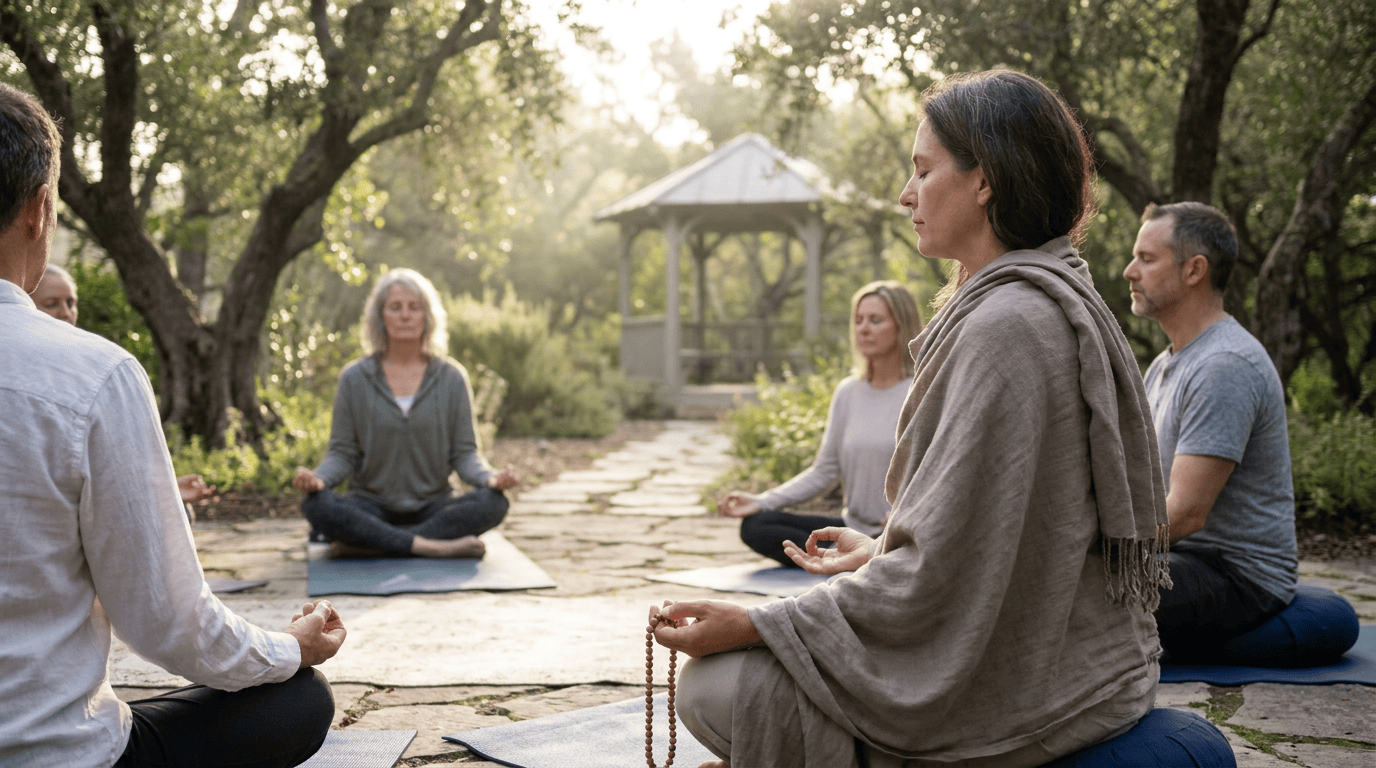
In a world that moves quickly, many of us are quietly longing for peace.
We may have full schedules, responsibilities, relationships, goals, and even spiritual questions we do not always know how to express. Beneath it all, the heart often asks: “Where can I find rest? How can I feel connected? Is there a way to come home to God in the middle of everyday life?”
Maha Mantra meditation is a simple, sacred practice from the Bhakti Yoga tradition that gently answers these questions. It does not require us to leave our lives behind. It invites us to bring love, prayer, and remembrance into the life we already have.
The word “Maha” means “great,” and “Mantra” means a sacred sound or prayer that helps lift the mind and awaken the heart. The Maha Mantra is:
Hare Krishna Hare Krishna
Krishna Krishna Hare Hare
Hare Rama Hare Rama
Rama Rama Hare Hare
This mantra is a prayer of the soul. It is a loving call to God, asking to be engaged in divine service and restored to our natural state of love. Whether you are new to meditation, returning to spiritual practice, or simply curious, Maha Mantra meditation offers a practical path toward inner peace, healing, and spiritual growth.
Maha Mantra meditation is the practice of chanting or softly repeating the sacred names of God: Hare, Krishna, and Rama.
In Bhakti Yoga, the path of devotion, sound is considered deeply powerful. Sacred sound is not simply a tool for relaxation, though it can certainly calm the mind. It is a way of connecting with the Divine personally and lovingly.
The Meaning of “Hare”
“Hare” is a loving call to the divine energy of God. In the Bhakti tradition, this is often understood as a call to Srimati Radharani, the feminine divine energy of pure love and devotion.
When we say “Hare,” we are asking to be lifted out of forgetfulness and brought closer to loving service. It is a humble prayer: “Please engage me in love. Please help me remember who I truly am.”
The Meaning of “Krishna”
“Krishna” means “the all-attractive one.” In Bhakti scriptures, Krishna is described as the Supreme Person, the source of beauty, wisdom, compassion, strength, and joy.
Chanting “Krishna” is a way of turning the heart toward the One who is supremely lovable. We are not merely repeating a sound; we are reaching toward a relationship.
The Meaning of “Rama”
“Rama” means “the source of spiritual joy” or “the one who gives pleasure to the heart.” In the Bhakti tradition, Rama can refer to Lord Rama, Lord Balarama, and Krishna as the reservoir of divine bliss.
When we chant “Rama,” we invite sacred joy into the heart—not temporary excitement, but a deep spiritual happiness that comes from connection with God.
Why Chanting Brings Inner Peace
Most of us know what it feels like to have a restless mind. Thoughts may move from past regrets to future worries, from comparison to fear, from planning to doubt. The mind can be like a crowded room where everyone is talking at once.
Maha Mantra meditation gives the mind a sacred place to rest.
The Mind Needs a Loving Anchor
In the Bhagavad-gita, Krishna explains that the mind can be restless and difficult to control. This is something many of us understand from experience. Meditation is not about forcing the mind into silence. In Bhakti Yoga, meditation means lovingly redirecting the mind toward God.
The Maha Mantra becomes an anchor. When thoughts wander, we gently return to the sound:
Hare Krishna Hare Krishna
Krishna Krishna Hare Hare
Hare Rama Hare Rama
Rama Rama Hare Hare
There is no need for harshness. No need to judge ourselves. Each return is part of the practice.
Sacred Sound Cleanses the Heart
The Sri Chaitanya tradition teaches that chanting the holy names cleanses the mirror of the heart. This means that our true self is already spiritual, already connected to God, but the heart can become covered by stress, envy, fear, pride, and disappointment.
Chanting gradually clears these coverings.
This cleansing may happen quietly. We may notice that we become a little more patient. A little more grateful. A little less reactive. A little more willing to forgive. These small shifts are sacred signs of growth.
Peace Comes From Remembering Who We Are
Bhakti Yoga teaches that we are not simply the body, the mind, or the roles we play. We are spiritual beings, beloved children of God, meant for loving relationship.
When we forget this, we often search for peace in things that cannot fully satisfy the soul. When we remember this, even imperfectly, something within us softens.
Maha Mantra meditation helps us remember.
The Scriptural Roots of the Maha Mantra
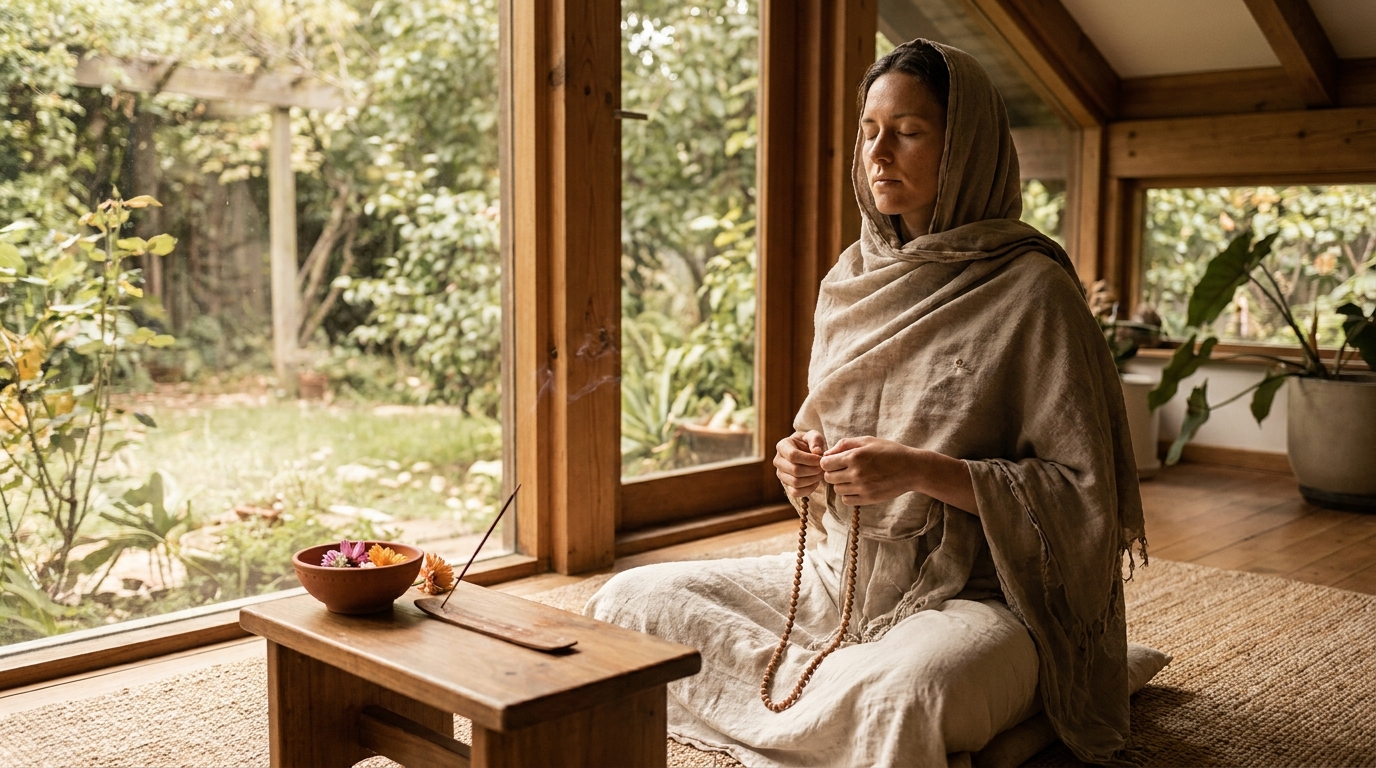
Maha Mantra meditation is not a modern invention. It comes from an ancient devotional tradition rooted in sacred texts and lived practice.
These scriptures are not meant only for scholars. They are meant to guide the heart.
The Kali-Santarana Upanishad
The Kali-Santarana Upanishad specifically recommends the chanting of the Maha Mantra as the way to cross beyond the difficulties of the present age, known in Sanskrit as Kali-yuga.
Kali-yuga is described as an age of quarrel, distraction, confusion, and spiritual forgetfulness. This may sound familiar. We live in a time of information overload, loneliness, conflict, and constant stimulation.
The Upanishad offers a merciful remedy: chant the names of God.
This does not mean that life becomes instantly perfect. Rather, chanting gives us spiritual strength, clarity, and shelter as we walk through life’s challenges.
The Bhagavad-gita and Loving Remembrance
In the Bhagavad-gita, Krishna says, “Always think of Me, become My devotee, worship Me, and offer your homage unto Me.” This is not a demand from a distant God. It is an invitation from a loving Lord who wants us to come close.
Maha Mantra meditation helps us practice this remembrance in a simple way. We may not always know how to pray. We may not always feel spiritually advanced. But we can chant.
The mantra carries our heart, even when our words feel weak.
Srimad Bhagavatam and the Power of Divine Names
The Srimad Bhagavatam, one of the beloved scriptures of the Bhakti tradition, repeatedly glorifies hearing and chanting about God. It teaches that by hearing and chanting sincerely, the heart becomes purified and devotion awakens.
This is one of the beauties of Bhakti Yoga: spiritual growth begins with hearing and chanting. We do not have to be perfect to begin. We begin, and the practice gradually transforms us.
Sure, here is the sentence with the clickable link:
Check out our latest posts on posts.
How to Practice Maha Mantra Meditation
Maha Mantra meditation is both simple and deep. You can begin wherever you are, with whatever time you have.
There are two common ways to chant: japa and kirtan.
Japa: Personal Mantra Meditation
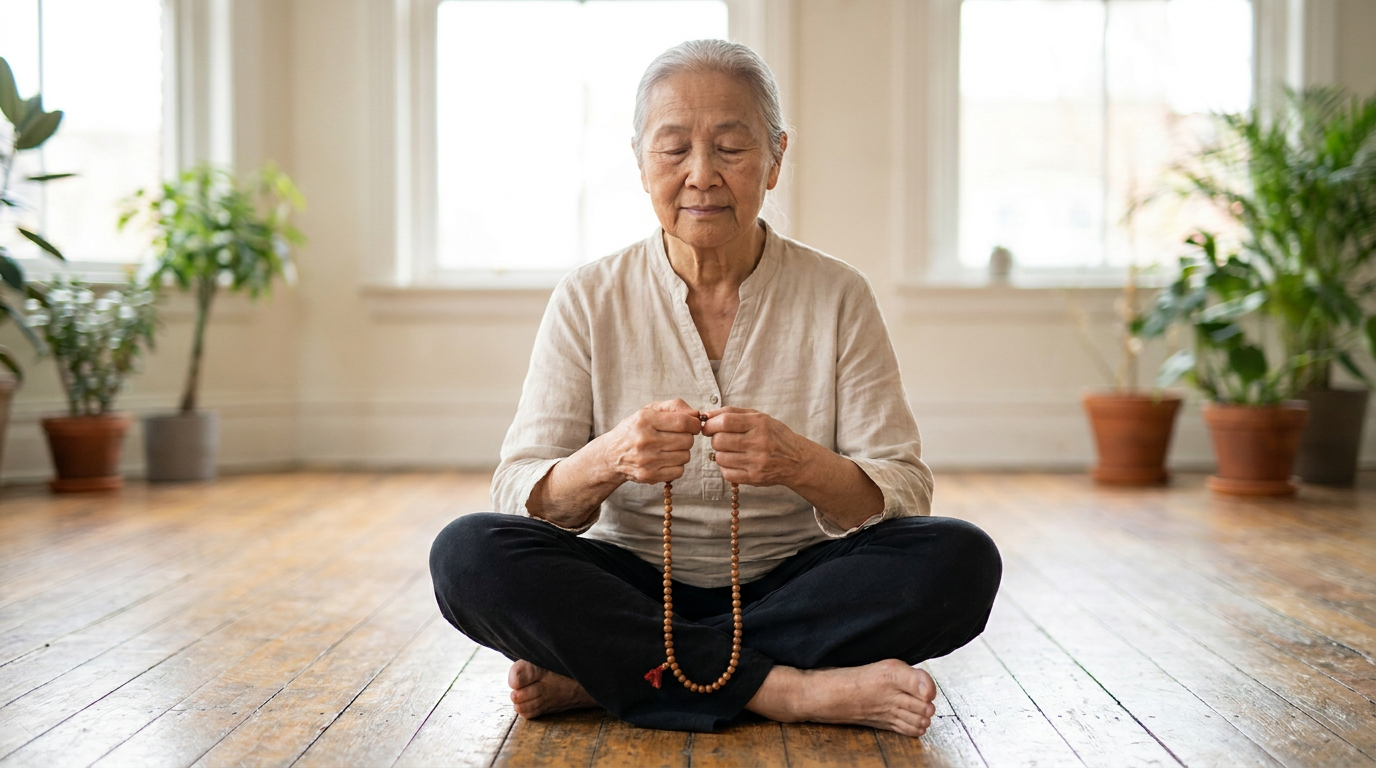
“Japa” means softly repeating a mantra as a personal meditation practice. Many practitioners use a strand of prayer beads, called japa beads, to help count the repetitions and stay focused.
A traditional set of japa beads has 108 beads. One full round means chanting the Maha Mantra once on each bead.
But if you are new, you do not need to start with a large commitment. You may begin with five minutes a day. Or one round. Or even chanting the mantra slowly three times with attention.
The most important offering is sincerity.
Kirtan: Joyful Group Chanting
“Kirtan” means chanting together, often with music. One person leads the mantra, and others respond. This call-and-response chanting creates a shared atmosphere of devotion, prayer, and joy.
At The Bhakti House and in many Bhakti communities, kirtan is a welcoming space. You do not need to know Sanskrit. You do not need a certain background. You can listen, sing, clap, pray, or simply be present.
Kirtan reminds us that spiritual life is not only solitary. We grow through community, shared devotion, and loving encouragement.
A Simple Daily Practice
If you would like to begin Maha Mantra meditation, you might try this:
Choose a quiet place. Sit comfortably. Take a few gentle breaths. Bring your attention to the sound of the mantra.
Then chant softly:
Hare Krishna Hare Krishna
Krishna Krishna Hare Hare
Hare Rama Hare Rama
Rama Rama Hare Hare
Listen as you chant. Let the sound enter the heart. When your mind wanders, kindly bring it back.
You can chant in the morning, during a walk, while driving, before sleep, or in moments of stress. Over time, the mantra becomes a dear companion.
Maha Mantra Meditation for Everyday Life
Bhakti Yoga is not separate from daily life. It helps us bring devotion into everything we do.
Inner peace is not only something we feel during meditation. It is something we learn to carry into our relationships, work, choices, and challenges.
Chanting During Stress
When anxiety rises, the Maha Mantra can become a refuge.
Instead of immediately reacting to a difficult situation, we can pause and chant quietly. Even one sincere repetition can create space between the emotion and the response.
This does not mean we ignore real problems. Rather, we face them with a more centered heart.
Chanting While Serving
Bhakti Yoga is the yoga of love and service. Service, or “seva,” means offering our time, energy, skills, and care for the pleasure of God and the benefit of others.
We can chant while cooking, cleaning, driving, preparing for work, or caring for family. The mantra helps ordinary activities become offerings.
When we cook with love, speak with kindness, work with integrity, and serve with humility, life itself becomes spiritual practice.
Chanting Through Grief and Change
Sometimes inner peace does not mean feeling happy. Sometimes it means being held by God while we grieve, heal, and surrender.
The Maha Mantra can be especially powerful during seasons of loss or transition. We may not have answers. We may not understand why certain things happen. But we can call out.
“Hare Krishna” can become a prayer through tears. “Hare Rama” can become a whisper of hope.
In Bhakti, God is not far away from our pain. The Divine is close to the sincere heart.
Common Questions About Maha Mantra Meditation
It is natural to have questions when beginning a spiritual practice. Bhakti Yoga welcomes honest inquiry.
Do I Have to Be Hindu to Chant?
No. People of all backgrounds are welcome to chant the Maha Mantra.
Bhakti Yoga comes from the Vedic tradition of India, and we honor that sacred source with gratitude and respect. At the same time, the holy names of God are not limited by nationality, ethnicity, language, or religious label.
Anyone can chant. Anyone can pray. Anyone can grow in love.
What If I Do Not Understand Sanskrit?
That is completely okay.
Sanskrit is a sacred language, but the heart can connect even before the mind understands every detail. Just as a child may call for a parent with simple sounds, the soul can call to God through the mantra.
Learning the meaning can deepen the practice, but sincerity is the real doorway.
What If My Mind Wanders?
Everyone’s mind wanders.
The practice is not to never lose focus. The practice is to return. Again and again, gently and honestly.
Each time you notice the mind has wandered and bring it back to the mantra, you are strengthening your spiritual attention.
How Long Should I Chant?
Begin with what is realistic.
Five minutes daily is better than one long session followed by weeks of forgetting. If you feel inspired, you can increase gradually.
Some practitioners chant a set number of rounds on beads each day. Others chant during kirtan or throughout daily activities. The key is consistency with devotion.
Can Chanting Help With Anxiety or Depression?
Many people find that chanting brings calm, hope, and emotional support. Sacred sound can soothe the nervous system and help redirect the mind.
At the same time, Maha Mantra meditation is not a replacement for medical care, therapy, or professional support when needed. Bhakti Yoga can beautifully complement healthy treatment and community care.
God’s compassion can reach us through prayer, through doctors, through friends, through counselors, and through spiritual practice.
The Inner Transformation of Chanting
The greatest gift of Maha Mantra meditation is not simply stress relief. It is transformation of the heart.
Bhakti Yoga teaches that the soul’s deepest need is love of God. When this love awakens, peace naturally follows.
From Control to Surrender
Much of our anxiety comes from trying to control everything. We want certainty, security, and outcomes that match our hopes. But life often teaches us humility.
Chanting helps us practice surrender. Surrender does not mean giving up. It means offering ourselves to God with trust.
The mantra is a prayer of surrender: “Please guide me. Please engage me. Please help me love.”
From Isolation to Relationship
Modern life can make us feel separate—from others, from nature, from ourselves, and from God.
Maha Mantra meditation restores relationship. We are not chanting into emptiness. We are calling to a loving Person who hears.
In Bhakti, God is not merely an abstract force. Krishna is known as the all-attractive Lord who reciprocates with love. The more we turn toward Him, the more we begin to feel spiritually accompanied.
From Self-Centeredness to Service
As chanting softens the heart, we naturally become more sensitive to others. We begin to ask, “How can I serve? How can I be kind? How can my life become an offering?”
This is spiritual growth in practical form.
A peaceful heart is not passive. It becomes compassionate, generous, and engaged.
Creating a Sacred Space for Meditation
A peaceful environment can support your chanting practice, especially in the beginning.
You do not need anything elaborate. A small, clean corner can become a sacred place.
Keep It Simple and Sincere
You might place a picture of Krishna, Lord Chaitanya, or a sacred image that inspires devotion. You may light a candle or incense if appropriate. You may keep your japa beads nearby.
The goal is not decoration. The goal is remembrance.
When you return to the same place each day, the heart begins to associate that space with prayer.
Begin With a Short Prayer
Before chanting, you can offer a simple prayer in your own words:
“Dear Lord, please help me hear this mantra. Please guide my heart. Please let this practice bring me closer to You.”
This humble beginning can shift meditation from a mental exercise into a loving exchange.
Listen More Than You Perform
Chanting is not about having a beautiful voice or a perfect mood. It is about listening.
Try to hear each word clearly:
Hare Krishna Hare Krishna
Krishna Krishna Hare Hare
Hare Rama Hare Rama
Rama Rama Hare Hare
Listening invites presence. Presence invites peace.
Maha Mantra Meditation and Community
While personal practice is important, community can nourish our spiritual life in a special way.
In Sanskrit, “sadhu-sanga” means the company of spiritually minded people. Sadhu means a sincere spiritual practitioner, and sanga means association or community.
We Grow Better Together
When we spend time with people who value devotion, humility, chanting, and service, our own faith becomes stronger.
Community reminds us that we are not alone. We may struggle, forget, doubt, or feel tired. But by gathering with others, we receive encouragement to continue.
The Gift of Kirtan Gatherings
A kirtan gathering can be one of the most accessible ways to experience Bhakti Yoga.
There may be music, singing, dancing, prayer, or quiet reflection. Some people sing loudly. Some close their eyes. Some simply listen. All are welcome.
The shared chanting creates a sacred atmosphere where the heart can open naturally.
Serving With Others
Bhakti communities often include opportunities for seva, or devotional service. This may include preparing vegetarian meals, helping with events, welcoming guests, cleaning the temple or gathering space, supporting outreach, or simply offering kindness.
Service helps meditation move from the lips into the hands.
When chanting and service come together, spiritual life becomes whole.
Taking the First Step With Humility
Sometimes people hesitate to begin because they feel unqualified. They may think, “I am not spiritual enough,” or “I do not know enough,” or “My life is too messy.”
But Bhakti Yoga begins exactly where we are.
Sincerity Matters More Than Perfection
The path of Bhakti is not about pretending to be pure. It is about honestly turning toward God.
Even a small sincere effort has spiritual value. In the Bhagavad-gita, Krishna assures us that progress on the spiritual path is never lost. Whatever love we offer becomes part of our eternal journey.
Let the Mantra Meet You Where You Are
You can chant when you feel peaceful, and you can chant when you feel distracted. You can chant with faith, and you can chant when faith feels small. You can chant with joy, and you can chant when all you can offer is a tired heart.
The mantra is merciful.
It does not wait for us to become perfect. It helps us become purified.
Make It Personal
Although the Maha Mantra is ancient, your relationship with it will be personal. Over time, you may find that certain words touch you deeply. You may feel comfort in “Hare,” sweetness in “Krishna,” or strength in “Rama.”
Allow your practice to unfold naturally. Let it become a conversation between your soul and God.
A Practical 7-Day Beginning
If you feel inspired, you can begin with a simple 7-day Maha Mantra meditation practice.
Day 1: Chant for Five Minutes
Find a quiet place and chant for five minutes. Do not worry about perfection. Just begin.
Day 2: Listen Carefully
Chant again for five minutes, focusing especially on hearing each word.
Day 3: Add a Prayer
Before chanting, offer a short prayer asking for guidance and sincerity.
Day 4: Chant During a Walk
Let the mantra accompany your steps. Walk slowly if possible and breathe gently.
Day 5: Try Kirtan
Listen to a kirtan recording or join a local gathering if one is available. Let yourself receive the sound.
Day 6: Offer Service
Do one act of kindness as an offering to God. It may be simple: encouraging someone, cooking with love, helping without seeking credit.
Day 7: Reflect With Gratitude
After chanting, write down one thing you noticed. Did you feel calmer? More hopeful? More aware? Offer gratitude for even the smallest shift.
This simple week can become the beginning of a lifelong friendship with the holy name.
The Peace We Are Really Seeking
Inner peace is not merely the absence of noise. It is the presence of spiritual connection.
Maha Mantra meditation invites us into that connection through love, sound, prayer, and service. It gives the mind a sacred focus and gives the heart a way to call out to God.
The path is simple, but it is not shallow. The mantra carries deep wisdom. It has been chanted by saints, seekers, families, monks, artists, workers, students, elders, and children. It has been sung in temples, homes, streets, forests, and quiet rooms. It belongs to anyone who approaches it with respect and sincerity.
At The Bhakti House, we hold this practice as a gentle doorway. No matter your background, your questions, your doubts, or your life story, you are welcome. You do not have to become someone else to begin. You can bring your real self—your hopes, wounds, gratitude, confusion, and longing—and offer them through the mantra.
Hare Krishna Hare Krishna
Krishna Krishna Hare Hare
Hare Rama Hare Rama
Rama Rama Hare Hare
May this sacred sound bring peace to your mind, softness to your heart, and remembrance to your soul. May it guide you toward loving service, deeper prayer, and a living relationship with God.
Everyone is welcome to take one sincere step toward God today. It may be one mantra, one prayer, one act of kindness, or one moment of honest longing. That step matters, and by divine grace, it can open the heart to a lifetime of love.
FAQs
What is the Maha Mantra meditation?
The Maha Mantra meditation is a form of meditation that involves the repetition of a sacred mantra, specifically the Hare Krishna mantra. This mantra is believed to have the power to cleanse the mind and bring about spiritual awakening.
How is the Maha Mantra meditation practiced?
The Maha Mantra meditation is practiced by sitting in a comfortable position, closing the eyes, and repeating the mantra “Hare Krishna, Hare Krishna, Krishna Krishna, Hare Hare, Hare Rama, Hare Rama, Rama Rama, Hare Hare” either silently or aloud. This repetition is done with focus and devotion.
What are the benefits of practicing Maha Mantra meditation?
Practicing Maha Mantra meditation is believed to bring about inner peace, spiritual growth, and a deep sense of connection with the divine. It is also said to help reduce stress, anxiety, and negative thought patterns.
Is Maha Mantra meditation associated with any specific religion?
The Maha Mantra meditation is closely associated with the practice of Bhakti Yoga within the Vaishnava tradition of Hinduism. However, people from various spiritual backgrounds and beliefs practice this form of meditation.
Can anyone practice Maha Mantra meditation?
Yes, anyone can practice Maha Mantra meditation regardless of their religious or spiritual beliefs. It is a simple and accessible form of meditation that can be practiced by people of all ages and backgrounds.

