

Anartha-nivṛtti is a beautiful Sanskrit phrase that describes a very practical stage in spiritual life.
“Anartha” means something unwanted, unnecessary, or not truly beneficial for the soul. “Nivṛtti” means removal, reduction, or becoming free from something.
So, anartha-nivṛtti means the gradual cleansing of the heart from unwanted habits, distractions, fears, attachments, and patterns that keep us from experiencing our natural love for God.
In Bhakti Yoga, this is not about shame. It is not about becoming harsh with ourselves or pretending to be perfect. It is about healing. It is about allowing divine love to enter the heart so deeply that the things which once controlled us slowly lose their power.
At The Bhakti House, we often say that Bhakti is a path of love. It is not simply a belief system or a cultural tradition. Bhakti Yoga is a living practice of devotion through chanting, prayer, service, sacred study, community, and heartfelt remembrance of God.
Anartha-nivṛtti is one of the great gifts of this path. As we chant the holy names, serve with sincerity, and hear spiritual wisdom, the heart becomes clearer. Peace begins to arise from within—not because life becomes perfectly easy, but because we become more deeply connected to the source of peace.
The Journey of Bhakti Yoga and the Cleansing of the Heart
Bhakti Yoga describes spiritual growth as a natural, loving progression. Śrīla Rūpa Gosvāmī, a great teacher in the Bhakti tradition, explains in Bhakti-rasāmṛta-sindhu that devotion develops through stages.
These stages begin with faith and gradually lead to pure love of God.
From Faith to Love
The traditional progression is often described like this:
- Śraddhā – faith, or a simple openness to spiritual truth
- Sādhu-saṅga – association with sincere spiritual people
- Bhajana-kriyā – beginning regular devotional practices
- Anartha-nivṛtti – the cleansing of unwanted habits and obstacles
- Niṣṭhā – steadiness in spiritual practice
- Ruci – taste, or genuine attraction for devotion
- Āsakti – deep attachment to God and devotional life
- Bhāva – spiritual emotion, the beginning of pure love
- Prema – fully awakened love of God
This map is not meant to make us compare ourselves with others. Rather, it helps us understand that spiritual life unfolds in stages. Just as a seed becomes a sprout, then a plant, then a flowering tree, the soul gradually awakens through steady nourishment.
Anartha-nivṛtti comes after we begin practicing Bhakti. This is important. We do not need to become pure before approaching God. We approach God as we are, and through loving connection, purification begins.
The Heart Is Like a Mirror
The Śrī Caitanya-caritāmṛta describes the chanting of God’s holy names as a cleansing process: ceto-darpaṇa-mārjanam—the cleaning of the mirror of the heart.
A mirror covered in dust cannot reflect clearly. In the same way, the soul’s natural joy and love may be covered by layers of fear, ego, anger, envy, selfish desire, or pain. But the mirror itself is not ruined. It simply needs to be cleaned.
Bhakti Yoga does not say that we are broken beyond repair. It says we are eternal souls, beloved parts of God, temporarily covered by forgetfulness. Anartha-nivṛtti is the gentle cleaning that reveals who we truly are.
What Are Anarthas?

Anarthas are the inner obstacles that disturb our peace and weaken our connection with God, ourselves, and others. They can appear as habits, thought patterns, emotional reactions, or desires that do not serve our highest good.
Everyone has anarthas. They are not proof that we are unworthy. They are simply signs that the heart is still healing.
Common Forms of Anarthas
Some common anarthas include:
- Pride and the need to feel superior
- Envy of others’ success or happiness
- Anger that controls our words and actions
- Greed and constant dissatisfaction
- Lust or using others for our own pleasure
- Laziness in spiritual practice
- Doubt that becomes cynicism or despair
- Attachment to recognition, status, or being right
- The habit of criticizing others
- Forgetfulness of God
- Seeking comfort in harmful patterns
- Fear of surrender or trust
These may sound heavy, but we can look at them with compassion. Bhakti teaches us to be honest without being hopeless.
The goal is not to hate ourselves for having impurities. The goal is to bring them into the light of devotion.
Gross and Subtle Anarthas
Some anarthas are obvious. For example, if we repeatedly speak harshly, indulge in destructive habits, or neglect spiritual practice, we may notice these things clearly.
Other anarthas are subtle. We may chant, serve, or attend spiritual gatherings, but still secretly desire praise. We may want to be seen as advanced. We may become proud of our knowledge or judge others for being “less spiritual.”
Subtle anarthas can be more difficult to recognize because they hide behind good behavior. This is why humility is so essential on the Bhakti path.
A sincere devotee prays, “Dear Lord, please help me see what is blocking my love for You. Please cleanse my heart in the way You know is best.”
Check out our latest articles at https://thebhaktihouse.org/blog.
Anartha-nivṛtti in the Bhakti Scriptures
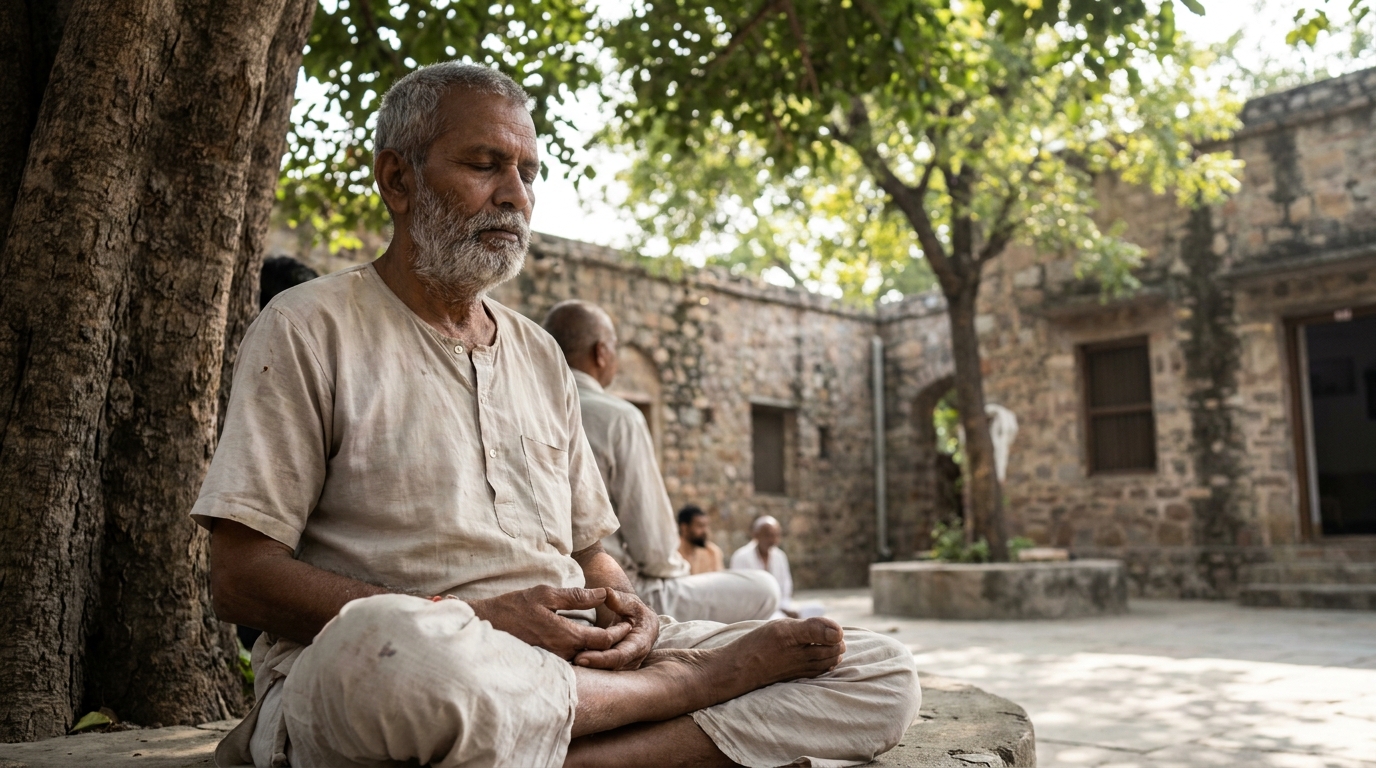
The process of inner cleansing is described beautifully in the Bhakti scriptures. These texts are not meant only for scholars or monks. They are living wisdom for anyone seeking peace, purpose, and a deeper relationship with God.
Śrīmad-Bhāgavatam: Hearing and Chanting Cleanse the Heart
In the Śrīmad-Bhāgavatam 1.2.17, we find a powerful verse:
“Śrī Kṛṣṇa, the Supreme Personality of Godhead, who is the Paramātmā in everyone’s heart and the benefactor of the truthful devotee, cleanses desire for material enjoyment from the heart of the devotee who relishes His messages.”
In simple language, this means that God is already present within the heart. When we sincerely hear about Him, chant His names, and turn toward Him with openness, He personally helps cleanse the heart.
This is deeply comforting. We are not expected to purify ourselves by our own strength alone. We cooperate with grace.
The next verses explain that regular hearing of sacred wisdom awakens devotion, removes disturbance, and helps the heart become steady. This is the foundation of inner peace in Bhakti Yoga.
Bhagavad-gītā: Offer Everything with Love
In the Bhagavad-gītā 9.26, Lord Kṛṣṇa says:
“If one offers Me with love and devotion a leaf, a flower, fruit, or water, I will accept it.”
This verse is very tender. God is not asking for wealth, power, or perfection. He is asking for love.
Anartha-nivṛtti happens when our motivation changes. Instead of asking, “How can I enjoy everything for myself?” we begin asking, “How can I offer my life in love?”
Even simple acts become spiritual when offered with devotion: cooking, cleaning, working, caring for family, studying, singing, resting, and serving others. Bhakti transforms ordinary life into sacred life.
The Holy Name as Medicine
The chanting of God’s names is central in Bhakti Yoga. In the tradition of Śrī Caitanya Mahāprabhu, the Hare Kṛṣṇa mahā-mantra is especially cherished:
Hare Kṛṣṇa Hare Kṛṣṇa
Kṛṣṇa Kṛṣṇa Hare Hare
Hare Rāma Hare Rāma
Rāma Rāma Hare Hare
“Kṛṣṇa” means the all-attractive Lord. “Rāma” means the source of spiritual joy. “Hare” calls upon the divine energy of the Lord, especially the loving energy that helps us reconnect with God.
This mantra is a prayer: “O Lord, O divine energy of the Lord, please engage me in loving service.”
Chanting is not a performance. It is a relationship. It is the soul crying out, singing, remembering, and returning home.
Why Anartha-nivṛtti Can Feel Difficult
As we begin spiritual practice, we may feel joy and inspiration. Then, sometimes unexpectedly, old patterns become more visible. We may think, “Why am I still struggling? Am I going backward?”
Actually, this can be a sign of progress.
When a room is dark, we may not notice the dust. But when sunlight enters, the dust becomes visible. In the same way, when the light of Bhakti enters the heart, we begin to see what needs healing.
Awareness Is a Gift
Seeing our anarthas is not a punishment. It is mercy. Without awareness, we remain controlled by patterns we cannot name.
A person may carry resentment for years and think it is normal. But through chanting, prayer, and spiritual association, they may suddenly recognize, “This anger is hurting me and others. I want to change.”
That recognition is the beginning of freedom.
The Ego Resists Cleansing
The ego is the false idea that we are separate from God and that life is meant for our independent control and enjoyment. When Bhakti begins to soften the ego, we may feel resistance.
We may not want to apologize. We may not want to forgive. We may not want to give up a habit. We may not want to admit that we need help.
This is why humility is so important. Humility does not mean thinking we are worthless. It means understanding our true position: we are loved souls, dependent on God’s mercy.
Spiritual Growth Is Gradual
Anartha-nivṛtti usually does not happen all at once. Some transformations may come quickly. Others take years of steady practice.
A farmer cannot pull a seedling from the ground to make it grow faster. Growth requires patience, watering, sunlight, and time.
Similarly, our heart grows through daily nourishment: chanting, prayer, service, hearing sacred wisdom, and keeping company with sincere people.
Practical Ways to Practice Anartha-nivṛtti
Bhakti Yoga is wonderfully practical. It does not ask us to escape life. It teaches us to spiritualize life.
Here are simple ways to cooperate with the cleansing process of anartha-nivṛtti.
Chant the Holy Names Daily
Chanting is the heart of Bhakti practice. You can chant softly, sing in kīrtan, meditate with beads, or simply repeat God’s names with sincerity.
Kīrtan means devotional singing, often in a call-and-response style. Japa means personal mantra meditation, usually repeated quietly on beads.
If you are new, begin with a simple and realistic commitment. You might chant the Hare Kṛṣṇa mantra for five minutes each morning. Or you might sing one devotional song before bed.
The power is not in external perfection, but in sincerity. Even one sincere name of God has spiritual power.
Pray Honestly
Prayer is a sacred conversation. You do not need fancy language.
You can pray:
“Dear Lord, I don’t know how to change, but I want to come closer to You.”
“Please help me see what is blocking my heart.”
“Please guide my words today.”
“Please let me serve someone with kindness.”
“Please help me forgive.”
Honest prayer opens the heart. It invites divine help into the places we usually try to manage alone.
Serve with Love
Sevā means service. In Bhakti Yoga, service is not just duty; it is an expression of love.
We can serve in many ways: cooking for God and others, helping at a temple or spiritual gathering, supporting community programs, listening compassionately, offering our skills, cleaning, teaching, gardening, caring for children, or encouraging someone who is struggling.
Service cleanses the heart because it shifts our focus from “What can I get?” to “How can I love?”
When done with devotion, even small service becomes powerful.
Study Sacred Wisdom
Reading or hearing from texts like the Bhagavad-gītā and Śrīmad-Bhāgavatam gives spiritual intelligence. It helps us understand the difference between the temporary and the eternal, the mind and the soul, selfish desire and real love.
Try reading a few verses daily or weekly. Reflect on one question:
“How can I live this today?”
Scripture becomes most meaningful when it enters our choices, speech, relationships, and priorities.
Keep Uplifting Association
Sādhu-saṅga means association with spiritually minded people. “Sādhu” refers to someone sincere in their devotion, and “saṅga” means company or connection.
Our environment shapes us. If we spend time with people who encourage gossip, greed, anger, or cynicism, those qualities grow stronger. If we spend time with people who chant, serve, forgive, and remember God, our own heart becomes inspired.
Community is a great blessing. We do not have to walk the path alone.
Anartha-nivṛtti and Inner Peace
Many people come to spirituality seeking peace. Bhakti Yoga offers peace, but not merely as a temporary feeling. It offers peace through relationship with God.
Inner peace arises when the heart becomes aligned with its true nature.
The Soul’s Natural Condition
Bhakti scriptures explain that we are not merely the body or the mind. We are ātmā—the eternal soul. The soul’s nature is to love and serve God.
When we forget this, we search for fulfillment in temporary things: possessions, praise, pleasure, control, or comparison. These may bring brief satisfaction, but they cannot fully nourish the soul.
Anartha-nivṛtti removes the layers that keep us searching in the wrong places. Gradually, we discover a deeper happiness—the joy of devotion.
Peace Beyond Control
Much of our anxiety comes from trying to control what cannot be controlled. We want others to behave according to our expectations. We want life to unfold according to our plans. We want security in a changing world.
Bhakti gently teaches surrender.
Surrender does not mean passivity. It means offering our best effort while trusting God’s loving guidance. In the Bhagavad-gītā 18.66, Kṛṣṇa invites us to take shelter in Him. This is not a threat; it is an embrace.
The more we trust divine care, the less we are ruled by fear.
Letting Go of the False Self
Many anarthas come from protecting a false identity. We want to be admired, respected, superior, independent, or always correct.
But these identities are fragile. They require constant defense.
Bhakti gives us a deeper identity: “I am a beloved servant of God.”
This identity is not weak. It is freeing. When we know we are loved by God, we do not need to demand love from every situation. When we know our worth is spiritual, we do not need to build our life on comparison.
The Role of Compassion in Cleansing
Anartha-nivṛtti must be practiced with compassion—toward ourselves and others.
Without compassion, spiritual life can become rigid. We may become discouraged by our faults or judgmental toward the faults of others. But real Bhakti softens the heart.
Be Patient with Yourself
If you notice anger, envy, or selfishness in yourself, do not give up. Bring it to God.
You might say, “My Lord, I see this in my heart. I do not want it to rule me. Please help me.”
This kind of prayer is powerful because it is honest. God is not surprised by our struggles. He is waiting for our sincerity.
Be Gentle with Others
As we become aware of our own anarthas, we become less eager to criticize others. Everyone is carrying burdens. Everyone is in process.
This does not mean we ignore harmful behavior or avoid healthy boundaries. But it does mean we try to see others with humility.
A devotee thinks, “Just as I need mercy, others also need mercy.”
Forgiveness as Freedom
Forgiveness is often part of anartha-nivṛtti. Resentment can occupy the heart like a heavy stone. Forgiveness does not mean pretending that harm did not happen. It does not always mean restoring the same relationship.
But forgiveness means we stop letting bitterness define us. We place the pain before God and ask for healing.
Sometimes forgiveness is a long journey. Bhakti gives us strength to take it one prayer at a time.
Obstacles on the Path and How to Respond
Every sincere practitioner meets obstacles. The important thing is not whether challenges come, but how we respond.
Discouragement
Discouragement may whisper, “You are not making progress.” But progress in Bhakti is often subtle.
Maybe you pause before reacting. Maybe you apologize more quickly. Maybe you remember God in a moment when you used to forget. Maybe you feel regret after speaking harshly. Even that regret can be a sign that the heart is becoming softer.
Do not measure spiritual life only by dramatic experiences. God often works quietly.
Spiritual Pride
Sometimes, as we gain knowledge or practice more, pride can arise. We may think, “I am better than others.”
This is a subtle anartha. The remedy is service, gratitude, and remembrance that everything we have is received by grace.
If we can chant, it is grace. If we can serve, it is grace. If we have spiritual association, it is grace. If we feel even a little desire for God, it is grace.
Gratitude protects the heart from pride.
Inconsistency
Many people struggle with consistency. Life is busy. The mind is restless. Habits take time to form.
Start small and stay sincere. It is better to chant a little every day than to make an unrealistic vow and quickly abandon it.
Create simple supports:
- Keep prayer beads in a visible place
- Set a daily reminder for chanting
- Attend weekly kīrtan or satsang
- Read one verse each morning
- Offer your food before eating
- Connect with a devotee friend for encouragement
Small steps, repeated with love, become a spiritual path.
Signs That Anartha-nivṛtti Is Happening
The cleansing of the heart may not always be obvious, but there are signs that Bhakti is working within us.
More Honesty
We become more willing to see ourselves clearly. We stop blaming everyone else for our inner condition. We begin to take responsibility without self-hatred.
This honesty is sacred.
More Humility
We become less interested in proving ourselves and more interested in serving. We can learn from others. We can admit mistakes. We can ask for help.
Humility makes the heart spacious.
More Attraction to Devotion
At first, spiritual practice may feel like discipline. Over time, we may begin to taste sweetness in chanting, prayer, scripture, and service.
This taste is called ruci. It comes after the heart becomes more cleansed and steady.
Less Control by Old Habits
The old patterns may still appear, but they do not dominate us as before. We may still feel anger, but we do not immediately obey it. We may still feel envy, but we recognize it and pray through it. We may still feel fear, but we remember God more quickly.
This is real progress.
More Compassion and Gratitude
A cleansed heart naturally becomes kinder. We begin to appreciate others. We feel grateful for simple blessings. We want to share spiritual nourishment.
Bhakti is not only private peace. It becomes love in action.
Bringing Anartha-nivṛtti into Daily Life
Anartha-nivṛtti is not separate from everyday life. Our home, workplace, relationships, and responsibilities all become places of practice.
In Relationships
When conflict arises, we can ask:
“Am I trying to serve, or am I trying to win?”
“Is my pride speaking, or is love speaking?”
“Can I pause and pray before responding?”
Relationships often reveal our anarthas. This can be uncomfortable, but it is also a blessing. The people closest to us may show us where we need more patience, humility, forgiveness, and compassion.
In Work and Service
At work, anartha-nivṛtti may mean releasing the need for constant recognition. It may mean acting with integrity when no one sees. It may mean seeing our skills as gifts to be offered.
We can silently pray before beginning work: “May this be pleasing to You. May I serve with honesty and kindness.”
This transforms work into worship.
In the Mind
The mind may produce endless thoughts: worries, comparisons, memories, desires, judgments. Bhakti does not require us to violently stop the mind. Instead, we gently redirect it.
Chanting gives the mind a sacred sound to rest in. Scripture gives the mind truth. Prayer gives the mind relationship. Service gives the mind purpose.
Over time, the mind becomes a friend rather than an enemy.
Anartha-nivṛtti Is God’s Mercy in Motion
Ultimately, anartha-nivṛtti is not just self-improvement. It is not a spiritual version of trying to become more successful, polished, or admired.
It is the mercy of God moving through the heart.
The purpose of cleansing is love. We let go of what blocks love so we can love God more purely and love others more genuinely.
This is why the process is hopeful. Every obstacle can become an offering. Every weakness can become a doorway to prayer. Every struggle can deepen our dependence on divine grace.
We are not alone in the cleansing. The Lord in the heart is guiding us. The holy names are nourishing us. The scriptures are teaching us. The community of devotees is supporting us. And every sincere step matters.
A Simple Practice to Begin Today
If you feel inspired to experience anartha-nivṛtti in your own life, begin gently.
Morning Prayer
When you wake up, place your hand over your heart and pray:
“Dear Lord, thank You for this day. Please guide me. Please cleanse my heart of what keeps me from loving You and others. Let me take one sincere step toward You today.”
Five Minutes of Chanting
Chant the Hare Kṛṣṇa mantra for five minutes:
Hare Kṛṣṇa Hare Kṛṣṇa
Kṛṣṇa Kṛṣṇa Hare Hare
Hare Rāma Hare Rāma
Rāma Rāma Hare Hare
Listen to the sound. If the mind wanders, gently return. No harshness. Just return.
One Act of Service
Choose one act of service today. Encourage someone. Clean a shared space. Offer food with gratitude. Help without expecting praise. Give your time, attention, or kindness.
Service makes devotion real.
Evening Reflection
Before resting, ask:
“Where did I remember God today?”
“Where did I forget?”
“What can I offer and learn?”
Then pray with gratitude. Even if the day was imperfect, offer it. God accepts sincere offerings.
Everyone Is Welcome on the Path of Bhakti
Anartha-nivṛtti is not a cold or judgmental process. It is the loving transformation of the heart. It is the clearing away of what is temporary, painful, and false so that our eternal relationship with God can shine.
Wherever you are coming from, whatever your background, faith tradition, doubts, struggles, or life story, you are welcome on the path of Bhakti Yoga.
You do not need to be perfect to chant. You do not need to have everything figured out to pray. You do not need to be free from all anarthas to serve. You simply need to begin with sincerity.
Take one step. Chant one holy name. Offer one prayer. Do one act of loving service. Open one page of sacred wisdom. Sit with one uplifting community.
God sees the heart. And every sincere step toward Him is cherished.
May your journey of anartha-nivṛtti bring you deeper peace, softer humility, stronger faith, and a growing taste for divine love. Everyone is welcome to take one sincere step toward God today.
FAQs
What is Anartha-nivṛtti?
Anartha-nivṛtti is a concept in Hindu philosophy that refers to the process of removing inner obstacles or unwanted elements from the mind and heart. It is considered an essential step in spiritual growth and self-realization.
What are some examples of inner obstacles or anarthas?
Inner obstacles or anarthas can include negative emotions such as anger, greed, envy, and attachment, as well as false ego, illusion, and ignorance. These are considered to be impediments to spiritual progress and self-realization.
How is Anartha-nivṛtti achieved?
Anartha-nivṛtti is achieved through various spiritual practices such as meditation, self-reflection, self-discipline, and cultivating positive virtues such as compassion, humility, and selflessness. It also involves studying sacred texts and seeking guidance from spiritual teachers.
What are the benefits of Anartha-nivṛtti?
The removal of inner obstacles through Anartha-nivṛtti leads to greater mental clarity, emotional stability, and spiritual insight. It allows individuals to experience inner peace, joy, and a deeper connection with their true nature or higher self.
Is Anartha-nivṛtti a universal concept?
While the concept of Anartha-nivṛtti is rooted in Hindu philosophy, the idea of removing inner obstacles and cultivating inner virtues is found in various spiritual traditions and philosophies around the world. It is considered a universal principle for personal growth and self-realization.

