

For many seekers, spiritual life begins with a deep longing for peace.
We may not yet know how to pray. We may not feel ready to surrender everything. We may not understand the language of scripture, ritual, or devotion. But somewhere inside, we feel a sacred pull: “There must be something more. There must be a truth deeper than the noise of this world.”
In the Bhakti tradition, this peaceful awakening can be understood through the lens of śānta-rasa.
The word śānta means peaceful, calm, or tranquil. The word rasa means a spiritual taste, relationship, or loving mood with God. So śānta-rasa refers to a peaceful relationship with the Supreme Lord, especially with Śrī Krishna, where the heart rests in reverence, steadiness, and spiritual awareness.
It is not cold. It is not empty. It is not merely philosophical. It is a sacred beginning of love.
A Peaceful Relationship With God
Śānta-rasa is one of the five primary spiritual relationships described in the Bhakti tradition. These five are:
- Śānta-rasa — peaceful reverence
- Dāsya-rasa — loving service as a servant
- Sakhya-rasa — friendship with God
- Vātsalya-rasa — parental affection toward God
- Mādhurya-rasa — intimate divine love
Śānta-rasa is the most peaceful and foundational of these loving relationships. In this mood, the soul recognizes the greatness of God and becomes free from selfish worldly cravings. The heart becomes still, clear, and satisfied in the presence of the Divine.
A person in śānta-rasa may not yet feel the impulse to actively serve Krishna in a personal way, as seen in dāsya-rasa. They may not yet relate to God as a close friend, child, or beloved. But they have deep spiritual realization: “God is real. I am spiritual. This world is temporary. My peace is found in Him.”
This is a beautiful and sacred realization.
More Than Ordinary Peace
The peace of śānta-rasa is not the same as simply relaxing, escaping stress, or becoming emotionally numb. It is not merely silence or detachment from problems.
It is peace rooted in spiritual truth.
In the Bhagavad-gītā, Krishna explains that real peace comes when we understand Him as the Supreme enjoyer, the Lord of all worlds, and the true friend of every living being:
> “A person who knows Me as the enjoyer of all sacrifices and austerities, the Supreme Lord of all planets and demigods, and the well-wisher of all living beings, attains peace.”
> — Bhagavad-gītā 5.29
This verse gives us a gentle doorway into śānta-rasa. When we understand that we are not the controllers, that God is loving, and that our deepest security rests in Him, the heart begins to soften. Anxiety loosens. Pride becomes lighter. The soul remembers its eternal shelter.
The Place of Śānta-rasa in Bhakti Yoga
Bhakti Yoga Is the Path of Love
Bhakti Yoga means the path of loving devotion to God. The word bhakti means devotion, loving service, or heartfelt offering. It is not limited by nationality, language, background, education, or religious label. Bhakti is the natural movement of the soul toward the Divine.
In Bhakti Yoga, we practice remembering God, chanting His names, offering prayers, serving others, studying sacred wisdom, and living with humility and love.
Śānta-rasa has an important place on this path because it helps establish the heart in steadiness. Before love becomes active, intimate, and overflowing, it often begins as peace, reverence, and wonder.
Many people first approach spiritual life through questions such as:
“Who am I?”
“Why am I suffering?”
“What is the purpose of life?”
“Is there a loving God?”
“How can I find real peace?”
These questions can become holy when they lead us toward Krishna.
A Foundation for Higher Spiritual Relationships
In the teachings of Śrīla Rūpa Goswāmī, one of the great teachers of the Bhakti tradition, rasa is understood as the fully developed spiritual relationship between the soul and Krishna. Śānta-rasa is foundational because it contains two essential qualities:
- Steady faith or attachment to Krishna
- Freedom from material thirst
In the Caitanya-caritāmṛta, a treasured scripture in the Gaudiya Vaishnava tradition, Śrī Chaitanya Mahāprabhu explains that śānta-rasa includes firm faith in Krishna and detachment from selfish desires. These are not small things. To become steady in God and less controlled by worldly cravings is a great spiritual blessing.
However, śānta-rasa does not fully include the active service mood that appears in dāsya-rasa. In dāsya, the devotee thinks, “Krishna is my Lord, and I want to serve Him.” In śānta, the devotee may think, “Krishna is Supreme, and I am at peace in remembering Him.”
Both are beautiful. Both are sacred. But they have different flavors.
The Unique Qualities of Śānta-rasa
Stillness Without Emptiness
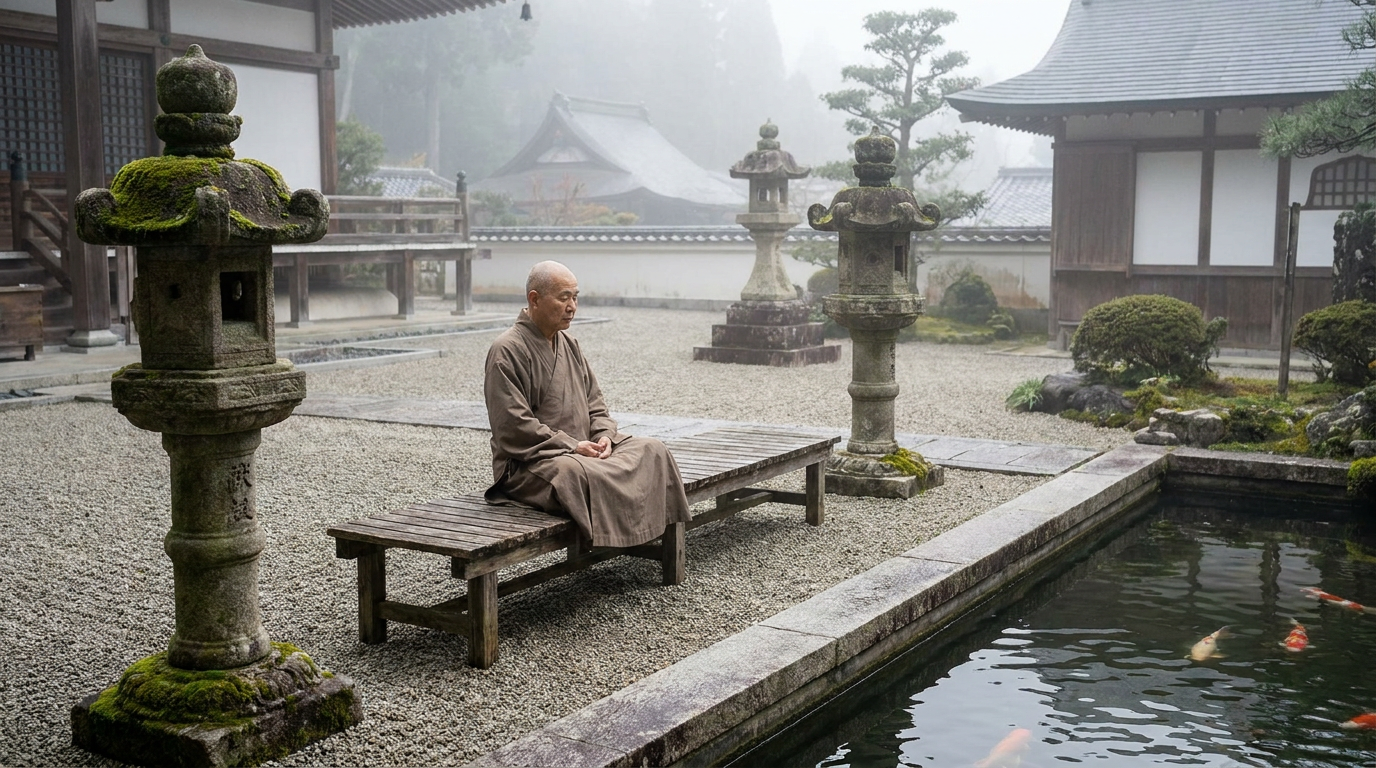
One of the unique qualities of śānta-rasa is its deep stillness. The heart becomes calm because it is no longer chasing fulfillment in temporary things.
This stillness is not emptiness. In some spiritual paths, peace may be understood as the ending of all desires, all identity, or all relationship. But in Bhakti Yoga, the soul is not meant to disappear into nothingness. The soul is eternal, conscious, and full of potential love.
Śānta-rasa is peaceful because the soul has turned toward God.
It is like a lake after the wind has stopped. The surface becomes clear enough to reflect the moon. Similarly, when the restless winds of ego, greed, envy, and fear begin to quiet down, the heart can reflect Krishna’s presence.
Reverence and Awareness of God’s Greatness
Śānta-rasa carries a strong sense of reverence. The devotee sees God as majestic, eternal, all-knowing, and all-powerful.
This awareness is deeply healing. In daily life, we often carry burdens that are too heavy for us. We try to control outcomes, people, health, finances, reputation, and the future. But when we remember that God is greater than all things, we can breathe again.
Reverence does not mean distance in a negative sense. It means honoring reality. It means seeing clearly: “I am small, but I am loved. God is great, and I can take shelter.”
This humble vision protects the heart from arrogance and despair.
Freedom From Material Thirst
Another defining quality of śānta-rasa is tṛṣṇā-tyāga, the giving up of material thirst. Tṛṣṇā means thirst or craving. Tyāga means giving up or letting go.
This does not mean we hate the world. Bhakti does not teach us to despise life, the body, family, nature, or human responsibilities. Rather, it teaches us to stop expecting temporary things to satisfy the eternal soul.
We can care for the body, love our families, work honestly, and serve society — but without making these things our ultimate shelter.
The person in śānta-rasa begins to understand:
“My real happiness is not in possession. My real identity is not my social role. My deepest peace is in God.”
This realization brings simplicity.
Please visit our website for more information on our articles: articles.
Śānta-rasa in Scripture
The Four Kumāras
One of the most beloved examples connected with śānta-rasa is the story of the Four Kumāras in the Śrīmad-Bhāgavatam.
The Four Kumāras — Sanaka, Sanandana, Sanātana, and Sanat-kumāra — were great sages. They were deeply realized, peaceful, detached, and absorbed in spiritual knowledge. They had no interest in ordinary worldly pleasures.
When they entered Vaikuṇṭha, the spiritual realm, they smelled the fragrance of tulasī leaves offered at the lotus feet of Lord Vishnu. Tulasī is a sacred plant very dear to Krishna and Vishnu. That divine fragrance awakened devotion in their hearts.
This moment is very important. The Kumāras were already peaceful and spiritually advanced, but contact with the Lord’s personal presence awakened something even deeper: devotion.
Their peace became touched by love.
This teaches us that spiritual knowledge and detachment are blessed, but they become complete when they lead to loving devotion.
Śukadeva Goswāmī
Śukadeva Goswāmī, the speaker of the Śrīmad-Bhāgavatam, is another extraordinary spiritual personality. He was completely detached from worldly life from birth. He had no attraction to social status, wealth, or material enjoyment.
Yet when he heard the pastimes of Krishna, he became drawn to the sweetness of the Lord.
This is one of the great wonders of Bhakti: even those who are fully peaceful and self-satisfied become attracted to Krishna’s beauty, qualities, and love.
The Śrīmad-Bhāgavatam describes how even liberated souls are drawn to devotional service:
> “Those who are self-satisfied and free from material bondage are attracted to the qualities of the Lord and engage in His devotion.”
> — Śrīmad-Bhāgavatam 1.7.10
This verse reminds us that bhakti is not only for those who are suffering, searching, or brokenhearted. Bhakti also attracts the peaceful, the wise, and the liberated, because Krishna is infinitely beautiful.
The Bhāgavatam’s Vision of Peace
The Śrīmad-Bhāgavatam does not present peace as the final absence of feeling. It presents the highest truth as personal, loving, and full of divine relationship.
At the same time, the Bhāgavatam honors the peaceful sages who turn away from illusion and meditate upon the Supreme. Their detachment is not rejected. It is respected as a noble stage of spiritual growth.
But the Bhāgavatam gently invites the soul onward — from peace to love, from reverence to service, from realization to relationship.
How Śānta-rasa Differs From Other Rasas
Śānta and Dāsya: Peace and Service
Śānta-rasa and dāsya-rasa are close, but they are not the same.
In śānta-rasa, the devotee has peaceful appreciation for the Lord. There is reverence, steadiness, and freedom from material desire.
In dāsya-rasa, the devotee actively desires to serve the Lord. The word dāsya comes from dāsa, meaning servant. In Bhakti, being a servant of God is not considered low or shameful. It is a joyful identity. It means, “My life is an offering.”
A devotee in dāsya-rasa may pray, “Krishna, please let me serve You. Let my hands, words, time, and heart be used for Your pleasure.”
Śānta is peaceful resting in God.
Dāsya is peaceful serving of God.
Śānta and Sakhya: Reverence and Friendship
In sakhya-rasa, the devotee relates to Krishna as a friend. Sakhya means friendship.
This mood is more intimate than śānta. In friendship, reverence becomes softened by closeness. Krishna’s cowherd friends in Vṛndāvana play with Him, joke with Him, share meals with Him, and sometimes even climb on His shoulders.
From the viewpoint of awe and reverence, this may seem surprising. How can one play with God? But Bhakti reveals that the Supreme Lord is not only great; He is also sweet. He allows His devotees to love Him in intimate ways.
Śānta-rasa honors Krishna’s greatness.
Sakhya-rasa enters Krishna’s sweetness.
Śānta and Vātsalya: Peace and Protective Love
In vātsalya-rasa, the devotee loves Krishna with parental affection. The word vātsalya refers to the tender love of a parent for a child.
Mother Yaśodā, Krishna’s mother in Vṛndāvana, does not mainly think, “Krishna is the Supreme Lord.” She thinks, “Krishna is my child. I must feed Him, protect Him, bathe Him, and love Him.”
This is a very advanced and intimate form of divine love. It shows that Krishna delights in being loved not only with reverence, but also with tenderness.
Śānta-rasa is calm and reverential.
Vātsalya-rasa is active, protective, and affectionate.
Śānta and Mādhurya: Reverence and Divine Intimacy
Mādhurya-rasa is the mood of divine romantic love, most fully expressed by the gopīs of Vṛndāvana, especially Śrīmatī Rādhārāṇī. Mādhurya means sweetness.
This is considered the most intimate and complete expression of love for Krishna in the Gaudiya Vaishnava tradition. It includes deep surrender, longing, service, and total absorption in Krishna’s happiness.
Śānta-rasa is beautiful in its peacefulness, but mādhurya-rasa reveals the fullest intensity of divine love.
Still, we should approach these topics with humility. These are not ordinary emotions. They are sacred realities of the soul. We do not imitate them. We hear about them with respect, chant sincerely, and allow real devotion to awaken by grace.
Why Śānta-rasa Matters for Modern Seekers
Many People Begin With a Search for Peace
In today’s world, many hearts are tired. People are carrying anxiety, loneliness, grief, burnout, and spiritual confusion. For such hearts, śānta-rasa offers a gentle doorway.
Not everyone begins spiritual life with intense devotion. Some begin with quiet meditation. Some begin with philosophical inquiry. Some begin with the desire to live more simply. Some begin by sitting in a temple room, hearing kīrtan, and feeling for the first time in years, “I can rest here.”
Kīrtan means devotional chanting, especially singing the names of God together. In Bhakti Yoga, chanting is not only music. It is prayer. It is meditation. It is a way of inviting the heart back into relationship with the Divine.
When we chant the Hare Krishna mahā-mantra —
**Hare Krishna Hare Krishna
Krishna Krishna Hare Hare
Hare Rama Hare Rama
Rama Rama Hare Hare**
—we are calling out to God and His divine energy. We are asking to be engaged in love and service.
Even if we begin with no deep feeling, the sound itself purifies the heart.
Peace Can Become a Pathway to Love
Śānta-rasa teaches us that peace is not separate from devotion. Peace can become the ground where love grows.
When the heart becomes less distracted, it can hear more deeply.
When desires become simpler, prayer becomes more honest.
When we stop trying to be the center, Krishna can become the center.
This is very practical.
A peaceful heart is more able to serve. A peaceful mind is more able to chant. A peaceful life is more able to notice God’s presence.
But Bhakti also reminds us not to stop only at inner calm. Peace is wonderful, but the soul longs for loving exchange. The heart is not satisfied merely by being undisturbed. It wants to love and be loved eternally.
That love finds its perfection in Krishna.
Practicing the Spirit of Śānta-rasa
Chant With a Peaceful Heart
One of the simplest ways to cultivate spiritual peace is to chant the holy names of God.
You do not need to be perfect. You do not need to know Sanskrit. You do not need to have a particular background. You can begin with sincerity.
Try chanting softly each day:
**Hare Krishna Hare Krishna
Krishna Krishna Hare Hare
Hare Rama Hare Rama
Rama Rama Hare Hare**
Let the sound enter the heart. When the mind wanders, gently return. When emotions arise, offer them. When doubts appear, keep chanting with humility.
The holy name is not ordinary sound. In Bhakti, Krishna and His name are understood to be spiritually non-different. This means that when we chant sincerely, we are coming into contact with Krishna Himself.
Pray Simply
Prayer does not need to be polished. A sincere prayer may be as simple as:
“Dear Lord, please guide me.”
“Krishna, please help me remember You.”
“Please make my heart peaceful and loving.”
“Please teach me how to serve.”
Śānta-rasa begins with reverence, and prayer nourishes that reverence. When we pray, we acknowledge that we are not alone. We open the door of the heart.
Over time, prayer becomes less about asking God to fulfill our plans and more about asking to be aligned with His loving will.
Study Sacred Wisdom
Reading Bhakti scriptures can steady the mind and deepen our understanding.
The Bhagavad-gītā teaches us who we are, who God is, and how to live with devotion in the world.
The Śrīmad-Bhāgavatam reveals the beauty of Krishna, the lives of great devotees, and the path from spiritual inquiry to pure love.
The writings of teachers such as Śrīla Rūpa Goswāmī, Śrīla Jīva Goswāmī, and Śrīla Prabhupāda help us understand devotion in a clear and practical way.
We do not read only to collect information. We read to be transformed.
Even one verse, read with humility, can nourish the soul.
Serve With Humility
Although śānta-rasa itself is marked more by peaceful appreciation than active service, the practice of Bhakti Yoga encourages us to serve. Service softens the heart and moves us from passive reverence into living devotion.
Service can be simple:
Preparing food with love and offering it to Krishna
Helping clean a sacred space
Supporting a kīrtan gathering
Feeding others
Listening compassionately
Using your skills for spiritual community
Being kind to someone who is struggling
In Bhakti, service is not about ego or performance. It is about offering ourselves with love.
Practice Detachment With Compassion
Detachment does not mean becoming hardhearted. Real spiritual detachment makes us more compassionate, not less.
When we understand that material things are temporary, we stop clinging so tightly. But we also become more gentle with others, because we see that everyone is searching for happiness.
A person touched by śānta-rasa may become less reactive, less possessive, and less driven by comparison. This peacefulness can bless families, workplaces, communities, and friendships.
Detachment means using everything in Krishna’s service rather than trying to enjoy everything separately from Him.
Common Misunderstandings About Śānta-rasa
It Is Not Impersonalism
One common misunderstanding is that śānta-rasa is the same as impersonal liberation — the desire to merge into spiritual existence without a personal relationship with God.
But śānta-rasa is still a devotional relationship. The devotee recognizes the Supreme Lord. There is attraction to God, reverence for God, and peace in relation to God.
The difference is that the active mood of service is not yet fully developed.
In Bhakti, the highest spiritual perfection is not to lose individuality, but to offer our individuality in love.
It Is Not Laziness or Indifference
Because śānta-rasa is peaceful, some may mistake it for passivity or indifference. But true spiritual peace is not laziness. It is a purified state of consciousness.
A peaceful devotee is not dull. They are free from agitation. They are not careless. They are inwardly anchored.
From such peace, meaningful action can arise.
It Is Not Inferior in a Worldly Sense
The Bhakti tradition describes different rasas in terms of increasing intimacy with Krishna. In that theological sense, śānta-rasa is considered less intimate than dāsya, sakhya, vātsalya, and mādhurya.
But this should never lead us to disrespect śānta-rasa or those who are drawn to peaceful devotion. Every genuine relationship with God is sacred.
Spiritual life is not a competition. We do not measure ourselves against others. We simply try to become sincere.
If peace is where your heart begins, honor that beginning. Krishna sees sincerity.
Moving From Peace Toward Loving Service
Let Peace Open the Heart
Śānta-rasa can be a holy doorway. When we taste even a little spiritual peace, we begin to trust the path. We see that turning toward God brings relief from the burning anxieties of material life.
But Bhakti gently asks: “Can this peace become love? Can this reverence become service? Can this stillness become an offering?”
This movement does not need to be forced. Love grows naturally through hearing, chanting, remembering, serving, and associating with devotees.
The Role of Sādhu-saṅga
Sādhu-saṅga means association with saintly people or sincere devotees. A sādhu is someone who is devoted to God and tries to live with truth and compassion. Saṅga means association.
Spiritual company is powerful. When we spend time with people who chant, pray, serve, and speak about Krishna, our own hearts become encouraged.
We may begin with peaceful appreciation, but through the warmth of devotional community, we learn how to serve, how to pray, how to forgive, and how to love.
The Bhakti path is deeply personal, but it is not meant to be walked alone.
Grace Is the Heart of the Journey
Ultimately, rasa is not something we manufacture. It is revealed by grace.
We can chant, pray, study, serve, and live sincerely. These practices prepare the heart. But love of God is a gift. Krishna is not conquered by our qualifications; He is moved by devotion.
This is very hopeful. It means every person can begin.
Whether you feel peaceful or restless, faithful or doubtful, joyful or wounded, you can turn toward Krishna. You can offer one honest prayer. You can chant one sincere mantra. You can take one step.
And Krishna sees that step.
The Gift of Śānta-rasa for All of Us
Śānta-rasa reminds us that peace is sacred when it is connected to God.
It teaches us to slow down, to loosen our grip on temporary things, and to remember the eternal soul within. It helps us honor God’s greatness and find shelter in His presence. It gives us a foundation of steadiness from which deeper devotion can grow.
In a world that often pushes us toward distraction and endless wanting, śānta-rasa whispers a different invitation:
Be still.
Remember God.
You are not the controller.
You are not alone.
Your soul belongs to Krishna.
From that peaceful remembrance, love can awaken.
And as love awakens, our lives become offerings — through chanting, prayer, service, kindness, and spiritual growth.
Wherever you are on your journey, you are welcome. You do not need to have everything figured out. You do not need to be advanced. You do not need to pretend.
Come as you are. Sit with the holy name. Offer a simple prayer. Take one sincere step toward God, and trust that Krishna lovingly receives it.
FAQs
What is the definition of Śānta-rasa?
Śānta-rasa is the aesthetic experience of peacefulness, neutrality, and serenity. It is a mood of tranquility and contentment, devoid of any intense emotions or desires.
How does Śānta-rasa differ from the other Rasas?
Śānta-rasa differs from the other Rasas in that it does not involve intense emotions such as love, humor, anger, or fear. It is characterized by a sense of detachment and calmness, as opposed to the more active and passionate emotions found in the other Rasas.
What are the key elements of Śānta-rasa?
The key elements of Śānta-rasa include a sense of peacefulness, tranquility, and detachment. It is characterized by a lack of intense emotions and desires, and a feeling of contentment and serenity.
How is Śānta-rasa depicted in art and literature?
Śānta-rasa is often depicted in art and literature through serene and tranquil scenes, such as peaceful landscapes, meditative figures, and calm, soothing music. It is also expressed through the use of subtle and understated emotions, as opposed to the more dramatic and intense emotions found in other Rasas.
What is the significance of Śānta-rasa in spiritual and philosophical contexts?
In spiritual and philosophical contexts, Śānta-rasa is seen as a state of inner peace and contentment that transcends the fluctuations of the material world. It is considered a higher state of consciousness that leads to spiritual enlightenment and liberation.

