
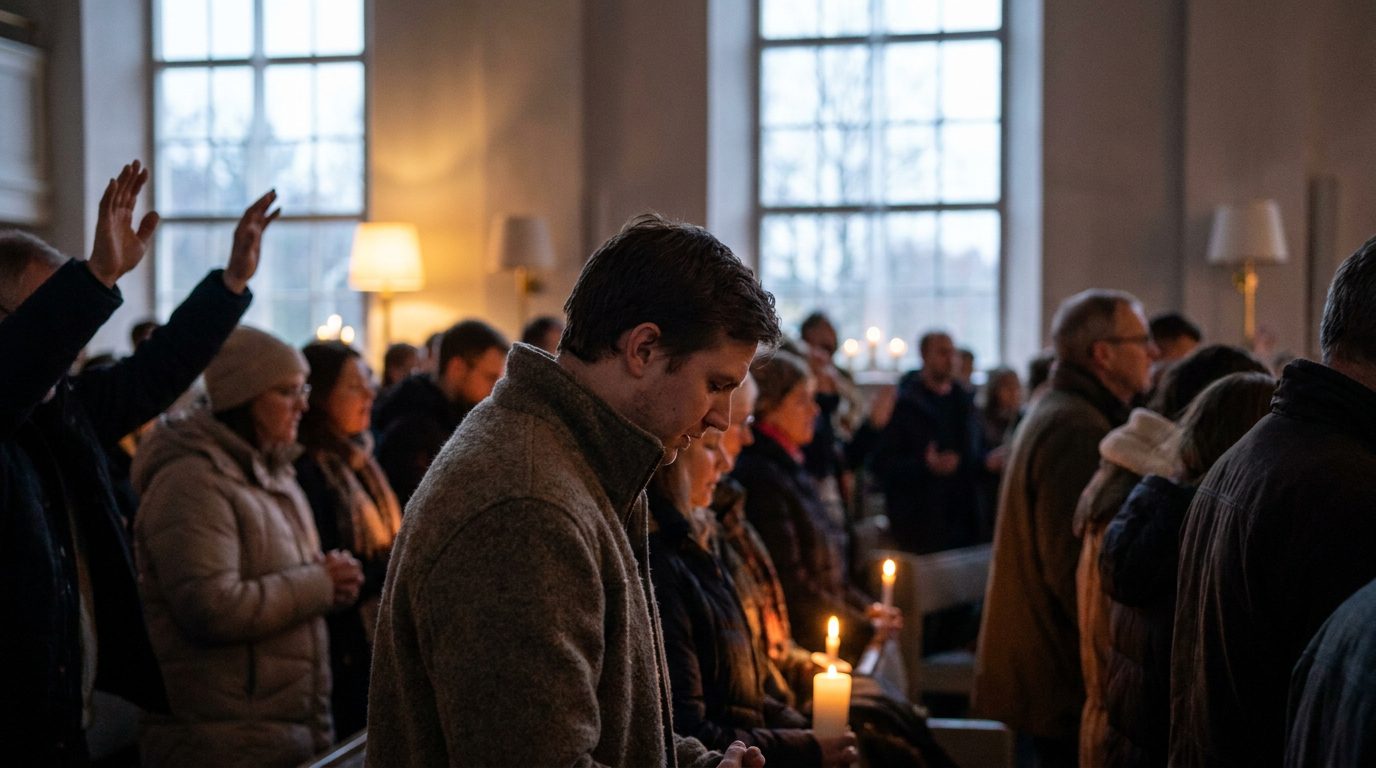
A worship ceremony can be simple or elaborate, held in a temple, a home, a yoga studio, a hospital room, or a quiet corner of the heart. In Bhakti Yoga, the path of devotion, worship is not about performance or perfection. It is about relationship.
Bhakti means loving devotion. Yoga means connection. So Bhakti Yoga is the practice of reconnecting with God through love—through chanting, prayer, service, sacred remembrance, and offering our daily life with sincerity.
This Ultimate Worship Ceremony Guide is written for everyone: longtime practitioners, curious beginners, families, spiritual seekers, and anyone who wants to create a meaningful sacred space. Whether you use the names Krishna, Rama, Govinda, Radha, Vishnu, God, the Divine, the Beloved, or another sacred name from your own tradition, the heart of worship is the same: to turn toward the Divine with humility, gratitude, and love.
A worship ceremony is an intentional act of honoring God. In Sanskrit, one common word for worship is puja, which means offering, reverence, or loving service. Puja may include candles, incense, flowers, water, food, prayers, music, and sacred mantras. But the most important offering is always the heart.
In the Bhagavad Gita, a beloved Bhakti scripture, Lord Krishna says:
“If one offers Me with love and devotion a leaf, a flower, fruit, or water, I will accept it.”
— Bhagavad Gita 9.26
This verse is deeply comforting. God does not ask for wealth, scholarship, or social status. The invitation is simple: offer something with love.
Worship Is Relationship, Not Ritual Alone
Rituals can be beautiful. They help us focus the mind, awaken gratitude, and create sacred rhythm. But in Bhakti Yoga, ritual is meant to support relationship.
Just as we may light a candle for someone we love, cook a meal for our family, or speak kind words to a dear friend, worship is a way of expressing love to the Divine. The ceremony becomes alive when it is infused with sincerity.
If your mind wanders, gently return. If you make a mistake, smile and continue. If you do not know the Sanskrit words, pray in your own language. God is not limited by pronunciation.
Everyone Can Worship
You do not need to be born into a particular culture, caste, race, or religious background to practice Bhakti. The great saints of the Bhakti tradition taught again and again that the Holy Name and loving devotion are open to all.
The Srimad Bhagavatam, another central Bhakti text, describes hearing and chanting about God as a purifying practice for the heart. This means worship is not reserved for the already pure. Worship is how we become purified, softened, and transformed.
Come as you are. Bring your questions, your longing, your doubts, your gratitude, and your life.
Preparing Yourself for Worship
Before arranging flowers or lighting incense, it is helpful to prepare your inner world. A worship ceremony begins before the first mantra is spoken. It begins when we decide to pause, breathe, and make space for God.
Set a Clear Intention
Take a moment to ask: Why am I doing this ceremony?
Your intention may be:
- To express gratitude
- To ask for guidance
- To honor a sacred day
- To pray for healing
- To begin the morning peacefully
- To celebrate with family or community
- To deepen your relationship with God
A simple intention might be: “May this worship be an offering of love. May it help me remember You and serve others with kindness.”
In Bhakti, intention matters. Even a small ceremony done with humility can touch the heart deeply.
Cleanse the Body and Mind
Traditionally, practitioners bathe or wash hands, feet, and mouth before worship. Cleanliness helps create a respectful mood. If a full bath is not possible, simply wash your hands and face.
You may also take a few slow breaths. Let the mind become quiet. If there has been stress, conflict, or distraction in the day, you can pray: “Please help me become present. Please accept this small offering.”
Wear Simple, Respectful Clothing
There is no need for luxury. Choose clothing that feels clean, modest, and comfortable. Some people like to wear natural fabrics or traditional devotional clothes, but this is optional.
The real clothing of worship is humility. As the Bhakti saints remind us, the Divine is attracted to a sincere heart.
Creating a Sacred Space
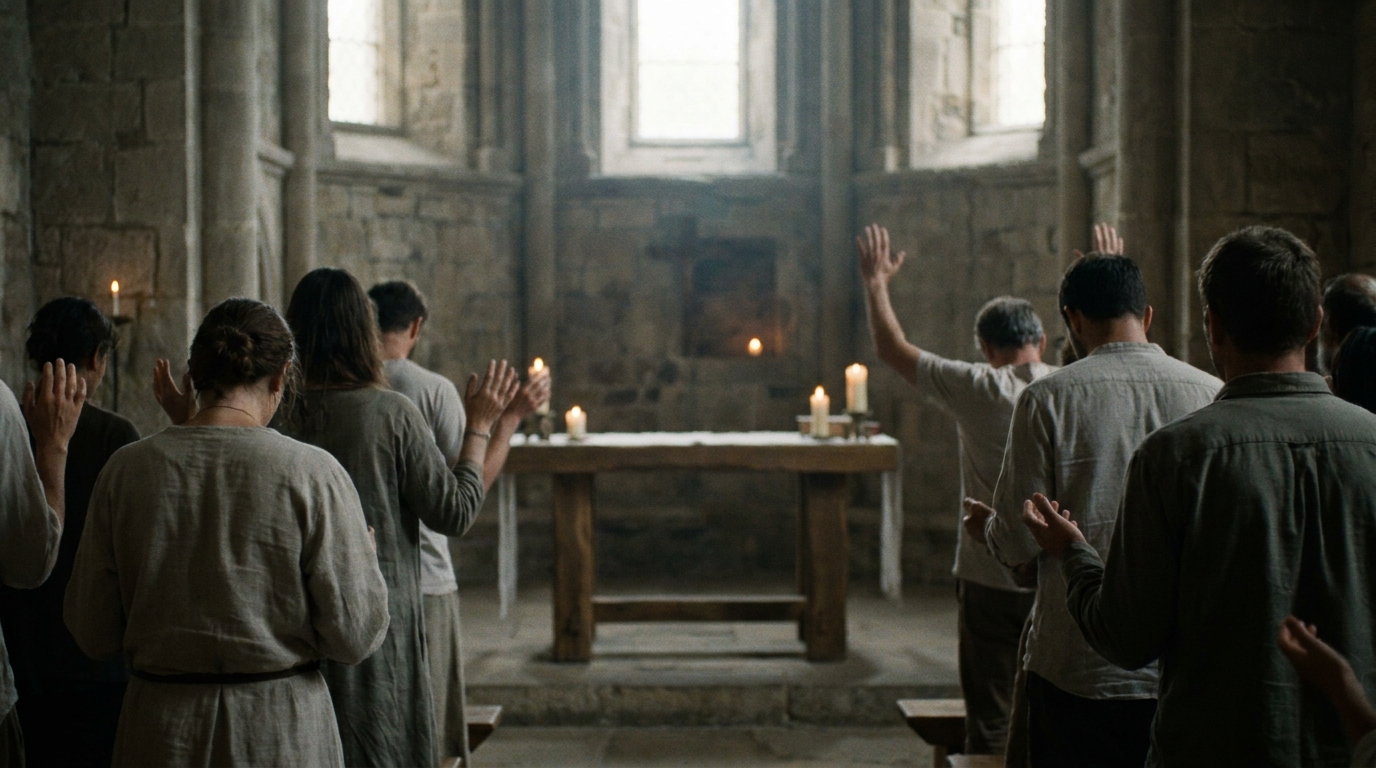
A sacred space helps the senses turn toward devotion. It does not need to be large or expensive. A small shelf, table, windowsill, or clean cloth on the floor can become a place of worship.
Choose a Peaceful Location
Find a place that can remain clean and undisturbed, if possible. It may be in a bedroom, living room, meditation room, or garden. If you live with others, gently explain that this space is for prayer and quiet reflection.
If you cannot keep a permanent altar, you can create a temporary one for each worship ceremony. Lay down a clean cloth, place sacred items, perform your worship, and then respectfully put everything away.
Set Up an Altar
An altar is a focal point for worship. In Bhakti Yoga, an altar may include sacred images of Krishna, Radha, Rama, Vishnu, Narasimha, Chaitanya Mahaprabhu, beloved saints, or one’s spiritual teacher. It may also include a scripture such as the Bhagavad Gita.
If you are from another spiritual background, you may include a sacred image or symbol that helps you lovingly remember God. Bhakti is personal and relational. The altar should help awaken devotion, not create anxiety.
Common altar items include:
- A clean cloth
- A sacred image or murti, a consecrated form of the Divine
- Flowers or leaves
- A candle or ghee lamp
- Incense
- A small cup of water
- A bell
- A scripture
- Prayer beads, called japa mala
Keep the Space Clean and Honored
Try to keep the altar free from clutter. Avoid placing ordinary items such as keys, phones, or bills on it. This simple discipline teaches the heart to make room for what is sacred.
Cleaning the altar can itself become worship. Wiping the surface, changing flowers, and arranging offerings are all forms of seva, which means service. In Bhakti, service done with love is spiritual practice.
Please visit our website for more information on our articles: articles.
Essential Items for a Worship Ceremony
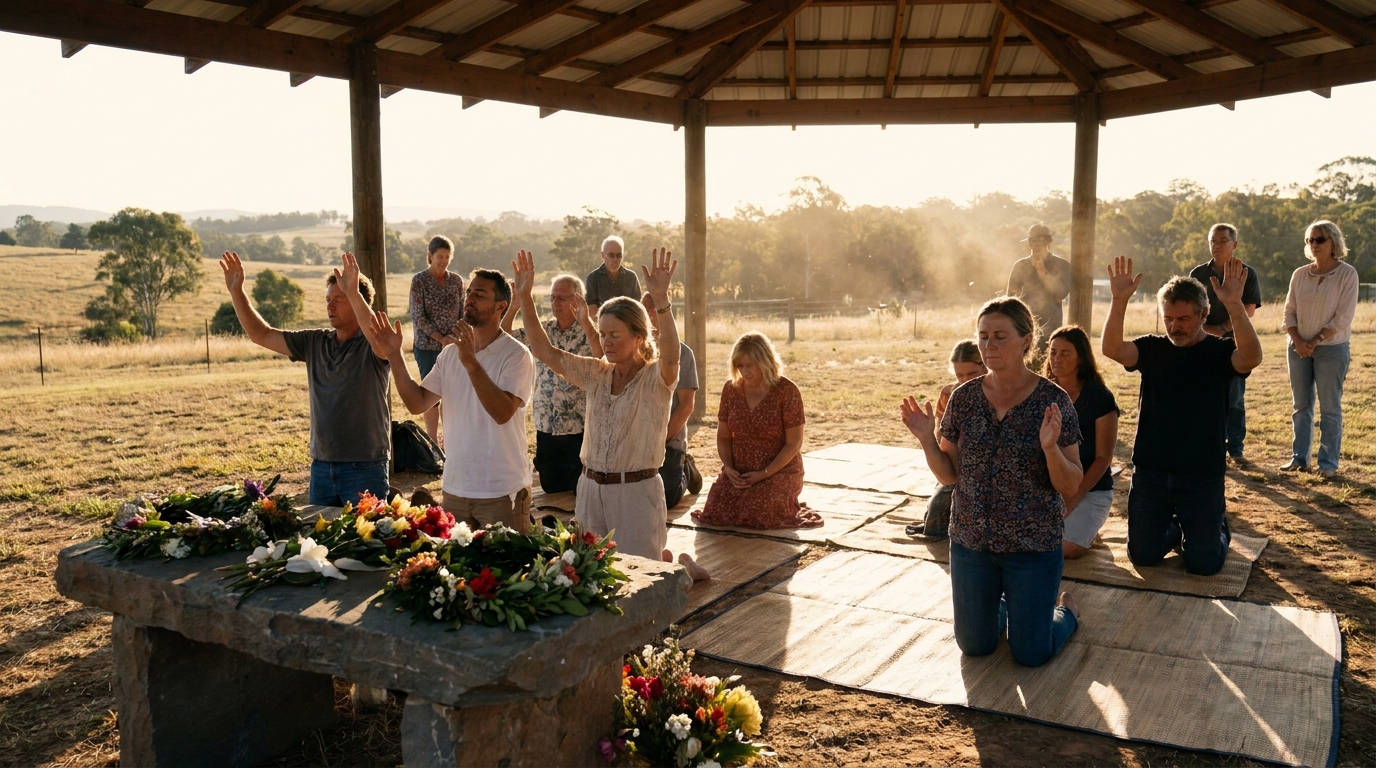
A worship ceremony can be performed with very few items. Remember Krishna’s words in the Bhagavad Gita: a leaf, a flower, fruit, or water offered with devotion is accepted.
Still, traditional items can help guide the ceremony and engage the senses.
Water
Water represents purity, life, and hospitality. You may offer a small cup of fresh water to God. In many puja ceremonies, water is also used symbolically for washing the Lord’s feet, hands, and mouth, just as one would welcome an honored guest.
Even if you do not know the formal mantras, you can say: “Dear Lord, please accept this water offered with love.”
Flowers and Leaves
Flowers represent beauty, freshness, and the blossoming of the heart. In many Bhakti traditions, tulasi leaves are especially sacred to Krishna. Tulasi is a holy plant honored as a great devotee.
If tulasi is not available, offer clean, fresh flowers or leaves. Avoid offering anything with a harsh smell or anything taken carelessly from someone else’s garden without permission.
Incense and Lamp
Incense symbolizes the spreading of devotion, like fragrance carried into the world. A lamp or candle symbolizes divine light. In Sanskrit, arati refers to a ceremony of offering light to the Lord, often accompanied by singing.
When you wave a lamp before the altar, you are not “giving” light to God, who is the source of all light. Rather, you are honoring that divine light and asking it to illuminate your own heart.
Food Offering
Food offered to God with love becomes prasadam, which means mercy or grace. In Bhakti Yoga, preparing and offering food is one of the most practical and joyful forms of worship.
Traditionally, devotees offer vegetarian foods prepared without meat, fish, eggs, onion, or garlic, especially in Krishna Bhakti. The mood is to cook with cleanliness, gratitude, and devotion.
Before eating, place a portion on a clean plate for God and pray: “Please accept this offering. May this food nourish our bodies and awaken love in our hearts.”
After a few minutes, the food may be shared. Receiving prasadam reminds us that life itself is a gift.
Step-by-Step Worship Ceremony Guide
Every tradition and lineage has its own details. If you are connected to a teacher or community, it is beautiful to learn from them directly. The following guide is simple, respectful, and accessible for home worship.
Step 1: Enter with Humility
Begin by sitting or standing before the altar. Bow your head, fold your hands, or simply place your hand over your heart.
You may say: “I come before You with gratitude. Please guide this worship and accept my sincere effort.”
Humility does not mean thinking poorly of yourself. It means recognizing that we are dependent on grace. We are not the center; God is the center.
Step 2: Invoke Divine Presence
In Bhakti, God is already present everywhere. Invocation means we become aware of that presence and invite the Lord to accept our worship personally.
You may chant:
Om namo bhagavate vasudevaya
This mantra means, “I offer respect to the Supreme Lord, who dwells in all beings.” If Sanskrit feels unfamiliar, you may simply pray in English: “Dear Lord, please be present in my heart and in this worship.”
Step 3: Offer Water, Flowers, Incense, and Light
Offer each item slowly and thoughtfully. You do not need to rush.
You might say:
- “Please accept this water.”
- “Please accept these flowers.”
- “Please accept this incense.”
- “Please accept this light.”
If you have a bell, you may ring it gently while making offerings. The sound helps focus the mind and creates a sacred atmosphere.
Step 4: Chant the Holy Names
Chanting is central to Bhakti Yoga. The Holy Name is considered non-different from God, meaning that when we chant sincerely, we are in direct spiritual contact.
One widely loved mantra is the maha-mantra, meaning the great mantra:
Hare Krishna Hare Krishna
Krishna Krishna Hare Hare
Hare Rama Hare Rama
Rama Rama Hare Hare
“Hare” calls upon the divine energy of love. “Krishna” means the all-attractive Lord. “Rama” means the source of spiritual joy. Together, this mantra is a prayer: “O Divine Lord, O Divine Mother, please engage me in loving service.”
You may chant softly, sing with instruments, or repeat the mantra on beads. Even a few minutes can shift the heart.
Step 5: Offer Prayers
Speak honestly. Formal prayers are beautiful, but personal prayer is also powerful.
You can pray for:
- Gratitude
- Forgiveness
- Strength to serve
- Healing for loved ones
- Peace in the world
- Guidance in difficult choices
- A deeper desire for God
The Bhagavad Gita teaches that God is seated in the heart of all beings. Prayer is not sending words into emptiness. It is turning toward the One who already knows us fully and loves us beyond measure.
Step 6: Read or Hear Scripture
Hearing sacred wisdom nourishes devotion. You may read a short verse from the Bhagavad Gita, Srimad Bhagavatam, the teachings of saints, or another sacred text that brings you closer to God.
After reading, pause and ask: “How can I live this today?”
For example, Bhagavad Gita 12.13-14 describes a devotee as kind, humble, forgiving, peaceful, and steady in devotion. A practical reflection might be: “Today, I will try to speak more gently and remember God before reacting.”
Step 7: Offer Food and Receive Prasadam
If you have prepared food, place it before the altar. Chant or pray. Let the offering sit for a few minutes.
Then distribute and honor the prasadam with gratitude. In Bhakti, eating becomes sacred when we remember that food is God’s gift and that the earth, rain, farmers, cooks, and countless living beings have served us.
Before eating, you might say: “Thank You for this mercy. May I use this energy in service.”
Step 8: Close with Gratitude
End the ceremony by offering thanks. Bow if that feels natural. You may say: “Thank You for accepting this worship. Please help me remember You throughout the day.”
The ceremony may end, but the devotion continues. The goal is not to leave God at the altar, but to carry remembrance into our relationships, work, meals, speech, and choices.
Worship Through Chanting and Kirtan
Kirtan is devotional singing, usually call-and-response chanting of sacred names. It is one of the most joyful and accessible forms of Bhakti Yoga. You do not need a trained voice. You only need willingness.
Why Chanting Opens the Heart
The mind is often restless. Chanting gives the mind a sacred sound to rest in. The heart may be heavy, but the Holy Name gently lifts it. The body may be tired, yet a simple melody can awaken devotion.
The Brihan-naradiya Purana especially praises chanting the names of God as the recommended practice for this age. In practical terms, chanting meets us where we are. We can chant while sitting, walking, cooking, driving, or gathering with others.
How to Lead a Simple Kirtan
Begin with a short prayer. Choose one mantra, such as the maha-mantra, and sing it slowly. If others are present, sing one line and invite them to repeat.
You may use harmonium, drum, kartals, guitar, or no instruments at all. Clapping is enough. The mood matters more than musical skill.
Let the chanting build naturally, then slow down and end peacefully. Sit in silence for a moment. Feel the vibration of the Holy Name in the heart.
Japa: Personal Mantra Meditation
Japa means softly repeating a mantra, often on prayer beads. A japa mala usually has 108 beads. With each bead, chant one full mantra.
If you are new, start with one round or even five minutes. Do not worry if the mind wanders. Gently bring it back to the sound.
Japa is like watering the root of the heart. Over time, it can bring clarity, steadiness, humility, and joy.
Worship as Service in Daily Life
A ceremony is sacred, but Bhakti Yoga is not limited to ceremony. The deeper purpose of worship is to transform the way we live.
Seva: Loving Service
Seva means service offered with devotion. It may look like cleaning the temple, cooking for guests, caring for children, helping a neighbor, supporting a spiritual community, or listening compassionately to someone in pain.
When service is offered to God, ordinary work becomes worship. Folding laundry can become worship. Preparing a meal can become worship. Answering emails with honesty and kindness can become worship.
The Bhagavad Gita encourages us to offer the fruits of our work to God. This means we do our best, but we do not cling tightly to ego, praise, or control.
Worship Through Kind Speech
One of the most practical offerings is our speech. Are our words truthful? Are they kind? Do they encourage remembrance of God? Do they reduce suffering?
A worship ceremony may last one hour, but our words shape the whole day. Speaking with compassion is a beautiful form of devotion.
Caring for Others as God’s Children
Bhakti teaches that every living being is connected to God. This vision naturally leads to respect, compassion, and service.
When we feed someone, comfort someone, forgive someone, or protect someone vulnerable, we are honoring the Divine presence within them. Worship becomes a way of seeing the world.
Worship Ceremonies for Different Occasions
A worship ceremony can be adapted for many moments in life. The form may change, but the heart remains the same.
Morning Worship
Morning worship sets the direction for the day. Even ten minutes can make a difference.
A simple morning ceremony may include:
- Lighting a candle
- Chanting one or more mantras
- Reading one verse of scripture
- Offering water or fruit
- Praying for guidance
- Dedicating the day to service
Morning worship reminds us: “This day is not mine alone. Let it be used in love.”
Evening Worship
Evening worship helps us release the day. We can bring our successes, mistakes, worries, and gratitude to God.
You may light a lamp, chant softly, and pray: “Please forgive my mistakes. Thank You for carrying me. Help me rest in Your shelter.”
This is especially helpful for families. Children often love simple singing, flowers, lamps, and stories from sacred texts.
Festival Worship
Bhakti traditions include many beautiful festivals, such as Janmashtami, the appearance day of Lord Krishna; Rama Navami, the appearance day of Lord Rama; Gaura Purnima, honoring Sri Chaitanya Mahaprabhu; and Radhastami, honoring Srimati Radharani, the embodiment of divine love.
Festival worship may include fasting, feasting, kirtan, drama, storytelling, decorations, and community service. These celebrations remind us that spiritual life is not dry. It is full of color, music, friendship, and joy.
Worship During Difficulty
Some of the most sincere worship happens during pain. When life feels uncertain, a simple prayer can become very deep.
You might say: “I do not understand, but I am turning toward You. Please guide me. Please help me trust. Please use this experience to soften my heart.”
Bhakti does not ask us to pretend we are always happy. It invites us to bring our real emotions into relationship with God.
Common Questions About Worship Ceremonies
Many people feel hesitant when beginning worship. This is natural. Here are some gentle answers to common concerns.
What If I Do Not Know the Mantras?
Start with what you know. The Divine understands the language of sincerity. You may chant a simple name of God or pray in your own words.
If you want to learn Sanskrit mantras, do so gradually. Sanskrit is a sacred language used in many Bhakti scriptures, but devotion is not blocked by unfamiliarity.
What If I Make a Mistake?
Mistakes are part of learning. In Bhakti, the mood of devotion is more important than flawless ritual. If you forget a step, mispronounce a word, or feel distracted, continue humbly.
Just as a loving parent appreciates a child’s imperfect drawing, God accepts sincere offerings made with love.
Can I Worship at Home Without a Priest?
Yes. While priests and trained practitioners can perform elaborate ceremonies, home worship is encouraged in Bhakti traditions. A simple daily practice can be deeply powerful.
If you later want to perform a major ceremony—such as a wedding, house blessing, deity installation, or memorial—it is wise to seek guidance from a qualified priest or spiritual teacher.
How Long Should a Worship Ceremony Last?
It can last five minutes or several hours. Consistency is often more important than length.
A short daily practice may include lighting a candle, chanting, offering water, and praying. On special days, you can expand the ceremony with kirtan, scripture, food offerings, and community gathering.
Do I Need to Be Pure Before I Worship?
Come to worship to become purified. The heart may be restless, grieving, angry, or confused. Still, come.
Bhakti is a path of grace. The Holy Name, prayer, and service gradually cleanse the heart, just as steady rain cleans dust from the earth.
Deepening Your Worship Over Time
A worship ceremony is not a one-time event. It can become a living relationship that grows with you.
Build a Daily Rhythm
Choose a practice you can maintain. Maybe it is morning chanting. Maybe it is offering your food. Maybe it is reading one verse from the Bhagavad Gita each night.
Small, steady practices create deep spiritual roots. Do not underestimate the power of five sincere minutes.
Learn from Authentic Sources
Bhakti is best learned through scripture, saints, teachers, and sincere community. Reading the Bhagavad Gita, Srimad Bhagavatam, and the lives of great devotees can nourish your faith and understanding.
The Bhagavad Gita offers practical wisdom for living in the world with devotion. The Srimad Bhagavatam reveals the sweetness of loving relationship with God. The teachings of Sri Chaitanya Mahaprabhu emphasize the chanting of the Holy Names as the most accessible path for this age.
Seek Satsang, Spiritual Community
Satsang means association with truth or gathering with spiritually minded people. Worship becomes easier when we are supported by others who are also trying to live with love and remembrance.
Join kirtan, visit a temple, attend a Bhakti gathering, study scripture with others, or invite friends for a simple home ceremony. Community reminds us that we are not alone.
Let Worship Change Your Character
The true result of worship is not pride in being spiritual. The true result is a softer heart.
Ask yourself:
- Am I becoming more patient?
- Am I more willing to forgive?
- Am I serving without needing recognition?
- Am I remembering God in daily life?
- Am I treating others with dignity?
These are signs that worship is entering the heart.
A Simple Home Worship Ceremony You Can Try Today
If you would like a very simple ceremony, here is one you can begin with immediately.
Gather a Few Items
You may need:
- A clean space
- A candle or lamp
- A cup of water
- A flower, leaf, or piece of fruit
- A sacred image or scripture
- Your voice and your heart
If you do not have all these items, use what you have. Even your folded hands are an offering.
Follow This Simple Flow
- Sit quietly and take three deep breaths.
- Offer a short prayer: “Dear Lord, please accept this worship.”
- Light a candle or lamp.
- Offer water, a flower, or fruit.
- Chant the maha-mantra or another sacred name of God for five minutes.
- Read one verse from scripture or speak a heartfelt prayer.
- Offer gratitude.
- Carry the mood into one act of kindness today.
This is a complete worship ceremony. Simple. Sincere. Beautiful.
Make One Practical Commitment
After worship, choose one loving action. Call someone who needs encouragement. Cook a meal and offer it. Speak gently in a difficult conversation. Chant one extra round. Read one verse. Give in charity. Forgive someone in your heart.
Bhakti grows when worship becomes life.
The Inner Meaning of the Ultimate Worship Ceremony
The ultimate worship ceremony is not only what happens at the altar. It is the offering of the self.
In the Bhagavad Gita, Krishna lovingly invites us:
“Always think of Me, become My devotee, worship Me, and offer your homage unto Me.”
— Bhagavad Gita 18.65
This is not a command from a distant ruler. It is an invitation from the Beloved. “Remember Me. Love Me. Come close.”
The lamp we offer represents our desire to see clearly. The water represents our longing to be cleansed. The flowers represent the beauty of the heart. The incense represents devotion spreading into the world. The food represents our life energy. The chanting represents our soul calling out for connection.
And beneath all of it is one prayer: “May I love You. May I serve You. May I remember You.”
You are welcome exactly as you are. Whether you are beginning with one candle, one mantra, one prayer, one tear, or one quiet moment of gratitude, that step matters. Take one sincere step toward God today, and trust that divine love will meet you there.
FAQs
What is a worship ceremony?
A worship ceremony is a religious or spiritual event where individuals or a community come together to honor and show reverence to a deity or higher power. It often involves rituals, prayers, and offerings.
What are the common elements of a worship ceremony?
Common elements of a worship ceremony include singing hymns or chants, reciting prayers or scriptures, making offerings such as flowers or incense, and listening to sermons or teachings from religious leaders.
What are the different types of worship ceremonies?
There are various types of worship ceremonies across different religions and spiritual traditions, including Sunday services in Christian churches, daily prayers in Islam, puja ceremonies in Hinduism, and meditation gatherings in Buddhism.
Why are worship ceremonies important?
Worship ceremonies are important for individuals and communities as they provide a sense of connection to the divine, offer spiritual guidance and support, and foster a sense of belonging and community among believers.
How can one prepare for a worship ceremony?
One can prepare for a worship ceremony by familiarizing themselves with the customs and traditions of the specific religious or spiritual tradition, dressing modestly and respectfully, and bringing any necessary items such as prayer books or offerings.

