
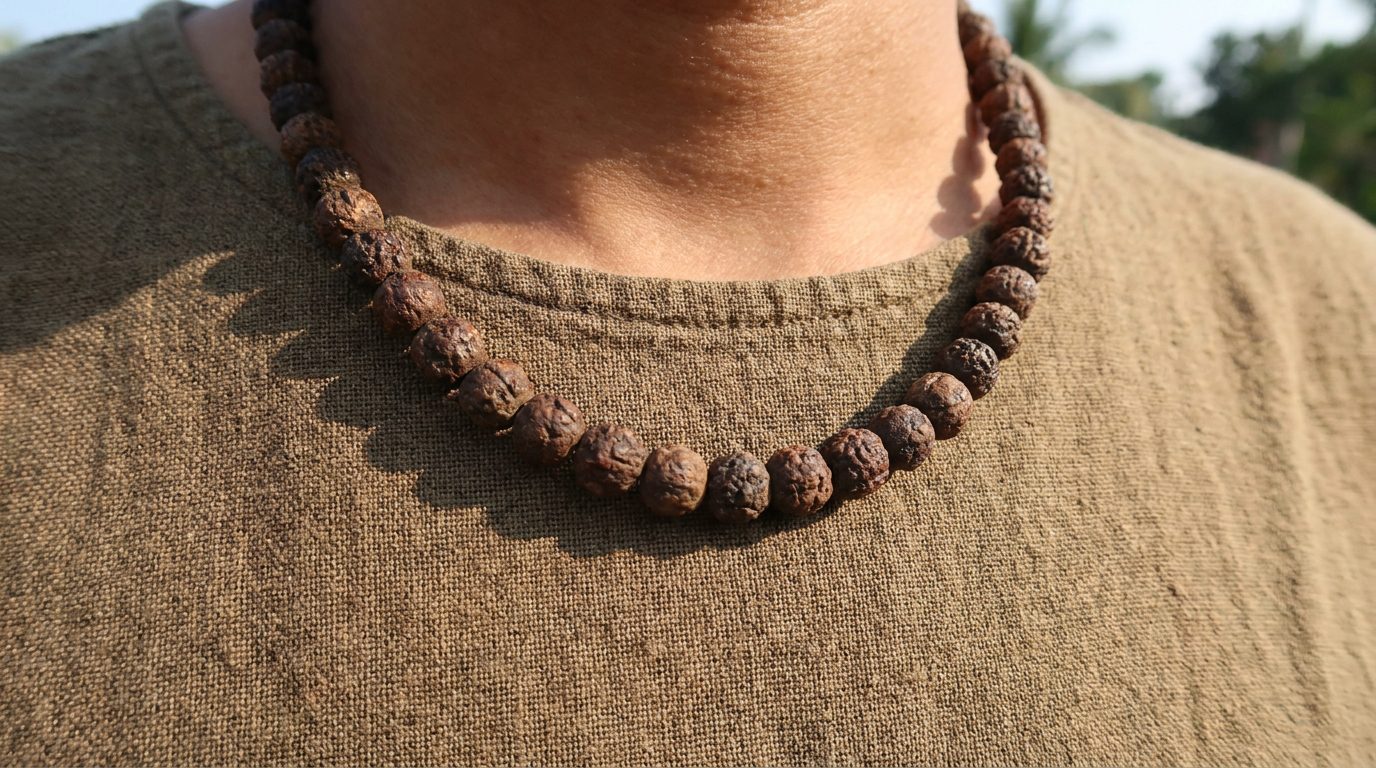
If you have ever seen a devotee wearing small wooden beads around the neck, you may have wondered what they mean. These sacred neck beads are commonly called a Kanthi Mala. In many Bhakti Yoga traditions, especially Vaishnava traditions devoted to Lord Krishna, Lord Vishnu, and Their forms, Kanthi Mala is made from the holy wood of the Tulasi plant.
A Kanthi Mala is simple in appearance, yet deeply meaningful. It is not a fashion accessory, a superstition, or a sign of being “better” than anyone else. Rather, it is a humble reminder: “I belong to God. I am trying to live a life of devotion.”
In the path of Bhakti Yoga, the yoga of love and devotion, small daily practices can gently transform the heart. Wearing Kanthi Mala can become one of those practices. It can remind us to chant, pray, serve, speak kindly, eat mindfully, and remember the Divine in ordinary moments.
Whether you are new to Bhakti, curious about Hindu spiritual traditions, or already practicing devotional life, this guide will walk you through what Kanthi Mala is, why devotees wear it, how to care for it, and how it can support your spiritual growth.
The Meaning of “Kanthi Mala”
The word Kanthi means “neck” or “throat,” and Mala means “garland” or “string of beads.” So, Kanthi Mala simply means a necklace or garland worn around the neck.
In Bhakti Yoga, Kanthi Mala usually refers to sacred neck beads made from Tulasi wood. Tulasi, also spelled Tulsi, is a sacred plant deeply loved in Vaishnava devotional traditions. She is honored not as an ordinary plant, but as a great devotee of Lord Krishna.
For this reason, devotees often call her Srimati Tulasi Devi. The word Devi means “divine lady” or “goddess,” but in Bhakti it also expresses deep respect. Devotees see Tulasi as someone who helps the soul come closer to Krishna through devotion.
Why Tulasi Wood Is Used
Tulasi is considered especially dear to Lord Krishna. In the Bhagavad-gita, Krishna teaches that He accepts even simple offerings when they are given with love:
“If one offers Me with love and devotion a leaf, a flower, fruit, or water, I will accept it.”
— Bhagavad-gita 9.26
Devotees understand the “leaf” in this verse to include the sacred Tulasi leaf, which is traditionally offered to Krishna with love. Because Tulasi is so dear to Him, her wood is also honored and used to make neck beads and chanting beads.
The Kanthi Mala, then, is more than wooden beads. It is a reminder of loving service, surrender, and connection with the Divine.
Kanthi Mala and Japa Mala: What Is the Difference?
It is helpful to understand the difference between Kanthi Mala and Japa Mala.
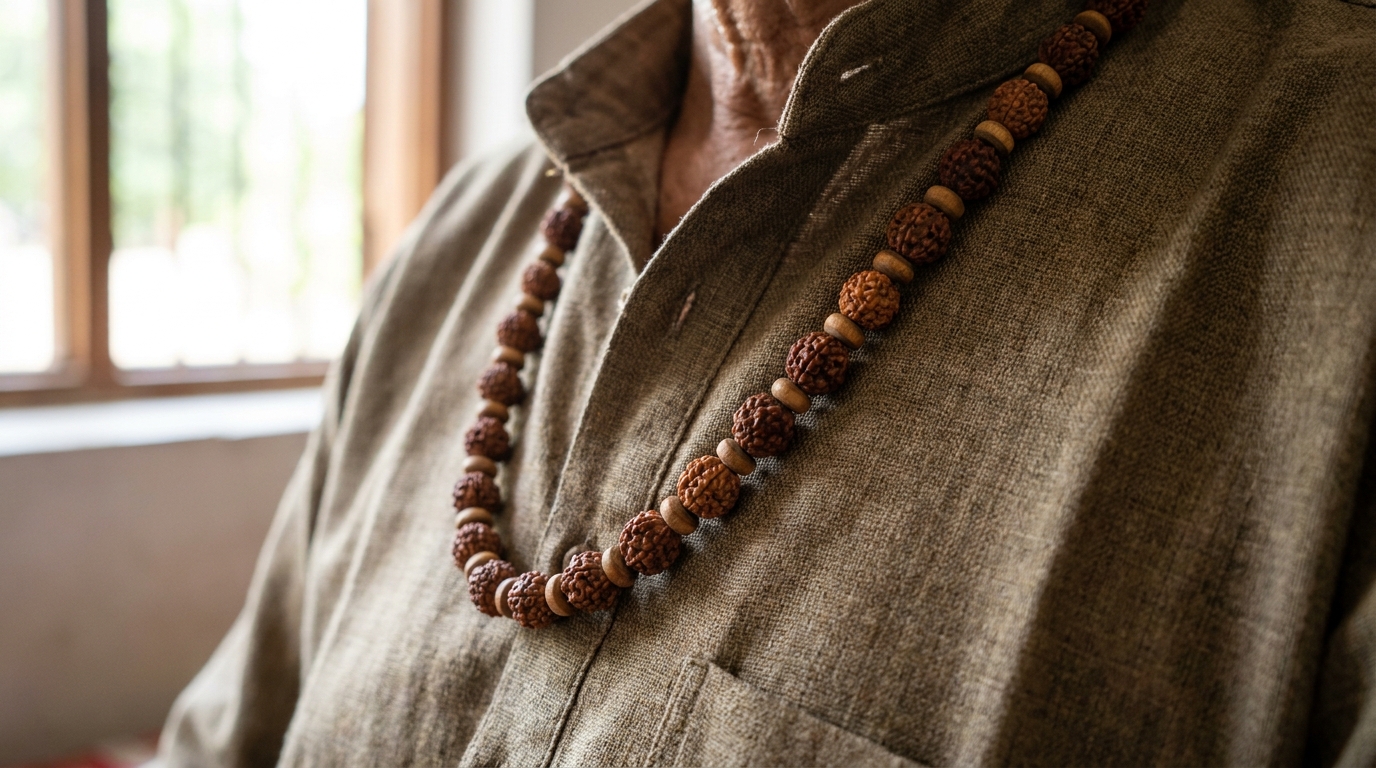
A Kanthi Mala is worn around the neck. It is usually made of small Tulasi beads and may be one strand, two strands, or three strands.
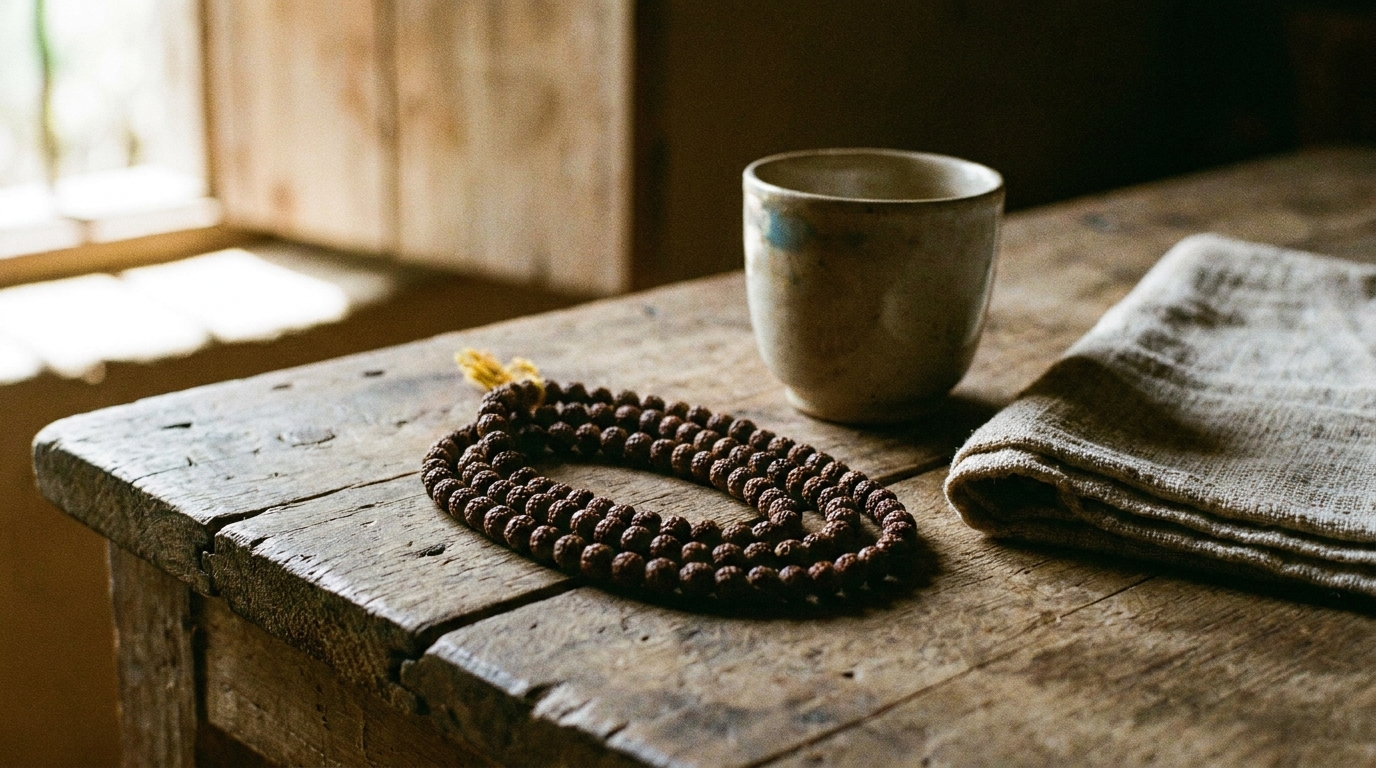
A Japa Mala is used for chanting mantras. “Japa” means soft, meditative repetition of a sacred sound or mantra. Many devotees chant the Hare Krishna Maha-mantra on Japa beads:
Hare Krishna Hare Krishna
Krishna Krishna Hare Hare
Hare Rama Hare Rama
Rama Rama Hare Hare
The word Maha-mantra means “great mantra.” This prayer calls out to God through the names Krishna and Rama, asking to be engaged in loving service.
So, Kanthi Mala is worn as a sign of devotion, while Japa Mala is used as a tool for daily chanting.
The Spiritual Meaning of Kanthi Mala
A Sign of Belonging to God
One of the most beautiful meanings of Kanthi Mala is that it represents the soul’s relationship with God. It says quietly, “I am trying to remember that I am not independent of the Divine. I belong to Krishna. I belong to God.”
This does not mean that a person wearing Kanthi Mala is perfect. In fact, Bhakti Yoga begins with humility. We do not wear sacred beads to show that we have arrived spiritually. We wear them because we need help remembering.
Life can be busy. The mind can become restless. We may forget our values, our prayers, and our deepest purpose. Kanthi Mala gently touches the neck and reminds us, “Come back. Remember God. Remember love.”
A Reminder to Speak with Compassion
Because Kanthi Mala is worn around the throat, many devotees see it as a reminder to purify speech. The throat is where words come from, and words can either heal or harm.
Wearing Kanthi Mala can inspire us to ask:
- Am I speaking truthfully?
- Am I speaking kindly?
- Am I using my voice for prayer, chanting, and encouragement?
- Am I avoiding gossip, harshness, and unnecessary criticism?
Bhakti Yoga is not only about temple worship or chanting at certain times. It is also about how we live, how we treat others, and how we use the gifts God has given us.
A Symbol of Devotional Protection
Many devotees also understand Kanthi Mala as a form of spiritual protection. This does not mean that beads act like a magic charm. Rather, protection comes from remembrance.
When we remember God, we are less likely to act against our own spiritual well-being. When we remember our values, we become more careful with our choices. When we remember that life is sacred, we become more thoughtful, compassionate, and prayerful.
In this way, Kanthi Mala protects by helping us stay connected to Krishna and the path of devotion.
Why Do Devotees Wear Kanthi Mala?
To Strengthen Daily Spiritual Practice
Bhakti Yoga is practical. It is lived through simple actions done with love:
- Chanting God’s names
- Offering prayers
- Serving others
- Reading sacred wisdom
- Eating food offered to God
- Remembering the Divine throughout the day
Kanthi Mala supports these practices by keeping devotion close to the heart and throat. It is visible enough to remind the wearer, but simple enough to be worn in daily life.
Every time we notice it, we can pause and pray:
“Krishna, please help me remember You.”
“God, please guide my words and actions.”
“May I serve with love today.”
These short prayers matter. In Bhakti, sincerity is more important than external display.
To Honor Tulasi Devi
Wearing Tulasi Kanthi Mala is also a way of honoring Tulasi Devi. Devotees understand Tulasi as a compassionate spiritual personality who helps souls develop love for Krishna.
In many Bhakti homes and temples, Tulasi worship is part of daily life. Devotees offer water, lamps, songs, and prayers to Tulasi, asking for her mercy. The mood is not that Tulasi replaces God, but that she helps bring the heart closer to God.
Just as a loving teacher helps a student approach knowledge, Tulasi helps the devotee approach Krishna with humility and devotion.
To Identify with a Devotional Path
Kanthi Mala can also identify a person as someone walking the path of Bhakti. This can be helpful because it invites accountability.
When we wear sacred beads, we may become more aware of our behavior in public and private. We may think twice before speaking harshly or acting carelessly. We may feel encouraged to live in a way that honors the beads we wear.
Still, it is important to remember that external signs should support inner transformation. The real purpose is not identity alone, but love, remembrance, and service.
Check out our latest articles at https://thebhaktihouse.org/blog.
Who Can Wear Kanthi Mala?
Is Kanthi Mala Only for Initiated Devotees?
Different Bhakti and Vaishnava communities may have different customs. In some traditions, wearing Kanthi Mala is strongly connected with receiving initiation from a spiritual teacher. In other communities, sincere seekers may wear Tulasi beads as a devotional practice even before formal initiation.
If you are connected with a specific temple, teacher, or tradition, it is best to ask respectfully about their guidance.
At the heart of Bhakti, the most important quality is sincerity. If someone wants to wear Kanthi Mala to remember God, chant more sincerely, and live with devotion, that intention is beautiful. At the same time, wearing sacred items should be done respectfully, not casually.
Can Beginners Wear Kanthi Mala?
Yes, many beginners do wear Kanthi Mala, especially when they feel a genuine connection to Bhakti Yoga and Tulasi Devi. If you are new, it may be helpful to begin by learning the meaning, chanting regularly, and adopting simple devotional habits.
You do not have to be perfect. No one is perfect. But it is good to wear Kanthi Mala with a prayerful attitude:
“I may be new, but I want to grow. May these beads remind me to love and serve God.”
That humble intention is very powerful.
Can People of Any Background Wear Kanthi Mala?
Bhakti Yoga welcomes people of all backgrounds. Love of God is not limited by nationality, race, gender, age, education, or previous religious experience. The soul is eternal and spiritual.
The Bhagavad-gita teaches that every person can take shelter in Krishna and make spiritual progress. Bhakti is not about worldly labels. It is about the heart turning toward God.
So, if someone from any background feels sincerely drawn to Kanthi Mala and the practice of devotion, they are welcome to learn, ask questions, and take steps with respect.
Types of Kanthi Mala
One-Round Kanthi Mala
A one-round Kanthi Mala has a single strand of Tulasi beads around the neck. It is simple and often worn by people who are beginning their devotional journey or who prefer a very subtle style.
The one-round mala can still carry deep meaning. Spiritual life does not depend on size or appearance. A simple strand worn with sincerity can be a powerful reminder of devotion.
Two-Round Kanthi Mala
A two-round Kanthi Mala has two strands. This is very common among devotees in many Vaishnava communities. It may represent deeper commitment and a steady connection to the devotional path.
Some devotees begin with one round and later wear two rounds as their practice matures. Others begin with two rounds after receiving guidance from a teacher or community.
Three-Round Kanthi Mala
A three-round Kanthi Mala has three strands and is often associated with initiated Vaishnava devotees, depending on the tradition. In some communities, three strands may symbolize formal commitment to a spiritual lineage and devotional vows.
If you are unsure whether you should wear one, two, or three strands, it is best to ask a trusted devotee, teacher, or local temple guide. Bhakti grows beautifully through humble inquiry.
As the Bhagavad-gita says:
“Approach a spiritual teacher with humility, inquiry, and service.”
— Bhagavad-gita 4.34
This verse reminds us that spiritual growth is not only about collecting information. It is about learning with a humble heart.
How to Choose a Kanthi Mala
Choose Genuine Tulasi Beads
Traditional Kanthi Mala is made from Tulasi wood. When choosing one, try to get it from a trusted temple, devotee shop, or reputable spiritual supplier. Genuine Tulasi beads are usually light, natural, and simple.
Because Tulasi is sacred, it is best to avoid treating the mala as a decorative fashion item. Choose it as a devotional support.
Choose a Comfortable Size
Your Kanthi Mala should fit comfortably around your neck. It should not be too tight or irritating. Some malas sit close to the neck, while others hang slightly lower.
Comfort matters because you may wear it daily. If it causes discomfort, you may become distracted rather than inspired.
Begin with Prayer
Before wearing Kanthi Mala, you can offer a simple prayer. You do not need elaborate Sanskrit if you do not know it. God understands the language of the heart.
You might pray:
“Dear Krishna, dear Lord, please let these beads remind me to love You, remember You, and serve others with kindness. Please help me grow in devotion.”
This simple beginning makes the act sacred.
How to Wear Kanthi Mala Respectfully
Wear It with Clean Intentions
The most important way to wear Kanthi Mala is with clean intentions. Try to let it support your spiritual life rather than your ego.
A helpful inner mood is:
“I am a servant of God.”
“I am learning.”
“I want to become more loving.”
“I want my life to be guided by devotion.”
In Bhakti, humility makes everything beautiful.
Should You Wear Kanthi Mala All the Time?
Many devotees wear their Kanthi Mala all the time, including while sleeping, working, traveling, and going about daily life. The idea is to remain connected with Krishna in every situation.
However, practices may vary. Some people remove it temporarily if there is a practical reason, such as medical needs or workplace requirements. If removed, it should be placed respectfully in a clean place.
The goal is not anxiety or guilt. The goal is loving remembrance.
What About Bathing or Swimming?
Many devotees keep their Kanthi Mala on while bathing. However, because Tulasi wood can be delicate, repeated soaking, harsh soaps, chlorine, or saltwater may affect it over time.
If you choose to remove it while swimming or showering, do so respectfully. Place it somewhere clean and safe. If you keep it on, be gentle and avoid chemical exposure when possible.
Avoid Disrespectful Use
Because Kanthi Mala is sacred, it should not be thrown around, placed on the floor, worn as costume jewelry, or handled carelessly. If it breaks, do not treat it like ordinary trash. Many devotees place broken Tulasi beads near a Tulasi plant, in a sacred garden, or in a clean natural place.
If you are unsure, ask a local temple or experienced devotee.
Kanthi Mala and Daily Bhakti Practice
Chanting the Holy Names
One of the best ways to honor Kanthi Mala is to chant regularly. In Bhakti Yoga, chanting is a direct and accessible way to connect with God.
You can chant the Hare Krishna Maha-mantra softly, sing it with others in kirtan, or repeat it on Japa Mala. Kirtan means devotional singing, often in a call-and-response style. It is joyful, healing, and open to everyone.
Chanting does not require wealth, status, or special qualification. It simply asks for sincerity. Even a few minutes a day can soften the heart.
Prayer in Everyday Life
Kanthi Mala can remind you to pray throughout the day. Prayer does not always have to be formal. It can be a quiet conversation with God.
Before work:
“Please guide me today.”
Before eating:
“Thank You for this food. May I receive it with gratitude.”
During difficulty:
“Please give me strength and wisdom.”
Before sleep:
“Thank You for carrying me through this day.”
These little moments slowly create a life of remembrance.
Service as an Expression of Love
Bhakti is not only what we feel inside; it is how we serve. The Sanskrit word seva means “service.” In Bhakti Yoga, seva is service offered with love, without selfish expectation.
Seva can look like:
- Helping at a temple
- Cooking and sharing sanctified food
- Cleaning a sacred space
- Supporting someone who is struggling
- Offering your skills for a spiritual purpose
- Speaking gently to your family
- Caring for the earth as God’s creation
Kanthi Mala can remind us that every action can become an offering.
Common Questions About Kanthi Mala
Is Kanthi Mala a Religious Requirement?
For many Vaishnavas, Kanthi Mala is an important part of devotional identity and practice. But Bhakti Yoga is ultimately about awakening love for God. The beads support that awakening; they do not replace inner devotion.
Someone may wear Kanthi Mala and still need to work on humility, kindness, and discipline. Someone else may not yet wear Kanthi Mala but may be sincerely chanting and serving. We should avoid judging others by externals.
Spiritual items are meant to deepen devotion, not create pride.
Can I Wear Kanthi Mala If I Still Have Bad Habits?
Many people come to spiritual life carrying habits they want to improve. Bhakti is a path of purification, and growth takes time.
If you are sincerely trying to chant, pray, and live better, Kanthi Mala may support your progress. At the same time, because the beads are sacred, they can encourage you to gradually let go of habits that pull you away from devotion.
Do not think, “I must be perfect before I begin.” Instead think, “Let me begin sincerely, and let God help me change.”
Can Women Wear Kanthi Mala?
Yes. Women, men, elders, young people, householders, students, and people from all walks of life can practice Bhakti and wear Kanthi Mala according to the customs of their tradition.
In Bhakti, the soul is beyond the temporary body. Everyone has the capacity to love God.
Can Children Wear Kanthi Mala?
Children in devotional families often wear Kanthi Mala, especially when parents help them understand that it is sacred. It is important that the child is comfortable and safe, especially with very young children.
For children, the beads can become a sweet reminder that Krishna is their friend and protector.
What If My Kanthi Mala Breaks?
If your Kanthi Mala breaks, do not panic. Beads can break naturally over time. Gather the beads respectfully. You may restring them if possible. If not, place them in a clean, sacred place, such as near a Tulasi plant, or ask a temple how to respectfully retire them.
A broken mala can also be a moment of reflection: “May my connection to God never break. May my devotion be repaired and strengthened.”
Kanthi Mala in the Teachings of Bhakti
External Symbols and Internal Surrender
Bhakti scriptures often teach that external practices are meant to awaken internal devotion. The Srimad Bhagavatam, a beloved scripture in the Bhakti tradition, describes pure devotion as service to the Supreme Lord without selfish motive and without interruption.
This is a high ideal, but we can begin where we are. Kanthi Mala helps us remember that our real goal is not appearance, but surrender of the heart.
The beads ask us gently:
“Are you remembering God?”
“Are you trying to serve?”
“Are you becoming more compassionate?”
“Are you chanting with attention?”
“Are you offering your life with love?”
Tulasi Devi and Loving Service
Traditional Vaishnava scriptures glorify Tulasi Devi as very dear to Krishna. Devotees offer Tulasi leaves to Krishna because such offerings are considered especially pleasing to Him.
But the heart of the offering is love. A Tulasi leaf without devotion is incomplete; a simple offering with sincere love is deeply meaningful.
This is why Kanthi Mala should inspire devotion, not ritual without feeling. The beads are sacred, but they become truly powerful in our lives when they are connected with chanting, prayer, humility, and service.
The Holy Name and the Heart
The Kali-santarana Upanishad glorifies the chanting of the holy names as a powerful practice for this age. In many Bhakti communities, the Hare Krishna Maha-mantra is treasured as the recommended process for spiritual awakening.
Kanthi Mala and chanting naturally go together. The beads around the neck remind us to use the tongue and voice in God’s service. The holy name enters the ear, touches the mind, and gradually cleanses the heart.
This cleansing is not harsh. It is loving. It is like sunlight entering a room that has been dark for a long time.
Practical Tips for Living with Kanthi Mala
Let It Remind You Before You React
When you feel angry, anxious, or tempted to speak harshly, pause and touch your Kanthi Mala. Take one breath. Remember Krishna. Then respond.
This simple habit can change relationships. It can prevent regret. It can bring devotion into real-life situations.
Pair It with a Daily Chanting Commitment
If you wear Kanthi Mala, consider making a small chanting commitment. It may be one round on Japa Mala, ten minutes of mantra meditation, or a few heartfelt repetitions of the holy name each morning.
Start with something realistic. Consistency is more helpful than dramatic promises that are hard to keep.
Keep Devotional Association
In Bhakti, spiritual friendship is very important. The Sanskrit word sadhu-sanga means association with sincere spiritual people. “Sadhu” means a saintly or sincere devotee, and “sanga” means company.
Spend time with people who inspire you to remember God. Join kirtan. Visit a temple. Attend a Bhakti gathering. Read scripture with others. Ask questions.
Kanthi Mala is personal, but Bhakti is also nourished in community.
Read a Little Sacred Wisdom
Even a few verses of Bhagavad-gita or Srimad Bhagavatam can nourish the heart. Sacred wisdom helps us understand why we practice, not just what we practice.
You might begin with Bhagavad-gita chapters 9 and 12, where Krishna speaks beautifully about devotion. Chapter 12 especially describes the qualities of a devotee: kindness, humility, steadiness, forgiveness, and love.
These qualities are the real ornaments of a Bhakti practitioner.
Mistakes to Avoid with Kanthi Mala
Wearing It Only for Appearance
It is natural to appreciate the beauty of Kanthi Mala, but we should remember its sacred purpose. If we wear it only for style, we may miss its deeper gift.
Let the beads be beautiful because they remind you of God.
Feeling Superior to Others
This is a subtle trap. Spiritual signs can sometimes feed pride if we are not careful. We may think, “I am wearing Kanthi Mala, so I am more advanced.” But Bhakti teaches the opposite mood.
A true devotee feels grateful, humble, and dependent on mercy. Kanthi Mala should help us bow our head, not lift our ego.
Becoming Fearful or Superstitious
Respect is important, but fear is not the goal. If you make a mistake, forget, or do not know a custom, simply learn and continue. Krishna sees the heart.
Bhakti is a path of loving relationship. The Lord is not waiting to punish sincere beginners. He is guiding us closer, step by step.
How Kanthi Mala Can Support Spiritual Growth
It Creates Sacred Awareness
In daily life, we often forget what matters most. Kanthi Mala creates sacred awareness. It turns ordinary moments into opportunities for remembrance.
Washing dishes can become service. Driving can become time for mantra. Work can become an offering. Family life can become a place to practice patience and love.
This is the beauty of Bhakti Yoga: God can be remembered anywhere.
It Encourages Personal Integrity
Wearing Kanthi Mala can encourage us to live more honestly. We may feel inspired to align our actions with our prayers.
This does not happen overnight. But gradually, we may notice changes:
- More desire to chant
- More awareness of speech
- More gratitude
- More compassion
- Less attraction to harmful habits
- More interest in service
- More trust in God
These are signs that devotion is growing.
It Deepens Identity Beyond the Body
Bhakti teaches that we are not merely the body or mind. We are the atma, the soul: eternal, conscious, and meant for loving relationship with God.
Kanthi Mala reminds us of this deeper identity. We may have many roles—parent, student, worker, friend—but beneath them all, we are spiritual beings.
To remember this is a great blessing.
A Simple Way to Begin
Step One: Learn with Respect
Before wearing Kanthi Mala, learn its meaning. Read, ask devotees, visit a temple, or listen to classes from trusted Bhakti teachers. Understanding brings depth.
Step Two: Chant Sincerely
Begin chanting the holy names. Even five minutes a day can open the heart. You can chant quietly at home, while walking, or with others in kirtan.
Step Three: Offer a Prayer
When you receive your Kanthi Mala, hold it respectfully and pray. Ask Krishna to help you wear it with humility and love.
Step Four: Live the Reminder
Let the beads guide your day. Speak gently. Serve someone. Read a verse. Offer your food. Remember God when life is easy and when life is hard.
This is practical Bhakti.
Everyone Is Welcome on the Path of Bhakti
Kanthi Mala is a sacred symbol, but it points to something even more sacred: the soul’s loving relationship with God. Whether you are just curious, beginning to chant, returning to spiritual life, or already walking the Bhakti path, you are welcome.
You do not need to have everything figured out. You do not need to be perfect. You can begin with one sincere step: one prayer, one mantra, one act of service, one moment of remembrance.
Krishna receives love. God sees sincerity. And the path of Bhakti is always open to the humble heart.
May your journey be blessed. May your words become kinder, your prayers deeper, your chanting sweeter, and your life more filled with loving service. Everyone is welcome to take one sincere step toward God today.
FAQs
What is a Kanthi mala?
A Kanthi mala is a sacred necklace made of Tulsi beads, often used in Hinduism for prayer and meditation. It is also known as Tulsi mala or Tulsi beads mala.
How is a Kanthi mala used?
A Kanthi mala is used for chanting mantras, prayers, and meditation. It is believed to bring peace, harmony, and spiritual benefits to the wearer.
What are the benefits of wearing a Kanthi mala?
Wearing a Kanthi mala is believed to purify the mind and body, protect from negative energies, and enhance spiritual well-being. It is also considered auspicious and is often worn during religious ceremonies and rituals.
How is a Kanthi mala made?
A Kanthi mala is traditionally made from Tulsi wood beads, which are strung together to form a necklace. The beads are often handcrafted and come in different sizes and shapes.
Can anyone wear a Kanthi mala?
Yes, anyone can wear a Kanthi mala regardless of their gender, age, or religious background. It is commonly worn by followers of Hinduism, but it is also popular among people seeking spiritual benefits and inner peace.

