
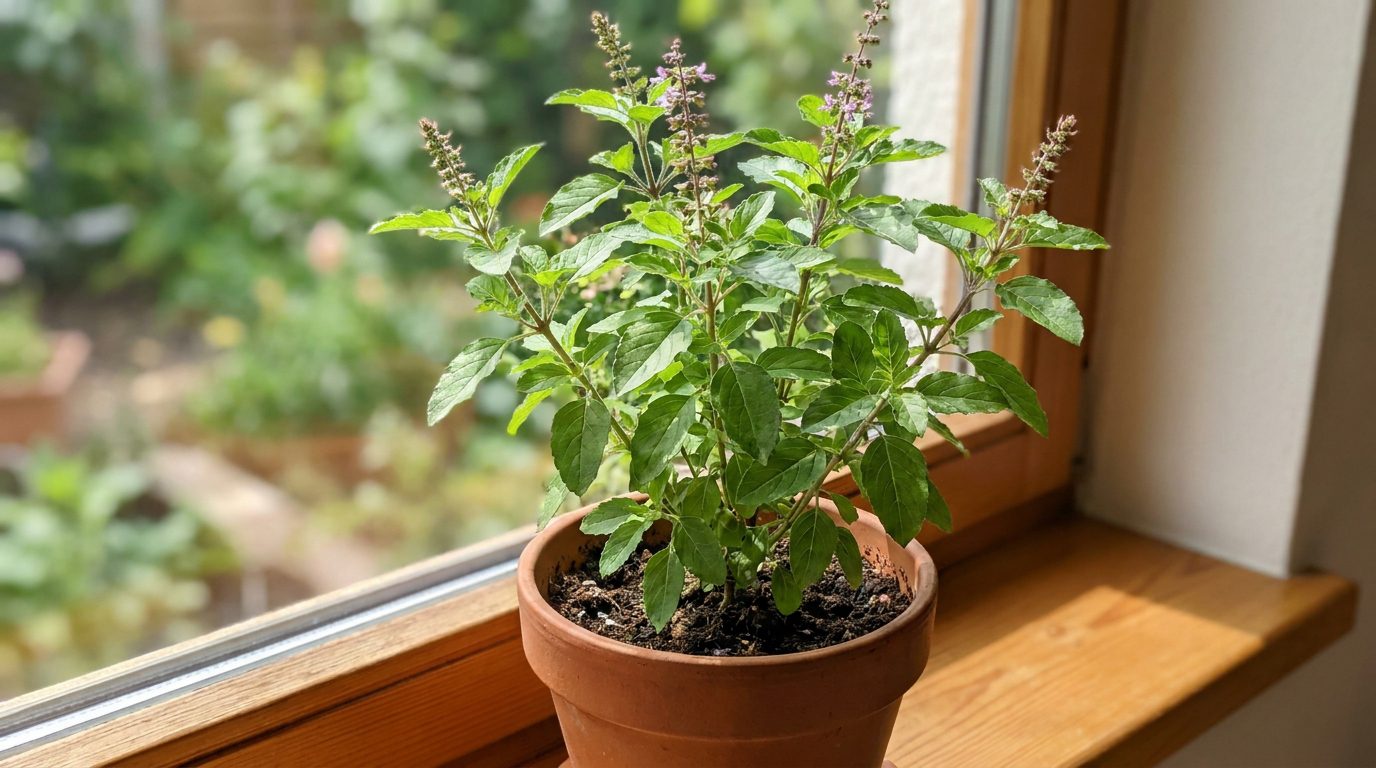
In the world of Bhakti Yoga, the Tulasi plant holds a very special place. She is not only appreciated as a sacred plant, but honored as a beloved servant of God. For thousands of years, devotees have offered Tulasi leaves in worship, chanted near her, cared for her with affection, and received her presence as a gift of grace.
Tulasi, also spelled Tulsi, is often called “Holy Basil” in English. Botanically, she belongs to the basil family, but in the Bhakti tradition, she is much more than an herb. She is honored as Tulasi Devi, a sacred personality dear to Lord Krishna, who is understood in many Bhakti scriptures as the Supreme Person, the all-attractive source of divine love.
If you are new to Bhakti Yoga, please feel fully welcome. You do not need to be born into a certain culture, speak Sanskrit, or know all the rituals to begin a relationship with Tulasi. Bhakti means devotion, or loving service to God. And Tulasi gently invites us into that love through simple daily care, prayer, chanting, and gratitude.
Whether you are growing Tulasi at home, learning about her spiritual meaning, or simply feeling curious, this guide will help you understand her from both practical and devotional perspectives.
What Is the Tulasi Plant?
Tulasi is a sacred plant widely grown in India and increasingly loved around the world. Many people know Tulasi as an herbal tea used for wellness and calming the mind. In Bhakti Yoga, however, Tulasi is cherished as a divine presence who helps the heart awaken in devotion.
The Meaning of the Word “Tulasi”
The Sanskrit word “Tulasi” means “the incomparable one” or “one who has no equal.” Sanskrit is an ancient sacred language used in many yogic texts and prayers. In devotional life, names are meaningful because they reveal qualities.
Tulasi is called incomparable because of her intimate connection with Lord Krishna. Devotees believe that Krishna is especially pleased when even a small Tulasi leaf is offered with love.
In the Bhagavad-gita, Krishna says:
“Whoever offers Me with devotion a leaf, a flower, fruit, or water, I accept that loving offering.”
This verse is from Bhagavad-gita 9.26. The meaning is simple and beautiful: God is not hungry for our wealth, achievements, or perfection. God receives our love. A leaf offered with devotion can become more valuable than a golden gift offered with pride.
For devotees of Krishna, that leaf is often Tulasi.
Tulasi and Holy Basil
There are several varieties of holy basil, and people sometimes use the names Tulasi and Tulsi interchangeably. In general, the plant has fragrant leaves, soft stems when young, and a slightly spicy, sweet, clove-like aroma.
Common varieties include:
- Rama Tulasi, often with green leaves
- Krishna or Shyama Tulasi, often with purple-tinted leaves and stems
- Vana Tulasi, a wilder forest variety
In a devotional setting, the exact variety may be less important than the mood of care and reverence. Still, if you wish to offer Tulasi leaves on a home altar, it is helpful to receive a plant from a trusted devotional source when possible.
Tulasi as a Person, Not a Thing
In Bhakti Yoga, we try to practice seeing with the heart. Tulasi is not treated like an object or decoration. Devotees address her respectfully as Tulasi Devi. The word “Devi” means a divine lady or goddess.
This may be new for some readers. If it feels unfamiliar, you can understand it this way: Bhakti teaches that sacred life is all around us. Tulasi is approached with respect because she helps us remember God and live more gently.
Caring for Tulasi can soften the heart. Watering her becomes prayer. Protecting her becomes service. Seeing her each morning becomes a reminder: “Let me live today with love.”
The Spiritual Significance of Tulasi in Bhakti Yoga
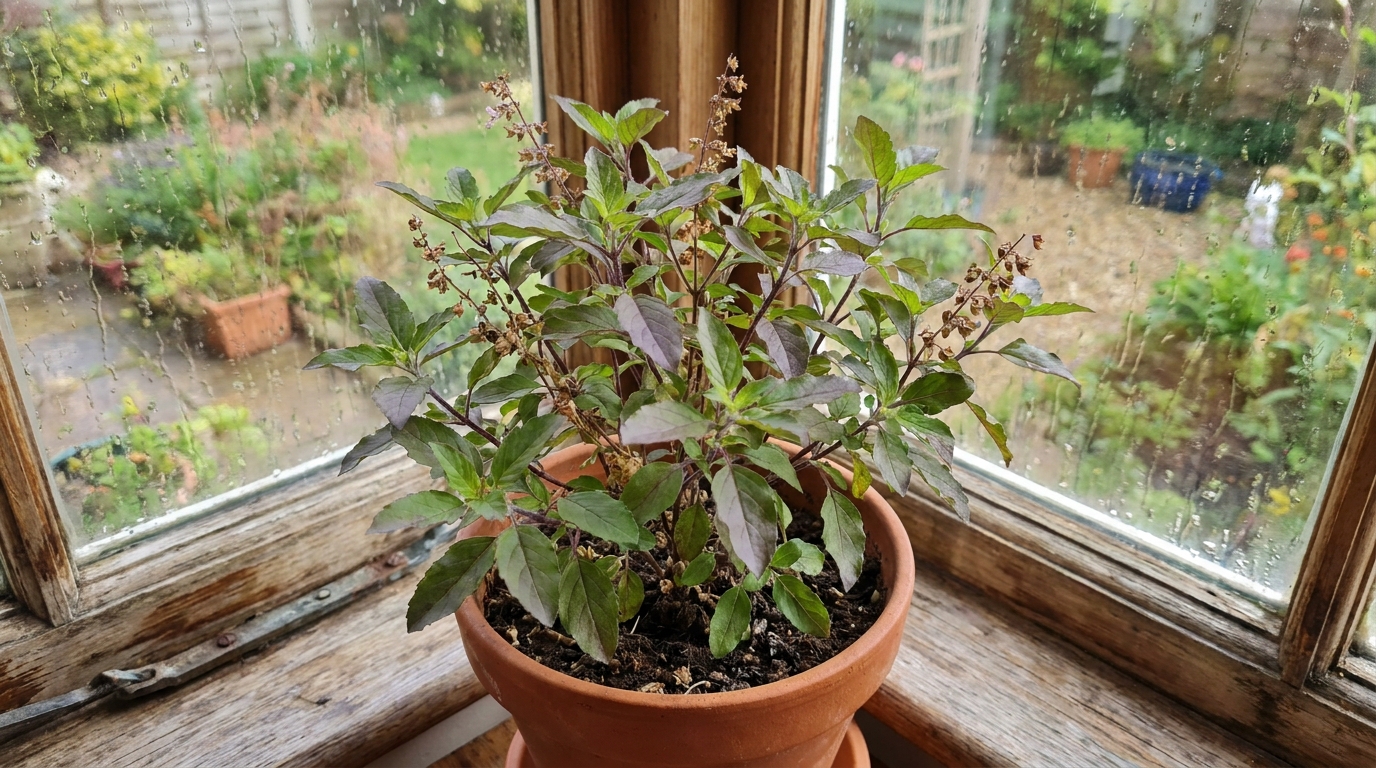
Tulasi is deeply connected to the path of devotion. She appears in prayers, songs, temple worship, home altars, and the daily lives of many devotees.
Tulasi Devi and Lord Krishna
In the Bhakti tradition, Tulasi Devi is beloved by Lord Krishna. The scriptures explain that offerings to Krishna are considered complete when they include Tulasi leaves or manjaris, which are her delicate flower clusters.
This is not because God needs a leaf. Rather, Tulasi represents pure devotion. When devotees place Tulasi on food offered to Krishna, it is as if they are saying, “May this offering be carried by the love of Your dear devotee.”
The Padma Purana and other devotional texts glorify Tulasi as supremely sacred. Such scriptures describe that Tulasi brings spiritual benefit to those who see her, touch her, remember her, care for her, or offer her leaves in worship.
For a beginner, the practical takeaway is simple: Tulasi helps us remember that spiritual life is personal. Love is offered from one heart to another.
Tulasi and the Practice of Offering
One of the most beautiful practices in Bhakti Yoga is offering food to God before we eat. This food is called prasadam, which means “mercy” or “grace.” When food is prepared with care and offered with prayer, it becomes spiritually uplifting.
A simple offering might include fruit, water, or a vegetarian meal. If available, devotees place a small Tulasi leaf on the offering plate for Krishna.
The mood matters most. You can pray in your own words:
“Dear Lord, thank You for this food. Please accept this offering made with love. May my life become an offering to You.”
After the offering, the food is honored as sacred. Eating prasadam becomes a daily way to remember God.
Tulasi and Chanting the Holy Names
Chanting is central to Bhakti Yoga. A mantra is a sacred sound or prayer that helps the mind and heart connect with God. The most widely practiced mantra in the Krishna Bhakti tradition is the Maha-mantra:
Hare Krishna Hare Krishna
Krishna Krishna Hare Hare
Hare Rama Hare Rama
Rama Rama Hare Hare
“Maha” means great, and “mantra” means a sound that frees the mind. This chanting is a prayer asking to be engaged in divine love.
Many devotees chant on japa beads made from Tulasi wood. Japa means personal, meditative repetition of a mantra. Tulasi beads are held with reverence because they support the practice of remembering Krishna.
If you do not have beads, you can still chant. You can chant softly in the morning, while walking, while cooking, or whenever your heart longs for peace. Tulasi’s presence nearby can help create a sacred atmosphere.
Please visit our website for more information on our articles: articles.
How to Grow a Tulasi Plant at Home
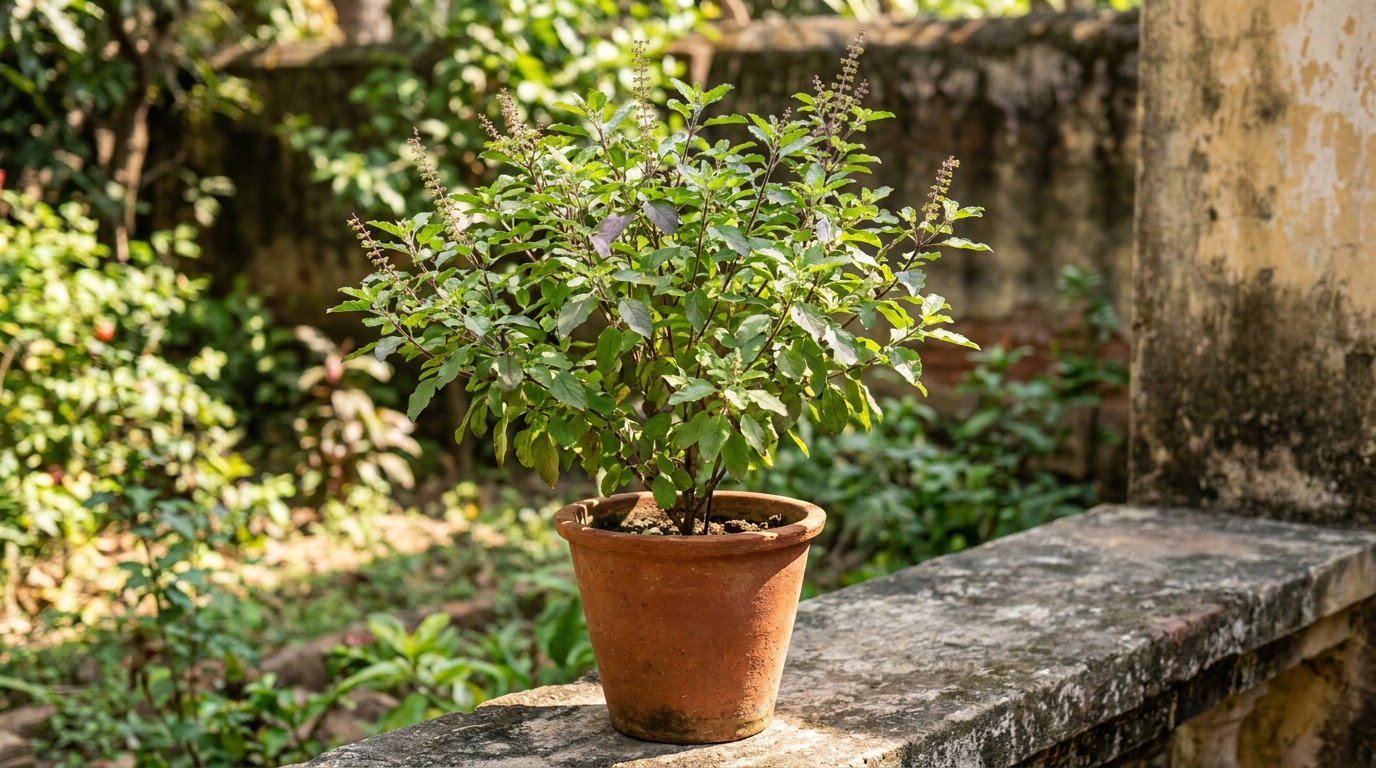
Growing Tulasi is a wonderful way to bring devotion into daily life. Like any living being, Tulasi needs care, attention, and patience. She may be delicate in some climates, but with love and proper conditions, she can thrive.
Choosing the Right Location
Tulasi loves sunlight. Ideally, she should receive at least 4 to 6 hours of direct or bright sunlight each day. A sunny window, balcony, garden, or greenhouse can be a good place.
If you live in a cold climate, Tulasi may need to stay indoors for much of the year. She does not tolerate frost. Even cool drafts can stress her, so keep her away from cold windows, air conditioners, and harsh winter winds.
In warm climates, Tulasi can grow outdoors beautifully. Still, she should be protected from extreme heat, strong storms, and pests.
Soil and Potting
Tulasi prefers well-draining soil. If the soil stays too wet, her roots can suffer. A good potting mix may include organic soil with some perlite, sand, or coco coir to improve drainage.
Choose a pot with drainage holes. This is important. Water should never sit at the bottom of the pot for long periods.
A clay pot can be helpful because it allows the soil to breathe, but any clean pot with proper drainage may work. As Tulasi grows, she may need a larger pot. Repot gently and avoid disturbing the roots too much.
Watering Tulasi
Watering is one of the main ways we serve Tulasi. The soil should be moist but not soggy. A simple method is to touch the top layer of soil. If it feels dry, she may need water. If it still feels damp, wait.
Overwatering is a common mistake. Tulasi does not like to stand in water. Her leaves may droop or yellow if her roots are too wet.
It is also possible to underwater her, especially in hot weather. If the soil becomes very dry, she may wilt. Try to develop a steady rhythm. Caring for Tulasi teaches attentiveness.
Many devotees offer water in the morning with a prayer. This small act can transform plant care into spiritual practice.
Temperature and Climate
Tulasi grows best in warm conditions. She generally prefers temperatures above 65°F or 18°C. If the temperature drops too low, she may become weak.
In winter, indoor Tulasi plants often need extra care. They may require:
- A warm room
- A sunny window or grow light
- Protection from drafts
- Less frequent watering
- Gentle air circulation
If Tulasi loses leaves in winter, do not lose heart. Continue caring for her patiently. Sometimes she recovers when warmth and light return.
Daily Care and Devotional Practices with Tulasi
Caring for Tulasi is not only gardening. It is seva, a Sanskrit word meaning service. In Bhakti Yoga, seva is service offered with love, without selfish expectation. Through seva, the heart becomes purified and joyful.
Offering Water and Prayers
A simple daily practice is to offer Tulasi fresh water. Before watering, you may bow your head or place your hands together. You can pray traditionally or in your own language.
A simple prayer might be:
“Dear Tulasi Devi, please bless me with devotion to God. Please help me serve with humility and love.”
You do not need to perform elaborate rituals. Sincerity is the essence. Bhakti is not about impressing anyone. It is about turning the heart toward God.
Circumambulating Tulasi
In many Bhakti homes and temples, devotees walk around Tulasi as an act of respect. This is called circumambulation, or parikrama in Sanskrit. “Parikrama” means walking around something sacred while keeping it at the center.
You may walk around Tulasi three or four times while chanting or praying. The deeper meaning is beautiful: “May my life revolve around devotion. May God be at the center.”
If you cannot walk around her because she is near a wall or window, you can simply stand before her and pray.
Singing Tulasi Prayers
Devotees often sing prayers to Tulasi Devi, especially in the morning and evening. One well-known prayer begins with “Namo namah Tulasi Krishna-preyasi,” which means, “Again and again I offer respect to Tulasi, who is dear to Krishna.”
If Sanskrit feels intimidating, remember that prayer can be simple. You can listen, learn gradually, or speak from your heart. The sound of sincere prayer is always valuable.
Sacred songs help us feel that spiritual life is not dry or mechanical. It is living, musical, and relational.
Keeping the Area Clean
Cleanliness supports sacred consciousness. Try to keep Tulasi’s space clean and peaceful. Remove fallen leaves respectfully. Wipe the pot or altar area. Avoid placing shoes, trash, or clutter near her.
This is not about fear. It is about love. Just as we would prepare a clean space for an honored guest, we care for Tulasi’s environment with respect.
How to Offer Tulasi Leaves Properly
Offering Tulasi leaves is a sacred practice in Krishna Bhakti. It should be done gently and thoughtfully. The goal is never to exploit the plant, but to serve Tulasi and Krishna with gratitude.
When to Pick Tulasi Leaves
Traditionally, Tulasi leaves are picked in the morning after bathing or washing hands. Devotees avoid picking leaves at night. They also avoid picking on certain sacred days, depending on their tradition, such as Dvadashi, the day after Ekadashi.
Ekadashi is a special fasting and prayer day observed twice a month in many Vaishnava traditions. “Vaishnava” means a devotee of Vishnu or Krishna. Dvadashi is the following day, often honored with gentle care.
If you are new, do not become overwhelmed. Learn step by step from trusted devotees or teachers. The main principle is respect.
How to Pick Leaves Gently
Before picking, ask permission in prayer:
“Dear Tulasi Devi, please allow me to take these leaves for the service of the Lord.”
Use clean hands. Pick only what is needed. Avoid breaking branches unnecessarily. Do not strip the plant. Choose healthy leaves, and leave enough for Tulasi to continue growing strongly.
Manjaris, the flower clusters, are also offered, especially when they are mature. Removing some manjaris can help the plant grow fuller, but this should be done with care.
What to Avoid
Out of respect, devotees usually avoid:
- Cutting Tulasi carelessly
- Using Tulasi leaves for ordinary cooking without offering
- Placing Tulasi on the floor
- Touching Tulasi with unclean hands
- Picking leaves when the plant is sick or stressed, unless necessary
- Treating Tulasi as a casual herb
Again, if you are learning, please be gentle with yourself. Bhakti grows through practice, not guilt. The heart becomes refined over time.
Offering Tulasi to Krishna
To offer Tulasi, place a leaf or manjari on food prepared for Krishna, or at His lotus feet on an altar picture or deity form. A deity is a sacred form of God worshiped with devotion. In Bhakti, the deity is not seen as a statue, but as the Lord kindly appearing in a form we can serve.
If you have a simple home altar, you may offer a Tulasi leaf with water, fruit, flowers, or a meal. If you do not have an altar, you can place a picture of Krishna or another form of God meaningful to you in a clean place and offer with prayer.
God receives the love.
Common Tulasi Plant Problems and How to Help
Tulasi is sacred, but she is also a living plant who responds to environment. If she struggles, it does not mean you have failed spiritually. It means she needs adjusted care.
Yellow Leaves
Yellow leaves can come from overwatering, poor drainage, lack of nutrients, cold stress, or natural aging. First check the soil. If it is constantly wet, reduce watering and improve drainage.
If the plant has not been fed in a long time, a gentle organic fertilizer may help. Use mild options and avoid harsh chemicals when possible.
Some yellowing is normal, especially for older lower leaves. Remove fallen leaves respectfully and observe the plant.
Drooping Leaves
Drooping may be caused by too little water, too much water, heat stress, or transplant shock. Feel the soil before reacting. If it is bone dry, water gently. If it is soggy, allow it to dry and check drainage.
Tulasi may also droop temporarily after being moved to a new location. Give her stable light and warmth.
Pests
Common pests include aphids, spider mites, whiteflies, and fungus gnats. Check the undersides of leaves regularly.
A gentle spray of water can remove some pests. Neem oil may be used carefully, but avoid applying strong treatments in direct sun or extreme heat. Some devotees prefer very mild natural methods, especially for a plant used in worship.
If leaves have been treated with any substance, be cautious about offering them until you are sure they are clean and safe.
Leggy Growth
If Tulasi grows tall and thin with few leaves, she may need more light. Move her to a brighter place or use a grow light.
Pinching back the top growth can encourage bushiness, but do this respectfully and preferably with guidance. Any trimming should be minimal and purposeful, not careless.
Cold Stress
Tulasi is sensitive to cold. Leaves may darken, curl, or fall if she becomes chilled. Move her to a warmer location immediately. Keep her away from cold windows at night.
In winter, even indoor windowsills can become too cold. A grow light in a warm room may be better than a bright but freezing window.
Tulasi in Home Worship and Family Life
Tulasi can become the heart of a home. Her presence reminds us to slow down, breathe, chant, and live with more compassion.
Creating a Sacred Space
You can create a simple sacred space for Tulasi. It does not need to be expensive or elaborate. A clean table, windowsill, or plant stand can become beautiful when cared for with devotion.
You might include:
- A clean cloth
- A small picture of Krishna or a sacred image
- A candle or ghee lamp, used safely
- Fresh water
- Prayer beads
- A small bell or kirtan instruments
Kirtan means devotional singing, often with call-and-response chanting. Even a few minutes of kirtan near Tulasi can bring peace to the home.
Teaching Children Through Tulasi Care
Children often connect naturally with Tulasi. They can help water her, sing to her, or offer a small bow. Through this, they learn reverence for life.
Rather than presenting devotion as a heavy duty, Tulasi care can be joyful. A child may understand, “We take care of Tulasi because she helps us love God.”
This simple lesson can shape a compassionate heart.
Tulasi and Daily Mindfulness
Many people seek mindfulness to become present and peaceful. Tulasi care offers a devotional form of mindfulness. When you water her, you are present. When you chant near her, you listen. When you notice her leaves, you become attentive.
But Bhakti goes one step further. It is not only awareness of the present moment; it is awareness of the Divine Person present in every moment.
Tulasi helps bring that awareness into ordinary life.
Tulasi and the Broader Path of Bhakti Yoga
Tulasi worship is one part of a larger path of devotion. Bhakti Yoga is practical, personal, and open to everyone. It is not limited by nationality, background, education, or past mistakes.
Bhakti Means Love in Action
Bhakti is often translated as devotion, but it also means love expressed through action. In Bhakti Yoga, we grow spiritually through practices such as:
- Chanting God’s names
- Hearing sacred wisdom
- Offering food
- Serving others
- Praying sincerely
- Remembering God throughout the day
- Keeping company with spiritually minded people
Tulasi supports all of these. She reminds us that devotion is alive. It is not only something we think about; it is something we do with our hands, voice, mind, and heart.
The Power of Small Offerings
Many people feel, “I am not spiritual enough,” or “I do not know how to pray properly.” Tulasi teaches us that small offerings matter.
A little water. A single leaf. A soft prayer. One round of chanting. One kind act. One moment of humility.
In the Bhagavad-gita, Krishna does not ask for a palace. He asks for love. This is deeply hopeful. It means everyone can begin.
Growing Alongside Tulasi
As you care for Tulasi, you may notice your own inner life more clearly. Some days you may feel peaceful. Other days distracted. Some days prayer flows naturally. Other days it feels difficult.
That is okay. Spiritual growth is organic, like tending a plant. We water the heart through chanting. We give it light through scripture. We remove weeds through humility and honest self-reflection. We protect it through good association.
And slowly, by grace, devotion grows.
Frequently Asked Questions About the Tulasi Plant
Can Anyone Grow Tulasi?
Yes. Anyone with sincere respect can grow Tulasi. You do not have to be an expert or belong to a particular community. If you are willing to care for her with love, you can begin.
It is helpful to learn from experienced devotees, especially regarding offering leaves and devotional etiquette. But do not let fear stop you. Tulasi is merciful.
Is Tulasi the Same as Basil?
Tulasi is related to basil, but she is not the same as common culinary basil, such as sweet basil used in Italian cooking. Tulasi has distinct varieties, fragrance, and traditional uses.
For devotees, Tulasi is sacred and should not be treated as an ordinary seasoning. Her leaves are primarily offered to Krishna and honored with reverence.
Can I Drink Tulasi Tea?
Many people drink Tulasi tea for wellness. In devotional communities, practices may vary. Some devotees are careful to use only dried leaves that have naturally fallen or have been respectfully collected. Others may avoid using worship Tulasi for tea.
If you are cultivating Tulasi for devotional worship, it is best to ask guidance from a trusted Bhakti teacher or community. The key is to avoid a mood of consumption and maintain reverence.
What If My Tulasi Plant Dies?
If Tulasi leaves her plant form, do not feel condemned. Plants can die due to climate, pests, watering issues, or natural life cycles. Offer gratitude for the time she was with you.
Traditionally, devotees respectfully place the dried plant or wood in a sacred river, garden, or clean natural place. If that is not possible, you can return her remains to the earth in a respectful way.
Then, if your heart feels ready, you may try again. Care improves with experience.
Do I Need a Formal Altar?
No. A formal altar is beautiful, but not required to begin. A clean, respectful place is enough. You can start with Tulasi near a window and a simple daily prayer.
Over time, you may feel inspired to create a home altar with sacred pictures, a place for offerings, and your chanting beads. Let it grow naturally.
Practical Daily Tulasi Routine for Beginners
If you are wondering how to begin, here is a simple routine. Please adapt it to your life and circumstances.
Morning Practice
In the morning, approach Tulasi with clean hands and a respectful heart. Check her soil, leaves, and overall health. Offer water if needed.
You can say:
“Dear Tulasi Devi, thank you for your presence. Please help me remember God today.”
Then chant the Maha-mantra or another prayer meaningful to you. Even five minutes is valuable.
During the Day
Try to keep her space clean and protected. Make sure she has enough light and warmth. Notice if she seems too dry, too wet, or stressed.
Let her presence remind you to practice kindness. Speak gently. Serve someone. Offer your work to God.
Evening Practice
In the evening, you may offer a small prayer or sing softly. Some devotees offer a lamp in the evening, but only do this with proper safety and attention.
You can reflect:
“How did I serve today? Where did I forget? Dear Lord, please guide me tomorrow.”
This kind of honest prayer nourishes spiritual life.
A Closing Reflection: Tulasi as a Doorway to Divine Love
The Tulasi plant is a complete guide in herself. She teaches patience, reverence, simplicity, and devotion. She shows us that the sacred can live in a small pot by the window. She reminds us that God accepts love more than grand display.
In Bhakti Yoga, we are invited to build a personal relationship with the Divine through chanting, prayer, service, scripture, and loving remembrance. Tulasi supports us in all these practices. She brings a gentle spiritual atmosphere into the home and encourages us to live with a softer heart.
If you are just beginning, please do not worry about doing everything perfectly. Begin with respect. Offer water. Chant one mantra. Read one verse of the Bhagavad-gita. Prepare one meal with gratitude. Serve one person with kindness.
The path of Bhakti is walked one sincere step at a time. Whoever you are, wherever you come from, and whatever your spiritual background may be, you are welcome. May Tulasi Devi bless your home, your heart, and your journey toward God. Today, take one sincere step toward divine love, and trust that God lovingly receives it.
FAQs
What is a Tulasi plant?
A Tulasi plant, also known as Holy Basil, is a sacred plant in Hindu culture and is widely used for its medicinal properties. It is native to the Indian subcontinent and is revered for its spiritual and health benefits.
How do you care for a Tulasi plant?
Tulasi plants require well-drained soil, plenty of sunlight, and regular watering. They are sensitive to cold temperatures and should be protected from frost. Additionally, they benefit from regular pruning to encourage bushy growth.
What are the medicinal properties of Tulasi plant?
Tulasi plant is known for its anti-inflammatory, antioxidant, and antimicrobial properties. It is used in traditional medicine to treat a variety of ailments, including respiratory disorders, skin conditions, and digestive issues.
How is Tulasi plant used in Hindu rituals?
Tulasi plant is considered sacred in Hinduism and is often used in religious rituals and ceremonies. It is commonly planted in the courtyard of Hindu households and is used to make garlands, offerings, and herbal remedies.
Are there different varieties of Tulasi plant?
Yes, there are several varieties of Tulasi plant, each with its own unique characteristics and uses. Some popular varieties include Rama Tulasi, Krishna Tulasi, and Vana Tulasi, each with its own distinct aroma and flavor.

