
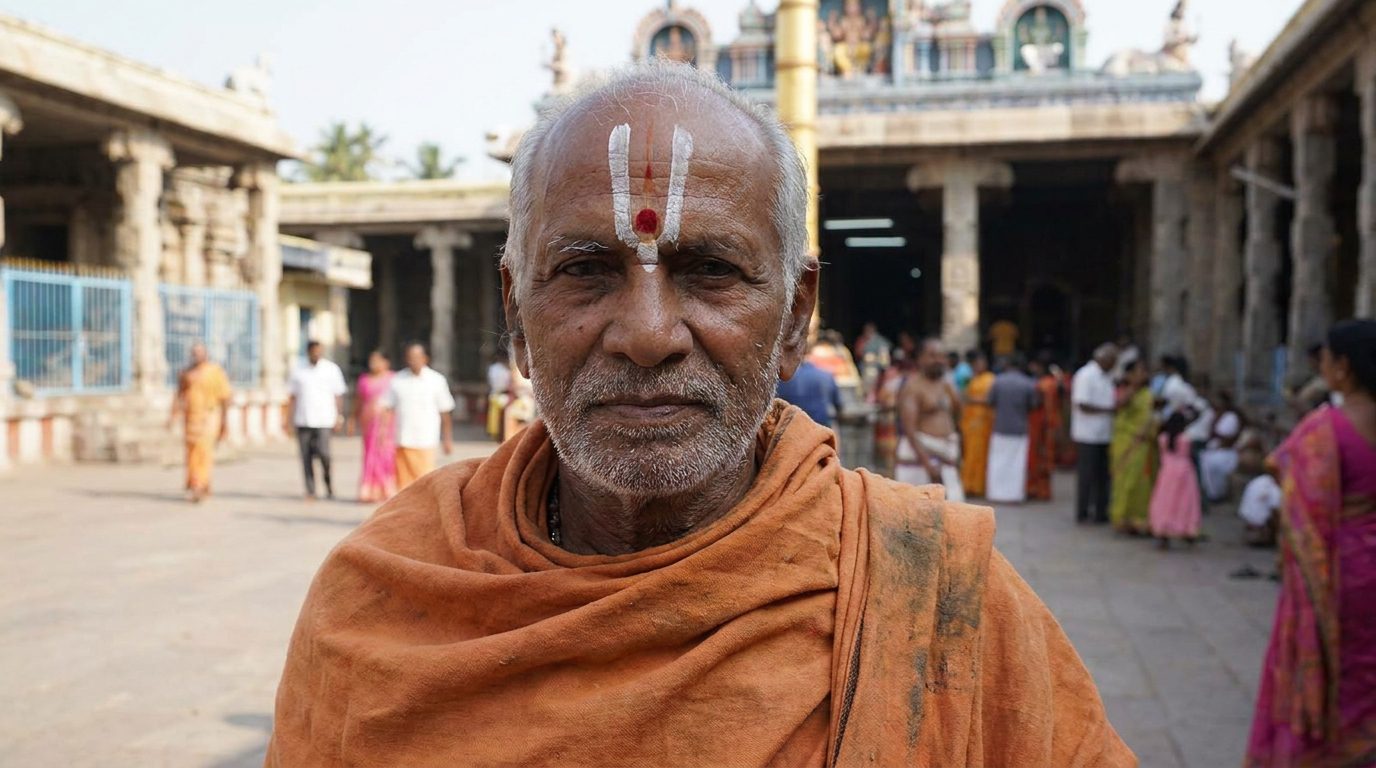
Tilaka is a sacred mark worn on the body, most commonly on the forehead, to remember God and to express our identity as servants of the Divine. In the Bhakti Yoga tradition, tilaka is not meant to be a decoration or a symbol of pride. It is a gentle, prayerful reminder: “This body is a temple, and my life is meant for loving service.”
The word “tilaka” refers to a spiritual marking made with sacred clay, sandalwood paste, or other sanctified substances. In many Vaishnava traditions—devotional paths centered on worship of Vishnu, Krishna, Rama, and Their divine expansions—tilaka is applied in a graceful “U” shape on the forehead, often with a line or leaf-like mark in the center. This represents the feet of the Lord and the sacred leaf of Tulasi, the beloved plant offered to Krishna.
For people new to Bhakti Yoga, tilaka may look mysterious at first. But at its heart, it is very simple. Tilaka is a way to carry prayer into daily life. It says, silently and humbly, “May my thoughts, words, and actions be guided by love.”
Bhakti Yoga is the yoga of devotion. “Bhakti” means loving devotion, and “yoga” means connection. So Bhakti Yoga is the path of reconnecting with God through love—through chanting, prayer, service, hearing sacred wisdom, and living with compassion. Tilaka supports this path by helping us remember who we truly are: spiritual beings, beloved by God, and meant to love in return.
The Spiritual Meaning of Tilaka
Tilaka carries deep meaning, but we do not need to be scholars to appreciate it. Like many practices in Bhakti, its power is revealed through sincerity.
The Body as a Temple
One of the most important meanings of tilaka is that the body is a temple of God. In the Bhagavad-gita, Krishna teaches that the Divine is present within the heart of every living being. He says:
“I am seated in everyone’s heart.”
—Bhagavad-gita 15.15
This is a beautiful and practical teaching. It means spiritual life is not far away. God is not only in a sacred place or a distant heaven. The Lord is present within the heart, patiently guiding us, witnessing our journey, and inviting us toward love.
When we apply tilaka, we remember: “My body is not simply for selfish enjoyment. My body, mind, and voice can be used in service.” This changes how we live. Our hands can serve. Our mouth can chant and speak kindly. Our ears can hear wisdom. Our eyes can see others with compassion.
A Mark of Surrender
Tilaka is also a mark of surrender. In Bhakti, surrender does not mean weakness or losing ourselves. It means offering ourselves to the care of the One who loves us completely.
Krishna says in the Bhagavad-gita:
“Abandon all varieties of dharma and simply surrender unto Me. I shall deliver you from all sinful reactions. Do not fear.”
—Bhagavad-gita 18.66
This verse is often considered the heart of the Gita. Krishna is not asking us to become religious in a shallow or forced way. He is inviting us into trust. Tilaka helps us remember this trust throughout the day.
When we put tilaka on the forehead, we may pray, “My dear Lord, please guide my mind. Let me remember You. Let me live today in a way that pleases You.”
A Reminder of Our Spiritual Identity
Many of us spend our lives trying to answer the question, “Who am I?” We may identify with our job, our nationality, our body, our past, our successes, or our wounds. Bhakti Yoga offers a deeper identity: we are eternal souls, beloved parts of God.
Tilaka points us back to that truth. It is not meant to divide people into “spiritual” and “not spiritual.” Rather, it gently reminds us and others that the soul’s nature is to love and serve.
In Sanskrit, the phrase “jivera svarupa haya krsnera nitya-dasa” means, “The true nature of the living being is to be an eternal servant of Krishna.” Here, “servant” does not mean a low position. In Bhakti, service is love in action. To serve God and all beings is the soul’s joy.
The Different Types of Tilaka
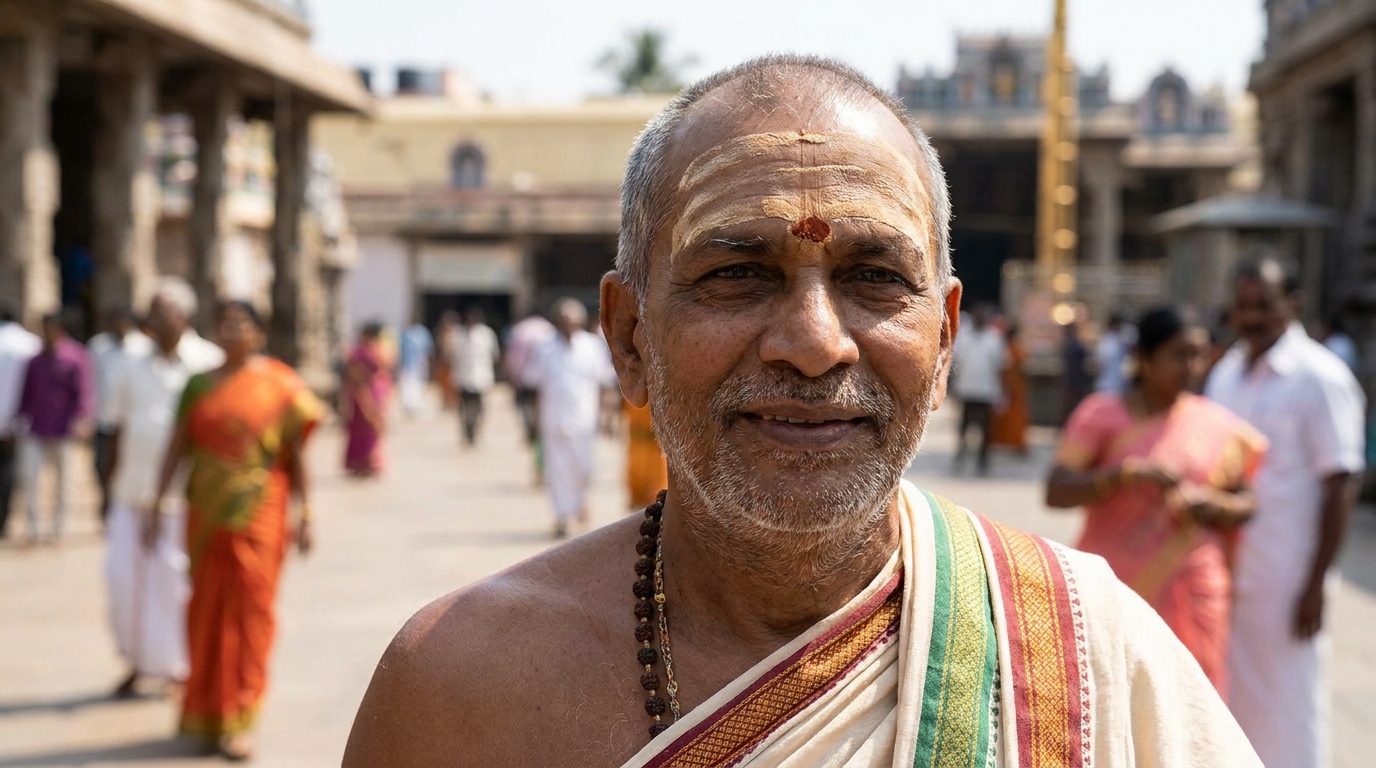
Tilaka is worn in many forms across Hindu and Bhakti traditions. Each form has its own meaning, lineage, and devotional mood. We can honor these differences with humility.
Vaishnava Tilaka
Vaishnava tilaka is generally worn by devotees of Vishnu, Krishna, Rama, Narasimha, and other forms of the Supreme Lord in the Vaishnava tradition. It often appears as two vertical lines forming a “U” shape, with a central line, leaf, or mark.
The two lines are understood to represent the feet of the Lord. The central mark often represents Tulasi Devi, the sacred plant dear to Krishna, or the Lord’s presence within the heart.
Different Vaishnava communities may apply tilaka slightly differently. For example, followers of Sri Vaishnavism, Gaudiya Vaishnavism, Madhva Sampradaya, and other lineages may have distinct shapes and colors. These differences are expressions of devotion, not competition.
Gaudiya Vaishnava Tilaka
In the Gaudiya Vaishnava tradition, which follows the teachings of Sri Chaitanya Mahaprabhu, tilaka is usually made from Gopi-chandana, a sacred clay from the holy land of Dwaraka. The mark has two vertical lines and a leaf-like shape at the base, representing Tulasi.
Sri Chaitanya Mahaprabhu taught the chanting of the holy names of God as the recommended spiritual practice for this age:
Hare Krishna Hare Krishna
Krishna Krishna Hare Hare
Hare Rama Hare Rama
Rama Rama Hare Hare
This mantra is called the maha-mantra, meaning “the great mantra for deliverance.” “Hare” calls upon the divine energy of the Lord, “Krishna” means the all-attractive Supreme Person, and “Rama” refers to the Lord as the source of spiritual joy.
For Gaudiya Vaishnavas, tilaka and chanting go together beautifully. Tilaka sanctifies the body, while chanting sanctifies the heart and mind.
Shaiva Tilaka and Other Sacred Marks
In Shaiva traditions, devotees of Lord Shiva often wear tripundra, three horizontal lines made with sacred ash called vibhuti. This mark carries profound meanings of renunciation, purification, and remembrance of Shiva.
Other traditions may use red kumkum, sandalwood paste, turmeric, or sacred ash in different ways. Married women in many Hindu cultures may wear sindoor or bindi as part of traditional and devotional life.
A humble Bhakti practitioner respects all sincere spiritual paths. While this guide focuses mainly on Vaishnava tilaka, we can appreciate that sacred marks throughout the world often express prayer, belonging, remembrance, and devotion.
Check out our latest articles at https://thebhaktihouse.org/blog.
What Is Tilaka Made Of?
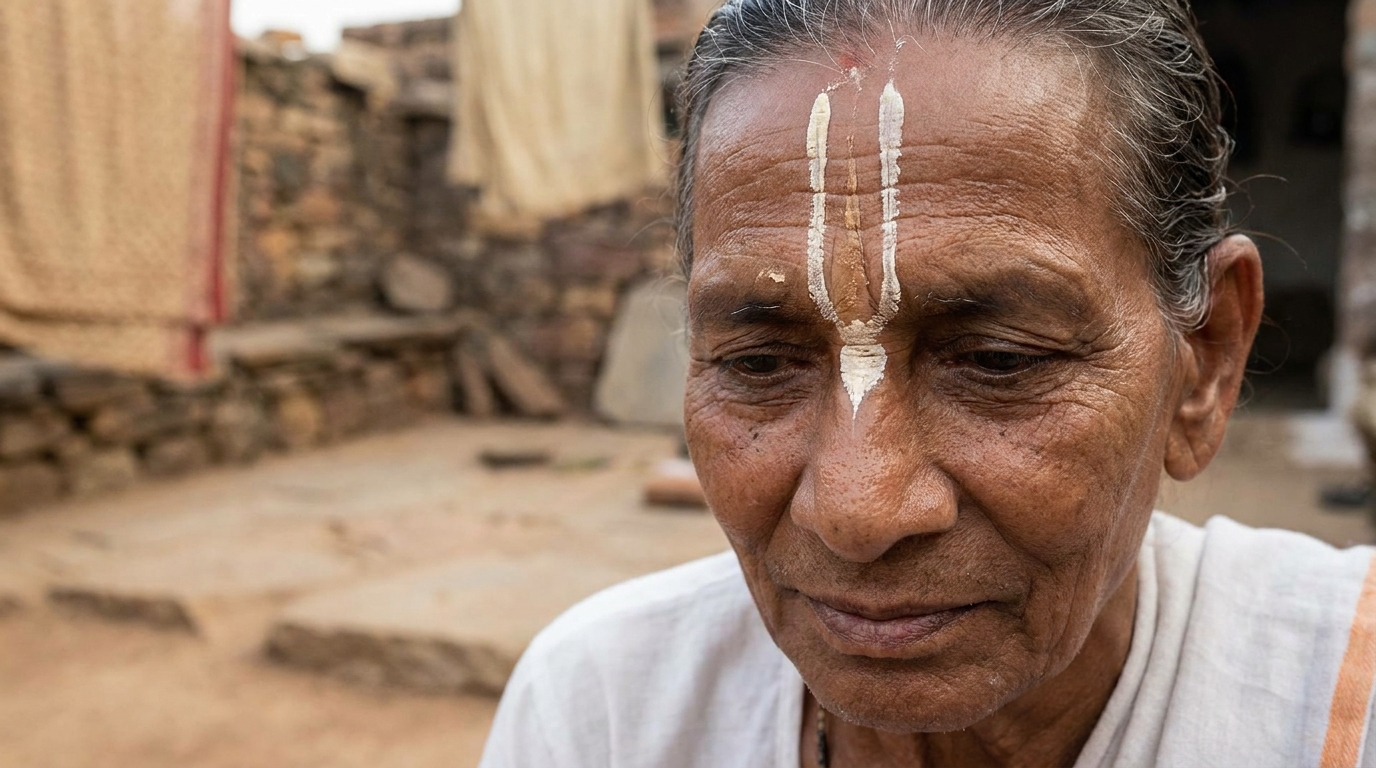
Tilaka may be made from different sacred substances, depending on tradition and availability. The most common in Vaishnava Bhakti is Gopi-chandana.
Gopi-Chandana
Gopi-chandana is a yellowish sacred clay traditionally associated with Dwaraka, a holy place connected with Krishna’s earthly pastimes. Devotees add water to the clay and form a smooth paste, which is then applied to the body while chanting mantras, or sacred prayers.
The word “Gopi” refers to the cowherd maidens of Vrindavan, who are celebrated in Bhakti scriptures as the highest examples of pure love for Krishna. “Chandana” means sandalwood or sacred paste, though Gopi-chandana specifically refers to this sacred clay.
Using Gopi-chandana is a way of connecting with Krishna’s holy places and remembering the great devotees who lived only for divine love.
Sandalwood Paste
Sandalwood paste, called chandana in Sanskrit, is cooling, fragrant, and traditionally offered to the Deity form of the Lord in the temple. It may also be worn as tilaka, especially in warm climates or during festivals.
Sandalwood reminds us that devotion should soothe the heart. Just as sandalwood cools the body, remembrance of God cools the burning anxieties of material life.
Sacred Ash, Kumkum, and Other Substances
Other traditions use sacred ash, vermilion, turmeric, or natural earth pigments. The substance itself becomes meaningful through its connection to worship, prayer, and scriptural tradition.
In Bhakti, the mood matters deeply. A simple mark made with sincerity is more spiritually valuable than an elaborate mark worn with ego. God sees the heart.
How to Apply Vaishnava Tilaka
Applying tilaka can be a simple daily practice. It does not need to be rushed or made complicated. You can approach it as a few quiet moments of prayer before beginning your day.
Preparing the Tilaka Paste
To prepare tilaka, take a small piece of Gopi-chandana clay and add a few drops of clean water. Rub it on your palm or in a small dish until it becomes a smooth paste. It should not be too watery or too dry.
As you prepare it, you can chant the holy names or offer a simple prayer:
“My dear Lord, please help me remember You today. Please let my body, mind, and words be used in loving service.”
This mood is the essence.
Applying Tilaka to the Forehead
Using the ring finger or a clean tilaka stamp, draw two vertical lines starting from the bridge of the nose upward toward the hairline. The lines should meet or curve gently, depending on your tradition. Then place the central mark, often shaped like a Tulasi leaf, between or beneath the lines.
If you are learning, do not worry if it is not perfect. Tilaka is not about artistic skill. It is about remembrance. With practice, your hand will become steady.
Applying Tilaka to Twelve Parts of the Body
Many Vaishnava practitioners apply tilaka to twelve parts of the body while chanting names of the Lord. This practice is called applying “urdhva-pundra,” meaning the vertical sacred mark of Vaishnava devotion.
The twelve places and mantras often used are:
- Forehead — Om Keshavaya Namah
- Belly — Om Narayanaya Namah
- Chest — Om Madhavaya Namah
- Throat — Om Govindaya Namah
- Right side of abdomen — Om Vishnave Namah
- Right arm — Om Madhusudanaya Namah
- Right shoulder — Om Trivikramaya Namah
- Left side of abdomen — Om Vamanaya Namah
- Left arm — Om Sridharaya Namah
- Left shoulder — Om Hrishikeshaya Namah
- Upper back — Om Padmanabhaya Namah
- Lower back or waist — Om Damodaraya Namah
“Om” is a sacred sound that invokes the Supreme. “Namah” means “I offer respect” or “I bow.” Each name refers to Krishna or Vishnu in a particular loving aspect.
This practice can transform the way we relate to the body. Instead of seeing the body as separate from spiritual life, we offer it back to God.
A Simple Version for Beginners
If twelve marks feel like too much, begin with one mark on the forehead. You can simply chant:
“Hare Krishna”
or
“My Lord, please guide me.”
Bhakti grows by sincerity, not pressure. Start where you are.
Why Do Devotees Wear Tilaka?
People wear tilaka for many devotional reasons. Some reasons are scriptural, some are cultural, and some are deeply personal.
To Remember Krishna Throughout the Day
The mind is easily distracted. We may begin the morning with good intentions, but by lunchtime we are caught in worry, work, messages, traffic, and responsibilities. Tilaka becomes a visible reminder to return to the heart.
When we see tilaka in the mirror, we remember: “I belong to Krishna. Let me act with kindness. Let me chant. Let me serve.”
Even if others do not understand the mark, we understand. And that remembrance can protect us from many careless choices.
To Invite Sacredness Into Ordinary Life
Bhakti Yoga does not require us to abandon ordinary life. It teaches us to spiritualize ordinary life.
Cooking can become an offering. Work can become service. Parenting can become devotion. Walking can become prayer. Speaking can become kindness. Wearing tilaka is one practical way to bring sacred consciousness into daily life.
The Srimad-Bhagavatam, one of the treasured scriptures of Bhakti, teaches that hearing and chanting about the Lord purifies the heart. It says:
“Hearing and chanting about the Supreme Lord is the medicine for the heart.”
—based on Srimad-Bhagavatam 1.2.17
Tilaka supports this medicine by reminding us to keep the Lord at the center.
To Represent a Devotional Commitment
For some devotees, wearing tilaka publicly is a way of saying, “I am trying to live a life of devotion.” This can be encouraging, but it also calls us to humility. If we wear a sacred mark, we should try to act in a sacred way.
Tilaka is not a badge of superiority. It is a prayer for purification.
A devotee may think, “Because I am wearing tilaka, let me be more patient. Let me not gossip. Let me not be harsh. Let me remember that everyone I meet is a child of God.”
To Honor the Devotional Lineage
In Bhakti traditions, we receive spiritual practices through a lineage, called sampradaya in Sanskrit. A sampradaya is a living stream of teachers, saints, and practitioners who pass down wisdom and devotion.
Wearing tilaka can connect us with generations of devotees who have walked the path before us. We are not alone. We are supported by saints, scriptures, teachers, community, and the mercy of God.
Tilaka in Bhakti Scriptures and Tradition
Tilaka is honored in many Vaishnava texts and practices. While the details may vary, the principle is consistent: the body should be marked and engaged in remembrance of the Lord.
The Padma Purana and the Sacred Mark
The Padma Purana, one of the ancient Puranic scriptures, praises the wearing of Vaishnava tilaka as a sign of devotion to Vishnu. Such texts describe tilaka as spiritually protective and pleasing to the Lord when worn with faith.
Protection in Bhakti does not always mean that life becomes free from difficulty. Rather, it means we become protected from forgetfulness. The greatest danger in spiritual life is forgetting our relationship with God. Tilaka helps guard the doorway of memory.
The Hari-bhakti-vilasa and Devotional Practice
The Hari-bhakti-vilasa, a respected guidebook in the Gaudiya Vaishnava tradition compiled by Sanatana Goswami and Gopala Bhatta Goswami, gives detailed instructions on tilaka, worship, cleanliness, chanting, and daily devotional conduct.
Its teachings remind us that Bhakti is both heartfelt and practical. Love expresses itself through action. Just as we might dress carefully to meet someone we love, devotees apply tilaka as a way of preparing themselves for service to the Lord.
The Bhagavad-gita and Offering Everything
While the Bhagavad-gita may not focus on tilaka specifically, it gives the foundation for why such practices matter. Krishna says:
“Whatever you do, whatever you eat, whatever you offer or give away, and whatever austerities you perform—do that as an offering to Me.”
—Bhagavad-gita 9.27
Tilaka fits beautifully into this teaching. Applying tilaka becomes an offering. Wearing it becomes an offering. Remembering God through it becomes an offering.
Common Questions About Tilaka
Many sincere people have questions about tilaka, especially if they are new to Bhakti Yoga or come from another spiritual background. Questions are welcome. Bhakti is not about blind performance; it is about growing in understanding and love.
Do I Have to Wear Tilaka to Practice Bhakti Yoga?
No, you do not have to wear tilaka to begin practicing Bhakti Yoga. The most essential practice is to hear and chant the holy names of God with sincerity. You can pray, serve, read sacred wisdom, and offer your food to God without wearing tilaka.
Tilaka is a supportive practice, not a barrier. If you feel drawn to it, you may begin gently. If you are not ready, you can still take meaningful steps in devotion.
Can Anyone Wear Tilaka?
Yes, anyone who approaches the practice respectfully may wear tilaka. Bhakti Yoga welcomes people of all backgrounds, cultures, ages, and life experiences.
It is helpful to learn from devotees in an authentic tradition so the practice is understood properly. Wearing tilaka is not about borrowing a symbol casually. It is about honoring its sacred meaning.
If your heart says, “I want to remember God and live in devotion,” then tilaka can become part of your spiritual journey.
What If People Ask Me About It?
If someone asks about your tilaka, you can answer simply:
“It is a sacred mark from the Bhakti Yoga tradition. It reminds me that the body is a temple of God and that I want to live with love and service.”
You do not need to preach forcefully or defend yourself. A gentle explanation is often enough. Sometimes your kindness will explain more than your words.
Can I Wear Tilaka at Work or School?
This depends on your situation. Some people wear visible tilaka daily. Others wear water tilaka, which is applied with water and may not be visible. Some apply tilaka at home before prayer or temple worship but not in public settings.
Bhakti is practical. Krishna sees your sincerity. If your workplace or school environment makes visible tilaka difficult, you can still remember the Lord inwardly. You can chant quietly, serve others, and carry devotion in your heart.
What Is Water Tilaka?
Water tilaka is applied using clean water instead of clay. It may be invisible or barely visible, but it still carries the prayerful intention of offering the body to God.
This can be helpful for people who cannot wear visible tilaka due to work, family, safety, or social circumstances. The Lord is not limited by visibility. A hidden prayer can be very dear to Him.
Tilaka and the Practice of Daily Bhakti
Tilaka is most powerful when connected to a living practice of devotion. On its own, it is a mark. With prayer, chanting, and service, it becomes part of a transformed life.
Chanting the Holy Names
The heart of Bhakti Yoga is chanting the names of God. In the Gaudiya Vaishnava tradition, the Hare Krishna maha-mantra is especially recommended:
Hare Krishna Hare Krishna
Krishna Krishna Hare Hare
Hare Rama Hare Rama
Rama Rama Hare Hare
Chanting can be done softly, loudly, alone, or with others. It can be sung in kirtan, a joyful call-and-response form of sacred music. It can also be practiced on beads in a meditation called japa.
Tilaka and chanting work together. Tilaka reminds the body to serve, and chanting awakens the heart to love.
Prayer From the Heart
Prayer does not need to be complicated. You can speak to God honestly:
“Please help me.”
“Please guide me.”
“Please teach me to love.”
“Please let me serve today.”
“Please help me remember You.”
Tilaka can become a moment of prayer each morning. Before the world becomes busy, we pause and turn toward the Divine.
Service as Love in Action
Seva means service. In Bhakti, service is not merely duty; it is love expressed through action. We can serve in a temple, cook for others, clean, teach, sing, support a community, care for family, protect nature, or encourage a friend.
When we wear tilaka, we may ask, “How can I serve today?” This one question can change everything.
Spiritual Growth Through Humility
Tilaka should help us become humble, not proud. If we wear sacred symbols but treat others harshly, we have missed the point.
The great Bhakti saints teach that humility is essential for chanting the holy name. Sri Chaitanya Mahaprabhu prayed:
“One should chant the holy name of the Lord in a humble state of mind, thinking oneself lower than a blade of grass, more tolerant than a tree, and ready to offer respect to all.”
—Sri Siksastakam, Verse 3
This is the mood that makes tilaka shine—not outwardly, but inwardly.
Practical Tips for Wearing Tilaka
Tilaka is a sacred practice, but it can also be approached practically. Here are a few simple tips.
Keep Your Tilaka Supplies Clean
Use a clean container, clean water, and clean hands. If you use a tilaka stamp, wash it regularly. Cleanliness supports mindfulness.
In Bhakti, external cleanliness and internal cleanliness go together. We clean the body, and we also cleanse the heart through chanting, forgiveness, and sincere prayer.
Apply Tilaka Slowly and Mindfully
Try not to rush. Even if you have only one minute, make that minute sacred. Take a breath. Remember Krishna. Offer your day.
A simple daily rhythm may look like this:
Wake up.
Wash.
Apply tilaka.
Chant or pray.
Begin the day with spiritual intention.
Do Not Worry About Perfection
Your first attempts may be uneven. That is okay. Devotion is not a performance. A child’s drawing offered with love is precious to a parent. In the same way, a simple tilaka mark offered with sincerity is precious to God.
Let Tilaka Shape Your Character
The real beauty of tilaka is seen in behavior. Let it remind you to speak gently, act honestly, eat gratefully, serve willingly, and see others spiritually.
If you make a mistake, do not become discouraged. Bhakti is a path of growth. Begin again. Chant again. Pray again. Serve again.
Tilaka as a Bridge, Not a Wall
Sometimes spiritual symbols can be misunderstood. They can become walls if we use them to separate ourselves from others. But in true Bhakti, tilaka is meant to be a bridge.
It reminds us that every person is sacred. Every heart is a dwelling place of God. Every soul is on a journey.
Whether someone is Hindu, Christian, Muslim, Jewish, Buddhist, Sikh, spiritual-but-not-religious, unsure, wounded by religion, or simply curious, Bhakti Yoga welcomes sincere seekers. Tilaka does not say, “I am better than you.” It says, “I am trying to remember God. I am trying to serve.”
When worn with humility, tilaka can invite meaningful conversations. It can open doors to kindness. It can inspire us to live more honestly.
Beginning Your Own Tilaka Practice
If you feel inspired to begin wearing tilaka, start gently. You do not need to change everything overnight.
Start With Intention
Before applying tilaka, pause and set an intention:
“Today, may I remember God.”
“Today, may I be kind.”
“Today, may I use my body in service.”
“Today, may I chant with sincerity.”
This intention is the soul of the practice.
Learn From Devotees
If possible, learn from practitioners in a Bhakti community. They can show you how to apply tilaka, explain the mantras, and help you understand the mood behind the practice.
Spiritual life grows beautifully in good company. In Sanskrit, sadhu-sanga means association with saintly or sincere devotees. Good association nourishes faith and steadies the heart.
Connect Tilaka With Chanting
After applying tilaka, chant even one round of japa, sing one kirtan, or repeat the maha-mantra a few times with attention. Let tilaka lead you into remembrance, not just appearance.
Even one sincere mantra can begin to soften the heart:
Hare Krishna Hare Krishna
Krishna Krishna Hare Hare
Hare Rama Hare Rama
Rama Rama Hare Hare
Offer Your Day
Finally, offer your day to God. Your work, your family duties, your challenges, your meals, your conversations, your joys, and your struggles can all become part of your devotional life.
Krishna does not ask for perfection. He asks for love. In the Bhagavad-gita, He says:
“If one offers Me with love and devotion a leaf, a flower, fruit, or water, I will accept it.”
—Bhagavad-gita 9.26
This verse reveals the heart of Bhakti. God accepts the love behind the offering. Tilaka, too, is accepted when offered with love.
A Final Reflection on Tilaka
Tilaka is a small mark with a vast meaning. It reminds us that the body is a temple, the heart is a sacred place, and life is meant for loving connection with God.
It is a practice of remembrance. A practice of humility. A practice of identity. A practice of offering.
But the deepest tilaka is not only on the forehead. It is the mark of devotion upon the heart. When we chant sincerely, pray honestly, serve lovingly, and try to see others as souls, that inner tilaka becomes visible through our character.
Wherever you are on your spiritual journey, you are welcome. You may be new to Bhakti Yoga, returning after a long time, or simply curious about sacred traditions. Please know that the path of devotion begins with one sincere step.
You can chant one holy name. Offer one prayer. Serve one person. Read one verse. Apply tilaka once with love. God sees every sincere effort, however small it may seem.
May your life become a temple of remembrance. May your words become offerings. May your heart grow soft through chanting, prayer, service, and love.
Everyone is welcome to take one sincere step toward God today.
FAQs
What is a Tilaka?
A Tilaka is a traditional Hindu mark worn on the forehead. It is made with a paste, powder, or clay and is often applied as a religious or cultural symbol.
What is the significance of wearing a Tilaka?
Wearing a Tilaka is considered a way to honor and invoke the blessings of the deities. It is also believed to stimulate the Ajna chakra, which is associated with intuition and spiritual insight.
How is a Tilaka applied?
A Tilaka is typically applied with the thumb or a special Tilaka stick in the center of the forehead, between the eyebrows. The shape and color of the Tilaka can vary based on religious and cultural traditions.
What are the different types of Tilaka?
There are various types of Tilaka, including the Urdhva Pundra (vertical mark), Tripundra (three horizontal lines), and the Chandan Tilaka (made with sandalwood paste).
Is wearing a Tilaka mandatory in Hinduism?
Wearing a Tilaka is not mandatory in Hinduism, but it is a common practice among devotees, especially during religious ceremonies, festivals, and visits to temples.

