

A bell is a simple instrument, yet it can carry a deep spiritual meaning. Across cultures, temples, churches, homes, monasteries, and sacred gatherings, bells have helped people pause, listen, and remember something higher than the noise of daily life.
In the Bhakti tradition, a bell is not only an object that makes sound. It is a gentle invitation to become present. It helps the heart turn toward God with love.
Bhakti Yoga is the path of devotion. The word bhakti means loving devotion, and yoga means connection or union. So Bhakti Yoga is the practice of reconnecting with the Divine through love, chanting, prayer, service, and spiritual growth.
Whether you are new to spiritual practice, returning after a long time, or already living a devotional life, a bell can become a beautiful companion. It can mark the beginning of prayer, support meditation, purify the atmosphere, and remind us to offer our actions with sincerity.
This guide will walk you through everything you need to know about bells: their meaning, history, types, how to choose one, how to use one, and how to care for it. Most importantly, we will explore how the sound of a bell can help awaken devotion in everyday life.
What Is a Bell?
A bell is a hollow instrument, often made of metal, that produces sound when struck or rung. Its tone may be bright, deep, soft, or powerful depending on its shape, size, and material.
At the simplest level, a bell creates vibration. But in spiritual traditions, vibration is more than sound. It can influence the mind, uplift the heart, and create a sacred atmosphere.
The Basic Parts of a Bell
Most bells have a few common parts:
- Body: The main hollow part of the bell.
- Rim: The lower edge where much of the sound vibrates.
- Handle or Crown: The top part used to hold or hang the bell.
- Clapper: The small piece inside some bells that strikes the body and creates sound.
- Striker or Mallet: Used for bells that do not have an internal clapper.
Some handbells used in worship have a handle shaped with sacred symbols. Temple bells may be large and fixed in one place. Small altar bells may be used during daily prayer at home.
Bell Sound and Vibration
When a bell rings, it creates waves of sound. These sound waves move through the air and are received by the ear, but many people also feel them in the body and heart.
This is one reason bells are often used before meditation, chanting, or prayer. The sound can help us shift from distraction to attention. It says, in a language beyond words: “Come back. Be here. Remember.”
Bells as Sacred Reminders
A bell can remind us that spiritual life is not separate from ordinary life. The same hands that cook, work, clean, and care for others can also ring a bell with devotion.
In Bhakti Yoga, the goal is not to escape life but to spiritualize life. Even a small sound offered with love can become part of our relationship with God.
The Spiritual Meaning of Bells
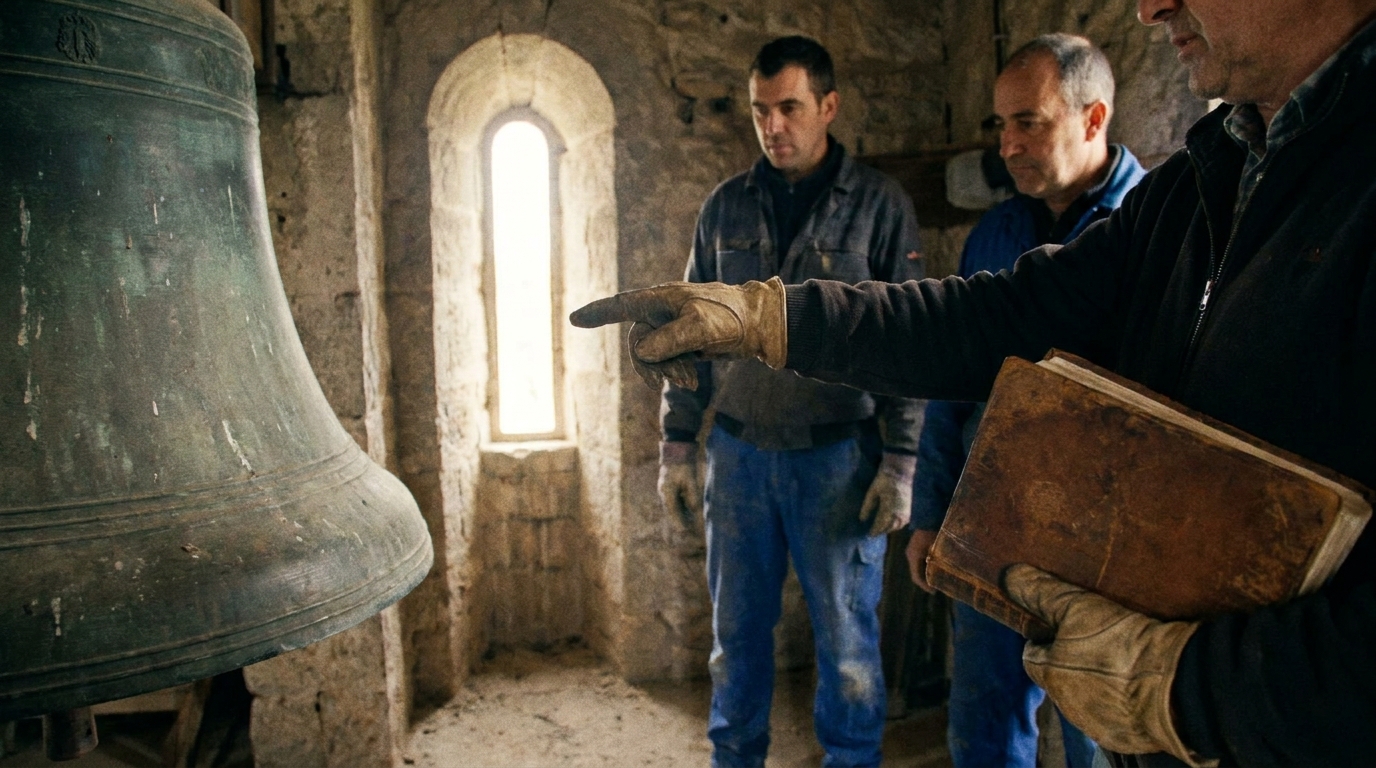
Bells have been used in sacred traditions for thousands of years. Their sound often represents awakening, purification, invitation, and divine presence.
In Bhakti practice, ringing a bell can mean: “Dear Lord, I am here. Please accept this offering.” It can also mean: “Dear heart, wake up. Let us remember God.”
Bells and Sacred Sound
In the Vedic tradition, sound is deeply important. The Sanskrit word shabda means sound or spiritual sound vibration. Sacred sound, such as mantra, is understood to carry spiritual power.
A mantra is a sacred sound, word, or prayer that helps focus the mind and awaken devotion. For example, the Hare Krishna Maha-mantra is a prayerful chant:
Hare Krishna, Hare Krishna, Krishna Krishna, Hare Hare
Hare Rama, Hare Rama, Rama Rama, Hare Hare
This mantra is a loving call to the Divine. “Krishna” means the all-attractive Lord, “Rama” refers to the source of joy, and “Hare” calls upon the Divine energy of the Lord.
A bell is not a mantra, but it supports the mood of mantra. It clears space, gathers attention, and prepares the heart to hear and chant sacred names.
Bells and Presence
Many of us live with busy minds. We move from one task to another, carrying worries, plans, and memories. A bell can gently interrupt this stream.
When you ring a bell before prayer, it becomes a doorway. You can pause, breathe, and remember: “I am not alone. God is present. I can offer this moment.”
This simple shift is powerful. Bhakti Yoga grows through repeated sincere turning. Every time we turn toward God, even briefly, the heart becomes softer.
Bells and Offering
In traditional puja, or worship, a bell is often rung while offerings are made. Puja means an act of worship or loving offering. It may include offering incense, a lamp, flowers, water, food, or prayers.
The bell sound accompanies the offering and helps create a sacred environment. It also reminds the practitioner that worship is not mechanical. It is personal. It is relational. We are offering love to the Supreme Person.
The Bhagavad-gita, one of the most beloved Bhakti scriptures, teaches this mood beautifully. Krishna says:
“If one offers Me with love and devotion a leaf, a flower, fruit, or water, I will accept it.”
Bhagavad-gita 9.26
This verse shows that God is not looking for our wealth, status, or perfection. He is looking for love. A bell, rung with sincerity, can be part of that loving offering.
Please visit our website for more information on our articles: articles.
A Brief History of Bells Around the World

Bells are found in many cultures and spiritual traditions. Though their forms differ, their purpose often overlaps: to gather people, mark sacred time, call attention, and honor the Divine.
Bells in Ancient Traditions
In ancient societies, bells were used in rituals, ceremonies, and community life. Their sound could announce important events, signal transitions, or accompany sacred practices.
Metal bells became especially important as communities developed advanced methods of casting bronze, brass, and other alloys. The durability and resonance of metal made bells ideal for long-term ritual use.
Bells in Hindu and Bhakti Worship
In Hindu temples and Bhakti communities, bells are often rung when entering the temple or during worship ceremonies. Many devotees ring the bell before seeing the Deity form of the Lord.
In Bhakti, the Deity is not seen as an idol but as a merciful form of God who allows us to offer service with our senses. The Sanskrit word darshan means sacred seeing. It refers to seeing the Lord and being seen by the Lord.
When a bell rings during darshan, it helps the worshiper focus. It can feel like a joyful announcement: “The Lord is here. Let the heart awaken.”
Bells in Buddhist, Christian, and Other Traditions
Bells are also important in Buddhist monasteries, Christian churches, and many indigenous traditions. They may mark the beginning of meditation, call a congregation to worship, or symbolize peace and mindfulness.
This shared use of bells reminds us that people everywhere long for connection, meaning, and divine shelter. At The Bhakti House, we honor sincere spiritual seeking in all backgrounds. Bhakti Yoga welcomes everyone because love of God is the natural right of every soul.
Types of Bells and Their Uses
There are many kinds of bells. Choosing the right one depends on your purpose, space, and personal devotional mood.
Handbells
Handbells are small bells held in the hand. They are common in home worship and personal prayer.
A handbell may be used:
- Before chanting
- During altar worship
- While offering incense or a lamp
- To begin or end meditation
- As a reminder to pause and pray
For beginners, a small handbell is often the easiest and most practical choice. It is simple, portable, and suitable for a home altar or prayer space.
Temple Bells
Temple bells are larger and often hang near the entrance of a temple or sacred room. In many Hindu temples, visitors ring the bell when entering.
This act is both symbolic and practical. It announces one’s arrival before the Lord and helps the mind leave behind worldly distractions.
A temple bell may be too large for most homes, but the principle can still be practiced with a smaller bell. Before entering your prayer space, you can ring a bell gently and think, “I am entering sacred time.”
Altar Bells
Altar bells are used specifically for worship ceremonies. They may be placed on or near a home altar.
An altar is a sacred place where spiritual items are arranged for worship. In Bhakti homes, an altar may include pictures or Deity forms of Krishna, Rama, Lord Chaitanya, Srimati Radharani, saints, spiritual teachers, or other worshipable forms according to one’s tradition.
The altar bell helps support daily devotional rhythm. Over time, simply seeing the bell can remind you of your prayer life.
Singing Bowls and Gong Bells
Singing bowls and gong-style bells are often used in meditation and sound healing spaces. They produce long, sustained tones.
While these may not be traditional Bhakti altar bells, they can still be used respectfully to support focus and calm. If your intention is devotional, you can use sound as a way to prepare for chanting, prayer, or sacred reading.
Kirtan Instruments and Bells
Kirtan means devotional chanting, often done in a call-and-response style. It usually includes instruments such as harmonium, mridanga drum, kartals, and sometimes bells.
Kartals are small hand cymbals used in Bhakti music. They are not bells in the usual sense, but they serve a similar purpose: keeping rhythm and supporting sacred sound.
In kirtan, sound becomes prayer. The goal is not performance but offering. Bells and cymbals can help gather the group into one shared current of devotion.
How to Choose the Right Bell
Choosing a bell can be a sweet and personal experience. You do not need the most expensive or ornate bell. In Bhakti, sincerity matters more than external appearance.
Consider Your Purpose
Ask yourself: “How will I use this bell?”
If you want a bell for daily home prayer, choose a small handbell or altar bell. If you want one for a yoga studio, meditation room, or community gathering, you may want a bell with a fuller tone. If you want a bell for outdoor use, durability matters more.
Your bell should support your practice, not complicate it.
Listen to the Sound
If possible, listen before buying. The sound should feel clear and pleasing. Some bells have a sharp tone; others are soft and mellow.
Notice how your heart responds. Does the sound help you become peaceful? Does it invite prayer? Does it feel too loud for your space?
A bell used in devotion should not disturb the mind. It should help awaken attention and reverence.
Choose the Right Material
Common bell materials include:
- Brass: Warm tone, traditional, widely used in worship.
- Bronze: Rich resonance, often used in temple bells.
- Copper alloys: Beautiful appearance and bright sound.
- Iron or steel: Durable, sometimes sharper in tone.
- Ceramic or clay: Softer sound, more decorative, less common for ritual use.
Brass bells are especially popular for home puja because they are affordable, beautiful, and resonant.
Size and Volume
A large bell may sound wonderful, but it may not suit a small apartment or shared home. A small bell can be just as sacred when used with devotion.
If you live with others, consider their comfort. Bhakti teaches compassion and sensitivity. Spiritual practice should bring peace, not unnecessary disturbance.
Sacred Symbols and Design
Some bells include images of deities, lotus flowers, animals, or Sanskrit symbols. These can be meaningful, but they should be treated respectfully.
If a bell has sacred imagery, avoid placing it on the floor or using it casually. Keep it clean and in a dedicated place.
How to Use a Bell in Bhakti Practice
A bell becomes spiritually meaningful when used with intention. You do not need elaborate training to begin. Start simply and sincerely.
Before Prayer
You can ring a bell before prayer to mark the beginning of sacred time.
Try this:
- Sit or stand comfortably.
- Take one slow breath.
- Ring the bell gently.
- Offer a simple prayer: “Dear Lord, please guide my heart.”
- Begin your prayer, chanting, or reading.
This can take less than one minute, but it changes the atmosphere. It helps you step out of hurry and into devotion.
During Puja or Worship
If you practice puja, you may ring the bell while offering incense, a lamp, flowers, or food.
A simple home practice might look like this:
- Ring the bell.
- Offer incense while praying for purification.
- Offer a lamp while praying for divine light.
- Offer water or flowers with gratitude.
- Offer food before eating.
- Chant or sit quietly.
The purpose is not to impress God. The purpose is to remember God with love.
Before Chanting Mantra
Before chanting japa, or personal mantra meditation, you can ring a bell once to focus the mind.
Japa means quiet or personal repetition of a mantra, often counted on prayer beads. In Bhakti Yoga, many practitioners chant the Hare Krishna mantra on beads as a daily practice.
The bell can help create a beginning point. It tells the mind, “Now we are entering sacred sound.”
In Family or Community Practice
A bell can help gather a family or group for spiritual practice. If children are present, they often love ringing the bell. This can become a joyful way to include them.
You might say, “When we ring the bell, we are inviting everyone to remember Krishna,” or “This sound reminds us that God is with us.”
Spiritual life becomes strong when it is shared with kindness and joy.
Bells, Mantra, and the Power of Sacred Sound
The heart of Bhakti Yoga is hearing and chanting about God. Bells support this, but mantra is central.
Sound That Cleanses the Heart
The Srimad-Bhagavatam, a treasured Bhakti scripture, explains that hearing about the Lord cleanses the heart. It says that by regularly hearing sacred teachings and chanting God’s names, unwanted things in the heart are gradually reduced.
This is practical. When we chant sincerely, we may notice that anxiety softens, gratitude grows, and our values become clearer.
A bell can help us begin that process. It creates a sacred pause. Then mantra carries the heart deeper.
The Bell as a Call to Wake Up
In devotional life, “waking up” means remembering who we truly are. Bhakti teaches that we are not only the body or the mind. We are atma, the spiritual self, an eternal soul loved by God.
The bell’s sound can symbolize this awakening. It calls us out of forgetfulness.
Each ring can become a prayer: “May I remember my true nature. May I live with love. May I serve with humility.”
Silence After the Bell
One of the most beautiful parts of ringing a bell is listening as the sound fades.
That fading sound teaches us something. Everything material comes and goes: sounds, moods, successes, problems, even our bodies. But the soul’s relationship with God is eternal.
After ringing the bell, pause for a moment. Let the silence speak. In that silence, offer your heart.
Caring for Your Bell
A bell used for spiritual practice should be cared for with respect. This care is not superstition. It is a way of training the heart in reverence.
Keep It Clean
Dust your bell regularly with a soft cloth. If it is brass or bronze, you may polish it occasionally, depending on your preference.
Some practitioners like a bright shine. Others appreciate a natural patina. Either is fine. Cleanliness and respect matter most.
Store It Properly
Keep your bell on an altar, shelf, cloth, or clean surface. Avoid placing it directly on the floor, especially if it has sacred symbols.
If you travel with your bell, wrap it in a cloth to protect it.
Use It Mindfully
Try not to use a worship bell as a toy, decoration, or random noise-maker. Of course, if children are learning, be patient and loving. Teach them gently: “This bell helps us remember God.”
Respect grows best through affection, not fear.
Repair or Retire a Damaged Bell
If your bell cracks or loses its sound, you can repair it if possible. If not, you may retire it respectfully.
You might keep it in a sacred place, donate it if appropriate, or recycle the metal respectfully. Before letting it go, you can offer a prayer of gratitude.
Common Questions About Bells
Many people feel unsure when beginning devotional practices. Please know that questions are welcome. Bhakti grows through honest inquiry and sincere practice.
Do I Need a Bell to Practice Bhakti Yoga?
No. You do not need a bell to practice Bhakti Yoga.
Bhakti is centered on love and devotion. You can chant, pray, serve, and remember God anywhere, with or without instruments.
A bell is a support. It is helpful, beautiful, and traditional, but it is not required. The most important offering is your sincere heart.
Can I Use Any Bell for Prayer?
Yes, generally you can use any clean and respectful bell for prayer. If possible, choose one that feels appropriate for spiritual use.
If the bell has been used casually before, you can clean it and dedicate it. Hold it in your hands and pray: “May this bell be used in loving service.”
In Bhakti, intention matters deeply.
How Many Times Should I Ring the Bell?
There is no single rule for everyone. Some people ring once before prayer. Others ring continuously during certain offerings in puja.
If you are following a specific tradition or teacher, you may follow their guidance. If you are practicing simply at home, begin with one gentle ring.
The goal is remembrance, not counting.
Is Ringing a Bell Necessary During Food Offering?
It is not strictly necessary, but it is common in many devotional practices.
In Bhakti Yoga, offering food to God is called prasadam practice. Prasadam means mercy. When food is prepared and offered with love, it becomes sanctified.
You can ring a bell when offering food and pray: “Dear Lord, please accept this offering.” Then wait a few moments before honoring the food as prasadam.
Can Bells Help With Meditation?
Yes. Bells can help mark the beginning and end of meditation. Their sound can steady the mind and create a peaceful mood.
For Bhakti meditation, the bell is especially helpful when followed by mantra chanting. First the bell gathers attention, then the mantra carries the heart toward God.
Creating a Simple Bell Practice at Home
You do not need a large temple room to begin. A small corner, shelf, or clean table can become a sacred space.
Set Up a Small Sacred Space
You may include:
- A picture of Krishna, Rama, Lord Chaitanya, or another worshipable form of God
- A candle or ghee lamp
- Incense, if suitable for your home
- Fresh flowers or leaves
- Scripture, such as Bhagavad-gita
- Prayer beads
- A small bell
Keep it simple. Let the space invite you, not overwhelm you.
A Five-Minute Daily Practice
Here is a beginner-friendly practice:
- Sit before your sacred space.
- Ring the bell once.
- Take three slow breaths.
- Offer a short prayer of gratitude.
- Chant a mantra for a few minutes.
- Read one verse from Bhagavad-gita or another sacred text.
- End by offering your day in service.
This small practice can become a seed. With time, it may grow into a steady devotional life.
A Prayer You Can Use
You may pray in your own words, or use something like this:
“Dear Lord, please help me remember You. Please guide my thoughts, words, and actions. May this sound awaken love in my heart. May I serve You and all beings with humility.”
Simple prayers are powerful when they are honest.
Bells in Daily Life: Beyond the Altar
A bell does not have to remain only in formal worship. Its meaning can inspire how we live.
A Bell for Gratitude
You can ring a bell before meals and pause in gratitude. Remember the farmers, cooks, earth, rain, sunlight, and divine grace that brought the food to you.
If you offer your food to God, the meal becomes more than eating. It becomes a relationship.
A Bell for Transitions
You can use a bell to mark transitions in your day:
- Before starting work
- Before family prayer
- Before studying scripture
- Before bedtime reflection
- After completing a difficult task
Each ring can help you return to your center.
A Bell for Service
Bhakti Yoga is not only chanting and prayer. It is also seva, which means service. Seva is loving service offered to God and to others.
Before serving—cooking, cleaning, teaching, caregiving, volunteering—you might ring a bell inwardly, even without an actual bell. Pause and think: “May this be an offering.”
This is the essence of Bhakti: transforming ordinary actions into loving service.
Common Mistakes to Avoid
Spiritual tools are meant to support love, not create pride or confusion. Here are a few gentle reminders.
Do Not Make the Bell the Center
The bell is sacred when it helps us remember God. But the object itself is not the goal. Love is the goal. Devotion is the goal.
If you forget the bell one day, still pray. If you do not own a bell, still chant. God hears the heart.
Do Not Worry About Perfection
Some people hesitate to begin because they fear doing something wrong. Please be encouraged: Bhakti begins with sincerity.
Yes, tradition matters. Learning matters. Guidance matters. But God is merciful. A humble beginner is very dear.
Do Not Disturb Others
If you live with family, roommates, or neighbors, ring the bell gently and at appropriate times.
Devotion should make us more considerate. The sound of the bell should bring peace, not tension.
What the Scriptures Teach About Devotional Mood
Authentic Bhakti scriptures repeatedly remind us that love is more important than outer display.
Bhagavad-gita: Offer With Love
As mentioned earlier, Krishna says in the Bhagavad-gita that He accepts even a leaf, flower, fruit, or water when offered with devotion.
This is the heart of bell practice too. A golden bell rung without attention is less meaningful than a simple bell rung with love.
Srimad-Bhagavatam: Hearing and Chanting
The Srimad-Bhagavatam praises sravanam and kirtanam. Sravanam means hearing about God, and kirtanam means chanting or glorifying God.
A bell can help prepare us for both. It gathers the senses so we can hear more deeply and chant more sincerely.
Lord Chaitanya: The Gift of the Holy Name
Lord Chaitanya, the great teacher of divine love, emphasized chanting the holy names of God as the most accessible spiritual practice for this age.
This is very hopeful. We may not have perfect focus, deep knowledge, or a peaceful environment. Still, we can chant. We can begin. The holy name meets us where we are.
A bell can simply help us show up.
Choosing Love, One Ring at a Time
The ultimate bell guide is not only about metal, tone, size, or technique. It is about remembrance.
A bell teaches us to pause. It teaches us to listen. It teaches us that sacred life can begin in a single moment of sincerity.
You may ring a bell in a temple filled with incense and song. You may ring a small bell in a quiet apartment. You may not have a bell at all, but still hear the inner call of devotion.
Bhakti Yoga is practical and personal. Chant one mantra. Offer one prayer. Read one verse. Serve one person. Cook one meal with love. Take one breath with gratitude.
Every sincere step matters.
Wherever you come from, whatever your background, and however near or far you feel from God, you are welcome. The path of Bhakti is a path of love, and love begins simply. Today, take one sincere step toward God, and let your heart hear the gentle bell of divine invitation.
FAQs
What is a bell?
A bell is a hollow, cup-shaped instrument that produces a ringing sound when struck. It is typically made of metal and is used for various purposes such as signaling, timekeeping, and musical performances.
What are the different types of bells?
There are several types of bells, including church bells, handbells, sleigh bells, and doorbells. Each type has its own unique design and purpose, ranging from religious ceremonies to decorative ornaments.
How are bells made?
Bells are typically made by casting metal, such as bronze or brass, into a mold. The metal is then shaped and tuned to produce the desired sound. Some bells may also be made by welding or forging metal pieces together.
What are the cultural and historical significance of bells?
Bells have been used for centuries in various cultures and religions for ceremonial, religious, and practical purposes. They are often associated with traditions, rituals, and folklore, and have played a significant role in shaping cultural practices and beliefs.
How are bells used in modern society?
In modern society, bells are used for a variety of purposes, including signaling the time, calling people to worship, and adding musical accompaniment to performances. They are also used in decorative and ornamental capacities, such as in home decor and holiday decorations.

