

In the language of Bhakti Yoga, sādhu-saṅga means “association with sādhus.” A sādhu is a sincere spiritual person—someone who is trying to live in truth, devotion, compassion, and remembrance of God. Saṅga means association, company, or connection.
So, in simple words, sādhu-saṅga means keeping company with people who help us remember what is sacred.
This does not mean we have to be perfect, religious, or from a particular background to benefit from spiritual association. Bhakti Yoga is a path of love, and love begins wherever we are. Whether someone is new to spiritual life, returning after many years, curious about chanting, or simply longing for peace, sādhu-saṅga can gently nourish the heart.
In our daily lives, we are shaped by what we hear, what we see, what we value, and who we spend time with. If we are constantly surrounded by fear, distraction, criticism, or material pressure, our hearts can become tired and restless. But when we spend time with people who chant God’s names, speak about spiritual wisdom, serve others, and try to live with humility, something begins to awaken within us.
That awakening is the power of sādhu-saṅga.
A Sacred Friendship for the Soul
Spiritual association is not simply socializing. It is not about joining a group to feel superior or separate from others. True sādhu-saṅga is sacred friendship for the soul.
It is the kind of association where we feel encouraged to become more honest, more loving, more prayerful, and more connected with God. It is the company of people who remind us, gently and practically, “You are more than your worries. You are a beloved soul. Your life has spiritual meaning.”
A Place to Remember God
In Bhakti Yoga, the heart of spiritual life is remembrance of God. We may call God by many names—Krishna, Rama, Vishnu, Govinda, Allah, Yahweh, Christ, the Divine, the Supreme, or simply the Lord. Bhakti welcomes sincere seekers of all backgrounds.
Sādhu-saṅga creates an environment where remembrance becomes easier. When we hear sacred songs, join in chanting, listen to scripture, pray together, or share a simple meal offered with love, the mind softens. The heart remembers.
Why Spiritual Association Matters
We may have good intentions, but spiritual life can be difficult when we try to walk alone. The world is full of distractions. Our minds are often pulled in many directions. Old habits can be strong. Doubt can visit us. Discouragement can come quietly.
This is why spiritual association matters so deeply.
The people around us influence our thoughts, desires, and direction. When we keep company with those who value spiritual growth, we receive strength to continue. We learn by seeing. We gain courage by hearing. We feel hope by belonging.
We Become Shaped by Our Association
There is a simple truth: we tend to become like those we spend time with.
If we associate with people who constantly complain, we may begin to complain. If we surround ourselves with people chasing only status, pleasure, or approval, our own desires may move in that direction. But if we spend time with people who chant, pray, serve, forgive, and seek God, those qualities begin to touch us too.
The Bhagavad-gītā, one of the most beloved scriptures of Bhakti Yoga, explains that our consciousness is shaped by our desires and habits. Krishna teaches that the mind can be our friend or our enemy, depending on how it is guided. Sādhu-saṅga helps guide the mind toward friendship with the soul.
Spiritual association gently asks: “What are you feeding your heart?”
We Need Encouragement, Not Perfection
Many people hesitate to enter spiritual spaces because they feel unqualified. They may think, “I do not know enough.” “I have made too many mistakes.” “I am not pure.” “I do not belong.”
But Bhakti Yoga does not begin with perfection. It begins with sincerity.
Sādhu-saṅga is not a club for the flawless. It is a shelter for those who want to grow. A true spiritual community does not shame people for being human. It helps them turn toward God with honesty, humility, and hope.
In the company of sincere devotees, we learn that spiritual growth is a journey. We fall, we rise, we pray, we chant, we serve, and we keep going.
Love Grows in Loving Company
Bhakti means devotion, or loving service to God. Love grows when it is practiced, shared, and received. In spiritual association, we see devotion lived out in real life.
We may witness someone offering food to Krishna with care. We may hear someone chant the holy names with tears. We may see another person serving quietly without wanting recognition. These living examples teach the heart more powerfully than theory alone.
Sādhu-saṅga shows us that love for God is not abstract. It can be practiced in cooking, cleaning, singing, studying, parenting, working, listening, forgiving, and serving.
The Scriptural Glory of Sādhu-saṅga
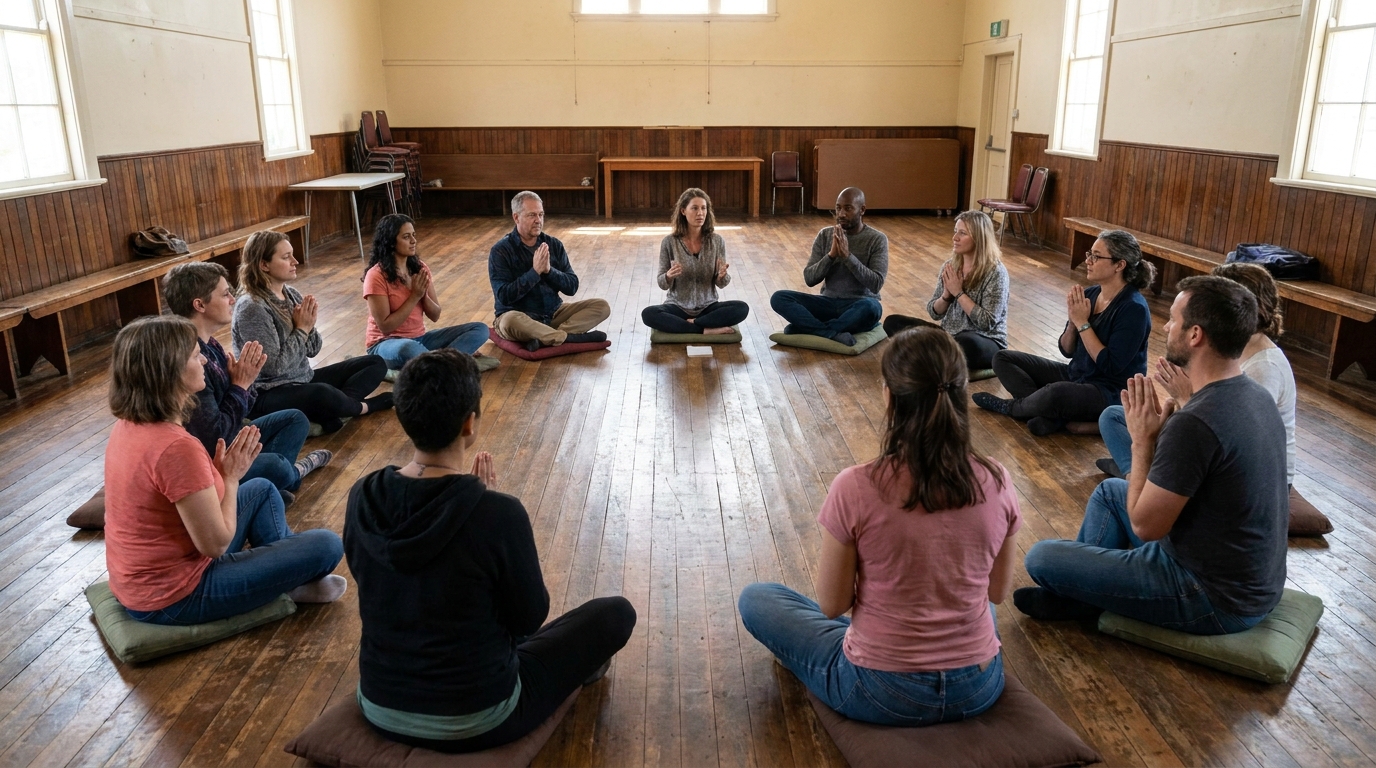
Bhakti scriptures speak again and again about the importance of spiritual association. The saints and teachers of the Bhakti tradition have always emphasized that devotion awakens through the mercy and company of devotees.
“Association Is the Root of Devotion”
The Śrīmad-Bhāgavatam, a sacred text filled with stories and teachings about devotion to Krishna, describes the transformative power of hearing from saintly people. It teaches that by serving and associating with devotees, the heart becomes purified, and devotion begins to awaken naturally.
One famous teaching from the Śrīmad-Bhāgavatam explains that when we hear spiritual topics from sincere devotees, the desire to know and love God grows in the heart. This hearing is not merely intellectual. It is heart-to-heart transmission.
When a devotee speaks about God with humility and love, their words carry spiritual nourishment. They help us see life differently. They remind us that the soul’s deepest hunger is not for more things, more praise, or more control. The soul longs for loving connection with the Divine.
The Example of Nārada Muni
One beautiful example from the Śrīmad-Bhāgavatam is the story of Nārada Muni, a great saint and traveling teacher of Bhakti.
In a previous life, Nārada was a simple child. During a sacred season, he had the chance to serve and hear from great devotees. He was not born famous or powerful. He did not have a high social position. But by humble service and sincere hearing, his heart became transformed.
This story gives hope to everyone. Spiritual life is not limited by birth, education, wealth, or status. A sincere heart, touched by sādhu-saṅga, can become radiant with devotion.
Caitanya Mahāprabhu and the Gift of Holy Company
Śrī Caitanya Mahāprabhu, the great teacher of divine love and the practice of congregational chanting, deeply emphasized sādhu-saṅga. He taught that chanting the holy names of God in the company of devotees is especially powerful in this age.
The Sanskrit phrase saṅkīrtana means collective chanting of God’s names. In Bhakti Yoga, we often chant the mahā-mantra:
Hare Krishna Hare Krishna
Krishna Krishna Hare Hare
Hare Rama Hare Rama
Rama Rama Hare Hare
This mantra is a prayer. “Hare” calls upon the divine energy of the Lord. “Krishna” means the all-attractive one. “Rama” means the source of joy and spiritual pleasure. When we chant together, the heart becomes cleansed, softened, and uplifted.
Caitanya Mahāprabhu welcomed everyone into this chanting—regardless of background. His movement of love was not based on outer labels, but on the soul’s natural relationship with God.
Check out our latest articles at https://thebhaktihouse.org/blog.
How Sādhu-saṅga Transforms the Heart

Spiritual association changes us in ways that are both subtle and powerful. Sometimes the transformation is immediate: we feel peace after kirtan, tears during prayer, or inspiration after hearing wisdom. Other times it unfolds slowly, like a seed growing underground.
It Softens the Heart
Life can make the heart hard. We may protect ourselves through cynicism, pride, anger, or emotional distance. Sādhu-saṅga softens the heart because it brings us into contact with humility and devotion.
When we hear someone honestly pray, “My Lord, please guide me,” something within us may open. When we see someone forgive, serve, or admit their struggles, we realize we can also become more tender.
A softened heart is not weak. It is spiritually alive.
It Purifies Our Desires
In Bhakti Yoga, purification does not mean becoming cold or empty. It means our desires become clarified and uplifted.
We may begin spiritual life wanting peace, relief, community, or answers. These are natural and valid. Over time, through sādhu-saṅga, our desires deepen. We begin to want to love God, serve others, live truthfully, and become instruments of compassion.
The Bhagavad-gītā teaches that what we contemplate shapes our consciousness. When we associate with spiritually minded people, we naturally contemplate higher things. Our heart begins to ask better questions:
“How can I serve?”
“How can I remember God today?”
“How can I respond with love?”
“What is truly nourishing for my soul?”
It Gives Strength During Difficulty
Everyone faces difficulty. Spiritual association does not remove all challenges, but it gives us strength to meet them with faith.
When grief comes, devotees can pray with us. When confusion comes, they can help us reflect with wisdom. When we feel spiritually dry, they can invite us back into chanting. When we make mistakes, they can encourage us to begin again.
A sincere spiritual community becomes a shelter—not a place to escape life, but a place to receive the strength to live more deeply.
It Helps Us Stay Accountable
Spiritual growth requires honesty. Alone, we may justify old habits or avoid uncomfortable truths. In loving association, we receive gentle accountability.
This does not mean judgment or control. True sādhu-saṅga respects the dignity of each person. It helps us remember our highest values and encourages us when we lose our way.
A good spiritual friend may ask, “How is your chanting?” “Are you taking care of your heart?” “Can I pray for you?” These simple questions can become lifelines.
Practical Forms of Sādhu-saṅga
Sādhu-saṅga can happen in many ways. It may be formal or informal, in a temple or a living room, in person or online, through scripture, song, conversation, or service. The essence is connection that brings us closer to God.
Kirtan: Chanting Together
Kirtan means devotional singing, especially the singing of God’s names. In Bhakti Yoga, kirtan is one of the most accessible and joyful forms of sādhu-saṅga.
You do not need a trained voice. You do not need to know Sanskrit perfectly. You do not need to understand everything at once. You can simply listen, sing, clap, breathe, and let the sacred sound enter the heart.
Chanting together reminds us that spiritual life is not only something we think about—it is something we experience. The holy names are considered non-different from God, meaning that God is personally present through sacred sound. When we chant with sincerity, we are keeping company with the Divine.
Hearing Wisdom Together
Another important form of sādhu-saṅga is śravaṇam, or hearing. This can include listening to teachings from the Bhagavad-gītā, Śrīmad-Bhāgavatam, the lives of saints, and the wisdom of genuine teachers.
Hearing spiritual wisdom in community helps us apply it. We may hear a verse many times, but in the company of devotees, it suddenly becomes practical.
For example, Krishna says in the Bhagavad-gītā that we should offer our work to Him. In community, we see what that means: cooking with love, serving guests, caring for children, cleaning a sacred space, using our talents for God, and doing ordinary things with devotional intention.
Prasāda: Sharing Sacred Food
Prasāda means “mercy” or “grace.” In Bhakti Yoga, prasāda usually refers to food that has been prepared with love and offered to God before being shared.
Eating prasāda together is a beautiful form of sādhu-saṅga. It is simple, warm, and deeply spiritual. Around a shared meal, people relax. Conversations become natural. Hearts open.
Prasāda teaches us that God’s grace can enter everyday life. Even eating can become sacred when done with gratitude and devotion.
Seva: Serving Side by Side
Seva means service. In Bhakti, service is not forced labor or obligation. It is an expression of love.
Serving with others can be one of the fastest ways to feel connected. Whether we help cook, clean, welcome guests, set up for kirtan, distribute food, care for the temple, support a retreat, or serve the wider community, we learn humility and cooperation.
Seva protects us from making spirituality only about our own feelings. It turns love into action.
The Qualities of True Spiritual Association
Not all association is spiritually nourishing. Sometimes religious spaces can become judgmental, political, or ego-driven. This is why Bhakti scriptures encourage discernment.
True sādhu-saṅga has certain qualities. It helps us become more loving, humble, truthful, and God-centered.
Humility
A genuine sādhu does not need to advertise themselves as great. Their greatness is often shown through simplicity, kindness, and service.
Humility does not mean thinking we are worthless. It means understanding that everything is a gift from God. A humble devotee gives credit to the Lord, honors others, and remains teachable.
Compassion
True spiritual association increases compassion. If our spirituality makes us harsh, proud, or indifferent to others’ suffering, something is missing.
A real devotee sees others as souls, beloved by God. They may hold strong spiritual values, but they do so with tenderness. They do not use truth as a weapon; they offer it as medicine.
Consistency
Spiritual life is built through steady practice. A sādhu may not be dramatic or flashy, but they are consistent. They chant, pray, serve, study, and keep turning toward God.
Their steadiness becomes a blessing for others. When we are struggling, their faith reminds us that we can continue too.
Joy in God’s Names
One of the sweetest signs of saintly association is attraction to the names of God. Devotees may come from many backgrounds and have different personalities, but they find joy in chanting, hearing, and remembering the Lord.
This joy is contagious in the best way. It invites us into a life where spiritual happiness is not dependent on external success.
Sādhu-saṅga in Daily Life
Many people wonder how to practice sādhu-saṅga when life is busy. Work, family, health, distance, and responsibilities can make regular spiritual association feel difficult.
The good news is that even small, sincere steps matter.
Begin with One Weekly Connection
If possible, join a weekly kirtan, Bhakti gathering, scripture discussion, or temple program. One steady point of spiritual association can reshape the whole week.
Even if you come tired, come as you are. Sit in the sacred sound. Hear a little wisdom. Take prasāda. Offer one prayer. Let the atmosphere carry you.
Keep Spiritual Sound in Your Home
You can bring sādhu-saṅga into your home through sacred sound. Play kirtan while cooking, driving, cleaning, or resting. Listen to talks from trusted Bhakti teachers. Read a few verses from the Bhagavad-gītā or Śrīmad-Bhāgavatam.
The home becomes transformed by what we allow into it. Sacred sound creates a gentle spiritual current in daily life.
Build Devotional Friendships
Look for one or two people with whom you can speak honestly about spiritual life. You do not need many. Even one sincere devotional friendship is precious.
You might chant together, read together, check in weekly, or simply encourage one another. Ask each other real questions. Share struggles without fear. Celebrate small steps.
Bhakti grows beautifully in the soil of honest friendship.
Serve Wherever You Are
You do not have to wait for the perfect environment to practice seva. Service can begin now.
Offer kindness to your family. Help someone who is lonely. Cook with prayer. Volunteer. Support a spiritual community. Speak gently. Forgive where you can. Use your gifts in God’s service.
When service is offered with devotion, ordinary life becomes sacred.
Common Misunderstandings About Sādhu-saṅga
Because spiritual association is so important, it is helpful to understand what it is not.
It Is Not About Escaping the World
Sādhu-saṅga does not mean we reject everyone who is not on our exact path. Bhakti teaches us to honor all living beings. Spiritual association strengthens us so we can move through the world with more love and clarity.
We may have family, coworkers, and friends from many backgrounds. We can respect and love them deeply. At the same time, we intentionally nourish our spiritual life through association that supports devotion.
It Is Not About Becoming Superior
If spiritual association makes us feel better than others, we have misunderstood it. The purpose of sādhu-saṅga is humility and love, not pride.
A true devotee does not think, “I am advanced.” They think, “How can I serve? How can I remember God? How can I honor others?”
It Is Not Blind Following
Bhakti Yoga honors sincere faith, but it also encourages thoughtful understanding. Healthy sādhu-saṅga does not demand blind obedience or suppress honest questions.
Questions are welcome. Growth is welcome. A genuine spiritual environment helps people develop mature faith rooted in scripture, practice, reason, and personal realization.
The Inner Fruit of Sādhu-saṅga
The ultimate fruit of sādhu-saṅga is love for God. In Sanskrit, this love is called prema—pure divine love.
Prema is not sentimental emotion. It is the soul’s natural love awakened fully. It is steady, selfless, joyful, and deeply personal. Bhakti scriptures teach that every soul has an eternal relationship with God, and spiritual practice helps uncover that relationship.
Sādhu-saṅga waters the seed of devotion.
The Heart Learns to Pray
In the beginning, prayer may feel formal or uncertain. But in the company of devotees, prayer becomes natural. We hear others speak to God with sincerity, and we learn that we can do the same.
Prayer can be simple:
“Dear Lord, please guide me.”
“Krishna, please help me remember You.”
“Please let me serve with love.”
“Please protect my heart from pride and fear.”
“Please bless all beings.”
There is no need to perform. God hears the honest heart.
The Name Becomes Sweet
At first, chanting may feel unfamiliar. The mind wanders. The tongue stumbles. But through regular practice and association, the holy names become sweet.
We may begin to look forward to kirtan. We may find ourselves chanting quietly during the day. We may turn to the mantra in moments of stress or gratitude.
This is a great gift. The name of God becomes a companion.
Service Becomes Joyful
Without devotion, service can feel like duty. With Bhakti, service becomes an offering.
Through sādhu-saṅga, we learn to serve without needing applause. We learn the beauty of doing small things with great love. We discover that joy comes not only from receiving, but from offering ourselves to God and others.
Taking One Sincere Step
The power of sādhu-saṅga is not reserved for monks, scholars, or lifelong practitioners. It is for everyone. It is for the tired parent, the questioning student, the busy professional, the seeker with doubts, the person healing from pain, the person who feels far from God, and the person who simply wants to love more deeply.
Bhakti Yoga begins with one sincere step.
Come hear sacred sound. Sit with devotees. Ask questions. Chant one mantra. Offer one prayer. Share one meal of prasāda. Serve in one small way. Open your heart just a little.
Krishna says in the Bhagavad-gītā that even a small effort on the spiritual path protects one from great fear. No sincere step is lost. No honest prayer is ignored.
You are welcome as you are. Your background, your questions, your past, and your present do not disqualify you. The path of Bhakti is a path of grace, and sādhu-saṅga is one of its greatest gifts.
May we seek the company of those who help us remember God. May we become that kind of company for others. And may each of us take one sincere step today toward love, chanting, prayer, service, and the shelter of the Divine.
Everyone is welcome to take one sincere step toward God.
FAQs
What is Sādhu-saṅga?
Sādhu-saṅga refers to the association with spiritually-minded individuals or sādhus, who are dedicated to the practice of spiritual disciplines and the pursuit of enlightenment.
Why does spiritual association matter?
Spiritual association matters because it can have a profound impact on one’s spiritual growth and development. Being in the company of spiritually-minded individuals can provide inspiration, guidance, and support on the spiritual path.
How does Sādhu-saṅga benefit individuals?
Sādhu-saṅga benefits individuals by creating a positive and uplifting environment for spiritual practice. It can help individuals stay focused on their spiritual goals, deepen their understanding of spiritual teachings, and cultivate qualities such as compassion and humility.
What are the qualities of a spiritually-minded individual?
Spiritually-minded individuals are characterized by their dedication to spiritual practice, their commitment to moral and ethical principles, their humility, and their compassion for others. They often prioritize spiritual growth and self-realization over material pursuits.
How can one find Sādhu-saṅga?
One can find Sādhu-saṅga by seeking out spiritual communities, attending satsangs or spiritual gatherings, participating in retreats or workshops, and connecting with individuals who are known for their spiritual wisdom and guidance.

