
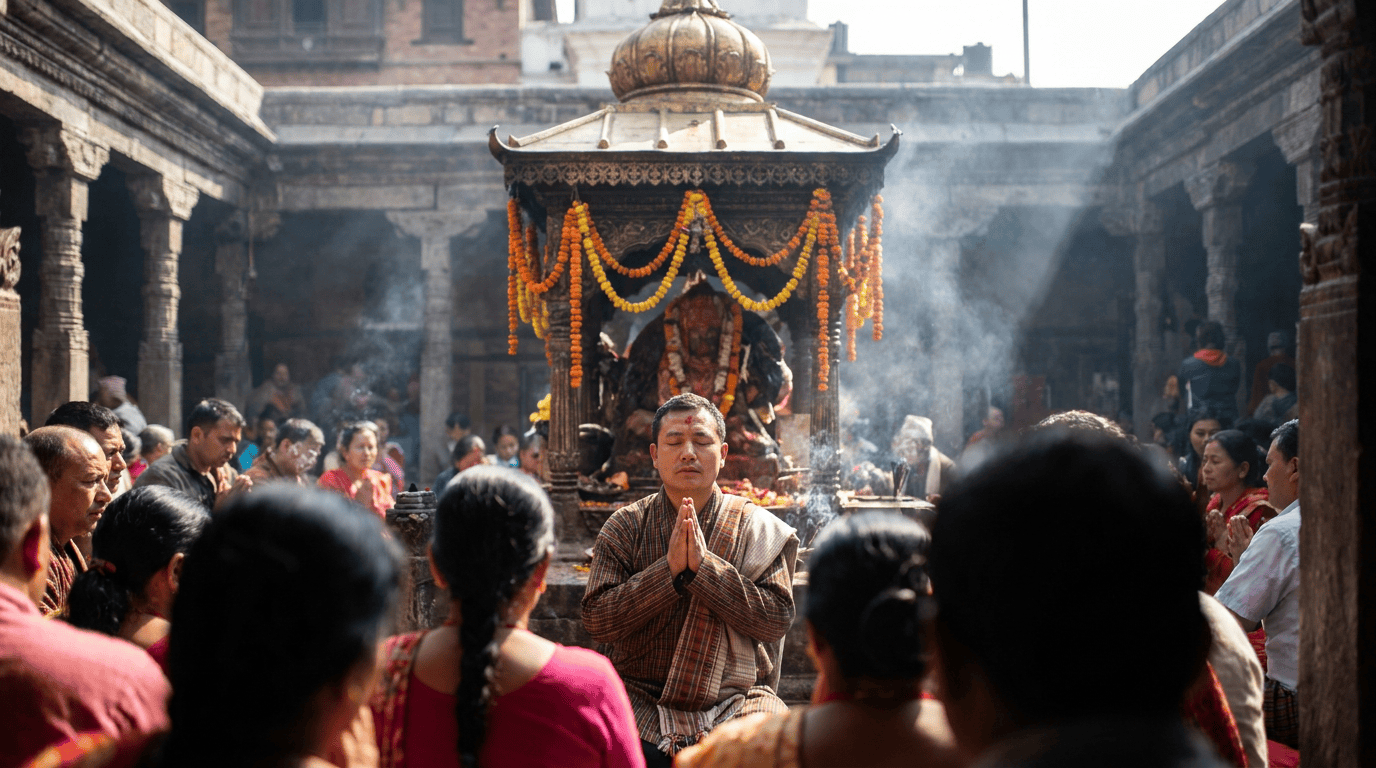
Faith is one of the quiet powers that shapes a human life.
It can carry us through grief, soften our pride, awaken compassion, and give us courage when the path ahead is unclear. Yet many people today feel confused about faith. Some have been hurt by religious institutions. Some grew up with rules but not love. Some believe in God but do not know where they belong. Others feel drawn to spirituality but worry they are “not religious enough.”
In the Bhakti tradition, we are gently invited to look deeper.
Bhakti is not about labels, status, or external identity. Bhakti means loving devotion. It is the path of offering the heart to God through chanting, prayer, service, remembrance, and sincere living. Religion can provide structure, community, scripture, and sacred practices. But without love, religion can become dry. Bhakti is the living essence—the heart’s relationship with the Divine.
This does not mean Bhakti is against religion. Rather, Bhakti fulfills the deepest purpose of religion: to awaken love for God and compassion for all beings.
Faith is often misunderstood as simply believing certain ideas. In Bhakti Yoga, faith is much more intimate. Faith is trust. It is the willingness to turn toward God, even before we fully understand everything.
The Sanskrit word for faith is śraddhā. Śraddhā means heartfelt trust, sacred confidence, or the first tender movement of the soul toward the Divine. It is not blind belief. It is a seed.
Like any seed, faith grows when it is watered.
Faith Begins with Sincerity
In the Bhagavad-gītā, Sri Krishna says:
“Even if one offers Me with love a leaf, a flower, a fruit, or water, I accept it.”
— Bhagavad-gītā 9.26
This verse is beautiful because Krishna does not ask for wealth, perfection, or religious status. He asks for love.
A leaf, a flower, a little water—these are simple offerings. The power is not in the object. The power is in the heart behind it.
This is where Bhakti begins. Not with grand achievement, but with sincerity.
Faith Is Not Forced
Real faith cannot be forced upon the heart. It is awakened through experience, kindness, spiritual practice, and grace.
Many people come to Bhakti slowly. They hear chanting and feel peace. They read a sacred verse and feel seen. They join a meal offering or community gathering and feel warmth. They whisper a prayer in a difficult moment and sense they are not alone.
This is faith growing naturally.
Bhakti welcomes this gentle process. You do not have to pretend. You do not have to rush. You can begin exactly where you are.
Bhakti and Religion: What Is the Difference?
When people ask, “Is Bhakti a religion?” the answer depends on what we mean by religion.
If religion means a set of practices, scriptures, sacred songs, worship, and community, then Bhakti has religious expressions. It includes temples, rituals, festivals, teachers, and traditions.
But if religion means rigid identity, superiority, fear, or mere external behavior, then Bhakti points us beyond that.
Bhakti is the soul’s loving relationship with God.
Religion as Structure
Religion can be very helpful. It gives us a sacred map. It preserves wisdom. It connects us with saints, scriptures, and communities across generations.
Just as a riverbank helps guide the river, healthy religious structure can guide our spiritual life. Morning prayer, sacred chanting, holy days, study, and service all create rhythm. They help us remember what matters.
The problem is not structure itself. The problem comes when structure loses its purpose.
If religion becomes only about appearance, social identity, or judgment, the heart may become dry. We may know the rules but forget love. We may defend God with our words while neglecting God in the hearts of others.
Bhakti as Essence
Bhakti is the essence that gives life to spiritual practice.
The Sanskrit word bhakti comes from a root meaning to share, to serve, or to love. In simple terms, Bhakti Yoga is the path of loving connection with God.
The word yoga means union or connection. So Bhakti Yoga means connecting with God through love.
This love is not sentimental only. It becomes practical. It becomes how we speak, eat, work, forgive, serve, and remember. Bhakti teaches us to live in relationship with the Divine throughout the day.
Religion may say, “Go to the temple.”
Bhakti says, “Go with love.”
Religion may say, “Chant the holy names.”
Bhakti says, “Chant as a prayer from the heart.”
Religion may say, “Serve others.”
Bhakti says, “See every being as beloved by God.”
The Danger of Pride in Religion
One of the great challenges in spiritual life is pride. Even spiritual practices can become fuel for ego if we are not careful.
We may begin to think, “I am more advanced,” “My path is better,” or “God loves people like me more than others.”
Bhakti gently breaks this pride.
The saints of Bhakti often pray not to be seen as great, but to become humble servants. Humility does not mean low self-worth. It means seeing truthfully: everything we have is a gift, and every soul is worthy of respect.
In the Śrīmad Bhāgavatam, a beloved Bhakti scripture, the highest spiritual path is described as that which awakens loving devotion to God without selfish motive and without interruption. Such devotion fully satisfies the self.
— Śrīmad Bhāgavatam 1.2.6
This verse reminds us: real spirituality is measured by love, not by pride.
The Power of Faith in Daily Life
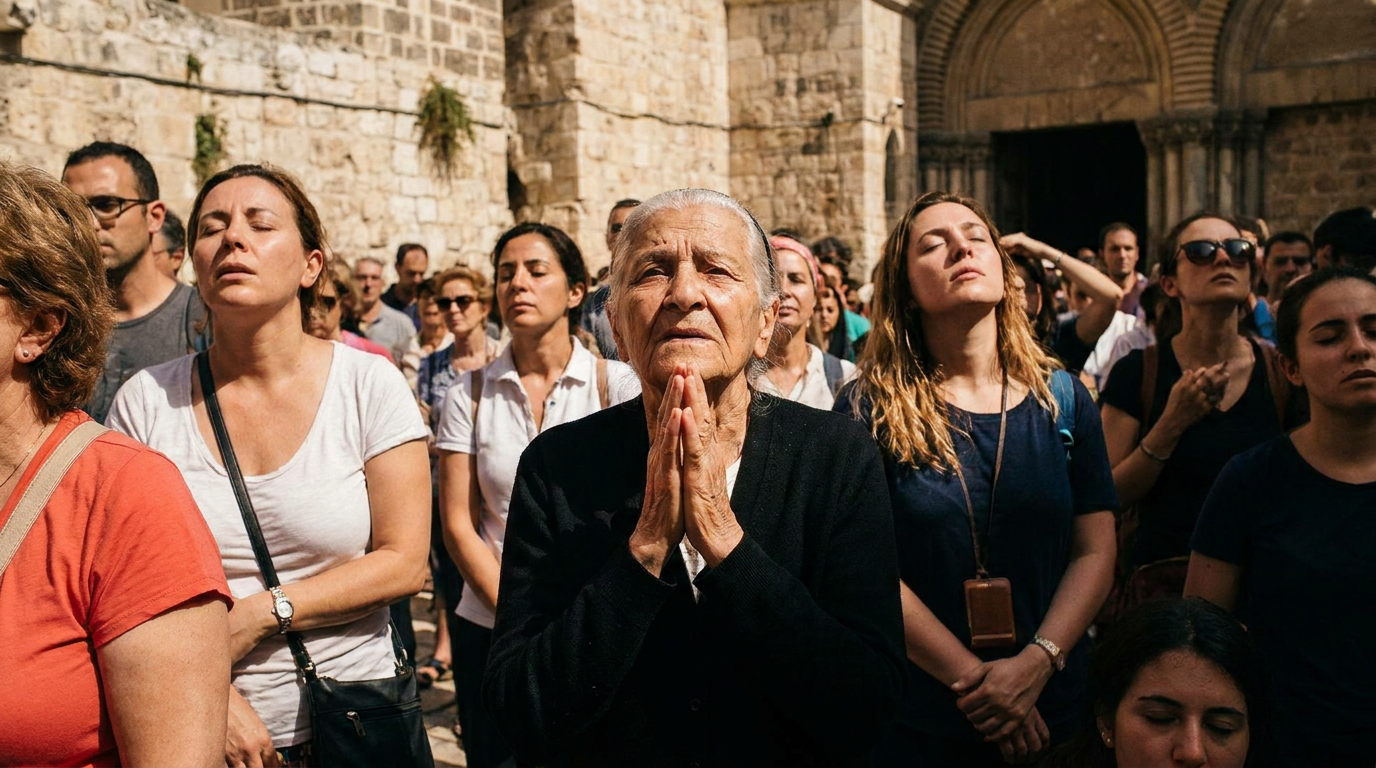
Faith is powerful because it changes how we live.
It does not remove every challenge. It does not mean we never feel sadness, fear, or doubt. But faith gives us a place to stand. It gives the heart a direction.
In Bhakti, faith becomes practical through daily devotional choices.
Chanting: Calling Out with the Heart
One of the central practices of Bhakti Yoga is kīrtan, devotional chanting. Kīrtan usually means singing the names of God together, often with musical instruments and a call-and-response style.
Another practice is japa, quiet personal chanting or meditation, often using beads.
The sacred names of God are considered non-different from God’s presence. This means that when we chant with sincerity, we are not just repeating sounds. We are entering relationship.
The Hare Krishna mantra is one well-known Bhakti mantra:
Hare Krishna Hare Krishna
Krishna Krishna Hare Hare
Hare Rama Hare Rama
Rama Rama Hare Hare
“Krishna” means the all-attractive Lord. “Rama” means the source of joy. “Hare” calls upon the Divine energy, the compassionate energy of God. In simple prayerful meaning, the mantra asks: “O Lord, O Divine Energy, please engage me in loving service.”
Chanting can be joyful, tearful, peaceful, or simple. There is no need to perform. The heart is enough.
Prayer: Honest Conversation with God
Prayer in Bhakti is not only formal. It can be simple and honest.
“God, please guide me.”
“Please help me forgive.”
“Please let me serve today.”
“I do not understand, but I am trying.”
“Thank You for this breath.”
Prayer brings faith into the present moment. It reminds us that we are not alone.
In Bhakti, we can speak to God as a child, friend, servant, or beloved. The relationship may develop over time. What matters is sincerity.
Service: Love in Action
The Sanskrit word seva means service. In Bhakti, service is love made visible.
Service may be cooking a meal and offering it to God. It may be cleaning a sacred space. It may be helping someone in need, listening with compassion, supporting community, sharing spiritual wisdom, or caring for the earth.
Seva transforms ordinary actions into devotion.
When we serve with the mood, “This is for You, God,” our daily life becomes sacred.
Remembering God Throughout the Day
Bhakti is not limited to a temple or a Sunday gathering. It is a way of remembering.
We can remember God while walking, working, parenting, studying, cooking, or resting. We can pause before eating and offer gratitude. We can silently chant while driving. We can treat the person in front of us as a soul, not an obstacle.
This is the beauty of Bhakti Yoga: it enters real life.
Please visit our website for more information on our articles: articles.
When Religion Hurts, Bhakti Heals
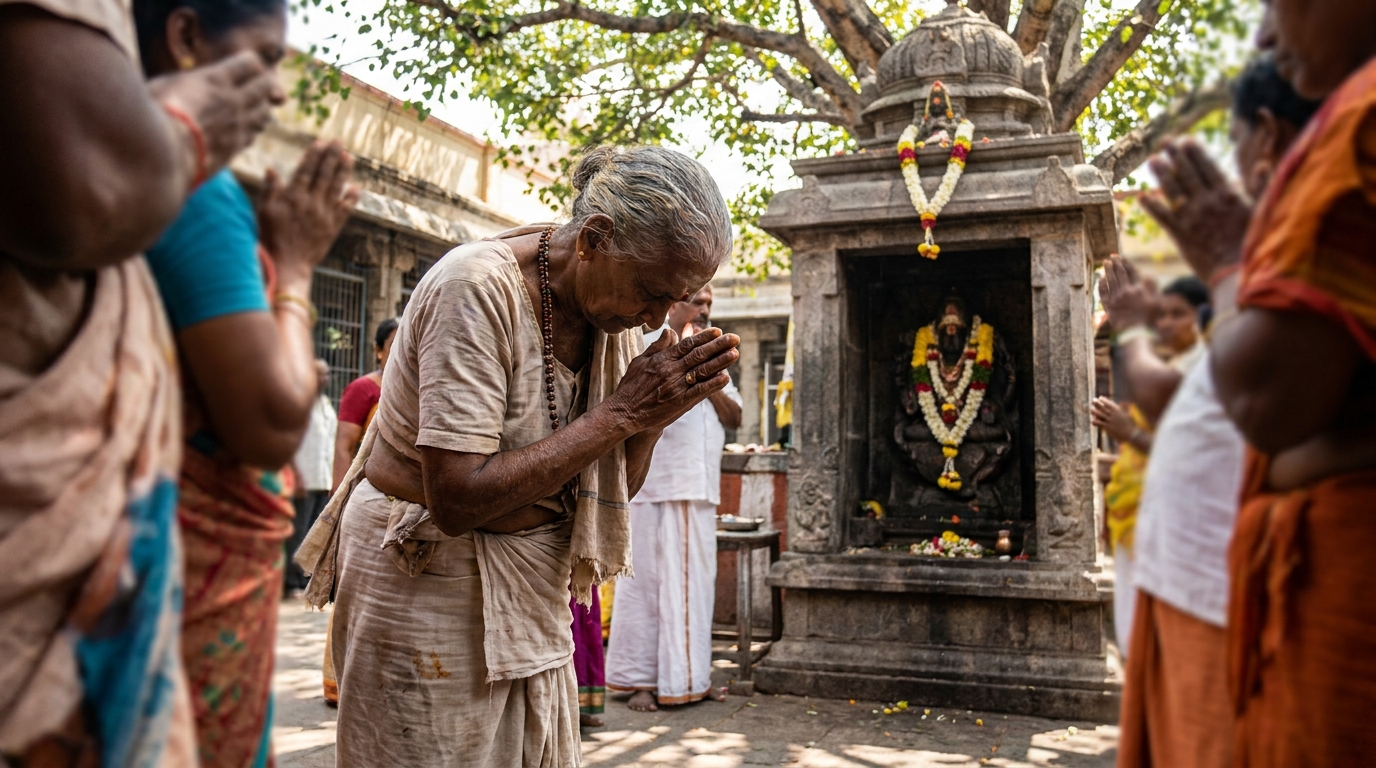
Many sincere people carry pain connected to religion. Some were judged, excluded, shamed, or pressured. Some were taught to fear God more than love God. Some saw hypocrisy and walked away.
If this is part of your story, Bhakti does not ask you to ignore that pain.
Healing may take time. Trust may need to be rebuilt slowly. The heart may need gentleness.
God Is Not Limited by Human Failure
It is important to remember: God is not the same as the mistakes of religious people.
Human beings may misrepresent spiritual truth. Institutions may fail. Leaders may fall short. Communities may become unhealthy. These realities are painful, and they should not be minimized.
But the Divine remains pure, compassionate, and present.
Bhakti invites us to rediscover God beyond fear and disappointment—not by denying the past, but by returning to the heart of love.
A Spiritual Home Without Pressure
A healthy Bhakti community should feel like a place of welcome, not pressure. It should encourage sincere questions. It should honor each person’s journey. It should make room for beginners, skeptics, seekers, and longtime practitioners.
At The Bhakti House, the spirit of Bhakti is simple: come as you are, chant if you like, listen, share, serve, ask, learn, and grow.
No one has to be perfect to begin.
Doubt Can Become a Doorway
Doubt is not always the enemy of faith. Sometimes doubt is the doorway to deeper understanding.
Questions like “Who is God?” “Why do I suffer?” “What is the purpose of life?” and “How do I love sincerely?” are sacred questions.
Bhakti does not demand that we shut down our intelligence. It invites us to use the mind in service of the heart.
In the Bhagavad-gītā, Arjuna asks Krishna many questions. He is confused, overwhelmed, and honest. Krishna does not reject him. Instead, He teaches him with compassion.
This is a powerful model for us. We can bring our questions to the path.
Bhakti Is Universal
Bhakti is rooted in ancient Indian wisdom, especially the Vedic and Vaishnava traditions, but its essence is universal. Love of God is not owned by one culture, language, or group.
The soul’s longing for Divine connection appears in many traditions. People pray, sing, serve, fast, gather, weep, and rejoice in countless sacred ways.
Bhakti honors the universal heart of devotion while preserving its own beautiful practices and teachings.
Sanskrit Terms with Simple Meanings
Sanskrit is a sacred language used in many Bhakti scriptures and practices. For newcomers, the words may feel unfamiliar at first, but their meanings are often very practical.
Bhakti means loving devotion.
Yoga means connection or union.
Mantra means sacred sound that helps focus and purify the mind.
Kīrtan means devotional chanting, often together.
Japa means quiet personal chanting.
Seva means service offered with love.
Prasāda means mercy, especially food that has been lovingly offered to God.
Śraddhā means faith or sacred trust.
These words are not meant to create distance. They are invitations into a deeper language of love.
Beyond “Us and Them”
One sign of growing Bhakti is that our circle of compassion expands.
We begin to see beyond “my group” and “your group.” We begin to understand that every living being is part of God’s family.
In the Bhagavad-gītā, Krishna says that the wise see with equal vision a learned person, a cow, an elephant, a dog, and a person considered outcast.
— Bhagavad-gītā 5.18
This does not mean we ignore differences. It means we see the sacred soul within everyone.
Bhakti faith is not meant to make us narrow. It is meant to make us tender, humble, and brave in love.
Devotion Has Many Expressions
Some people express faith through music. Others through study. Others through cooking, gardening, caregiving, organizing, teaching, silent prayer, or acts of kindness.
Bhakti makes space for different temperaments.
A person may be quiet and deeply devoted. Another may sing loudly with tears. Another may serve in the background and never seek attention. All can be beautiful offerings.
The question is not, “Does my devotion look impressive?”
The question is, “Am I offering my heart sincerely?”
The Heart of Bhakti Scriptures
Bhakti scriptures are not meant to be read only as ancient texts. They are meant to guide the heart now.
They help us understand who we are, who God is, and how love can become the center of life.
The Bhagavad-gītā: Faith in the Midst of Life
The Bhagavad-gītā takes place on a battlefield, where Arjuna faces a crisis of duty, grief, and confusion. This setting is deeply meaningful. Spiritual wisdom is not given in a quiet cave only. It is given in the middle of life’s hardest decisions.
Krishna teaches Arjuna about the soul, action, devotion, meditation, and surrender.
One of the most beloved teachings comes near the end:
“Abandon all varieties of dharma and simply surrender unto Me. I shall deliver you from all sinful reactions. Do not fear.”
— Bhagavad-gītā 18.66
The word dharma can mean duty, sacred order, or spiritual responsibility. Krishna is not encouraging irresponsibility. He is inviting Arjuna beyond fear-based religion into loving surrender.
“Do not fear” is essential. Bhakti is not ultimately powered by fear. It is powered by trust.
The Śrīmad Bhāgavatam: Love as the Goal
The Śrīmad Bhāgavatam is one of the great devotional scriptures of the Bhakti tradition. It tells stories of saints, sages, kings, children, and devotees whose lives reveal the beauty of devotion.
Again and again, the Bhāgavatam teaches that the goal of life is not wealth, fame, power, or even liberation alone. The goal is loving service to the Supreme Person.
This is a tender and personal vision of God. God is not only a distant force. God is the beloved Lord who receives our prayers, remembers our offerings, and responds to love.
The Saints Teach by Example
The Bhakti tradition is filled with saints who lived devotion in remarkable ways.
Mirabai sang to Krishna with fearless love. Chaitanya Mahaprabhu spread the chanting of God’s names with compassion and ecstatic devotion. Prahlada remained faithful even under persecution. Hanuman served Lord Rama with strength, humility, and total dedication.
Their lives show us that Bhakti is not theoretical. It can be lived in hardship, joy, uncertainty, and service.
We may not feel like saints. That is okay. Saints do not exist to discourage us. They exist to show what is possible when the heart turns toward God.
Bhakti as Practical Spiritual Growth
Faith becomes powerful when it changes our character.
If our chanting does not make us kinder, we should chant more sincerely. If our study does not make us humbler, we should study with prayer. If our service becomes prideful, we should ask God to purify our intention.
Bhakti is a path of transformation.
From Control to Surrender
Much of our suffering comes from trying to control everything. We want life to obey our plans. We want people to act according to our expectations. We want certainty.
Bhakti teaches śaraṇāgati, surrender. Surrender does not mean giving up effort. It means offering our effort to God and trusting the result.
We still work. We still care. We still make wise choices. But we release the illusion that we are the ultimate controller.
This brings peace.
A simple prayer of surrender might be: “God, I will do my best today. Please guide me, and please help me accept what I cannot control.”
From Self-Centeredness to Service
The ego asks, “What can I get?”
Bhakti asks, “How can I serve?”
This shift is life-changing.
Service does not erase our needs. Healthy Bhakti includes caring for the body, mind, and heart. But service frees us from the prison of constant self-absorption.
When we serve God and others, the heart expands.
Even a small act—a kind word, a meal offered, a floor swept, a prayer for someone suffering—can become spiritually powerful when offered with devotion.
From Anxiety to Remembrance
The mind easily becomes crowded with worry. Bhakti gives the mind a sacred resting place: the names of God.
Chanting is not an escape from responsibility. It is a way to return to spiritual clarity.
When anxiety rises, we can pause and softly chant. We can breathe and remember: “I am a soul. I belong to God. I am being guided. Let me take the next right step.”
Over time, remembrance becomes a shelter.
Bhakti vs Religion: Not a Battle, but a Clarification
The phrase “Bhakti vs religion” can sound like a conflict. But the deeper meaning is not that Bhakti must fight religion. Rather, Bhakti clarifies what religion is meant to become.
Religion without Bhakti can become form without life.
Bhakti without grounding can become emotion without guidance.
Together, sacred structure and heartfelt devotion can support a beautiful spiritual life.
The Outer and Inner Path
External practices matter. Bowing, chanting, attending gatherings, reading scripture, wearing sacred symbols, honoring holy days—these can all nourish devotion.
But the inner mood matters most.
A person may stand in a temple and be thinking only of prestige. Another may sit at home with tears in their eyes, whispering God’s name with love. God sees the heart.
Bhakti asks us to bring the outer and inner together.
Let our hands serve.
Let our voice chant.
Let our mind remember.
Let our heart soften.
Faith That Produces Compassion
A simple test of spiritual life is this: Is my faith making me more compassionate?
Do I listen better?
Do I judge less harshly?
Do I forgive more readily?
Do I serve more willingly?
Do I remember God more often?
Do I see others as souls?
If so, faith is bearing fruit.
In Bhakti, love for God and kindness toward living beings are inseparable. We cannot truly love the Creator while despising creation.
Belonging Without Superiority
Bhakti offers real belonging. Community is important. We need people to chant with, learn with, eat with, cry with, and serve with.
But belonging should not become superiority.
We can love our path deeply without putting others down. We can honor our teachers and scriptures while remaining humble. We can be rooted and open-hearted at the same time.
This is mature faith.
Simple Ways to Begin Bhakti Today
You do not need to change your whole life overnight. Bhakti grows through small, sincere steps.
God is not waiting for a perfect performance. God is inviting your heart.
Chant for a Few Minutes
Set aside five minutes. Chant the Hare Krishna mantra softly, or repeat any name of God that is meaningful to you.
Try not to worry about doing it perfectly. Let the sound carry your prayer.
If the mind wanders, gently return. That return is part of the practice.
Offer Your Food with Gratitude
Before eating, pause for a moment. You can say:
“Dear God, thank You for this food. Please accept it with love. May it nourish me for service.”
In Bhakti, food offered to God becomes prasāda, mercy. Eating becomes an act of gratitude rather than consumption alone.
Read One Verse of Scripture
Read one verse from the Bhagavad-gītā or another sacred text each day. Do not rush.
Ask: “What is God teaching me here? How can I live this today?”
Spiritual study is not for collecting information only. It is for transformation.
Serve Someone Quietly
Choose one act of service with no need for recognition.
Send encouragement. Help clean. Cook for someone. Donate. Listen. Pray for someone. Offer your skill.
Service cleans the heart.
Pray Honestly
Speak to God in your own words.
If you feel devotion, offer it.
If you feel doubt, offer that too.
If you feel tired, say so.
If you feel grateful, say thank you.
Honest prayer is powerful.
The Power of Faith Is Love
In the end, Bhakti teaches us that faith is not merely a belief system. Faith is a relationship of love.
Religion can point us toward that relationship. Scriptures can illuminate it. Teachers can guide it. Community can support it. Practices can strengthen it.
But the heart must awaken.
Bhakti is the invitation to live with God at the center—not with fear, pride, or pressure, but with love.
This love may begin very small. A whispered mantra. A tear. A question. A moment of gratitude. A desire to serve. A longing to come home.
That is enough to begin.
Wherever you are from, whatever your background, whatever your history with religion, you are welcome on the path of Bhakti. You do not have to have everything figured out. You do not have to be perfect. You only need one sincere step.
May that step be blessed. May your faith grow gently. May your heart find shelter in God’s love.
Everyone is welcome to take one sincere step toward God today.
FAQs
What is the difference between faith in Bhakti and religion?
Faith in Bhakti is centered around devotion and love for a personal deity, while religion typically involves adherence to a set of beliefs, rituals, and practices within a specific organized system.
How does faith in Bhakti differ from religious practices?
Faith in Bhakti emphasizes a personal and emotional connection with the divine, while religious practices often involve following prescribed rituals, rules, and doctrines within a structured framework.
What are the key principles of faith in Bhakti?
The key principles of faith in Bhakti include love and devotion towards a personal deity, surrender to the divine, and the practice of selfless service (seva) as a means of expressing devotion.
How does faith in Bhakti impact an individual’s spiritual journey?
Faith in Bhakti can lead to a deep sense of personal connection with the divine, fostering feelings of love, compassion, and humility, and ultimately guiding individuals towards spiritual growth and self-realization.
Can faith in Bhakti coexist with religious beliefs and practices?
Yes, faith in Bhakti can coexist with religious beliefs and practices, as it is a form of devotion that can complement and enhance one’s religious experiences and spiritual journey.

