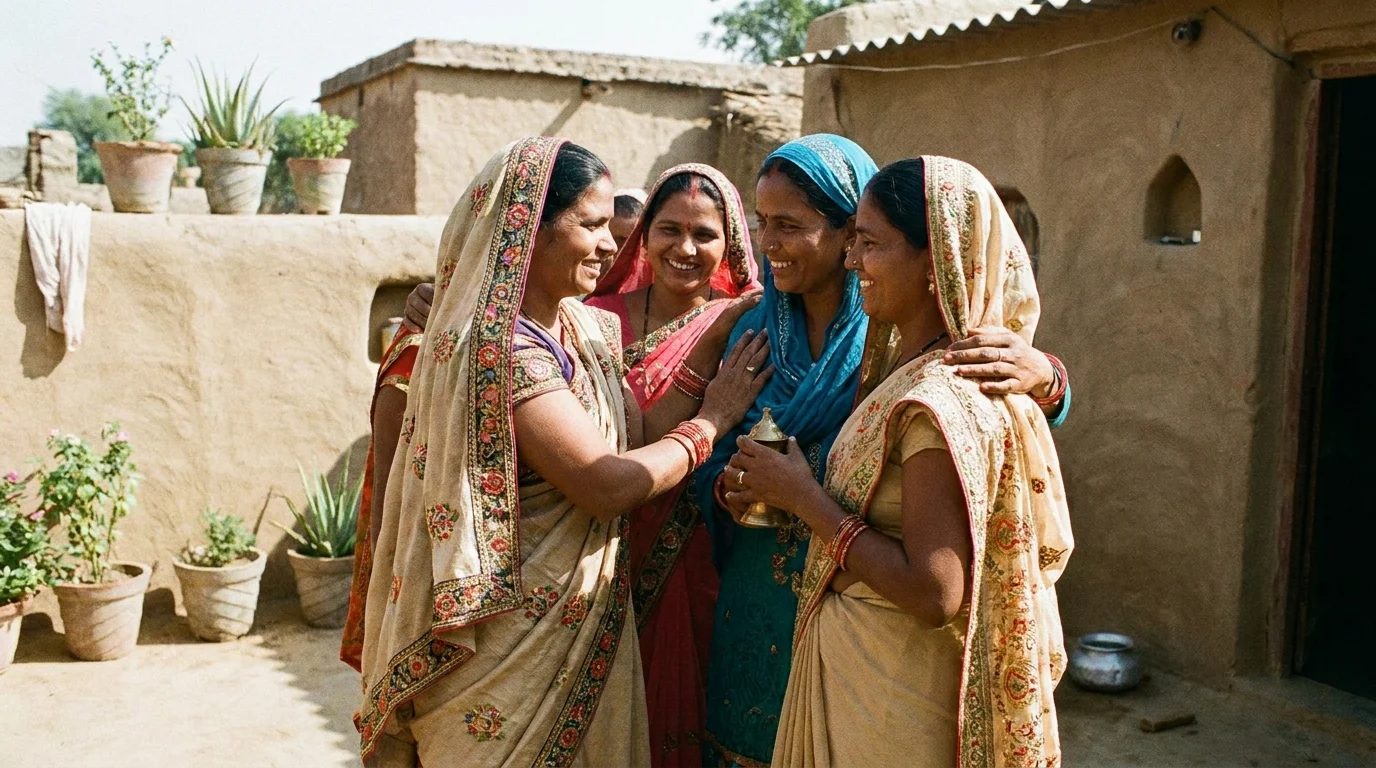
In the heart of the Bhakti tradition, the gopīs of Vṛndāvana shine as the highest examples of unconditional love for God. The word gopī simply means “cowherd girl” or “milkmaid.” In the sacred stories of Śrīmad-Bhāgavatam, the gopīs are the village women of Vṛndāvana whose hearts belong completely to Śrī Kṛṣṇa, the all-attractive Lord.
Their love is not ordinary romance. It is not based on what they can receive, how they are treated, or whether life becomes easy. Their love is pure devotion—prema-bhakti, divine love that asks for nothing except the joy of loving and serving Kṛṣṇa.
For readers from any background, the gopīs may be understood as a sacred window into the soul’s deepest longing: to love God fully, freely, and without bargaining. Their example invites us to ask, “What would my life look like if love—not fear, ego, or gain—became the center of my spiritual path?”
The gopīs appear most beautifully in the Tenth Canto of the Śrīmad-Bhāgavatam, one of the most beloved scriptures in the Bhakti tradition. There, Kṛṣṇa grows up in the village of Vṛndāvana, surrounded by cows, forests, rivers, friends, elders, and devotees whose love is intimate and natural.
Who Are the Gopīs?
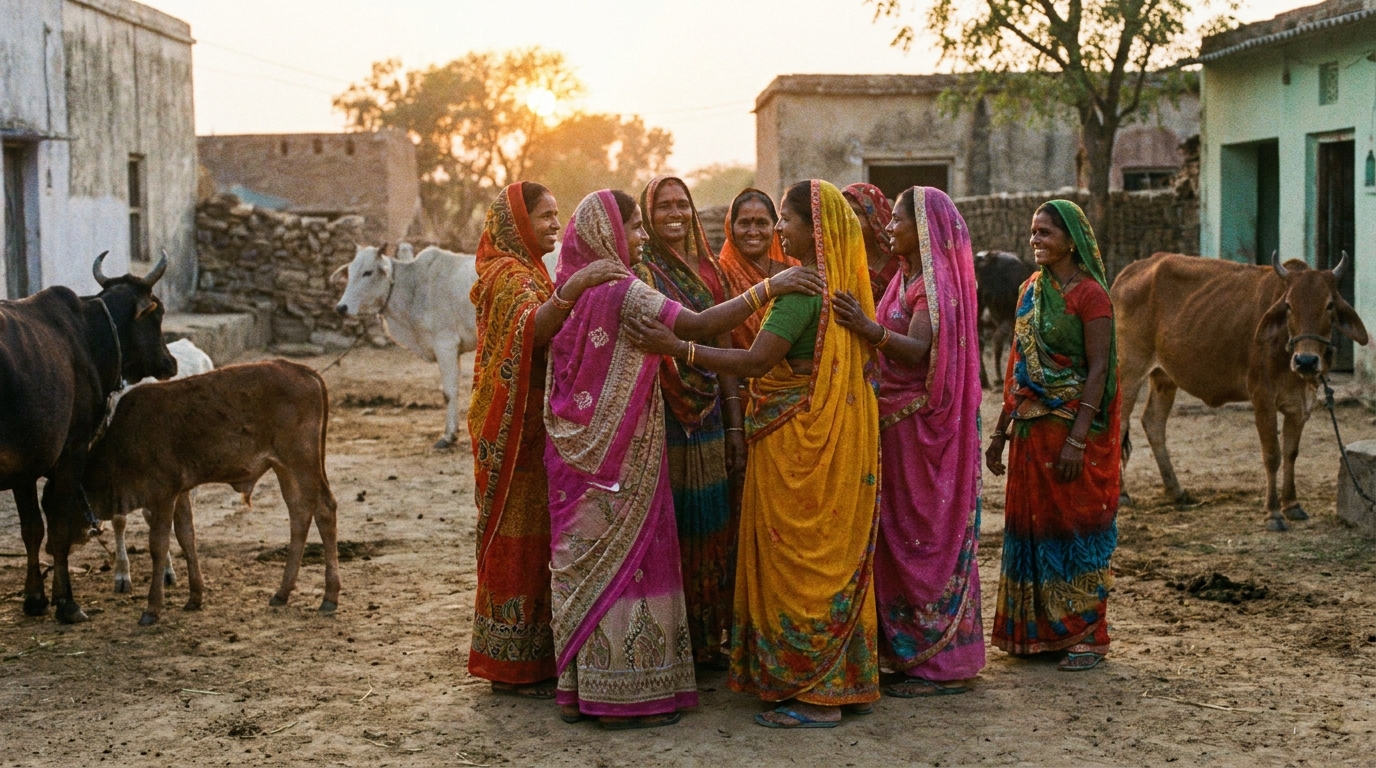
The gopīs are not portrayed as scholars, priests, rulers, or renunciants. They are simple village women. They milk cows, churn butter, care for families, and live ordinary rural lives.
Yet the Bhāgavatam reveals that their inner life is extraordinary. Their minds are absorbed in Kṛṣṇa while they do daily tasks. They remember His smile, His flute, His footsteps, His kindness, and His playful nature. Their devotion is not separate from life—it flows through life.
This is one of the most beautiful lessons of Bhakti Yoga: spiritual realization is not limited to a monastery, temple, or mountain cave. Love for God can awaken in kitchens, fields, offices, homes, cars, and quiet corners of the heart.
Why Are the Gopīs So Revered?
In Bhakti Yoga, the gopīs are honored because their love has no selfish motive. They do not love Kṛṣṇa for wealth, protection, liberation, status, or heavenly reward. They love Him simply because He is Kṛṣṇa.
This kind of love is called ahaitukī bhakti. The word ahaitukī means “without cause” or “without material motive.” It is devotion that does not say, “I will love God if…” It says, “I love You because You are worthy of love, and because my soul belongs to You.”
In the Śrīmad-Bhāgavatam, pure devotion is described as causeless and uninterrupted. The gopīs embody this fully. Their love continues in union and separation, in joy and pain, in presence and longing.
The Gopīs and the Soul’s Relationship with God
Bhakti scriptures teach that the soul is eternal and naturally connected to God. This relationship is not artificial. It does not have to be forced. It has to be uncovered.
The gopīs show the soul in its awakened state: fully alive, fully loving, fully surrendered. Their hearts are not dry or distant. They are tender, vulnerable, courageous, and completely offered.
For us, their example does not mean we must imitate their external lives. Rather, we are invited to follow their inner mood: sincerity, remembrance, humility, and wholehearted devotion.
The Meaning of Unconditional Love
Many of us long for unconditional love. We want to be loved not only when we perform well, look strong, or meet expectations, but even when we are tired, confused, or imperfect.
In Bhakti Yoga, unconditional love begins with God. Kṛṣṇa’s love for the soul is constant, and the soul’s highest fulfillment is to awaken love for Him in return.
Love Without Bargaining
Ordinary love often comes with subtle conditions. We may love someone because they make us feel valued, safe, attractive, or successful. And while human affection is meaningful and sacred in its own way, it can be mixed with expectations.
The gopīs’ love is different. They do not approach Kṛṣṇa with a contract. They do not say, “Give us comfort, then we will love You.” They do not even ask Him to remove all suffering. Their only prayer is to remain connected to Him.
This challenges our modern spiritual mindset. Many people approach spirituality looking for peace, healing, clarity, prosperity, or purpose. These are good and natural desires. But the gopīs gently point us beyond even these gifts, toward love itself.
Love That Survives Separation
One of the deepest mysteries of the gopīs’ devotion is that their love grows even when Kṛṣṇa is not physically present.
In the Bhāgavatam, there are moments when Kṛṣṇa disappears from their sight. Rather than forgetting Him, the gopīs become more absorbed in Him. They sing about Him, remember His pastimes, speak to the trees and rivers about Him, and search for Him everywhere.
This is called viraha-bhāva, the mood of loving separation. In Bhakti, separation is not emptiness; it can become a sacred fire that intensifies love.
We may experience something similar in our own lives. Sometimes God feels near. Prayer feels sweet. Chanting feels easy. Other times, God feels distant, and our spiritual practices may feel dry. The gopīs teach us not to give up in those seasons. Longing itself can become prayer.
Love That Transforms the Self
Unconditional love is not passive. It changes us.
The gopīs’ love dissolves selfishness. Their identity becomes centered not on “What do I want?” but “What brings joy to Kṛṣṇa?” This is the heart of seva, or devotional service.
In Bhakti Yoga, love becomes practical through service. We offer our time, words, resources, talents, and daily actions to God and to the wellbeing of others. We begin to live less for ego and more for divine purpose.
The Gopīs and Śrī Kṛṣṇa’s Flute
One of the most famous images in Bhakti tradition is Kṛṣṇa standing beneath a tree in Vṛndāvana, playing His flute. The sound of that flute calls the hearts of the gopīs.
The Flute as the Call of God
Kṛṣṇa’s flute represents the divine call. It is the sound that awakens the soul from forgetfulness. It says, “Come home. Come back to love. Come back to your eternal relationship with Me.”
For the gopīs, the flute is irresistible because their hearts are pure. They recognize it immediately. They do not analyze, delay, or negotiate. Their love responds.
For us, the “flute” may come in many forms. It may be the sound of the mahā-mantra, a sacred name of God, a moment in nature, a scripture verse, a tearful prayer, a teacher’s guidance, or an unexpected experience that turns the heart toward the Divine.
Hearing the Flute in Daily Life
The practice of Bhakti helps us become sensitive to God’s call. When the mind is constantly filled with noise, fear, comparison, and distraction, we may not hear the gentle invitation of grace.
Chanting is one of the most powerful ways to listen.
The Hare Kṛṣṇa mahā-mantra is:
Hare Kṛṣṇa Hare Kṛṣṇa
Kṛṣṇa Kṛṣṇa Hare Hare
Hare Rāma Hare Rāma
Rāma Rāma Hare Hare
In simple terms, this mantra is a prayer: “O Divine Energy of God, O all-attractive Lord, O source of joy, please engage me in loving service.”
Chanting does not require a particular background, nationality, or level of knowledge. It only asks for sincerity. Even a few minutes of chanting each day can begin to soften the heart and awaken remembrance.
Becoming Like the Flute
The great Bhakti teachers sometimes say that the flute is hollow, and because it is hollow, Kṛṣṇa can play through it. This is a beautiful metaphor for humility.
To become an instrument of divine love, we gradually let go of pride, selfishness, and the need to control everything. We pray, “Please make my life useful in Your hands.”
This does not mean losing our individuality. In Bhakti, surrender does not erase the self; it fulfills the self. Just as the flute becomes glorious when Kṛṣṇa plays it, the soul becomes joyful when aligned with God’s love.
Check out our latest articles at https://thebhaktihouse.org/blog.
The Rāsa-Līlā: A Sacred Dance of Divine Love
The Rāsa-līlā, described in the Śrīmad-Bhāgavatam, is the sacred dance between Kṛṣṇa and the gopīs. It is one of the most profound and often misunderstood sections of Bhakti scripture.
The word līlā means “divine play” or “sacred pastime.” The word rāsa refers to the taste, essence, or relationship of love. Rāsa-līlā is not an ordinary dance. It is a spiritual revelation of the soul’s loving relationship with God.
Not Material Romance
Because the Rāsa-līlā appears to involve young women leaving their homes at night to meet Kṛṣṇa, it can be misunderstood if read through a purely material lens.
Bhakti teachers carefully explain that Kṛṣṇa is not an ordinary person, and the gopīs are not motivated by ordinary desire. Their love is completely spiritual. It is free from selfish enjoyment. They want only Kṛṣṇa’s happiness.
Śrīla Rūpa Gosvāmī, a great teacher in the Bhakti tradition, explains that pure devotion means serving Kṛṣṇa favorably, without selfish desire and without being covered by ego-driven motives. The gopīs are the highest example of this.
Kṛṣṇa Expands to Be With Each Gopī
In the Rāsa-līlā, Kṛṣṇa dances with every gopī personally. Each one feels, “Kṛṣṇa is with me.” This reveals something deeply comforting: God is unlimited and can have a personal relationship with every soul.
Sometimes we may feel insignificant among billions of people. We may wonder, “Does God really know me? Does my prayer matter?” The Rāsa-līlā answers with tenderness: yes. God’s love is not divided when shared. The Infinite can be fully present with each heart.
The Dance as a Picture of Spiritual Harmony
The Rāsa dance is also a symbol of perfect harmony. Kṛṣṇa is in the center, and all movement is arranged around Him. This is the secret of spiritual life.
When ego is in the center, life becomes anxious and competitive. When God is in the center, our relationships, duties, talents, and struggles begin to find their proper rhythm.
Bhakti Yoga invites us to ask: “What is at the center of my life right now?” If the answer is fear, ambition, pain, or control, we can gently begin again. We can place Kṛṣṇa, God, Divine Love, back in the center through prayer, chanting, and service.
Śrīmatī Rādhārāṇī: The Crown Jewel of the Gopīs
Among all the gopīs, Śrīmatī Rādhārāṇī is honored as the greatest devotee of Kṛṣṇa. Her love is considered the highest expression of divine devotion.
Who Is Rādhārāṇī?
Rādhārāṇī, often simply called Rādhā, is the supreme embodiment of devotion. In the Bhakti tradition, She is understood as Kṛṣṇa’s divine feminine energy, the personification of pure love.
If Kṛṣṇa is the all-attractive Lord, Rādhā is the one who loves Him most completely. Through Her, we learn how to approach Kṛṣṇa with humility, tenderness, and selfless devotion.
Rādhā’s Compassion
Devotees often pray to Rādhārāṇī because She is deeply compassionate. She notices even small attempts at devotion. She helps wandering souls come closer to Kṛṣṇa.
This is encouraging for all of us. We may not feel pure. We may not feel advanced. We may struggle with distraction, doubt, or old habits. But Bhakti does not begin with perfection. It begins with sincerity.
To pray to Rādhā is to pray, “Please teach me how to love. Please help me offer my heart to Kṛṣṇa.”
Learning Devotion Through Rādhā’s Mood
Rādhā’s love is completely self-giving. Her joy is Kṛṣṇa’s joy. Her life is service. This is not weakness; it is the highest spiritual strength.
In a world that often teaches us to protect the ego, Rādhā teaches us to purify the heart. In a culture that often measures success by being admired, Rādhā shows the beauty of loving without needing attention.
Her mood can guide our daily practice: “May my words bring kindness. May my work become an offering. May my relationships become places of service. May my heart remember God.”
What the Gopīs Teach Us About Bhakti Yoga Today
The gopīs lived in ancient Vṛndāvana, yet their teachings are deeply practical for modern life. Their devotion is not locked in history. It is alive wherever someone sincerely turns toward God.
Remember God Throughout the Day
The gopīs remembered Kṛṣṇa while doing ordinary tasks. This is a simple and powerful practice for us.
We can remember God while cooking, walking, driving, working, caring for children, studying, or resting. We can silently repeat a mantra, offer gratitude, or pause for a breath of prayer.
Bhakti Yoga does not ask us to abandon life. It asks us to spiritualize life.
A simple prayer may be: “Kṛṣṇa, please be with me in this moment. Let this action be an offering.”
Chant With the Heart
Chanting the holy names is central to Bhakti Yoga. The Sanskrit word nāma means “name.” In Bhakti, God’s names are understood to carry God’s presence. When we chant sincerely, we are not simply making sound; we are entering relationship.
You can chant softly, sing in community, use prayer beads, or listen and respond in kīrtan, which means devotional singing.
There is no need to perform. The goal is not musical perfection. The goal is connection.
Even if the mind wanders, we gently return. Each return is an act of devotion.
Serve With Love
The gopīs’ love naturally expressed itself as service. They prepared offerings, sang, remembered, encouraged one another, and lived for Kṛṣṇa’s pleasure.
For us, service may look like helping at a temple, feeding others, caring for family, volunteering, cleaning, teaching, donating, listening deeply, or offering our professional skills for a higher purpose.
The key is consciousness. When we serve with love for God and compassion for others, ordinary actions become sacred.
Let Longing Become Prayer
Everyone experiences longing. We long to be understood, healed, guided, forgiven, and loved. Instead of suppressing longing or filling it only with temporary distractions, Bhakti teaches us to turn longing toward God.
The gopīs show us that longing can be holy. Missing God can become a doorway to finding Him more deeply.
A simple prayer could be: “I do not know how to love You purely, but I want to want You. Please guide me.”
This kind of honesty is precious in spiritual life.
The Gopīs’ Love and the Path of Surrender
Surrender is sometimes misunderstood. It may sound like defeat, passivity, or loss of freedom. But in Bhakti, surrender means trusting divine love more than the restless demands of the ego.
The Sanskrit word śaraṇāgati means taking shelter. It is the loving act of placing oneself under God’s care.
Surrender Is a Relationship
The gopīs surrender to Kṛṣṇa not because they are forced, but because they love Him. Their surrender is joyful, intimate, and alive.
True surrender is not mechanical obedience. It is relationship. It says, “I trust You. I belong to You. Please guide me.”
This kind of surrender can grow slowly. We may begin by offering one worry, one habit, one decision, or one day at a time.
Offering the Heart, Not Just Rituals
Rituals can be beautiful. Lighting a candle, bowing, chanting, offering flowers, or visiting a sacred place can nourish devotion. But the gopīs remind us that the heart is the real offering.
Kṛṣṇa says in the Bhagavad-gītā that if one offers Him a leaf, a flower, fruit, or water with devotion, He accepts it. The important word is devotion.
God is not hungry for our things. God is moved by love.
Trusting God in Joy and Difficulty
Unconditional love does not mean life becomes free from pain. The gopīs experienced intense separation, uncertainty, and longing. Yet they never abandoned their devotion.
In our lives too, faith may be tested. We may face loss, confusion, illness, conflict, or spiritual dryness. The gopīs teach us to keep turning toward Kṛṣṇa, even with tears.
Sometimes the most powerful prayer is not polished. It is simply, “Please help me remember You.”
Avoiding Imitation and Cultivating Reverence
Because the gopīs’ love is so exalted, Bhakti teachers caution us not to imitate their advanced state. Instead, we honor it, hear about it respectfully, and practice the foundational steps of devotion.
Hearing With Humility
Sacred topics become transformative when approached with humility. The gopīs’ love is not entertainment. It is a revelation of the highest spiritual reality.
When we hear about them, we can pray for purification: “May this not increase my ego or sentimentality. May it awaken sincere devotion.”
Building a Strong Foundation
Before we can understand the highest expressions of love, we benefit from steady practice.
This includes chanting, prayer, study of scripture, association with sincere devotees, service, ethical living, and compassion. These practices prepare the heart to receive deeper truths.
Bhakti is both simple and profound. A child can chant God’s names, and a saint can spend a lifetime discovering their depth.
Respecting the Sacred
The stories of Kṛṣṇa and the gopīs should be approached through the guidance of authentic Bhakti teachers and scriptures. This protects us from reducing divine love to worldly categories.
When understood properly, the gopīs do not pull us into fantasy. They lift us into purity. They show us what love becomes when freed from selfishness.
Bringing the Gopīs’ Example Into Everyday Spiritual Practice
We may wonder, “How can I, living in today’s world, follow the spirit of the gopīs?” The answer begins with small, sincere steps.
Begin the Day With Remembrance
Before checking your phone or rushing into responsibilities, take a moment to remember God. Offer the day.
You might say: “Kṛṣṇa, please let me serve with love today. Please guide my thoughts, words, and actions.”
This simple practice can shift the whole atmosphere of the day.
Create Sacred Sound in Your Home
Play kīrtan, chant softly, or recite the mahā-mantra. Sacred sound changes consciousness. It brings the mind back to what is eternal.
Even if your home is busy, even if life is imperfect, sacred sound creates a doorway. The gopīs were always drawn by Kṛṣṇa’s flute; we can allow the holy names to draw us too.
Offer Food With Love
In Bhakti Yoga, food can become prasāda, which means “grace” or “mercy.” When vegetarian food is prepared and offered to Kṛṣṇa with love, it becomes sanctified.
A simple offering may be: “Dear Lord, please accept this food prepared with love.” Then we receive it with gratitude.
This practice reminds us that nourishment is not only physical. Food can become a daily expression of devotion.
Serve Someone Without Needing Credit
The gopīs did not serve to be praised. They served because love overflowed.
Try offering one act of service anonymously or quietly. Help someone. Clean something. Encourage someone. Give without announcing it.
This softens the ego and brings joy to the heart.
End the Day With Gratitude
At night, reflect gently. Where did I remember God? Where did I forget? What can I offer now?
There is no need for harsh self-judgment. Bhakti grows through honesty and grace.
You may end the day with the holy names, a short prayer, or simply a heartfelt “Thank You.”
The Universal Invitation of the Gopīs’ Love
The gopīs’ love may seem far beyond us, and in one sense, it is. Their devotion is the highest peak of spiritual love. But in another sense, their message is very near.
They teach us that God can be loved personally. They teach us that the heart is meant for divine relationship. They teach us that the simplest life can become glorious when filled with remembrance. They teach us that love is stronger than distance, stronger than ego, and stronger than fear.
Bhakti Is for Everyone
You do not need to be born into a particular culture to practice Bhakti Yoga. You do not need to know Sanskrit, have perfect discipline, or understand every scripture. You are welcome as you are.
Bhakti begins with sincerity.
A single name of God chanted with humility matters. A single prayer offered with honesty matters. A single act of service done with love matters.
Taking Shelter in Divine Love
The gopīs took shelter in Kṛṣṇa completely. Their lives remind us that the soul’s deepest safety is not found in control, reputation, or possessions, but in loving connection with God.
This does not mean we neglect our responsibilities. Rather, we carry them differently. We work, love, serve, and grow while remembering that we belong to the Divine.
One Sincere Step
Perhaps today your step is chanting the mahā-mantra once. Perhaps it is reading a verse from the Bhagavad-gītā or Śrīmad-Bhāgavatam. Perhaps it is offering your meal, forgiving someone, visiting a kīrtan, or whispering a prayer from the heart.
The gopīs show us the destination: pure, unconditional love. But the journey begins gently, right where we are.
Everyone is welcome on this path. Whatever your background, whatever your story, whatever your questions, you can take one sincere step toward God today. And by grace, that one step can open the heart to a love deeper than we ever imagined.
FAQs
What is the Gopīs’ love?
The Gopīs’ love refers to the deep and unconditional love that the cowherd girls of Vrindavan had for Lord Krishna in Hindu mythology. Their love is often described as selfless, pure, and all-encompassing.
Why is the Gopīs’ love significant?
The Gopīs’ love is significant because it is considered the highest form of devotion in Hinduism. Their love for Lord Krishna is often used as an example of the ideal way to love and surrender to God.
How is the Gopīs’ love portrayed in Hindu scriptures?
The Gopīs’ love is portrayed in Hindu scriptures, particularly in the Bhagavata Purana and the Gita Govinda, through various stories and verses that illustrate their unwavering devotion and longing for Lord Krishna.
What lessons can be learned from the Gopīs’ love?
The Gopīs’ love teaches lessons about selfless devotion, surrender, and the power of love to transcend worldly attachments. It also emphasizes the idea of longing and yearning for the divine.
How can one apply the principles of the Gopīs’ love in their own life?
One can apply the principles of the Gopīs’ love in their own life by cultivating selfless devotion, surrendering to a higher power, and practicing unconditional love and longing for the divine, whether it be through prayer, meditation, or acts of kindness and compassion towards others.