
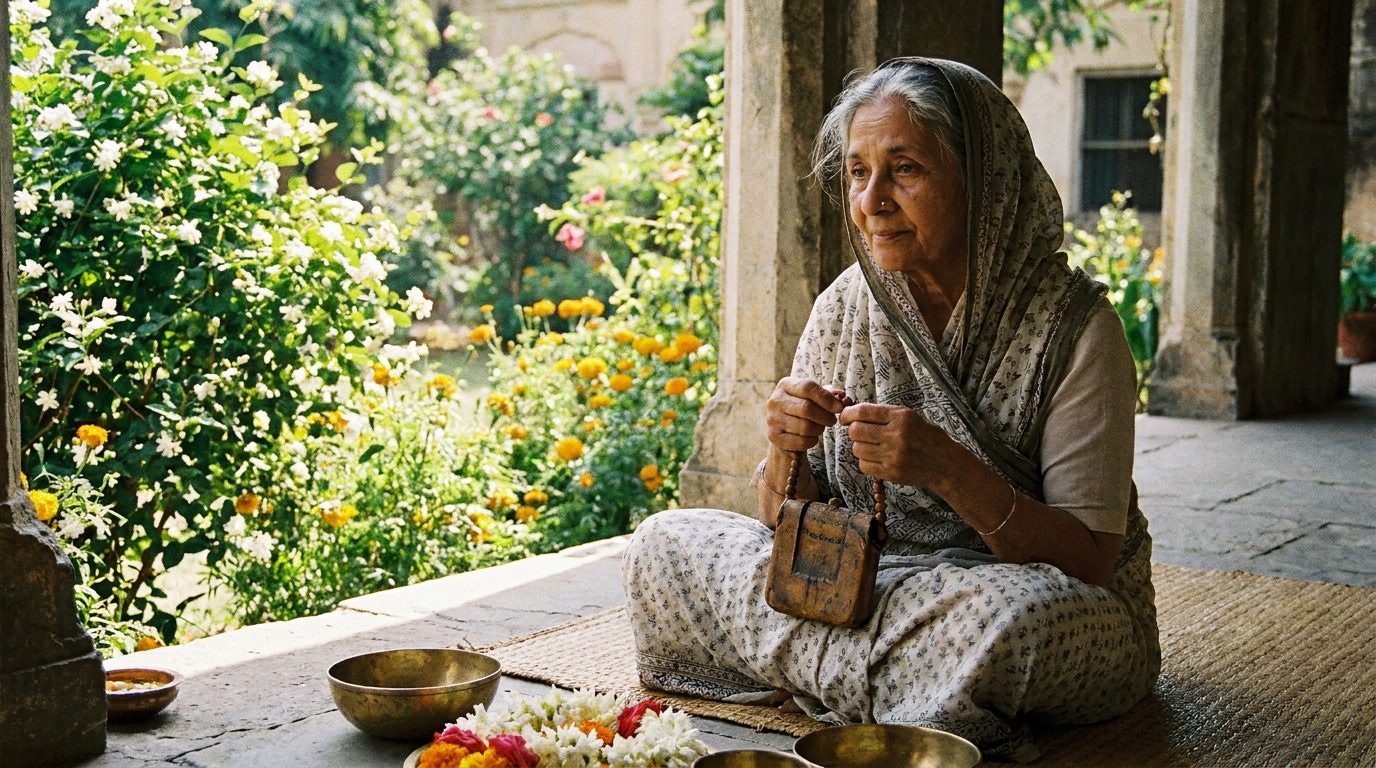
There is a love so pure, so complete, so selfless that it illuminates everything it touches. In the Bhakti tradition, this love finds its highest expression in Śrīmatī Rādhārāṇī — the eternal feminine aspect of the Divine, the supreme embodiment of devotion, and the very personification of God’s pleasure-giving energy.
Whether you are new to Bhakti or have been walking this path for years, learning about Rādhārāṇī opens a window into the deepest mysteries of divine love. She is not merely a historical or mythological figure — She is the living heart of devotion itself, and understanding Her qualities can transform how we approach our own spiritual lives.
At The Bhakti House, we believe that everyone, regardless of background, can be touched by the beauty of this divine love. So let us explore together, with open hearts, the extraordinary qualities of Rādhārāṇī.
In the Bhakti tradition, God (known as Kṛṣṇa, meaning “the all-attractive one”) is never alone. His eternal companion is Śrīmatī Rādhārāṇī — His internal pleasure potency, known in Sanskrit as hlādinī-śakti. Think of hlādinī-śakti simply as God’s own capacity for bliss and love, personified in the most beautiful and gracious form.
Rādhārāṇī is not separate from Kṛṣṇa, nor is She subordinate in an ordinary sense. She is His equal, His complement, His very heart. The Caitanya Caritāmṛta (Ādi-līlā 4.56) explains:
> “The beloved consorts of Lord Kṛṣṇa are of three kinds: the goddesses of fortune, the queens, and the milkmaids of Vraja, who are the foremost of all. These three ones are a portion of the pleasure potency of Kṛṣṇa, and Śrīmatī Rādhārāṇī is the complete form.”
She is the complete, full expression of divine love — not a portion, not a fragment, but the totality.
Rādhā and Kṛṣṇa: One Love in Two Forms
A beautiful way to understand Their relationship is that Kṛṣṇa is the supreme enjoyer, and Rādhārāṇī is the supreme source of that enjoyment. Yet Her enjoyment is in giving enjoyment. This is the mystical dance of divine love — two who are one, experiencing the sweetness of love from both sides.
As stated in the Caitanya Caritāmṛta (Ādi-līlā 4.95-96):
> “Lord Kṛṣṇa made Śrīmatī Rādhārāṇī His beloved, and together They enjoy the essence of loving exchanges.”
This isn’t a love based on need or lack — it is love overflowing from fullness, love for the sheer joy of loving.
Her Unparalleled Love: The Pinnacle of Divine Devotion
Of all Rādhārāṇī’s qualities, Her love (prema) stands supreme. It is said that even Kṛṣṇa Himself cannot fully fathom the depths of Her love for Him. This is one of the reasons He appeared as Śrī Caitanya Mahāprabhu — to experience what it feels like to love with Rādhā’s heart.
The Caitanya Caritāmṛta (Ādi-līlā 4.134) reveals:
> “The Lord said, ‘I want to know the glory of Rādhā’s love, the wonderful qualities in Me that She alone relishes through Her love, and the happiness She feels when She realizes the sweetness of My love.'”
Imagine — God Himself is astonished by the love of His devotee. This tells us something profound: in Bhakti, love is the supreme power. It is greater even than omnipotence or omniscience.
Her Love Is Selfless and All-Encompassing
Rādhārāṇī’s love is not transactional. She doesn’t love Kṛṣṇa to gain something. Her only desire is His happiness. Even when She experiences separation — the most painful state in divine love — Her concern is always for Him, never for Herself.
This selfless quality is called ananya-mamatā — exclusive, self-forgetting devotion. It’s the quality that every practitioner of Bhakti aspires to cultivate, even in small measure.
She Loves Without Condition
There are no conditions, no bargains, no negotiations in Rādhārāṇī’s love. In our own lives, we often love with expectations — “I will love you if you love me back.” Rādhārāṇī’s love transcends all of this. It flows ceaselessly, like a river that never stops, regardless of what it receives in return.
Her Compassion: The Mother of All Devotees
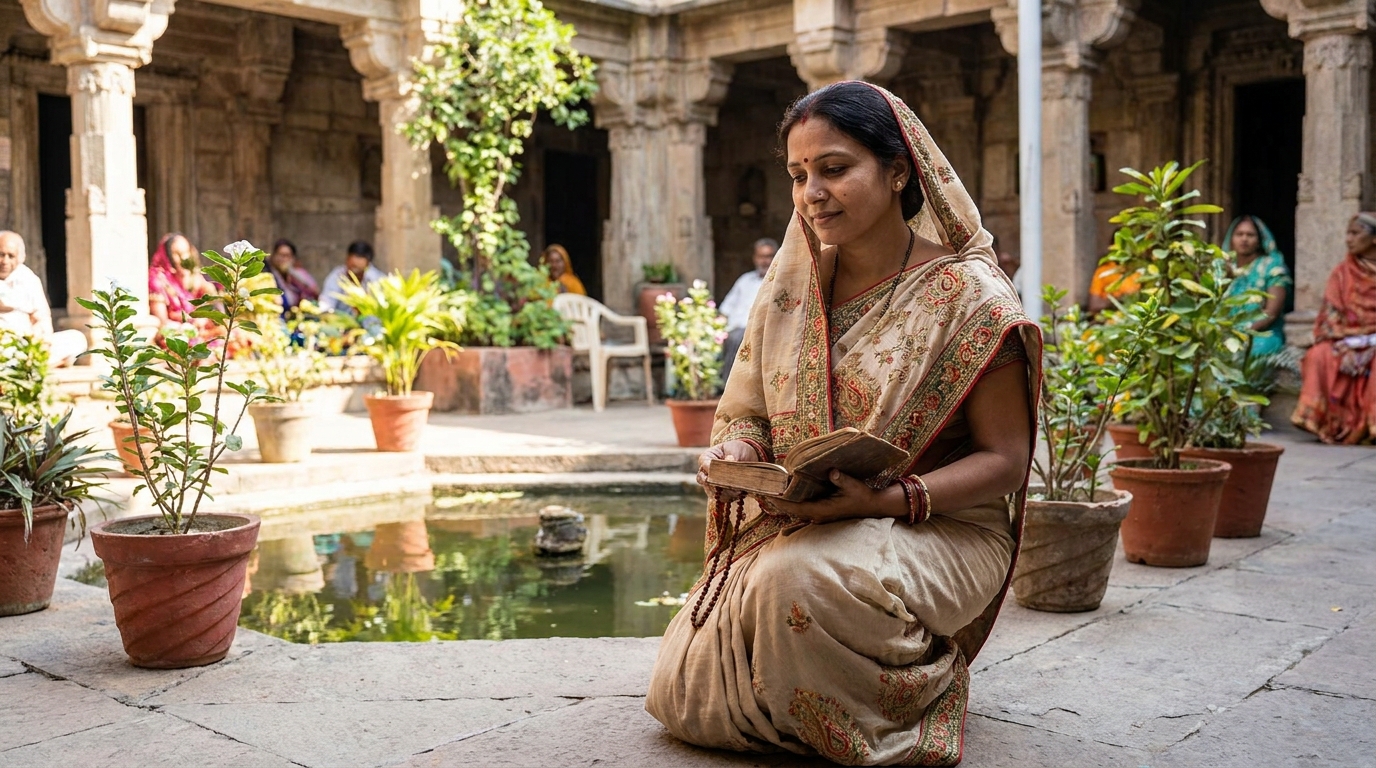
One of the most beautiful and practical aspects of Rādhārāṇī’s nature is Her compassion (karuṇā). She is often called the most merciful, because She intercedes on behalf of all souls who sincerely desire connection with God.
In the Bhakti tradition, it is said that while Kṛṣṇa may consider whether a soul is qualified, Rādhārāṇī simply sees sincerity. Her mercy flows freely to anyone who takes even a single step toward love.
She Advocates for the Fallen
For those of us who feel unworthy, who struggle with our imperfections, who wonder if we are “spiritual enough” — Rādhārāṇī’s compassion is our greatest hope. She is like a loving mother who sees the best in every child, who never gives up on anyone.
Śrīla Prabhupāda, the founder of the International Society for Krishna Consciousness, beautifully explained:
> “If one worships Rādhārāṇī, She is so pleased that She recommends to Kṛṣṇa, ‘Here is a devotee. He is better than Me.’ Kṛṣṇa says, ‘Oh, Rādhārāṇī recommends this person. He must be very nice.'”
This is Her nature — to uplift, to recommend, to bring souls closer to the Divine.
Her Compassion Inspires Our Own Service
When we understand Rādhārāṇī’s compassion, it naturally inspires us to be more compassionate ourselves. In Bhakti, we serve others not because it’s a duty but because we’ve tasted the sweetness of being loved unconditionally, and we want to share that with everyone.
Sure, here is the sentence with the clickable link:
Check out our website for more articles: more articles.
Her Exquisite Beauty: The Attraction of Pure Goodness
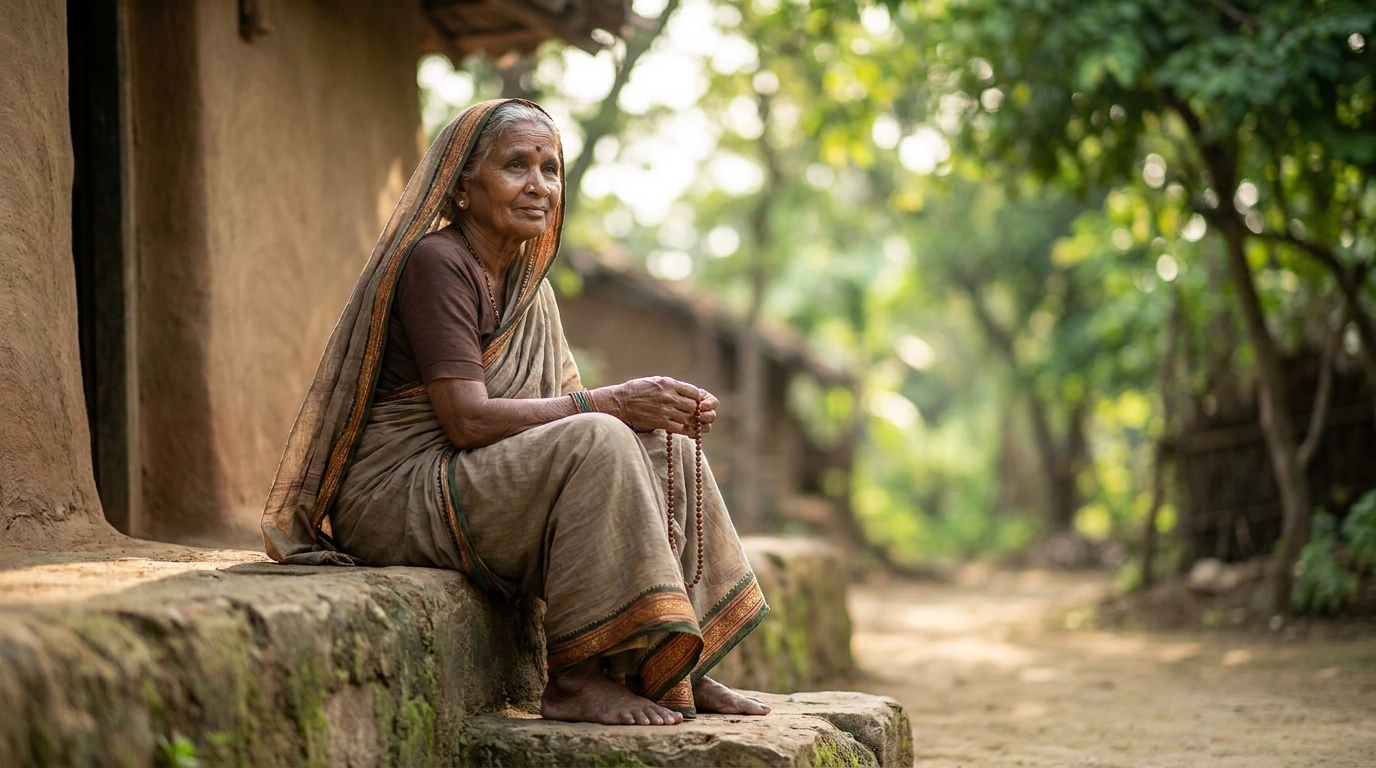
The scriptures describe Rādhārāṇī’s beauty in extraordinary detail — not for superficial reasons, but because in the spiritual world, beauty is a direct expression of inner qualities. Her outer radiance reflects Her inner love.
The Vidagdha-Mādhava by Śrīla Rūpa Gosvāmī describes Her complexion as having the hue of molten gold, Her eyes as graceful as lotus petals, and Her smile as captivating enough to enchant even the all-attractive Kṛṣṇa.
Beauty as a Spiritual Quality
In our material experience, beauty fades and can lead to vanity. But Rādhārāṇī’s beauty is different — it is eternal, ever-fresh, and exists solely to bring pleasure to Kṛṣṇa and His devotees. It teaches us that true beauty comes from a loving heart, not from external appearance.
She Is Decorated by Her Devotion
The greatest ornament Rādhārāṇī wears is Her devotion. The scriptures list Her qualities — Her gentleness, Her musical abilities, Her artistic nature, Her skill in cooking — but all of these exist as expressions of Her love. They remind us that every talent and ability we have can become an offering of love when directed toward the Divine.
Her 25 Transcendental Qualities
The great Bhakti saint Śrīla Rūpa Gosvāmī, in his Ujjvala-nīlamaṇi, lists 25 principal qualities of Rādhārāṇī. These include:
Sweetness and Gentleness
She is described as madhurā (sweet) and mṛdu (gentle). In every interaction, She radiates warmth. This reminds us that spiritual advancement doesn’t make us harsh or rigid — it makes us sweeter, softer, more approachable.
Youthful Freshness
Her quality of eternal youthfulness (nava-vayaḥ) symbolizes that divine love never becomes stale or routine. Every moment of devotion can be as fresh as the first.
Expert in All Arts
Rādhārāṇī is the supreme artist — in music, dance, cooking, poetry, and all creative expressions. This validates the creative arts as genuine spiritual practice. When we sing, cook, write, or create with love for God, we are following in Her footsteps.
Grateful and Faithful
She is kṛtajñā — deeply grateful. Despite being the supreme goddess, She appreciates even the smallest offering of love. This quality teaches us gratitude as a foundational spiritual practice.
Controlled by the Love of Her Friends
Perhaps most endearingly, Rādhārāṇī is described as being “controlled” by the love of Her devotees and friends. The Supreme Feminine Divine allows Herself to be guided by love. This reveals the intimate, personal nature of the Divine — not a distant, unapproachable force, but a loving presence who responds to genuine affection.
How Rādhārāṇī’s Qualities Inspire Our Bhakti Practice
Understanding Rādhārāṇī isn’t merely an intellectual exercise — it’s meant to transform how we practice devotion in our daily lives.
Chanting with the Heart of Rādhā
When we chant the Hare Kṛṣṇa mahā-mantra — Hare Kṛṣṇa, Hare Kṛṣṇa, Kṛṣṇa Kṛṣṇa, Hare Hare / Hare Rāma, Hare Rāma, Rāma Rāma, Hare Hare — the word “Hare” is a direct address to Rādhārāṇī (from “Harā,” Her name as the one who steals Kṛṣṇa’s heart). Every time we chant, we are calling upon Her mercy to help us love God more deeply.
Service as an Expression of Love
Rādhārāṇī serves Kṛṣṇa not out of obligation but out of overflowing love. Similarly, when we serve — whether by cooking offerings, cleaning the temple, helping a neighbor, or simply being kind — we can infuse our actions with this spirit of loving service.
Prayer and Surrender
Approaching Rādhārāṇī in prayer is approaching the most compassionate aspect of the Divine. We can humbly ask for the one thing that truly matters: “Please grant me sincere love for God.”
Community and Friendship
Rādhārāṇī is always surrounded by Her dear friends and companions (sakhīs). This teaches us that Bhakti is not a solitary path. We need spiritual community — friends who encourage us, who chant with us, who pick us up when we fall.
Celebrating Rādhārāṇī: Rādhāṣṭamī and Daily Remembrance
The appearance day of Rādhārāṇī, known as Rādhāṣṭamī, is celebrated with great love by devotees around the world. On this day, practitioners fast, chant extra rounds of the mahā-mantra, sing beautiful songs glorifying Her, and meditate on Her divine qualities.
But we don’t have to wait for a special day. Every morning when we wake and call out “Hare” in our chanting, we are remembering Her. Every act of selfless love we perform in our day is a small reflection of Her nature.
Simple Ways to Connect with Rādhārāṇī’s Energy
- Chant with sincerity: Even one round of the mahā-mantra, chanted with genuine feeling, invites Her grace.
- Offer something with love: A flower, a fruit, a glass of water — offered with devotion, it becomes sacred.
- Be kind: Every act of selfless compassion aligns us with Her nature.
- Read and hear: Spending time learning about Her pastimes purifies the heart and awakens dormant love.
- Pray for devotion: The most powerful prayer is simply asking for the ability to love God.
An Invitation to Every Heart
The beauty of Bhakti is that it doesn’t require perfection — it requires sincerity. Rādhārāṇī’s compassion extends to every soul, regardless of where they’ve been or what they’ve done. She doesn’t ask us to be perfect; She asks us to be genuine.
If you’ve read this far, something in your heart has responded to the call of divine love. That response itself is Her mercy at work.
You don’t need to understand everything. You don’t need to pronounce Sanskrit perfectly. You don’t need to have your life completely together. All you need is the willingness to take one sincere step toward God — and the assurance that a thousand steps will be taken toward you in return.
At The Bhakti House, we welcome you exactly as you are. Come chant with us. Come ask questions. Come sit quietly and simply be in the presence of those who are also learning to love. Rādhārāṇī’s door is always open, and so is ours.
Take that one step today — pick up your beads, sing a sacred song, offer a prayer from the heart, or simply whisper, “Please help me love You.” That is enough. That is everything.
FAQs
What are the qualities of Rādhārāṇī?
Rādhārāṇī is known for her exceptional beauty, compassion, devotion, and selflessness. She is also revered for her unwavering love and dedication to Lord Krishna.
Why is Rādhārāṇī considered to be the embodiment of love and devotion?
Rādhārāṇī’s love for Lord Krishna is considered to be the highest form of devotion. Her selfless and unconditional love for Krishna serves as an example for devotees to emulate in their own spiritual practice.
What is the significance of Rādhārāṇī in Hinduism?
Rādhārāṇī holds a special place in Hinduism as the eternal consort of Lord Krishna. She symbolizes the highest form of devotion and is revered as the embodiment of love, compassion, and selflessness.
How is Rādhārāṇī celebrated in Hindu festivals and traditions?
Rādhārāṇī is celebrated with great fervor and devotion during the festival of Radhastami, which marks her appearance day. Devotees offer prayers, bhajans (devotional songs), and special rituals to honor her divine qualities.
What can we learn from the qualities of Rādhārāṇī?
Rādhārāṇī’s qualities of love, devotion, and selflessness serve as an inspiration for devotees to deepen their own spiritual practice and cultivate a deeper connection with the divine. Her example teaches the importance of unconditional love and unwavering devotion in the path of bhakti (devotion).

