
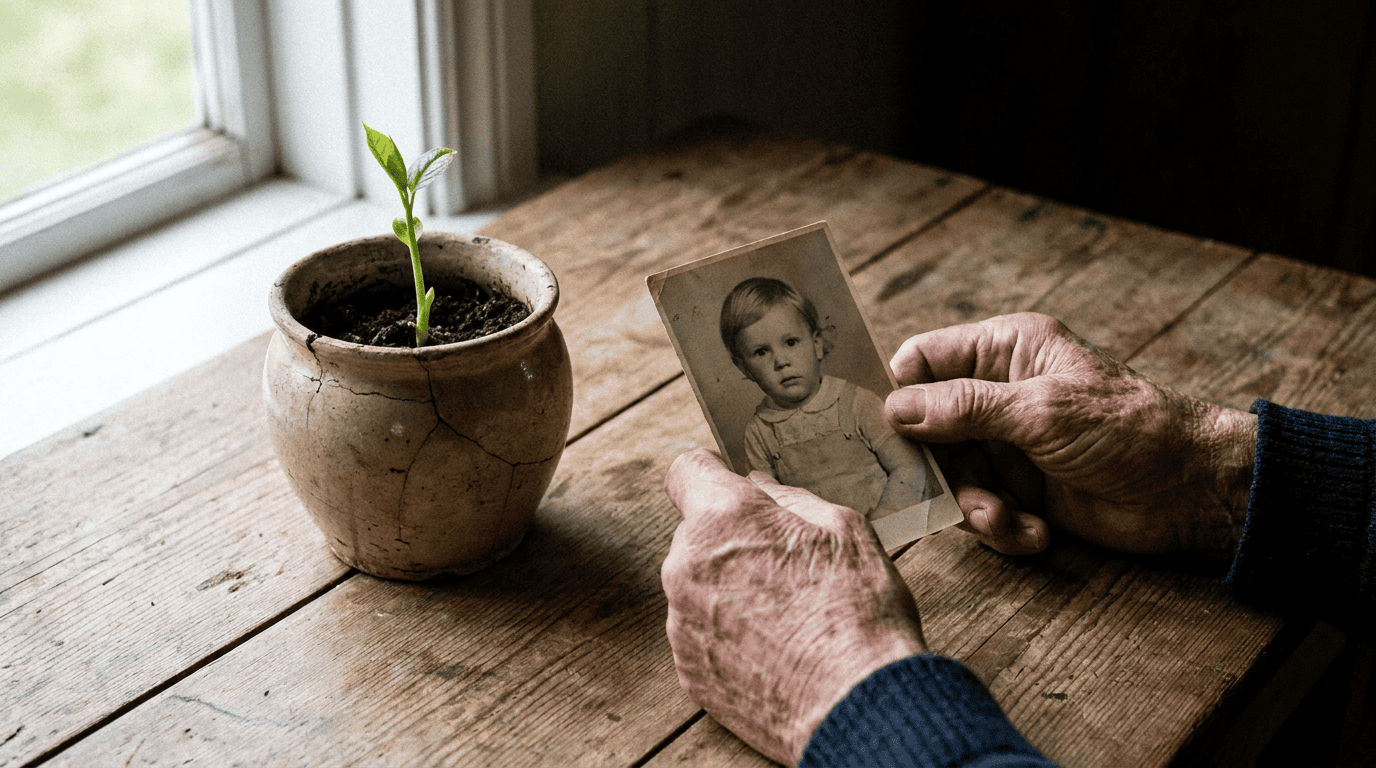
Reincarnation is the spiritual understanding that the soul does not die when the body dies. Instead, the soul continues its journey, accepting another body according to its consciousness, desires, and karma.
In Sanskrit, the word often used is punar-janma, which means “birth again.” The deeper teaching is simple and profound: we are not the temporary body; we are the eternal soul living within the body.
In the Bhagavad-gita, one of the most beloved scriptures of Bhakti Yoga, Sri Krishna explains:
“As the embodied soul continuously passes, in this body, from boyhood to youth to old age, the soul similarly passes into another body at death.”
— Bhagavad-gita 2.13
This verse invites us to look honestly at our own experience. Our body has changed many times since childhood, yet we still feel, “I am me.” The body changes, but the conscious self remains. Reincarnation is the continuation of that same principle beyond death.
This understanding can bring comfort, responsibility, and hope. Life is not random. Death is not the end. Every choice matters. And above all, the soul’s journey is meant to lead us back to love—love for God, love for all beings, and love for our own true spiritual identity.
The Soul: Our Eternal Spiritual Identity
We Are More Than the Body
Bhakti Yoga begins with a beautiful truth: every living being is a spiritual soul.
In Sanskrit, the soul is called atma. The atma is the conscious self—the one who feels, thinks, desires, loves, and experiences. The body is like clothing worn by the soul for a time.
Sri Krishna says in the Bhagavad-gita:
“As a person puts on new garments, giving up old ones, the soul similarly accepts new material bodies, giving up the old and useless ones.”
— Bhagavad-gita 2.22
This does not mean the body is unimportant. The body is sacred because it is a gift from God and a vehicle for spiritual growth. Through the body, we can serve, chant, pray, care for others, and make progress on the path of love.
But the body is not our final identity. We may be young or old, healthy or sick, from one nation or another, born into one tradition or another—but beneath all outer labels, we are eternal souls.
The Soul Is Part of God
Bhakti scriptures explain that the soul is spiritual by nature because it is part of God.
In Sanskrit, God is often called Bhagavan, meaning the Supreme Person who possesses all beauty, wisdom, strength, fame, wealth, and compassion. In the Bhakti tradition, God is known by many names, including Krishna, Rama, Vishnu, Narayana, and many others. Different traditions may call upon the Divine in different ways, but the heart of Bhakti is loving relationship with the Supreme.
The soul is not God, but the soul is lovingly connected with God. Just as a spark comes from a fire, the soul comes from the Supreme spiritual source. Our deepest happiness is found when we remember that relationship and live in harmony with it.
Forgetfulness and Remembering
The journey through many lives is often described as a journey of forgetfulness and remembering.
We forget our eternal identity and try to find permanent happiness in temporary things. We chase success, pleasure, control, recognition, or security. These may give some satisfaction, but they cannot fully satisfy the soul.
Bhakti Yoga gently reminds us: “You are loved by God. You belong to God. Your life has sacred purpose.”
Reincarnation is not meant to frighten us. It is meant to awaken us.
Karma and Reincarnation: How They Work Together

What Is Karma?
The word karma means “action.” It also refers to the results of our actions.
Every thought, word, and deed creates an impression. Some actions bring clarity and peace. Others bring confusion and suffering. Karma is not punishment from an angry God. It is a divine system of learning, growth, and responsibility.
Just as seeds grow into plants, our actions grow into future experiences. Some seeds sprout quickly. Others take time. Some may even carry into future lifetimes.
Karma Is Guided by Divine Wisdom
In Bhakti understanding, karma is not mechanical or hopeless. God is present in everyone’s heart as Paramatma, the Supersoul, the divine witness and guide. The Supreme knows our desires, our struggles, our sincerity, and our potential.
Karma teaches us, but God is always inviting us beyond karma into loving relationship.
This is very important. Reincarnation is not simply a cycle of repeated birth and death with no purpose. It is an opportunity for the soul to learn, purify, and eventually awaken love for God.
Desire Shapes Our Next Life
The Bhagavad-gita teaches that our consciousness at the time of death influences our next destination.
“Whatever state of being one remembers when leaving the body, that state one will attain without fail.”
— Bhagavad-gita 8.6
This does not mean one random thought at the final moment alone determines everything. Rather, the final state of consciousness is shaped by how we live, what we love, what we practice, and where we place our heart.
If we cultivate greed, anger, envy, and attachment, our consciousness becomes bound. If we cultivate compassion, prayer, service, humility, and remembrance of God, our consciousness becomes uplifted.
That is why spiritual practice matters. Every sincere prayer, every moment of chanting, every act of kindness, every offering of the heart helps shape our inner life.
Karma Is Not Fatalism
Some people misunderstand karma and think, “Everything is already fixed, so why try?” But Bhakti Yoga teaches the opposite.
Karma explains our present circumstances, but it does not remove our freedom. We always have the opportunity to respond with wisdom, devotion, and courage.
Even if we cannot control everything that happens to us, we can choose how we turn toward God. We can choose kindness. We can choose prayer. We can choose service. We can choose healing.
In this way, Bhakti Yoga is deeply practical.
Sure, here is the sentence with the clickable link:
I love to visit The Bhakti House for spiritual inspiration and community.
Why Do Souls Reincarnate?

The Desire to Enjoy Separately
Bhakti scriptures explain that the soul’s natural home is in loving relationship with God. Yet when the soul desires to enjoy separately from God, it enters the material world, where it can try to fulfill countless desires.
This material world is called samsara, the cycle of birth, death, old age, and disease. Samsara is not our true home, but it is a place of learning.
Here, the soul experiences temporary pleasures and pains. Over time, after many attempts to find lasting happiness in temporary things, the soul begins to ask deeper questions:
Who am I?
Why am I here?
What happens after death?
What is real love?
How can I serve God?
These questions are sacred. They are signs of awakening.
Learning Through Experience
Every life offers lessons. Some lessons come through joy, others through difficulty. A soul may learn compassion by suffering. A soul may learn humility after pride. A soul may learn generosity after experiencing loss.
This does not mean suffering is good in itself. Bhakti is never cold-hearted. We should never dismiss someone’s pain by saying, “It’s just your karma.” A loving heart responds with care, service, and prayer.
At the same time, the spiritual vision of reincarnation helps us see that life has meaning beyond one short lifetime. The soul is being guided, lifetime after lifetime, toward wisdom and love.
The Human Life Is Special
According to the Vedic scriptures, the soul can pass through many forms of life. The human form is especially precious because it gives us the ability to ask spiritual questions and consciously seek God.
The Srimad Bhagavatam, a central Bhakti scripture, encourages human beings not to waste this rare opportunity. Human life is not meant only for eating, sleeping, working, enjoying, and struggling. These are part of life, but they are not the highest purpose.
The highest purpose is bhakti—loving devotional service to God.
Bhakti means love in action. It is not merely a belief system. It is a way of living, remembering, offering, serving, chanting, and growing in relationship with the Divine.
Reincarnation in Bhakti Scriptures
Bhagavad-gita: The Soul Never Dies
The Bhagavad-gita is one of the clearest spiritual texts on reincarnation. Krishna teaches that the soul is eternal, unchanging, and indestructible.
“For the soul there is neither birth nor death at any time. The soul is unborn, eternal, ever-existing, and primeval. The soul is not slain when the body is slain.”
— Bhagavad-gita 2.20
This teaching can soften our fear of death. It does not mean we do not grieve. Grief is natural because love is real. But spiritual knowledge gives grief a larger horizon.
When someone leaves their body, the soul continues. We can pray for them. We can chant for them. We can offer love to God on their behalf. We can honor their journey with compassion and faith.
Srimad Bhagavatam: Life Is for Awakening Love
The Srimad Bhagavatam teaches that the purpose of all spiritual practice is to awaken loving devotion to God.
Reincarnation is described not as the goal, but as the problem we are trying to transcend. The soul wanders through different bodies and circumstances until it receives the blessing of spiritual association and begins the path of devotion.
In Bhakti, spiritual association is called sadhu-sanga. A sadhu is a sincere spiritual person, someone who is trying to live for God. Sanga means association. Sadhu-sanga helps us remember what truly matters.
When we spend time with people who chant, pray, serve, and speak about God with love, our own hearts become nourished.
The Upanishads: The Journey of Consciousness
The Upanishads, ancient wisdom texts of India, also speak about the soul’s journey after death and the importance of consciousness.
They encourage us to look beyond the temporary and seek the eternal. The repeated message is that the self is not the body and that liberation comes through spiritual realization.
Bhakti Yoga receives these truths and adds a deeply personal emphasis: the soul’s perfection is not simply to exist eternally, but to love eternally.
Does Reincarnation Mean We Should Not Grieve?
Grief Is a Form of Love
A spiritual understanding of reincarnation does not erase grief. When someone we love passes away, we may feel sadness, longing, shock, or emptiness. These feelings should be held gently.
Bhakti does not ask us to become hard or emotionless. In fact, Bhakti is the path of the heart. Love is sacred, and grief often reveals how deeply we have loved.
What spiritual wisdom gives us is a way to grieve with hope.
We can remember: the soul is eternal. God is with them. Their journey continues. My prayers can still be an offering of love.
Prayer for Departed Souls
In Bhakti practice, we can pray for loved ones who have passed on. We can chant God’s names and ask that the soul be guided toward light, healing, and spiritual progress.
A simple prayer might be:
“Dear Lord, please bless this beloved soul. Please guide them, protect them, and bring them closer to You. May they feel Your love and peace.”
We can also offer sacred food, called prasadam, in their honor. Prasadam means “mercy.” It is vegetarian food prepared with love and offered to God before being shared. Offering prasadam is a beautiful way to remember that nourishment, life, and love all come from the Divine.
Living in Their Honor
One of the most meaningful ways to honor someone who has passed is to live with more love.
We can forgive more deeply. Serve more sincerely. Pray more regularly. Speak more kindly. Use our time more wisely.
In this way, grief can become a doorway to spiritual growth.
Liberation: Going Beyond Reincarnation
What Is Liberation?
In Sanskrit, liberation is called moksha. It means freedom from the cycle of birth and death.
Many spiritual paths speak about moksha as freedom from suffering and material bondage. Bhakti Yoga agrees, but also offers a fuller vision. The goal is not only freedom from suffering; the goal is entrance into loving service to God.
In Bhakti, the highest liberation is not becoming empty or impersonal. It is awakening our eternal relationship with Krishna, the all-attractive Supreme Lord, and serving Him with love.
Bhakti Burns Karma
Bhakti scriptures teach that sincere devotion can dissolve karma.
This does not mean we escape all consequences immediately. Rather, when we turn sincerely toward God, our life comes under divine care. Karma that would have bound us may be reduced, purified, or transformed into lessons that bring us closer to God.
Krishna gives a deeply comforting promise in the Bhagavad-gita:
“Abandon all varieties of dharma and simply surrender unto Me. I shall deliver you from all sinful reactions. Do not fear.”
— Bhagavad-gita 18.66
The word dharma can mean duty, nature, or spiritual path. Here, Krishna is inviting the soul into complete trust. Surrender does not mean weakness. It means placing our heart in God’s hands.
Remembering God at Death
Bhakti Yoga teaches that the most important preparation for death is how we live now.
If we practice remembering God daily, then remembrance becomes natural. Chanting, prayer, service, scripture, and spiritual friendship all prepare the heart.
Krishna says:
“Whoever, at the end of life, quits the body remembering Me alone at once attains My nature. Of this there is no doubt.”
— Bhagavad-gita 8.5
This is why devotees chant the holy names of God. The holy name is not considered different from God. When we chant, we are associating with the Divine directly.
A simple and powerful mantra is:
**Hare Krishna Hare Krishna
Krishna Krishna Hare Hare
Hare Rama Hare Rama
Rama Rama Hare Hare**
“Hare” calls upon the divine energy of the Lord. “Krishna” means the all-attractive one. “Rama” means the source of spiritual joy. This mantra is a prayer: “O Lord, O divine energy of the Lord, please engage me in Your loving service.”
Practical Bhakti Yoga: How to Grow Spiritually Now
Chant the Holy Names
Chanting is one of the most accessible practices in Bhakti Yoga. You do not need to be born into a particular culture or have advanced knowledge. You can begin wherever you are.
Set aside a few minutes each day. Chant softly, sing, or listen with attention. Let the sound enter the heart.
Chanting cleanses consciousness. It helps loosen fear, anger, and attachment. It reminds the soul of its eternal connection with God.
Offer Simple Prayers
Prayer is honest conversation with the Divine. You can pray in your own words.
You might say:
“Dear God, please guide me.”
“Please help me live with love.”
“Please teach me how to serve.”
“Please help me remember You.”
“Please bless all beings.”
Prayer opens the heart. It brings us into relationship. Even a short sincere prayer has spiritual power.
Serve Others With Compassion
Service is central to Bhakti. In Sanskrit, devotional service is called seva.
Seva means serving with love, not for ego or reward, but as an offering to God. We can serve in many ways: feeding others, listening kindly, caring for family, supporting spiritual community, protecting animals, helping someone in pain, or using our talents for a higher purpose.
When we see every being as a soul loved by God, service becomes sacred.
Study Wisdom Scriptures
Reading sacred texts nourishes the mind and heart. The Bhagavad-gita is a wonderful place to begin.
Try reading even one verse a day. Reflect on how it applies to your life. Ask: What is Krishna teaching me? How can I live this today?
Scripture is not meant only for scholars. It is meant for sincere seekers. Approach it with humility, and it will speak to you.
Eat and Live With Spiritual Intention
Bhakti Yoga encourages us to bring devotion into everyday life. Eating, working, resting, and speaking can all become spiritual when offered to God.
One simple practice is to prepare vegetarian food with gratitude and offer it to the Lord before eating. You can say:
“Dear Lord, please accept this offering made with love.”
Then receive the food as prasadam, God’s mercy.
This practice spiritualizes daily life and reminds us that we are dependent on divine grace.
Common Questions About Reincarnation
Can We Remember Past Lives?
Some people report memories or impressions from past lives. Others do not. From the Bhakti perspective, remembering past lives is not necessary for spiritual progress.
In fact, forgetting can be a kind of mercy. Imagine carrying the full emotional weight of many lifetimes. God allows us to begin again with a fresh opportunity.
What matters most is not who we were before, but how we use this life now.
Can Animals Reincarnate?
Yes. Bhakti scriptures teach that all living beings have souls, including animals, birds, fish, insects, and plants. The soul may pass through many forms according to karma and consciousness.
This understanding encourages compassion. Animals are not objects. They are fellow souls on their journey.
A devotee tries to live with kindness toward all beings. This is one reason many Bhakti practitioners choose a vegetarian or vegan lifestyle and offer their food to God.
Is Reincarnation Compatible With Other Faiths?
People from many backgrounds explore reincarnation. Some traditions openly teach it. Others do not. At The Bhakti House, all sincere seekers are welcome.
Bhakti Yoga does not ask anyone to abandon their love for God. Rather, it offers practices that deepen remembrance, humility, compassion, and devotion.
If reincarnation is new to you, you can approach it gently. Reflect on the soul’s eternal nature. Pray for understanding. Study wisdom texts. Let truth unfold in your heart with sincerity.
Is Reincarnation Proven?
Reincarnation is primarily a spiritual teaching, but many people also explore it through philosophy, near-death experiences, past-life research, and personal intuition.
Bhakti Yoga invites us to go deeper than curiosity. The real question is: If I am an eternal soul, how should I live?
The answer is: live with love. Live with responsibility. Live in remembrance of God. Use this human life well.
Living With the Wisdom of Reincarnation
It Helps Us Take Responsibility
When we understand karma and reincarnation, we begin to see that our choices matter deeply.
Every word can heal or harm. Every desire shapes the heart. Every action plants a seed.
This is not meant to create anxiety. It is meant to awaken dignity. We are spiritual beings with meaningful agency. We can choose a higher path.
It Helps Us Become Compassionate
Reincarnation teaches us that every person is on a long journey. Someone may be struggling now, but they are still a soul loved by God. Someone may act harshly, but they are still carrying ignorance, pain, and karma.
This vision does not mean we allow harmful behavior. Boundaries can be necessary. But even with boundaries, we can hold compassion.
Bhakti teaches us to see beyond labels and remember the soul within everyone.
It Helps Us Value Human Life
This life is precious. We do not know how long we have in this body. We do not know what tomorrow brings.
But we have this moment.
We can chant today. Pray today. Forgive today. Serve today. Remember God today.
The wisdom of reincarnation helps us stop postponing spiritual life. It reminds us that the soul has wandered long enough. Now is the time to turn toward love.
The Bhakti Vision: Love Is the Destination
Reincarnation Is Not the Final Goal
The goal of Bhakti Yoga is not to get a better next life. The goal is to awaken pure love for God and return to our eternal spiritual home.
A better birth, good karma, heavenly pleasure, or mystical experience may come and go. But love for God is eternal treasure.
Bhakti is the path that transforms the heart. It turns knowledge into humility, practice into relationship, and life into offering.
God Is Calling the Soul Home
In the Bhakti tradition, God is not distant or indifferent. Krishna is the loving Lord in the heart, patiently accompanying every soul through every lifetime.
No matter how long we have wandered, we are never forgotten.
Every sincere step toward God is noticed. Every prayer is heard. Every tear offered in devotion is sacred. Every attempt to chant, serve, and love brings spiritual benefit.
Begin With One Sincere Step
You do not need to understand everything about reincarnation to begin spiritual life. You do not need to be perfect. You do not need to have a certain background, language, culture, or history.
Begin simply.
Chant one mantra. Offer one prayer. Read one verse. Share one act of kindness. Sit quietly and ask God to guide you.
Bhakti grows through sincerity. The path is walked one loving step at a time.
Reincarnation teaches us that the soul’s journey is long, but Bhakti teaches us that God’s mercy is near. Wherever you are in life, whatever you have been through, you are welcome. Take one sincere step toward God today, and trust that the Divine is already walking toward you with love.
FAQs
What is reincarnation?
Reincarnation is the belief that after death, a person’s soul is reborn into a new body. This concept is found in various religious and spiritual traditions around the world.
What are the beliefs about reincarnation in different cultures?
Reincarnation is a common belief in Hinduism, Buddhism, Jainism, and various other Eastern religions. It is also found in some New Age and spiritual belief systems. The specifics of reincarnation beliefs vary widely among different cultures and traditions.
Is there scientific evidence for reincarnation?
There is no scientific evidence to support the belief in reincarnation. The concept of reincarnation is considered a matter of faith and spirituality rather than a scientifically proven phenomenon.
How does the process of reincarnation work?
According to the belief in reincarnation, the soul goes through a process of rebirth into a new body after death. The specific details of this process, such as how the new body is chosen or what determines the nature of the reborn soul, vary among different religious and spiritual traditions.
What is the purpose of reincarnation?
In many belief systems, the purpose of reincarnation is to provide opportunities for spiritual growth and learning. It is seen as a way for the soul to evolve and progress towards enlightenment or liberation from the cycle of birth and death.

