

Prayer is one of the most natural things a human being can do. Long before we understand theology, philosophy, or ritual, the heart already knows how to cry out, give thanks, ask for help, and seek shelter. Prayer is the soul turning toward God.
In the Bhakti Yoga tradition, prayer is not only a religious duty. It is a relationship. It is a loving exchange between the individual soul and the Supreme Person, known in Sanskrit as Bhagavān—“the One who possesses all beauty, wisdom, strength, fame, wealth, and renunciation in fullness.”
Whether you are new to spirituality, returning after many years, or already walking a devotional path, prayer can become a daily doorway into peace, guidance, humility, and love. You do not have to be perfect to pray. You do not have to know Sanskrit. You do not have to belong to a particular background, culture, or community.
You simply need sincerity.
Bhakti Yoga, the path of devotion, teaches that God hears the heart. A quiet prayer offered with honesty can carry more spiritual power than many words spoken without feeling. The Bhagavad-gītā, one of the most beloved texts of the Bhakti tradition, reminds us that even a simple offering made with love is accepted by Krishna, a personal name of God meaning “the all-attractive one.”
Prayer is one of those simple offerings.
What Is Prayer?
Prayer is communication with God. It may be spoken, sung, whispered, written, chanted, or held silently in the heart. Sometimes prayer is full of words. Sometimes it is only tears. Sometimes it is a joyful song. Sometimes it is a simple, “Please help me.”
In Bhakti Yoga, prayer is part of sambandha, our restored relationship with the Divine. The Sanskrit word sambandha means “connection” or “relationship.” Prayer helps us remember that we are not isolated beings trying to carry life alone. We are eternal souls, lovingly connected to God and to all living beings.
Prayer Is More Than Asking
Many people first come to prayer when life becomes difficult. This is natural and beautiful. Pain can open a doorway in the heart. Asking God for help is not wrong. In fact, the Bhagavad-gītā says that those who turn to God in distress are blessed because they have begun to look toward the Divine.
But prayer can grow beyond asking.
Prayer can become gratitude.
Prayer can become surrender.
Prayer can become listening.
Prayer can become service.
Prayer can become love.
As our spiritual life deepens, we may still ask for help, but our deepest prayer becomes: “Please guide me. Please help me love You. Please let my life become an offering.”
Prayer Is a Practice of Presence
Prayer brings us into the present moment. It gathers the scattered mind and gently turns it toward God. In a world full of noise, distraction, and pressure, prayer gives the heart a sacred place to rest.
Even one sincere minute of prayer can change the atmosphere within us. We may still have responsibilities, grief, questions, or challenges, but prayer reminds us that we are held by a love greater than the temporary circumstances of life.
Prayer Is Open to Everyone
No one is disqualified from prayer. Not by past mistakes. Not by doubt. Not by lack of knowledge. Not by social background. Not by spiritual inexperience.
In the Bhakti tradition, the Divine is compassionate and personal. God is not waiting for us to become flawless before we approach. Rather, by approaching God sincerely, we gradually become purified, strengthened, and awakened.
Prayer is not for “holy people” only. Prayer is one way ordinary people become holy—softened, honest, grateful, and loving.
The Bhakti Yoga Understanding of Prayer
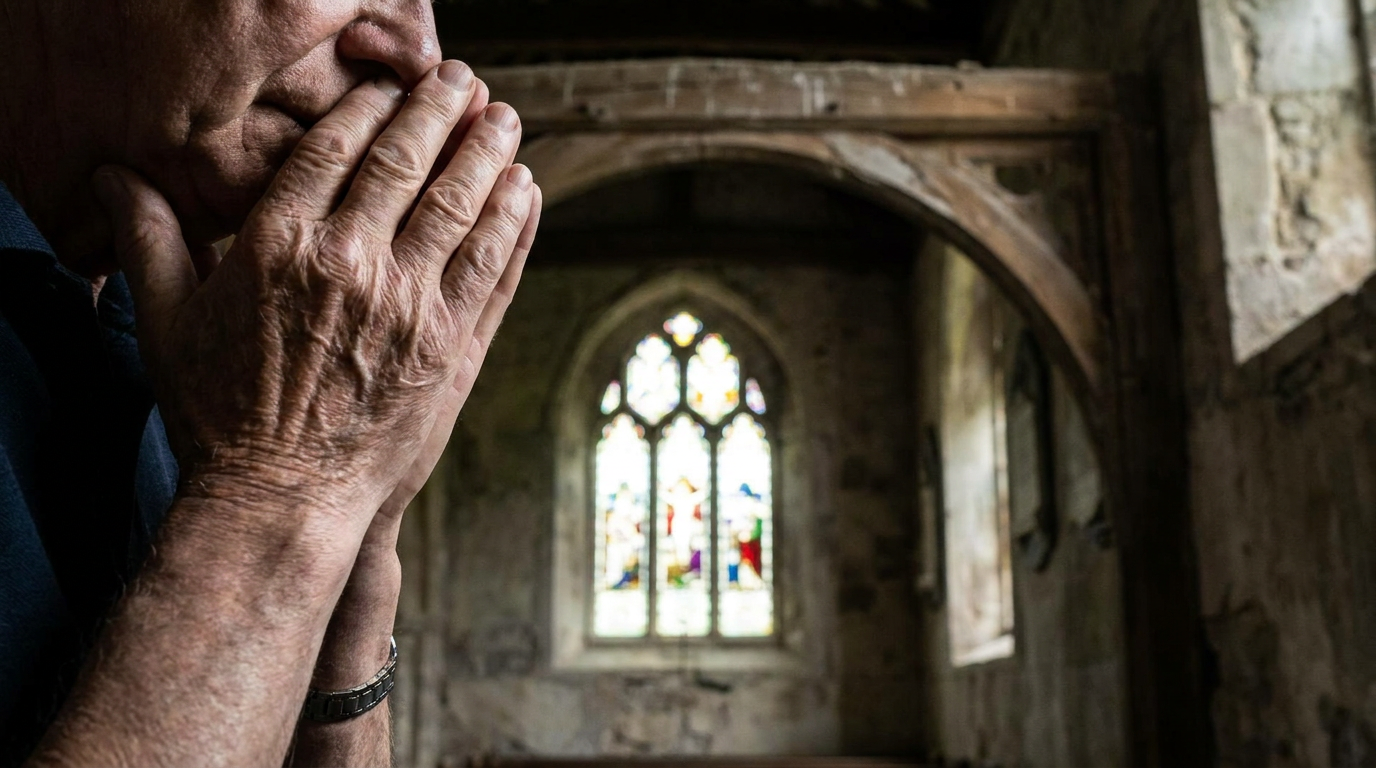
Bhakti Yoga means “the path of loving devotion.” The word bhakti comes from a Sanskrit root meaning “to share,” “to serve,” or “to love.” Yoga means “connection.” So Bhakti Yoga is the practice of reconnecting with God through love.
Prayer is central to this path because love naturally expresses itself. When we love someone, we want to speak to them, hear from them, remember them, serve them, and please them. In the same way, prayer helps us develop a living relationship with the Divine.
God as a Person, Not an Abstract Force
Bhakti scriptures describe God as both unlimited and personal. God is beyond all material limitation, yet also capable of loving relationship. This is important for prayer.
If God were only an impersonal energy, prayer would be like speaking into the air. But in Bhakti Yoga, God is the supreme conscious being, the original source of love, who can hear, respond, guide, and reciprocate.
This does not mean God is limited like us. Rather, God’s personality is infinite, pure, and full of compassion.
The Śrīmad-Bhāgavatam, a central Bhakti scripture, repeatedly presents the Lord as bhakta-vatsala—affectionate to His devotees. A devotee is not someone with a perfect image, but someone who is trying to love and serve God sincerely.
Prayer and the Holy Name
One of the most accessible forms of prayer in Bhakti Yoga is chanting the Holy Names of God. A mantra is a sacred sound vibration that helps focus the mind and awaken the heart. The most widely known mantra in the Krishna Bhakti tradition is the Hare Krishna maha-mantra:
Hare Krishna Hare Krishna
Krishna Krishna Hare Hare
Hare Rama Hare Rama
Rama Rama Hare Hare
The word maha means “great,” and mantra means “that which frees the mind.” So maha-mantra means “the great prayer for liberation of the heart.”
“Hare” is a call to the divine energy of love and compassion. “Krishna” means the all-attractive Lord. “Rama” means the reservoir of joy. In simple terms, this mantra is a prayer: “O Lord, O divine energy of the Lord, please engage me in loving service.”
Chanting is prayer made simple and powerful. Even if the mind wanders, the Holy Name gently brings us back.
Prayer as Loving Service
In Bhakti Yoga, prayer is not separate from action. Prayer naturally flows into seva, which means “service.” When we pray sincerely, we begin to ask, “How can I serve? How can I become an instrument of compassion? How can I offer my gifts?”
Service may be cooking a meal with love, helping someone in need, caring for family, cleaning a sacred space, sharing wisdom, singing kirtan, or simply listening to someone with patience.
Prayer becomes real when it touches how we live.
Sure, here is the sentence with the clickable link:
I love to visit The Bhakti House for spiritual inspiration and community.
Why Prayer Matters in Daily Life
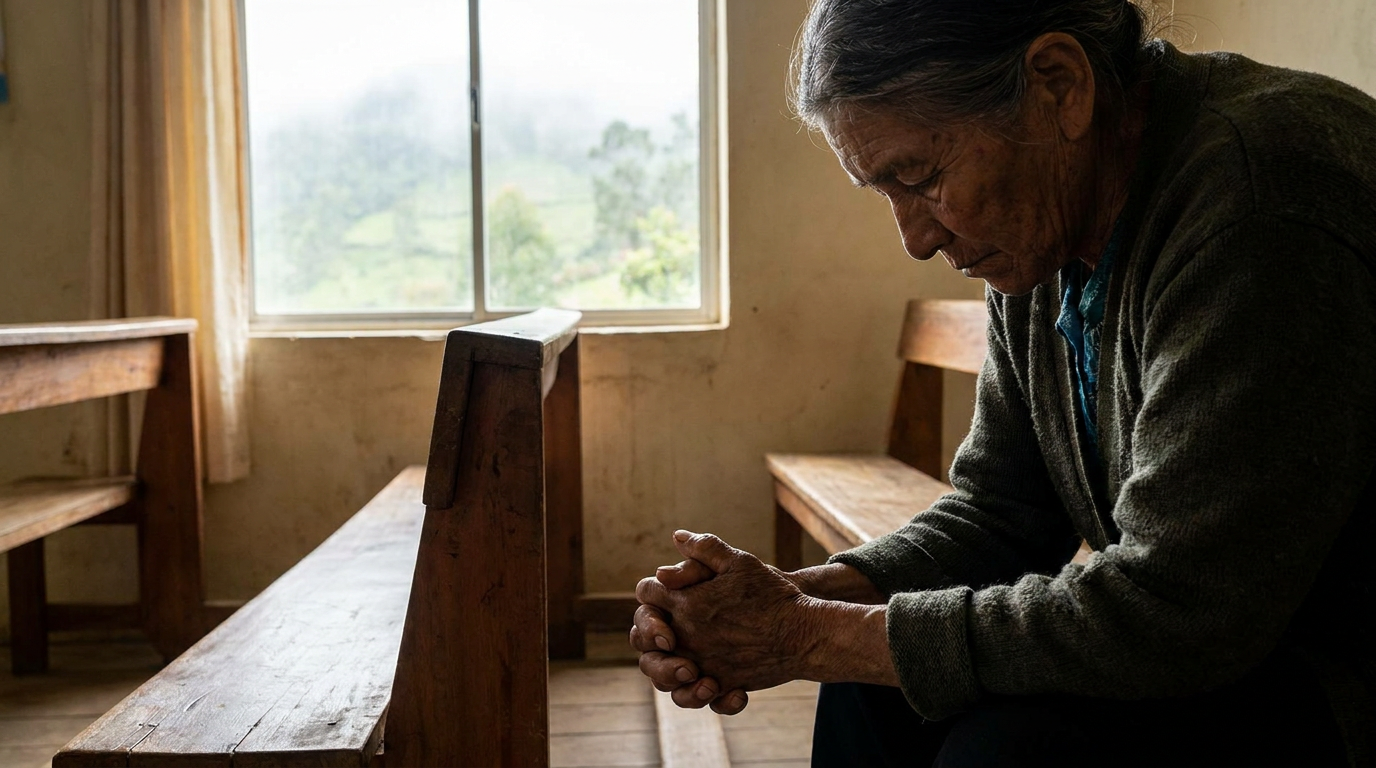
Prayer is not meant only for temples, churches, mosques, sacred gatherings, or difficult moments. Prayer is meant for daily life. It belongs in kitchens, cars, offices, classrooms, hospital rooms, and quiet walks beneath the sky.
Daily prayer helps us remember who we are and what life is for.
Prayer Brings Inner Clarity
The mind can become crowded with worries, desires, opinions, fears, and plans. Prayer creates space. When we bring our heart before God, we begin to see more clearly.
We may not receive an instant answer in words, but we often receive a shift in consciousness. We become calmer. We remember what matters. We feel strength to do the next right thing.
In the Bhagavad-gītā, Krishna teaches that from devotion comes understanding. When we approach God with love and sincerity, spiritual intelligence awakens within the heart. Prayer is one way that awakening begins.
Prayer Softens the Heart
Life can make the heart hard. Disappointment, betrayal, stress, and repeated struggle can cause us to protect ourselves by becoming closed. Prayer gently softens us again.
When we pray, we admit that we need grace. We remember that we are not the supreme controller. This humility is not weakness. It is spiritual strength. A humble heart can receive love, guidance, and healing.
Bhakti Yoga honors humility because love grows best in a heart that is open, grateful, and willing to learn.
Prayer Helps Us Face Suffering
Prayer does not always remove suffering immediately. Sometimes the illness remains. The grief remains. The difficult relationship remains. The uncertainty remains.
But prayer changes how we carry these things.
Instead of suffering alone, we suffer in relationship with God. Instead of drowning in fear, we begin to feel accompanied. Instead of asking only, “Why is this happening?” we may also ask, “How can this bring me closer to You? What can I learn? How can I love even now?”
This does not make pain easy, but it can make pain sacred.
Prayer Awakens Gratitude
Gratitude is one of the simplest and most transformative forms of prayer. When we thank God, we begin to notice grace everywhere: sunlight, breath, food, friendship, forgiveness, scripture, music, the chance to begin again.
Gratitude does not deny hardship. It simply refuses to let hardship become the whole story.
A grateful heart becomes a peaceful heart. And a peaceful heart becomes a beautiful offering.
How to Pray: A Simple Step-by-Step Guide
Many people wonder, “Am I praying correctly?” The most important answer is this: pray sincerely. God is not impressed by performance. God is moved by love.
Still, structure can help us begin. Here is a simple Bhakti-inspired way to pray.
Step 1: Pause and Become Present
Before speaking, take a moment to pause. Breathe slowly. Let the body settle. Let the mind know, “Now I am turning toward God.”
You may sit, stand, kneel, walk, or bow. The outer posture can support the inner mood, but the heart is most important.
If you have a sacred image, altar, candle, scripture, prayer beads, or a quiet corner, you can use these to help focus. But you can also pray anywhere.
Step 2: Offer Respect
Begin by acknowledging the Divine with reverence. You might say:
“Dear Lord, I come before You with humility.”
“Krishna, please allow me to remember You.”
“Beloved God, thank You for hearing me.”
“Please guide my heart.”
Respect opens the doorway of prayer. It reminds us that we are approaching someone sacred, loving, and greater than ourselves.
Step 3: Speak Honestly
Tell God what is truly in your heart. You do not need to hide. If you feel grateful, say so. If you feel afraid, say so. If you feel confused, say so. If you feel distant from God, you can even pray about that.
Honest prayer might sound like:
“I want to trust You, but I am struggling.”
“I am grateful for today.”
“I do not know what to do.”
“Please help me become less selfish.”
“Please protect my loved ones.”
“Please let me serve with love.”
The Divine already knows our heart, but prayer helps us open it consciously.
Step 4: Ask for Spiritual Guidance
It is natural to ask for practical help, but Bhakti prayer also asks for spiritual growth. This may include asking for patience, compassion, forgiveness, courage, detachment, and devotion.
A powerful prayer is:
“Please help me want what is good for my soul.”
This kind of prayer can slowly transform our desires. We begin to seek not only comfort, but truth. Not only success, but service. Not only relief, but love.
Step 5: Listen
Prayer is not only speaking. Prayer is also listening.
After you pray, sit quietly for a few moments. Let the Holy Name, scripture, or remembrance of God rest in the heart. You may not hear a voice. Often God guides through conscience, scripture, teachers, circumstances, and inner clarity.
Listening means becoming receptive. It means allowing God’s will to become more important than our own demands.
Step 6: Offer the Results
End your prayer by offering the results to God. This is an essential part of Bhakti Yoga. We act with sincerity, but we do not control everything.
You might pray:
“Please let this unfold according to Your will.”
“Please help me accept what You arrange.”
“Please use me in service.”
“Whatever happens, please keep me close to You.”
This mood brings peace because we place our life in divine hands.
Different Forms of Prayer in Bhakti Yoga
Prayer can take many forms. Some people connect through words. Others through music, silence, service, or sacred study. Bhakti Yoga welcomes many expressions of devotion.
Spoken Prayer
Spoken prayer is simple and direct. You can speak aloud in your own language. There is no need to sound poetic or formal. Speak as a child speaks to a loving parent, as a friend speaks to a dear friend, as a servant speaks to a beloved master.
The heart’s sincerity is the offering.
Silent Prayer
Sometimes words are not needed. Silent prayer is the inward turning of the heart toward God. This can happen during meditation, before sleep, while traveling, or in the middle of a busy day.
Even a silent remembrance—“Krishna, please be with me”—can be a full prayer.
Chanting Mantra
Chanting is one of the main practices of Bhakti Yoga. It combines prayer, meditation, and sound. The Holy Name is considered non-different from the Lord, meaning that God is fully present in His sacred names.
Chanting can be done softly on japa beads, which are prayer beads used to count repetitions of a mantra. It can also be sung in kirtan, a call-and-response form of devotional music.
Chanting cleanses the heart gradually. It may begin as a discipline, but over time it can become a deep source of joy.
Scriptural Prayer
Many prayers from Bhakti scriptures can guide our hearts. The prayers of great saints show us how to approach God with humility, longing, gratitude, and surrender.
For example, Queen Kunti’s prayers in the Śrīmad-Bhāgavatam teach deep dependence on Krishna even in difficulty. Prahlāda Mahārāja’s prayers reveal compassion and faith even under persecution. The songs of saints like Narottama Dāsa Ṭhākura and Bhaktivinoda Ṭhākura express honest longing for divine mercy.
We can read such prayers slowly and make them our own.
Prayer Through Service
Service is prayer in action. When we cook for God, feed others, clean, teach, care, listen, give, forgive, or encourage, we can do it as an offering.
The Bhagavad-gītā teaches that whatever we do, whatever we eat, whatever we offer or give can be done as an offering to the Lord. This transforms ordinary life into sacred life.
A mother caring for her child can pray through service. A worker doing their job with integrity can pray through service. A student studying with discipline can pray through service. A devotee sweeping the floor of a temple can pray through service.
When the intention is love, life becomes worship.
Common Obstacles in Prayer
Almost everyone faces challenges in prayer. This does not mean you are failing. It means you are human. The path of prayer is gentle but honest; it reveals the state of our heart so healing can begin.
“My Mind Wanders”
A wandering mind is very common. The mind has been practicing distraction for a long time, so we should not be surprised when it wanders during prayer.
When you notice the mind drifting, do not become discouraged. Simply return. Return to the Holy Name. Return to your words. Return to your breath. Return to God.
Every return is an act of devotion.
“I Do Not Feel Anything”
Sometimes prayer feels dry. We may not feel peace, emotion, or inspiration. Still, sincere prayer is never wasted.
Bhakti Yoga teaches that spiritual practice works deeply, even when we cannot immediately perceive the result. Just as medicine works even before symptoms change, prayer purifies the heart gradually.
Do not measure prayer only by emotion. Faithfulness itself is a beautiful offering.
“I Feel Unworthy”
Many people avoid prayer because they feel unworthy. But prayer is not a reward for the pure; it is shelter for those who wish to become purified.
If you feel unworthy, bring that feeling into prayer:
“Lord, I do not feel worthy, but I still want to come closer. Please accept me.”
This humility can become the beginning of deep spiritual life.
“I Am Not Sure God Is Listening”
Doubt can be part of the journey. Bhakti does not demand that we pretend. You can pray with doubt. You can say:
“God, if You are there, please help me know You.”
“Please guide me toward truth.”
“Please give me sincerity.”
Often faith grows not by force, but by practice. As we pray, chant, serve, and associate with sincere spiritual seekers, the heart gradually becomes more confident.
Prayer and Surrender
One of the deepest themes in Bhakti Yoga is śaraṇāgati, which means “surrender.” Surrender does not mean giving up in despair. It means lovingly placing ourselves in God’s care.
Surrender is not passive. It is active trust. We still work, serve, make choices, and fulfill responsibilities, but we do so with the understanding that God is the ultimate protector and guide.
The Prayer of “Please Use Me”
A mature prayer is not only “Please give me what I want,” but “Please use me for what You want.”
This prayer can change everything. It shifts us from self-centered living to God-centered living. We begin to see our talents, relationships, time, and resources as gifts meant for service.
It may feel frightening at first, but surrender brings great freedom. We no longer have to make ourselves the center of the universe. We can become instruments of divine love.
Accepting God’s Timing
Sometimes prayers are answered quickly. Sometimes they are answered slowly. Sometimes the answer is different from what we expected.
In Bhakti Yoga, we learn that God’s wisdom is greater than our limited vision. This does not mean we stop praying. It means we pray with trust.
A helpful prayer is:
“Please give me what brings me closer to You, and please remove what takes me away from You.”
This prayer invites grace, even when grace comes in unexpected forms.
Surrender and Responsibility
Surrender is not an excuse to avoid responsibility. If we pray for healing, we may also need to seek help, forgive, rest, or change habits. If we pray for guidance, we may need to study scripture, speak with wise people, and act with courage.
Prayer and effort belong together. We do our part, and we depend on God for the result.
Building a Daily Prayer Practice
A daily prayer practice does not have to be complicated. It should be sincere, realistic, and steady. Small daily steps can create deep transformation over time.
Morning Prayer
Morning is a powerful time to pray because it sets the direction of the day. Before entering messages, tasks, and responsibilities, take a few moments to remember God.
A simple morning prayer:
“Dear Lord, thank You for this day. Please guide my thoughts, words, and actions. Let me serve with humility and love. Please help me remember You.”
You may also chant the Hare Krishna maha-mantra, read a verse from the Bhagavad-gītā, or sit quietly in gratitude.
Prayer Before Meals
In Bhakti Yoga, food can become prasādam, which means “mercy” or “grace.” When food is prepared and offered to God with love, it becomes spiritually nourishing.
Before eating, you can pause and pray:
“Dear Lord, thank You for this food. Please accept this offering. May it nourish my body, mind, and soul for service.”
This simple practice transforms eating into gratitude and remembrance.
Prayer During Work
Work can become spiritual when offered to God. Before beginning your work, you might pray:
“Please help me do this with honesty, focus, and service. Let the results be offered to You.”
This brings dignity to daily duties and protects us from becoming consumed by ego, anxiety, or comparison.
Evening Prayer
Evening prayer helps us reflect and release the day. We can thank God, ask forgiveness, and place our worries down.
A simple evening prayer:
“Thank You for carrying me through this day. Please forgive my mistakes and help me learn from them. I offer everything to You. Please let me rest in Your remembrance.”
This can bring peace before sleep.
Prayers You Can Begin With
If you are unsure what to say, here are some simple prayers you can use or adapt. Let them be a starting point, not a script you must follow perfectly.
A Prayer for Guidance
“Dear Lord, I do not always know the right path. Please guide me from within and without. Help me recognize what brings me closer to You. Give me the courage to follow truth with humility and love.”
A Prayer for Devotion
“Krishna, all-attractive Lord, please awaken love in my heart. Help me remember You, chant Your Holy Names, serve Your children, and live in a way that pleases You.”
A Prayer in Difficulty
“Beloved God, I am struggling. Please give me strength, patience, and faith. I do not understand everything, but I ask You to stay close to me and help me take the next sincere step.”
A Prayer of Gratitude
“Thank You for this life. Thank You for breath, shelter, food, friendship, lessons, and the chance to grow. Please help me use Your gifts in service.”
A Prayer for Forgiveness
“Dear Lord, I have made mistakes. Please help me learn, heal, and change. Please soften my heart and guide me toward a life of compassion, honesty, and devotion.”
Prayer, Community, and Spiritual Growth
Prayer becomes stronger when supported by community. In Sanskrit, sādhu-saṅga means “association with sincere spiritual people.” This association is considered essential in Bhakti Yoga because the heart is influenced by the company it keeps.
When we gather with others to chant, pray, study scripture, and serve, our own devotion is nourished.
Praying With Others
Group prayer can be deeply healing. In kirtan, people chant together, often with music, call and response, and open hearts. Some come with strong faith. Some come with doubts. Some come simply because the sound feels peaceful.
All are welcome.
The beauty of shared prayer is that we do not have to carry our spiritual life alone. When one person feels weak, another’s faith may help them. When one person feels joyful, that joy spreads.
Learning From Saints and Teachers
Bhakti Yoga is carried through paramparā, a lineage of teachers who pass down spiritual wisdom. Authentic teachers help us understand scripture, deepen prayer, and avoid misunderstanding.
A humble teacher does not replace God. Rather, they help us turn toward God more sincerely.
By hearing from saints, reading sacred texts, and following practical guidance, our prayers become more mature and grounded.
Serving as an Extension of Prayer
Community also gives us opportunities to serve. We may help prepare meals, welcome guests, support events, clean, teach children, care for elders, distribute sacred food, or simply encourage someone who is struggling.
When service is offered with devotion, it becomes prayer that others can feel.
What Happens When We Pray Regularly?
Regular prayer slowly reshapes the heart. The change may be subtle at first, but over time it becomes unmistakable.
We may become less reactive.
We may forgive more easily.
We may feel more grateful.
We may become more honest with ourselves.
We may find strength in hardship.
We may feel drawn to chanting, scripture, and service.
We may begin to sense God’s presence in ordinary moments.
The goal of prayer is not merely to get things from God. The goal is to awaken love for God. This love is the deepest need of the soul.
Prayer Purifies Desire
At first, we may pray mostly for material things: success, protection, relief, relationships, health, and stability. These prayers are natural. But as devotion grows, our desires become purified.
We begin to pray for remembrance. For humility. For service. For love. For freedom from envy and selfishness. For the well-being of all beings.
This purification is a sign of spiritual growth.
Prayer Deepens Trust
Trust grows through relationship. The more we turn to God, the more we begin to recognize divine care. Sometimes we see how a difficult situation protected us. Sometimes we realize that a closed door was mercy. Sometimes we feel guided at just the right moment.
Prayer teaches us that we are not alone.
Prayer Leads to Love
The highest prayer in Bhakti Yoga is pure love—love without selfish demand. The great saints pray not for wealth, followers, comfort, or even liberation, but for loving service to the Lord.
This may seem far away from where we are now, and that is okay. Every sincere prayer is a step in that direction.
A Simple Way to Begin Today
If you want to begin a prayer practice, start gently. Choose one small daily step you can actually keep.
You might pray for three minutes each morning.
You might chant one round of the Hare Krishna mantra on beads.
You might offer your food before eating.
You might read one verse of the Bhagavad-gītā and speak to God about it.
You might end each night with gratitude.
You might attend kirtan or join a devotional gathering.
Do not underestimate small beginnings. In Bhakti Yoga, sincerity matters more than size. A tiny seed, watered daily, can become a great tree.
Prayer is that seed.
It can grow into remembrance, service, surrender, and love. It can carry us through sorrow and success. It can make the ordinary sacred. It can reconnect us with the One our heart has always been seeking.
Wherever you are in life, you are welcome to pray. If your faith is strong, bring it. If your faith is weak, bring that too. If you are joyful, come with gratitude. If you are broken, come as you are. God is not far away.
Take one sincere step. Whisper one honest prayer. Chant one Holy Name. Offer one act of service. Turn your heart toward God, and trust that divine love will meet you there.
Everyone is welcome to begin.
FAQs
What is prayer?
Prayer is a form of communication with a higher power or deity, often used for worship, supplication, or thanksgiving.
What are the different types of prayer?
There are various types of prayer, including adoration, confession, thanksgiving, and supplication. Different religious traditions may have their own specific forms of prayer.
How is prayer practiced in different religions?
Prayer is a central practice in many religions, including Christianity, Islam, Judaism, Hinduism, Buddhism, and others. Each religion has its own unique rituals, postures, and traditions related to prayer.
What are the benefits of prayer?
Prayer is believed to have numerous benefits, including providing comfort, fostering a sense of connection with a higher power, promoting gratitude, and offering a sense of peace and well-being.
How can one improve their prayer life?
Improving one’s prayer life can involve setting aside dedicated time for prayer, finding a quiet and peaceful environment, using prayer aids such as scriptures or prayer beads, and seeking guidance from spiritual leaders or mentors.

