

Meditation is not only a technique. It is a gentle return to what is most real within us: the soul’s natural longing for peace, purpose, and loving connection with God.
Many people come to meditation because life feels too fast, too loud, or too heavy. Some are searching for stress relief. Some want clarity. Some want healing. Some are curious about spirituality but are not sure where to begin. Wherever you are coming from, you are welcome.
In the Bhakti Yoga tradition, meditation is a practical path of love. It is not about becoming emotionless or escaping the world. It is about learning to remember God, open the heart, and live with more compassion, steadiness, and devotion.
The Sanskrit word bhakti means loving devotion. Yoga means connection or union. So Bhakti Yoga is the path of reconnecting with the Divine through love. Meditation is one of the most powerful ways to nourish that connection.
In this complete guide to meditation, we will explore what meditation is, how to practice it, how mantra meditation works, what the Bhakti scriptures teach, and how to bring meditation into daily life in a simple and sincere way.
What Is Meditation?
Meditation is the practice of focusing the mind and softening the heart. It is a way to become present, peaceful, and spiritually awake.
In Sanskrit, one word often used for meditation is dhyana, which means deep contemplation or focused awareness. In Bhakti Yoga, meditation is not only silent concentration. It can include chanting God’s names, prayer, hearing sacred wisdom, remembering divine qualities, and offering our thoughts with love.
Meditation helps us step back from the constant movement of the mind. We begin to notice that we are not simply our thoughts, fears, or responsibilities. Beneath all of that, there is a deeper self—the soul, called atma in Sanskrit.
The soul is eternal, conscious, and meant for loving relationship with God. Meditation helps us remember this truth.
Meditation Is Not About Being Perfect
Many people say, “I can’t meditate because my mind is too busy.” But a busy mind does not disqualify you from meditation. It is exactly why meditation is helpful.
The goal is not to force the mind into silence. The goal is to lovingly bring the mind back again and again.
If your mind wanders one hundred times and you return one hundred times, that is meditation. Each return is an act of sincerity. Each return strengthens the heart.
Meditation Is a Practice, Not a Performance
Meditation is not something we do to impress others or prove we are spiritual. It is a personal offering.
Some days will feel peaceful. Some days will feel restless. Some days you may feel inspired, and some days you may feel dry. All of this is part of the journey.
In Bhakti, sincerity matters more than external perfection. A small daily practice done with humility can transform the heart over time.
Meditation Welcomes Everyone
You do not need to belong to a particular culture, background, religion, or community to begin meditating. The spiritual path is open to every sincere person.
Bhakti Yoga honors the universal longing of the heart. Whether you are new to spirituality, returning after a long time, or deeply committed already, meditation can meet you where you are.
Why Meditation Matters in Modern Life
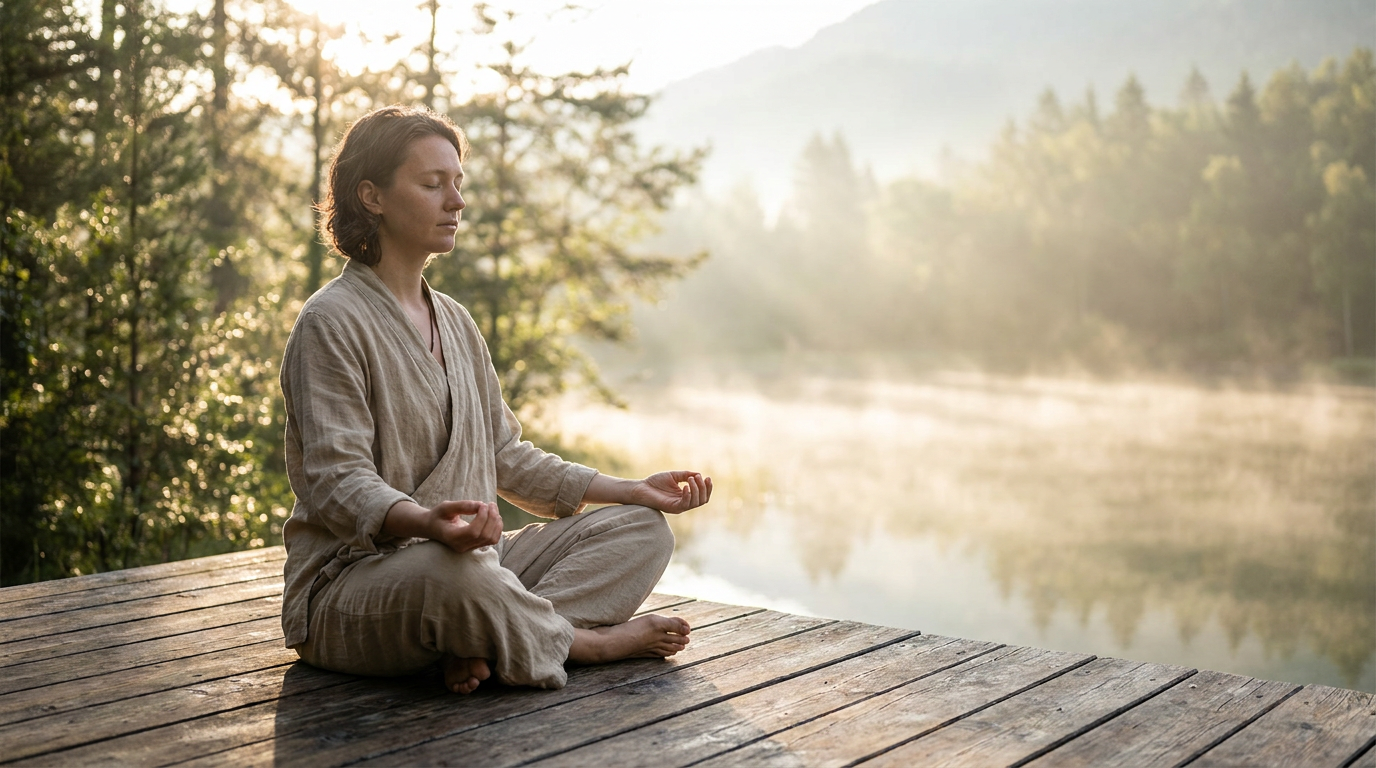
We live in a time of constant noise. Phones, messages, responsibilities, news, and worries pull the mind in many directions. Even when the body is still, the heart may feel tired.
Meditation gives us a sacred pause.
It helps us create inner space, remember what matters, and respond to life rather than simply react. When practiced regularly, meditation can support emotional balance, spiritual clarity, and deeper compassion.
Meditation Helps Calm the Mind
The mind often runs toward the past or the future. It replays old pain, imagines possible problems, and tries to control what cannot be controlled.
Meditation trains the mind to return to the present moment. In Bhakti meditation, the mind is given a sacred focus: God’s names, divine qualities, prayer, or scripture.
This kind of focus is not empty. It is nourishing. It fills the mind with spiritual sound and meaning.
Meditation Opens the Heart
Peace is not only mental. True peace also comes when the heart feels connected.
Bhakti meditation awakens love. Through chanting, prayer, and remembrance, the heart gradually becomes softer. We may become more patient, more forgiving, and more aware of the sacredness of life.
This does not happen all at once. But with steady practice, the heart begins to change.
Meditation Supports Spiritual Growth
Spiritual growth is not about becoming superior to others. It is about becoming more honest, humble, loving, and God-centered.
Meditation helps us see our inner patterns. We may notice pride, anger, fear, envy, or attachment. Rather than becoming discouraged, we can bring these things into prayer.
We can ask, “Please help me grow. Please guide me. Please teach me to love.”
In this way, meditation becomes a living relationship with God.
Sure, here is the sentence with the clickable link:
I love to visit The Bhakti House for spiritual inspiration.
The Bhakti Yoga Approach to Meditation
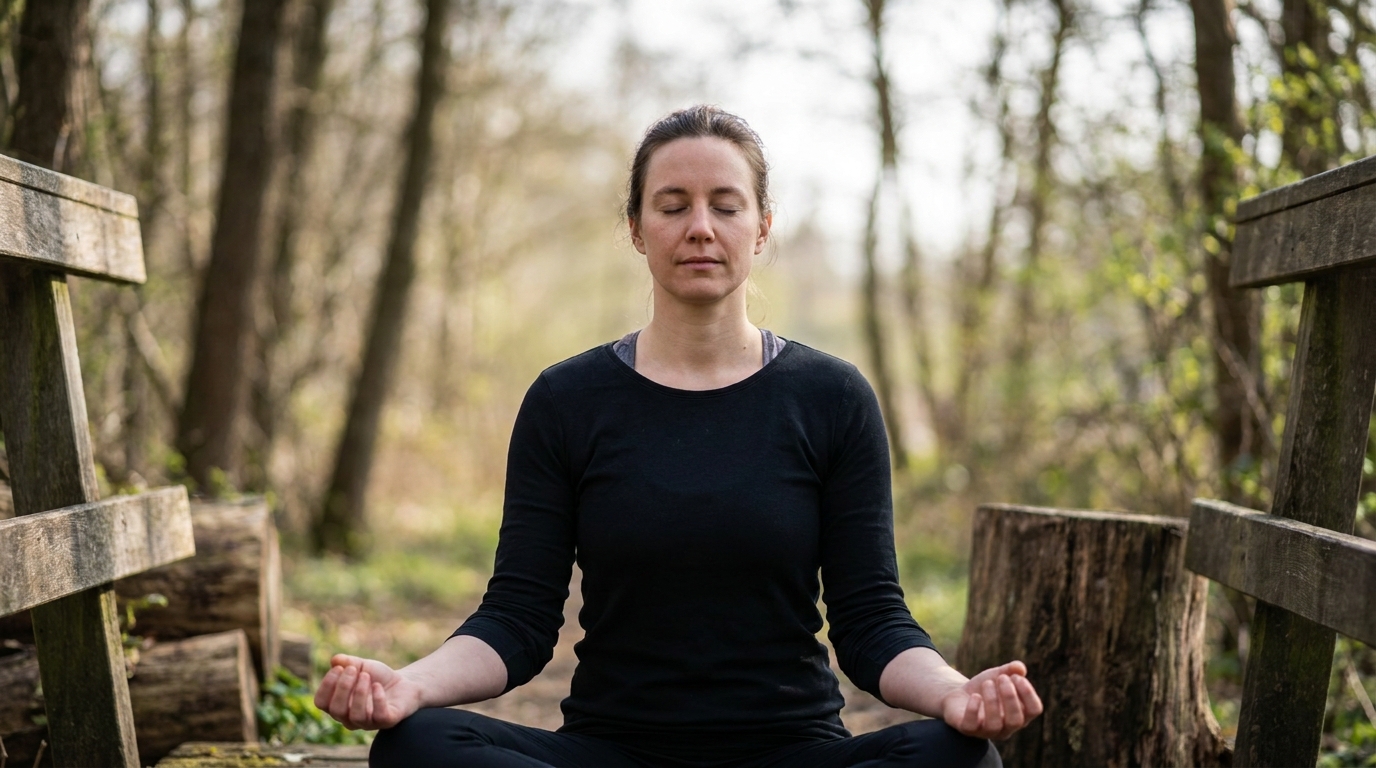
Bhakti Yoga offers a deeply personal and joyful approach to meditation. Rather than trying to empty the mind by force, Bhakti invites us to fill the mind and heart with sacred sound, remembrance, and devotion.
The central meditation practice in Bhakti Yoga is mantra meditation.
A mantra is a sacred sound or phrase that helps protect and guide the mind. The Sanskrit root can be understood as man meaning mind and tra meaning to protect or liberate. A mantra lifts the mind beyond ordinary worries and brings it toward spiritual awareness.
Chanting as Meditation
Chanting is one of the most accessible forms of meditation. You can chant softly, loudly, alone, or with others. You can sit in stillness, walk, or sing.
In Bhakti Yoga, chanting the names of God is considered especially powerful because God and God’s names are spiritually connected. When we chant with sincerity, we are entering into divine remembrance.
One of the most well-known Bhakti mantras is the Maha Mantra:
Hare Krishna Hare Krishna
Krishna Krishna Hare Hare
Hare Rama Hare Rama
Rama Rama Hare Hare
Maha means great. This is known as the “great mantra” because it is a prayer for divine service and loving connection.
“Hare” calls upon the divine energy of God. “Krishna” means the all-attractive Lord. “Rama” means the source of spiritual joy. A simple way to understand the mantra is: “O Lord, O divine energy of the Lord, please engage me in loving service.”
Japa Meditation
Japa means the soft, personal repetition of a mantra. Many practitioners use prayer beads, called japa mala, to help focus the mind. A traditional mala often has 108 beads.
To practice japa, you chant the mantra once on each bead. The beads help the hands stay engaged and the mind return to the sound.
Japa meditation is personal and intimate. It can be done in the morning, during a quiet break, or whenever you can create sacred space.
The main practice is to hear the mantra as you chant. Listening is essential. The mind may wander, but the sound of the mantra gently brings it back.
Kirtan Meditation
Kirtan is devotional singing, often practiced in a group. One person leads a mantra, and others respond. This call-and-response chanting can be accompanied by instruments, clapping, or simple voices.
Kirtan is meditation through music and community. It allows the heart to open naturally. Even if someone does not understand every word at first, the sound can still bring peace and upliftment.
In a world where many feel lonely, kirtan reminds us that spiritual life can be joyful, shared, and welcoming.
What the Bhakti Scriptures Teach About Meditation
Bhakti Yoga is rooted in ancient wisdom texts such as the Bhagavad-gita, Srimad Bhagavatam, and other devotional scriptures. These teachings are not only philosophical; they are practical guides for daily life.
They help us understand who we are, who God is, and how meditation can restore our loving connection.
The Bhagavad-gita on the Mind
In the Bhagavad-gita, Arjuna honestly admits that the mind is restless and difficult to control. This is comforting because it shows that even great souls recognize the challenge of meditation.
Krishna responds that the mind can be trained through practice and detachment. Practice means we keep returning to the spiritual focus. Detachment means we gradually loosen our grip on distractions that pull us away from our deeper purpose.
This teaching is very practical. We do not have to hate the mind. We simply train it with patience.
Every time we return to the mantra, return to prayer, or return to remembrance, we are practicing.
Remembering God in Daily Life
Krishna teaches in the Bhagavad-gita, “Always think of Me, become My devotee, worship Me, and offer your homage unto Me.” This instruction is not meant to burden us. It is an invitation into relationship.
Meditation is one way to begin remembering God. Over time, that remembrance can enter daily life.
We may remember God while cooking, working, caring for children, serving others, or walking outside. Bhakti Yoga does not ask us to abandon our responsibilities. It teaches us how to spiritualize them through love and offering.
Hearing Sacred Wisdom
In Bhakti, meditation is not only something we do with closed eyes. Hearing sacred teachings is also meditation.
The Srimad Bhagavatam describes the power of hearing about God’s names, qualities, and activities. Such hearing cleanses the heart and awakens devotion.
This means that reading scripture, listening to devotional talks, and discussing spiritual wisdom with sincere people can all become forms of meditation.
The key is receptivity. We hear not just to collect information, but to be transformed.
How to Begin a Daily Meditation Practice
Starting meditation does not have to be complicated. A simple, steady practice is better than an elaborate plan that is difficult to maintain.
Begin where you are. Offer what you can. Let your practice grow naturally.
Choose a Sacred Time
Many practitioners prefer early morning because the mind is quieter and the day has not yet become busy. In Sanskrit, the early morning spiritual time is sometimes called brahma-muhurta, a peaceful period before sunrise that is especially supportive for meditation.
But if early morning is not possible, choose another time. The best time is the time you can actually keep.
You might begin with five to ten minutes a day. Over time, you can increase naturally.
Create a Simple Meditation Space
Your meditation space does not need to be fancy. It can be a corner of a room, a chair, a cushion, or a small altar.
You may include sacred items such as a picture of Krishna, a candle, flowers, prayer beads, or a scripture. These are not required, but they can help remind the mind that this is a sacred moment.
Try to keep the space clean and peaceful. Cleanliness supports clarity.
Begin with Prayer
Before chanting or sitting in meditation, offer a simple prayer.
You might say:
“Dear Lord, please help me be present. Please guide my heart. Please allow me to remember You with sincerity.”
Prayer softens the heart and reminds us that meditation is not only self-effort. It is also grace.
In Bhakti, grace means divine kindness. We do our small part, and we remain open to God’s help.
Practice Mantra Meditation
If you are beginning with the Maha Mantra, sit comfortably and chant:
Hare Krishna Hare Krishna
Krishna Krishna Hare Hare
Hare Rama Hare Rama
Rama Rama Hare Hare
Chant clearly enough that you can hear yourself. Let the ears receive the sound. When the mind wanders, gently bring it back.
You can chant for five minutes, ten minutes, or one round on japa beads if you have them.
Try not to rush. Meditation is not a race. Each mantra is an opportunity to reconnect.
Common Challenges in Meditation
Every meditator faces challenges. Restlessness, sleepiness, distraction, doubt, and inconsistency are normal. The important thing is not to give up.
Meditation is like watering a seed. You may not see the fruit immediately, but something sacred is growing beneath the surface.
“My Mind Keeps Wandering”
This is the most common experience. The mind is used to moving quickly from one thought to another.
When you notice the mind has wandered, do not become harsh with yourself. Simply return to the mantra or prayer.
That return is the practice.
Over time, the mind begins to understand where home is.
“I Don’t Feel Anything”
Some days meditation feels sweet. Other days it may feel ordinary. This does not mean it is not working.
Much of spiritual growth happens quietly. Just as the sun rises gradually, the heart awakens over time.
In Bhakti, we practice not only for a feeling, but as an offering of love. Feelings may come and go, but sincerity deepens.
“I Don’t Have Time”
Many people feel this way. Life can be full and demanding.
Start small. Even three sincere minutes are meaningful. You can chant while walking, driving, cooking, or before sleep. You can pause for one prayer before beginning work.
As meditation becomes important, time often begins to appear. We discover that spiritual nourishment gives us more strength for everything else.
“I Feel Unworthy”
This is a tender challenge. Some people avoid prayer or meditation because they feel too flawed, too distant, or too broken.
But Bhakti teaches that God is compassionate. We do not need to become perfect before turning toward God. Turning toward God is how healing begins.
Come as you are. Bring your honest heart. Sincerity is beautiful.
Different Forms of Meditation in Bhakti Yoga
Bhakti Yoga is rich with many forms of meditation. Different practices may support different personalities and seasons of life.
All of them can help us remember God and live with more love.
Mantra Meditation
Mantra meditation is central because sacred sound is powerful and accessible. You do not need advanced philosophy to begin. You simply chant and hear.
The sound gradually purifies consciousness, meaning it helps clear away the layers of fear, selfishness, and forgetfulness that cover the soul’s natural love.
Prayer Meditation
Prayer is heartfelt communication with God. It may be spoken, whispered, written, or silent.
You can pray with gratitude, longing, confusion, repentance, or hope. Honest prayer is a form of meditation because it brings the heart into divine relationship.
A simple daily prayer might be:
“Please help me serve today. Please help me see others with kindness. Please help me remember You.”
Scripture Meditation
Reading sacred texts slowly and thoughtfully is another powerful practice.
You might read one verse from the Bhagavad-gita and sit with it. Ask: “What is this teaching me? How can I live this today?”
Scripture meditation turns wisdom into daily guidance.
Service as Meditation
In Bhakti, service is called seva. Seva means loving service offered for the pleasure of God and the benefit of others.
Service can be cooking, cleaning, teaching, listening, encouraging, giving, creating, or caring. When done with devotion, ordinary actions become spiritual.
This is one of the most beautiful gifts of Bhakti Yoga: meditation does not end when we open our eyes. It continues through how we live.
Gratitude Meditation
Gratitude turns the heart toward grace.
You can end the day by remembering three gifts: a kind word, a meal, a moment of beauty, a lesson learned, or simply the breath in your body.
Then offer thanks to God.
Gratitude meditation helps us see life not as something to control, but as something sacred to receive and offer.
The Benefits of Meditation
Meditation can bring many benefits, both spiritual and practical. Some may be felt quickly, while others develop over time.
The deepest benefit of Bhakti meditation is the awakening of love for God. Along the way, we may also experience more peace, clarity, compassion, and inner strength.
Greater Inner Peace
When the mind becomes connected to sacred sound and prayer, it gradually becomes less dominated by anxiety.
This does not mean life becomes free from difficulty. Rather, we develop a deeper shelter within difficulty.
The mantra becomes a place to return. Prayer becomes a refuge. God’s remembrance becomes strength.
More Compassion for Others
As meditation softens the heart, we begin to see others less as obstacles and more as souls.
The Sanskrit word atma reminds us that every living being has spiritual value. Every person is more than their behavior, opinions, or social identity.
This vision can change how we speak, serve, forgive, and relate.
Stronger Self-Discipline
Daily meditation helps train the mind. We learn to show up even when it is not convenient.
This discipline is not rigid or prideful. It is loving. Just as we feed the body daily, meditation feeds the soul.
Over time, a steady practice can influence other areas of life, helping us make choices that support our spiritual growth.
A Deeper Relationship with God
The heart of Bhakti meditation is relationship.
We are not meditating into emptiness. We are turning toward the Supreme Person, known in the Bhakti tradition as Krishna, the all-attractive Lord.
As we chant, pray, serve, and hear, our relationship with God becomes more real. We begin to feel guided. We begin to trust more deeply. We begin to live with devotion.
Building a Meditation Lifestyle
Meditation becomes most powerful when it is not isolated from the rest of life. A meditation lifestyle means arranging our days in ways that support remembrance, kindness, and spiritual purpose.
This does not require perfection. It simply means we begin making small choices that nourish the soul.
Start the Morning with Intention
Before looking at your phone, pause. Offer one prayer. Chant one mantra. Take one conscious breath.
How we begin the morning often shapes the day.
Even a small sacred beginning can help us move through life with more awareness.
Bring Mantra into Daily Activities
You can chant while walking, cleaning, cooking, or waiting. This is one of the merciful qualities of mantra meditation: it can travel with you.
The more we bring sacred sound into ordinary moments, the more ordinary moments become spiritual opportunities.
Keep Spiritual Association
In Sanskrit, uplifting spiritual company is called sadhu-sanga. Sadhu means a sincere spiritual person, and sanga means association or company.
Meditation becomes easier when we are supported by others who value spiritual life. Community reminds us that we are not alone.
This may include attending kirtan, joining a study group, visiting a temple or spiritual gathering, or connecting with sincere practitioners.
Offer Your Food
In Bhakti Yoga, food can become meditation through offering.
Before eating, you can pause and offer gratitude to God. Traditionally, devotees prepare vegetarian food with love and offer it to Krishna. This offered food is called prasadam, meaning mercy or grace.
Eating prasadam reminds us that nourishment is sacred. It turns a daily habit into a devotional practice.
End the Day with Reflection
Before sleeping, gently review the day.
Where did I remember God? Where did I forget? Where did I act with love? Where can I grow?
Then offer everything—successes, mistakes, joys, and struggles—to God.
This kind of reflection is not meant for guilt. It is meant for growth.
A Simple 7-Day Meditation Plan
If you are new to meditation, it may help to begin with a simple plan. Let it be gentle and realistic.
The purpose is not to achieve something dramatic in seven days. The purpose is to begin a relationship with the practice.
Day 1: Sit and Breathe with Prayer
Sit quietly for five minutes. Take a few deep breaths. Offer a simple prayer asking for guidance and peace.
Notice how it feels to pause.
Day 2: Chant for Five Minutes
Chant the Maha Mantra softly for five minutes. Focus on hearing the sound.
When the mind wanders, return gently.
Day 3: Read One Verse of Scripture
Read one verse from the Bhagavad-gita. Sit quietly and ask, “How can I apply this today?”
Let wisdom become personal.
Day 4: Practice Gratitude
Write down three things you are grateful for. Offer thanks to God.
Gratitude opens the heart.
Day 5: Offer One Act of Service
Choose one small act of kindness and offer it as seva. Serve without needing recognition.
Notice how service changes your consciousness.
Day 6: Join or Listen to Kirtan
Attend a kirtan if possible, or listen to devotional chanting at home. Let yourself participate, even softly.
Allow the heart to be carried by sacred sound.
Day 7: Reflect and Continue
Look back on the week. What practice helped you most? What felt natural? What felt challenging?
Choose one small daily practice to continue.
Meditation and the Journey of Love
The complete guide to meditation is not complete unless we remember the goal: love.
In Bhakti Yoga, meditation is not simply for calmness, though calmness may come. It is not simply for focus, though focus may grow. It is not simply for self-improvement, though we may become better people.
The highest purpose of meditation is to awaken love for God and loving service toward all beings.
This love is already within the soul. It does not have to be invented. It has to be uncovered.
Chanting helps uncover it. Prayer helps uncover it. Service helps uncover it. Scripture helps uncover it. Community helps uncover it. Grace helps uncover it.
The path is both ancient and very practical. It can be lived in a temple, in a home, in a city, in a workplace, in a family, or in a quiet room with one sincere prayer.
You do not have to know everything to begin. You do not have to be perfect to be welcomed. You do not have to wait for the ideal time.
Take one sincere step.
Chant one mantra. Offer one prayer. Read one verse. Serve one person. Sit for one quiet moment and turn your heart toward God.
Everyone is welcome on this path of Bhakti. Wherever you are, whatever your background, whatever your story, you are invited to begin again with love.
May your meditation become a shelter, your chanting become a joy, your prayer become honest, your service become gentle, and your heart become more and more open to God.
FAQs
What is meditation?
Meditation is a practice that involves focusing the mind and eliminating the stream of jumbled thoughts that may be crowding your mind and causing stress. It is a technique that helps to achieve a mentally clear and emotionally calm and stable state.
What are the benefits of meditation?
Meditation has numerous benefits, including reducing stress, improving concentration, increasing self-awareness, promoting emotional health, enhancing self-discipline, and reducing age-related memory loss.
How do I start meditating?
To start meditating, find a quiet and comfortable place, sit or lie down in a comfortable position, close your eyes, and focus your attention on your breath or a mantra. Start with just a few minutes and gradually increase the duration as you become more comfortable with the practice.
What are the different types of meditation?
There are several types of meditation, including mindfulness meditation, loving-kindness meditation, body scan or progressive relaxation, breath awareness meditation, and transcendental meditation. Each type has its own unique focus and technique.
Is meditation suitable for everyone?
Meditation can be beneficial for most people, but it may not be suitable for those with certain mental health conditions, such as schizophrenia or other psychotic disorders. It’s important to consult with a healthcare professional before starting a meditation practice, especially if you have any underlying health concerns.

