

A temple is more than a building. In the Bhakti tradition, it is a loving home for God and a sacred gathering place where hearts are softened through prayer, chanting, service, and community. Whether you are visiting for the first time, returning after many years, or looking for a deeper way to serve, temple service can become a beautiful path of spiritual growth.
In Sanskrit, the word seva means “service.” In Bhakti Yoga, seva is not only a duty or task. It is an offering of love. We serve because the soul naturally longs to love and be loved by God. Temple service helps us practice that love in simple, practical ways—with our hands, voice, time, talents, and intentions.
This complete guide to temple service is offered with humility and warmth for people of all backgrounds. You do not need to be perfect, advanced, or from a particular culture to begin. Bhakti Yoga welcomes sincere effort. Even one small act offered with love can transform the heart.
Temple service is any activity offered for the pleasure of the Lord and the upliftment of others within a sacred temple community. It may include cleaning, cooking, singing, greeting guests, preparing flowers, helping with festivals, supporting classes, caring for sacred spaces, or simply showing kindness to someone who walks through the door.
Seva: Service Offered With Love
The Sanskrit word seva is central to Bhakti Yoga. It means service, but it carries a deeper meaning: loving service offered without selfish expectation.
In the Bhagavad-gita 9.26, Krishna says:
“If one offers Me with love and devotion a leaf, a flower, fruit, or water, I will accept it.”
This verse is tender and practical. God is not asking for something expensive or impressive. He is asking for love. A simple flower, a cup of water, or a few minutes of sincere service can become spiritually powerful when offered with devotion.
Temple service teaches us that love is not only a feeling. Love becomes real through action.
The Temple as a Place of Relationship
In Bhakti, God is understood not as distant or impersonal, but as the Supreme Person, full of beauty, compassion, and loving relationships. The temple is arranged to support our relationship with Him.
The altar, the music, the lamps, the flowers, the food offerings, and the prayers are all meant to awaken remembrance. When we enter a temple, we are invited into a sacred rhythm: to slow down, to listen, to serve, and to reconnect with the deepest part of ourselves.
Service for God and Service for Others
Temple service is not only about rituals. It is also about caring for people.
Greeting a newcomer with kindness is seva. Washing dishes after a feast is seva. Helping a child feel welcome is seva. Supporting an elderly devotee, sweeping the floor, arranging shoes, or offering a listening ear can all be devotional acts.
In Bhakti Yoga, serving God and serving God’s children are deeply connected.
Why Temple Service Matters
Temple service may look ordinary from the outside, but it can gently reshape the heart. Over time, it teaches humility, patience, gratitude, cooperation, and love.
It Purifies the Heart
Bhakti scriptures often describe the heart as a mirror covered by dust. Through chanting, hearing sacred wisdom, and service, that mirror becomes clearer.
In the Sri Chaitanya-charitamrita, Sri Chaitanya Mahaprabhu teaches that chanting the holy names cleanses the mirror of the heart. Temple service supports this cleansing. It gives our restless mind something sacred to focus on. Instead of asking, “What can I get?” we begin asking, “How can I serve?”
This shift is very healing.
It Makes Spiritual Life Practical
Many people feel drawn to spirituality but wonder how to live it in daily life. Temple service gives us a simple answer: begin with what is in front of you.
Can you cook? Offer that skill.
Can you organize? Help with events.
Can you sing? Join kirtan.
Can you clean? Make the temple shine.
Can you smile? Welcome someone.
Bhakti Yoga is a practical path. It does not ask us to abandon our personality or talents. It invites us to spiritualize them.
It Builds Sacred Community
A temple grows through shared service. When people come together to cook, chant, clean, decorate, study, and celebrate, community becomes more than social gathering. It becomes sanga, a Sanskrit word meaning spiritual association.
Good association encourages us when we are weak, guides us when we are confused, and celebrates with us when we grow. Temple service helps us form relationships rooted in something higher than convenience or entertainment. We learn to serve side by side.
It Cultivates Humility
Humility is not thinking badly of ourselves. It is remembering that we are dependent on grace.
In temple service, we may do simple tasks that the ego does not always enjoy. We may clean a floor, take out trash, wash pots, or serve quietly without recognition. These services can be deeply purifying because they soften pride.
Bhakti teaches that humble service opens the heart to divine love.
Types of Temple Service
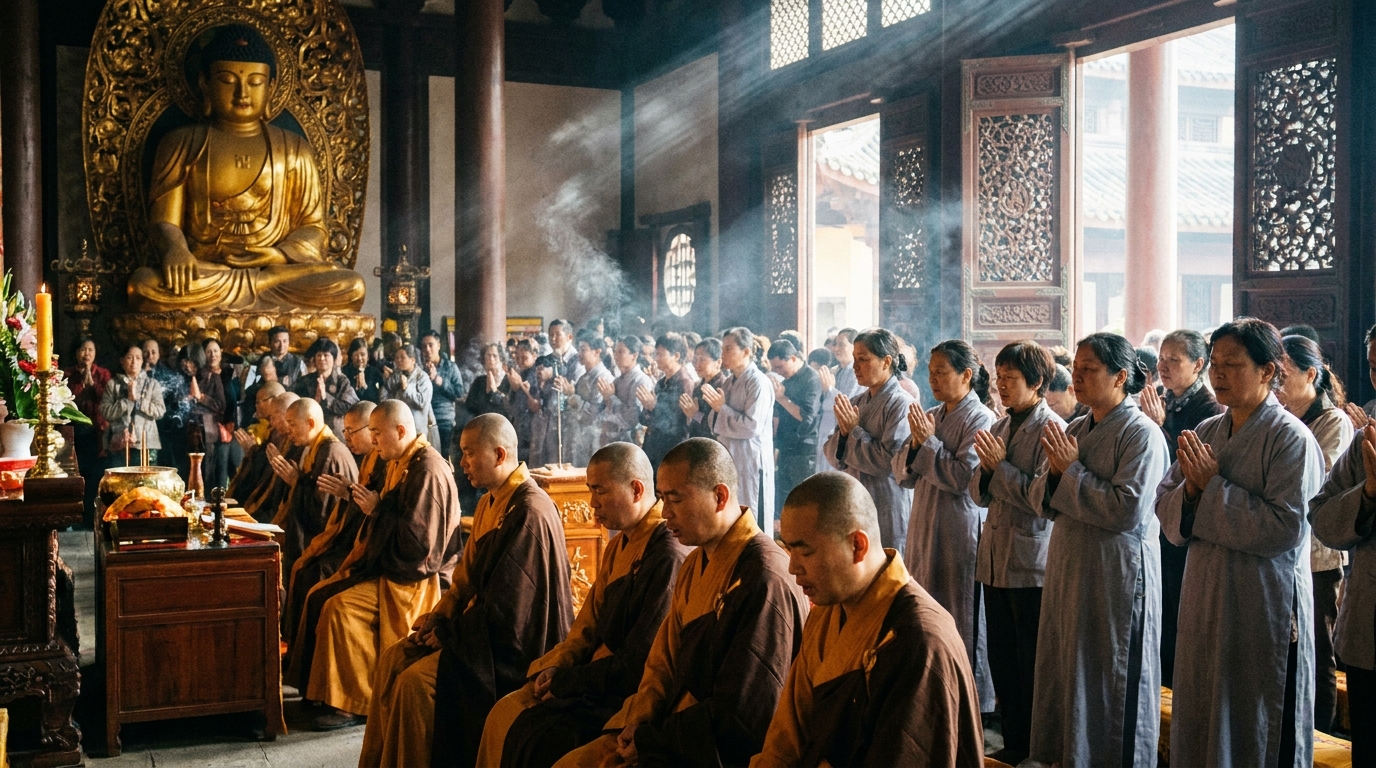
Every temple has different needs, but most Bhakti communities offer many ways to serve. The right service for you may depend on your nature, time, skills, and stage of spiritual life.
Cleaning and Caring for the Sacred Space
Cleaning is one of the most beloved forms of temple service. It may include sweeping, mopping, dusting, organizing, washing cloth, cleaning the kitchen, arranging seating, or preparing the temple room before programs.
In Bhakti, cleanliness is not only physical. It supports inner clarity. When we clean the temple, we can pray, “May my heart also become clean and welcoming for God.”
This service is especially beautiful because anyone can do it. It requires sincerity more than expertise.
Cooking and Preparing Prasadam
Prasadam means “mercy” or “grace.” In Bhakti temples, vegetarian food is prepared with devotion and offered to Krishna before being shared with everyone.
Cooking for the Lord is a sacred art. The consciousness of the cook matters. Devotees try to cook with cleanliness, prayer, and gratitude. They avoid tasting the food before it is offered, because the meal is first prepared for God’s pleasure.
After the offering, the food becomes prasadam—spiritually blessed nourishment. Sharing prasadam is one of the most accessible and joyful forms of temple service. It feeds the body and touches the heart.
Greeting Guests and Welcoming Newcomers
A warm welcome can change someone’s life.
Many people feel nervous when entering a temple for the first time. They may not know where to sit, what to do, how to participate, or whether they belong. A kind greeter can help them feel safe and included.
This service may include answering simple questions, guiding guests to programs, explaining customs, introducing people, or simply offering a smile.
In a Bhakti community, hospitality is sacred. Every guest is a soul loved by God.
Kirtan and Musical Service
Kirtan is devotional chanting, often performed with music and call-and-response singing. In many Bhakti temples, devotees chant the Hare Krishna maha-mantra:
Hare Krishna Hare Krishna
Krishna Krishna Hare Hare
Hare Rama Hare Rama
Rama Rama Hare Hare
The word mantra means a sacred sound vibration that helps free the mind. “Hare” calls upon the divine energy of the Lord, “Krishna” means the all-attractive Lord, and “Rama” means the source of spiritual joy.
Kirtan is open to everyone. You do not need a trained voice. You can sing, listen, clap, play an instrument, or simply sit prayerfully. Musical service helps create an atmosphere where people can remember God together.
Deity Service and Altar Assistance
In many Bhakti temples, the Lord is worshiped in a sacred form called the Deity or arca-vigraha. This is not considered an idol in the ordinary sense. Rather, devotees understand that God, out of kindness, appears in a visible form so we can offer personal service.
Deity service may include preparing flowers, making garlands, dressing the altar, assisting with offerings, or helping trained worshipers.
This service is usually guided carefully because it involves specific standards of cleanliness, attention, and reverence. If you feel drawn to altar service, speak with temple leaders and receive proper training.
Teaching, Study, and Children’s Programs
Some devotees serve by sharing wisdom. This may include teaching classes, leading study groups, helping with children’s activities, managing book tables, or facilitating discussions.
Bhakti scriptures such as the Bhagavad-gita and Srimad-Bhagavatam offer deep guidance for the soul. A good teacher does not simply give information. They help people apply spiritual wisdom with compassion and humility.
If you love learning, teaching, or supporting education, this may be a meaningful form of temple service.
Festival and Event Support
Bhakti temples often host festivals, sacred holidays, retreats, kirtan nights, and community feasts. These events require many helping hands.
Festival service may include decorating, cooking, setup, cleanup, parking support, sound system assistance, photography, guest care, children’s activities, fundraising, or outreach.
Festivals are powerful opportunities to share Bhakti Yoga with the wider community. Even behind-the-scenes service contributes to the spiritual joy of many people.
Please visit our website for more information on our articles: articles.
How to Begin Temple Service
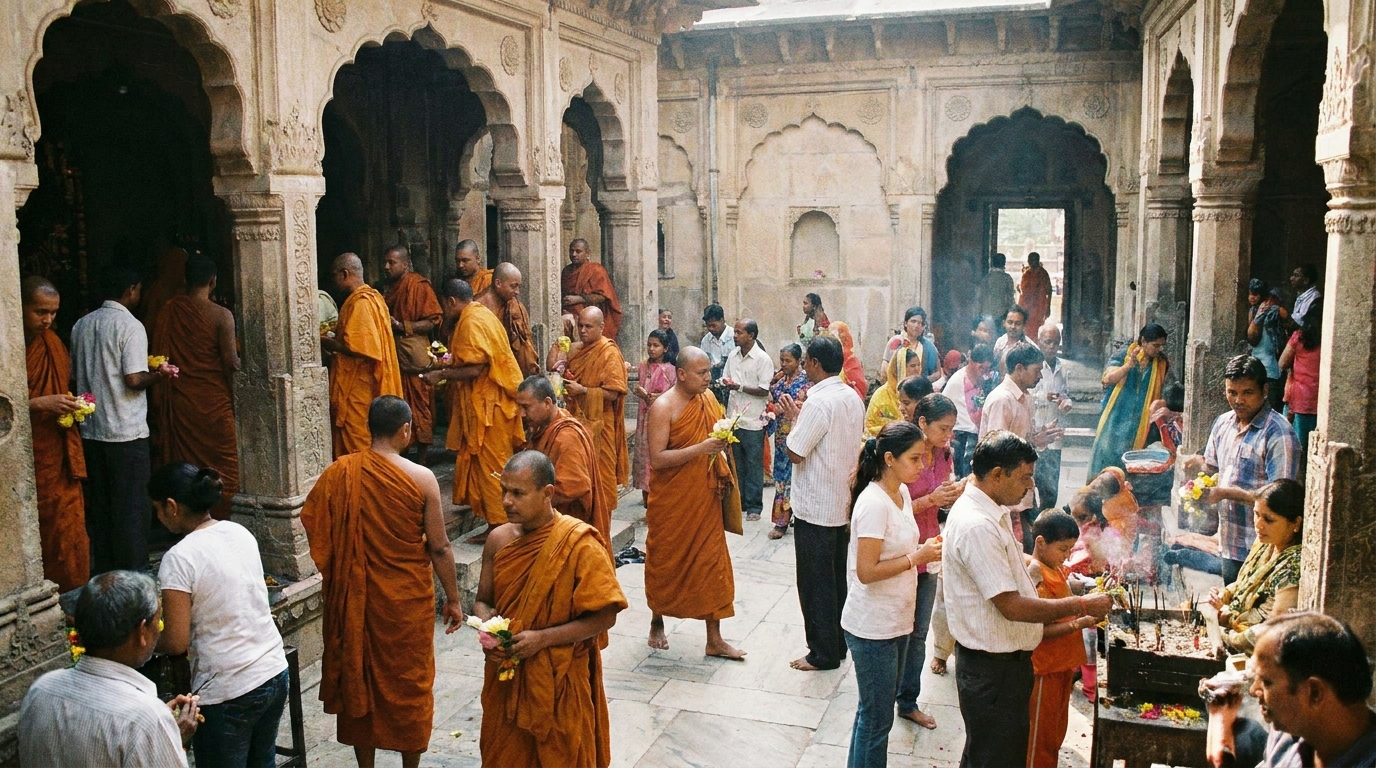
Starting temple service can feel intimidating, especially if you are new. Please know that every sincere person begins somewhere. You do not need to know everything.
Visit With an Open Heart
The first step is simply to come. Attend a kirtan, Sunday program, scripture class, meditation evening, or festival. Observe the mood. Notice what inspires you. Ask questions when appropriate.
You may not understand every song, ritual, or Sanskrit word at first. That is completely okay. Bhakti is learned through gentle participation over time.
Ask, “How Can I Help?”
A simple question can open many doors: “Is there any way I can serve?”
Temple leaders or volunteers may suggest a small task such as helping with shoes, washing cups, cutting vegetables, setting up chairs, or cleaning after the program.
Try not to judge the service as big or small. In Bhakti, the value of service is measured by sincerity, not visibility.
Start Small and Be Steady
It is better to offer a small service regularly than to overcommit and become exhausted.
You might begin by serving once a week, once a month, or during special events. You may choose one area and grow slowly. Steadiness builds trust, confidence, and inner strength.
Krishna appreciates sincere consistency.
Receive Guidance
Temple service is most nourishing when done under guidance. This does not mean losing your individuality. It means learning from those with experience.
Ask how things are done. Be willing to receive correction. Clarify expectations. If you make a mistake, do not be discouraged. Service is a learning process.
A humble mood allows service to become spiritual practice rather than personal performance.
Offer Your Skills
Bhakti temples need many kinds of skills. If you have experience in cooking, music, design, cleaning, writing, administration, finance, gardening, technology, teaching, construction, counseling, photography, or event planning, there may be a way to offer it.
At the same time, it is also healthy to do simple services outside your comfort zone. Both skilled service and humble service help the heart grow.
The Inner Mood of Temple Service
Temple service is not only about what we do. It is about how we do it. The inner mood makes the offering alive.
Serve With Gratitude
A helpful prayer before beginning service is:
“Dear Lord, thank You for allowing me to serve. Please let this be pleasing to You.”
Gratitude protects us from resentment. Instead of thinking, “Why do I have to do this?” we can remember, “I get to offer something.”
This shift changes everything.
Serve Without Expecting Praise
It is natural to appreciate encouragement, and a healthy community should be grateful for its volunteers. Still, Bhakti invites us to go deeper than recognition.
When service is done only for praise, the heart becomes restless. When service is offered for God’s pleasure, the heart becomes peaceful.
The Bhagavad-gita teaches the beauty of offering action without attachment to personal reward. This does not mean becoming passive or uncaring. It means learning to act with love and surrender.
Serve Cooperatively
Temple service often means working with others. This can be joyful, but also challenging. Different personalities, opinions, and habits may arise.
Cooperation is part of the practice.
We can ask ourselves: Am I listening? Am I being kind? Am I more attached to being right than being useful? Can I appreciate another person’s service?
A temple community becomes strong when devotees learn to honor one another.
Serve With Cleanliness and Care
Because temple service is sacred, we try to serve with attention. This includes physical cleanliness, respectful speech, punctuality, and care for temple property.
If cooking, clean hands and clean consciousness matter. If serving guests, a clean and welcoming attitude matters. If handling sacred items, reverence matters.
Care is a form of love.
Serve as Prayer
Every task can become prayerful.
While sweeping, we can pray for humility.
While cooking, we can pray that people feel nourished.
While singing, we can pray that hearts awaken.
While greeting guests, we can pray that everyone feels welcomed.
While washing dishes, we can pray to be cleansed of selfishness.
This is the beauty of Bhakti Yoga. Ordinary actions become offerings.
Temple Etiquette for Visitors and Volunteers
Temple etiquette helps create an atmosphere of respect, focus, and devotion. Customs may vary by community, so it is always okay to ask kindly if you are unsure.
Entering the Temple
Many temples ask visitors to remove shoes before entering the sacred space. This is a sign of respect and cleanliness.
You may see people bowing before the altar. Bowing is an expression of humility, but newcomers should never feel pressured. You can participate in a way that feels sincere and respectful.
Dress and Modesty
Some temples encourage modest clothing, especially in the temple room or altar area. This does not mean judgment. It simply helps maintain a sacred mood.
If you are volunteering in cooking or altar-related service, you may be asked to follow specific clothing or cleanliness guidelines.
Participating in Chanting and Prayer
During kirtan, you are welcome to sing, listen, clap, dance, or sit quietly. Bhakti is not forced. The holy names are a gift, and each person receives them in their own time.
If prayers are offered in Sanskrit, do not worry if you cannot pronounce everything. Listening with respect is also meaningful.
Honoring Prasadam
When prasadam is served, receive it with gratitude. Because it has been offered to God, devotees treat it with respect.
If you have dietary needs, kindly ask what is in the food. Most Bhakti temples serve vegetarian meals, often without onion and garlic, depending on the tradition and offering standards.
Respecting the Altar and Sacred Items
The altar is a sacred area. Unless invited or trained, visitors usually do not step onto the altar or touch Deity items.
Books such as the Bhagavad-gita and Srimad-Bhagavatam are also treated respectfully. They are not merely literature; they carry spiritual wisdom.
Respectful behavior helps everyone feel the sacredness of the space.
Common Challenges in Temple Service
Because temple service involves real people and real responsibilities, challenges may arise. These challenges are not signs of failure. They can become opportunities for growth.
Feeling Unqualified
Many people think, “I do not know enough,” or “I am not spiritual enough to serve.”
But Bhakti begins with sincerity, not perfection. If we wait until we are completely pure before serving, we may never begin. Service itself helps purify us.
Come as you are, and allow the practice to shape you.
Becoming Overwhelmed
Sometimes enthusiastic volunteers take on too much. Service should be heartfelt, not harmful. If you feel overwhelmed, speak honestly with a service coordinator or mentor.
Healthy service includes balance, rest, and clear communication.
Sustainable devotion is better than burnout.
Comparing Your Service to Others
The mind may compare: “Their service is more important,” or “No one notices what I do.”
In Bhakti, every sincere offering matters. A person singing on stage and a person cleaning after everyone leaves can both be pleasing to Krishna.
The Lord sees the heart.
Facing Conflict
Even in spiritual communities, misunderstandings can happen. When they do, try to respond with humility, honesty, and patience.
Seek mediation if needed. Avoid gossip. Remember that the person before you is also a soul on a journey.
Conflict handled with maturity can deepen compassion.
Losing the Devotional Mood
Sometimes service becomes mechanical. We may be busy but forget why we are serving.
When this happens, pause. Chant. Pray. Read a verse. Sit before the altar. Remember that service is not just productivity; it is relationship.
Returning to remembrance restores the heart.
Scriptures That Inspire Temple Service
Bhakti Yoga is rooted in sacred wisdom. These scriptures are not meant to remain on a shelf. They guide our daily choices and deepen our service.
Bhagavad-gita: Offer Everything With Love
The Bhagavad-gita teaches that our work can become spiritual when offered to God. Krishna says in 9.27:
“Whatever you do, whatever you eat, whatever you offer or give away, and whatever austerities you perform—do that as an offering to Me.”
This verse is a complete guide to devotional living. Temple service trains us to offer our actions. Then, gradually, we learn to offer our whole life.
Srimad-Bhagavatam: Hearing, Chanting, and Remembering
The Srimad-Bhagavatam describes nine processes of Bhakti, including hearing about God, chanting His names, remembering Him, serving His feet, worshiping, praying, serving as a friend, and surrendering everything.
Temple life naturally includes many of these practices. We hear wisdom, chant in kirtan, offer worship, serve devotees, and remember the Lord together.
Narada Bhakti Sutra: Love as the Goal
The Narada Bhakti Sutra describes Bhakti as the highest love for God. This reminds us that the goal of temple service is not status, control, or religious appearance. The goal is love.
If our service helps us become kinder, humbler, more prayerful, and more connected to God, then it is doing its sacred work.
Bringing Temple Service Into Daily Life
Temple service does not end when we leave the temple. The real fruit of seva is that our whole life gradually becomes an offering.
Make Your Home a Sacred Space
You can create a small altar or prayer corner at home with a picture of Krishna, sacred texts, flowers, or a candle. Offer a little water, fruit, or a simple vegetarian meal with prayer.
Even a few minutes of daily devotion can bring temple consciousness into your home.
Chant Every Day
Chanting is one of the most accessible practices of Bhakti Yoga. You can chant the Hare Krishna mantra softly, sing along with kirtan, or repeat God’s names according to your own tradition.
The holy name meets us wherever we are.
Serve Your Family and Community
When done with devotion, caring for children, helping a neighbor, working honestly, feeding others, or showing compassion can become part of your spiritual path.
Bhakti does not reject the world. It teaches us to live in the world with a heart turned toward God.
Stay Connected With Sanga
Spiritual growth is easier with good association. Attend temple programs when you can. Join online classes if needed. Read scripture with others. Ask questions. Keep company with people who inspire your devotion.
We grow through connection.
A Simple Temple Service Checklist
If you are ready to begin, here is a gentle checklist:
Before You Serve
Pray for a sincere heart.
Arrive on time if you have committed to a service.
Ask for instructions.
Clarify what is needed.
Set aside the desire for recognition.
While You Serve
Stay attentive.
Be kind to others.
Chant inwardly when possible.
Ask questions if unsure.
Remember that the service is an offering.
After You Serve
Offer gratitude.
Help clean up if needed.
Reflect on what you learned.
Avoid pride or discouragement.
Pray to serve again with more love.
The Heart of Temple Service
Temple service is a complete guide to living Bhakti in action. It teaches us to love through our hands, words, minds, and hearts. It welcomes the musician and the cleaner, the teacher and the cook, the newcomer and the lifelong practitioner.
No sincere service is too small. A lamp offered with love, a floor swept with prayer, a meal cooked with devotion, a mantra sung with tears, or a guest welcomed with kindness can all become steps toward God.
At The Bhakti House, we believe spiritual life should be warm, practical, and open-hearted. Wherever you come from, whatever your background, and however much you know or do not know, you are welcome on the path of Bhakti Yoga.
Come with your questions. Come with your longing. Come with your imperfections. Take one sincere step toward God through chanting, prayer, service, or simply opening your heart. Krishna sees that step, and by grace, He lovingly takes many steps toward you.
FAQs
What is temple service?
Temple service refers to the religious rituals and practices performed in a temple or place of worship. These services can include prayer, meditation, offerings, and other forms of worship.
What are the different types of temple services?
There are various types of temple services, including daily prayers, weekly Sabbath services, holiday and festival services, and special ceremonies such as weddings, funerals, and other life cycle events.
Who can participate in temple service?
Participation in temple service is typically open to members of the religious community to which the temple belongs. However, some temples may also welcome visitors and non-members to participate in certain services.
What are the benefits of participating in temple service?
Participating in temple service can provide spiritual nourishment, a sense of community, and a connection to one’s religious tradition. It can also offer opportunities for personal reflection, growth, and a deeper understanding of one’s faith.
How can one prepare for temple service?
Preparation for temple service may involve familiarizing oneself with the order of the service, dressing modestly and appropriately, bringing any necessary religious items or offerings, and maintaining a respectful and reverent attitude during the service.

