
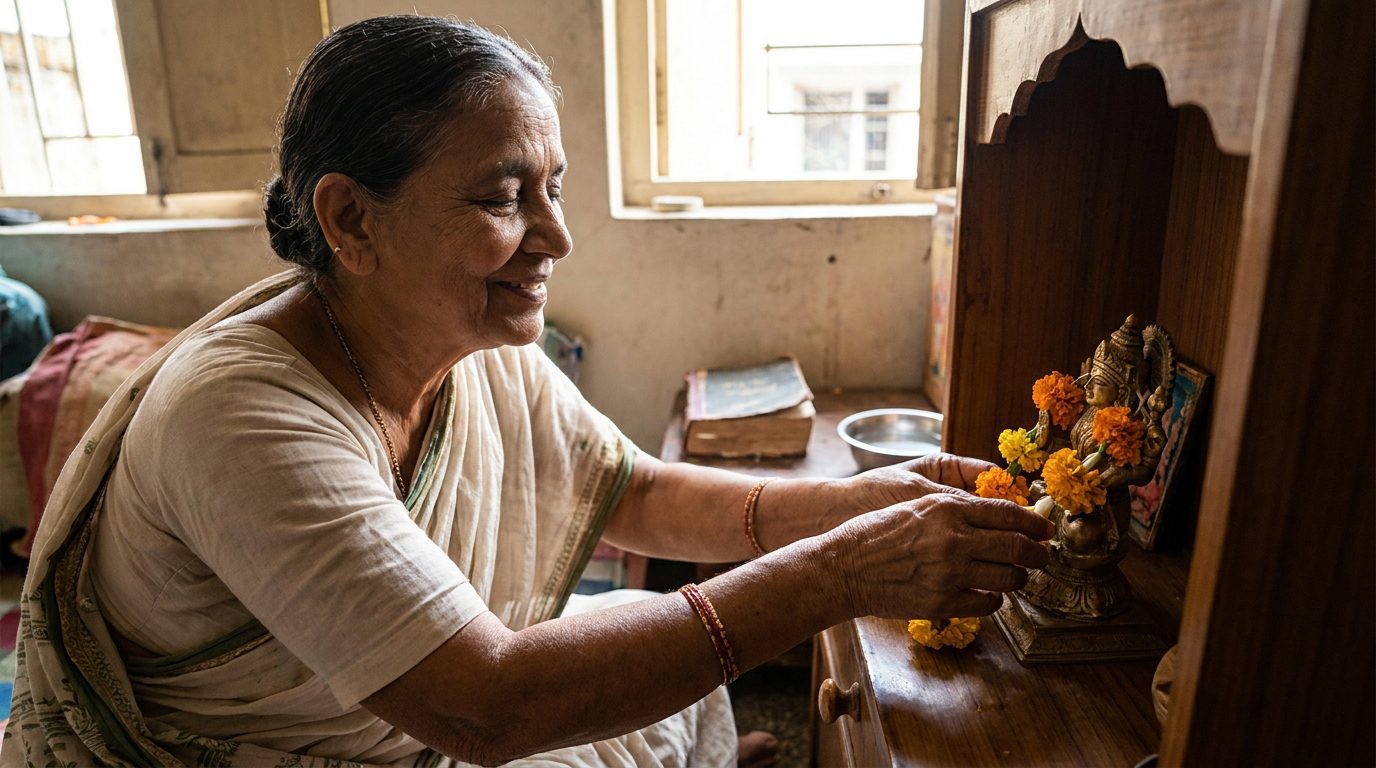
Understanding Mature Bhakti as a Living Relationship
Bhakti Yoga is the path of loving devotion to God. The Sanskrit word bhakti comes from a root meaning “to share,” “to serve,” or “to love.” In simple terms, Bhakti is the practice of offering our heart to the Divine through chanting, prayer, service, remembrance, and sincere living.
At The Bhakti House, we often speak of Bhakti not as a performance, but as a relationship. Like any relationship, it grows over time. At first, we may come to spiritual life with curiosity, pain, longing, or even confusion. We may not know the philosophy clearly. We may not have a steady practice. We may simply feel that there must be something deeper than material success, distraction, and temporary happiness.
That sincere beginning is precious.
As Bhakti matures, something beautiful begins to happen. Our devotion becomes less dependent on outer circumstances. Our love becomes more natural. Our service becomes more joyful. Our heart becomes softer, humbler, and more honest before God.
In the Bhagavad-gita, Krishna says, “As they surrender unto Me, I reward them accordingly” (Bhagavad-gita 4.11). This is a deeply compassionate teaching. It means God meets us where we are. We do not have to be perfect to begin. But as we keep taking sincere steps, our inner life begins to transform.
Spiritual growth in Bhakti is not measured by how much we know, how loudly we chant, how many people admire us, or how religious we appear. Mature Bhakti is seen in the heart. It is revealed in our choices, our humility, our compassion, our steadiness, and our increasing desire to love and serve God.
Below are key signs that your Bhakti is maturing. Please receive them gently. They are not meant to make anyone feel advanced or discouraged. They are simply mirrors for reflection, encouragement, and continued growth.
Your Attraction to Chanting Becomes Deeper and More Personal
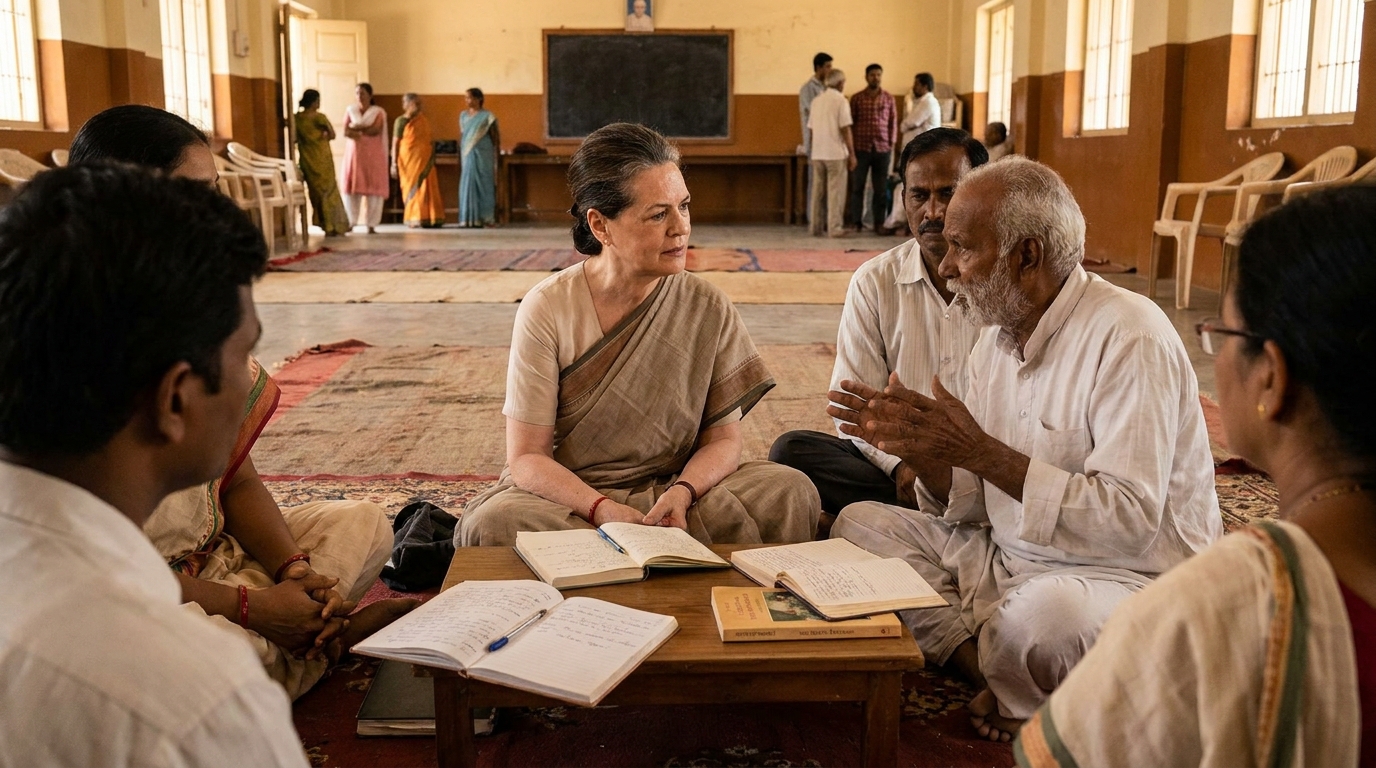
One of the most beautiful signs of maturing Bhakti is a growing attraction to chanting the holy names of God.
In Bhakti Yoga, chanting is a central practice because the Divine Name is understood to be spiritually powerful and personally connected with God. The maha-mantra is especially cherished:
Hare Krishna Hare Krishna
Krishna Krishna Hare Hare
Hare Rama Hare Rama
Rama Rama Hare Hare
“Hare” calls upon the divine energy of God, especially the compassionate feminine aspect of devotion. “Krishna” means the all-attractive Lord. “Rama” means the source of spiritual joy. In simple terms, this mantra is a prayer: “O Lord, O Divine Energy, please engage me in loving service.”
At first, chanting may feel unfamiliar. The mind may wander. The tongue may move while the heart feels distant. That is normal. Bhakti is a practice, and practice means we begin wherever we are.
You Begin to Chant for Connection, Not Just Completion
In the early stages, we may focus mainly on finishing a certain number of rounds, attending kirtan, or keeping a routine. These are good and helpful structures. But as Bhakti matures, chanting becomes more relational.
We begin to feel, “I am not just saying sounds. I am calling out to someone.” The mantra becomes a meeting place. It becomes a doorway into prayer.
This does not mean every chanting session feels ecstatic. Mature Bhakti is not dependent on constant spiritual emotion. Some days chanting may feel dry. Some days the mind may be restless. But the sincere practitioner continues, knowing that the holy name is kind and purifying.
You Notice More Honesty in Prayer
Another sign of growth is that your chanting becomes more honest. Instead of trying to impress God, you begin to speak from the heart.
You may pray, “Krishna, I am distracted, but I still want to come closer.”
You may pray, “Please help me serve.”
You may pray, “I do not know how to love You properly, but I want to learn.”
This kind of honest prayer is very dear in Bhakti. God is not looking for polished language. God is looking for sincerity.
Your Heart Becomes Softer Toward Others
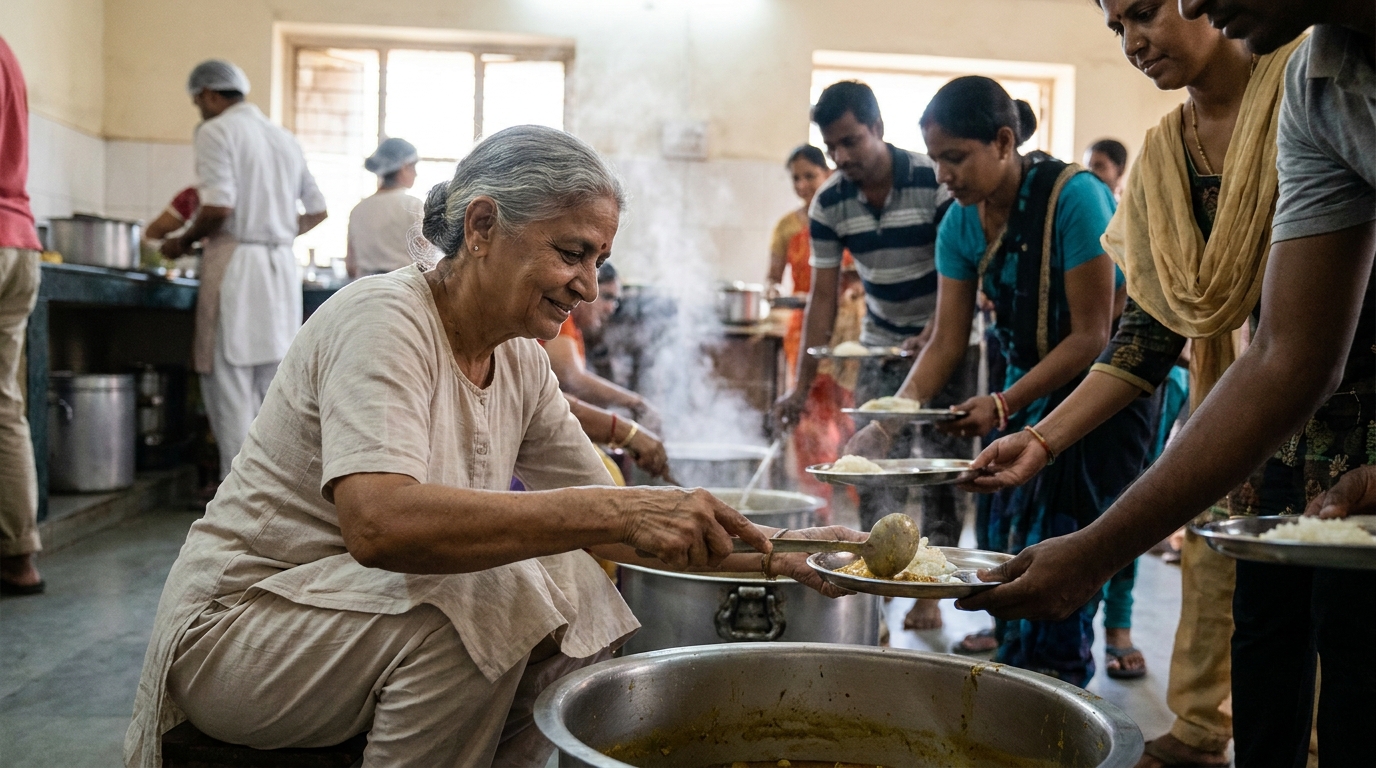
A maturing devotee becomes more compassionate. This is one of the clearest signs of genuine spiritual growth.
Bhakti is not meant to make us hard, judgmental, proud, or disconnected from the suffering of others. If our spiritual practice is real, it should soften the heart. We begin to see other living beings not as objects for our use, rivals to defeat, or strangers to ignore, but as souls—beloved children of God.
In the Bhagavad-gita 5.18, Krishna describes the wise as those who see with equal vision. Such a person sees the spiritual equality of all beings, regardless of outer body, status, education, species, wealth, or background.
This does not mean we ignore practical differences. It means we begin to perceive the sacredness of life.
You Become Less Interested in Criticizing
When Bhakti is immature, we may use spiritual knowledge to compare ourselves with others. We may notice who is doing what wrong. We may become excited by finding faults. We may feel secretly superior because of our practices, diet, clothing, philosophy, or community.
But as Bhakti matures, fault-finding becomes painful. We realize how much mercy we ourselves need. We remember our own weaknesses. We begin to understand that everyone is struggling in some way, and everyone is on a journey.
This does not mean we lose discrimination. Mature compassion does not excuse harmful behavior or pretend everything is spiritually healthy. But it does mean we correct, guide, or protect with humility rather than ego.
A soft heart asks, “How can I help?” more often than “How can I judge?”
You Feel More Responsible for the Energy You Bring
Spiritual growth also shows in how carefully we treat others. We become more aware of our words, tone, and intentions.
We may start asking:
“Was that necessary to say?”
“Did I speak with kindness?”
“Am I listening deeply?”
“Did I make this person feel closer to God or farther away?”
In Bhakti, every interaction can become service. A smile can be service. Patient listening can be service. Encouraging someone can be service. Cooking for others, cleaning a temple, supporting a friend, forgiving a mistake, or speaking truth with love—all of these can be offerings to Krishna.
Mature Bhakti is not only visible in the temple or during kirtan. It is visible in how we treat people when no one is watching.
Discover a wide range of insightful articles that delve into various spiritual topics. Our articles provide guidance and inspiration for your personal growth journey. Stay updated with the latest articles to enhance your understanding of spiritual practices.
You Become More Humble Without Becoming Hopeless
Humility is one of the most important qualities in Bhakti Yoga. But humility is often misunderstood.
True humility does not mean hating yourself. It does not mean denying your gifts. It does not mean allowing others to mistreat you. Spiritual humility means seeing clearly: “Everything I have is a gift from God, and I am meant to use it in service.”
In the Sri Siksastakam, a beautiful set of prayers by Sri Chaitanya Mahaprabhu, we find this famous instruction:
“One should chant the holy name of the Lord in a humble state of mind, thinking oneself lower than a blade of grass, more tolerant than a tree, free from pride, and ready to offer respect to others.”
This teaching is deep and practical. It invites us to become gentle, patient, and respectful, so that the holy name can be chanted constantly.
You No Longer Need to Be Seen as Spiritually Advanced
A sign of maturing Bhakti is that we become less hungry for recognition. We do not need everyone to know how much we chant, how much we serve, how much we study, or how much we sacrifice.
In the beginning, appreciation may encourage us, and that is natural. Community support is healthy. But over time, we begin to find joy in serving even when no one notices.
We may clean quietly. We may pray silently. We may support others without needing credit. We may be happy when someone else is praised.
This is not easy. The ego likes to be honored. But Bhakti gently trains the heart to seek God’s pleasure more than public approval.
You Can Admit When You Are Wrong
Mature Bhakti also appears as the ability to apologize.
When devotion is still mixed with pride, we may defend ourselves quickly. We may spiritualize our mistakes. We may avoid feedback. But as our heart becomes more grounded, we can say, “I was wrong,” “I am sorry,” or “Thank you for helping me see that.”
This is a very beautiful sign of growth.
A devotee is not someone who never makes mistakes. A devotee is someone who keeps turning toward God, even after mistakes, and becomes more sincere through the process.
Your Practice Becomes Steadier Through Highs and Lows
In the early stages of spiritual life, inspiration may come in waves. After a powerful kirtan, a retreat, a festival, or a meaningful conversation, we may feel deeply inspired. We may promise ourselves, “Now I will chant every day. Now I will read scripture. Now I will live differently.”
Then ordinary life returns. Work becomes busy. Family responsibilities grow. The mind becomes restless. Old habits resurface.
This is where maturity begins to develop.
Mature Bhakti is steady. It does not depend only on spiritual excitement. It learns to continue through changing emotions.
You Keep Showing Up Even When It Feels Difficult
One of the strongest signs of spiritual growth is simply this: you keep showing up.
You chant even when the mind is noisy.
You pray even when you feel unworthy.
You serve even when it is inconvenient.
You return even after falling away.
You keep your connection alive, even if it feels small.
In the Bhagavad-gita 6.26, Krishna teaches that wherever the restless mind wanders, one should bring it back under the control of the self. This is a compassionate instruction. Krishna knows the mind wanders. The point is not to never become distracted. The point is to gently return.
Every return is an act of devotion.
You Value Daily Sadhana
The Sanskrit word sadhana means spiritual practice. It refers to the regular activities that help awaken love for God, such as chanting, hearing sacred teachings, prayer, worship, service, and association with spiritually minded people.
As Bhakti matures, we begin to respect daily sadhana as nourishment, not as a burden. Just as the body needs food, the soul needs connection.
A simple daily practice may include:
Chanting the maha-mantra with attention
Reading a few verses from the Bhagavad-gita or Srimad-Bhagavatam
Offering a prayer before meals
Taking a moment of gratitude in the morning
Serving someone with conscious devotion
Remembering Krishna before sleep
Not everyone’s practice will look the same. A parent with small children, a student, a full-time worker, or someone healing from hardship may each have different capacities. Bhakti is personal. The key is sincerity and consistency.
Your Desires Begin to Transform
Bhakti does not usually erase all material desires overnight. Spiritual growth is often gradual. But over time, we may notice that our desires begin to change.
We may still enjoy many ordinary things, but they no longer feel like the center of our identity. We may become less attracted to habits that make the heart heavy. We may begin to ask deeper questions before making choices.
“Will this bring me closer to God?”
“Will this help me become more loving?”
“Is this aligned with the person I want to become?”
“Can I offer this to Krishna?”
This shift is a powerful sign of maturing Bhakti.
You Seek Purity, Not Perfectionism
In Bhakti, purity means the heart becoming free from selfishness and awakening love for God. It does not mean becoming externally flawless in a rigid or anxious way.
Sometimes spiritual people confuse purity with perfectionism. Perfectionism says, “If I make a mistake, I am a failure.” Bhakti says, “If I make a mistake, I can learn, pray, and return.”
Krishna says in the Bhagavad-gita 9.30-31 that even if someone has made mistakes, if they are sincerely devoted and properly resolved, they should be understood as saintly because they are rightly situated. This verse is full of hope. It shows us that Krishna looks at our sincere direction, not only our past condition.
Mature Bhakti gives us courage to keep purifying our life without becoming harsh toward ourselves or others.
You Become More Careful About What You Feed the Heart
As devotion grows, we become more conscious of the impressions we take in. We may naturally become more selective about entertainment, conversations, social media, food, and environments.
This is not because we hate the world. It is because we begin to treasure the heart.
If something increases envy, lust, anger, greed, or forgetfulness of God, we may feel less drawn to it. If something increases gratitude, compassion, wisdom, and remembrance, we may welcome it more.
This is a sign that Bhakti is becoming practical. It is moving from “something I do sometimes” to “the way I want to live.”
You Find Joy in Service Rather Than Control
Service is at the heart of Bhakti Yoga. The Sanskrit word seva means loving service. It is not forced labor or religious obligation. It is the natural expression of love.
When we love someone, we want to serve them. We want to bring them joy. In Bhakti, we practice serving Krishna and Krishna’s children. Through service, the heart becomes cleansed of selfishness and awakened to its true nature.
You Serve With More Gratitude
In the beginning, service may be mixed with many motives. We may want appreciation, belonging, position, or recognition. This is not unusual. Bhakti begins where we are.
But as devotion matures, service becomes more grateful. We start to feel, “I am fortunate to have any chance to serve.” Even a small task becomes meaningful when offered with love.
Washing dishes after a program, arranging shoes at a gathering, cooking prasadam, singing in kirtan, helping with children, setting up chairs, supporting online outreach, welcoming a newcomer, or donating time and resources—all can become sacred when offered to God.
The Bhagavad-gita 9.26 says that if one offers Krishna a leaf, flower, fruit, or water with love and devotion, He accepts it. The offering itself may be simple, but love makes it spiritually complete.
You Become Less Attached to How Service Must Look
Another sign of maturing Bhakti is flexibility. We may have a service we love, but we become willing to serve where needed.
Maybe we wanted to sing, but we are asked to clean.
Maybe we wanted to lead, but we are asked to support.
Maybe we wanted visible service, but Krishna gives hidden service.
Maybe we wanted comfort, but service asks for sacrifice.
This can be challenging. Yet it reveals our heart. Are we serving Krishna, or are we serving our preferred identity?
Mature Bhakti does not mean we have no preferences. It means our preferences become secondary to love.
You Develop a Taste for Sacred Association
In Bhakti, spiritual community is very important. The Sanskrit word sadhu-sanga means association with saintly or spiritually minded people. A sadhu is one who is sincerely dedicated to truth and devotion. Sanga means association or company.
The people we spend time with influence our consciousness. When we associate with sincere devotees, we are reminded of who we truly are. We hear about God. We chant together. We serve together. We learn by example. We feel encouraged to continue.
You Appreciate Devotees Without Expecting Them to Be Perfect
One sign of mature Bhakti is learning how to honor spiritual community without becoming naïve or cynical.
Devotees are human beings on the path. Some may be very advanced. Some may be beginners. Some may inspire us deeply. Some may challenge us. Community can be beautiful, and it can also reveal our own attachments, wounds, and expectations.
Maturing Bhakti helps us hold both truths: spiritual association is precious, and people are still growing.
Instead of expecting every devotee to behave perfectly, we learn to seek the essence. We appreciate sincerity. We learn from good qualities. We maintain healthy boundaries when needed. We avoid gossip. We keep our faith rooted in God, not in the flawless behavior of human beings.
You Want to Encourage Others on the Path
As Bhakti grows, we naturally want others to experience spiritual nourishment. Not in a pushy or superior way, but with kindness.
We may invite a friend to kirtan.
We may share prasadam, food offered to Krishna with love.
We may send someone a verse that helped us.
We may listen to a person who is struggling.
We may create a welcoming space for newcomers.
A maturing devotee remembers how much mercy they have received and wants to pass that mercy on.
You Become More Honest About Inner Work
Bhakti is sweet, but it is also deeply transformative. It brings love, joy, and peace, but it also reveals what needs healing.
When we chant and pray sincerely, we may become more aware of envy, anger, pride, fear, control, resentment, or selfish desire. This can feel uncomfortable. But it is actually mercy.
If we never see what is in the heart, how can we offer it to Krishna?
You Stop Hiding From Your Patterns
A sign of maturing Bhakti is the willingness to face yourself honestly.
You may begin to notice:
“I become defensive when corrected.”
“I serve, but I want recognition.”
“I compare myself with others.”
“I avoid prayer when I feel ashamed.”
“I say I trust God, but I try to control everything.”
This kind of awareness is not a reason for despair. It is an invitation to deeper surrender.
In Bhakti, we do not face our inner work alone. We bring it to Krishna. We seek guidance from trustworthy teachers, mentors, and mature devotees. We may also seek practical support, including counseling or healing work, when needed. Spiritual growth includes becoming whole, honest, and responsible.
You Learn to Depend on Grace
The Sanskrit word kripa means mercy or grace. In Bhakti, grace is essential. We make effort, but we also depend on divine help.
Mature devotees understand that they cannot force spiritual love to appear by ego or willpower. Love is a gift. Our practices prepare the heart to receive that gift.
This creates a balanced life: sincere effort and humble dependence.
We chant, but we know the holy name is a gift.
We serve, but we know the ability to serve is a gift.
We study, but we know understanding comes by grace.
We grow, but we know God is guiding the process.
This dependence is not weakness. It is the soul’s natural strength.
You Remember God More Naturally Throughout the Day
One of the sweetest signs of maturing Bhakti is remembrance. The Sanskrit word smaranam means remembering the Lord. It is one of the traditional processes of devotional service described in Bhakti scriptures.
At first, spiritual life may seem separate from daily life. We chant in the morning, attend a gathering, or read scripture, and then return to “ordinary” activities. But as Bhakti deepens, the line between spiritual practice and daily life becomes softer.
We begin to remember Krishna while cooking, walking, working, parenting, studying, resting, or speaking with others.
You Offer Ordinary Moments
Mature Bhakti turns ordinary moments into offerings.
Before eating, you may pause and thank God.
Before beginning work, you may pray, “Let this be service.”
When seeing nature, you may remember the beauty of Krishna’s creation.
When facing difficulty, you may ask, “What are You teaching me?”
When receiving success, you may say, “This belongs to You.”
This is practical spirituality. Bhakti is not limited to a temple room, yoga mat, or meditation seat. It can enter every breath.
You Feel God’s Presence in Both Joy and Difficulty
In the early stages, we may feel close to God when life is going well and distant when life becomes painful. But as Bhakti matures, we begin to sense that Krishna is present in both.
This does not mean suffering is easy. Bhakti does not ask us to pretend pain does not hurt. But devotion gives us a place to bring our pain. It gives us a relationship that can hold our tears.
Many great devotees in the scriptures prayed not only in comfort, but also in hardship. Their struggles became opportunities for deeper surrender.
When we can turn toward God in difficulty instead of turning away, our Bhakti is becoming strong.
You Measure Growth by Love, Not External Achievement
In modern life, we often measure progress by numbers: followers, income, achievements, status, speed, and visibility. This mindset can enter spiritual life too.
We may measure ourselves by how many verses we know, how many services we perform, how many rounds we chant, how many people know us, or how long we have been practicing.
These things can have value. Discipline, study, and service matter. But they are not the final measure.
The heart of Bhakti is love.
You Ask Better Questions
As Bhakti matures, our questions become more heart-centered.
Instead of only asking, “How advanced am I?” we begin to ask:
“Am I becoming kinder?”
“Am I remembering Krishna more?”
“Am I more willing to serve?”
“Am I more honest?”
“Am I less controlled by pride?”
“Am I more grateful?”
“Am I helping others feel welcome on the path?”
These questions bring us closer to the true purpose of spiritual life.
You Celebrate Small Steps
Mature Bhakti appreciates small sincere steps. Spiritual growth is not always dramatic. Sometimes it is quiet.
You forgive someone a little more.
You choose prayer instead of panic.
You chant one attentive mantra.
You hold your tongue when you want to criticize.
You return to practice after a long absence.
You offer one meal, one flower, one tear, one honest prayer.
These moments matter deeply.
Krishna sees the heart. No sincere offering is lost.
Common Misunderstandings About Spiritual Growth in Bhakti
As we reflect on the signs of maturing devotion, it is helpful to clear away a few misunderstandings. This protects us from discouragement and pride.
Maturity Does Not Mean You Never Struggle
A mature devotee may still experience sadness, doubt, temptation, exhaustion, or confusion. The difference is that they learn where to take these experiences. They bring them into prayer. They seek guidance. They keep turning toward God.
Struggle does not mean Bhakti is absent. Sometimes struggle becomes the very soil where deeper devotion grows.
Maturity Does Not Mean You Feel Ecstasy All the Time
Bhakti scriptures describe profound spiritual emotions, and these are real. But we should not imitate them or become discouraged if we do not feel them.
For many practitioners, maturity first appears as steadiness, humility, kindness, and sincerity. These are wonderful signs of grace.
A peaceful, steady, serviceful heart is very beautiful.
Maturity Does Not Mean You Are Better Than Others
If we think, “My Bhakti is mature, and others are lower,” we may need to look again.
The more real devotion becomes, the more we recognize our dependence on mercy. We may see good qualities in others more easily than in ourselves. We may feel grateful for every soul who is trying.
Mature Bhakti does not make us proud. It makes us tender.
Nurturing the Next Stage of Your Bhakti
If you recognize some of these signs in your life, offer gratitude. They are gifts. If you feel you are still far away, please do not be discouraged. The path of Bhakti is compassionate. Every sincere step counts.
Spiritual life is not a race. It is a relationship.
Keep Chanting With Sincerity
Even if your chanting is imperfect, keep chanting. The holy name is merciful. Try to hear the sound. Try to call with your heart. If your mind wanders, gently return.
You may begin with a small daily commitment and let it grow naturally.
Keep Good Association
Spend time with people who inspire your devotion, honesty, and service. Join kirtan. Attend classes. Ask questions. Share meals. Serve together. Let spiritual community support your growth.
If you have been away from community, consider returning gently. You do not need to explain everything. Just come as you are.
Keep Serving in Practical Ways
Choose one simple service and do it with love. Serve at home, in community, at a temple, in your workplace, or wherever Krishna has placed you.
Offer your skills, your time, your listening, your cooking, your creativity, your care. Service purifies the heart when it is offered with devotion.
Keep Studying Sacred Wisdom
Bhakti scriptures give us guidance and nourishment. The Bhagavad-gita teaches us how to live with devotion in the world. The Srimad-Bhagavatam reveals the beauty of Krishna and His devotees. The writings of the great Bhakti teachers help us understand the path with clarity and depth.
Even reading a few verses regularly can reshape the heart over time.
Keep Praying Honestly
Prayer is one of the most accessible forms of Bhakti. You can pray anywhere. You can pray with words, tears, silence, songs, or simple longing.
A humble prayer may be:
“Dear Krishna, please help me remember You. Please guide me. Please purify my heart. Please let my life become an offering of love.”
This prayer is enough to begin again.
A Gentle Reflection for Your Own Heart
Take a quiet moment and ask yourself:
Where has my heart softened?
Where am I becoming more sincere?
Where do I still seek recognition?
What service brings me closer to God?
What habit is Krishna gently asking me to release?
How can I take one more sincere step today?
Do not use these questions to punish yourself. Use them as lamps. Let them illuminate the path with kindness.
Bhakti matures through grace, practice, and time. Sometimes the growth is visible. Sometimes it is hidden underground, like roots becoming strong before a tree bears fruit. Trust the process. Trust the holy name. Trust that God sees every effort.
Whether you are new to Bhakti Yoga, returning after time away, or walking this path for many years, you are welcome. You do not need to be perfect. You do not need to have everything figured out. Come with your questions, your hopes, your wounds, your gratitude, and your longing.
Take one sincere step toward God today. Chant one mantra. Offer one prayer. Serve one person. Read one verse. Open your heart just a little more.
Krishna is kind, and the path of Bhakti is open to everyone.

