
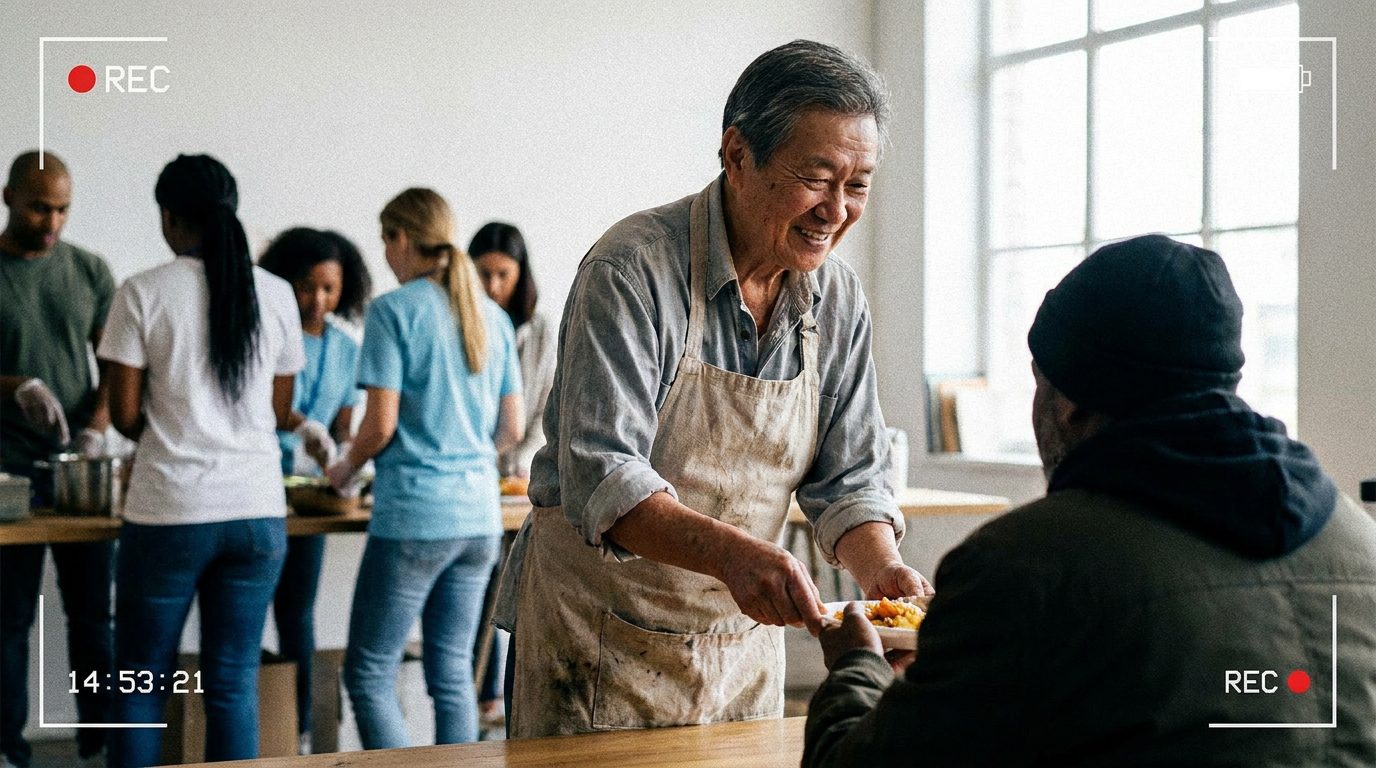
Seva is a Sanskrit word that means “service,” but in Bhakti Yoga it carries a deeper and sweeter meaning. Seva is loving service offered to God, to God’s devotees, and to all living beings with humility and care.
In ordinary life, service can sometimes feel like obligation. We may serve because we have to, because someone expects it, or because we want something in return. But seva is different. Seva is service offered as a gift of the heart.
In the path of Bhakti Yoga, seva is not merely an activity. It is a way of relating to the Divine. It is love in motion. It is prayer expressed through the hands, feet, words, mind, and heart.
When we cook with devotion, clean a sacred space, encourage a friend, sing the holy names, offer our skills, care for the earth, or help someone remember God, we are practicing seva.
Seva teaches us that spiritual life is not separate from daily life. Every moment can become sacred when it is offered with love.
Understanding Dāsya: The Mood of Loving Service
Dāsya is another Sanskrit word. It comes from the word dāsa, which means “servant.” In Bhakti Yoga, dāsya refers to the devotional mood of serving God with love, humility, loyalty, and joy.
At first, the word “servant” may feel uncomfortable to some modern readers. We may associate it with oppression, inferiority, or loss of freedom. But in Bhakti, dāsya is not forced service. It is not slavery. It is the soul’s joyful choice to love and serve the Supreme Person.
Dāsya is the freedom of the heart.
It means, “I belong to God. My life is meant for love. Let me use my gifts in a way that pleases the Divine and blesses others.”
Dāsya Is Love, Not Fear
In Bhakti Yoga, service is not based on fear of punishment. It is based on affection. A devotee serves because the heart naturally wants to give.
Just as a mother lovingly cares for her child, or a friend helps a friend, or a disciple honors a teacher, dāsya is service rooted in relationship. It is personal. It is tender. It is alive.
The great Bhakti scriptures describe many devotional relationships with God. Some devotees relate to the Lord as a master, some as a friend, some as a beloved child, and some as the supreme beloved. Dāsya is the beautiful mood of seeing oneself as a loving servant of the Divine.
The Soul’s Natural Position
The Bhagavad-gītā, one of the central texts of Bhakti Yoga, teaches that the soul is eternal, spiritual, and never truly destroyed. We are not merely the body or the mind. We are conscious beings, part of the Divine energy.
Bhakti scriptures explain that the soul’s natural joy awakens when it reconnects with God through loving service. This does not mean rejecting the world or abandoning our responsibilities. Rather, it means spiritualizing our responsibilities by offering them with devotion.
A parent can practice dāsya by caring for children as a sacred duty. A teacher can practice dāsya by guiding students with compassion. A doctor can practice dāsya by treating patients as beloved souls. An artist can practice dāsya by creating beauty that uplifts consciousness.
Dāsya is not limited to temple life. It can be lived anywhere.
Seva as the Essence of Bhakti Yoga
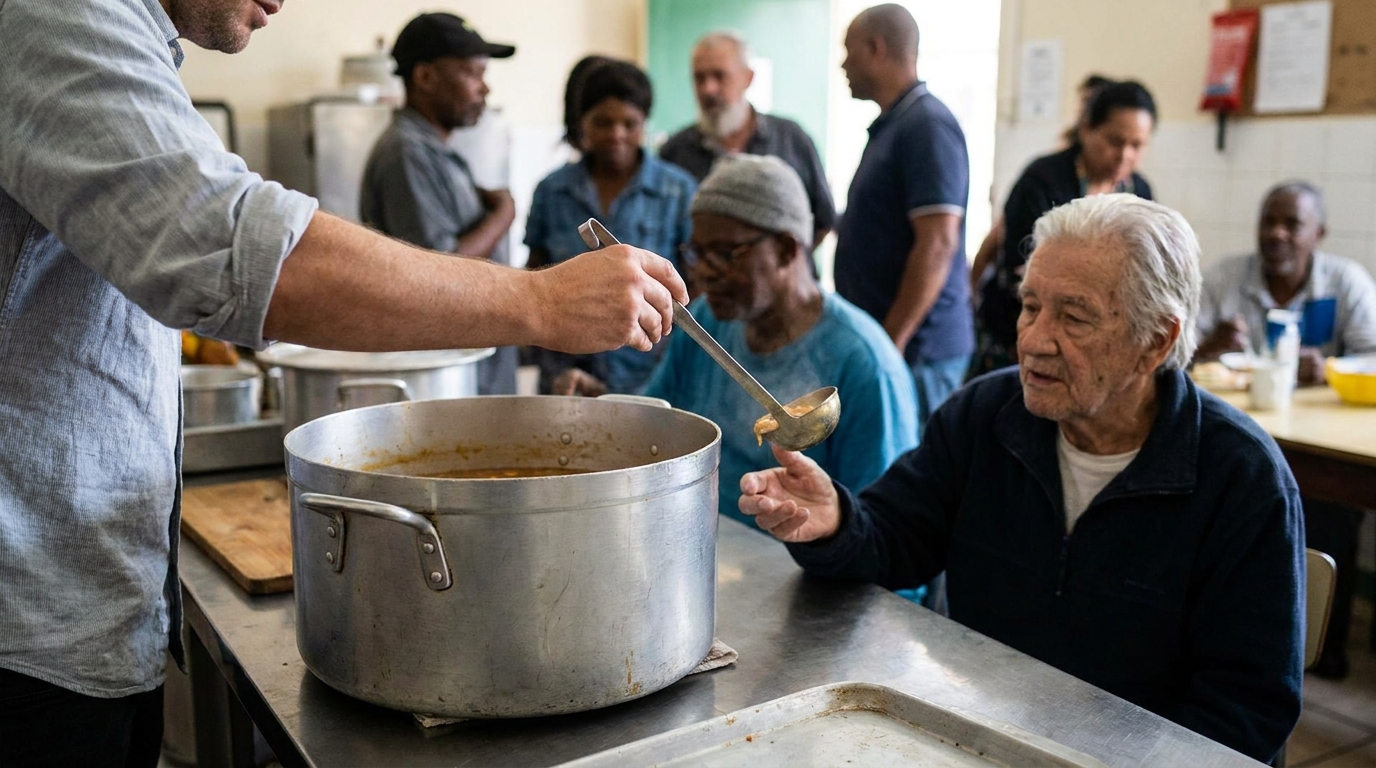
Bhakti Yoga is the path of devotion, the path of loving connection with God. The word bhakti means devotion, love, or loving service. Yoga means union or connection. So Bhakti Yoga is the practice of reconnecting with the Divine through love.
Seva is at the heart of Bhakti because love naturally expresses itself through service.
If we say we love someone but never act with care, that love remains incomplete. In the same way, devotion becomes tangible when we offer our time, energy, words, and talents in service.
Love Becomes Real Through Action
The Śrīmad-Bhāgavatam, a sacred Bhakti scripture, describes pure devotion as service to the Supreme Lord without selfish motivation and without interruption. This teaching is simple but profound.
Without selfish motivation means we are learning to serve not only for recognition, reward, or control. Without interruption means devotion can flow through every part of life—not only during prayer or worship, but also during work, family life, rest, and service to others.
Seva helps us bring devotion out of theory and into practice.
We may begin with small acts:
- Offering a simple prayer before eating
- Helping clean after a gathering
- Chanting with sincerity
- Listening deeply to someone in pain
- Sharing spiritual wisdom gently
- Supporting a community event
- Serving food with kindness
- Donating time, skills, or resources
These actions may look ordinary, but when offered to God, they become sacred.
Seva Purifies the Heart
In Bhakti Yoga, the heart is often compared to a mirror. When the mirror is covered with dust, we cannot see clearly. Similarly, when the heart is covered by pride, envy, selfishness, resentment, or distraction, we struggle to experience our natural love for God.
Seva cleanses the heart.
When we serve, we confront the ego. We may notice thoughts like, “Why am I not being appreciated?” or “This task is beneath me,” or “I want to be seen as spiritual.” These moments are not failures. They are opportunities.
Through seva, we gently learn humility. We remember that the offering matters more than the applause. We begin to serve not for status, but for love.
This is why seva is such a powerful spiritual practice. It reveals what is inside us, and it gives us a way to offer everything back to God.
Please visit our website for more information on our articles: articles.
The Scriptural Foundation of Seva
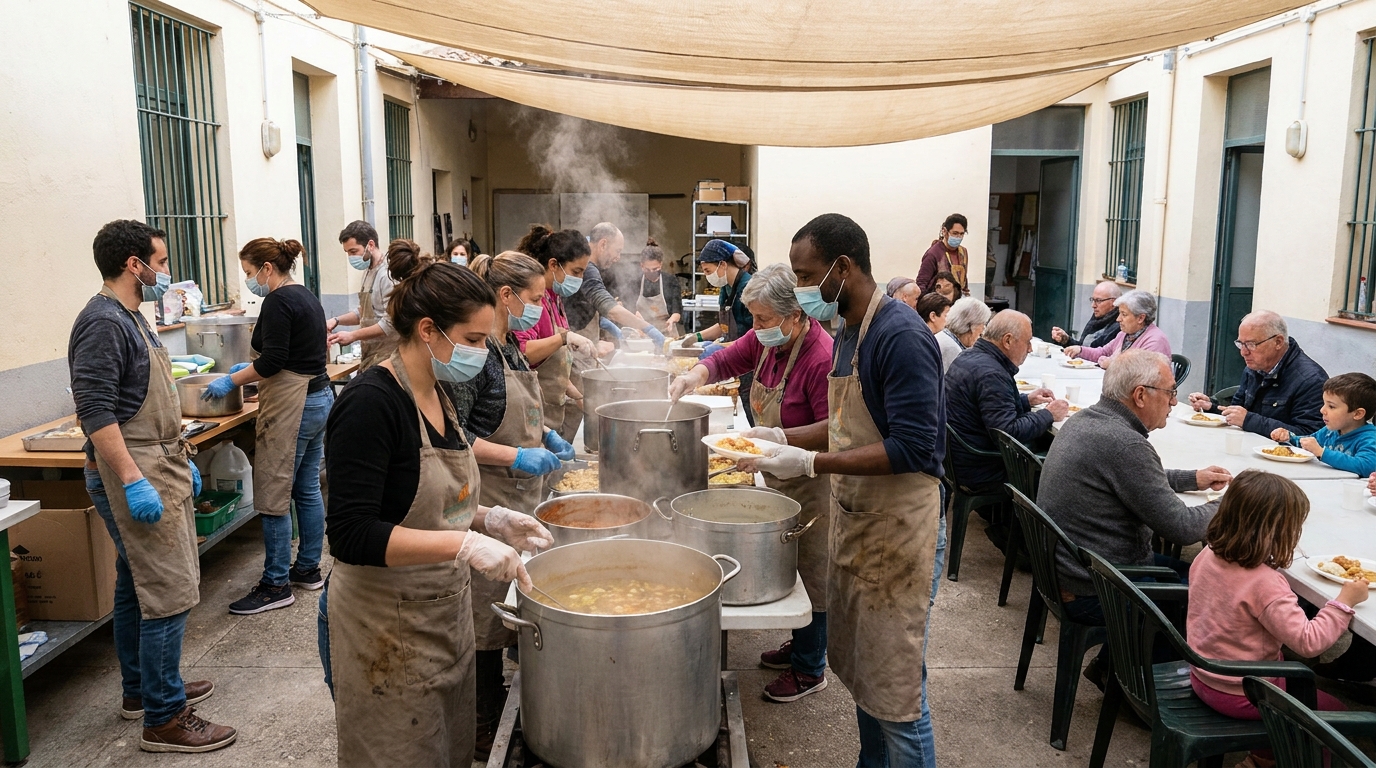
Seva is not a modern invention. It is deeply rooted in the Bhakti tradition and celebrated throughout sacred texts such as the Bhagavad-gītā, Śrīmad-Bhāgavatam, and the lives of saints and devotees.
These scriptures do not present service as something dry or mechanical. They show seva as the natural expression of a heart awakened by love.
Bhagavad-gītā: Offer Everything With Devotion
In the Bhagavad-gītā, Śrī Krishna says:
“If one offers Me with love and devotion a leaf, a flower, fruit, or water, I will accept it.”
This verse is one of the most beloved teachings in Bhakti Yoga. Krishna does not ask for wealth, power, or perfection. He asks for love.
A leaf, a flower, fruit, or water—these are simple offerings. Almost anyone can offer them. The essence is not the object itself, but the devotion behind it.
This teaching makes Bhakti Yoga wonderfully accessible. You do not need to be born into a certain culture. You do not need to know Sanskrit. You do not need to be advanced, wealthy, or perfect. You can begin with sincerity.
Offer what you have. Offer who you are. Offer one small act of love.
Bhagavad-gītā: Work as Worship
Krishna also teaches that whatever we do, whatever we eat, whatever we offer or give away, and whatever austerity we perform can be done as an offering to Him.
This is the foundation of practical Bhakti Yoga.
Work can become worship. Cooking can become worship. Parenting can become worship. Studying can become worship. Cleaning can become worship. Serving the community can become worship.
The difference is consciousness.
When we act only for ego, we often become anxious, proud, or disappointed. But when we act as an offering, our work becomes connected to something eternal. We still do our best, but we are less bound by the need to control the results.
This is seva in daily life: doing what needs to be done with devotion.
The Example of Hanuman
One of the most beloved examples of dāsya-bhāva, the mood of loving service, is Hanuman. Hanuman is honored in the Rāmāyaṇa as the devoted servant of Lord Rama.
His service is courageous, humble, intelligent, and tireless. He does not serve to be praised. He serves because his heart belongs to Rama.
Hanuman teaches us that true seva uses everything in God’s service: strength, intelligence, speech, courage, devotion, and even tears. His greatness is not separate from his humility. In fact, his humility is part of his greatness.
For practitioners of Bhakti Yoga, Hanuman reminds us that service is not weakness. Devotional service can be strong, brave, and deeply purposeful.
The Inner Attitude of Seva
Two people may perform the same action, but the inner mood can be very different. One person may serve with resentment, another with pride, another with genuine love. In Bhakti Yoga, the heart behind the service matters deeply.
Seva is not only what we do. It is how we do it, why we do it, and whom we are trying to please.
Humility: Becoming an Instrument
Humility does not mean thinking we are worthless. It means understanding that our gifts come from God and can be used in God’s service.
A humble person may be very talented, wise, or capable, but they do not see themselves as the ultimate controller. They see themselves as an instrument.
This mood is beautifully expressed in prayer: “Dear Lord, please use me. Let my thoughts, words, and actions become useful in Your service.”
When we serve as instruments, we feel less burdened by the ego’s constant need to prove itself. We still act responsibly, but we remember that the results are ultimately in God’s hands.
Gratitude: Service as a Gift
Sometimes we think, “I have to serve.” But Bhakti gently transforms this into, “I get to serve.”
Seva is a gift. The opportunity to serve is itself a blessing.
We may not always feel this immediately. Some service is tiring. Some service is unseen. Some service asks us to stretch beyond our comfort zone. But over time, a grateful heart begins to recognize that service brings us closer to God.
Even small acts become meaningful when we see them as opportunities to love.
Sincerity: Beginning Where We Are
In Bhakti Yoga, sincerity is more important than external appearance. We do not need to pretend to be advanced. We can come as we are.
If we are distracted, we can offer our distracted mind. If we are tired, we can offer a small prayer. If we are struggling, we can chant one holy name with honesty. If we are unsure what we believe, we can simply ask, “God, if You are there, please guide me.”
Sincere service attracts grace.
The path of Bhakti is not about performing spirituality perfectly. It is about gradually turning the heart toward God.
Practical Ways to Live Seva Every Day
Seva becomes powerful when it is practical. We do not have to wait for a special occasion or a perfect spiritual setting. The opportunities are already around us.
Every day offers a doorway into devotional service.
Chanting as Seva
Chanting is one of the central practices of Bhakti Yoga. In Sanskrit, mantra means a sacred sound that helps free the mind. The most widely known Bhakti mantra is the maha-mantra, or “great mantra”:
Hare Krishna Hare Krishna
Krishna Krishna Hare Hare
Hare Rama Hare Rama
Rama Rama Hare Hare
This chanting is not just meditation. It is also service. When we chant, we are calling out to God with the heart. We are offering our voice, our attention, and our longing.
Even if the mind wanders, the holy name is spiritually powerful. We gently bring the mind back, again and again, like placing a flower at the feet of the Divine.
Chanting can be done alone, softly on beads, or together in kirtan, devotional call-and-response singing. Kirtan is a beautiful form of shared seva because everyone participates. No one needs to be a professional singer. The offering is the heart.
Prayer as Seva
Prayer is another simple and profound form of seva. Prayer means turning toward God with honesty.
We can pray with traditional words, or we can speak naturally:
“Dear Lord, please help me serve today.”
“Please guide my heart.”
“Please protect those who are suffering.”
“Please let my actions bring peace.”
“Please help me remember You.”
Prayer is service because it places the heart in a posture of dependence and love. It reminds us that we are not alone.
Serving People as Spiritual Practice
Bhakti Yoga teaches that every living being is part of God. Therefore, serving others with compassion can become an offering to the Divine.
This does not mean we ignore healthy boundaries or try to rescue everyone. True seva is guided by wisdom. It is compassionate, not enabling. It is generous, not self-destructive.
We can serve people in simple ways:
- Prepare a meal for someone
- Offer a kind word
- Listen without judgment
- Help a newcomer feel welcome
- Support someone’s spiritual practice
- Volunteer in a devotional community
- Share resources with those in need
- Forgive when appropriate
- Pray for someone silently
When we see others as souls, our service becomes more respectful and sacred.
Caring for Sacred Spaces
In Bhakti communities, caring for sacred spaces is a cherished form of seva. Sweeping the floor, arranging flowers, washing dishes, setting up for kirtan, preparing prasada, or welcoming guests may seem simple, but these acts create an atmosphere where others can experience devotion.
Prasada means “mercy” or “grace.” In Bhakti Yoga, it often refers to food that has been lovingly prepared and offered to God before being shared. Cooking and serving prasada is a beautiful form of seva because it nourishes both body and soul.
A clean, peaceful, welcoming space can help someone feel safe enough to chant, pray, ask questions, or take their first spiritual step. Those who serve behind the scenes may never know how many hearts they have touched.
The Challenges of Seva and How They Help Us Grow
Seva is beautiful, but it is not always easy. Because it touches the ego, it can bring up inner challenges. This is not a reason to stop serving. It is part of the purification.
The path of Bhakti is gentle, but it is also honest. It helps us see ourselves clearly so we can grow.
When We Want Recognition
One common challenge in seva is the desire to be noticed. We may think, “I worked so hard, but no one thanked me.” This feeling is very human.
Rather than judging ourselves harshly, we can bring this feeling into prayer. “Dear Lord, I want appreciation. Please help me serve with a purer heart. Please let me feel satisfied by pleasing You.”
Recognition is not wrong. Appreciation can be healthy and encouraging. But if our service depends entirely on being praised, we may become discouraged. Bhakti teaches us to gradually root our service in something deeper: the joy of offering to God.
When Service Becomes Burnout
Seva should deepen our devotion, not destroy our well-being. Sometimes sincere people overextend themselves, thinking that saying yes to everything is spiritual. But sustainable service requires balance.
The Bhagavad-gītā encourages steadiness and moderation. We need rest, prayer, nourishment, good association, and honest communication.
If we are burning out, it may be time to pause and ask:
- Am I serving from love or pressure?
- Do I need help?
- Have I neglected my chanting or prayer?
- Am I trying to control too much?
- Is this service mine to do right now?
Healthy seva is not ego-driven exhaustion. It is loving offering guided by wisdom.
When We Compare Our Service
Another challenge is comparison. We may think someone else’s service is more important, more visible, or more spiritual.
But in Bhakti, the value of service is measured by devotion, not by size. A small offering made with love can be deeply pleasing to God.
The Bhagavad-gītā’s teaching of offering a leaf, flower, fruit, or water reminds us that devotion transforms simple things. God sees the heart.
One person may give a lecture. Another may wash the cups afterward. Another may pray silently for everyone in the room. Each offering matters.
Seva in Community: Growing Together in Love
Bhakti Yoga is deeply personal, but it is also beautifully communal. Spiritual growth is nourished by satsanga, a Sanskrit word meaning “association with truth” or “spiritual company.”
When people gather to chant, hear wisdom, share prasada, and serve together, the heart becomes encouraged.
Community Helps Us Stay Inspired
Alone, we may forget. Together, we remember.
A devotional community gives us opportunities to serve, learn, and be supported. It helps us see examples of faith in action. It also teaches patience, forgiveness, cooperation, and humility.
Community life is not always perfect because people are not perfect. But this is part of the practice. We learn to serve not only when everything is easy, but also when differences arise. We learn to listen, communicate, and keep God in the center.
Welcoming Everyone
The spirit of The Bhakti House is that everyone is welcome. People come from many backgrounds, cultures, beliefs, and life experiences. Some are lifelong practitioners. Some are curious seekers. Some are healing. Some are skeptical but open. Some simply love kirtan or prasada.
Bhakti does not require us to erase our story. It invites us to bring our whole self into the light of devotion.
Seva helps create a home for the heart. When guests are welcomed warmly, when questions are honored, when food is shared freely, when chanting is accessible, people can feel the kindness of spiritual life.
This hospitality is also seva.
Serving Without Superiority
It is important that seva never becomes a reason to feel superior. Devotional service should soften the heart, not harden it.
If we serve and begin to think, “I am better than others,” we can pause and remember: all ability comes by grace. The opportunity to serve is mercy. The people we serve are also beloved by God.
True seva makes us humble, grateful, and kind.
Seva as an Offering of the Whole Life
As Bhakti matures, seva expands. It is no longer limited to a certain task, day, or location. The whole life becomes an offering.
This does not happen all at once. It grows gradually, like a seed becoming a tree.
Offering the Mind
We can offer our thoughts by remembering God throughout the day. Even brief moments matter.
Before beginning work: “May this be an offering.”
Before a difficult conversation: “Please guide my words.”
Before sleep: “Thank You for carrying me today.”
When anxious: “Let me remember Your presence.”
The mind may wander many times, but each return is seva.
Offering the Words
Words have power. They can wound or heal, divide or uplift. In dāsya, we try to use speech in service.
This may mean speaking truth with kindness, chanting sacred names, sharing encouragement, avoiding gossip, apologizing when needed, or using our voice to protect and support others.
A gentle word can be a garland offered to God.
Offering the Body
The body is a sacred instrument. We can use it in service by cooking, cleaning, dancing in kirtan, bowing in prayer, embracing someone in compassion, planting a garden, setting up chairs, carrying supplies, or simply showing up when help is needed.
Even if the body is limited by illness, age, disability, or fatigue, seva is still possible. A prayer, a smile, a kind message, or a moment of remembrance can be deeply meaningful.
Bhakti is not about how much we can physically do. It is about the love we offer.
Offering Our Talents
Every person has gifts. Some are visible, some hidden. Some people organize. Some cook. Some teach. Some listen. Some create art. Some manage technology. Some care for children. Some offer music. Some bring laughter. Some quietly notice what needs to be done.
In seva, we do not have to imitate someone else. We can ask, “What has God placed in my hands, and how can I offer it?”
This question can transform our sense of purpose.
The Fruits of Seva
Seva changes us. Slowly, gently, sometimes invisibly, it reshapes the heart.
The fruits of seva are not always external. We may not become famous or wealthy. We may not receive constant praise. But something deeper begins to grow.
A Softer Heart
Through service, the heart becomes more compassionate. We begin to notice others more. We become less trapped in our own worries. We feel connected.
A softer heart is not a weak heart. It is a heart more aligned with God’s love.
Deeper Faith
When we serve, we often experience grace. We may feel guided, strengthened, or humbled in ways we cannot fully explain. We may see how a small act had a meaningful impact. We may discover that God was present in the details.
Faith grows not only by thinking about spiritual life, but by living it.
Joy in Giving
One of the sweetest fruits of seva is joy. The soul is naturally joyful when it gives love. Because the soul is part of God, and God is the source of all love, service reconnects us with our true nature.
This joy may be quiet. It may appear as peace, gratitude, or a sense of being where we are meant to be.
The more we serve with devotion, the more we understand that love is not diminished by giving. Love expands.
Taking One Sincere Step
Seva is the essence of dāsya in action. It is the humble, loving mood of service made practical in daily life. It is devotion expressed through chanting, prayer, kindness, community, work, and care.
You do not need to be perfect to begin. You do not need to know everything. You do not need to have a dramatic spiritual experience. You can start simply.
Chant one mantra. Offer one prayer. Help one person. Wash one dish with love. Bring one flower. Share one meal. Sit quietly and ask God how you may serve.
In Bhakti Yoga, even one sincere step matters.
The door of devotion is open to everyone—every background, every age, every story, every heart. Wherever you are on your journey, you are welcome to take one sincere step toward God today.
FAQs
What is Seva?
Seva is a Sanskrit word that means selfless service or work performed without any expectation of reward or personal gain. It is a fundamental concept in many spiritual traditions, including Hinduism, Sikhism, and Buddhism.
What is Dāsya?
Dāsya is a Sanskrit term that refers to the attitude of being a servant or a humble follower. It is a key aspect of bhakti yoga, a path of devotion in Hinduism, where the devotee sees themselves as a servant of the divine.
How is Seva related to Dāsya?
Seva is considered an expression of Dāsya because it involves serving others with a sense of humility and devotion. By performing selfless service, individuals cultivate the attitude of being a humble servant to others, which is central to the practice of Dāsya.
What are some examples of Seva as an Expression of Dāsya?
Examples of Seva as an Expression of Dāsya include volunteering at a homeless shelter, helping to clean up a community space, or providing assistance to those in need without expecting anything in return. In the context of bhakti yoga, it can also involve serving in a temple or participating in devotional activities with a sense of humility and devotion.
What are the benefits of practicing Seva as an Expression of Dāsya?
Practicing Seva as an Expression of Dāsya can lead to a sense of fulfillment, spiritual growth, and a deeper connection to others and the divine. It can also help cultivate qualities such as compassion, selflessness, and humility, which are considered important for personal and spiritual development.

