
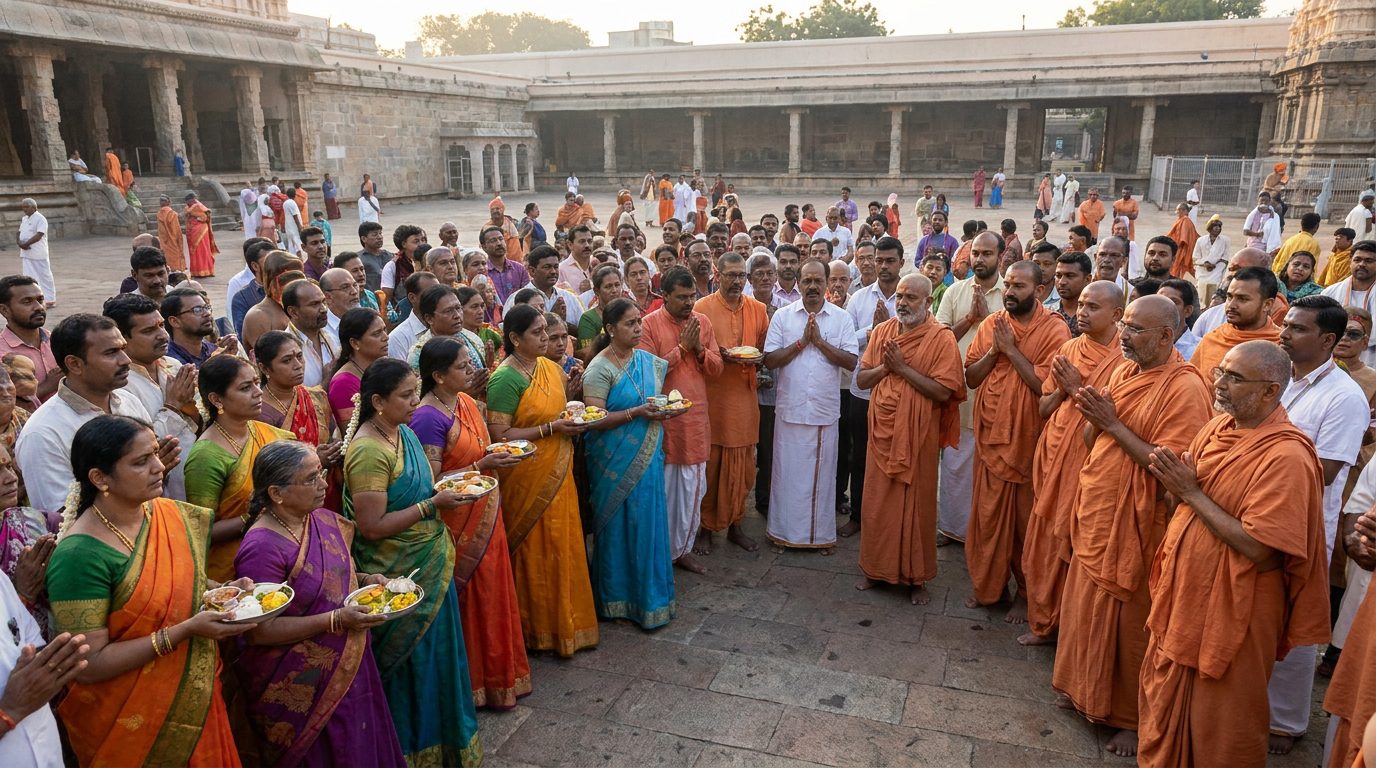
In the path of Bhakti Yoga, spiritual life becomes very simple and very deep at the same time: we learn to love God by loving those who love God.
Serving devotees is one of the most beautiful practices in Bhakti. It softens the heart, removes pride, and helps us experience spirituality not as an idea, but as a living relationship. Whether you are new to Bhakti Yoga, returning after time away, or have been practicing for many years, serving devotees can become a sacred doorway into humility, joy, and genuine spiritual growth.
In Sanskrit, the word seva means “service.” It is not forced labor, performance, or religious duty without heart. Seva is loving offering. It is the spirit of asking, “How can I support someone’s journey toward God?” When we serve devotees—those who are trying to remember, love, and serve the Divine—we participate in something holy.
Bhakti scriptures repeatedly teach that serving devotees pleases the Lord very much. Why? Because God’s heart is with His loved ones. Just as a parent is pleased when someone cares for their child, the Supreme Lord is pleased when we care for His devotees.
Serving devotees means offering respect, care, encouragement, practical help, and spiritual support to those walking the path of devotion.
A devotee is not necessarily someone who is perfect. A devotee is someone who is trying. Someone who turns toward God, chants the Holy Names, prays sincerely, serves others, and seeks to live with love and integrity. In Bhakti, we honor the sincere direction of a person’s heart, not simply their external level of accomplishment.
Seva: Service Offered With Love
The Sanskrit word seva is central to Bhakti Yoga. It means service, but it carries a deeper feeling than the English word sometimes suggests.
Seva is service offered with devotion. It is not done to gain status, control, praise, or superiority. It is a loving offering to God through care for others.
You might serve devotees by cooking a meal, cleaning the temple, listening with compassion, offering a ride, sharing sacred wisdom, leading kirtan, helping with an event, supporting someone in difficulty, or simply greeting others with warmth.
Even small acts become powerful when offered with the mood: “My Lord, may this please You. May this help Your devotee.”
Devotee Association: Growing Through Sacred Company
In Bhakti, spiritual community is called sadhu-sanga. A sadhu is a saintly or sincere spiritual person, and sanga means association or company.
Sadhu-sanga means spending time with people who help awaken our love for God. Sometimes they guide us through wisdom. Sometimes they inspire us through example. Sometimes they challenge our ego simply by being patient, humble, or deeply committed.
Serving devotees helps us receive the blessings of devotee association. We do not remain distant observers. We become participants in a spiritual family.
Serving the Devotees Is Serving God
The Srimad Bhagavatam, one of the foundational Bhakti scriptures, teaches that by serving great souls, the heart becomes purified and attraction to hearing about God naturally awakens.
This is very practical. When we serve devotees, our inner world changes. We become less self-centered. We begin to notice others’ needs. We learn to listen. We become grateful. The heart becomes more open to chanting, prayer, and spiritual truth.
Serving devotees is not separate from serving God. It is one of the most direct ways to serve Him.
Why Serving Devotees Is So Important in Bhakti Yoga
Bhakti Yoga is the yoga of love and devotion. It is not only meditation in solitude. It is also learning how to love in relationship—with God, with devotees, with all living beings, and with ourselves as spiritual souls.
Serving devotees is important because love becomes real through action.
It Cultivates Humility
Humility is not thinking poorly of ourselves. True humility means understanding our position: we are beloved servants of God, dependent on grace, and connected with all beings.
When we serve devotees, we practice putting aside the ego’s constant demand: “Notice me. Appreciate me. Make me important.”
Instead, we ask, “How can I be useful? How can I support? How can I honor the soul before me?”
This mood is deeply connected to the famous teaching of Sri Chaitanya Mahaprabhu, the great teacher of the chanting of the Holy Names:
“One should chant the Holy Name of the Lord in a humble state of mind, thinking oneself lower than a blade of grass, more tolerant than a tree, free from false pride, and ready to offer respect to all.”
This verse is not meant to make us feel small in a harmful way. It invites us into a spacious heart—one that can chant, serve, and love without constantly defending the ego.
It Purifies the Heart
The heart can carry many burdens: envy, resentment, comparison, pride, fear, and selfishness. Bhakti does not ask us to pretend these things are not there. Bhakti gives us practices to gradually transform them.
Serving devotees is one of those practices.
When we serve someone sincerely, we loosen the grip of envy. When we appreciate someone’s spiritual qualities, we soften comparison. When we ask forgiveness or offer forgiveness, the heart becomes lighter.
This purification is not always dramatic. Often it is gentle and gradual, like sunlight entering a room.
It Strengthens Spiritual Community
A healthy Bhakti community is not built only by lectures, rituals, or beautiful music. It is built by care.
Someone notices a new person and welcomes them. Someone washes dishes after prasadam. Someone checks on a devotee who has been absent. Someone offers a kind word to a struggling parent. Someone quietly donates so others can attend a retreat. Someone stays late to clean the temple floor.
These acts may seem ordinary, but they are the foundation of sacred community.
A community where devotees serve one another becomes a place of refuge. People feel safe to grow, to ask questions, to make mistakes, and to keep going.
It Attracts Divine Grace
Bhakti scriptures often emphasize the blessings of devotees. The Lord is pleased when His devotees are honored.
In the Bhagavad-gita, Sri Krishna explains that His devotee is very dear to Him—especially one who is compassionate, humble, free from hatred, steady, and devoted. When we serve such souls, we come closer to the qualities that Krishna loves.
The mercy of devotees is powerful. Sometimes one kind word from a sincere devotee can change the direction of a life. Sometimes one moment of service can open a doorway to faith.
We do not serve devotees as a business exchange—“I serve you, now bless me.” We serve because it is beautiful, and blessings naturally come.
The Inner Mood of Serving Devotees
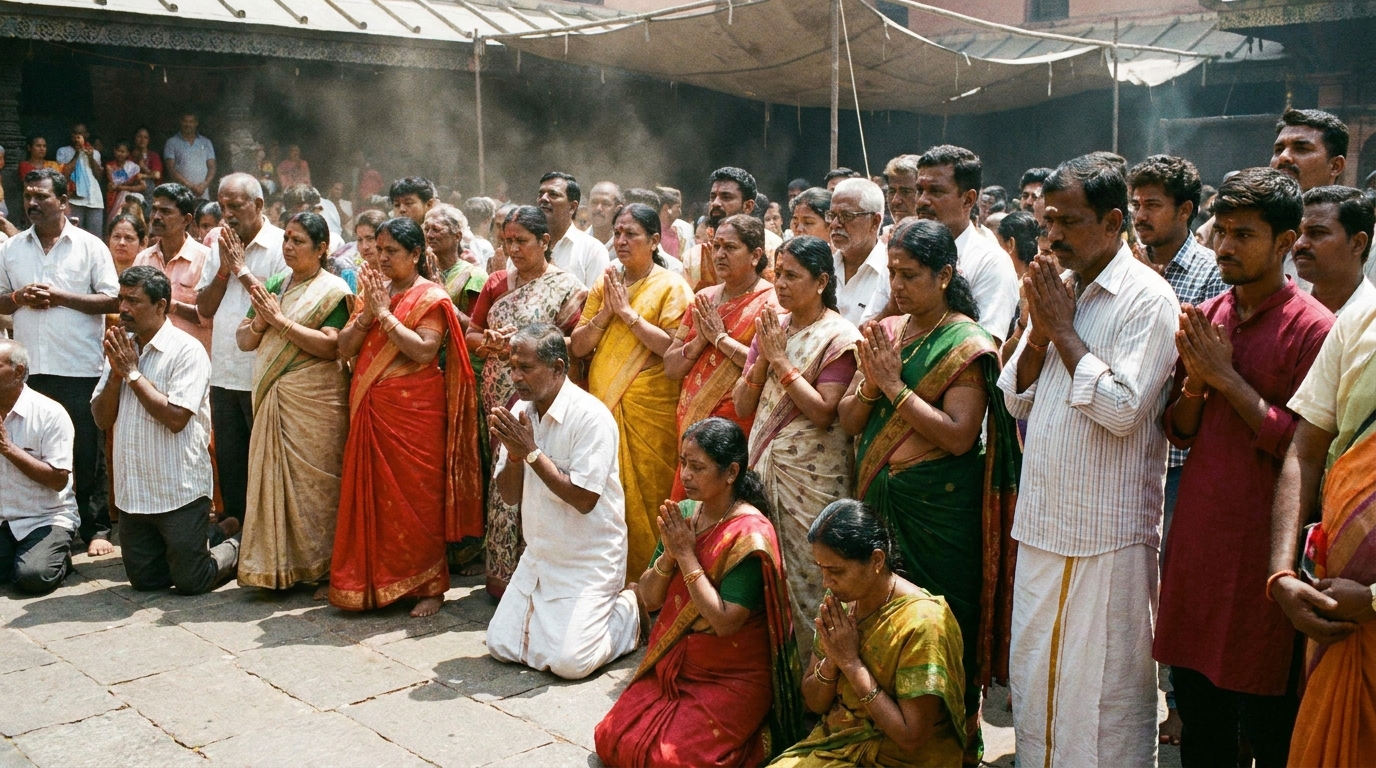
External service matters, but in Bhakti, the inner mood matters even more. Two people may do the same task—one with ego, one with love—and the spiritual effect will be different.
Serving devotees is not about proving ourselves. It is about offering ourselves.
Serve With Respect
Every living being is a soul, an eternal spiritual person. In Sanskrit, the soul is called atma. The body changes, the mind changes, life circumstances change, but the atma is spiritual and beloved by God.
When we serve devotees, we honor the atma. We remember that this person belongs to God. They may be young or old, new or advanced, joyful or struggling, similar to us or very different from us—but they are sacred.
Respect can be simple: listening without interrupting, avoiding gossip, speaking gently, asking before giving advice, and appreciating sincere effort.
Serve Without Expecting Recognition
One of the sweetest forms of service is unseen service.
Cleaning when no one notices. Praying for someone privately. Making sure the altar flowers are fresh. Supporting a devotee anonymously. Staying behind to help after everyone leaves.
The ego may feel disappointed when no one says thank you. But the heart can learn to rejoice: “God has seen. That is enough.”
In the Bhagavad-gita, Krishna teaches that we have a right to perform our duty, but not to control the results. This is very helpful in seva. We offer the service, but we release the need to be praised, rewarded, or understood.
Serve With Joy, Not Resentment
Seva should not become a burden that dries the heart. Sometimes we overcommit, say yes when we need to rest, or serve from guilt rather than devotion.
Bhakti is loving, not harsh.
Serving devotees with joy means being honest about our capacity. It means communicating kindly. It means remembering that sustainable service is better than enthusiastic burnout.
If resentment appears, it may be a sign to pause and pray: “Lord, please purify my motivation. Please help me serve in a healthy way.”
Serve According to Your Nature
Everyone has gifts. Some devotees cook beautifully. Some organize. Some sing. Some care for children. Some teach. Some clean. Some offer technical support. Some are wonderful listeners. Some are generous donors. Some pray deeply.
In Sanskrit, one’s personal nature or tendency is sometimes called svabhava. Bhakti does not require everyone to serve in the same way. Rather, we offer our nature to God.
Ask yourself: What service helps me feel connected, humble, and useful? What do others naturally come to me for? What needs exist in the community?
Your offering matters.
Check out our latest articles at https://thebhaktihouse.org/blog.
Practical Ways to Serve Devotees

Serving devotees can be simple and accessible. You do not need to live in a monastery or know Sanskrit or have years of study behind you. You can begin exactly where you are.
Offer Warm Welcome
One of the most important services is welcoming people.
Many people arrive at a spiritual gathering feeling uncertain. They may wonder: “Do I belong here? Am I dressed correctly? Will people judge me? Do I need to know the chants? Is this only for a certain culture or background?”
A warm smile can become a sacred bridge.
Greeting newcomers, explaining practices gently, inviting them to sit, helping them receive prasadam, and making space for questions are powerful forms of devotee service.
At The Bhakti House, this mood is essential: everyone is welcome. Bhakti is not limited by nationality, age, gender, language, social status, or past history. Love of God is the birthright of every soul.
Serve Prasadam
Prasadam means “mercy” or “grace.” In Bhakti, it usually refers to vegetarian food that has been lovingly offered to God before being shared.
Serving prasadam is one of the most joyful ways to serve devotees. Food nourishes the body, but prasadam nourishes the heart. It carries the mood of offering and gratitude.
You can help by cooking, chopping vegetables, setting up plates, serving guests, cleaning afterward, or sponsoring meals.
Even if you are not a cook, you can serve prasadam with love. A simple plate handed with kindness can become a blessing.
Support Kirtan and Chanting
Kirtan is devotional chanting, often in a call-and-response style. It is one of the main practices of Bhakti Yoga, especially the chanting of the maha-mantra:
Hare Krishna Hare Krishna
Krishna Krishna Hare Hare
Hare Rama Hare Rama
Rama Rama Hare Hare
The word mantra means a sacred sound that helps free the mind. The maha-mantra is known as the “great mantra” for awakening love of God.
Serving devotees during kirtan may include setting up instruments, arranging seating, managing sound, singing with sincerity, helping newcomers follow along, or simply participating with an open heart.
When we chant together, we serve one another by helping create an atmosphere where hearts can turn toward God.
Listen and Encourage
Not all service is visible. Sometimes the greatest service is to listen.
Many devotees are carrying silent struggles: family pressure, grief, doubt, loneliness, financial stress, spiritual discouragement, or emotional pain. A compassionate listener can be a lifeline.
Listening does not mean pretending to be a therapist or giving quick spiritual advice. It means being present. It means honoring someone’s humanity. It means saying, “I hear you. I am with you. Let us remember Krishna together.”
Encouragement is also seva. Remind others of their sincere efforts. Celebrate their growth. Help them keep going.
Help With Practical Needs
Spiritual communities need practical service. Floors need sweeping. Bathrooms need cleaning. Books need arranging. Events need planning. Children need care. Guests need directions. Flowers need placing. Donations need organizing. Online posts need writing. Technology needs support.
No service is low when it is offered to God.
In Bhakti, cleaning the temple can be as sacred as giving a lecture if done with devotion. The value is not measured by public attention. It is measured by love.
Serving Different Types of Devotees
Bhakti teaches us to be thoughtful and sensitive. Not every devotee needs the same kind of service. Service becomes mature when it is guided by wisdom.
Serving Senior Devotees
Senior devotees are those who have walked the path for many years or who carry deep spiritual realization and dedication. Serving them may include hearing from them, asking sincere questions, helping with practical needs, and honoring their sacrifices.
The Bhagavad-gita encourages approaching spiritual teachers with humility, inquiry, and service. This does not mean blind following. It means we learn with sincerity, respect, and a desire to grow.
When serving senior devotees, we can ask: “How can I assist your service?” Sometimes the answer may be simple—helping with transportation, organizing a class, transcribing talks, cooking, or offering respectful attention.
Serving New Devotees
New devotees need gentleness. They may be curious, inspired, confused, or overwhelmed. Too much instruction too quickly can discourage them.
Serving new devotees means creating safety. Explain Sanskrit terms simply. Invite questions. Avoid pressure. Encourage them to take one step at a time: chant a little, read a little, come to kirtan, taste prasadam, pray sincerely.
Remember: the goal is not to make someone look like a devotee externally. The goal is to help their heart feel connected to God.
Serving Devotees Who Are Struggling
Sometimes devotees struggle. This is not failure; it is part of being human.
Someone may struggle with faith, habits, relationships, mental health, grief, or spiritual practice. Serving them requires compassion, patience, and humility.
Avoid gossip. Avoid harsh judgment. Avoid saying, “You just need to chant more,” in a way that dismisses their pain. Chanting is powerful, but people also need friendship, practical support, and sometimes professional help.
We can pray with them, check in, help them stay connected, and remind them that Krishna’s mercy is not withdrawn when we struggle.
Serving Family Members as Devotees
Sometimes the devotees closest to us are the hardest to serve. A spouse, child, parent, roommate, or friend may not always feel “spiritual” to us because we see their ordinary habits and imperfections.
Yet serving family members with devotion is a profound practice.
Making tea, speaking kindly, forgiving, helping with chores, encouraging their spiritual life, and praying for them can all be seva. Home can become an ashram—a sacred place of spiritual practice—when we bring devotion into daily responsibilities.
Common Challenges in Serving Devotees
Serving devotees is beautiful, but it is not always easy. Because service happens in relationship, it can bring our inner patterns to the surface. This is part of the purification.
Pride and the Desire to Be Important
Sometimes we serve and begin to think, “This community depends on me,” or “My service is better than others’ service.”
This is a tender place. Instead of feeling ashamed, we can notice the pride and bring it to prayer.
“Krishna, please help me remember that everything comes from You. My abilities, my time, my energy, and my opportunities to serve are all gifts.”
Gratitude is a medicine for pride.
Comparison With Other Devotees
We may compare our chanting, knowledge, service, lifestyle, or recognition with others. Comparison steals joy.
One devotee may lead kirtan. Another may quietly clean. One may study deeply. Another may serve children. One may give donations. Another may offer tears in prayer.
Krishna sees the heart.
The Bhagavad-gita teaches that even a leaf, flower, fruit, or water offered with devotion is accepted by the Lord. This means the size of the offering is less important than the love behind it.
Feeling Unappreciated
It can hurt when service goes unnoticed. This feeling is real, and we do not need to deny it.
At the same time, seva invites us to deepen our intention. Are we serving for applause, or as an offering to God?
A helpful practice is to dedicate service before beginning: “Lord, I offer this to You.” Then, when appreciation comes, receive it humbly. When it does not come, rest in knowing the offering was still received by the One who matters most.
Burnout and Boundaries
Some sincere devotees give too much and become exhausted. They may feel guilty resting or saying no.
Healthy boundaries are not selfish. They help us serve for the long term.
If you are tired, speak honestly with a service leader or trusted devotee. Rotate responsibilities. Take time for chanting, prayer, study, and rest. Remember that you are also a soul in need of care.
Bhakti is not meant to break us. It is meant to bring us closer to God.
How Serving Devotees Deepens Chanting and Prayer
Serving devotees and chanting the Holy Names support each other. Service purifies the heart, and chanting nourishes the service.
Chanting Softens the Heart for Service
When we chant, we call out to God. In Bhakti, the Holy Name is not considered ordinary sound. Krishna and His Name are understood to be spiritually present together.
Chanting helps us remember: “I am not the center. I am loved by God. Others are also loved by God.”
This remembrance makes it easier to serve. We become less defensive, less isolated, and more willing to care.
Service Makes Prayer Honest
When we serve devotees, we often discover our limitations. We see our impatience, pride, fatigue, and need for grace. This makes prayer very real.
Instead of praying only in theory, we pray from life:
“Please help me be kinder.”
“Please help me listen.”
“Please help me forgive.”
“Please help me serve without ego.”
“Please help me see Your devotee with love.”
These prayers are simple, but they are powerful.
Devotee Association Gives Strength to Continue
Spiritual life can be difficult alone. The mind wanders. Old habits return. Doubts arise. But when we serve and associate with devotees, we receive strength.
A kirtan, a shared meal, a thoughtful conversation, or a moment of service can revive the heart.
This is why Bhakti is often practiced in community. We help carry one another toward God.
Scriptural Foundations for Serving Devotees
Bhakti is a path of feeling, but it is also rooted in deep wisdom. The scriptures give us guidance so our devotion becomes steady and well-directed.
Srimad Bhagavatam: Service Purifies the Heart
The Srimad Bhagavatam teaches that by serving devotees who are free from selfish motives, one develops a taste for hearing about the Lord. This is a key principle of Bhakti.
In simple terms: when we spend time serving sincere spiritual people, our own interest in God grows naturally.
This is not artificial. Love is contagious. Faith is nourished by faith. Devotion awakens devotion.
Bhagavad-gita: Krishna Loves His Devotees
In the Bhagavad-gita, Krishna describes the qualities of His dear devotees: they are compassionate, humble, forgiving, steady, and devoted. He says such devotees are very dear to Him.
When we serve devotees, we are serving those who are dear to Krishna. We are also learning to develop the qualities that make the heart a home for divine love.
Chaitanya Tradition: Honor All, Serve All
Sri Chaitanya Mahaprabhu emphasized chanting the Holy Names and offering respect to everyone. His movement spread through kindness, kirtan, prasadam, and loving exchange.
In this tradition, serving devotees is not limited to formal rituals. It is a way of life. We honor every soul, encourage sincere chanting, and share Krishna’s mercy through practical love.
A Simple Daily Practice for Serving Devotees
You can begin serving devotees today, in small and meaningful ways. Spiritual growth does not require dramatic gestures. It begins with sincerity.
Morning Intention
Each morning, offer a simple prayer:
“Dear Lord, please let me serve Your devotees today. Please help me speak kindly, notice opportunities to help, and remember You in my actions.”
This intention can change the day.
One Act of Encouragement
Send a message to someone in your spiritual community. Thank them for their service. Ask how they are doing. Share a verse or a kind thought. Let them know they are not alone.
Encouragement is a sacred offering.
One Practical Service
Choose one practical act: wash dishes, tidy a sacred space, help with transportation, bring flowers, share prasadam, support an event, or offer your skills.
Do it prayerfully. Do it without needing recognition.
One Moment of Prayer for a Devotee
Pray for someone specifically.
“Krishna, please bless them. Please guide them. Please protect their spiritual life. Please help me serve them well.”
Prayer connects hearts in a way we may not fully understand.
Serving Devotees Beyond the Temple
Serving devotees does not happen only in a temple or yoga center. Bhakti can be lived everywhere.
Online Seva
In today’s world, many people first encounter Bhakti through websites, videos, podcasts, livestreams, and social media. Online seva can include sharing authentic teachings, helping with design, editing talks, managing registrations, or responding kindly to questions.
Digital spaces also need devotion. A gentle comment, a helpful explanation, or a respectful answer can serve someone’s spiritual journey.
Workplace and Daily Life
You may work with people who are spiritual seekers, devotees, or simply souls needing kindness. While not everyone may identify as a devotee, you can carry the mood of seva into your daily life.
Be honest. Be compassionate. Be patient. Offer your work to God. Treat people with dignity.
This prepares the heart to serve devotees more deeply and expands our understanding of service.
Supporting Bhakti Communities
If you cannot attend regularly or serve physically, you can still support a Bhakti community through donations, prayer, outreach, and encouragement.
A community needs many kinds of support to offer kirtan, classes, prasadam, festivals, retreats, and care. Financial giving, when offered with devotion, is also seva.
No offering is too small when given sincerely.
The Fruit of Serving Devotees
The fruit of serving devotees is love.
Not always quickly. Not always dramatically. But gradually, the heart changes. We become less alone. We feel more connected to God. We begin to see others with softer eyes. We find joy in giving. We experience spiritual life as relationship, not just information.
We Become More Grateful
Serving devotees helps us notice how much we receive. Someone taught us a mantra. Someone cooked prasadam. Someone opened the door. Someone translated a verse. Someone cleaned before we arrived. Someone prayed for us.
Gratitude grows when we recognize that we are always being served by God’s grace and by the kindness of others.
We Learn Real Love
Real love is not sentiment alone. It includes sacrifice, patience, forgiveness, and service.
By serving devotees, we practice love in action. We learn to care even when it is inconvenient. We learn to honor others even when the ego resists. We learn to offer without demanding.
This is Bhakti Yoga: the yoga of loving relationship with God and all His children.
We Come Closer to Krishna
Krishna means “the all-attractive one,” a name of God in the Bhakti tradition. When we serve devotees, chant His Names, hear sacred wisdom, pray sincerely, and offer our lives in love, we come closer to Him.
And beautifully, we discover that He was already close—waiting in the heart, guiding us through the kindness of His devotees.
Everyone Can Begin
Serving devotees is not reserved for advanced practitioners. It is for everyone.
If you are new, you can serve by listening, chanting, asking sincere questions, and helping in small ways.
If you are experienced, you can serve by guiding gently, encouraging others, and remaining humble.
If you feel unworthy, you can serve by offering one prayer.
If you feel tired, you can serve by resting in a way that helps you return with love.
If you feel far from God, you can serve one of His children and take one step closer.
Bhakti Yoga is practical. Chant a little. Pray honestly. Share kindness. Serve where you can. Receive prasadam. Keep company with sincere devotees. Let the heart be shaped by love.
At The Bhakti House, all backgrounds are welcome. You do not need to have everything figured out. You do not need to be perfect. You are invited to come as you are and take one sincere step toward God—through love, chanting, prayer, service, and the gentle shelter of spiritual community.
FAQs
What is the purpose of serving devotees?
Serving devotees is an essential aspect of many spiritual traditions, as it is believed to help individuals cultivate humility, compassion, and selflessness. By serving others, devotees can deepen their spiritual practice and develop a sense of community and connection with others.
What are some ways to serve devotees?
There are numerous ways to serve devotees, including volunteering at a temple or spiritual center, participating in community service projects, offering assistance to those in need, and providing emotional support to fellow practitioners. Additionally, serving devotees can involve acts of kindness, such as offering food, shelter, or guidance to others.
How does serving devotees benefit the individual?
Serving devotees can benefit the individual by fostering a sense of gratitude, empathy, and interconnectedness. It can also provide opportunities for personal growth, self-reflection, and the development of virtues such as patience, tolerance, and generosity. Additionally, serving devotees can deepen one’s spiritual practice and bring a sense of fulfillment and purpose.
What are some challenges in serving devotees?
Challenges in serving devotees may include managing time and resources effectively, navigating interpersonal conflicts or misunderstandings, and balancing one’s own needs with the needs of others. Additionally, serving devotees may require patience, resilience, and the ability to maintain a positive attitude in the face of obstacles or setbacks.
How can one cultivate a mindset of service towards devotees?
Cultivating a mindset of service towards devotees can be achieved through practices such as selfless giving, active listening, and cultivating a sense of empathy and compassion. Engaging in regular spiritual practices, such as prayer, meditation, and study of sacred texts, can also help individuals develop a deeper understanding of the importance of serving others and the benefits it brings to both the individual and the community.

